Irish Wolfhound Dogs for Adoption in Wichita, KS

Your guide to finding and caring for an Irish Wolfhound in Wichita

Irish Wolfhounds suit Wichita best with a fenced yard and a vehicle that fits a giant. Ranch-house streets like Benjamin Hills give a 105-to-180-pound dog room to stretch out, and K-9 Rooster Dog Park sits right on the river there. Indoors, Wolfhounds are mellow couch dwellers who mostly want to lean on their people. Outside, they need a secure fence for galloping, and July afternoons in the 90s call for shade and an early walk.

46 Irish Wolfhounds available in Wichita and nationwide

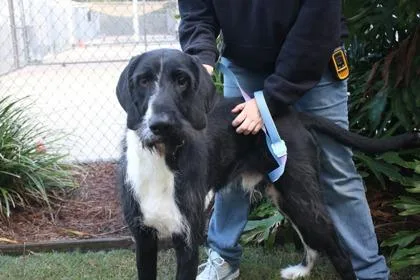
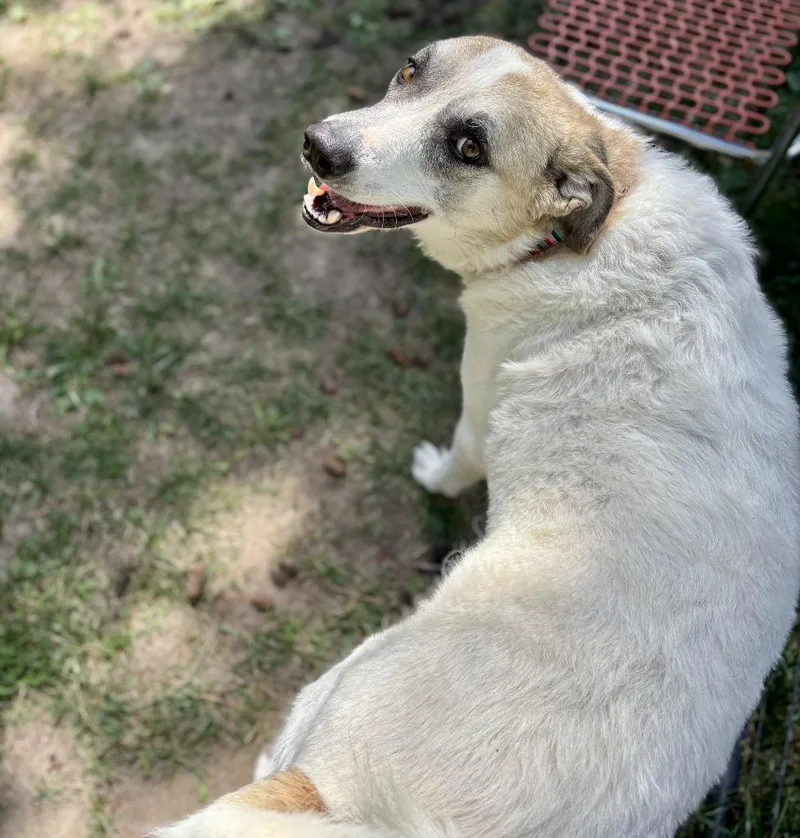
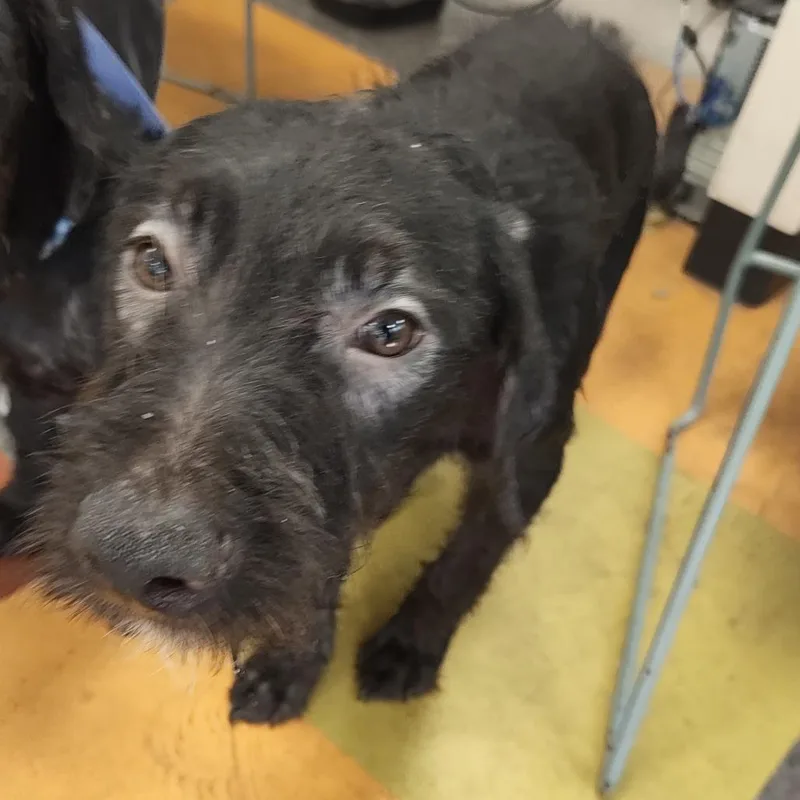
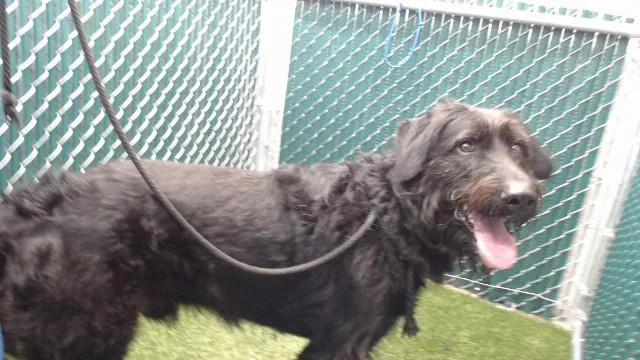
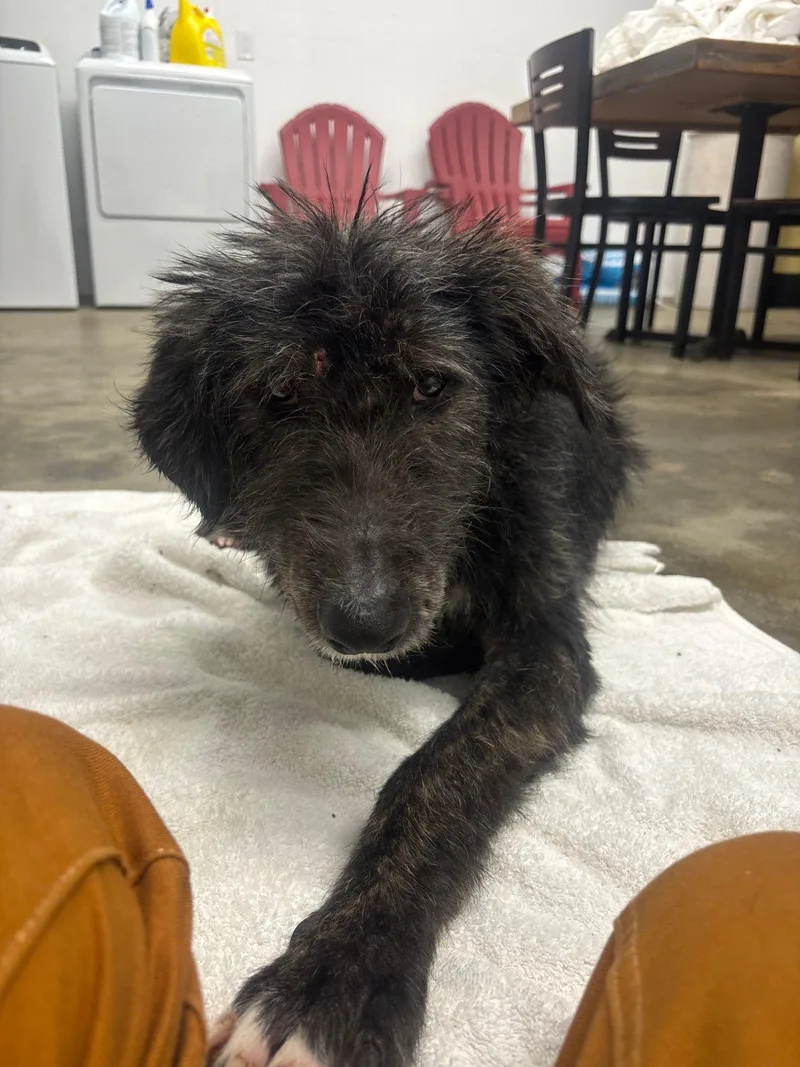
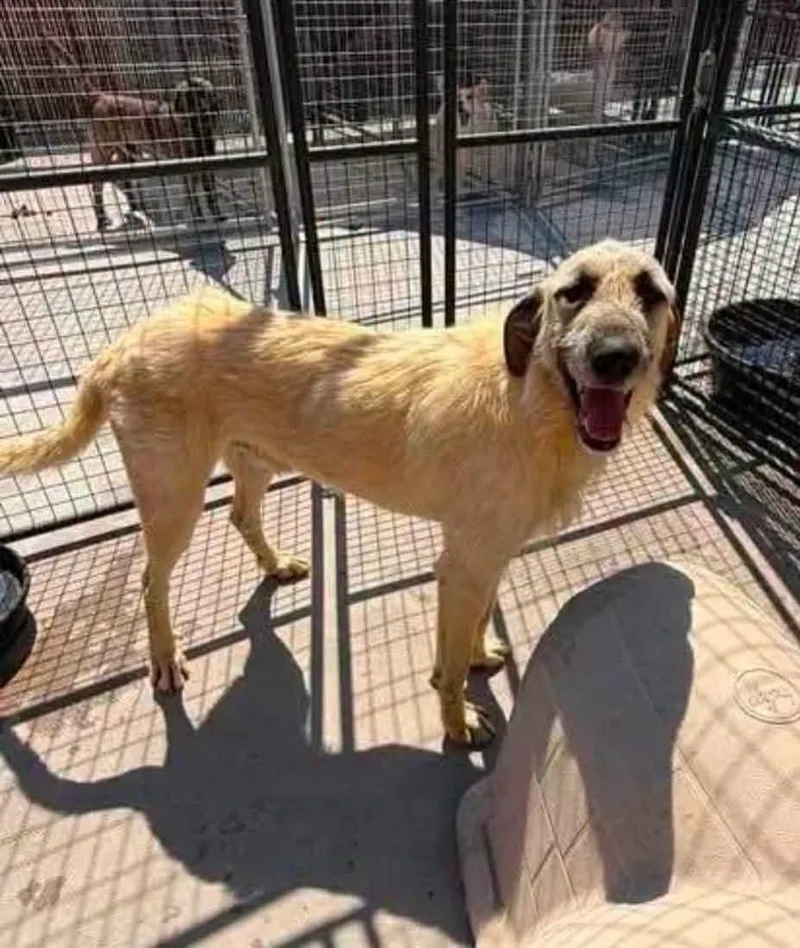
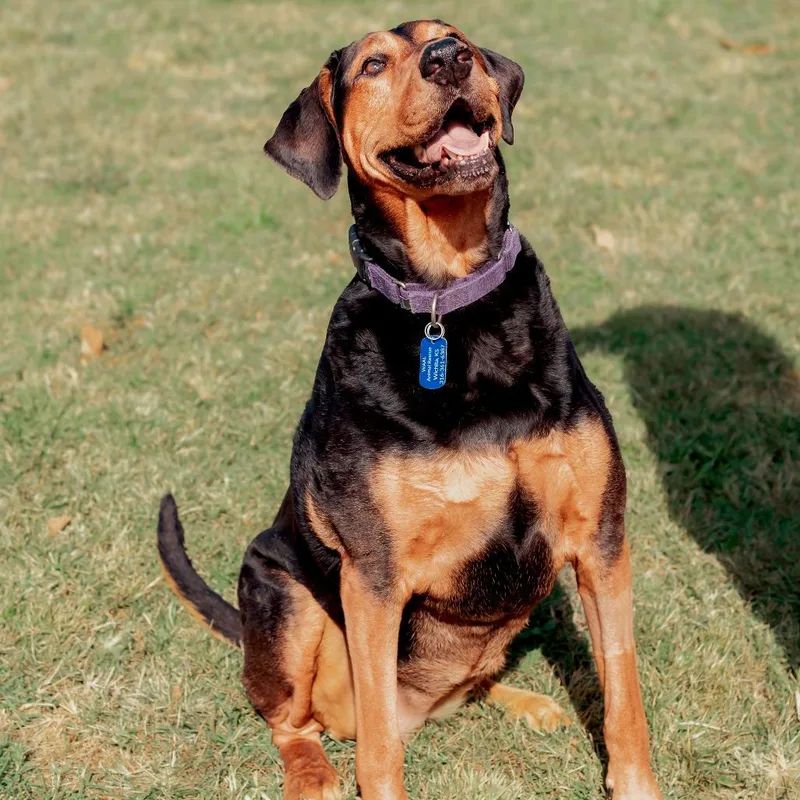
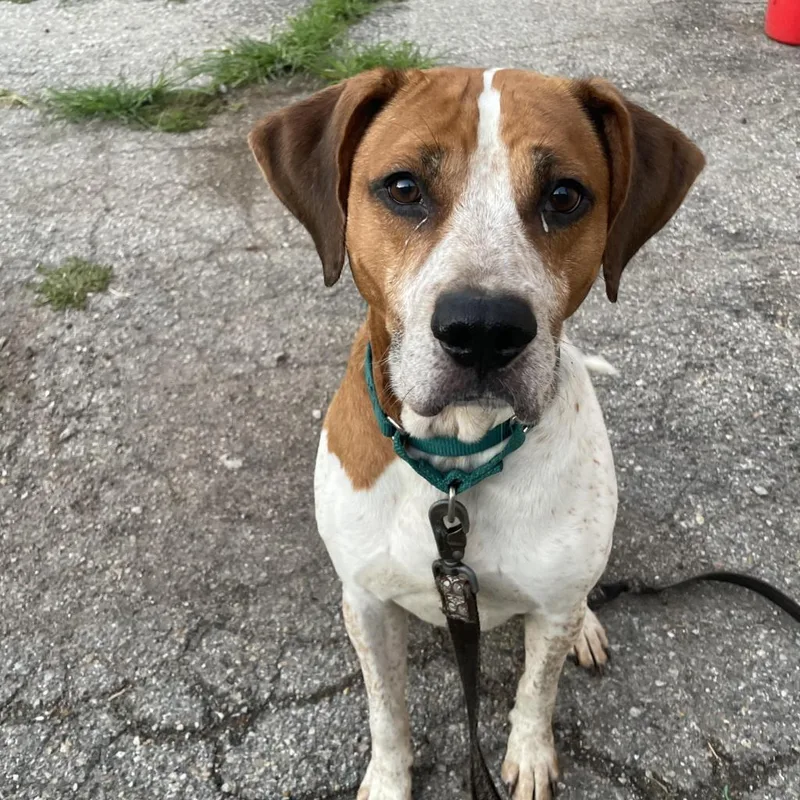
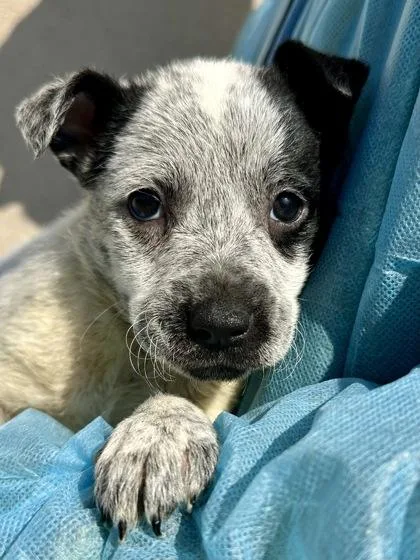
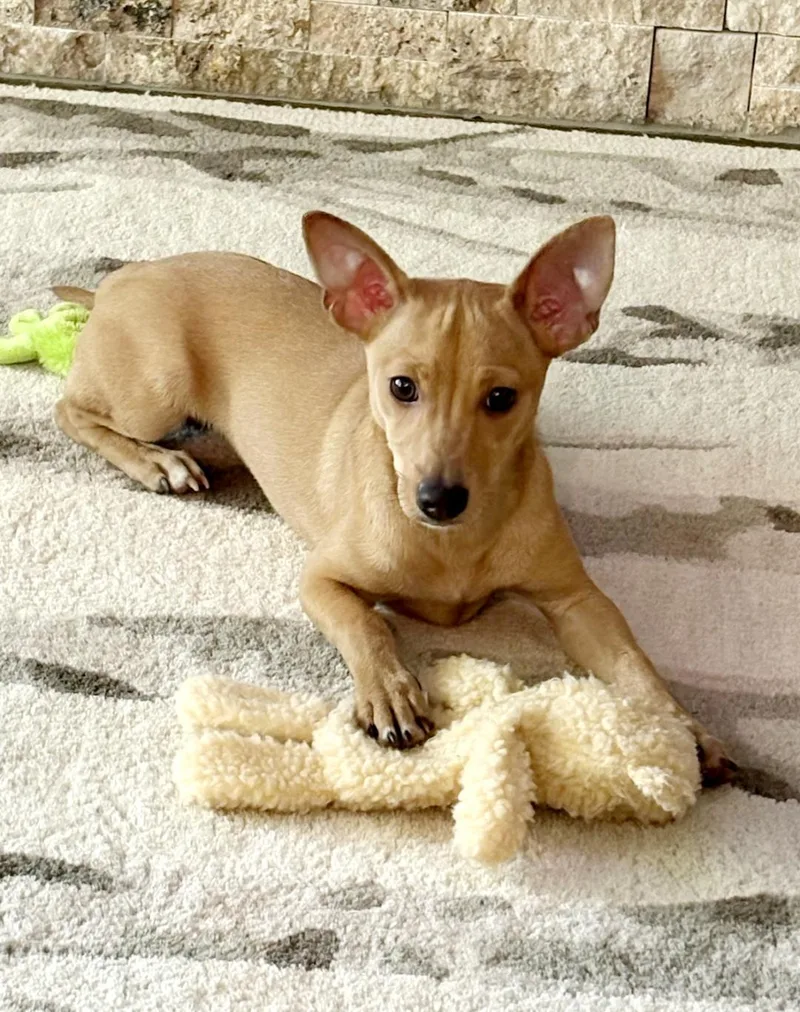
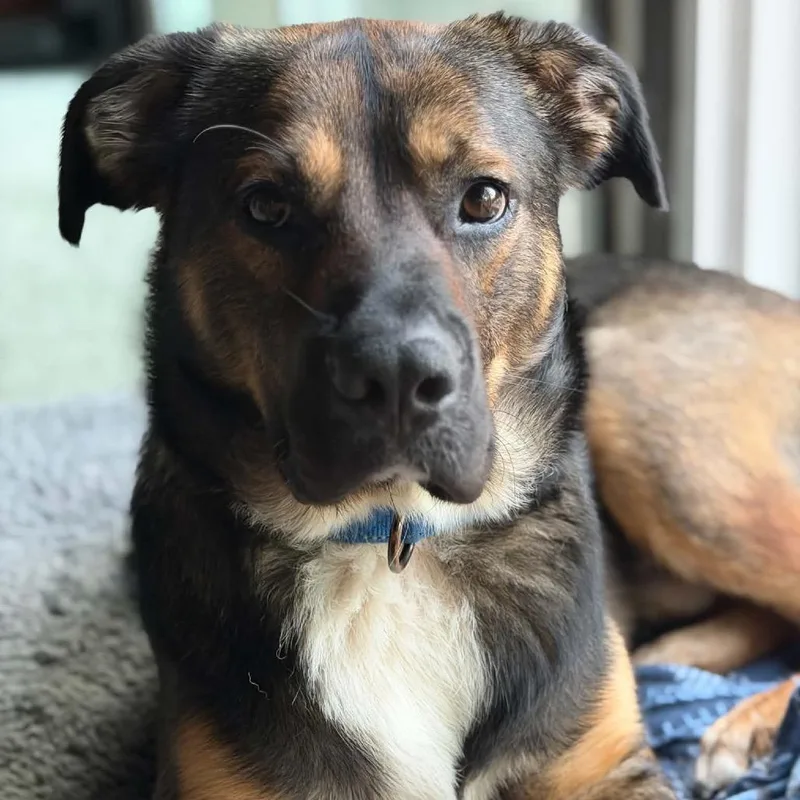
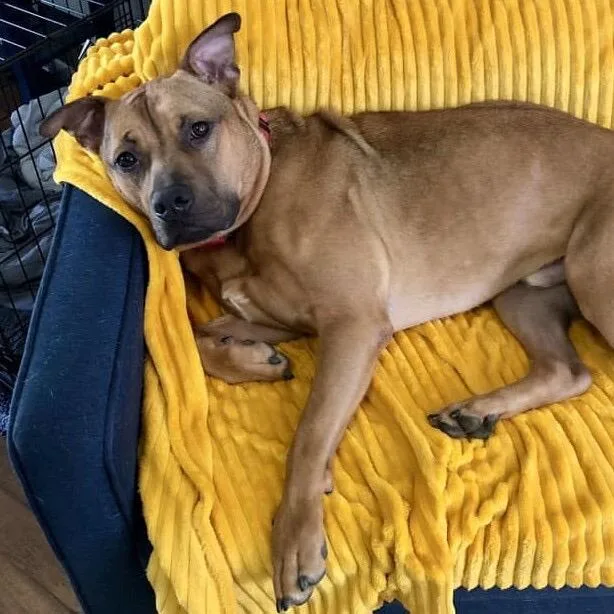
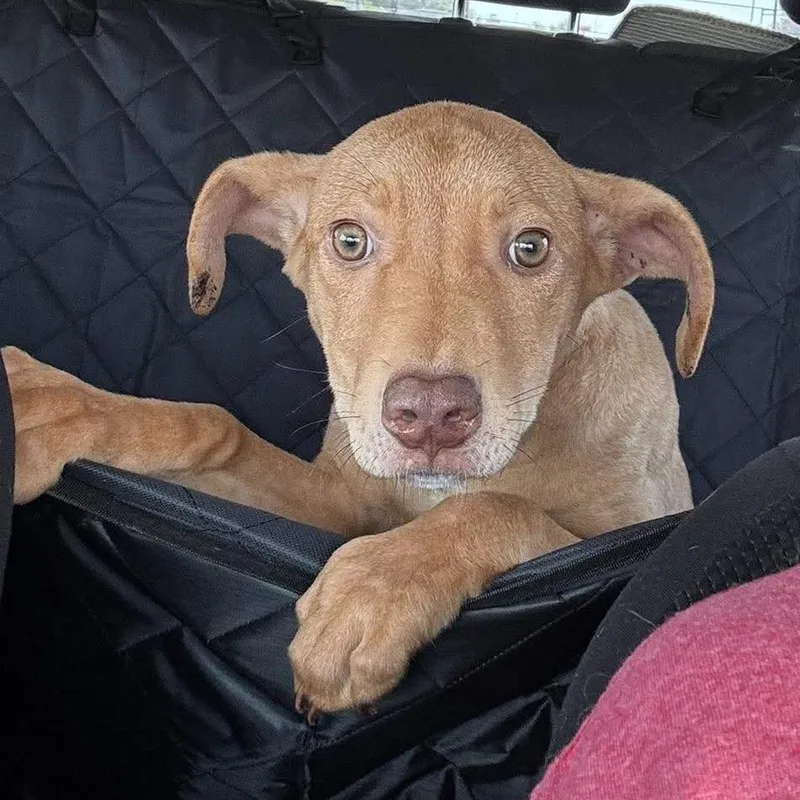
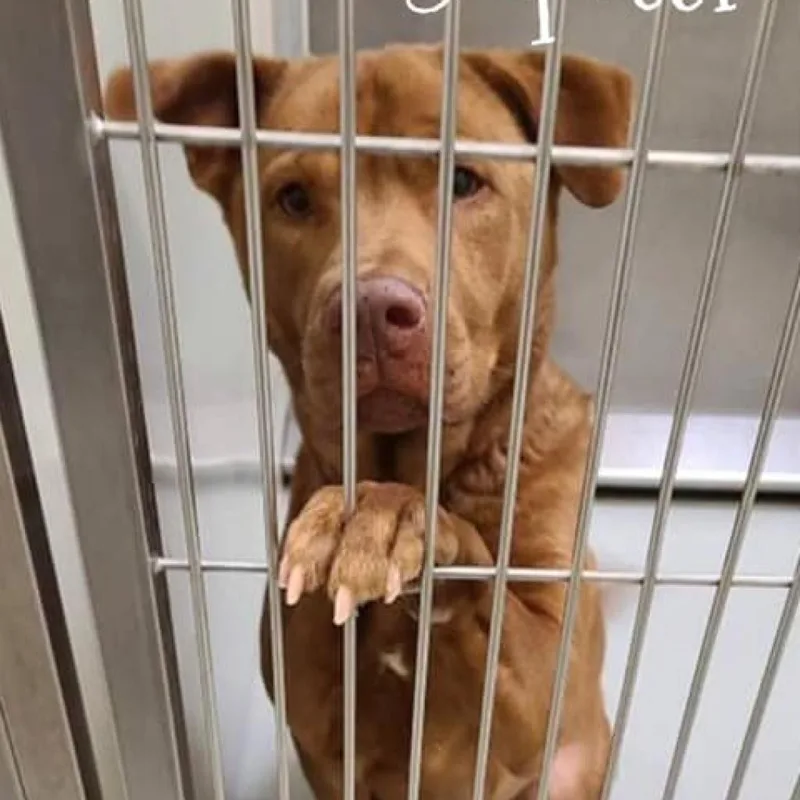
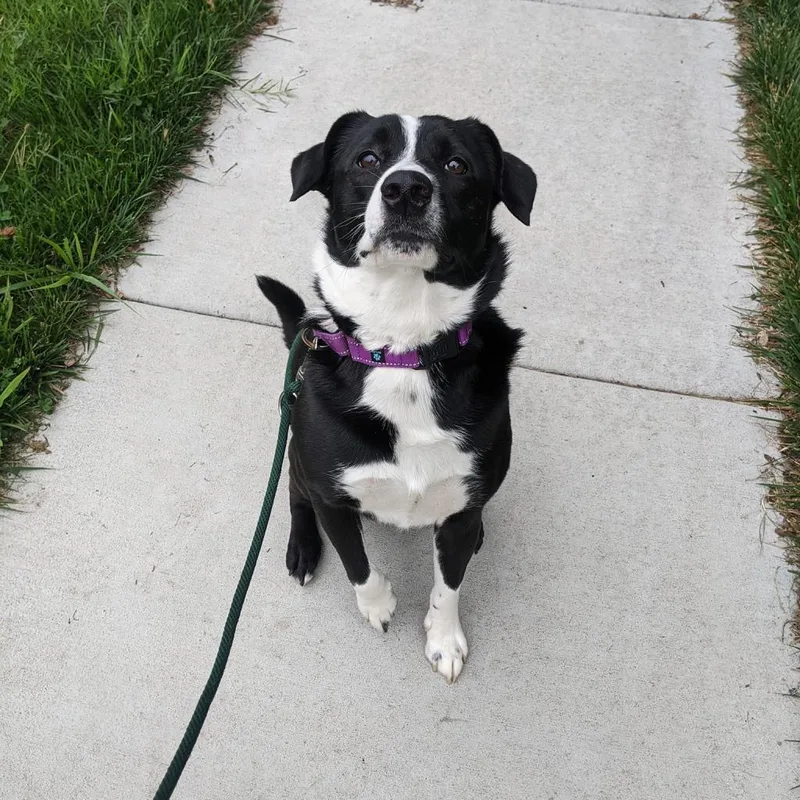
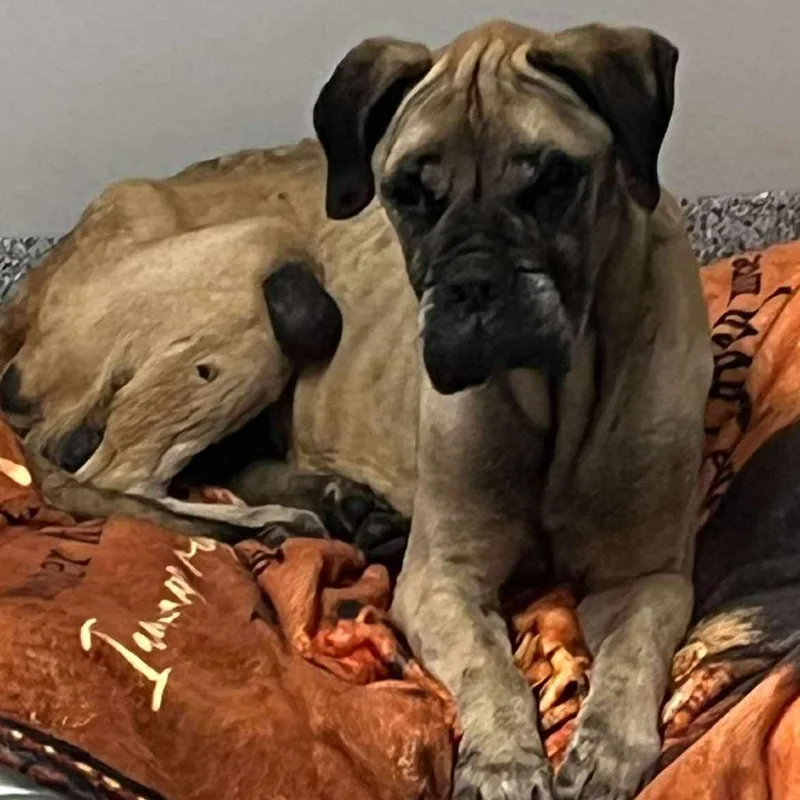
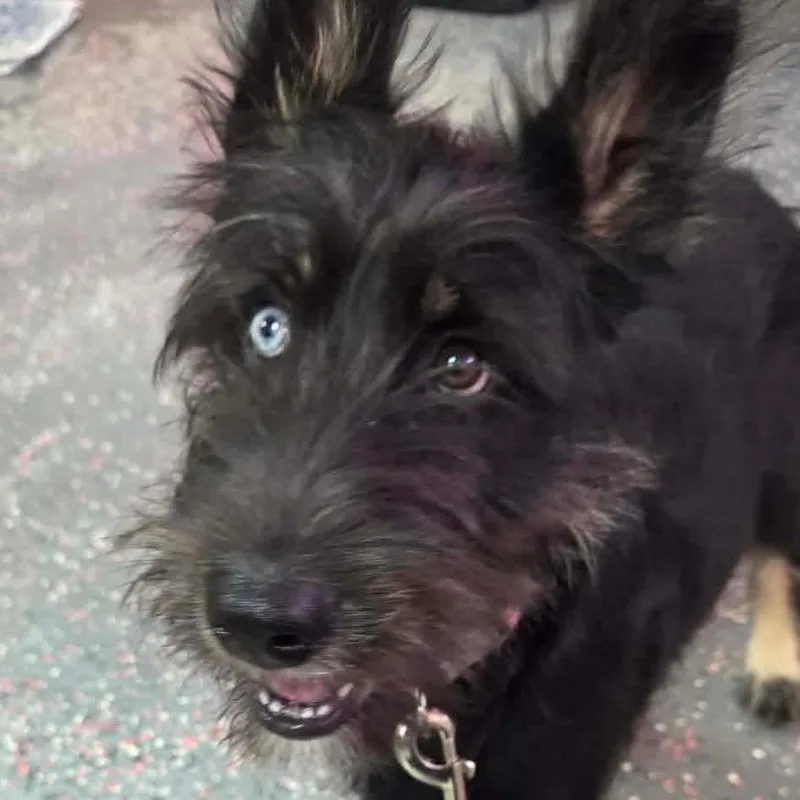
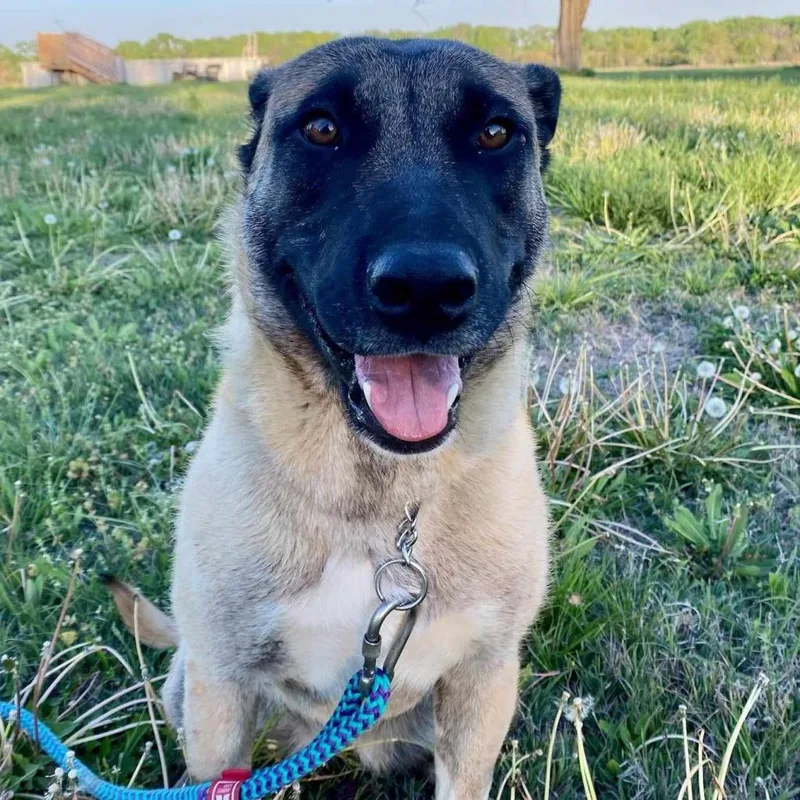
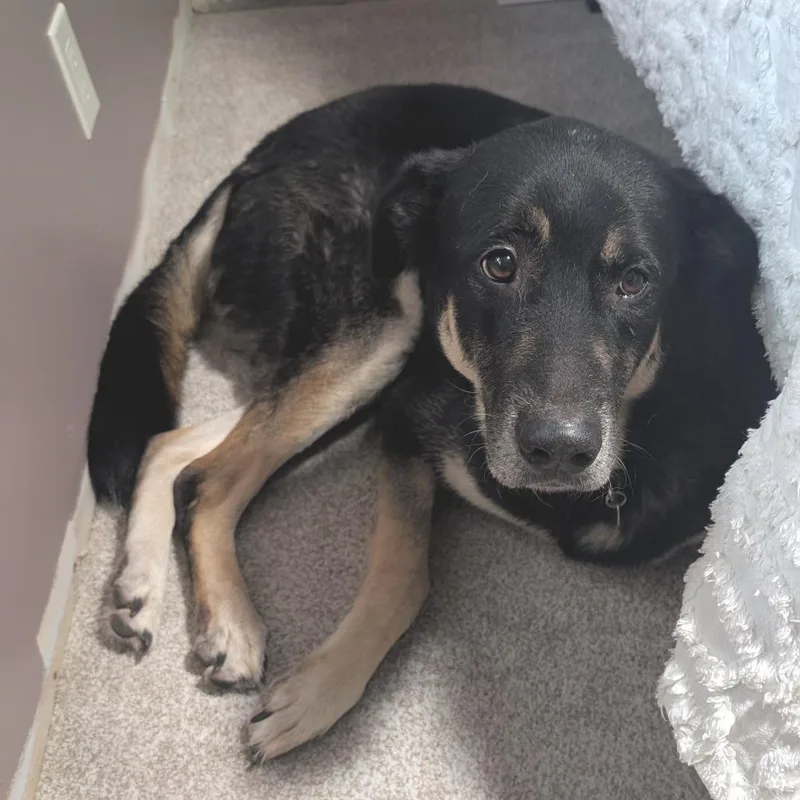
Say hello to your Irish Wolfhound

While we don't have enough dogs near Wichita, keep in mind that many rescues may offer transport.

Irish Wolfhounds Available for Adoption Near Wichita

About the Irish Wolfhound breed

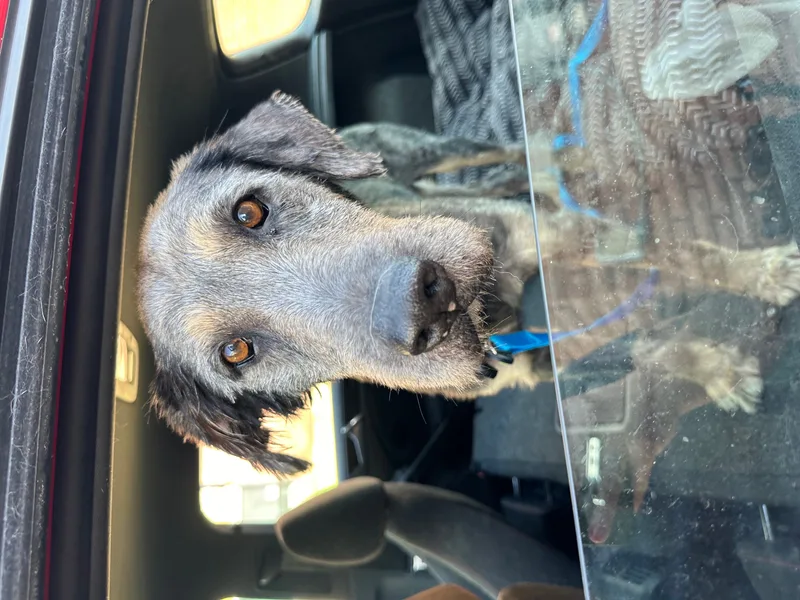
The Irish Wolfhound is the tallest breed the American Kennel Club recognizes, with males standing at least 32 inches and females at least 30. Ancient Irish hunters used these sighthounds against wolves, deer and boar, and the breed was rebuilt in the 1800s after wolves disappeared from Ireland. The rough, wiry coat comes in gray, brindle, red, black, white and fawn.

Wolfhounds are usually gentle, dignified and quietly affectionate, more likely to lean on a visitor than guard the door. The trade-offs are practical: big food bills, a short lifespan often under ten years, and a chase instinct that makes secure fencing important, even on Wichita's riverside paths. Because the breed is uncommon, saving a search on this page is a sensible way to hear about new Wolfhounds and similar giant breeds.

Weight
105–180 lbs
Height
30–35 in
Lifespan
6–10 yrs
Temperament
Gentle, Calm, Dignified, Patient
Group
Hound
Shedding
Moderate

Owning an Irish Wolfhound in Wichita

Having an Irish Wolfhound in Wichita

Wolfhounds combine a giant frame with a soft, easygoing nature. In Wichita, the big questions are fenced space, summer heat, winter cold, and health care that keeps pace with a breed prone to heart disease, bone cancer and bloat.

Temperament

Wolfhounds are typically gentle, patient and sensitive, and most greet visitors politely rather than guard. With squirrels and rabbits in so many Wichita yards and parks, expect the sighthound chase instinct to show up on walks, so keep a firm grip on the leash. Dogs vary, and a young Wolfhound can be clumsy around small children.

Exercise Needs

Adults need long daily walks and a chance to gallop in a securely fenced area, and a private fenced yard is the safest option. Off-leash parks only work if recall is solid, which is unreliable in many sighthounds. Hold off on hard running, jumping and long hikes until growth plates close around 18 months.

Health Considerations

Wolfhounds are prone to dilated cardiomyopathy, bone cancer, bloat and, in puppies, liver shunts. A veterinarian can set up regular cardiac screening and explain bloat warning signs such as restlessness or a swollen belly. On smoky spring days from Flint Hills burns, or in July heat, shorten walks if your dog coughs or pants heavily.

Living Space

A house with a securely fenced yard suits a Wolfhound best, with room to turn around and lie flat. Apartments are difficult because of size, stairs and limited exercise space, though calm adults sometimes adapt. Plan for a large vehicle, soft orthopedic bedding and a tail that sweeps coffee tables clear.

What it costs to own an Irish Wolfhound in Wichita

ExpenseTypical costPer year
Food$80 to $160 per month$960 to $1,920
Pet insurance$85 to $170 per month$1,020 to $2,040
Routine vet care$250 to $500 per year$250 to $500
Other*$690 to $1,890 per year$690 to $1,890
Estimated yearly total (after year one)$2,920 to $6,350

Other costs are estimates and vary with size, age and health.

* The $15 Wichita dog license for a spayed or neutered dog, flea, tick and heartworm prevention, a dental cleaning, coat brushing and tidying, joint supplements, and oversized bedding and toys.

Adopt an Irish Wolfhound in Wichita.

Now that you know more, let’s find you a new best friend. These rescues and shelters below have dogs available in and near Wichita.

Rescues and Shelters in or near Wichita

Wichita's shelters and rescues place dogs of every size, and the groups below list their adoptable pets here. Here are the rescues & shelters in the Wichita area with dogs available for adoption, worth asking whether an Irish Wolfhound is coming in.

Frequently Asked Questions

It can be, for adopters with a fenced yard, a roomy vehicle and time at home. Wolfhounds are calm indoors but need space to stretch out and a secure place to gallop, which usually suits a house with a yard better than a small apartment. Plan for hot summers, cold snaps, spring storms and the food and health costs of a giant dog.

Sometimes, but it's difficult. A calm adult Wolfhound can adapt to a large ground-floor unit, yet stairs, tight floor space and no private yard make exercise and bathroom trips harder for a dog over 100 pounds. Look for easy ground-level access, a nearby grassy area and a lease that clearly allows a dog this size.

Yes, with precautions. Wichita summers often reach the 90s and sometimes top 100°F, and a giant dog can overheat quickly. Walk at dawn or after dark, provide shade and water, and avoid hot pavement. Never leave a Wolfhound in a parked car. Heavy panting, staggering or unresponsiveness means move the dog somewhere cool and call a veterinarian.

Naftzger Bark Park downtown and K-9 Rooster Dog Park on the river offer off-leash space, but Wichita's dog parks admit only neutered dogs at least 5 months old, and a Wolfhound's recall may be shaky. For leashed walks, try the Arkansas River Path or Pawnee Prairie Park's marked trail loops.

Almost never. Wichita Transit runs buses only, and a pet that isn't a service animal must ride in an approved carrier that fully contains it, which no Wolfhound can fit. Service animals are allowed but must be declared when boarding. Plan on a roomy car for vet visits and outings.

Sometimes, on patios. Kansas law lets restaurants admit leashed dogs to outdoor areas, and microbreweries can allow dogs indoors, but each business decides. Dogs must stay under control and off tables, bars and counters. A Wolfhound is tall enough to reach a tabletop, so pick a roomy corner and bring your own water bowl.

A Wolfhound's rough coat needs brushing about once a week, plus occasional tidying or hand-stripping, and shedding is moderate. Wichita's climate doesn't call for clipping, but brush out mud after wet spring days and wipe the beard after drinking. Grooming falls within the $690 to $1,890 yearly Other costs.

An Irish Wolfhound is a giant sighthound from Ireland and the tallest breed recognized by the American Kennel Club, with males standing at least 32 inches at the shoulder. Originally bred to hunt wolves and other large game, it is now known as a calm, gentle companion. Its rough, wiry coat and long legs give it a distinctive look.

Irish Wolfhounds can be good family dogs for households with enough space and realistic expectations. Many are gentle, patient and affectionate with children and other pets. Their size can accidentally knock over small kids, and puppies are clumsy and boisterous. Families also need to plan for high costs and a shorter lifespan than most breeds.

Expect roughly $2,900 to $6,350 a year for an adult Wolfhound: food at about $80 to $160 a month, insurance at $85 to $170 a month, routine vet care at $250 to $500 a year, and $690 to $1,890 in other costs. Food and joint and heart care are the biggest swing factors for a giant dog.