Akita dog

Akita Dogs for Adoption in Manhattan, KS

Your guide to finding and caring for an Akita in Manhattan

Akitas fit Manhattan best in a home with a fenced yard and a calm routine. A quiet morning walk on the Linear Park Trail along Wildcat Creek suits a dog that's reserved with strangers and happier away from crowds. That thick double coat shrugs off Kansas winters, and a patient owner gets the most out of an Akita's loyalty. If you're thinking of adopting one here, plan on a big dog that bonds closely with family and takes its time with everyone else.

459 Akitas available in Manhattan and nationwide

Your Akita is waiting

While we don't have enough dogs near Manhattan, keep in mind that many rescues may offer transport.

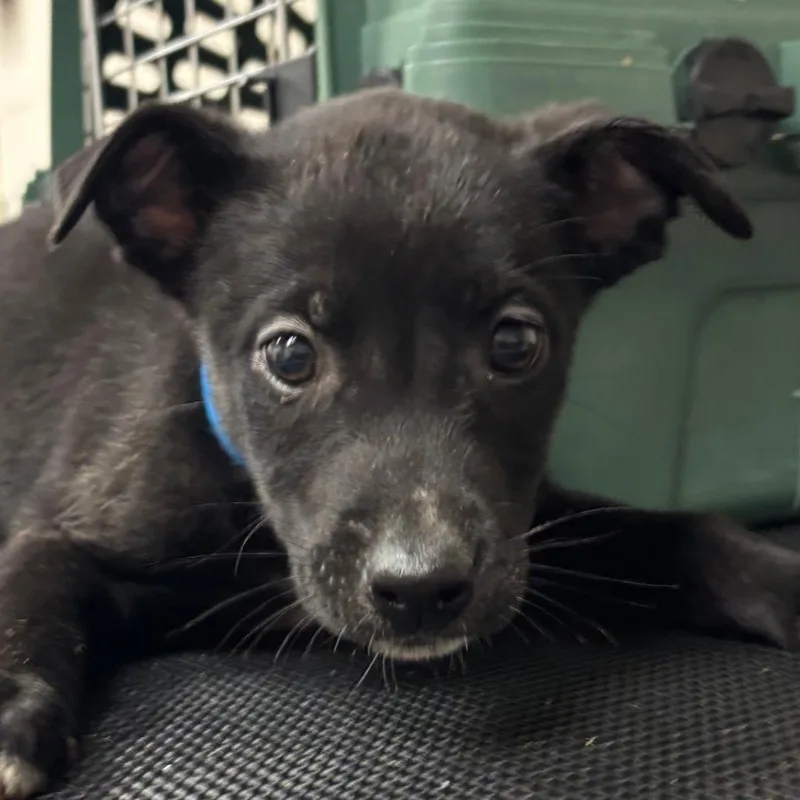
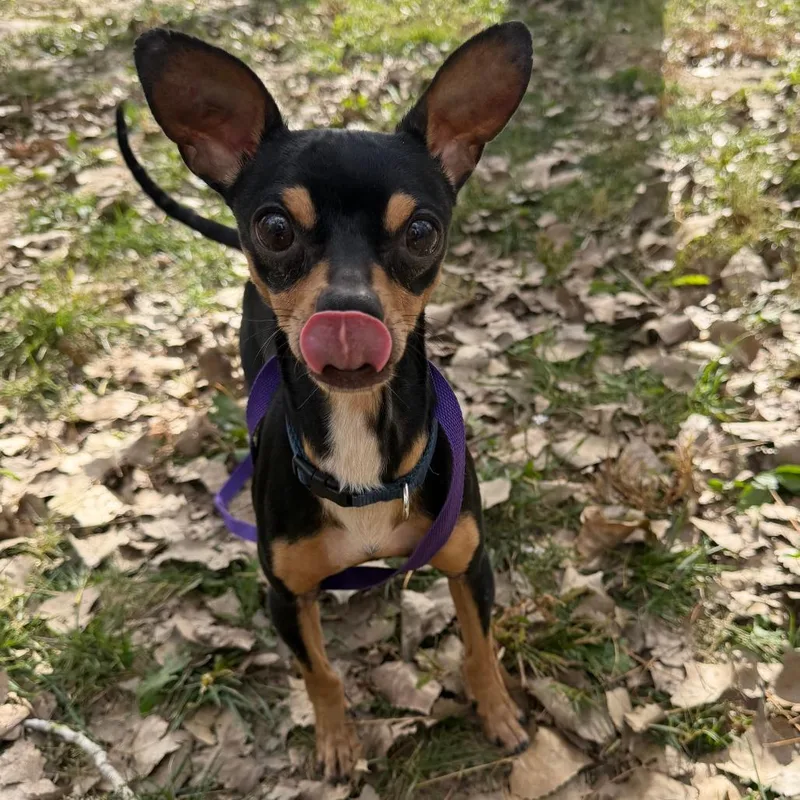
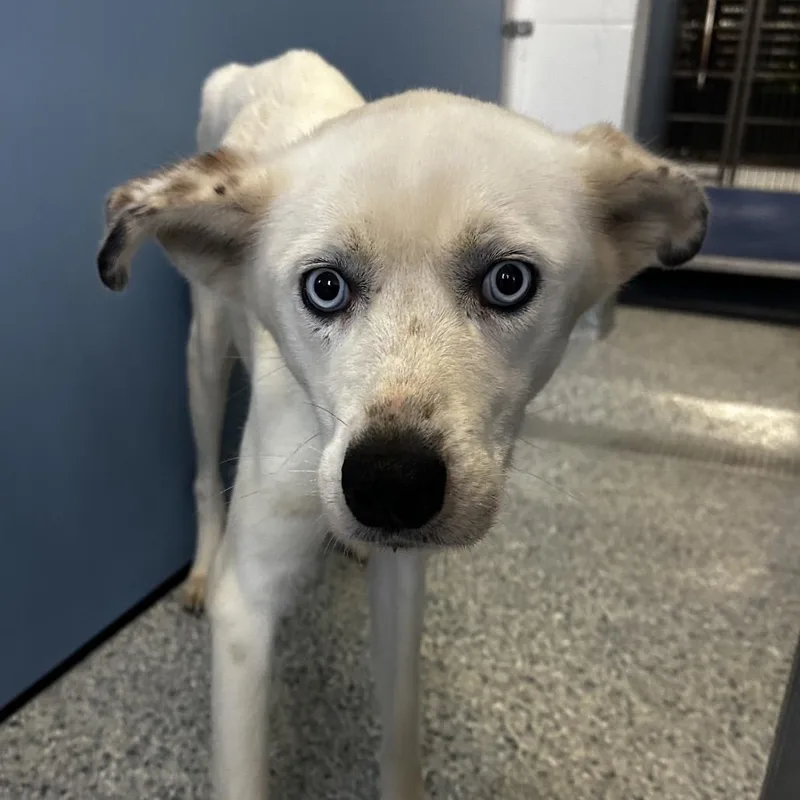
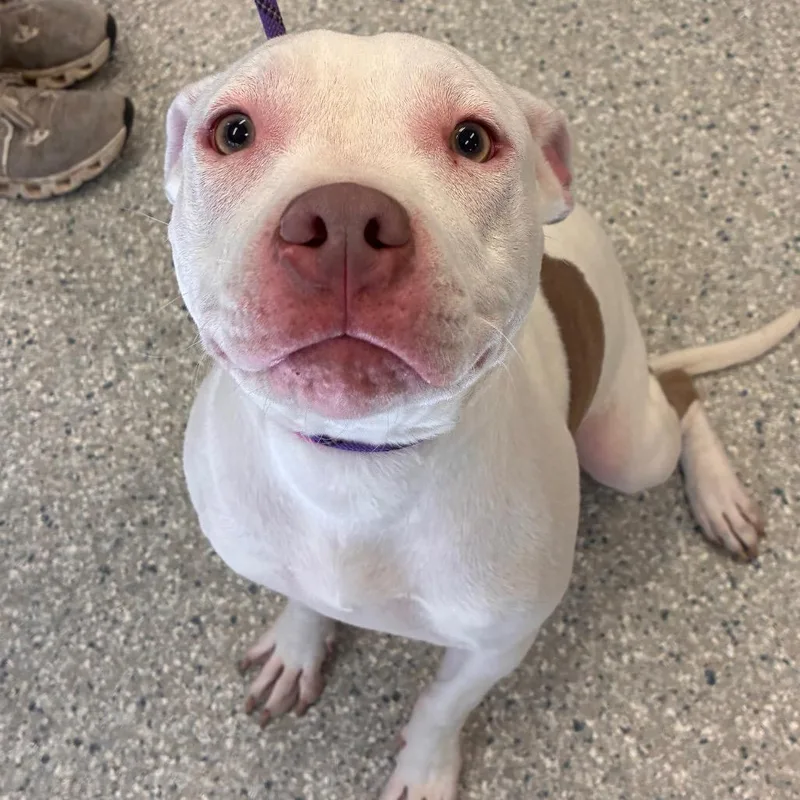
Akitas Available for Adoption Near Manhattan

About the Akita breed

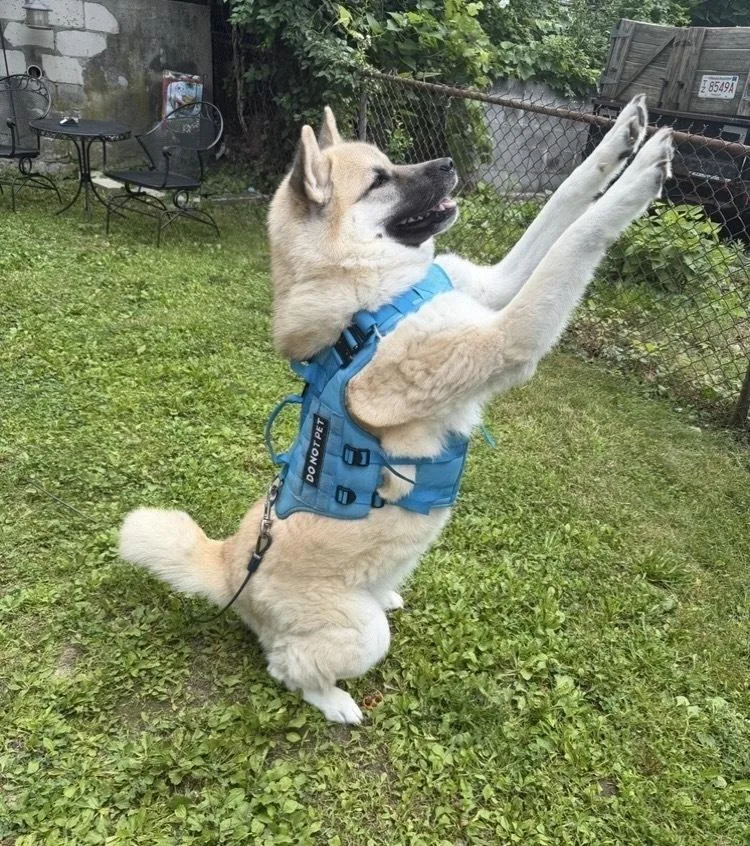
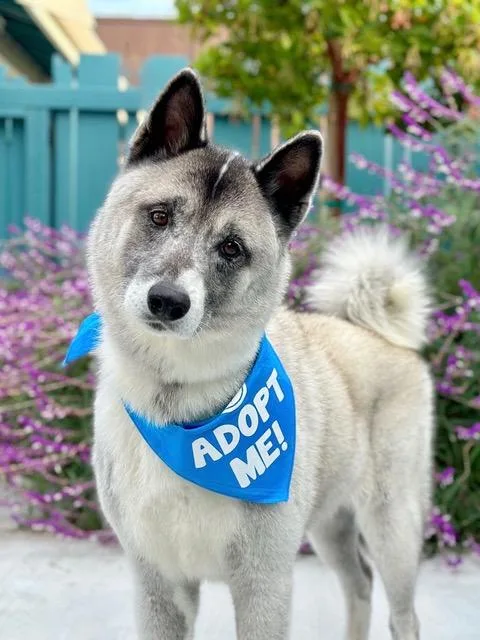
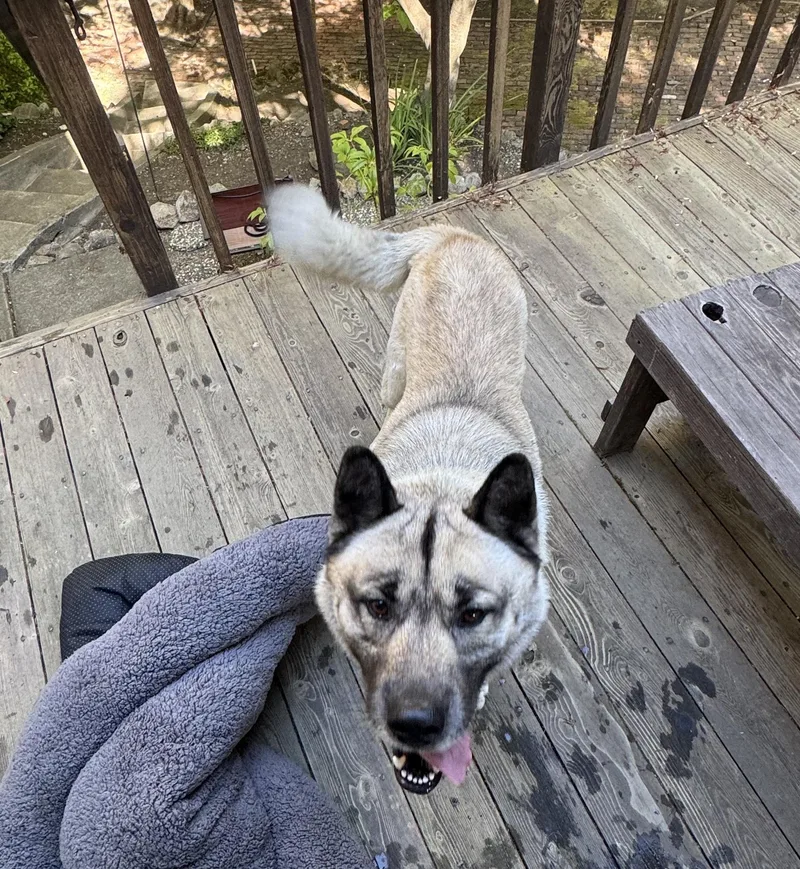
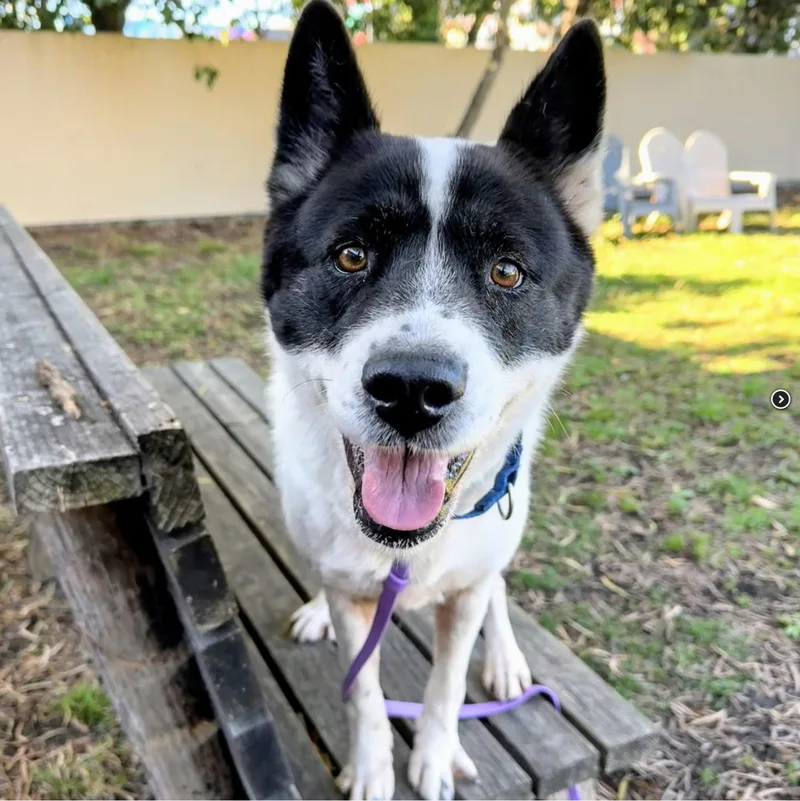
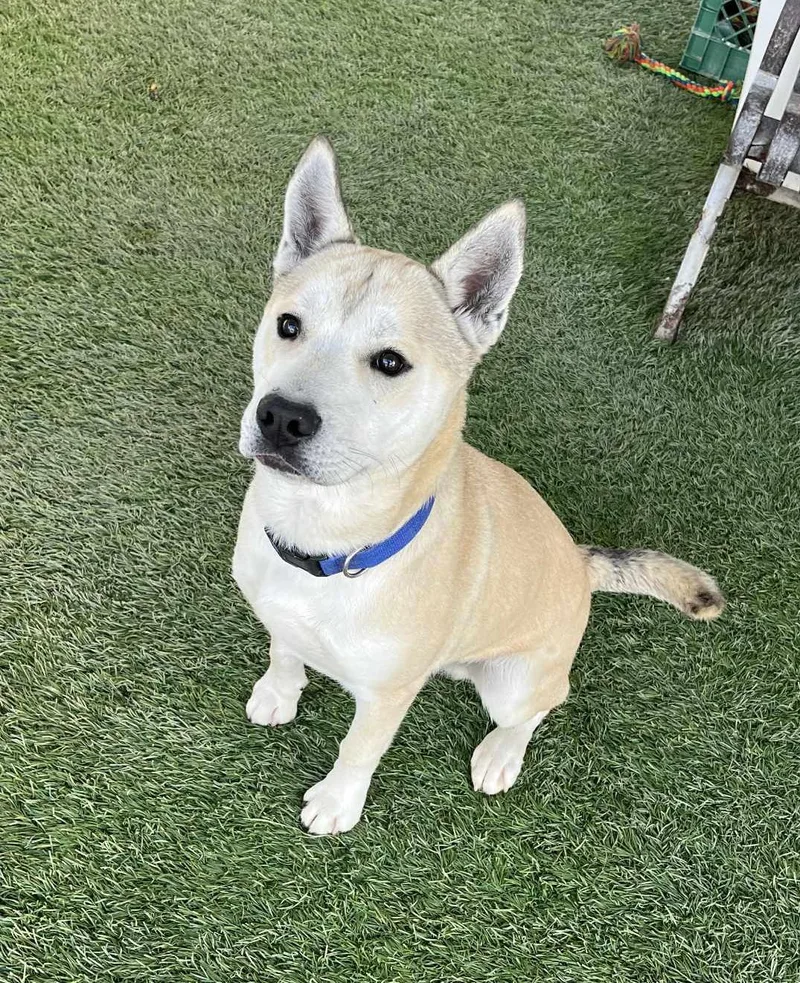
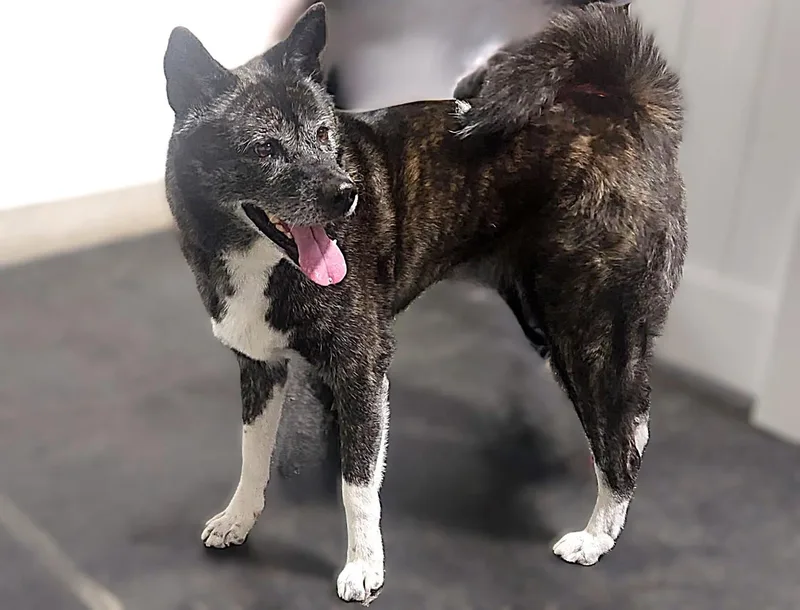
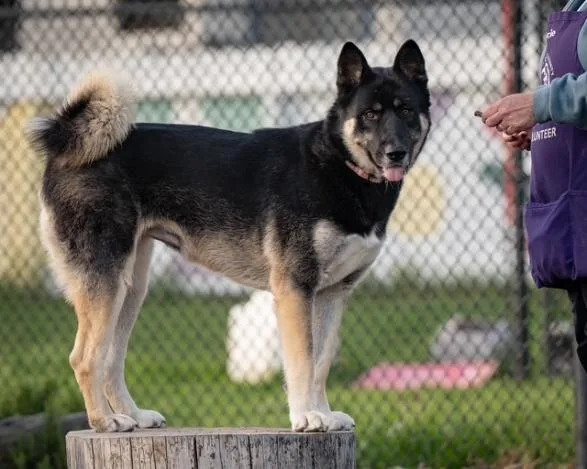
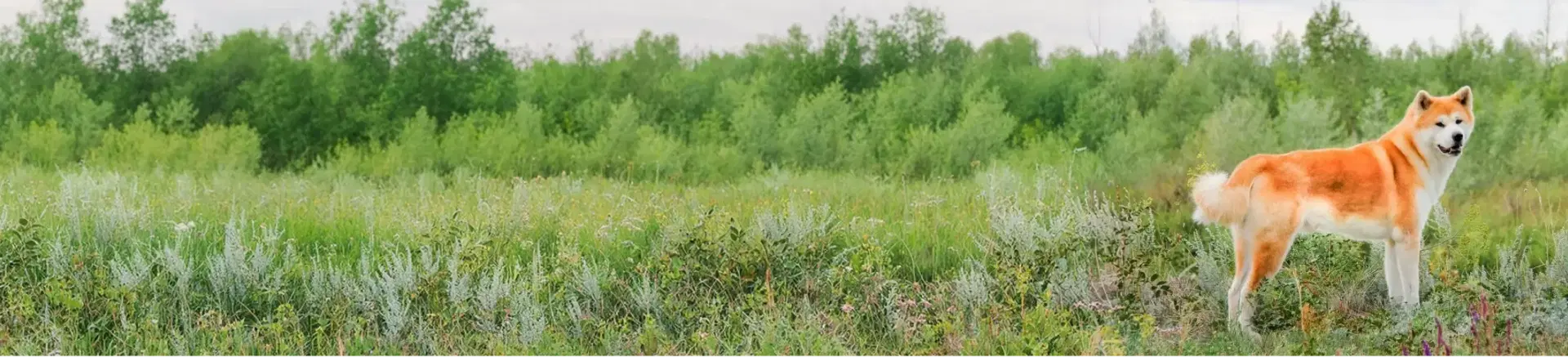
The Akita started in the snowy mountains of northern Japan, where spitz-type dogs trailed bear, boar and serow before guarding estates. The breed became famous through Hachiko, who waited for years at a Tokyo train station after his owner died. The American-type Akita is the heavier version, with a broad bear-like head, small upright ears, a plush double coat and a large tail curled over the back.

Many Akitas are quiet, dignified and devoted to their own people, and aloof with strangers. Strong guarding instincts are common, and some don't get along with other dogs, especially of the same sex. Living with one in Manhattan means careful introductions, patient training and a plan for heavy coat blowouts twice a year, when brushing becomes a near-daily job.

Weight
70–130 lbs
Height
24–28 in
Lifespan
10–14 yrs
Temperament
Loyal, Dignified, Protective, Independent
Group
Working
Shedding
High

Owning an Akita in Manhattan

Having an Akita in Manhattan

Quiet loyalty in a large, powerful body defines the Akita. Independence, guarding instinct, selectiveness with other dogs and a heavy coat shape daily life in Manhattan more than looks do, so matching the dog to your home matters.

Temperament

Akitas are often affectionate and calm with family but reserved with strangers. Many are intolerant of other dogs, and some chase small animals, so controlled introductions and quiet trails usually beat busy gatherings. They're clever but independent, so consistent, reward-based training works best. Each Akita's personality varies.

Exercise Needs

Most Akitas need moderate daily exercise: brisk leashed walks, sniffing outings and short training sessions. The Linear Park Trail gives room for longer walks, while a securely fenced yard handles play. Many Akitas do poorly around unfamiliar dogs, so dog parks are often a poor fit. Keep hard exercise to cooler hours in summer.

Health Considerations

Akitas can develop hip dysplasia, hypothyroidism, bloat and immune-related conditions, along with eye problems such as glaucoma. Their red blood cells hold more potassium than most dogs', which can confuse lab results, so tell any new veterinarian the breed. Keep up regular checkups and year-round parasite prevention, and ask your vet about bloat warning signs.

Living Space

An Akita can manage in a house or an apartment if it gets daily exercise and calm handling. In Manhattan, a ground-floor unit or a fenced yard helps, since shared hallways put a wary dog close to strangers. Plan on a cool indoor spot in summer and plenty of vacuuming.

What it costs to own an Akita in Manhattan

ExpenseTypical costPer year
Adoption fee$150, one time$150 in year one
Food$55 to $110 per month$660 to $1,320
Pet insurance$65 to $130 per month$780 to $1,560
Routine vet care$250 to $500 per year$250 to $500
Other*$585 to $1,474 per year$585 to $1,474
Estimated yearly total (after year one)$2,275 to $4,854
First-year total (with adoption fee)$2,425 to $5,004

Adoption fee is the fee on Akita listings in Manhattan on GetBuddy today. Other costs are estimates and vary with size, age and health.

* The Manhattan dog license ($10 spayed or neutered, $24 unaltered), flea, tick and heartworm prevention, a dental cleaning allowance, toys and bedding, and brushing and baths for heavy coat blowouts.

Adopt an Akita in Manhattan.

Now that you know more, let’s find you a new best friend. These rescues and shelters below currently have Akitas available.

Rescues in Manhattan with Akitas Available

Manhattan's rescue community includes a city shelter and volunteer foster-based groups that care for dogs until they're adopted. Here are the rescues & shelters in the Manhattan area where you can find Akitas and other dogs available for adoption.

Frequently Asked Questions

It can be, for a patient owner who's home often and wants a calm, loyal companion. Manhattan's cold winters suit the coat, and the trails give room for moderate daily walks. The tradeoffs are hot summer afternoons, a dog that may not welcome other dogs, and heavy shedding. A fenced yard and no other dogs in the house tend to fit best.

Yes, winter is usually the easiest season for an Akita. Manhattan winters average lows near 21°F, with about 18 inches of snow a year, and the breed's dense double coat is built for cold. Wipe paws after salted sidewalks, keep walks leashed on icy days, and bring the dog indoors on the few nights that drop to 0°F.

The Linear Park Trail is a good leashed route, with about 9.4 miles along the Kansas and Big Blue rivers and Wildcat Creek. Washington Marlatt Memorial Park's "Top of the World" trails add an overlook on leash. Go early or late in summer, and pick quieter hours so a wary Akita isn't surprised by unfamiliar dogs.

It can, if the lease allows it and the dog gets daily exercise. An Akita's size and wariness of strangers make shared hallways and stairwells harder, so a ground-floor unit with a quiet entrance works better. Confirm size and breed limits in writing before applying, and plan on frequent brushing, since heavy shedding shows up fast in small spaces.

Mostly no. ATA Bus allows pets only when they're secured in an enclosed container, and pets have the lowest boarding priority, so most Akitas, at 70 to 130 pounds, won't qualify. Service animals ride without restriction under their handler's control. Plan on driving to vet visits and outings, and get your dog used to car rides early.

Possibly, but only on a patio and only where the restaurant chooses to allow dogs. Kansas law lets food establishments permit leashed dogs in outdoor areas, but never requires it. An Akita that's wary of strangers may find a busy Aggieville patio stressful, so practice calm settling elsewhere first and keep the leash short.

Plan on weekly brushing most of the year and near-daily brushing during the twice-yearly coat blowouts, often in spring and fall. Manhattan's hot summers are no reason to shave the double coat; brushing out loose undercoat helps airflow instead. Baths are occasional. Coat care fits within the roughly $585 to $1,474 yearly "Other" costs.

An Akita is a large, powerful spitz-type dog from northern Japan, known for its plush double coat, upright ears and tail curled over the back. In the United States, the Akita is the heavier American type, while the lighter Japanese Akita Inu is now registered separately. Many Akitas are devoted to their family, reserved with strangers and selective about other dogs.

We have 1 rescue with Akitas available: Prairie Paws - Manhattan. You can see every rescue with Akitas available in the list above these questions, or scroll to the top to see the Akitas near Manhattan.

Expect roughly $2,275 to $4,850 a year for an Akita, mostly food and insurance. Food runs $55 to $110 a month and insurance $65 to $130. Routine vet care is $250 to $500 a year, and other costs such as prevention, dental care, the license and coat care add $585 to $1,474.

Find Akitas in Nearby Cities

Expand your search to find Akitas available for adoption near Manhattan.