American Eskimo Dogs for Adoption in Honolulu, HI

Your guide to finding and caring for an American Eskimo Dog in Honolulu

American Eskimo Dogs fit Honolulu's condo-and-townhouse neighborhoods better than their snowy looks suggest. In Salt Lake, a toy or miniature Eskie can get a morning walk past the townhouses and a play session at the Hoa Aloha dog park, then spend the day indoors with the family. They're alert and chatty, which matters in a shared building. With that thick white coat, afternoons in the sun are the part to plan around.

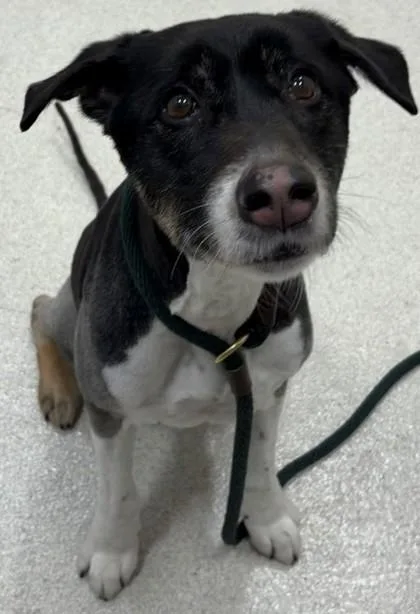
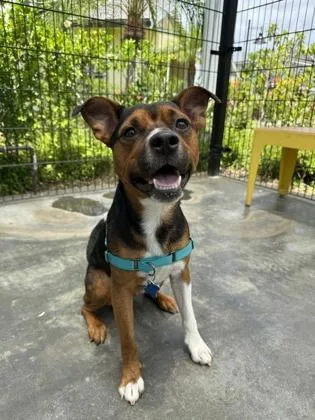
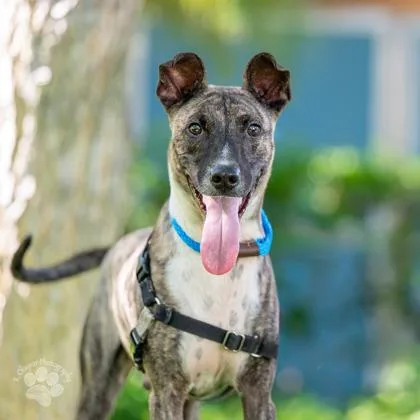
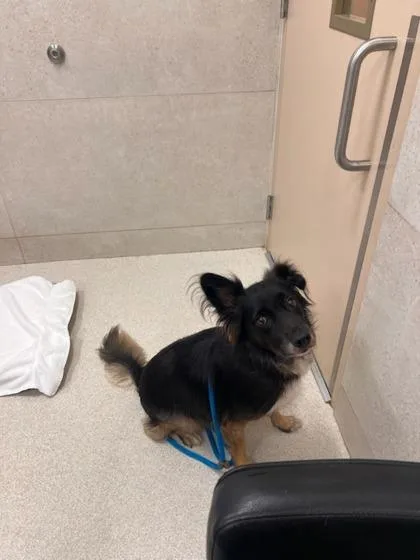
66 American Eskimo Dogs available in Honolulu and nationwide

An American Eskimo Dog is ready for you

While we don't have enough dogs near Honolulu, keep in mind that many rescues may offer transport.

American Eskimo Dogs Available for Adoption Near Honolulu

About the American Eskimo Dog breed

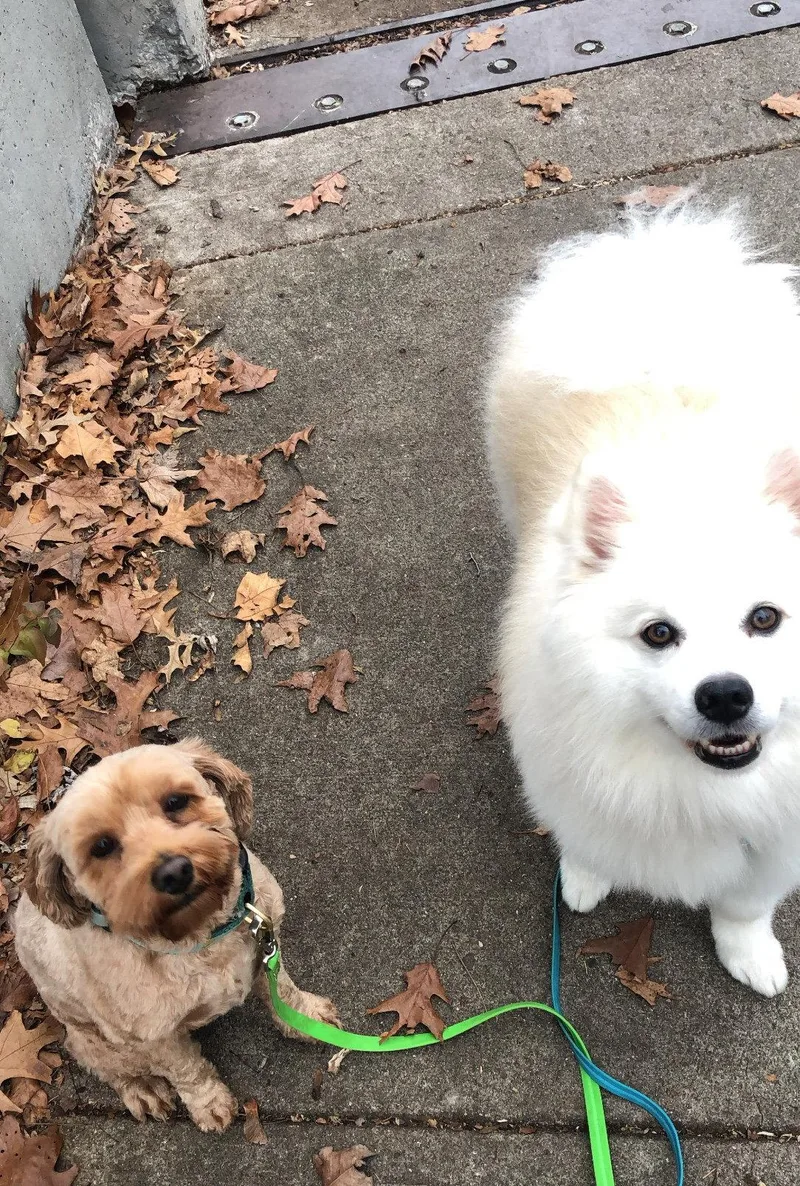
The American Eskimo Dog has no connection to Arctic sled dogs. It descends from white German Spitz dogs that immigrants brought to the United States in the early 1900s, and the name changed amid anti-German feeling around World War I. Eskies later became circus performers in the 1920s and 1930s, showing off quick minds with tricks. They come in toy, miniature and standard sizes, from roughly 6 to 35 pounds.

With a white double coat, lion-like ruff and plumed tail, Eskies are striking, and many are bright, playful and eager to please. They tend to be alert watchdogs that bark readily and can be reserved with strangers. Expect plenty of brushing, daily activity, company and a cool indoor spot, whatever size the dog is.

Weight
6–35 lbs
Height
9–19 in
Lifespan
13–15 yrs
Temperament
Intelligent, Alert, Playful, Vocal
Group
Non-Sporting
Shedding
High

Owning an American Eskimo Dog in Honolulu

Having an American Eskimo Dog in Honolulu

Eskies pair a sharp mind and a showy white coat with real care needs. In Honolulu, the big ones are managing sun and humidity, keeping a vocal dog content in a shared building, and staying on top of brushing. Size and history matter, and every dog differs.

Temperament

Eskies are usually intelligent and affectionate with their families, and many follow their people from room to room. They can be reserved with strangers and quick to sound the alarm, which is worth knowing in a busy Honolulu building with neighbors in the hallway. Positive training and early socialization help, though each dog's personality varies.

Exercise Needs

Plan on daily walks plus play or training, with standards often wanting more. In Honolulu, walk early or after sunset, since pavement and sand get hot, and try the back-of-hand test on the ground. Puzzle toys and trick practice indoors burn energy on hot afternoons and help curb boredom barking.

Health Considerations

Conditions seen in Eskies include progressive retinal atrophy, hip dysplasia, kneecap luxation, juvenile cataracts and diabetes, with Legg-Calvé-Perthes disease in smaller dogs. In Hawaiʻi, ask a veterinarian about the leptospirosis vaccine, and keep dogs from mouthing cane toads. Regular checkups of the eyes and joints catch problems early.

Living Space

Toy and miniature Eskies suit Honolulu's condos and apartments best, while standards appreciate a yard, as in many Mililani or Hawaiʻi Kai houses. Whatever the size, they do best indoors with the family and air conditioning or a fan, not left alone for long stretches. Vocal dogs need a plan for thin walls.

What it costs to own an American Eskimo Dog in Honolulu

ExpenseTypical costPer year
Food$20 to $45 per month$240 to $540
Pet insurance$35 to $70 per month$420 to $840
Routine vet care$200 to $400 per year$200 to $400
Other*$475 to $1,250 per year$475 to $1,250
Estimated yearly total (after year one)$1,335 to $3,030

Other costs are estimates and vary with size, age and health.

* Flea, tick and heartworm prevention, a dental cleaning, toys and bedding, and brushing and baths for a heavy-shedding double coat; Honolulu has no dog license fee.

Adopt an American Eskimo Dog in Honolulu.

Now that you know more, let’s find you a new best friend. These rescues and shelters below have dogs available in and near Honolulu.

Rescues and Shelters in or near Honolulu

Honolulu's rescue community includes a large open-admission shelter plus smaller nonprofits and foster-based groups working to place dogs in homes. Here are the rescues & shelters in the Honolulu area with dogs available for adoption, worth asking whether an American Eskimo Dog is coming in.

Frequently Asked Questions

Yes. Honolulu has no known breed bans, and dangerous-dog status depends on a dog's behavior, not its breed. Dogs three months and older need a registered microchip instead of a license, and a household can have up to ten dogs. Keep your Eskie leashed whenever it's off your property.

It can be, for people who are home often and willing to manage heat. Eskies want company, daily activity and regular brushing, plus cool indoor time all year. Fireworks go off across Oʻahu around New Year's, so plan a quiet room for your dog and keep the microchip registration current.

Yes, especially a toy or miniature. Plan for elevator trips and several walks a day, since many Honolulu buildings have little green space nearby. The bigger challenge is noise: Eskies bark readily, so build in quiet cues, puzzle toys and enough exercise to keep a dog from alerting at every hallway sound.

Only small ones. TheBus and Skyline allow pets only in a closed carrier held on your lap or placed under the seat, so a toy Eskie may fit while a miniature or standard likely won't. Service animals are the exception. Check current fares with TheBus and Skyline before riding.

For off-leash play, try Punahou Square in Makiki or Kahua O Waikalua in Kāneʻohe. For leashed hikes, the Makiki Valley Loop and Puʻu Pia Trail in Mānoa are options, though the state trail map shows current dog rules. Keep your dog leashed and at least 50 feet from resting monk seals.

Yes, with planning. Honolulu's heat is steady rather than extreme, but an Eskie's thick coat, humidity and hot pavement add up. Walk at dawn or after sunset, offer shade and water, and keep midday in air conditioning or a fan-cooled room. Skip shaving, since the coat helps shield against sun.

Sometimes, on patios. Since August 2025, Hawaiʻi lets restaurants allow pet dogs in outdoor dining areas if the dog doesn't pass through the interior. Participation is optional and indoor dining stays off-limits. Look for posted signage, and bring a mat and water; a barky Eskie may do best in a quiet corner.

Plan on brushing several times a week, more during seasonal coat blows, plus occasional baths. Honolulu's humidity means drying the coat fully after baths, rain or beach days. Don't shave it, since the double coat helps with sun and heat. Brushing and bath costs fall under the Other line of the cost table.

American Eskimo Dogs typically live about 13 to 15 years, and some reach their late teens. Smaller toy and miniature Eskies often live slightly longer than standards, as is common in dogs. Good nutrition, a healthy weight, dental care and regular veterinary checkups help, and early screening for eye disease and diabetes can catch problems before they become serious.

Expect roughly $1,300 to $3,000 a year for food, insurance, routine vet care and other costs, with toy-sized Eskies toward the low end. Food runs $20–$45 a month, insurance $35–$70 and routine vet visits $200–$400 a year. Other costs of $475–$1,250 a year cover prevention, dental care, supplies and grooming for the heavy coat.