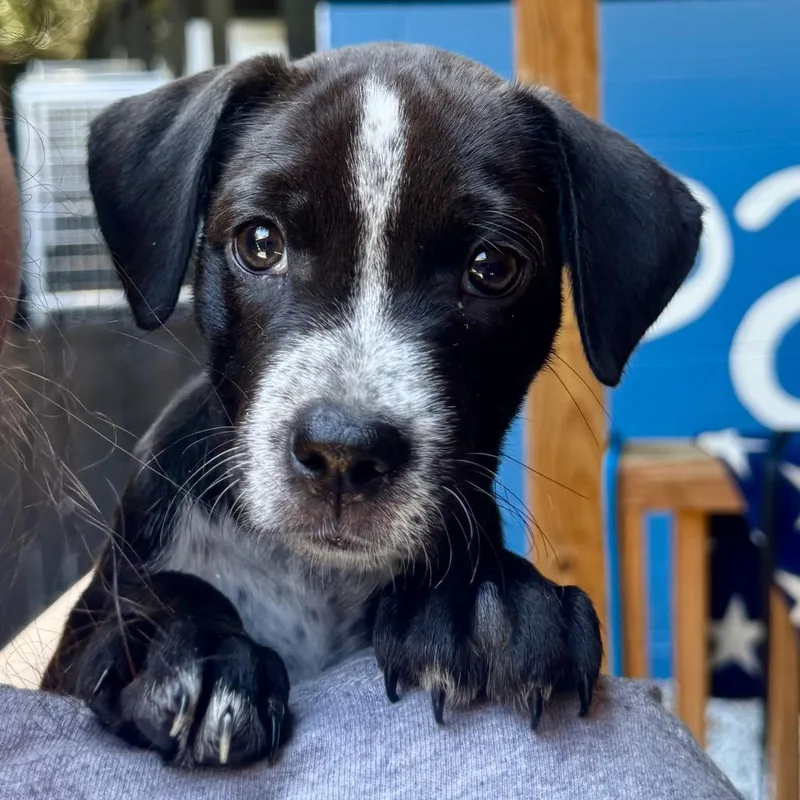
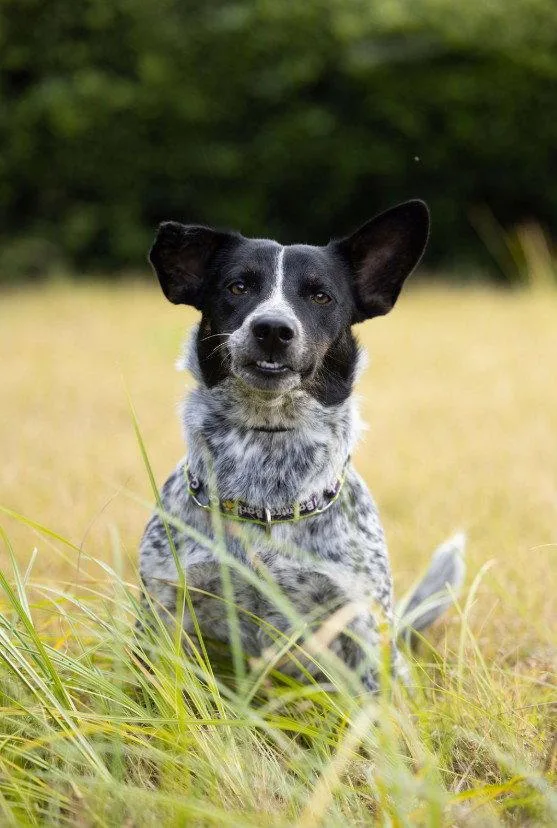
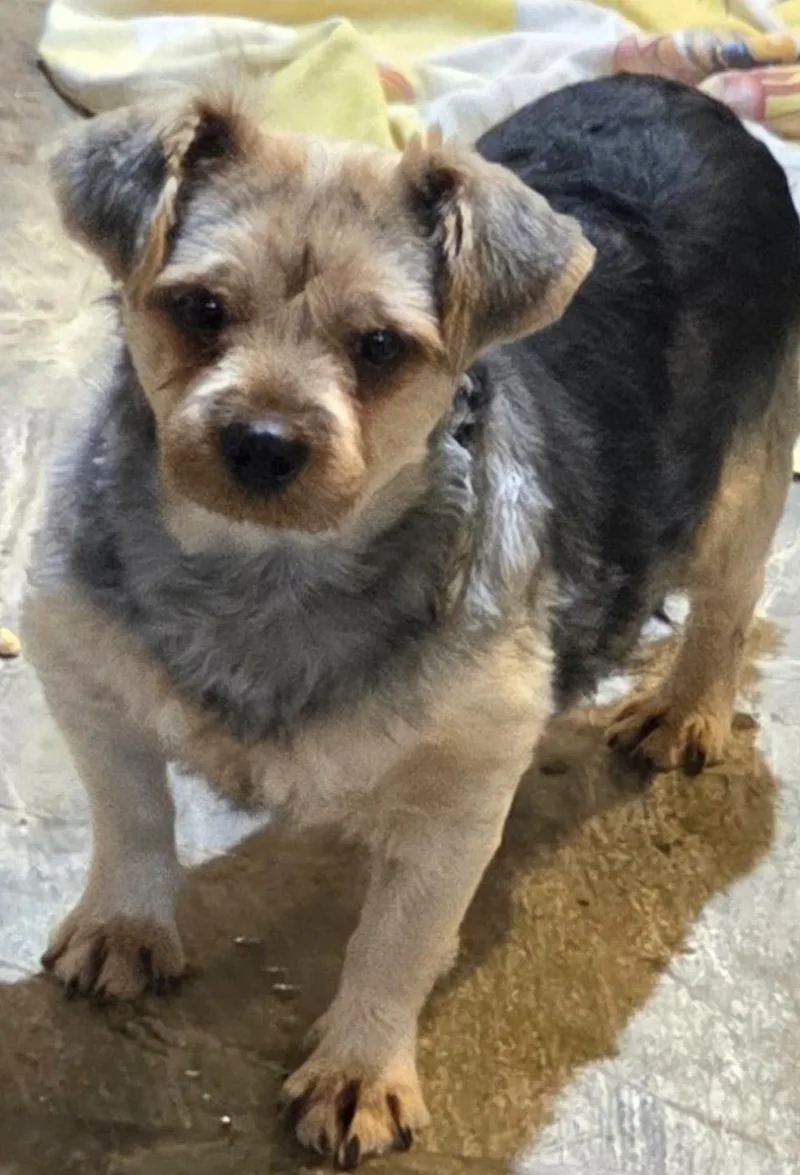
The Cavalier traces back to the small toy spaniels seen in portraits from the court of King Charles II. In the 1920s, an American enthusiast offered a prize at Crufts for dogs with the longer noses of that era, which sparked the revival. Britain recognized the Cavalier as its own breed in 1944, and the American Kennel Club followed in 1995. Adults have large dark eyes, long feathered ears and a silky coat in Blenheim, tricolor, ruby or black and tan.
Many Cavaliers are gentle, affectionate and adaptable, equally content on a lap or a long walk, and they often get along with children, other dogs and cats. That sweetness comes with serious health risks: nearly all develop mitral valve heart disease eventually, and many have a skull malformation linked to syringomyelia. Each dog varies, but veterinary costs deserve careful planning.