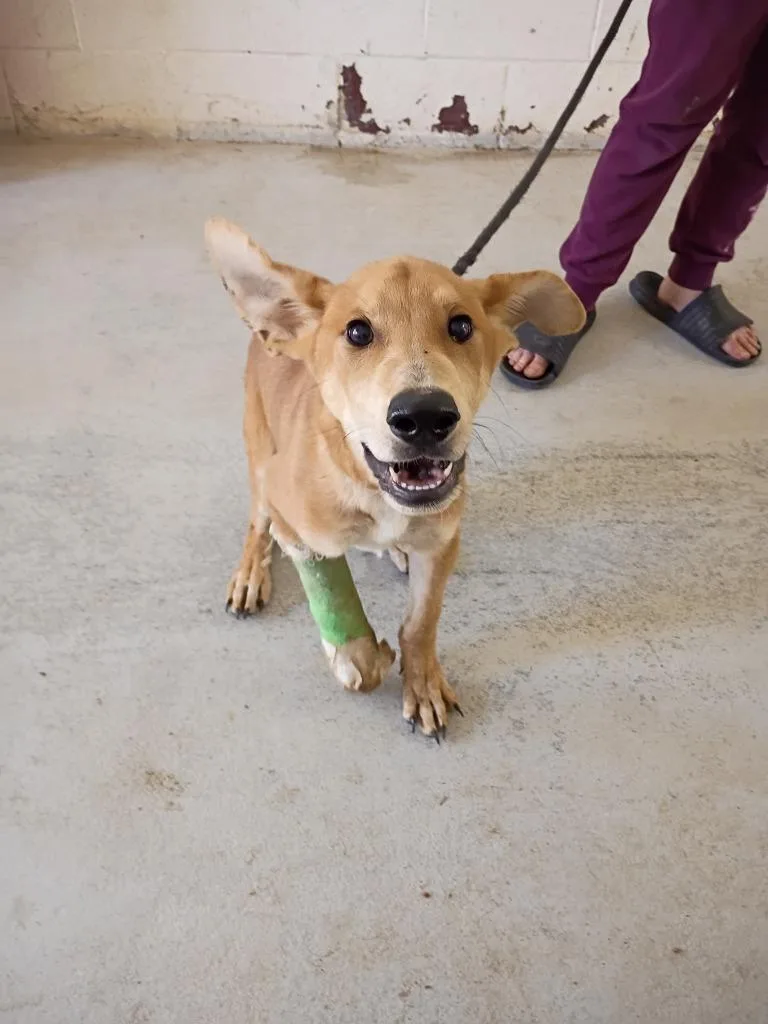
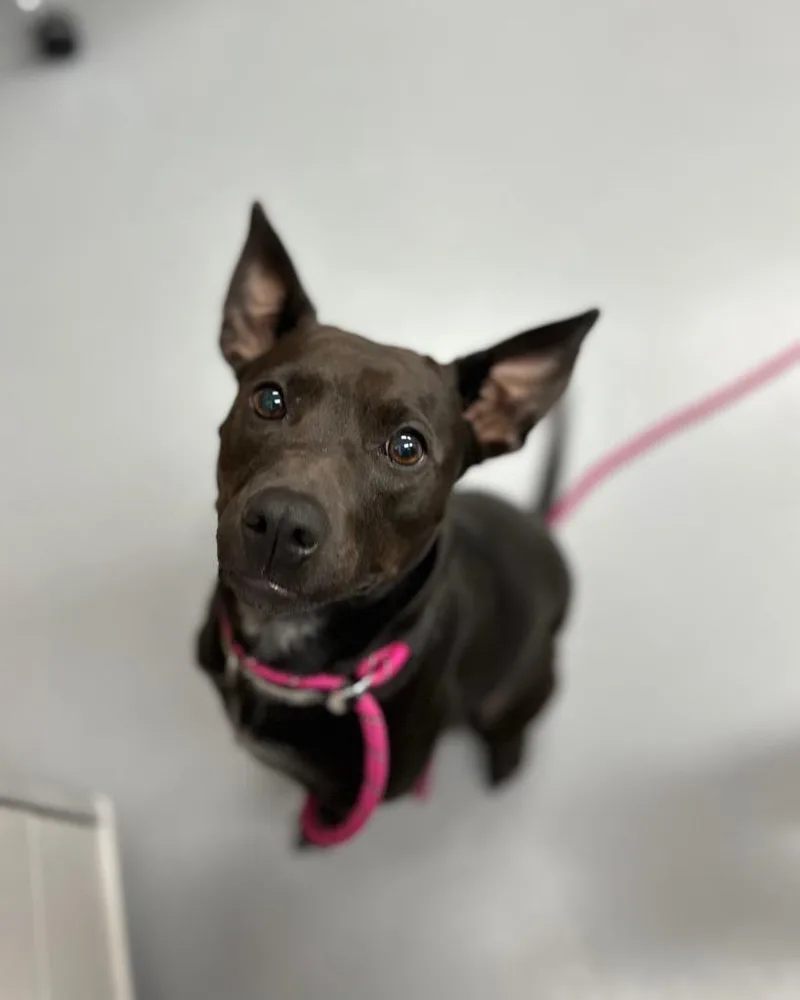
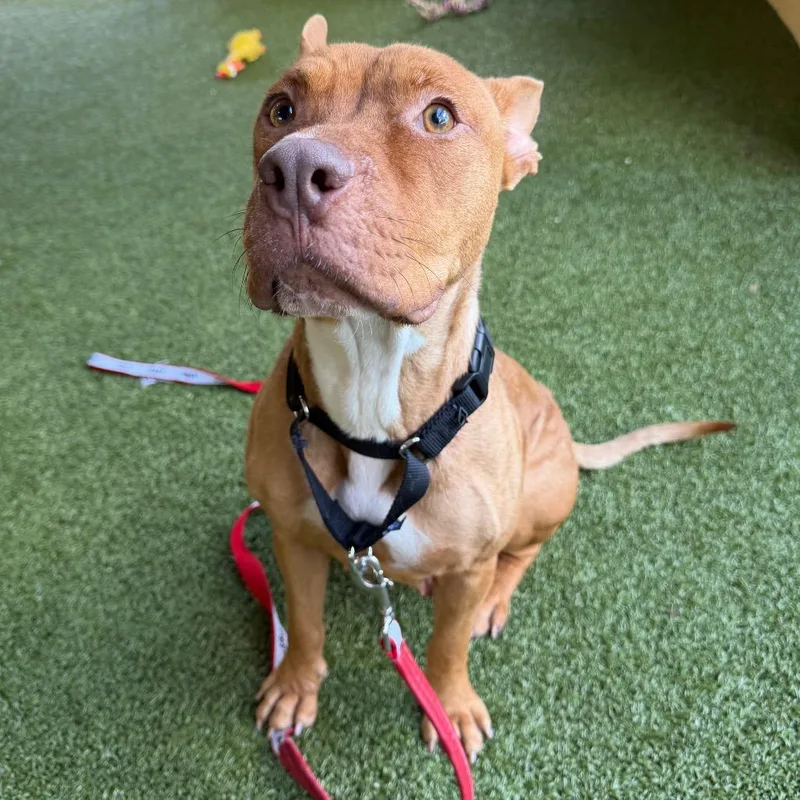
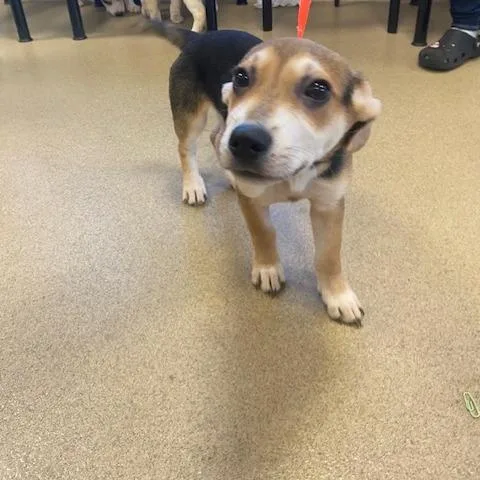
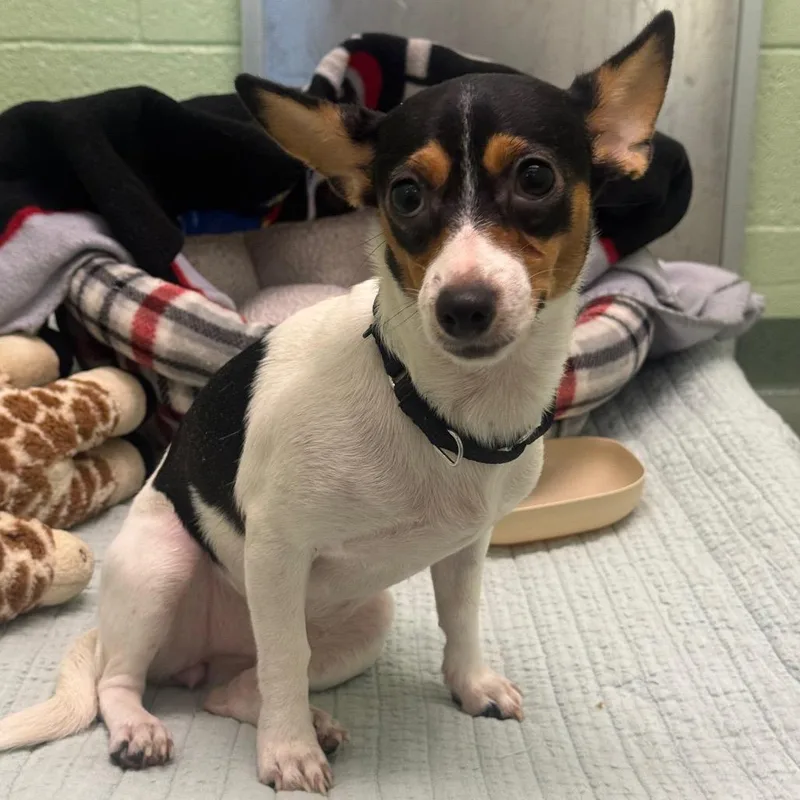
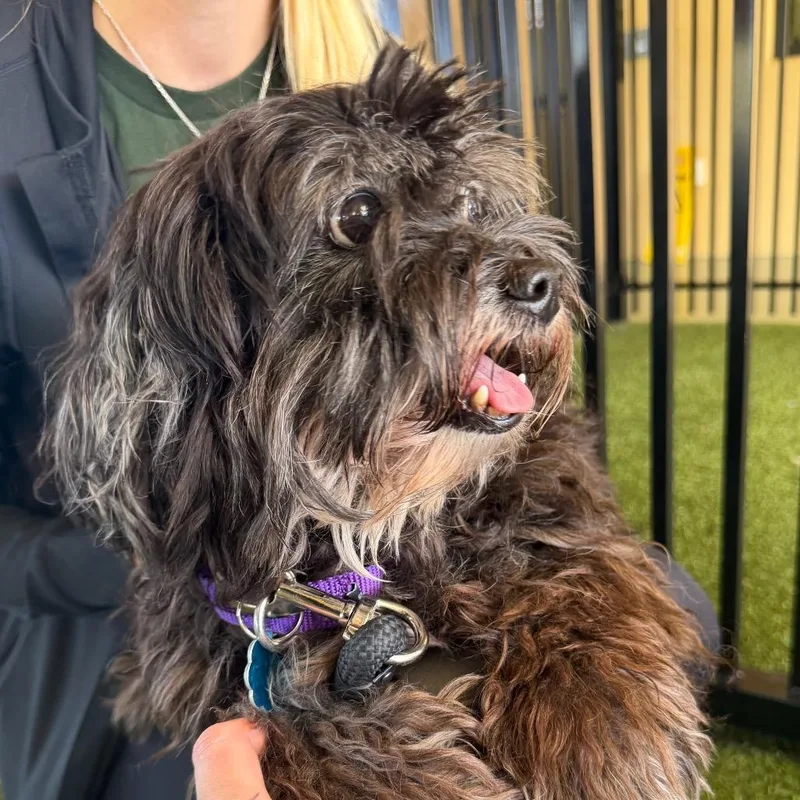
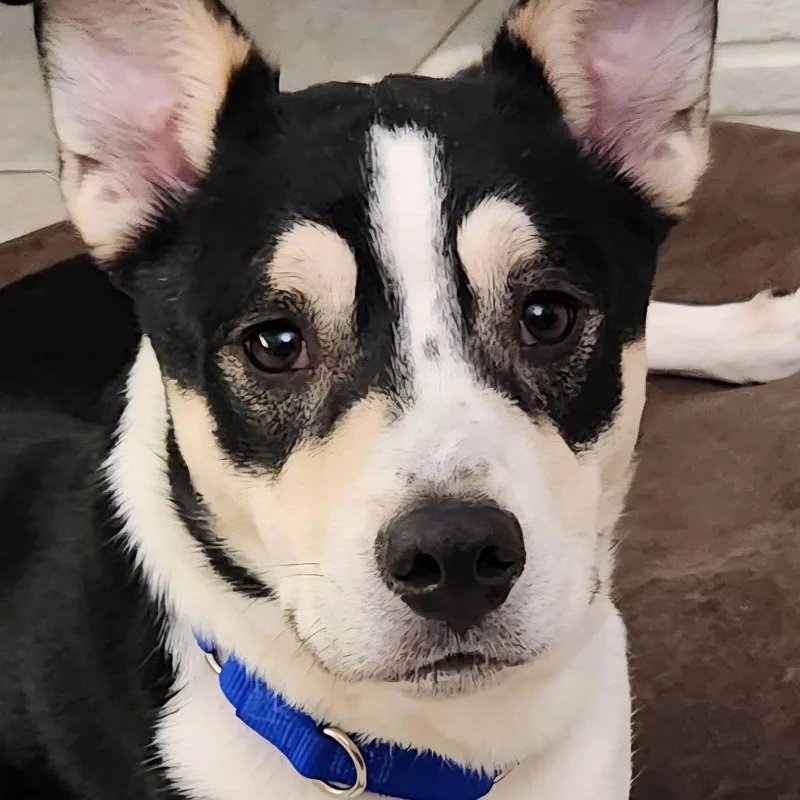
Basenji Dogs for Adoption in West Palm Beach, FL

Your guide to finding and caring for a Basenji in West Palm Beach

A Basenji can do well in West Palm Beach if it has a tall fence and a good leash. They're small and barkless, which helps in an apartment, and a morning loop through Old Northwood gives them the sniffing and trotting they crave. Chasing is the risk, since a Basenji will bolt after anything that moves and climb out of a yard. The summer downpours are the other catch, because many Basenjis balk at stepping outside in the rain.

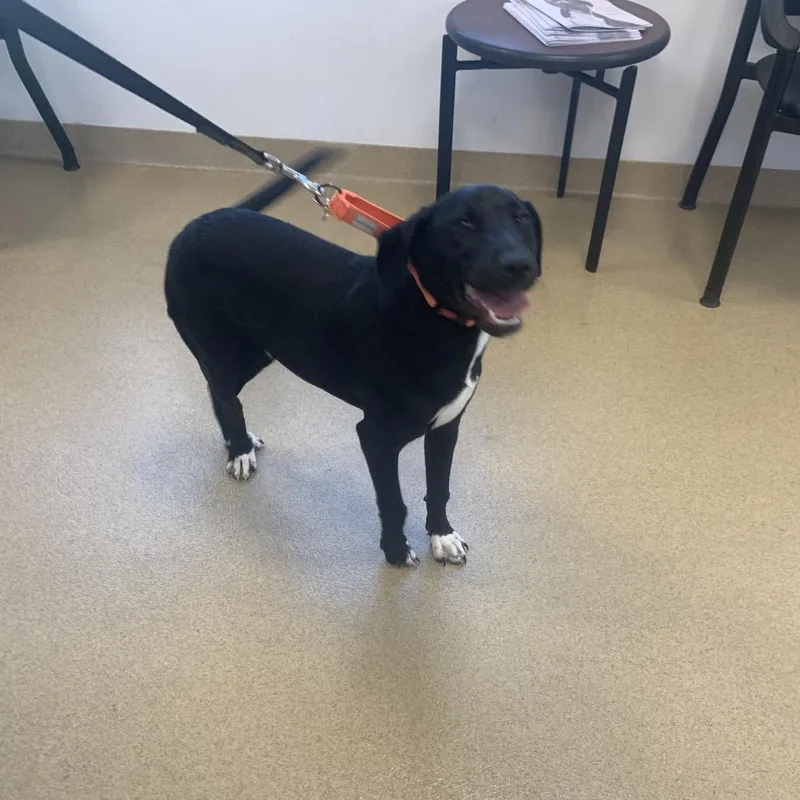
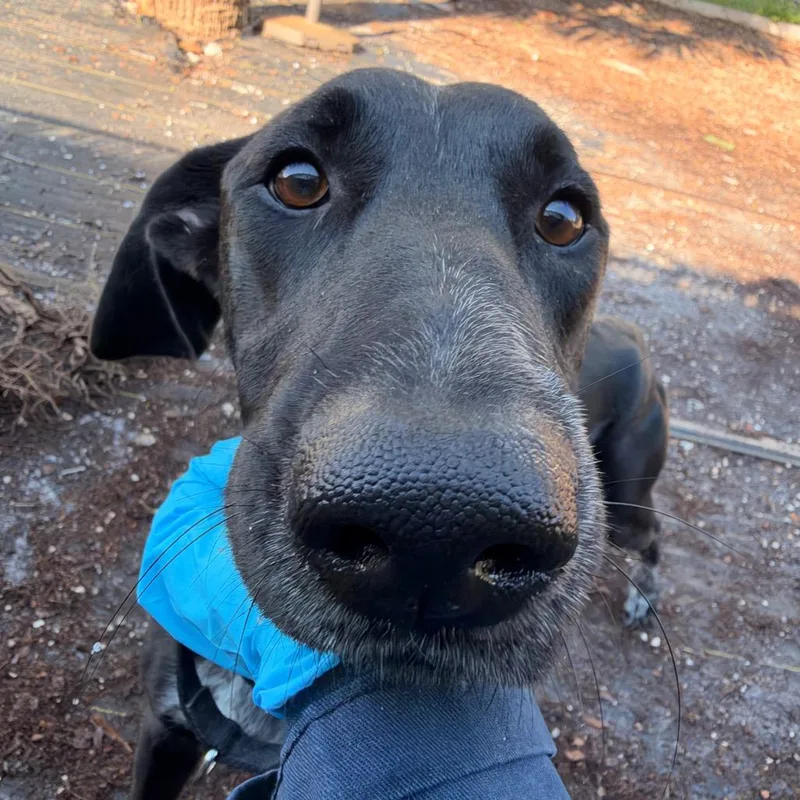
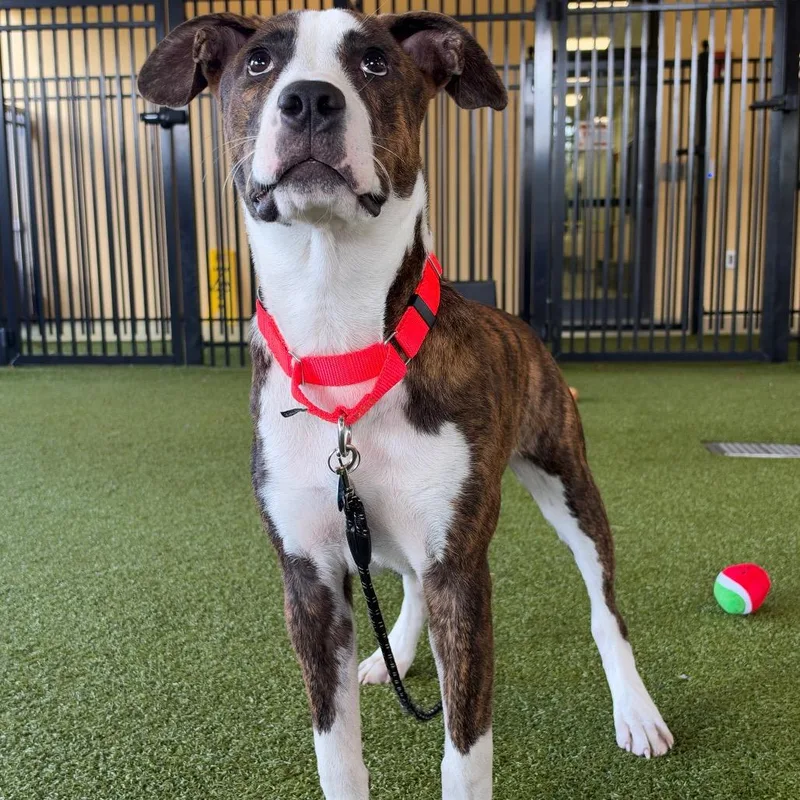
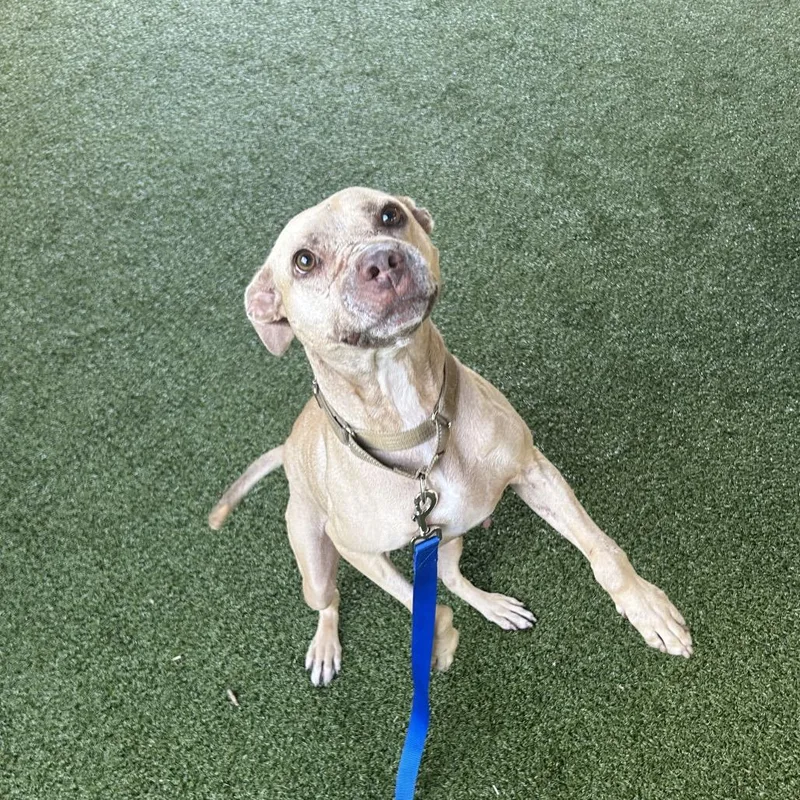
170 Basenjis available in West Palm Beach and nationwide

Fall for a Basenji

While we don't have enough dogs near West Palm Beach, keep in mind that many rescues may offer transport.

Basenjis Available for Adoption Near West Palm Beach

About the Basenji breed

The Basenji is a small, short-coated hunting dog from Central Africa, best known for yodeling and howling instead of barking. Most weigh 20 to 26 pounds, with a wrinkled brow, upright ears and a tightly curled tail. The coat is fine and sheds little, and Basenjis groom themselves much like cats, so they tend to stay clean.

Behind the elegant look is an independent, clever hound with a strong chase drive. Many are affectionate with their families and reserved with strangers, and they can be stubborn about training, so patience and short, varied sessions go a long way. In West Palm Beach, where lakes, canals and busy streets are never far away, that means secure fencing, a sturdy harness or collar and leash, and daily exercise to keep a Basenji from chewing or digging its way into trouble.

Weight
20–26 lbs
Height
15–18 in
Lifespan
12–15 yrs
Temperament
Independent, Intelligent, Alert, Affectionate
Group
Hound
Shedding
Low

Owning a Basenji in West Palm Beach

Having a Basenji in West Palm Beach

Basenjis pair a small, tidy frame with a hunter's drive and a very independent streak. In West Palm Beach, secure fencing, heat-smart exercise and storm preparation shape daily life as much as training does, so these traits are worth weighing before you adopt.

Temperament

Basenjis are usually affectionate with their families, alert and reserved with strangers. They think for themselves, so commands may be ignored unless training feels rewarding. Strong prey drive makes cats and other small pets a risk, and some Basenjis prefer to be the only dog. Busy West Palm Beach sidewalks call for a secure leash and steady, calm socialization.

Exercise Needs

Plan on a brisk walk or run every day, plus puzzle toys, scent games and short training sessions. The chase instinct makes open off-leash time risky, so play happens on a leash or in a secure enclosure. In West Palm Beach, exercise early in the day before the heat builds, and keep indoor games ready for stormy afternoons.

Health Considerations

Basenjis can inherit Fanconi syndrome, a kidney disorder, along with progressive retinal atrophy, pyruvate kinase deficiency anemia and hypothyroidism. DNA tests exist for some of these. A veterinarian can check kidney function, thyroid levels and eyes, and may suggest periodic urine screening. Year-round flea and heartworm prevention matters in West Palm Beach's warm, wet climate.

Living Space

A Basenji can live in an apartment, condo or house if it gets daily exercise, and its lack of barking helps in shared buildings. Security matters more than square footage: yards need tall, tight fencing because climbing, digging and chewing are classic escape routes. Many Basenjis also like a dry, comfortable spot indoors during rain.

What it costs to own a Basenji in West Palm Beach

ExpenseTypical costPer year
Adoption fee$150, one time$150 in year one
Food$20 to $45 per month$240 to $540
Pet insurance$40 to $85 per month$480 to $1,020
Routine vet care$200 to $400 per year$200 to $400
Other*$390 to $1,090 per year$390 to $1,090
Estimated yearly total (after year one)$1,310 to $3,050
First-year total (with adoption fee)$1,460 to $3,200

Adoption fee is the fee on Basenji listings in West Palm Beach on GetBuddy today. Other costs are estimates and vary with size, age and health.

* The $15 Palm Beach County license tag for a fixed dog, flea, tick and heartworm prevention, a dental cleaning allowance, durable chew toys and bedding, and minimal grooming.

Adopt a Basenji in West Palm Beach.

Now that you know more, let’s find you a new best friend. These rescues and shelters below currently have Basenjis available.

Rescues in West Palm Beach with Basenjis Available

West Palm Beach has both a county shelter and private rescues, and the rescues and shelters listed here share their adoptable dogs. Here are the rescues & shelters in the West Palm Beach area where you can find Basenjis and other dogs available for adoption.

Frequently Asked Questions

Yes, you can. Florida bars local governments from breed-specific dog rules, so Basenjis face no local breed restrictions. Palm Beach County requires a rabies vaccine and county license tag from four months, plus spay or neuter at six months unless exempt. Private landlords and condo boards can still set their own breed or weight limits, so read the lease.

Yes, many Basenjis do well in West Palm Beach apartments and condos because they're small and don't bark, though they can yodel. They need daily exercise and secure outings, since they bolt and climb. Look at each building's weight and breed limits and pet fees before applying, as those vary from lease to lease.

City Paws at Howard Park and Canine Corner at Dreher Park South are two City dog parks near downtown and the South End. Because Basenjis chase and escape, keep visits supervised and use a leash in other City parks, where six feet is the maximum. Pooch Pines at Okeeheelee Park is the county option west of the city and requires current vaccinations and a license.

Mostly yes. Winters are mild, which suits a breed that dislikes cold, but humid summers with about 74 days at 90°F a year and heavy rain mean walking at dawn and having indoor games ready. Hurricane season runs June through November, so keep a carrier, five days of food and water, medications and records packed.

Sometimes. Tri-Rail allows small pets only inside a proper carrying cage, and Brightline accepts dogs in a closed carrier under the seat, so a Basenji of 20 pounds or more may be too big. Palm Tran publishes a service-animal rule, so check its current pet policy before riding. The downtown trolley's pet rule is also worth checking.

Only on outdoor patios, and only where the restaurant allows dogs. Florida's dog-dining rules require a permit, a leash and keeping dogs out of indoor areas and off chairs and tables, so don't assume a patio qualifies. Bring a mat and a chew to help a chase-prone Basenji settle, and keep the leash short near foot traffic.

Very little. The short, fine coat sheds lightly and Basenjis clean themselves like cats, so a weekly brush and an occasional bath are usually enough. Humidity and rain can leave skin damp and muddy, so towel dry after storms and watch for skin irritation. Trim nails regularly. Grooming costs fall within the Other line in the cost table.

It can be, for active people who manage the local hazards. Lakes and canals mean alligators, so keep a Basenji leashed and away from the water's edge. Cane toads can poison dogs that mouth them, especially at dusk. Fireworks on July 4 and New Year's can frighten a sensitive dog, so plan an indoor retreat.

We have 1 rescue with Basenjis available: Peggy Adams Animal Rescue League. You can see every rescue with Basenjis available in the list above these questions, or scroll to the top to see the Basenjis near West Palm Beach.

Budget roughly $1,310 to $3,050 a year for a Basenji in West Palm Beach. That covers food at $20 to $45 a month, insurance at $40 to $85 a month, routine vet care at $200 to $400 a year, and $390 to $1,090 a year for extras like parasite prevention, dental cleanings and licensing. Adoption fees vary by listing.

Find Basenjis in Nearby Cities

Expand your search to find Basenjis available for adoption near West Palm Beach.