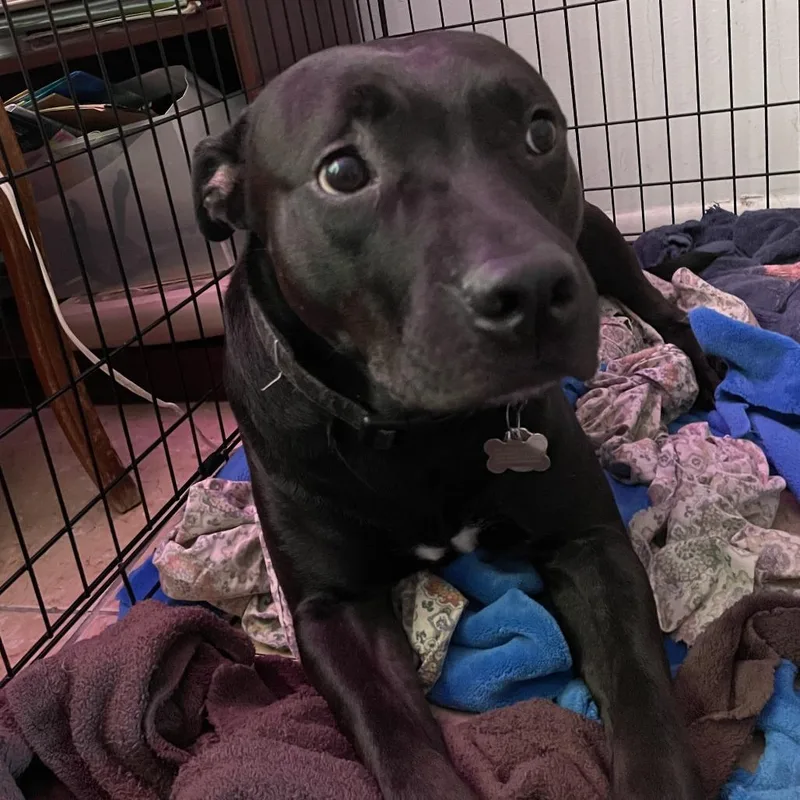
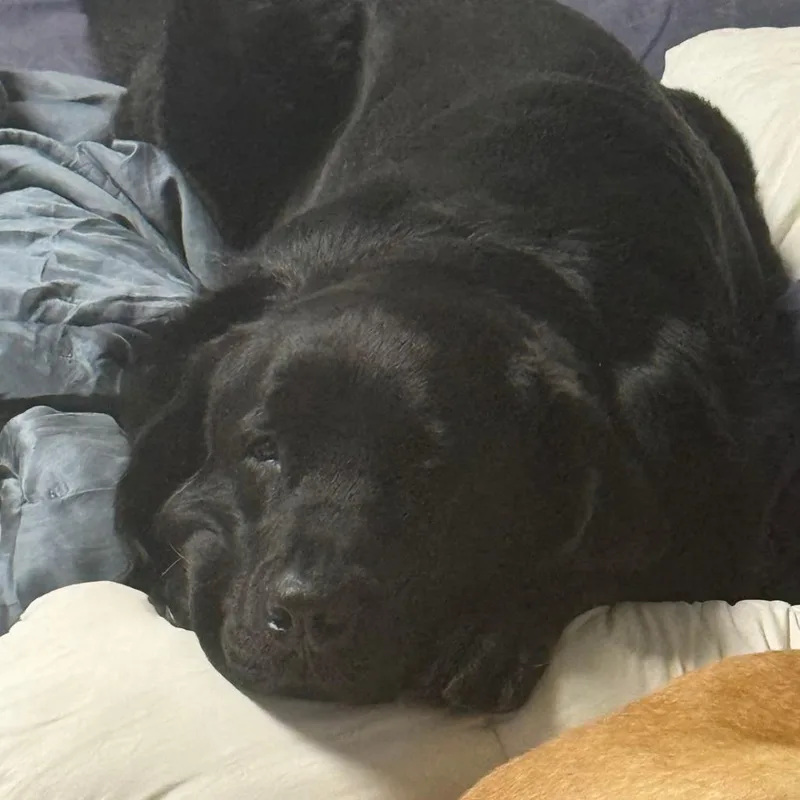
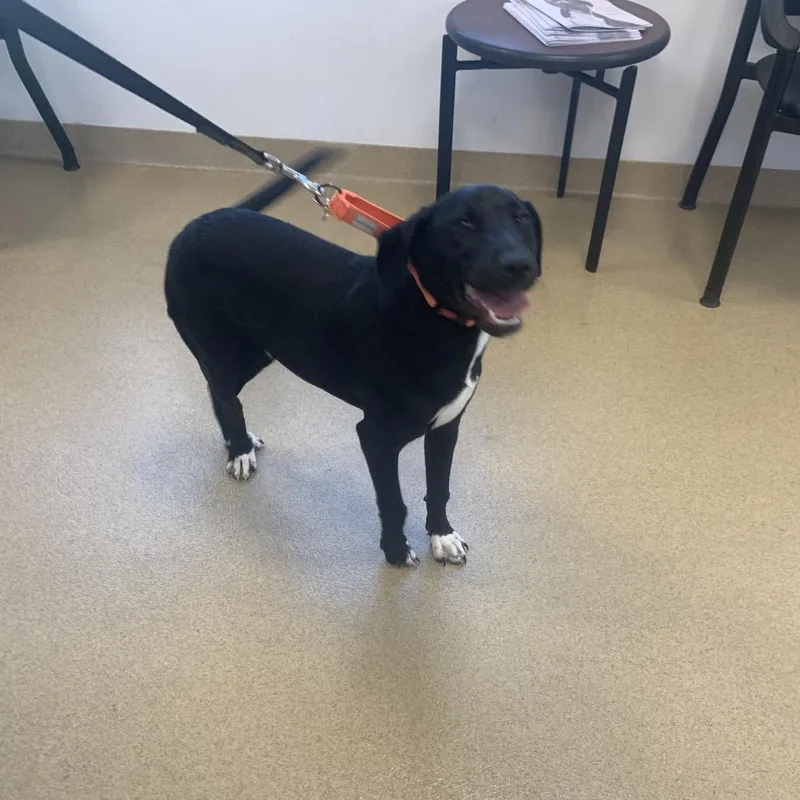
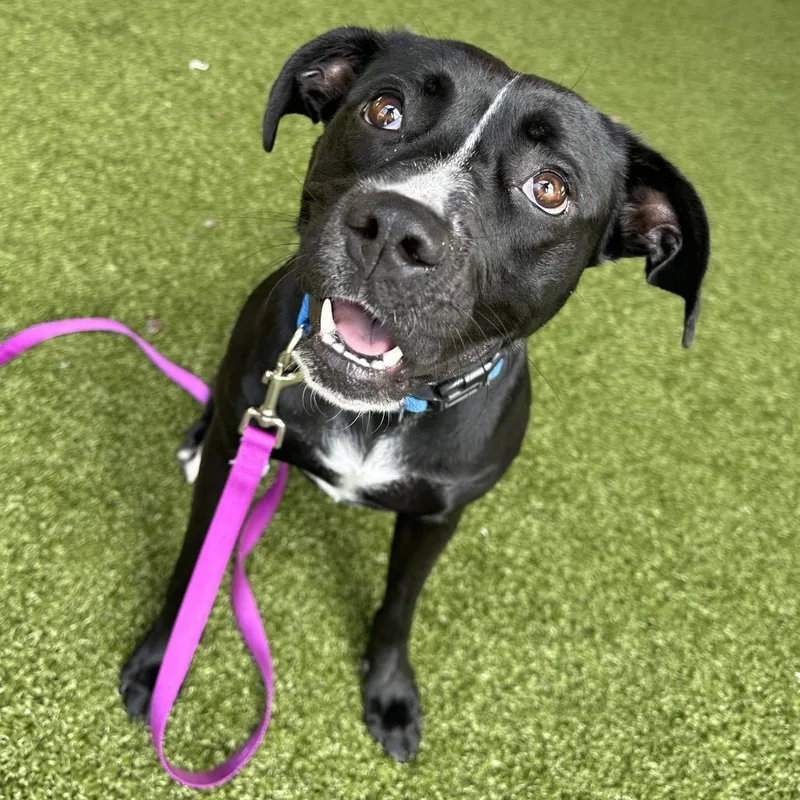
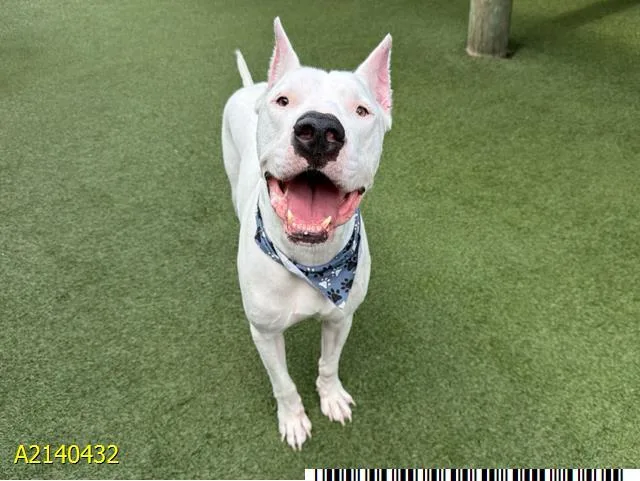
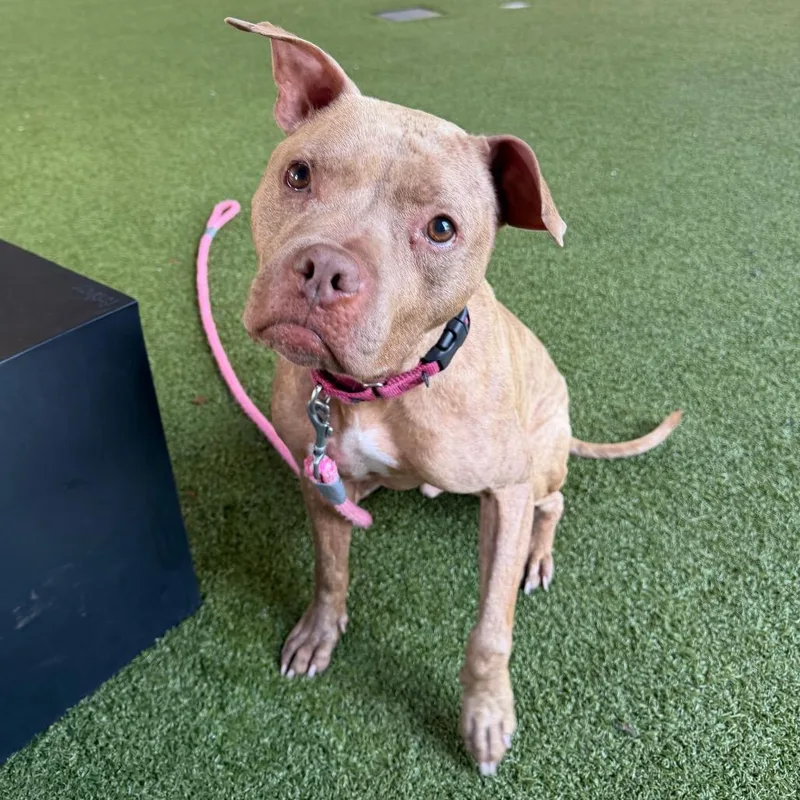
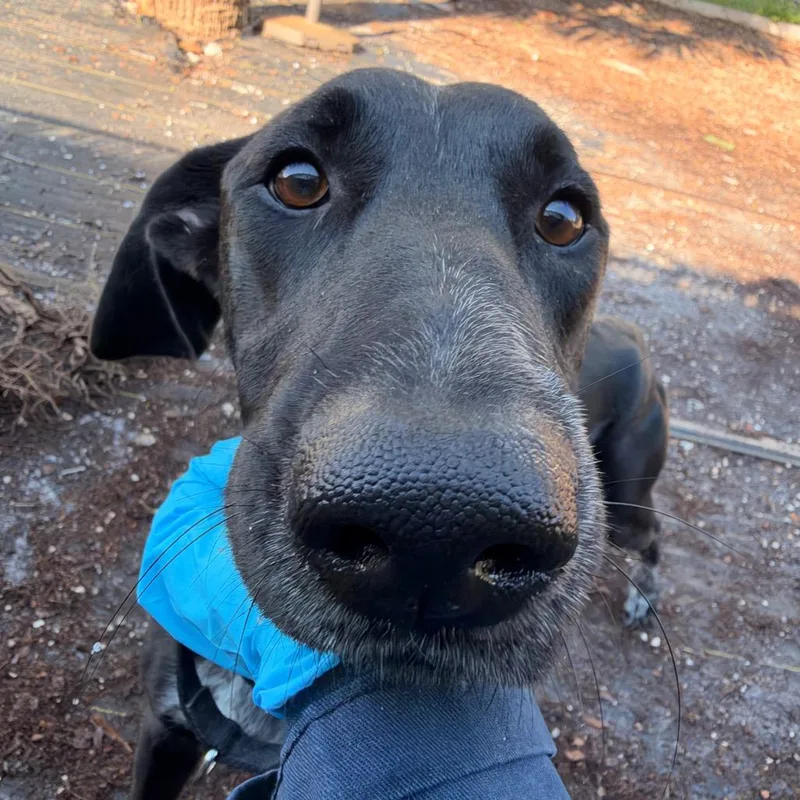
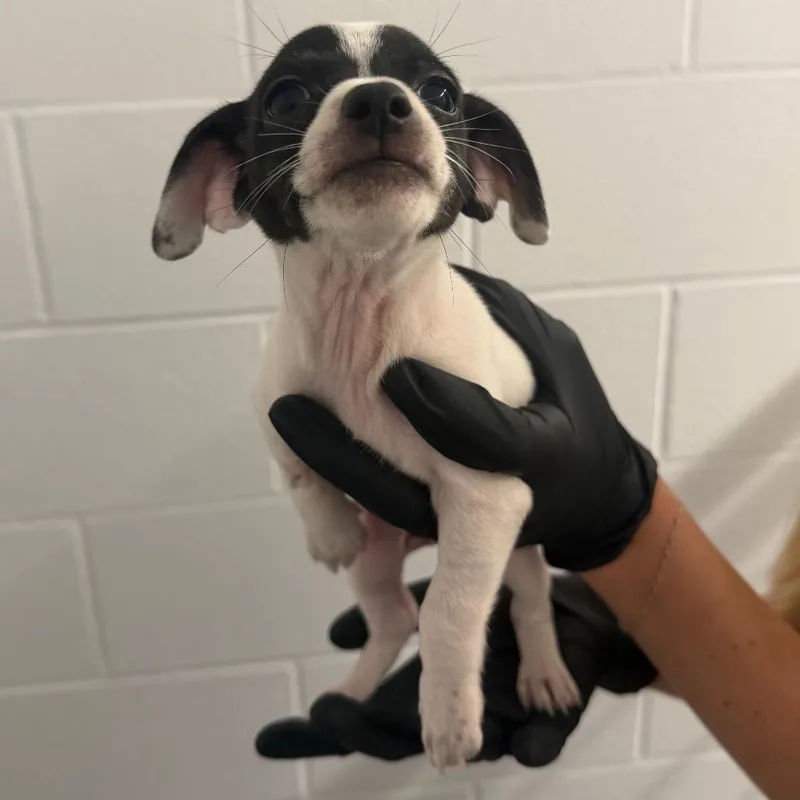
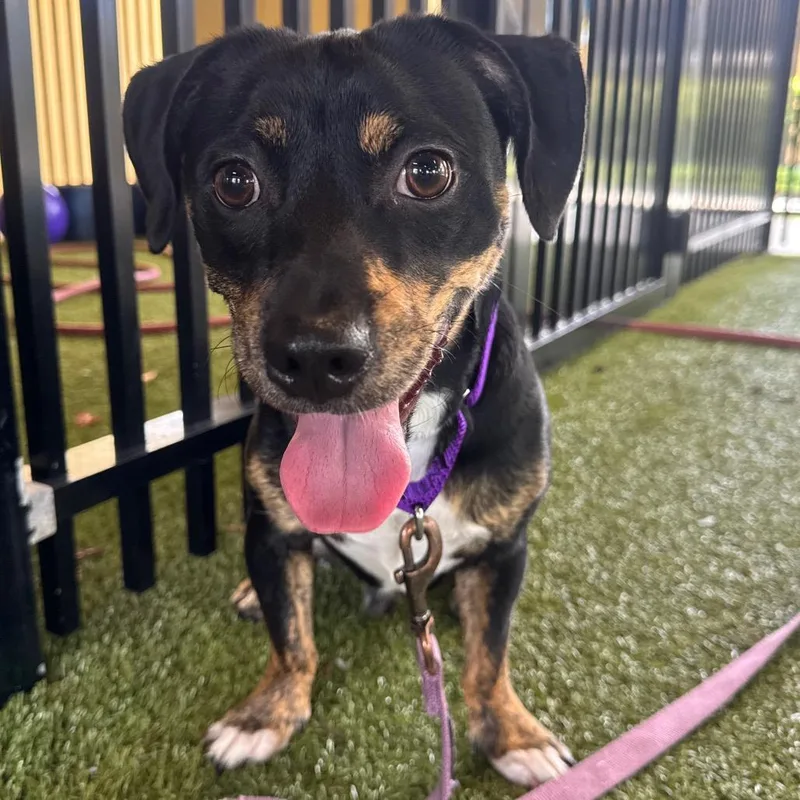
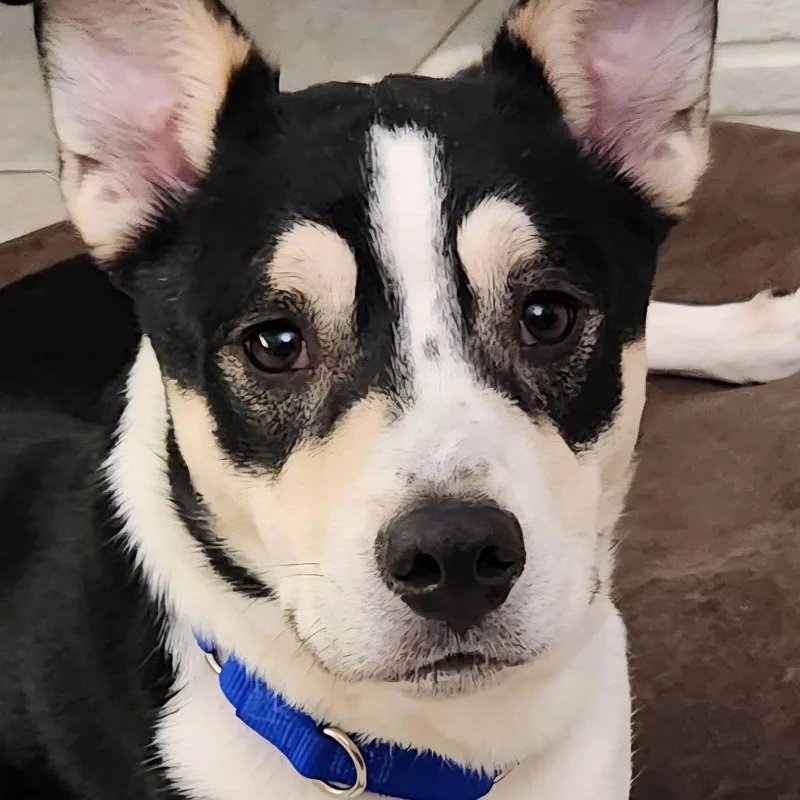
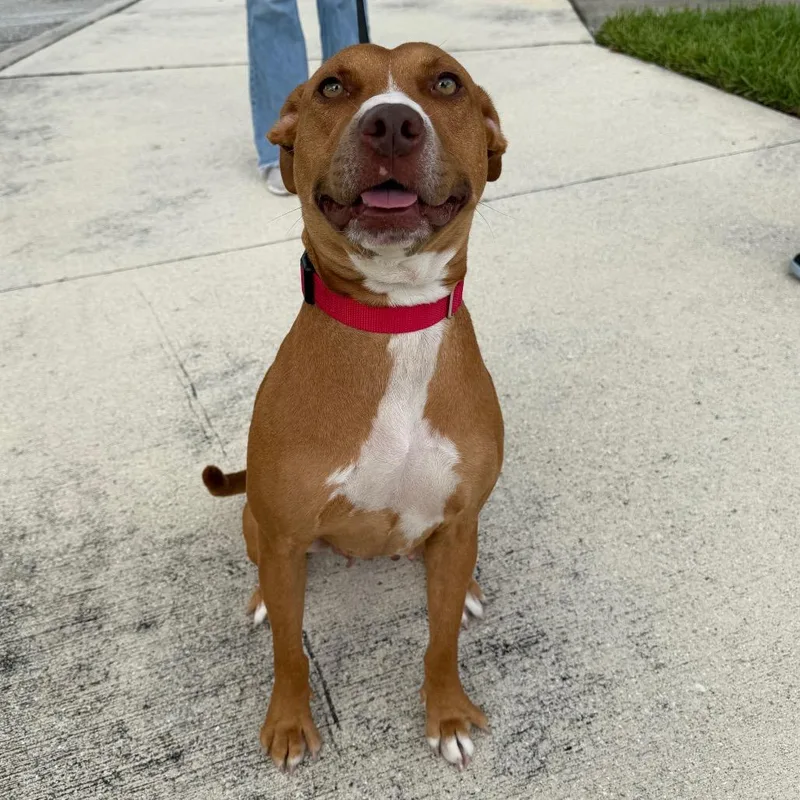
Black Labrador Retriever Dogs for Adoption in West Palm Beach, FL

Your guide to finding and caring for a Black Labrador Retriever in West Palm Beach

Black Labs fit West Palm Beach best with someone who's up early and ready to walk. The historic streets of Old Northwood and the lagoon-front sidewalks along North Flagler Drive give a big, friendly dog plenty of miles, and Labs usually greet every neighbor like an old friend. Their dark coats soak up the Florida sun, so most of the exercise belongs in the morning. Osprey Park's dog park is right on that waterfront stretch for play afterward.

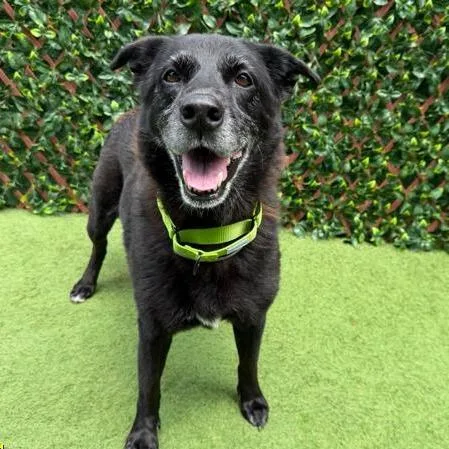
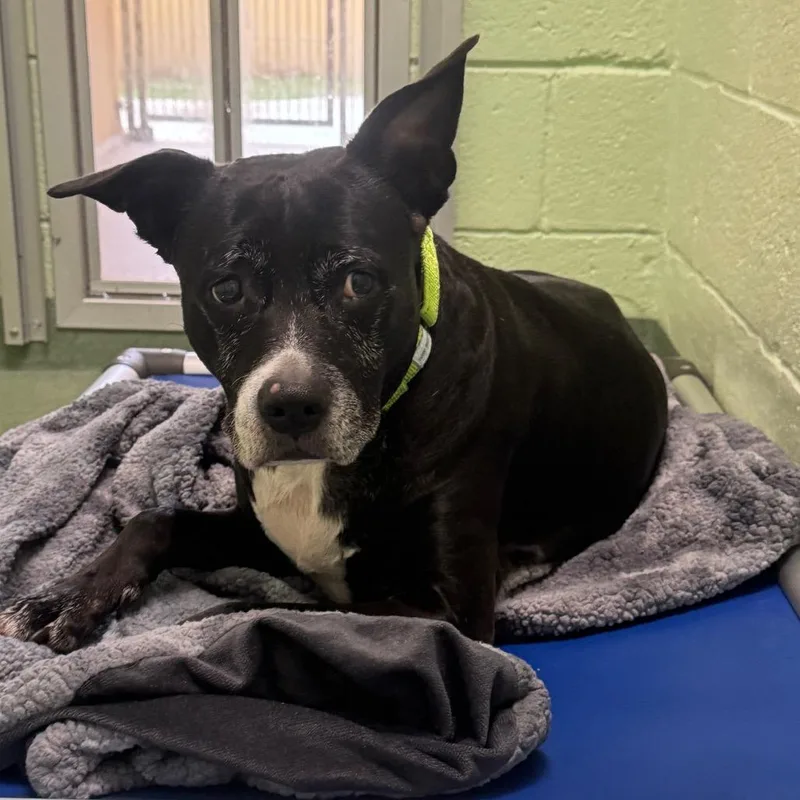
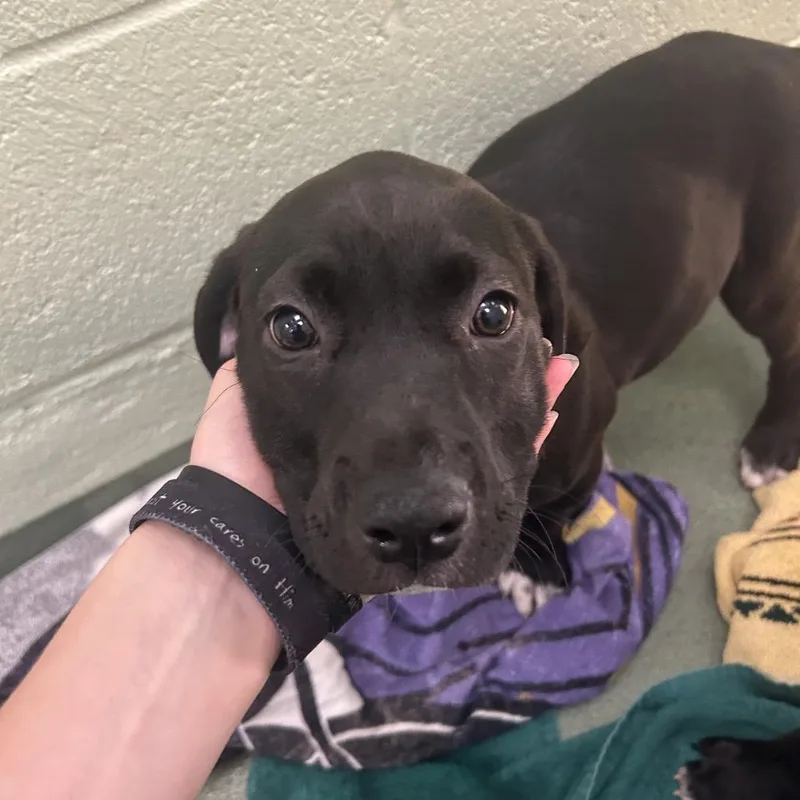
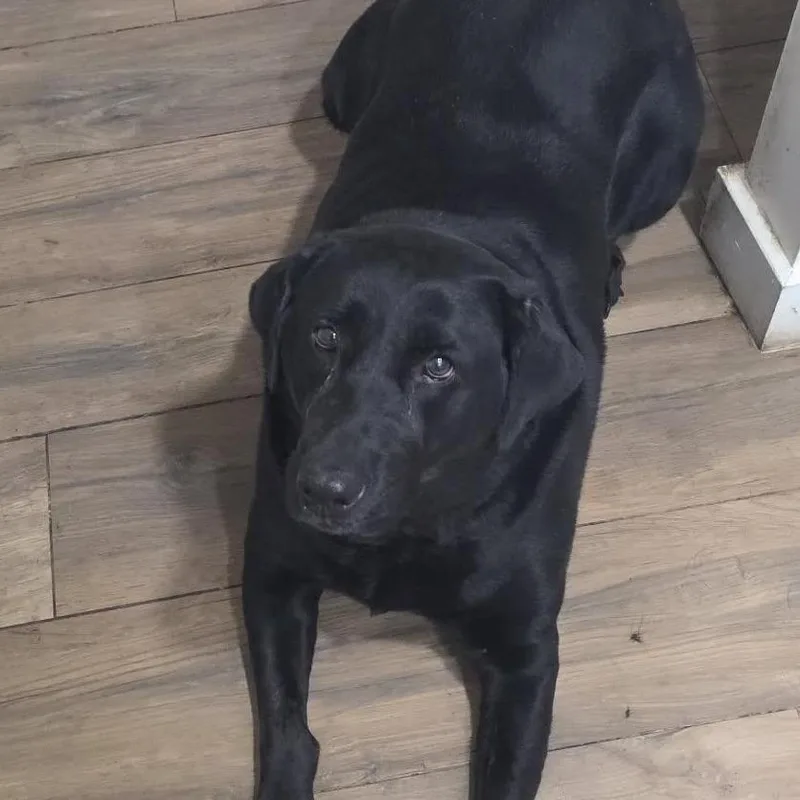
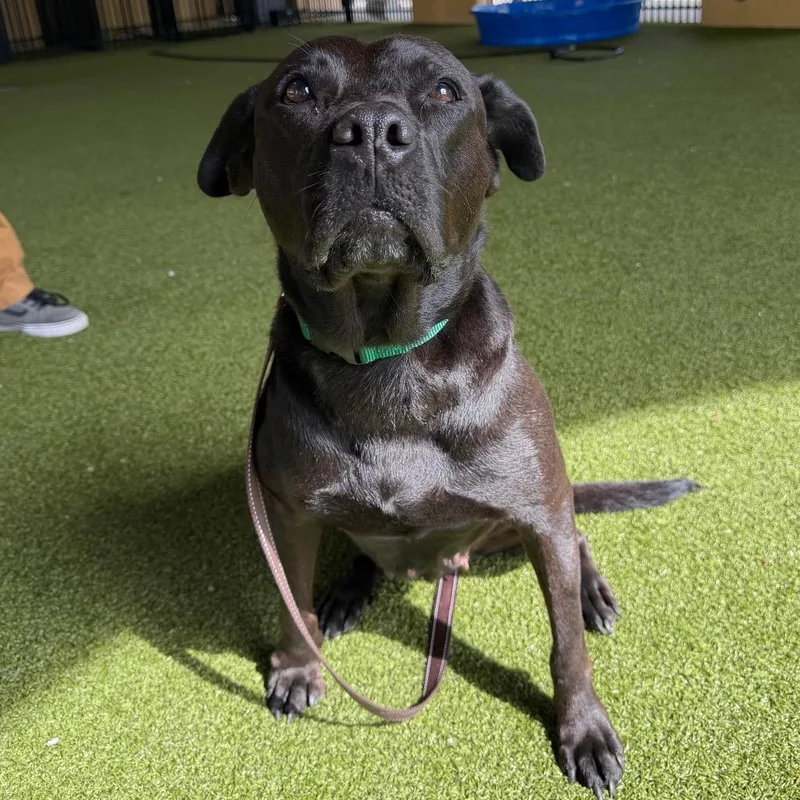
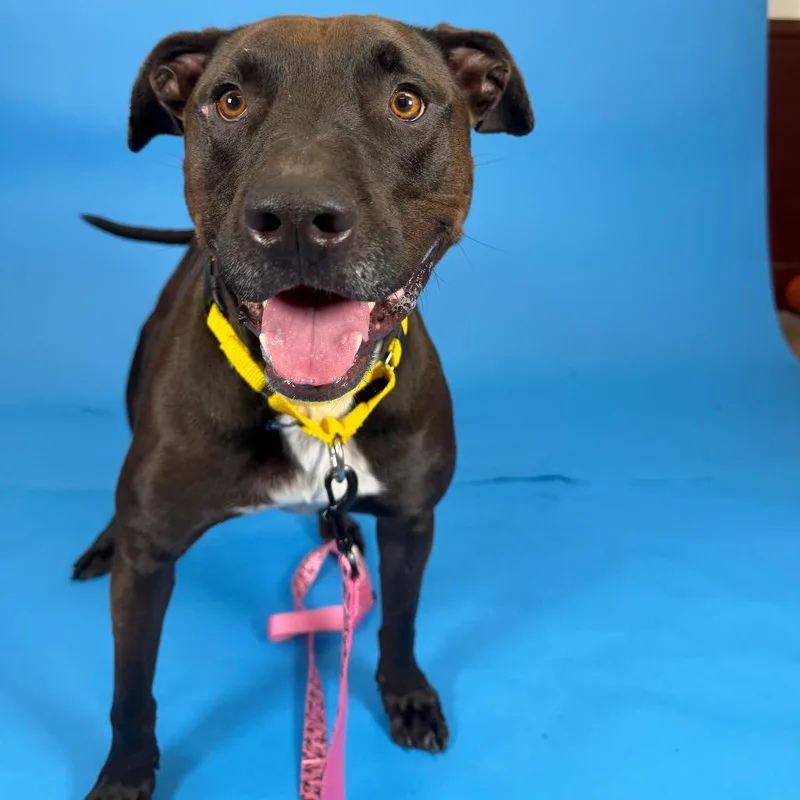
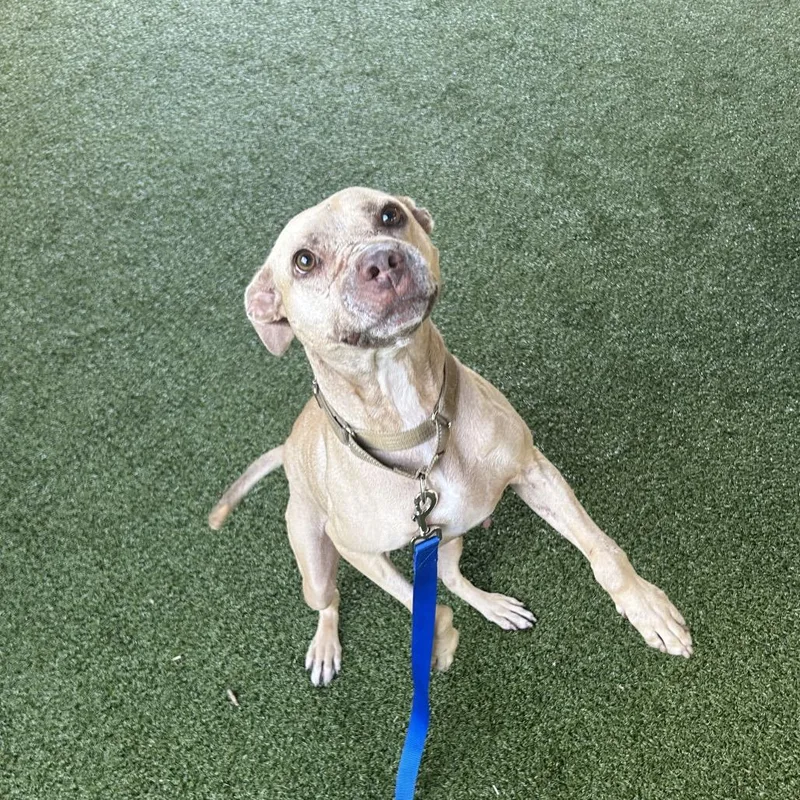
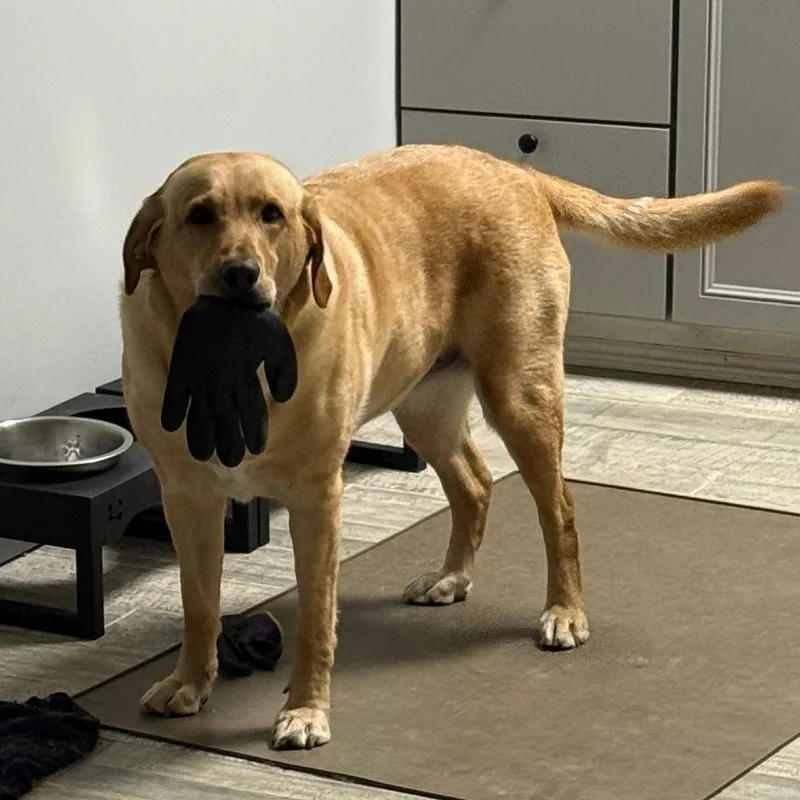
10 Black Labrador Retrievers available for adoption in West Palm Beach

Find your Black Labrador Retriever

Black Labrador Retrievers Available for Adoption in West Palm Beach

About the Black Labrador Retriever breed

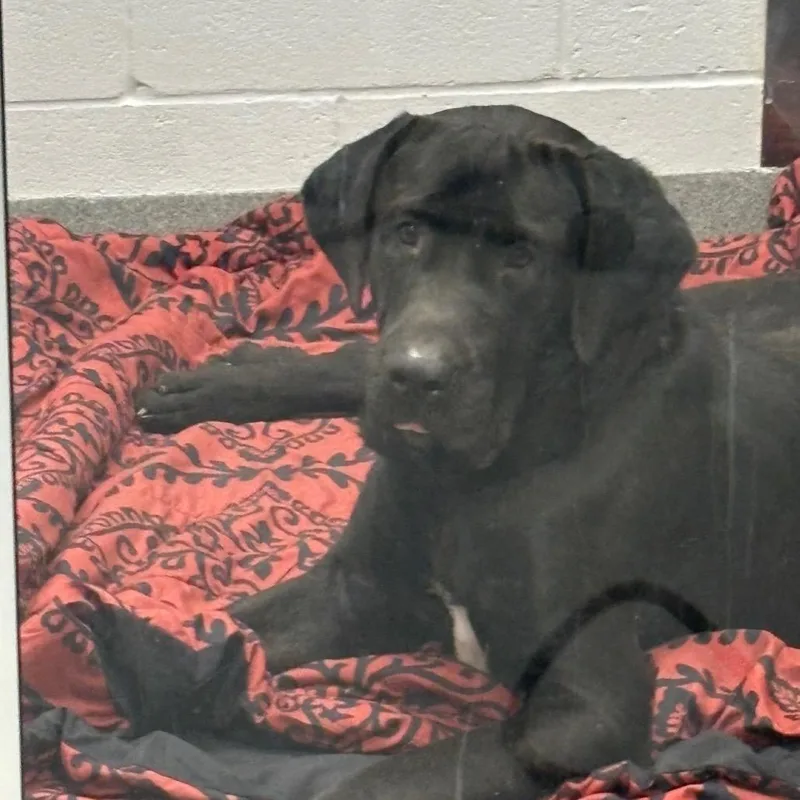
A black Lab is a Labrador Retriever in the breed's original color, not a separate breed. Labs descend from Newfoundland's St. John's water dogs and were refined in Britain as gun dogs, which explains the dense, water-resistant double coat, the otter tail and the endless love of fetch. Adults typically weigh 55 to 80 pounds, and some carry a small white spot on the chest.

In West Palm Beach, that history shows up in small ways. A coat built for cold water sheds steadily in the heat, so regular brushing matters. Labs are food-motivated and eager to please, which makes training easier and weight gain easier too. Dogs vary: field-bred Labs often have more drive than show-bred ones, and a Lab's age and background say more than its color. Adolescents can stay bouncy for a couple of years.

Weight
55–80 lbs
Height
21–25 in
Lifespan
10–14 yrs
Temperament
Friendly, Outgoing, Active
Group
Sporting
Shedding
Moderate to High

Owning a Black Labrador Retriever in West Palm Beach

Having a Black Labrador Retriever in West Palm Beach

Energy, appetite and shedding shape life with a black Lab far more than coat color does. In West Palm Beach, heat and humidity add a few extra rules: early walks, shade, plenty of water and a close eye on the waistline.

Temperament

Black Labs tend to be friendly and outgoing, which suits a city with busy sidewalks, waterfront crowds and neighbors close by. Young dogs can be mouthy and boisterous, and their strength can surprise small children. Treats make training easy. Every dog differs, so a Lab's age, socialization and history matter more than breed reputation or color.

Exercise Needs

A fit adult usually needs an hour or more of brisk activity daily. The city's dog parks, such as City Paws at Howard Park, suit fetch, while lagoon-front sidewalks work for leashed walks. Skip lake and canal swims, since alligators live in local fresh and brackish water. Puzzle toys and scent games fill the gaps on stormy days.

Health Considerations

Labs can develop hip and elbow dysplasia, cruciate ligament tears, exercise-induced collapse and eye disease, and many gain weight easily. In South Florida, add heat stress and year-round heartworm, flea and tick prevention. A veterinarian can check the hips, elbows, ears and weight early on, since humidity can aggravate ear and skin problems.

Living Space

A black Lab can handle a downtown condo or a house in a gated western community when daily exercise is covered. A yard helps with play but doesn't replace walks. Dark coats absorb heat, so a cool indoor spot matters, and most Labs want to live inside with the family rather than outdoors in the heat.

What it costs to own a Black Labrador Retriever in West Palm Beach

ExpenseTypical costPer year
Adoption fee$150 to $450, one time$150 to $450 in year one
Food$55 to $110 per month$660 to $1,320
Pet insurance$65 to $130 per month$780 to $1,560
Routine vet care$250 to $500 per year$250 to $500
Other*$590 to $1,490 per year$590 to $1,490
Estimated yearly total (after year one)$2,280 to $4,870
First-year total (with adoption fee)$2,430 to $5,320

Adoption fee is the range of fees on Black Labrador Retriever listings in West Palm Beach on GetBuddy today. Other costs are estimates and vary with size, age and health.

* The Palm Beach County license tag, flea, tick and heartworm prevention, a dental cleaning allowance, toys and bedding, and brushing and baths for heavy seasonal shedding.

Adopt a Black Labrador Retriever in West Palm Beach.

Now that you know more, let’s find you a new best friend. These rescues and shelters below currently have Black Labrador Retrievers available.

Rescues in West Palm Beach with Black Labrador Retrievers Available

West Palm Beach's rescue community includes the county animal shelter and private nonprofits, working to match dogs with new homes. Here are the rescues & shelters in the West Palm Beach area where you can find Black Labrador Retrievers and other dogs available for adoption.

Frequently Asked Questions

Yes. Florida bars cities and counties from breed-, size- or weight-specific rules, so nothing in local law singles out Labs. Private landlords, condo boards and associations can still set their own limits, and an 80-pound maximum matters to them. Confirm pet terms in writing, and plan for the county license tag and rabies vaccine every local dog needs.

Yes, with precautions. Summer highs reach about 89°F with warm, humid nights, and a dark coat absorbs extra heat. Walk early in the morning, carry water, stay in air conditioning during the afternoon, and never leave a Lab in a parked car. Heavy panting, drooling or weakness means cooling the dog and calling a vet right away.

Start with City Paws at Howard Park near downtown or Osprey Park on the north lagoon front for fetch. Dreher Park has a dog park plus walking trails beside it. Pooch Pines at Okeeheelee Park has a large-dog section, but dogs there must be licensed and vaccinated, with a limit of two per person.

Yes, if the building accepts large dogs and the Lab gets daily exercise. Check weight limits, pet rent and deposits before signing. Plan potty trips around heat and afternoon storms, and keep a dog park such as City Paws at Howard Park in your routine so your Lab gets off-leash play and doesn't spend the day bored.

Mostly no. Tri-Rail bars large animals other than service animals and allows small pets only in a carrying cage, and Brightline limits pets to small carriers, so a full-grown Lab won't qualify. Palm Tran welcomes service animals; check its current pet rule before riding. Plan on car travel for vet visits and outings.

Possibly, but only outdoors. Florida lets local governments permit dogs on restaurant patios, and each restaurant needs its own permit, so access varies. Where allowed, dogs stay leashed, on the ground and out of indoor areas. A Lab that settles under a table helps, so practice first, and look for posted signs rather than assuming.

Plan on weekly brushing, more during heavy shedding, and a bath every month or two. Humidity keeps skin and ears prone to trouble, so dry the ears after baths, and don't shave the double coat. Professional baths and brushing account for roughly $100 to $300 of the $590 to $1,490 yearly Other budget.

A Labrador Retriever is a large sporting dog developed to retrieve game for hunters, especially from water. Labs have a short, dense double coat, a thick otter tail and a broad head, and they come in black, yellow and chocolate. Many are friendly, food-motivated and eager to work, which makes them common family, guide and service dogs.

We have 1 rescue with Black Labrador Retrievers available: Peggy Adams Animal Rescue League. You can see every rescue with Black Labrador Retrievers available in the list above these questions, or scroll to the top to see the Black Labrador Retrievers in West Palm Beach.

Expect roughly $2,280 to $4,870 a year for a black Lab: food at $55 to $110 a month, insurance at $65 to $130 a month, routine vet care at $250 to $500 a year and other costs of $590 to $1,490. Emergencies and illness come on top of those figures.