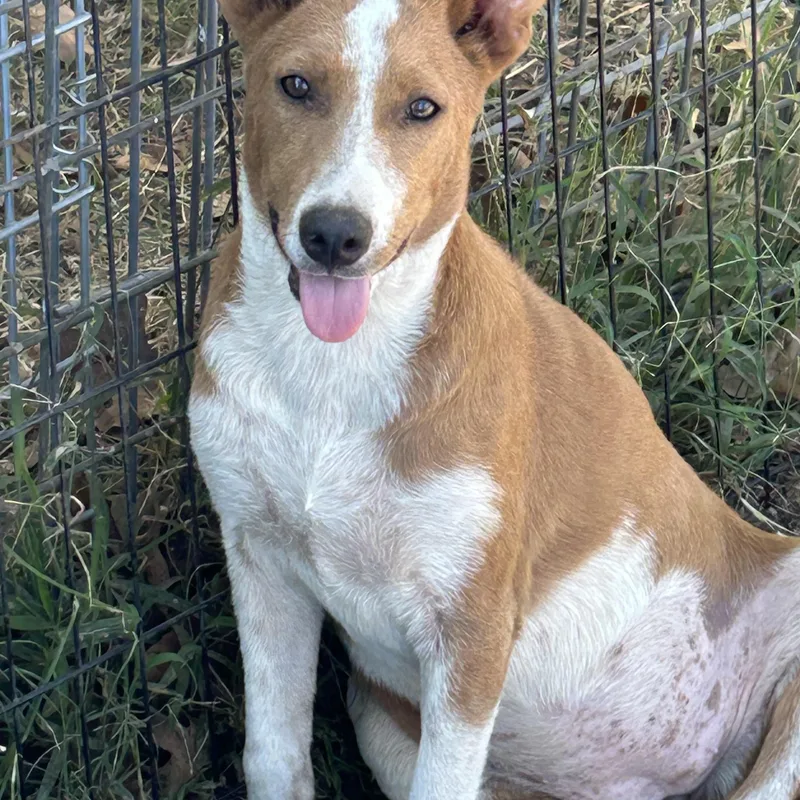
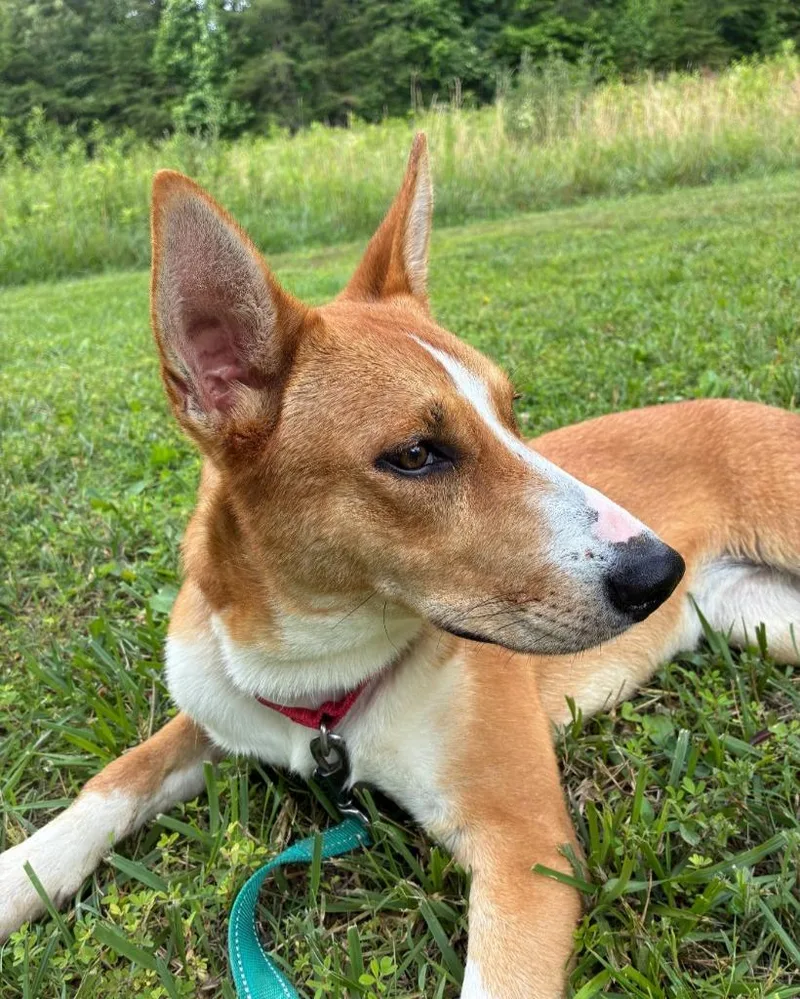
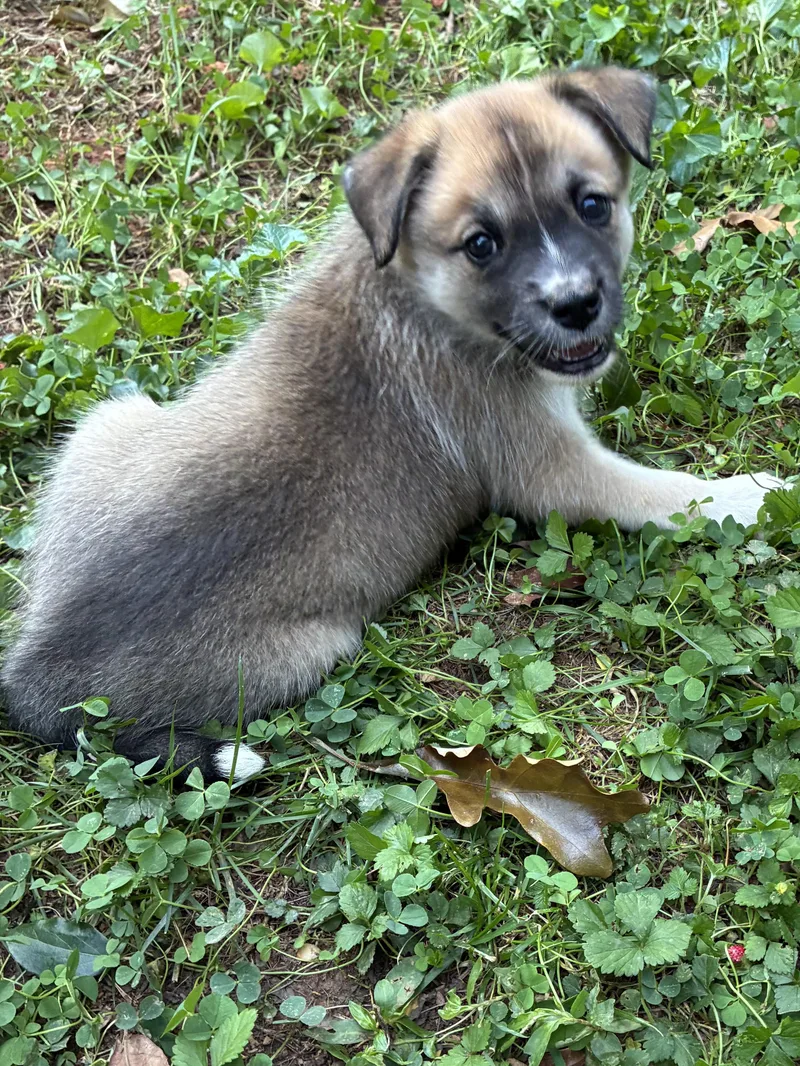
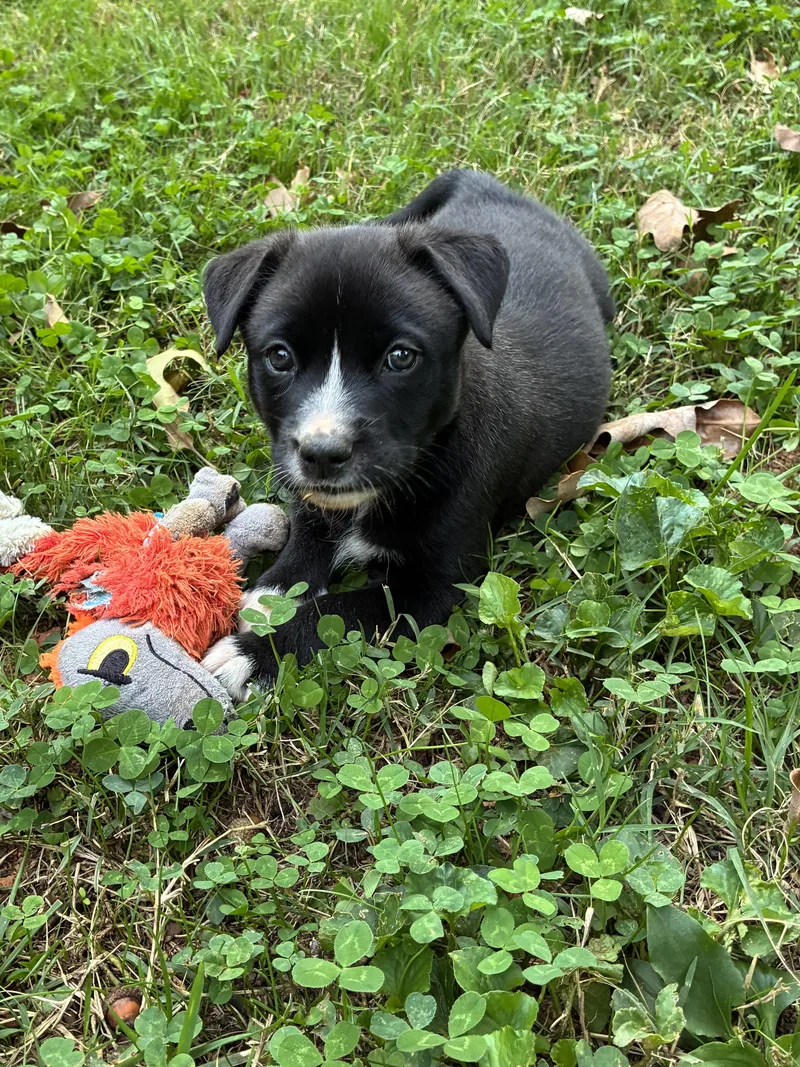
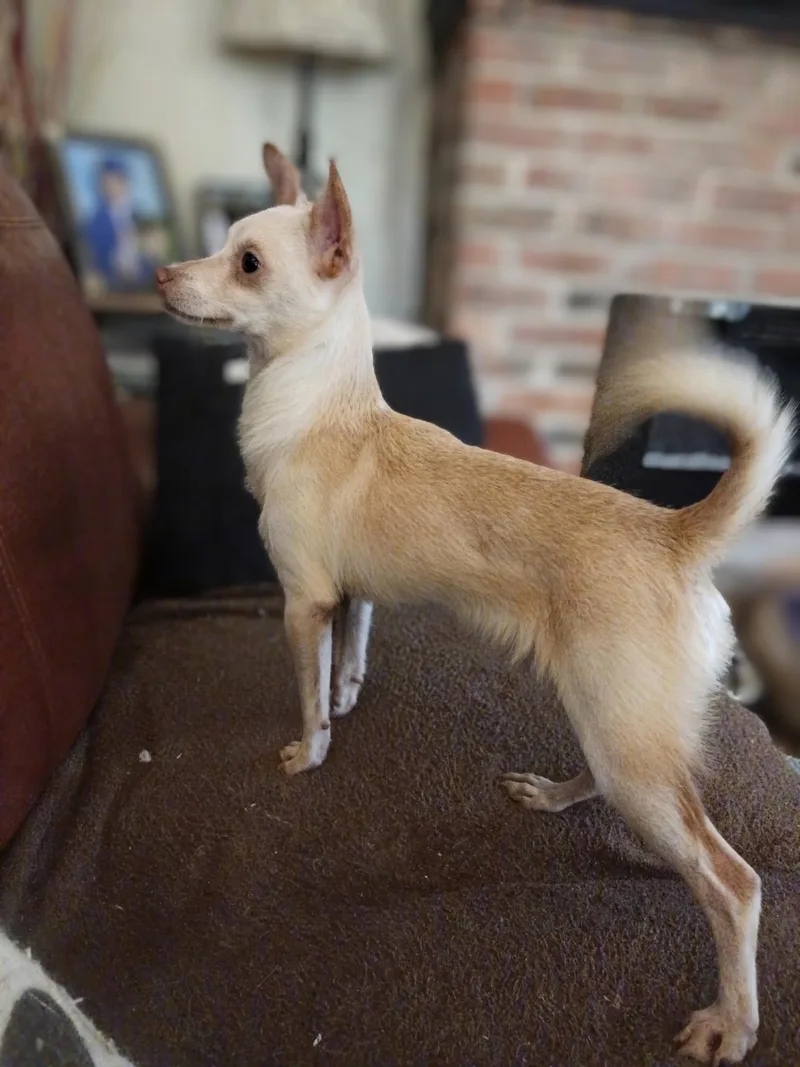
Basenji Dogs for Adoption in Tampa, FL

Your guide to finding and caring for a Basenji in Tampa

A Basenji can do well in Tampa if its person likes early walks along Bayshore Boulevard. The breed is small, short-coated and doesn't bark the way most dogs do, so a Channel District condo or a Seminole Heights bungalow can both work. What matters is a leash outside and a secure space inside, because Basenjis climb, dig and slip through gaps. They're clever and catlike, and they decide for themselves when to listen. Plan the longest walk before the summer heat builds.

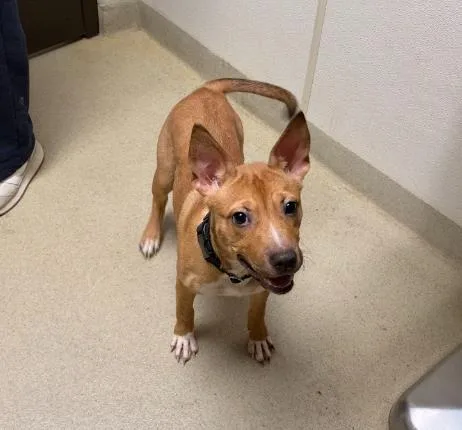
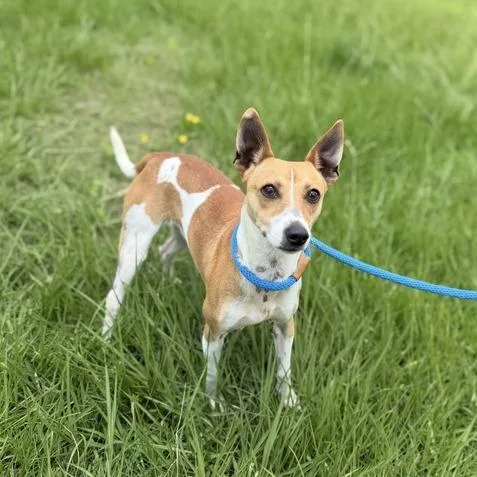
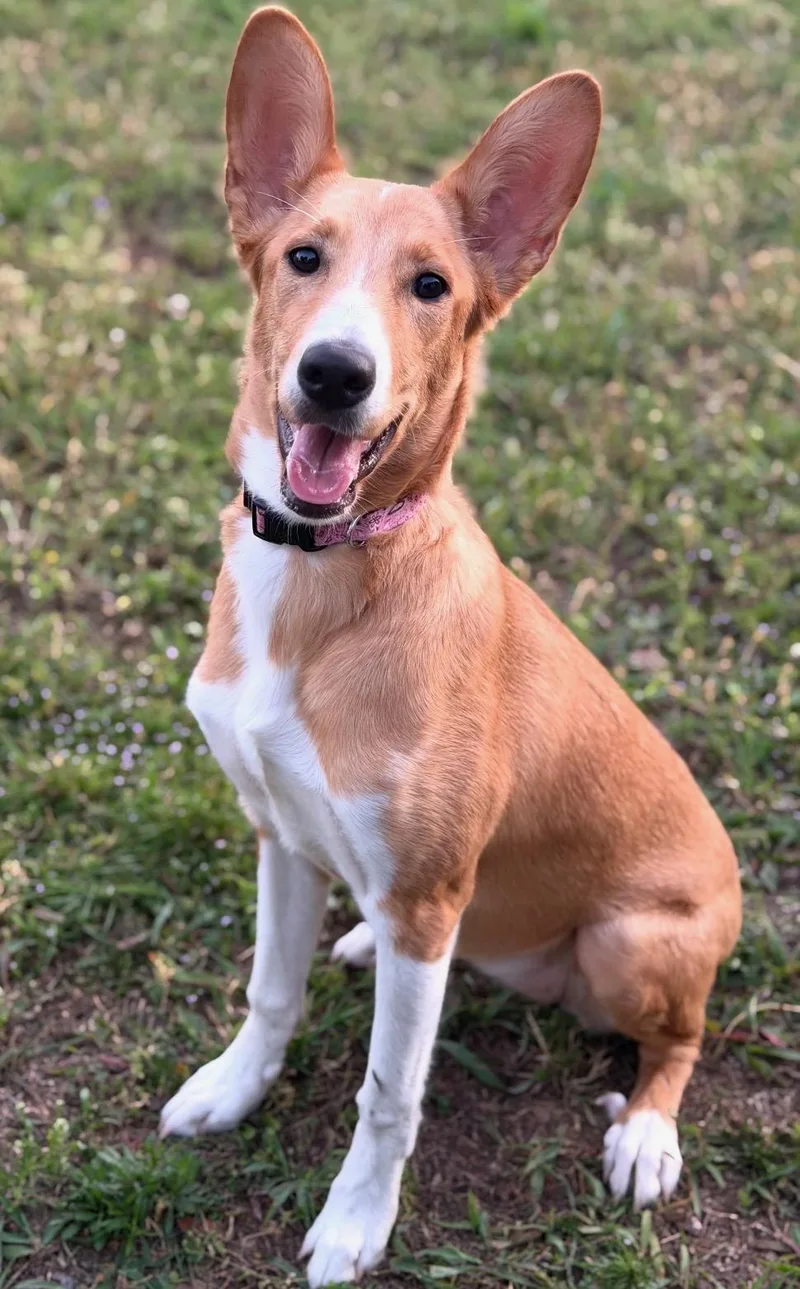
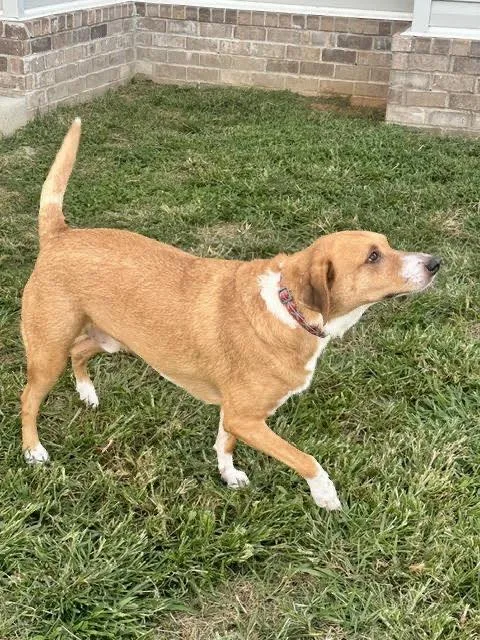
164 Basenjis available in Tampa and nationwide

Fall for a Basenji

While we don't have enough dogs near Tampa, keep in mind that many rescues may offer transport.

Basenjis Available for Adoption Near Tampa

About the Basenji breed

The Basenji is a small hunting dog from Central Africa, especially the Congo basin, where village hunters relied on it to find small game and drive it into nets. Genetic studies place it among the oldest dog lineages. Instead of barking, it yodels, howls and makes a sound called a baroo, which is how it earned the nickname Africa's barkless dog.

Basenjis weigh roughly 20 to 26 pounds, with a wrinkled forehead, upright ears, a tightly curled tail and a short, fine coat. They groom themselves much like cats and shed little. Many are affectionate at home but reserved with strangers, and a strong chase instinct means they do best on a leash. In Tampa, that mix of low upkeep and high energy suits owners who can walk daily and secure a yard or balcony.

Weight
20–26 lbs
Height
15–18 in
Lifespan
12–15 yrs
Temperament
Independent, Intelligent, Alert, Affectionate
Group
Hound
Shedding
Low

Owning a Basenji in Tampa

Having a Basenji in Tampa

Basenjis pair a hunter's chase drive with a catlike, self-sufficient streak. In Tampa, the biggest practical issues are exercise before the heat, secure fencing, and a plan for storms, since many Basenjis dislike rain.

Temperament

Basenjis are usually affectionate with their families, alert and reserved with strangers. They think for themselves, so training takes patience and rewards. Strong prey drive can make squirrels, lizards and small pets tempting targets. Some Basenjis enjoy other dogs, while others prefer to be the only one, and each dog differs.

Exercise Needs

Expect to give a Basenji vigorous daily exercise: brisk walks, a run in a securely fenced area or lure coursing. In Tampa, schedule it for early morning or evening, since summer pavement is hot and the humidity is heavy. Fenced dog parks suit them, but keep a leash on outside the fence, because the chase instinct is strong.

Health Considerations

Basenjis can inherit Fanconi syndrome, a kidney disorder, along with progressive retinal atrophy, pyruvate kinase deficiency and hypothyroidism. A veterinarian can discuss periodic urine screening and DNA testing options. In Tampa, year-round flea, tick and heartworm prevention matters, because mosquitoes and parasites thrive in the heat.

Living Space

A Basenji's small size and quiet nature suit Tampa condos, bungalows and townhomes alike. Security matters more than square footage, since they climb fences, slip through gaps and chew through barriers. Many dislike rain, so give a Basenji a dry, comfortable indoor spot, especially when summer afternoon storms roll in.

What it costs to own a Basenji in Tampa

ExpenseTypical costPer year
Food$20 to $45 per month$240 to $540
Pet insurance$40 to $85 per month$480 to $1,020
Routine vet care$200 to $400 per year$200 to $400
Other*$390 to $1,090 per year$390 to $1,090
Estimated yearly total (after year one)$1,310 to $3,050

Other costs are estimates and vary with size, age and health.

* The County dog registration tag, year-round flea, tick and heartworm prevention, a dental cleaning allowance, durable chew toys and bedding, and minimal grooming for a short coat.

Adopt a Basenji in Tampa.

Now that you know more, let’s find you a new best friend. These rescues and shelters below currently have Basenjis available.

Frequently Asked Questions

Yes, you can own a Basenji in Tampa. Neither Tampa nor Hillsborough County has breed-specific rules, and Florida law bars local rules based on breed, weight or size. Dogs 4 months and older need a rabies vaccination and a County registration tag, a leash of six feet or less in public, and no unattended tethering. Read your lease for breed or weight limits.

A Basenji fits Tampa life if you can walk it early or late, secure your home and enjoy a clever, independent dog. Mild winters suit its dislike of cold, while the long humid summer limits midday outings. Frequent travelers, owners wanting a dog that obeys eagerly, or homes with small pets may find the breed harder.

Tampa's fenced dog parks suit a Basenji well. Try Al Lopez Park, Curtis Hixon Waterfront Park or Davis Islands, remembering that dogs must be licensed, tagged and at least 4 months old. Al Lopez's dog park closes Thursday mornings and Curtis Hixon's closes Tuesday and Friday afternoons for maintenance. Keep a leash on the Riverwalk and away from lake banks, where alligators live.

Tampa's climate works for a Basenji with some planning. Winters are mild, which suits a breed that dislikes the cold, but about 94 days a year reach 90°F or higher, and summer brings frequent afternoon storms and heavy humidity. Exercise at dawn or dusk, offer shade and water, and keep a hurricane plan with a crate and current rabies and registration papers.

Probably not easily. HART buses allow pets only in a secure, leak-proof carrier small enough to fit on the owner's lap, and the free TECO Line streetcar allows small carriers too. Many Basenjis weigh 20 to 26 pounds, which is likely too big, and drivers can refuse a pet that seems disruptive or unsafe. Plan on driving instead.

Sometimes, on outdoor patios only. Tampa lets restaurants seat dogs in a designated outdoor area, but each must hold a city permit, so access is up to the venue. A Basenji must stay leashed, off chairs and tables, and under control. Indoor dining rooms are off limits. A tired Basenji settles better, so exercise first.

Very little. A Basenji's short, fine coat sheds lightly and the dog cleans itself much like a cat, so a weekly rubdown and an occasional bath usually do it. Tampa's humidity and summer heat call for wiping paws and checking skin, not for coat care. Grooming falls within the $390 to $1,090 yearly Other costs, alongside dental care, parasite prevention and the County tag.

A Basenji is a small, ancient hunting dog from Central Africa, famous for not barking. It belongs to the AKC Hound Group and was recognized in 1943. Basenjis are lean and elegant, with a wrinkled forehead, upright ears and a tightly curled tail. They tend to be clever, independent, clean and energetic, with a strong instinct to chase.

We have 1 rescue with Basenjis available: Hillsborough County Pet Resource Center. You can see every rescue with Basenjis available in the list above these questions, or scroll to the top to see the Basenjis near Tampa.

Most Basenji owners in Tampa can expect food at about $20 to $45 a month, pet insurance at $40 to $85 a month, and routine vet care at $200 to $400 a year. Other yearly costs, including the County tag, parasite prevention and dental care, run roughly $390 to $1,090. Hereditary conditions can add vet bills, so insurance is worth pricing.

Find Basenjis in Nearby Cities

Expand your search to find Basenjis available for adoption near Tampa.