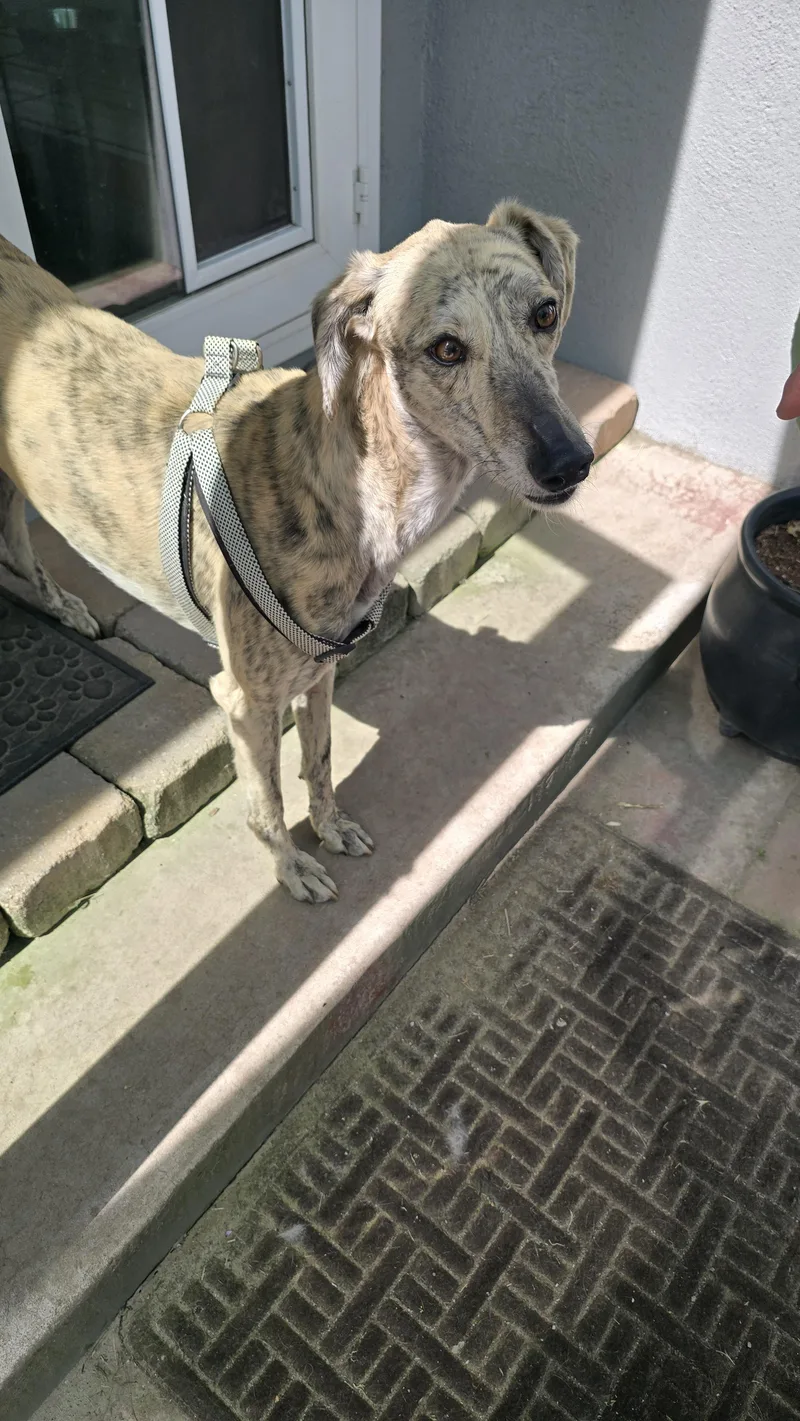

Saluki Dogs for Adoption in Miami, FL

Your guide to finding and caring for a Saluki in Miami

A Saluki in Miami does well with a bayfront walk in the morning and a cool apartment to nap in the rest of the day. In Edgewater or Coconut Grove, that lean sighthound can cruise the waterfront paths at a steady pace, then curl up on the couch for hours. What it can't do is run loose on a sidewalk, because the chase instinct takes over fast. Plan on a sturdy leash and a fenced spot for sprints.

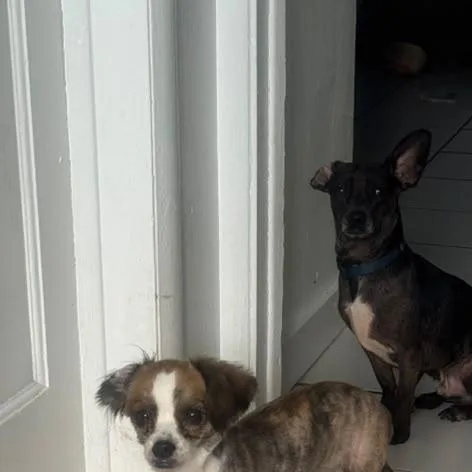
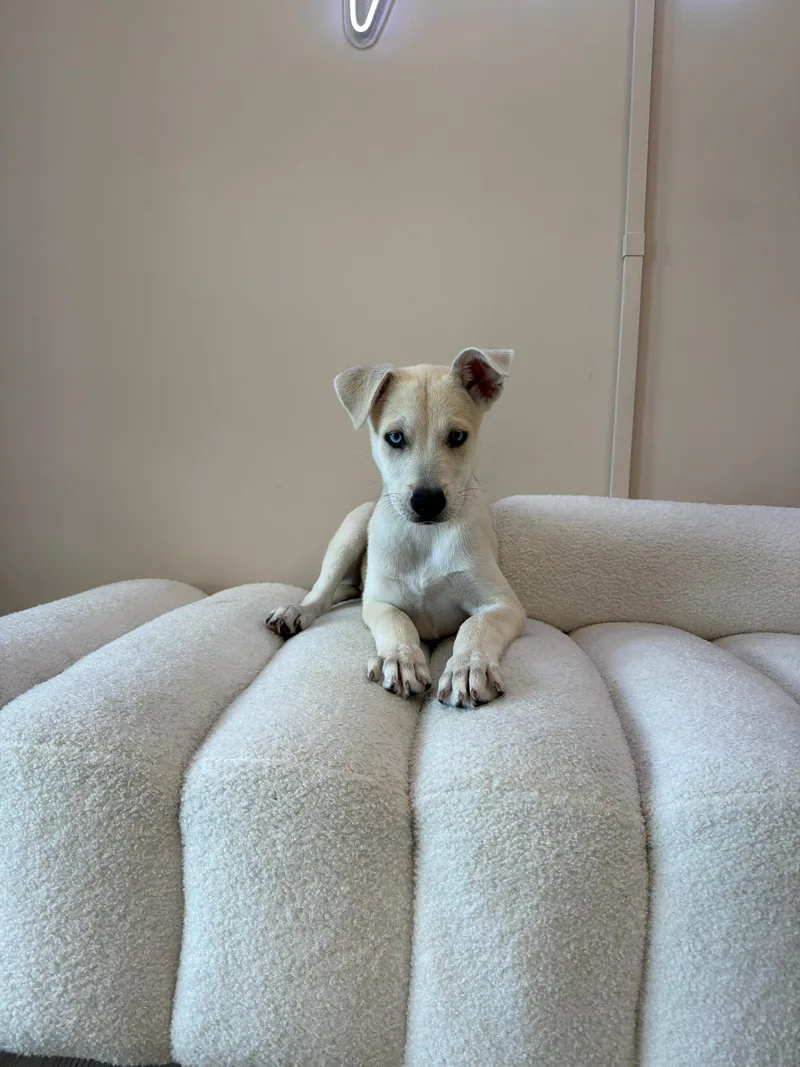
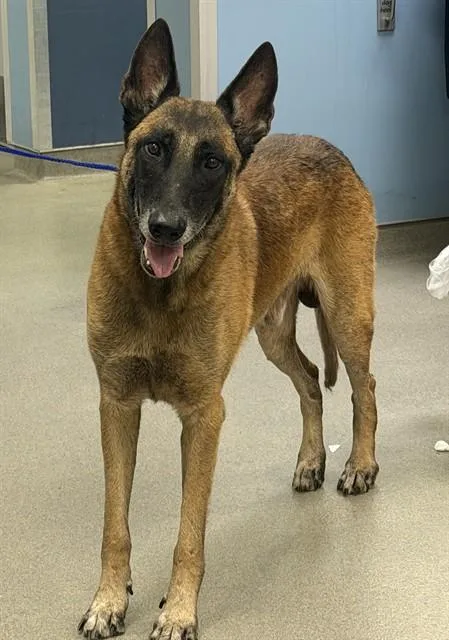
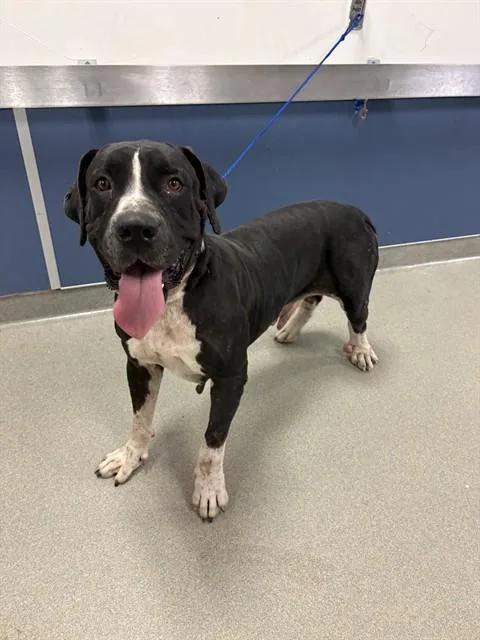
16 Salukis available in Miami and nationwide

Give a Saluki a home

While we don't have enough dogs near Miami, keep in mind that many rescues may offer transport.

Salukis Available for Adoption Near Miami

About the Saluki breed

The Saluki is one of the oldest sighthound breeds, developed across the Middle East to course gazelle and hare over open desert. It stands 23 to 28 inches tall and usually weighs 35 to 65 pounds, with a deep chest, long legs and a narrow head. The coat is either smooth or feathered, with silky fringes on the ears and tail, and it sheds lightly.

Many Salukis are quiet, gentle and reserved with strangers, and they bond closely with their own people. In a city like Miami, the main adjustments are practical: a strong prey drive means a leash outdoors, and a thin-skinned, low-fat body means soft bedding and extra care in the heat. Dogs vary, so some are shyer or more playful than others.

Weight
35–65 lbs
Height
23–28 in
Lifespan
12–15 yrs
Temperament
Gentle, Independent, Dignified, Athletic
Group
Hound
Shedding
Low

Owning a Saluki in Miami

Having a Saluki in Miami

Salukis are calm, sensitive sprinters with a strong chase instinct. In Miami, the big questions are where a dog can run safely, how it copes with muggy heat, and whether your home is peaceful enough for a dog that likes quiet.

Temperament

Many Salukis are gentle, quiet and dignified, bonding closely with one or two people and staying reserved with visitors. That suits a calm Miami condo, though busy sidewalks and loud streets can overwhelm a shy dog. Prey drive is strong, so small pets may not be safe. Slow, patient introductions help a newly adopted Saluki settle in.
Exercise Needs

Plan on a long daily walk plus regular sprints in a securely fenced area, since recall often fails once a Saluki spots something moving. Fenced dog parks in Miami can work, and sniffing walks add mental exercise. In summer, shift activity to early morning or after sunset and keep midday outings brief.

Health Considerations

Heart disease, cancers such as hemangiosarcoma, and hypothyroidism are health priorities for the breed, and healthy Salukis often show low thyroid values. Low body fat means anesthesia needs care, and thin skin tears easily. A vet familiar with sighthounds can check the heart and thyroid. Year-round parasite prevention matters in Miami.

Living Space

A Saluki can live in a Miami apartment or a house if it gets daily exercise and a safe place to run. A fence of five to six feet is often recommended, since many can jump or squeeze through gaps. Padded bedding protects bony joints, and reliable air conditioning matters in summer.

What it costs to own a Saluki in Miami

ExpenseTypical costPer year
Food$55 to $110 per month$660 to $1,320
Pet insurance$55 to $110 per month$660 to $1,320
Routine vet care$250 to $500 per year$250 to $500
Other*$540 to $1,590 per year$540 to $1,590
Estimated yearly total (after year one)$2,110 to $4,730

Other costs are estimates and vary with size, age and health.

* The Miami-Dade dog license, flea, tick and heartworm prevention, a dental cleaning allowance, toys and supplies, minimal home grooming, and padded bedding plus a light layer for cool mornings.

Adopt a Saluki in Miami.

Now that you know more, let’s find you a new best friend. These rescues and shelters below have dogs available in and near Miami.

Frequently Asked Questions

Yes. Florida law bars local governments from regulating dogs by breed, weight or size, so Miami and Miami-Dade have no Saluki restrictions. You will need a Miami-Dade license tag once the dog is over four months old, plus a current rabies vaccine. Landlords and condo associations can still set their own pet rules, so confirm yours first.

A Saluki fits Miami if you can offer a daily leash walk, a fenced place to sprint and a cool, quiet home. It's a harder match if you want an off-leash hiking partner or work long days away, since many Salukis bond closely and can struggle alone. Loud storms and fireworks may unsettle a sensitive dog.

Yes, with care. Miami summers bring highs near 90 degrees, warm nights and a high heat index, so walk a Saluki at dawn or after dark, bring water and keep the air conditioning on. Lean, thin-coated dogs lose heat reasonably well, but they can still overheat or burn their paws on hot pavement.

For leashed walks, the waterfront at Margaret Pace Park and David T. Kennedy Park suits a Saluki's steady stride. For sprints, Blanche Park is described as an enclosed dog park, and Woodside Park has a separate area for larger dogs. Keep your dog leashed outside designated areas, since a Saluki may bolt after anything that moves.

Usually not. Miami-Dade Transit allows pets on Metrobus, Metrorail and Metromover only in a properly enclosed carrier, and a Saluki, at roughly 35 to 65 pounds, is far too big for one. Service animals are the exception. For vet visits and outings, plan on walking, a car or a ride-share that accepts dogs.

Maybe, but patio policies vary by restaurant. Florida allows dogs only in outdoor dining areas, and only where the local government has approved it, so don't assume every patio welcomes them. A calm Saluki usually settles under the table, but keep it leashed, away from chairs and out of indoor areas.

Very little. Brush a smooth coat weekly and feathered ears, legs and tail a bit more often to prevent tangles. In Miami's humidity, dry the feathering and ears after rain or a bath, and trim nails regularly. Most owners can do this at home, so professional grooming adds little to yearly costs.

A Saluki is a tall, slender sighthound from the Middle East, bred to chase gazelle and hare by sight across open country. It has long legs, a narrow head, a deep chest and either silky feathering or a smooth coat. Many are gentle, quiet and independent at home, with an intense chase instinct outdoors.

A Saluki can run roughly 40 miles per hour at full speed, and the 1996 Guinness Book of Records listed one at about 42.8 mph. Greyhounds may be quicker over a short sprint, but Salukis are known for holding high speed over longer distances. That speed is why secure fencing and leashes matter so much for this breed.

Budget roughly $2,100 to $4,700 a year for a Saluki in Miami. That covers food at $55 to $110 a month, pet insurance at $55 to $110 a month, routine vet care at $250 to $500 a year, and about $540 to $1,590 a year in other costs. Insurance is optional but worth weighing given the breed's heart and cancer risks.