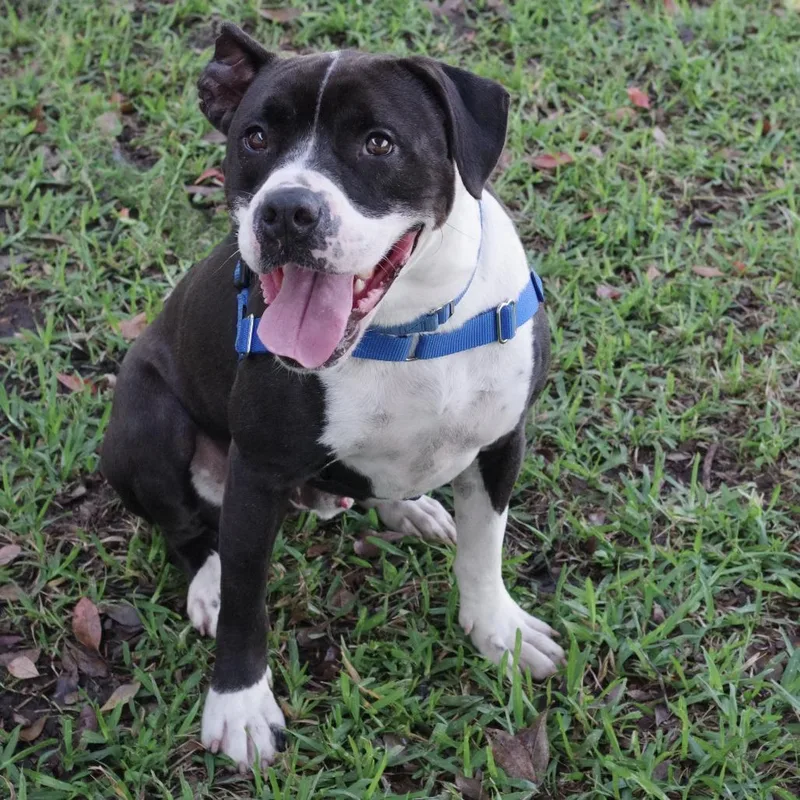
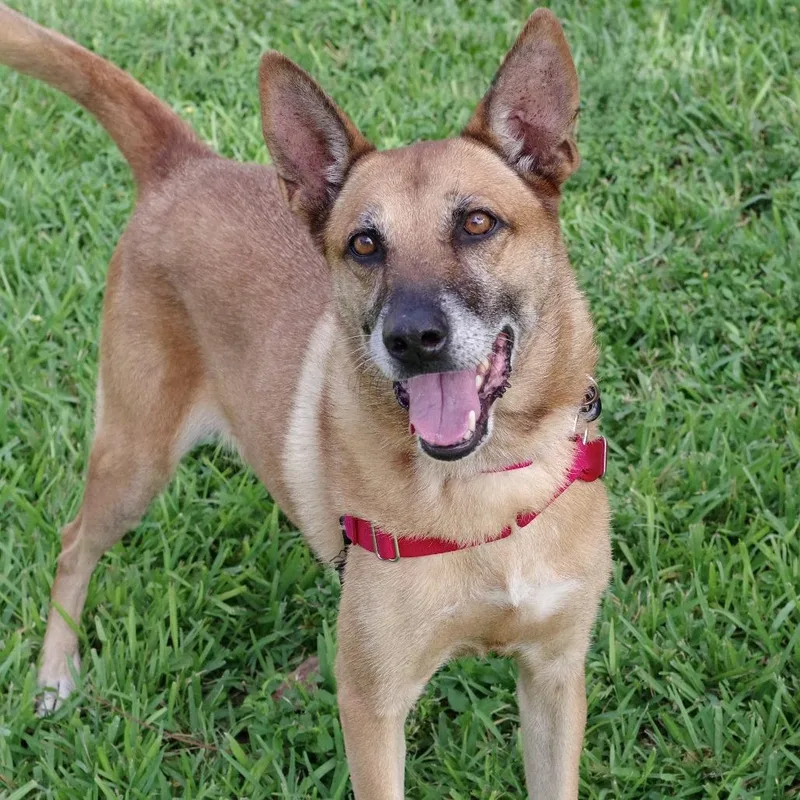
Retriever Dogs for Adoption in Miami, FL

Your guide to finding and caring for a Retriever in Miami

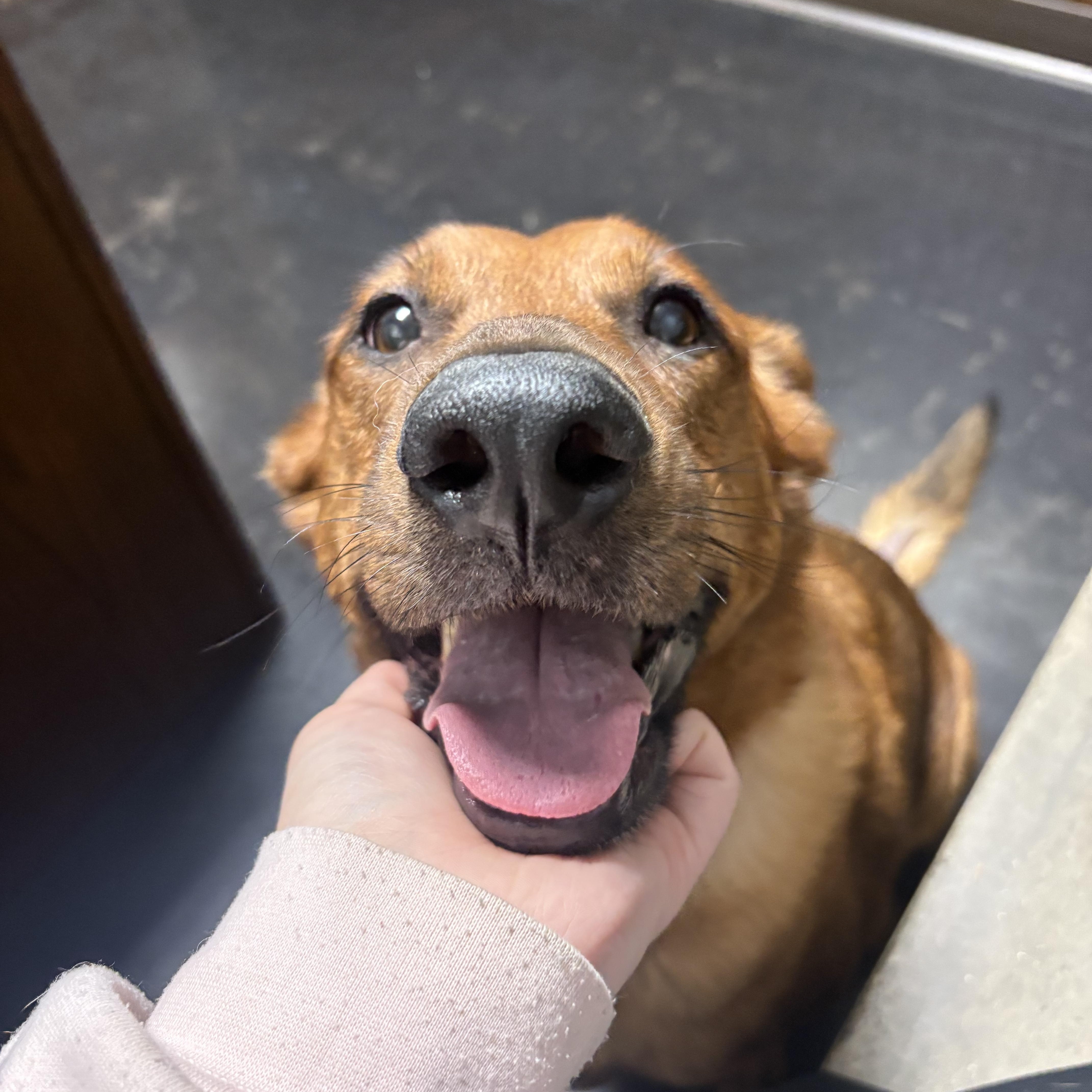
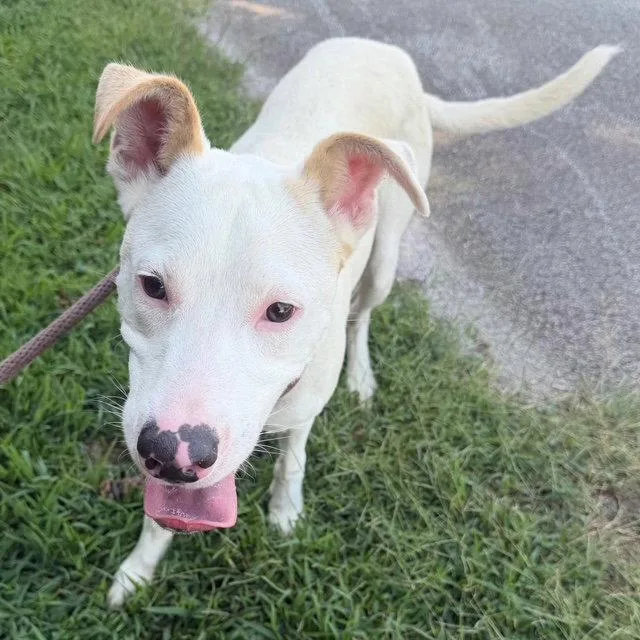
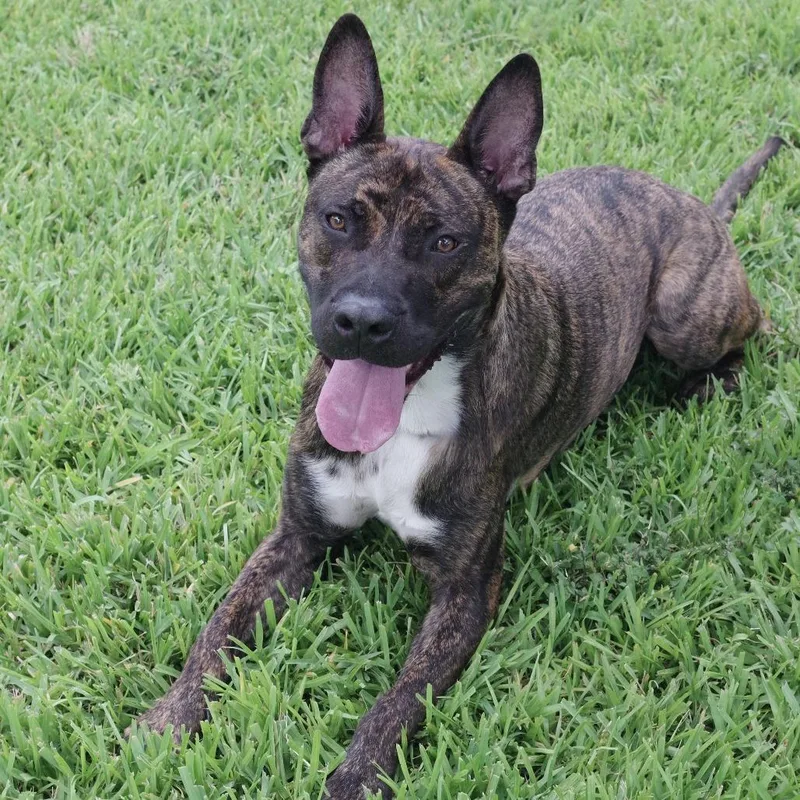
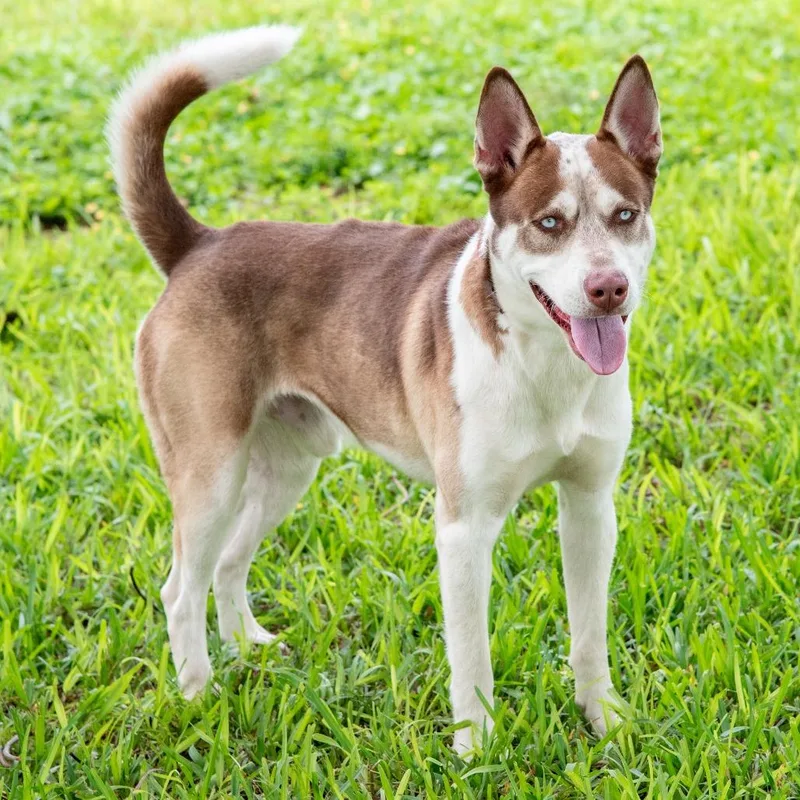
Retriever-type dogs suit the tree-lined streets of Miami's Upper Eastside, where bungalows with yards sit a short walk from the dog park at Legion Memorial Park. Most are big, friendly and happiest with a job, whether that's fetch or a long morning loop. In Miami that exercise works best early or late, because the heat and humidity linger well past sunrise. Listings often use "retriever" for Lab or Golden mixes, so the dog in front of you tells you more than the label.

882 Retrievers available in Miami and nationwide

Bring home a Retriever mix

While we don't have enough dogs near Miami, keep in mind that many rescues may offer transport.

Retrievers Available for Adoption Near Miami

About the Retriever breed

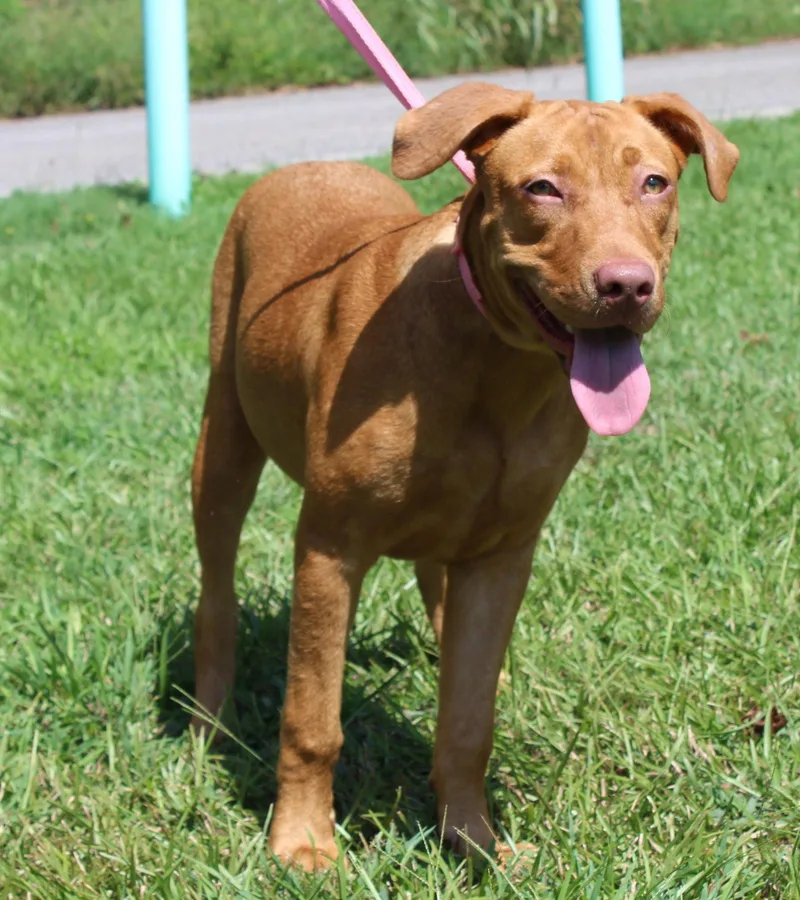
Retriever isn't a single breed. It's a label for gun dogs developed to find shot birds and carry them back gently, and on adoption listings it usually means a Labrador or Golden Retriever mix, or a dog with that look and unknown ancestry. Chesapeake Bay, Flat-Coated, Curly-Coated and Nova Scotia Duck Tolling Retrievers belong to the same family.

Most are sturdy, food-motivated dogs of roughly 50 to 80 pounds, with a water-resistant double coat that sheds moderately to heavily. Many are sociable and eager to work with people, and a long, bouncy adolescence is common. In Miami, the coat and the energy are the main care questions: expect regular brushing, plenty of fresh water and exercise planned around the heat. Dogs vary, so how a particular retriever mix behaves matters more than the label.

Weight
50–80 lbs
Height
20–25 in
Lifespan
10–14 yrs
Temperament
Friendly, Outgoing, Active
Group
Sporting
Shedding
Moderate to High

Owning a Retriever in Miami

Having a Retriever in Miami

Retriever mixes tend to be people-focused, full of stamina and fond of fetching. Their coats shed, their joints need protecting, and Miami's heat shapes when and where they get exercise. Age and ancestry change how strongly each trait shows.

Temperament

Retriever-type dogs are often friendly with family, guests and other dogs, which helps in busy Miami buildings and dog parks. Young dogs can be mouthy, bouncy and prone to chewing, and many dislike long stretches alone. Reward-based training usually works well because most love food and praise. Each dog is different.

Exercise Needs

Plan on vigorous daily activity, such as long walks, fetch, swimming or scent games. In Miami, schedule the hardest exercise for early morning or after sunset, and use indoor training and puzzle feeders on hot, humid afternoons. Fenced dog parks allow off-leash play, and seniors still benefit from gentler daily movement.

Health Considerations

Common concerns include hip and elbow dysplasia, cruciate injuries, ear infections, skin allergies and weight gain. Miami's humidity can aggravate ear and skin trouble, so dry ears after baths and swims. Keeping a retriever lean protects its joints, and a veterinarian can advise on year-round parasite prevention.

Living Space

A retriever can live in a Miami condo or a house with a yard, as long as exercise is reliable. A large dog needs to get outside several times a day, so the distance to grass and the wait for the elevator matter. Plan for shed hair on tile floors and a sweeping tail.

What it costs to own a Retriever in Miami

ExpenseTypical costPer year
Food$55 to $110 per month$660 to $1,320
Pet insurance$55 to $110 per month$660 to $1,320
Routine vet care$250 to $500 per year$250 to $500
Other*$590 to $1,490 per year$590 to $1,490
Estimated yearly total (after year one)$2,160 to $4,630

Other costs are estimates and vary with size, age and health.

* The County dog license, flea, tick and heartworm prevention, a dental cleaning allowance, toys and bedding, and brushing and baths for a shedding coat.

Adopt a Retriever in Miami.

Now that you know more, let’s find you a new best friend. These rescues and shelters below have dogs available in and near Miami.

Frequently Asked Questions

Yes, most retrievers handle a Miami summer with planning, but heat and humidity are the real limits. Even nights stay warm and the heat index climbs high, so exercise at dawn or after dark, offer shade and fresh water, and move play indoors on steamy afternoons. Watch for heavy panting, drooling or a dog who slows down.

A Retriever can fit Miami well if the household is active and home a fair amount. These sociable dogs enjoy dog parks and outdoor routines, but they need exercise scheduled around the heat, regular brushing for shed hair and company rather than long days alone. If your schedule is packed, an older, calmer mix may suit better.

Yes, a Retriever can live in a Miami apartment if daily exercise is dependable. Plan on at least two real walks plus play, and use scent games or puzzle feeders when afternoons are too hot. Keep the dog leashed in building common areas, as county rules require, and look for a building that welcomes large dogs.

Start with the City dog parks. Bayfront Park and Maurice A. Ferré Park downtown list a waterfront dog space, and David T. Kennedy Park in Coconut Grove adds bike paths and waterfront views. Off-leash play is allowed only in designated areas, so leash up elsewhere and look for posted dog rules before heading onto trails.

A Retriever usually needs brushing a few times a week, more during heavy shedding, plus a bath every month or two. Miami's year-round warmth means the double coat sheds all year, and humidity can cause ear and skin trouble, so dry the ears after baths and swims. Avoid shaving the coat, and doing most brushing at home keeps grooming costs modest.

Not easily, because a retriever is too big for a carrier. Miami-Dade Transit requires pets to ride in an enclosed carrier on Metrobus, Metrorail and Metromover, so a 50-to-80-pound dog can't board unless it's a service animal. Plan on walking or driving to parks and vet visits instead.

Possibly, but patio policies vary by restaurant. Florida law allows dogs in outdoor restaurant areas only where the local government has adopted an ordinance, and then dogs must be leashed, stay off chairs and tables and never pass through indoor areas. Look for a posted pet policy before bringing your Retriever, and don't expect to bring a dog inside.

Most retriever-type dogs live about 10 to 14 years, with some reaching 15. Retriever is a type label rather than one breed, so mixes and different retriever breeds vary. Keeping a retriever lean, staying current on veterinary checkups all support a longer, more comfortable life.

Most retrievers do like water, and many are eager swimmers. They were developed to fetch shot birds, often from lakes and rivers, and have water-resistant coats. Enthusiasm still varies by dog, especially in mixes or dogs with limited early exposure. Introduce water gradually, never force a nervous dog, and rinse and dry the ears afterward.

Budget roughly $2,160 to $4,630 a year for a retriever in Miami. Food runs about $55 to $110 a month and pet insurance another $55 to $110. Routine vet care is $250 to $500 a year, and other yearly costs like parasite prevention, dental care, the license and grooming add $590 to $1,490. Emergency care is extra.

Find Retrievers in Nearby Cities

Expand your search to find Retrievers available for adoption near Miami.