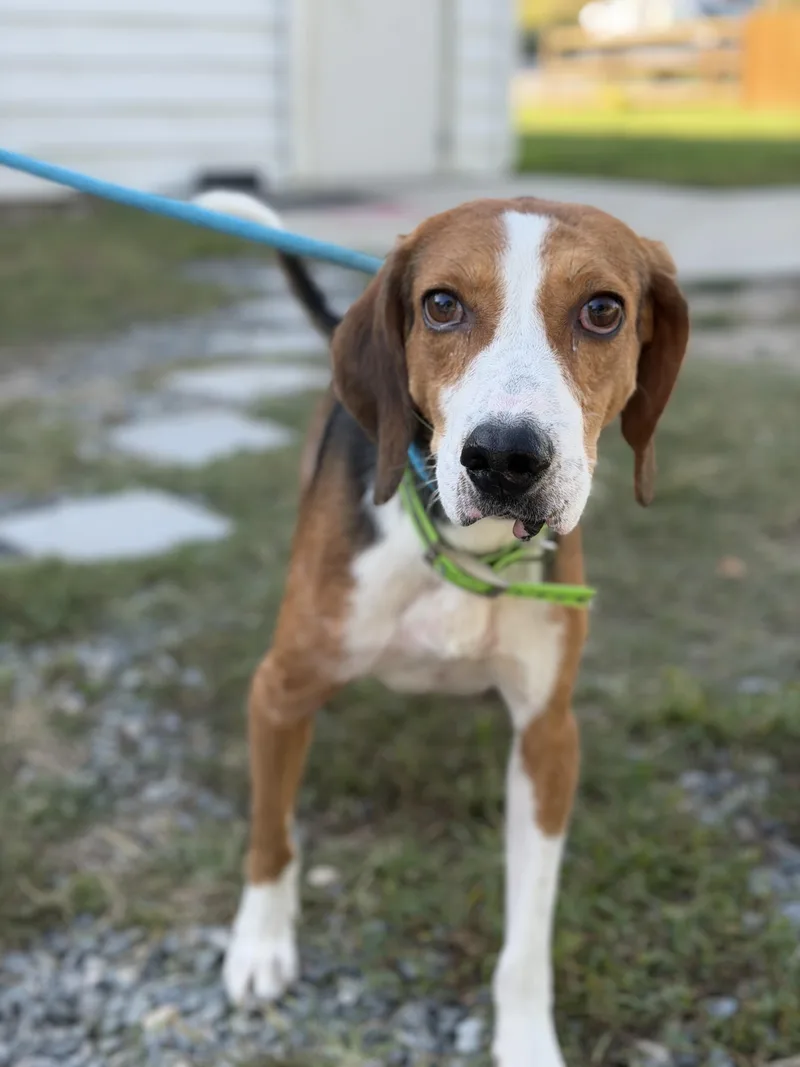
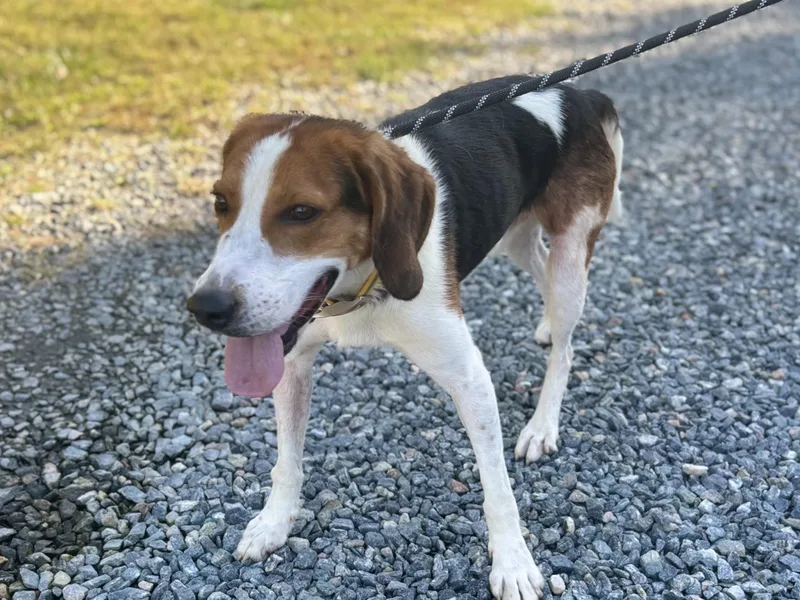
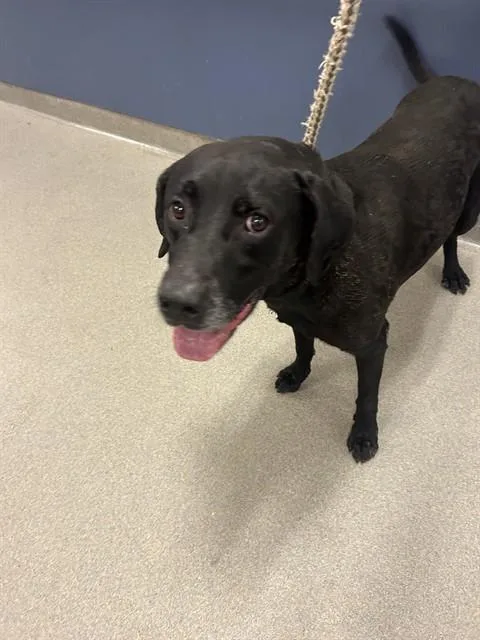
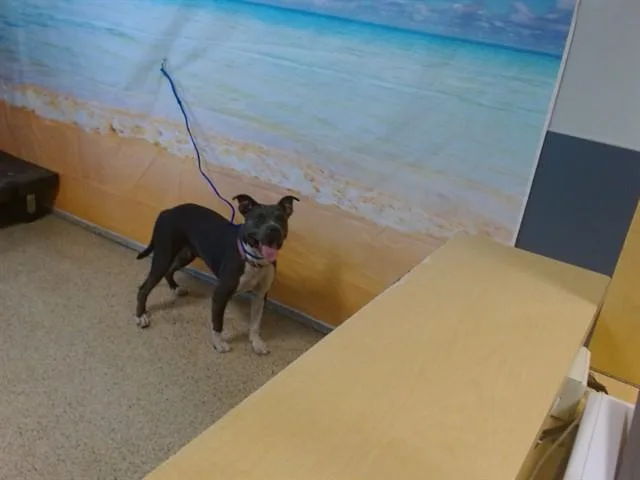
Hamiltonstovare Dogs for Adoption in Miami, FL

Your guide to finding and caring for a Hamiltonstovare in Miami

A Hamiltonstovare suits Miami best when its owner builds the day around the bay and the cooler hours. This Swedish scent hound is friendly and athletic, so a morning loop at Margaret Pace Park in Edgewater or an evening walk along the Coconut Grove waterfront gives it the miles it wants. At 50 to 60 pounds, it can manage a condo if the walks are long. Expect plenty of sniffing, and a voice that carries.

5024 dogs similar to Hamiltonstovare available in Miami and nationwide

Say hello to your Hamiltonstovare

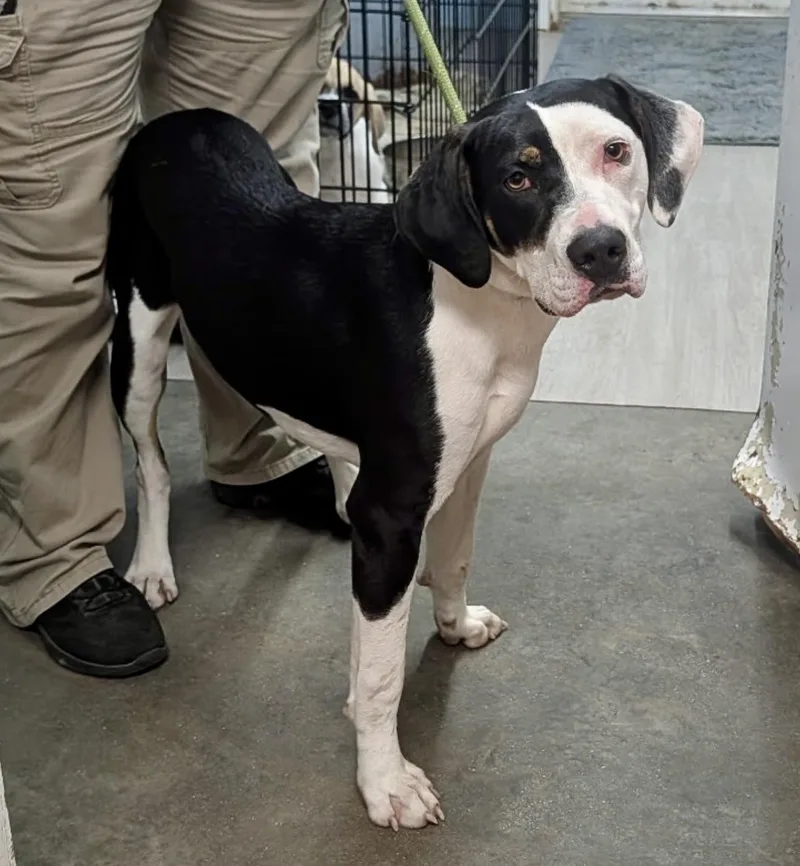
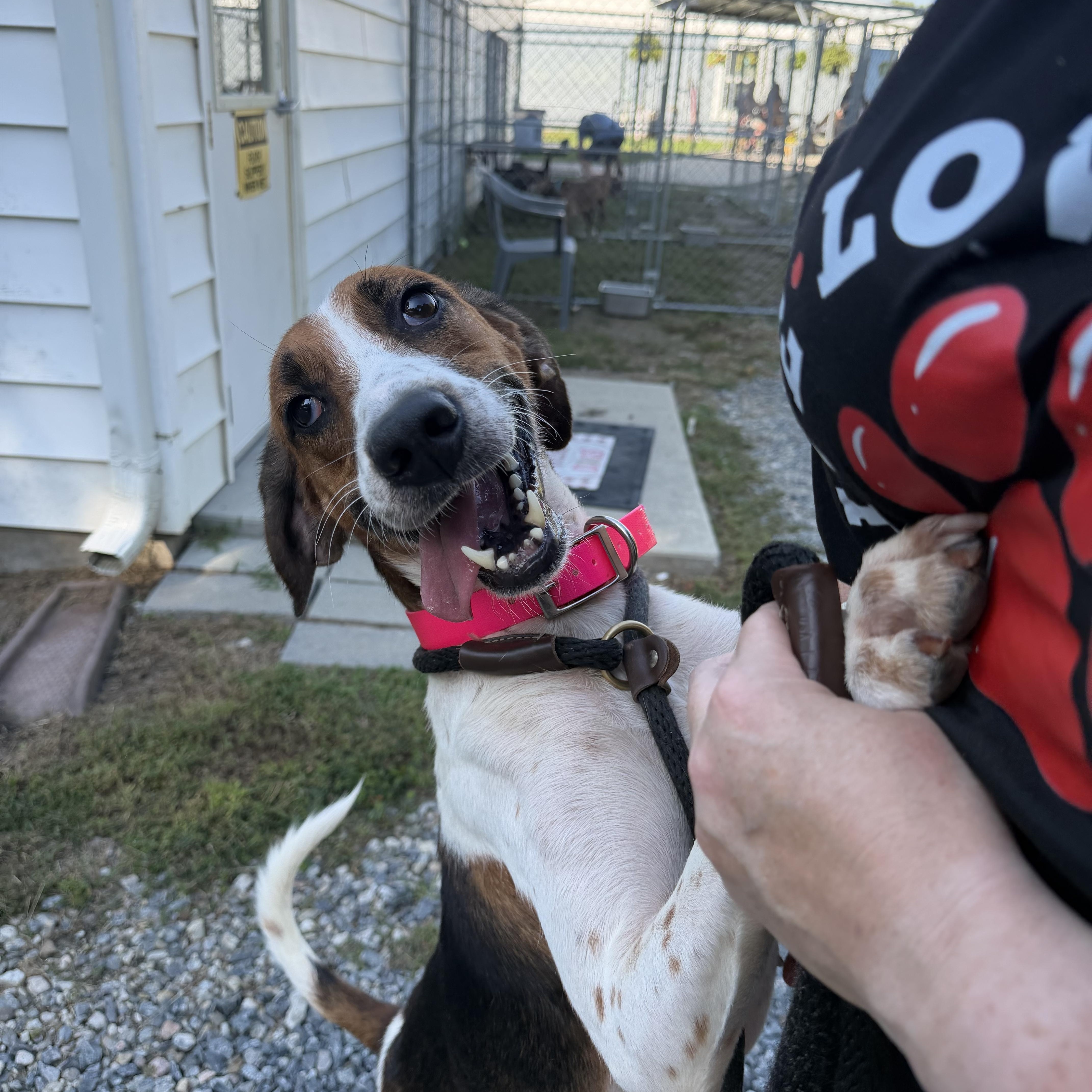
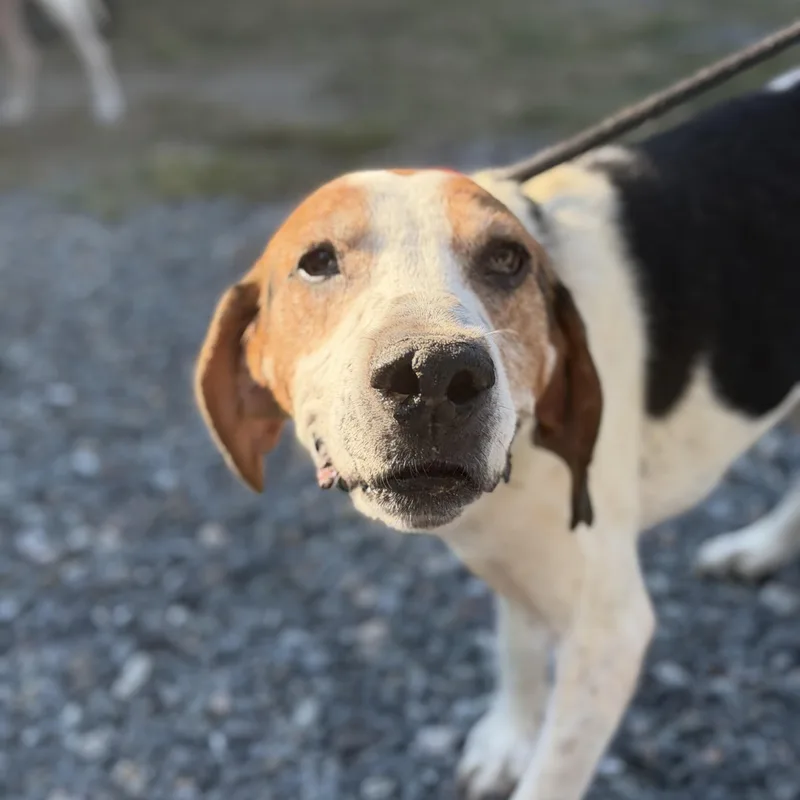
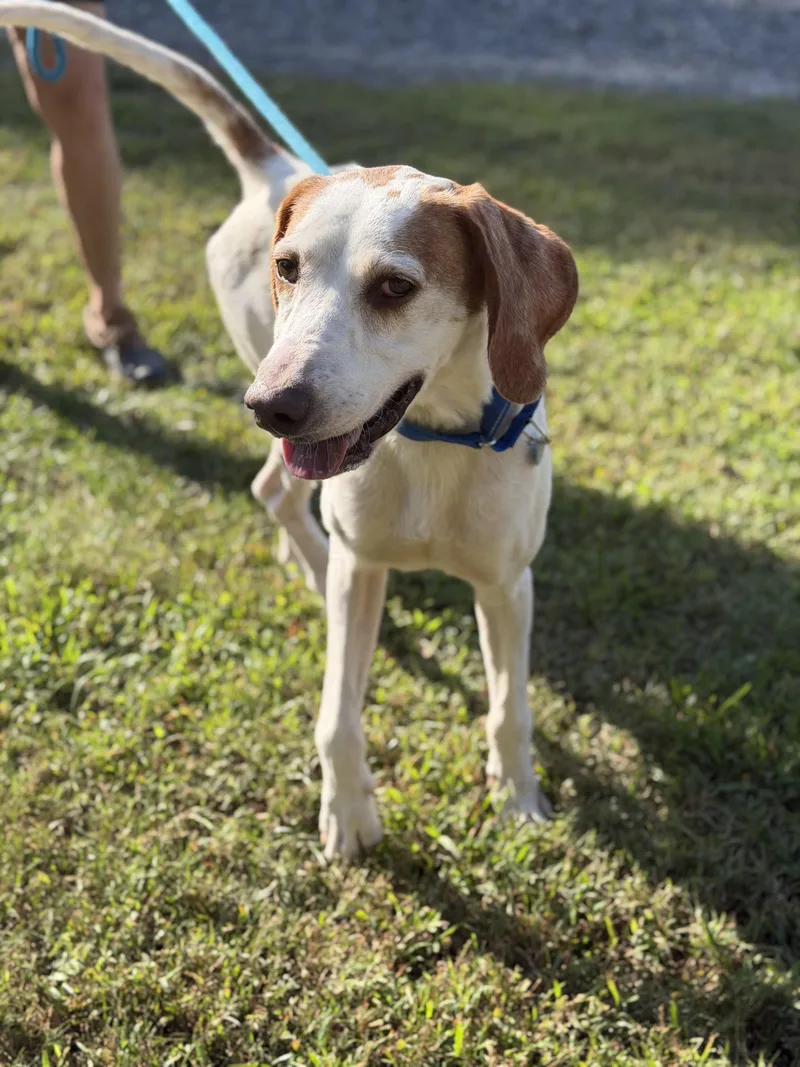
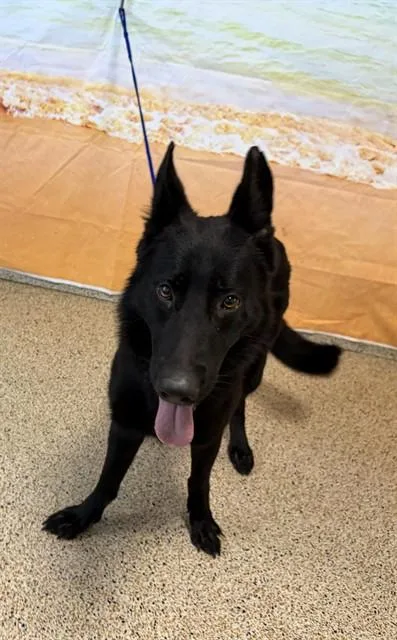
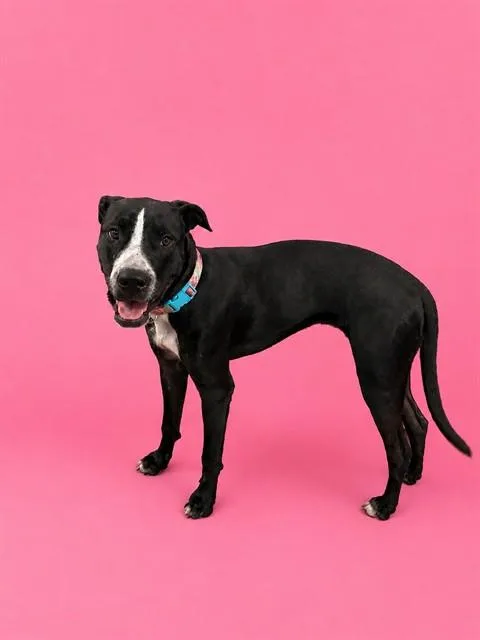
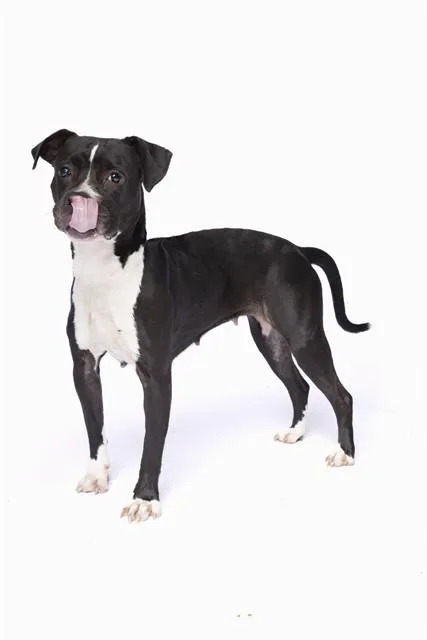
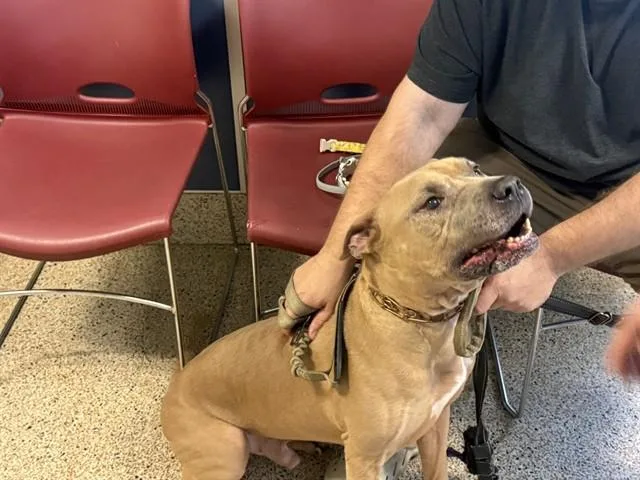
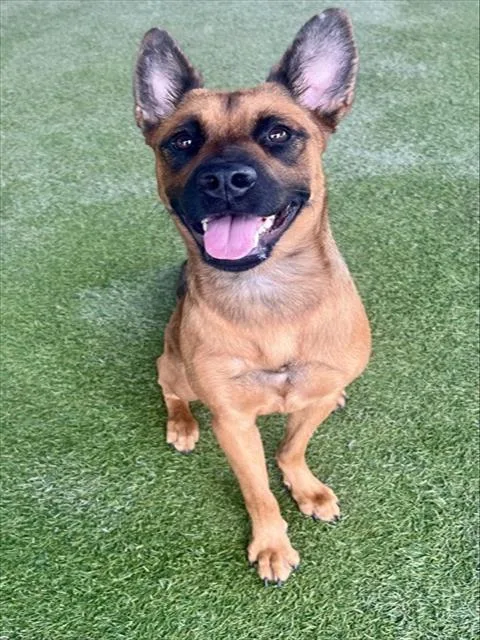
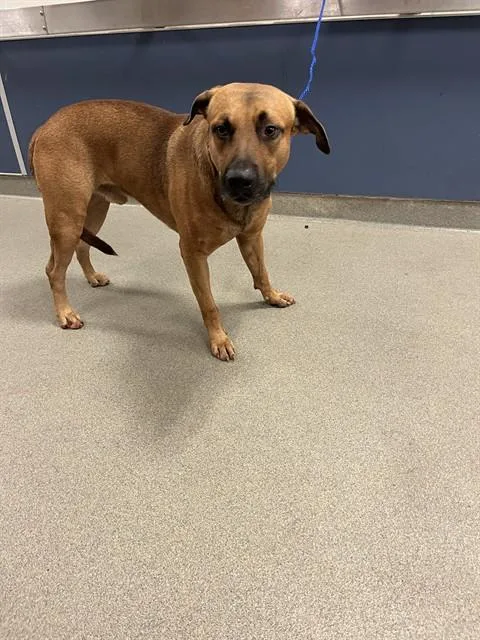
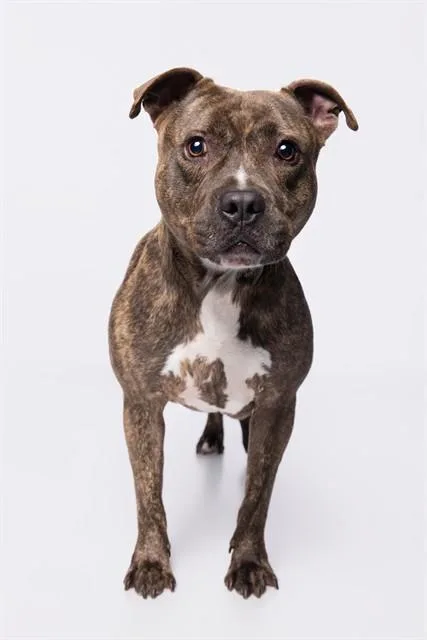
Hamiltonstovares and Similar Breeds Available for Adoption Near Miami

About the Hamiltonstovare breed

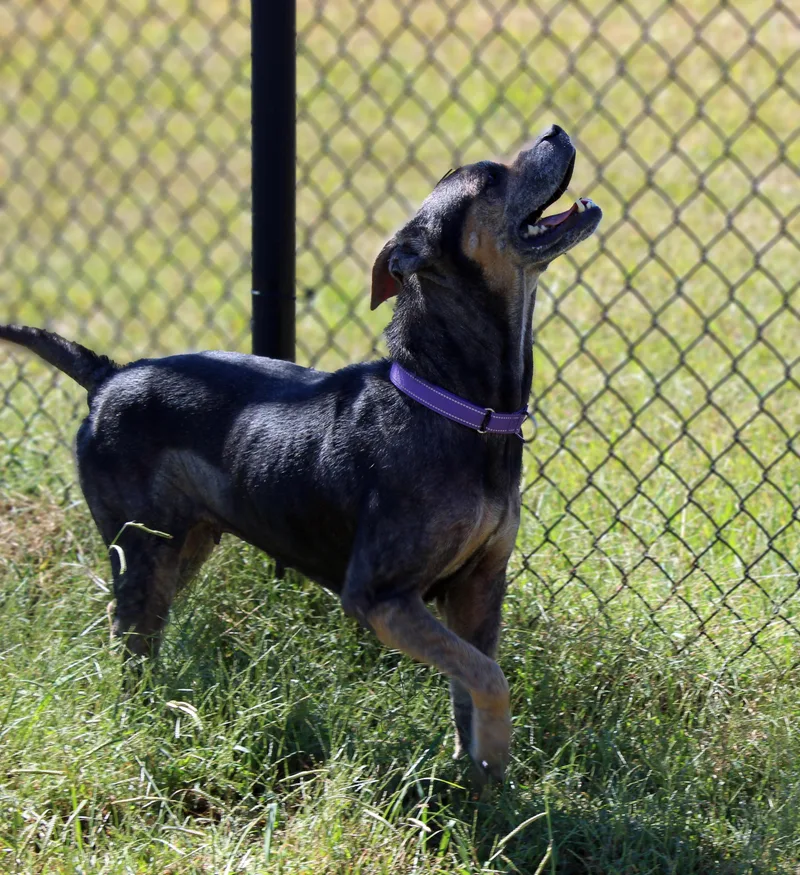
The Hamiltonstovare comes from Sweden, where Count Adolf Hamilton, founder of the Swedish Kennel Club, showed the first ones in 1886. It was developed to trail hare and fox alone rather than in a pack, giving tongue on the scent so hunters could follow. It's an athletic, medium-sized hound with a close-lying coat in black, tan and white.

At home, many are friendly and even-tempered with people and other dogs, but the nose still leads. In Miami, that means a secure fence or a leash wherever an interesting smell might appear, plus plenty of patience with recall training. Dogs vary, so a particular Hamiltonstovare may be calmer or more driven than the description suggests. The breed is rare outside Scandinavia, so watch the listings on this page and look at similar hound breeds too.

Weight
50–60 lbs
Height
19–24 in
Lifespan
10–13 yrs
Temperament
Friendly, Energetic, Independent
Group
Hound
Shedding
Moderate

Owning a Hamiltonstovare in Miami

Having a Hamiltonstovare in Miami

A Hamiltonstovare pairs a mellow home manner with the stamina of a hound bred to work alone. In Miami, its nose, its voice and its need for daily movement matter more than its size or its easy coat, especially once the heat settles in.

Temperament

Hamiltonstovares tend to be friendly, even-tempered and fond of their families, and many get along with other dogs. They can also be stubborn and easily distracted by scent, so short, rewarding training sessions work well. Small pets may trigger chasing. Each dog differs, so judge the dog in front of you, not just the breed description.

Exercise Needs

Plan on substantial daily exercise: long walks, jogging once the dog is mature, or scent games. In Miami, aim for early morning or after sunset, since even dawn is muggy. Bayfront dog parks offer some room to roam, but off-leash time belongs only in fenced, designated areas because a fresh scent can override recall.

Health Considerations

The breed is generally regarded as sturdy, though little data exists outside Scandinavia. Hip dysplasia occurs, and drop ears need regular checks, which matters in Miami's humid wet season. Keep the dog lean, and ask a veterinarian about year-round heartworm, flea and tick prevention. Schedule routine wellness visits soon after adoption.

Living Space

A securely fenced yard, like those on many Upper Eastside or Flagami streets, suits this hound best, but a high-rise can work for an adult that gets long daily outings. Boredom brings baying that neighbors will hear through shared walls. Keep the dog indoors with the family during Miami's heat.

What it costs to own a Hamiltonstovare in Miami

ExpenseTypical costPer year
Food$35 to $70 per month$420 to $840
Pet insurance$45 to $85 per month$540 to $1,020
Routine vet care$225 to $450 per year$225 to $450
Other*$440 to $1,190 per year$440 to $1,190
Estimated yearly total (after year one)$1,625 to $3,500

Other costs are estimates and vary with size, age and health.

* Flea, tick and heartworm prevention, a dental cleaning allowance, the county dog license, toys and bedding, and occasional brushing and baths.

Adopt a Hamiltonstovare in Miami.

Now that you know more, let’s find you a new best friend. These rescues and shelters below have dogs available in and near Miami.

Frequently Asked Questions

Yes, a Hamiltonstovare can live in a Miami apartment if it gets long daily walks and isn't left alone for hours. Boredom can bring baying that carries through shared walls, so exercise and scent games matter. Since renting is common here, get landlord permission in writing and confirm any weight limits in the lease before applying.

Bayfront Park in Downtown, Margaret Pace Park in Edgewater, Legion Memorial Park in the Upper Eastside and Kennedy Park in Coconut Grove all offer dog areas. Keep a Hamiltonstovare leashed outside designated areas, since a fresh scent can pull it away fast, and visit early in the morning to avoid the heat.

Yes, you can own a Hamiltonstovare in Miami. Florida law bars local rules specific to breed, so no breed restrictions apply to this dog. You'll still need a county license tag once the dog is over four months old and a current rabies vaccine, and private landlords or HOAs can set their own pet rules.

Yes, with planning. A Hamiltonstovare's coat is short, but highs near 90°F, warm nights and humidity make midday outings risky. Exercise at dawn or after dark, offer water and shade, keep afternoons indoors with air conditioning, and never leave the dog in a car. Heavy panting, drooling or lethargy means a vet visit right away.

Probably not, because of their size. Miami-Dade Transit requires pets to ride in a properly enclosed carrier on Metrobus, Metrorail and Metromover, and a 50 to 60 pound Hamiltonstovare won't fit in one. Only service animals are exempt. Miami has no subway, so plan on walks or a car for vet visits and park trips.

Sometimes, but patio policies vary by restaurant. Florida allows dogs only in outdoor dining areas where a local ordinance permits it, and then only leashed, off chairs and tables, and never through indoor areas. Confirm a patio's policy before sitting down, and remember that food smells on a busy patio can test a hound's manners.

Very little. The Hamiltonstovare's harsh, close-lying coat needs a weekly brush to remove loose hair and a bath only when the dog is dirty or muddy. In Miami's humid wet season, dry the drop ears after baths and rainy walks and watch for odor. Most owners can handle this at home, which keeps grooming costs low.

Yes, Hamiltonstovares shed, though their short, close-lying coat makes care easy. Expect a moderate amount of hair year-round, with heavier shedding when the coat changes with the seasons. A weekly once-over with a rubber curry brush or hound glove removes most loose hair. They are not hypoallergenic, so people with dog allergies should spend time with one before adopting.

Hamiltonstovares can be loud, but they are not usually constant barkers at home. The breed was developed to give tongue, baying as it follows a scent so hunters can track it, and that voice comes out when a dog catches an interesting trail or grows bored. Plenty of exercise, scent games and company keep household noise lower.

Budget about $35 to $70 a month for food and $45 to $85 for pet insurance. Routine vet care runs roughly $225 to $450 a year, and other yearly costs add about $440 to $1,190. Those cover prevention, dental care, the license and supplies. Emergencies, boarding and hurricane preparations would be extra.