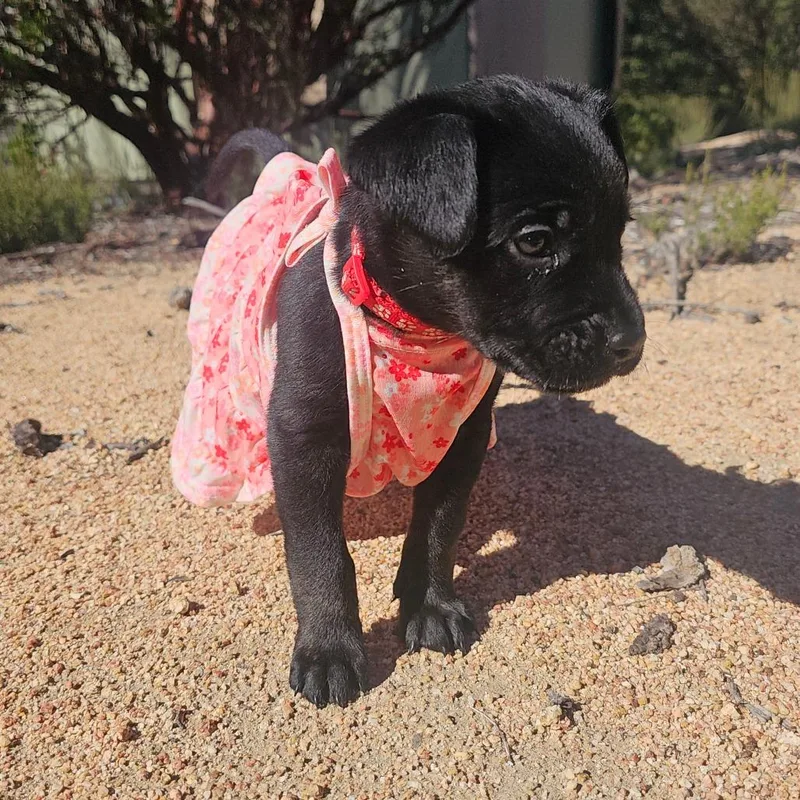
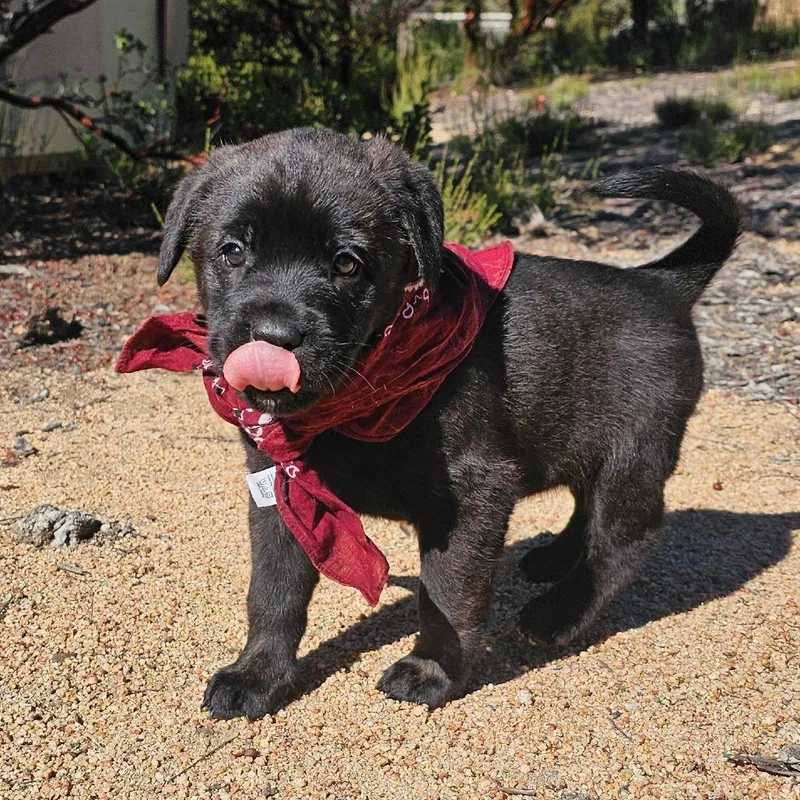
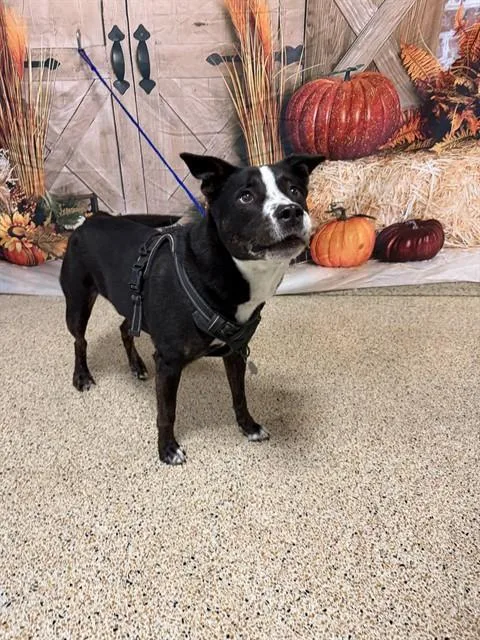
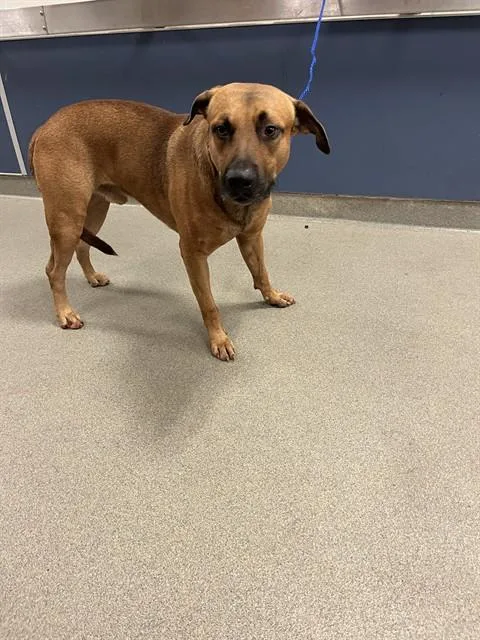
Black Labrador Retriever Dogs for Adoption in Miami, FL

Your guide to finding and caring for a Black Labrador Retriever in Miami

A black Lab fits well in Miami's single-family neighborhoods, like the Upper Eastside, where daily walks come easy. Most of the homes there date from the 1920s to the 1940s, and Legion Memorial Park has a dog park right on the bay. A grown Lab needs real exercise every day, and its dark coat soaks up the Miami sun, so early mornings and evenings work best. Labs are sociable and usually happiest when someone's home.

3060 Black Labrador Retrievers available in Miami and nationwide

Find your Black Labrador Retriever

Black Labrador Retrievers Available for Adoption Near Miami

About the Black Labrador Retriever breed

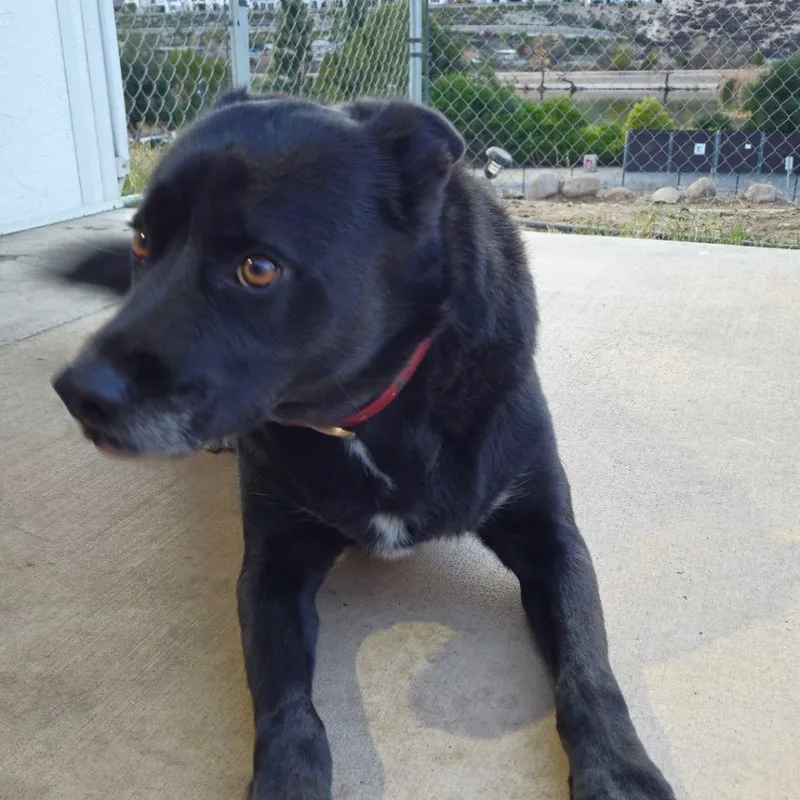
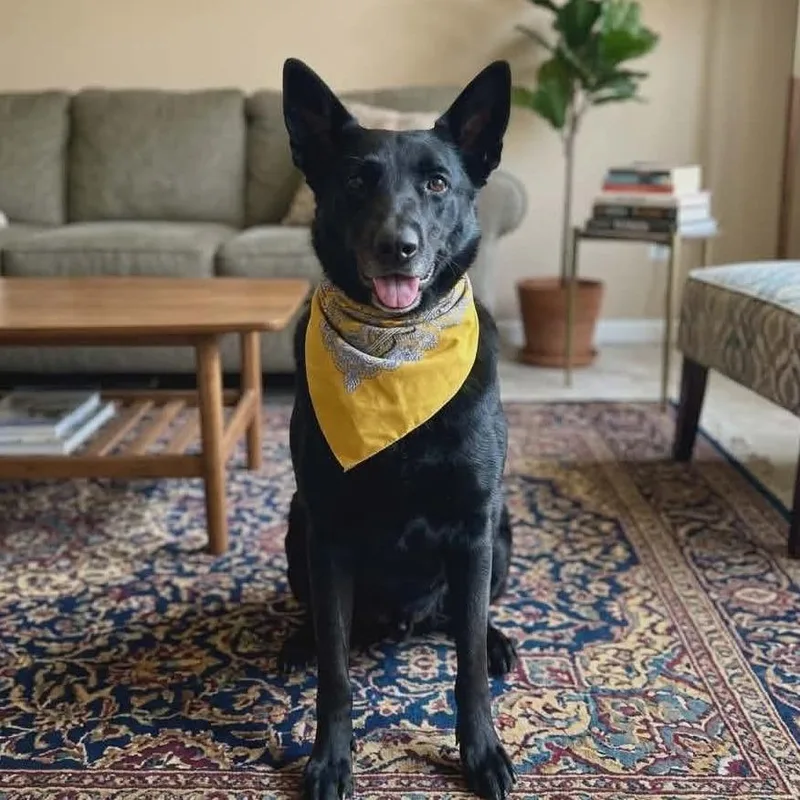
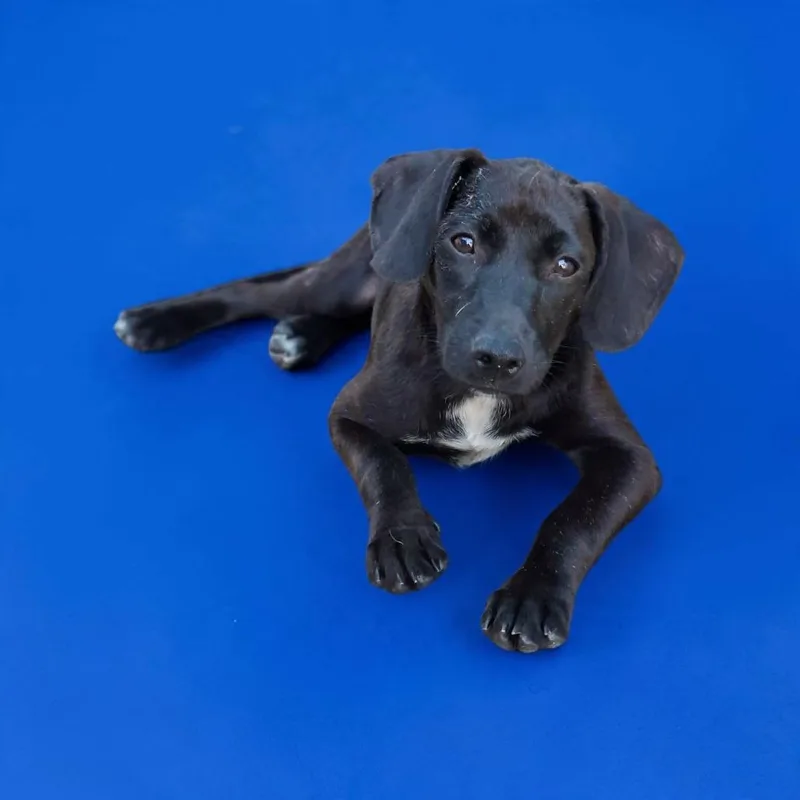
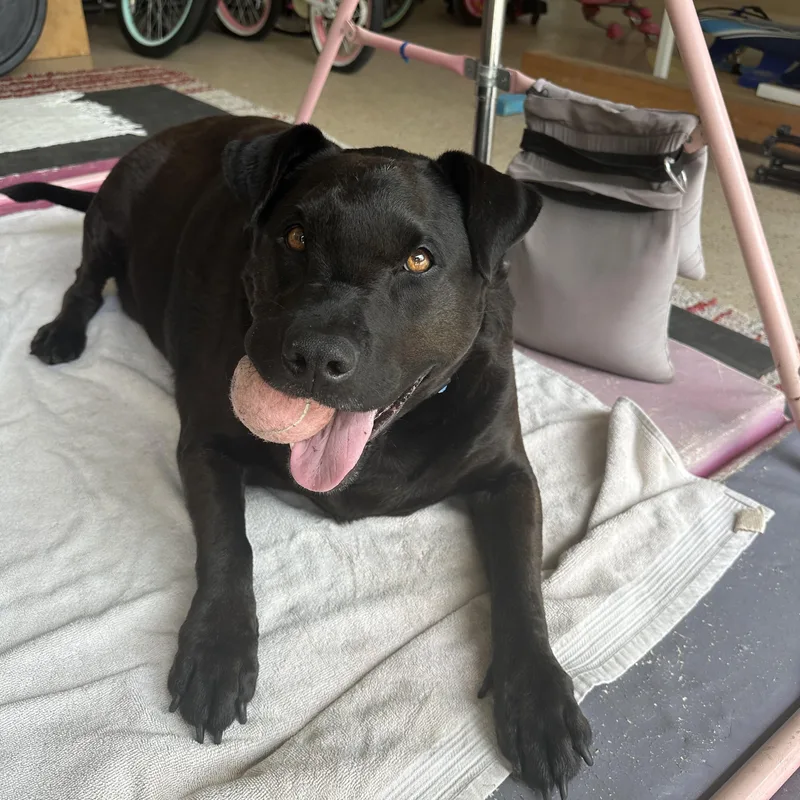
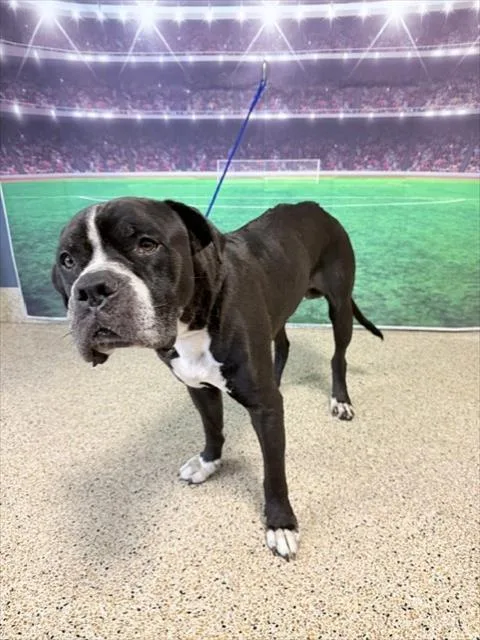
A black Lab is a Labrador Retriever in the breed's original color, not a separate breed. Labs descend from Newfoundland's St. John's water dogs and were refined in Britain as gun dogs, which explains the dense, water-resistant double coat, the otter tail and the love of retrieving. Some black Labs have a small white chest spot.

In Miami, that coat is the main thing to plan around. It sheds heavily, and dark fur absorbs heat, so brushing and shade matter. Labs are friendly and food-motivated, which makes training easier but weight gain easier too. Young dogs are bouncy and mouthy, and seniors often gray around the muzzle. Energy varies from dog to dog, and leaner, more driven Labs need more activity.


Weight
55–80 lbs
Height
21–25 in
Lifespan
10–14 yrs
Temperament
Friendly, Outgoing, Active
Group
Sporting
Shedding
Moderate to High

Owning a Black Labrador Retriever in Miami

Having a Black Labrador Retriever in Miami

Black Labs bring steady energy, a big appetite and a coat that sheds all year. In Miami, heat and humidity shape when and how a Lab exercises far more than color does, so match the dog's age and drive to your daily routine.

Temperament

Black Labs are usually outgoing and affectionate with family, guests and other dogs, which helps in busy apartment buildings and park crowds. Young dogs can be mouthy and boisterous, and many love food, so reward-based training works well. A dog's history and socialization say more than breed or coat color.

Exercise Needs

Plan on vigorous daily exercise: brisk walks, fetch, or runs in a designated dog park. In Miami, move it to early morning or after sunset, since summer nights stay warm and humid. Scent games and short training sessions keep a Lab busy indoors on hot afternoons. Seniors still benefit from gentler outings.

Health Considerations

Labs can develop hip and elbow dysplasia, cruciate ligament tears, exercise-induced collapse and progressive retinal atrophy, and many gain weight easily. Ear infections and skin allergies also occur, and humid weather can make them harder to stay ahead of. Have a veterinarian check the hips and elbows, and weigh the dog regularly.

Living Space

A black Lab can do well in a Miami apartment or a house if daily exercise is covered. In a high-rise, plan regular outings and elevator-friendly manners; in a house, a fenced yard helps but doesn't replace walks. Dark coats absorb heat, so air conditioning and shade matter.

What it costs to own a Black Labrador Retriever in Miami

ExpenseTypical costPer year
Adoption fee$350, one time$350 in year one
Food$55 to $110 per month$660 to $1,320
Pet insurance$65 to $130 per month$780 to $1,560
Routine vet care$250 to $500 per year$250 to $500
Other*$590 to $1,490 per year$590 to $1,490
Estimated yearly total (after year one)$2,280 to $4,870
First-year total (with adoption fee)$2,630 to $5,220

Adoption fee is the fee on Black Labrador Retriever listings in Miami on GetBuddy today. Other costs are estimates and vary with size, age and health.

* Flea, tick and heartworm prevention, a dental cleaning allowance, the Miami-Dade dog license, toys and bedding, and brushing and baths for heavy seasonal shedding.

Adopt a Black Labrador Retriever in Miami.

Now that you know more, let’s find you a new best friend. These rescues and shelters below currently have Black Labrador Retrievers available.

Frequently Asked Questions

Yes, you can own a Black Labrador Retriever in Miami. Florida law doesn't allow local rules aimed at a specific breed, and Labs aren't restricted anyway. Your dog will need a Miami-Dade license tag once it's over four months old. Landlords and condo boards set their own pet rules, so confirm yours before adopting.

Yes, if its exercise is covered. Miami has many high-rises, and Labs are sociable enough to handle elevators and lobbies, but they need long walks or play every day and don't do well left alone for long stretches. Look for a building that allows 55 to 80 pounds and has green space or a dog park nearby.

Yes, with planning. Summer highs hover near 90°F, nights stay in the upper 70s, and a Lab's dark double coat holds heat. Exercise at dawn or after dark, keep water handy, skip hot pavement and keep the air conditioning on. Heavy panting, drooling or collapse means cool the dog down and call a veterinarian.

Beyond the neighborhood dog parks, Bayfront Park downtown has a waterfront dog park where a Lab can run and socialize. Hobie Island Beach Park off the Rickenbacker Causeway is promoted as an off-leash dog beach, and Haulover Park's designated dog beach is just north, run by Miami-Dade County. Everywhere else, keep your Lab leashed.

Plan on weekly brushing, and more often during heavy shedding. Without a cold winter, many Labs shed fairly steadily, so a rubber brush or deshedding tool helps. A bath every month or two is plenty, and drying the ears well matters in humid weather. Professional grooming is optional and falls within the yearly Other costs.

Not a full-grown Lab. Miami-Dade Transit requires pets to ride in a properly enclosed carrier on Metrobus, Metrorail and Metromover, and a black Lab at 55 to 80 pounds won't fit in one. Service animals are allowed. Plan on walking or driving instead, and bring water and a leash for every outing.

Sometimes, but patio policies vary by restaurant. Florida law lets dogs sit in outdoor dining areas only where the local government has approved it and the restaurant holds a permit, and never indoors. Dogs must stay leashed and off chairs and tables, so practice calm settling at home before trying a patio.

A Labrador Retriever is a large sporting dog developed to retrieve game for hunters, especially from water. Labs have a short, dense double coat, a thick otter tail and a broad head, and they come in black, yellow and chocolate. Many are friendly, food-motivated and eager to work, which makes them common family, guide and service dogs.

We have 1 rescue with Black Labrador Retrievers available: Sunshine Animal Rescue. You can see every rescue with Black Labrador Retrievers available in the list above these questions, or scroll to the top to see the Black Labrador Retrievers near Miami.

Expect roughly $2,280 to $4,870 a year for a black Lab in Miami. That covers food at $55 to $110 a month, insurance at $65 to $130 a month, routine vet care at $250 to $500 a year, and $590 to $1,490 a year in other costs such as prevention, dental care and grooming. Emergencies and boarding are extra.