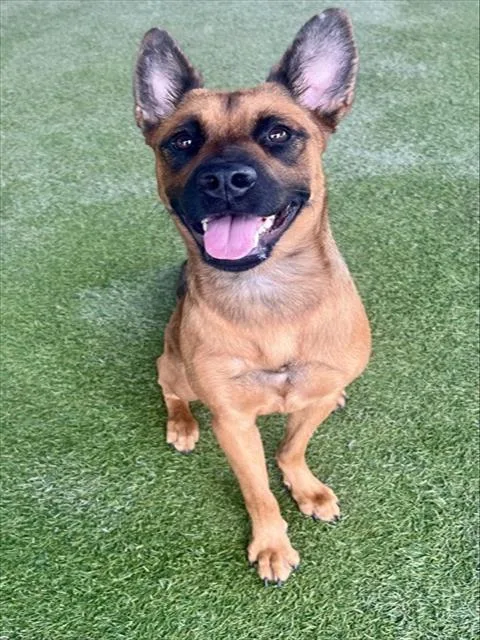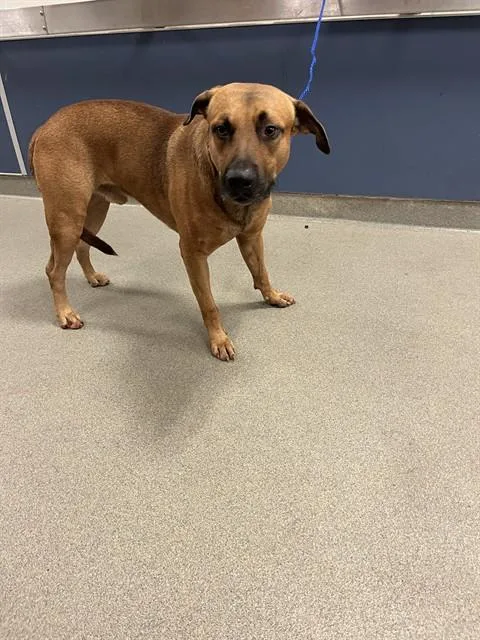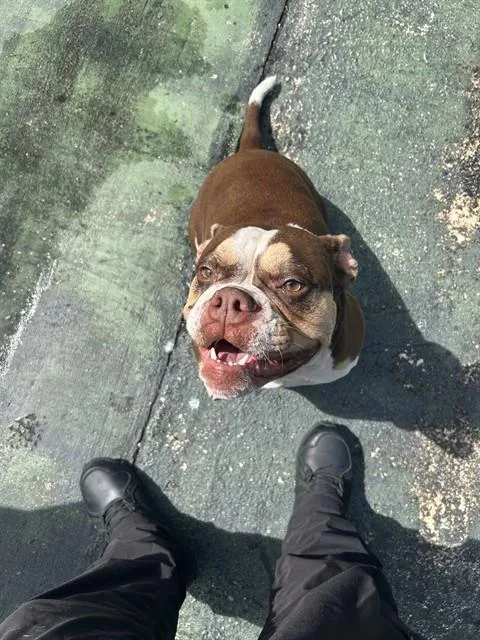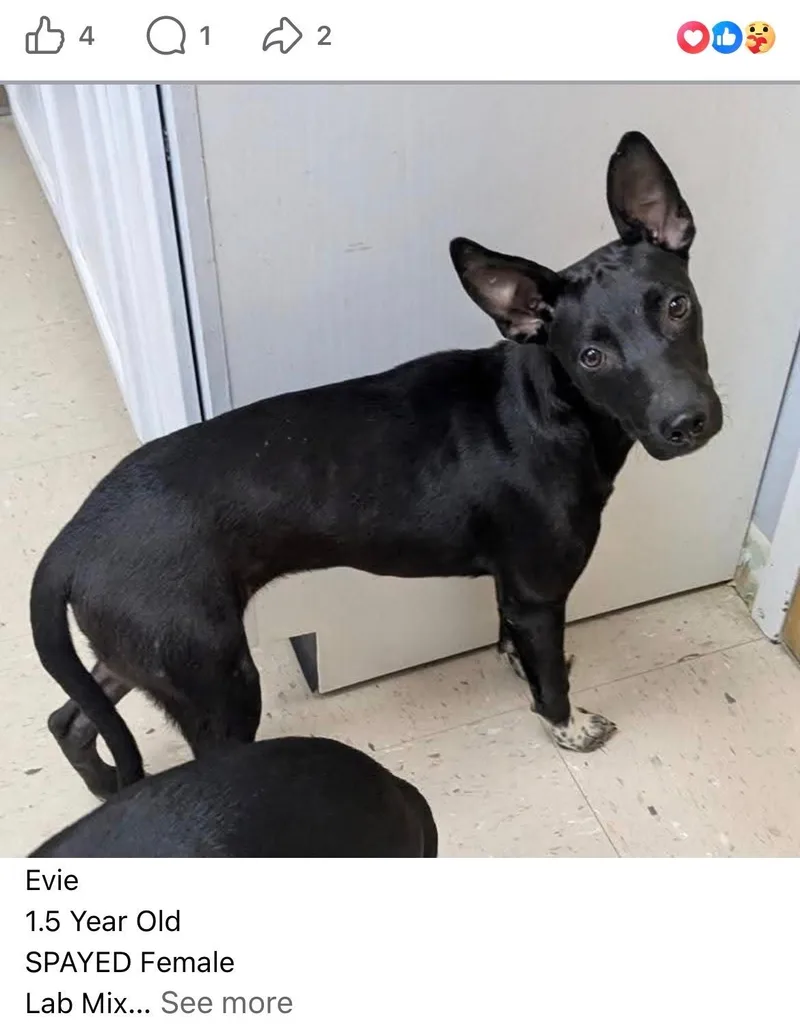
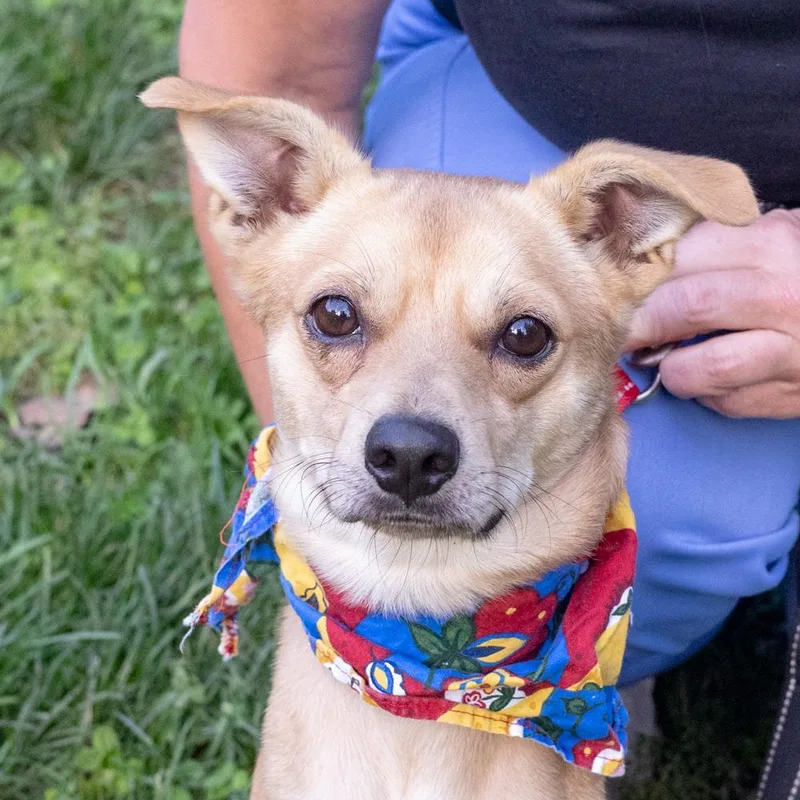
Basenji Dogs for Adoption in Miami, FL

Your guide to finding and caring for a Basenji in Miami

Basenjis fit Miami's apartment neighborhoods well, since they yodel instead of bark. In an Edgewater tower or a Flagami duplex, a small, tidy dog with a short coat doesn't take up much room. What it does need is a secure place to sprint every day, like the dog areas at Woodside Park in The Roads. Plan for a clever, strong-willed dog that's quick to find a gap in a fence, and keep the leash on between the front door and the park.

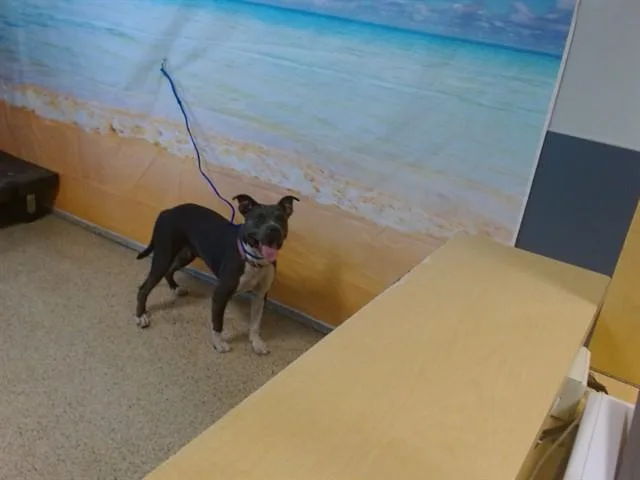
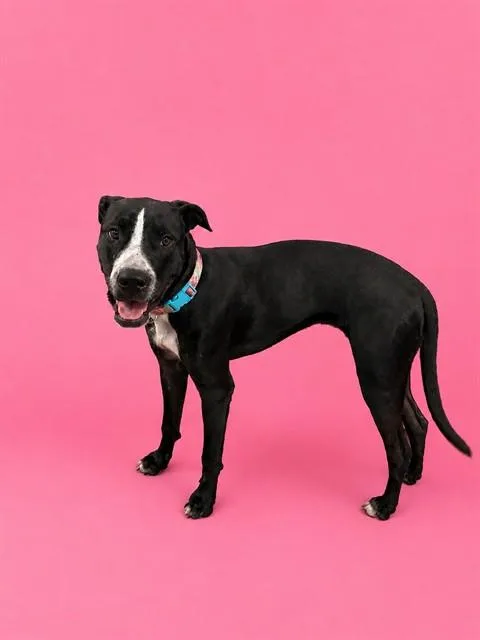
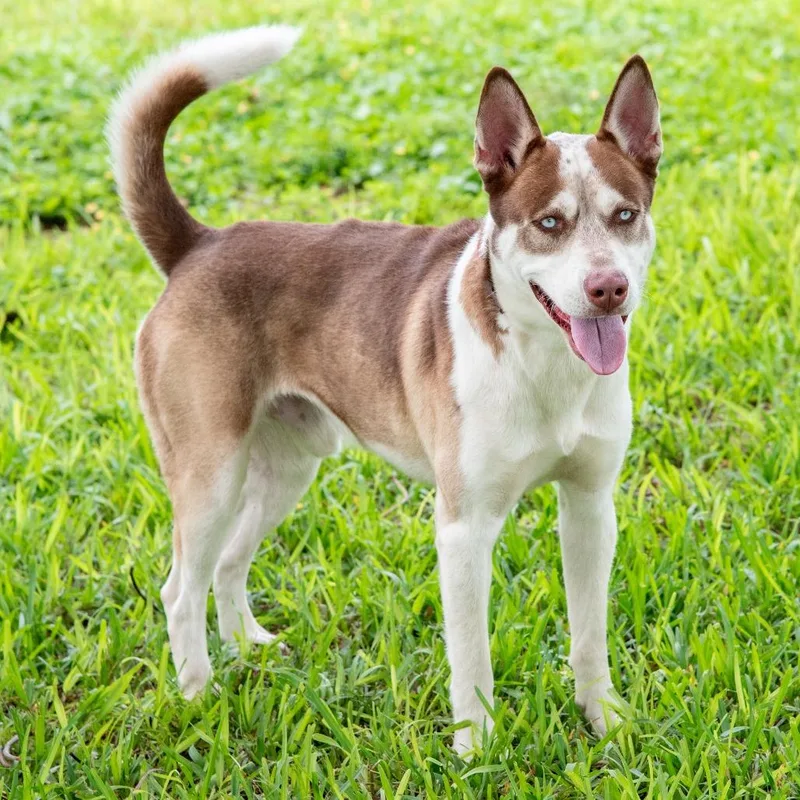
155 Basenjis available in Miami and nationwide

Fall for a Basenji

While we don't have enough dogs near Miami, keep in mind that many rescues may offer transport.

Basenjis Available for Adoption Near Miami

About the Basenji breed

The Basenji is a small hunting breed from Central Africa's Congo basin, where village hunters relied on it to find small game and drive it into nets. Genetic studies place it among the oldest dog lineages. Instead of barking, it yodels and makes a sound called a baroo, thanks to an unusually shaped larynx.

Standing 15 to 18 inches and weighing 20 to 26 pounds, with a wrinkled forehead, upright ears and a tightly curled tail, the Basenji grooms itself much like a cat. Many are affectionate at home but independent and reserved with strangers, with a strong chase instinct. In Miami, that means a leash on busy sidewalks, a secure space to run, and enough activity to keep a clever chewer busy.

Weight
20–26 lbs
Height
15–18 in
Lifespan
12–15 yrs
Temperament
Independent, Intelligent, Alert, Affectionate
Group
Hound
Shedding
Low

Owning a Basenji in Miami

Having a Basenji in Miami

Catlike independence, a hunter's chase drive and a yodel in place of a bark define the Basenji. In Miami, the big questions are secure exercise, humid heat and keeping a clever escape artist busy in a rental.

Temperament

Basenjis are usually affectionate with their families, alert and reserved with strangers. They think for themselves, so training takes patience and good rewards. A strong prey drive makes lizards and small pets tempting. Some Basenjis enjoy other dogs, while others prefer to be the only one, and busy Miami sidewalks can feel like a lot to a reserved dog.

Exercise Needs

Plan on a brisk daily walk plus a real chance to run, ideally in a securely fenced dog park. Basenjis chase, so keep them leashed everywhere else. In Miami, do the hard exercise early or late and move to puzzle toys, scent games and training indoors when steamy afternoons set in.

Health Considerations

Basenjis can inherit Fanconi syndrome, a kidney disorder, along with progressive retinal atrophy, pyruvate kinase deficiency and hypothyroidism. DNA tests exist for some of these. A veterinarian can advise on periodic urine screening and regular checkups, and in Miami's warm climate, year-round parasite and heartworm prevention is worth discussing too.

Living Space

A Basenji can do well in a Miami condo or apartment because it doesn't bark, though it can yodel. Security matters more than square footage: Basenjis climb, squeeze through gaps and chew. Check balcony railings and screen doors closely, and keep the air conditioning on so the dog rests comfortably through summer.

What it costs to own a Basenji in Miami

ExpenseTypical costPer year
Food$20 to $45 per month$240 to $540
Pet insurance$40 to $85 per month$480 to $1,020
Routine vet care$200 to $400 per year$200 to $400
Other*$390 to $1,090 per year$390 to $1,090
Estimated yearly total (after year one)$1,310 to $3,050

Other costs are estimates and vary with size, age and health.

* The Miami-Dade dog license tag, year-round flea, tick and heartworm prevention, a dental cleaning allowance, durable chew toys and bedding, and minimal grooming for a short coat.

Adopt a Basenji in Miami.

Now that you know more, let’s find you a new best friend. These rescues and shelters below have dogs available in and near Miami.

Frequently Asked Questions

Yes, you can own a Basenji in Miami. Florida law has barred breed-specific local dog rules since October 2023, so Miami-Dade can't regulate dogs by breed. You'll need a County license tag for any dog over four months, renewed yearly with the rabies vaccine. Landlords and condo associations can still set their own pet rules, so confirm yours first.

A Basenji can be a good fit for Miami if you offer daily secure exercise and a calm home. Yodeling instead of barking suits condo and duplex living, and the short coat stays clean easily. The chase drive, escape habits and dislike of rain mean fence checks, a leash outdoors and indoor backup plans for stormy afternoons.

Margaret Pace Park in Edgewater, Blanche Park and David T. Kennedy Park in Coconut Grove, and Legion Memorial Park in the Upper Eastside all have dog parks, and Woodside Park in The Roads has two dog areas. Dogs must stay leashed outside designated areas, and a Basenji's chase drive makes a leash the safer default elsewhere.

Miami's climate works for Basenjis if you manage the humidity. With no freezes, there's little cold for a dog that dislikes it. The challenge is steamy heat and rain from May to October, so walk at dawn or after dark, keep water handy and plan indoor play. Hurricane season runs June through November, so keep a carrier and ID ready.

Yes, but only in a closed carrier. Miami-Dade Transit requires pets on Metrobus, Metrorail and Metromover to ride in a properly enclosed container, while service animals are exempt. Metrorail is elevated rather than a subway. A 20-to-26-pound Basenji needs a roomy carrier it fits in comfortably, so many owners rely on a car for longer trips.

Very little. A Basenji's short coat cleans itself much like a cat's, so a weekly brush, occasional baths and regular nail trims are usually enough. Miami's humidity makes it worth drying the face and ears after rain, and wiping paws after walks on sun-baked pavement. Professional grooming is optional and falls under the minimal grooming counted in Other costs.

Maybe, but don't count on it. Florida allows dogs only in outdoor restaurant areas, and only where the local government has adopted a permitting ordinance, so patio policies vary by restaurant in Miami. If a patio welcomes dogs, keep your Basenji leashed and off the furniture, and choose a quiet table, since a reserved dog may find crowds stressful.

A Basenji is a small, ancient hunting dog from Central Africa, famous for not barking. It belongs to the AKC Hound Group and was recognized in 1943. Basenjis are lean and elegant, with a wrinkled forehead, upright ears and a tightly curled tail. They tend to be clever, independent, clean and energetic, with a strong instinct to chase.

A Basenji looks like a small, athletic dog with a short, fine coat, upright pointed ears, a wrinkled forehead and a tail curled tightly over its back. Common colors are chestnut red, black, tricolor and brindle, always with white feet, chest and tail tip. It moves with a quick, springy trot often compared to a trotting racehorse.

Expect roughly $1,310 to $3,050 a year for a Basenji in Miami, covering food at $20 to $45 a month, insurance at $40 to $85 a month, routine vet care at $200 to $400 a year and other costs at $390 to $1,090 a year. Emergencies and setup items are extra.

Find Basenjis in Nearby Cities

Expand your search to find Basenjis available for adoption near Miami.