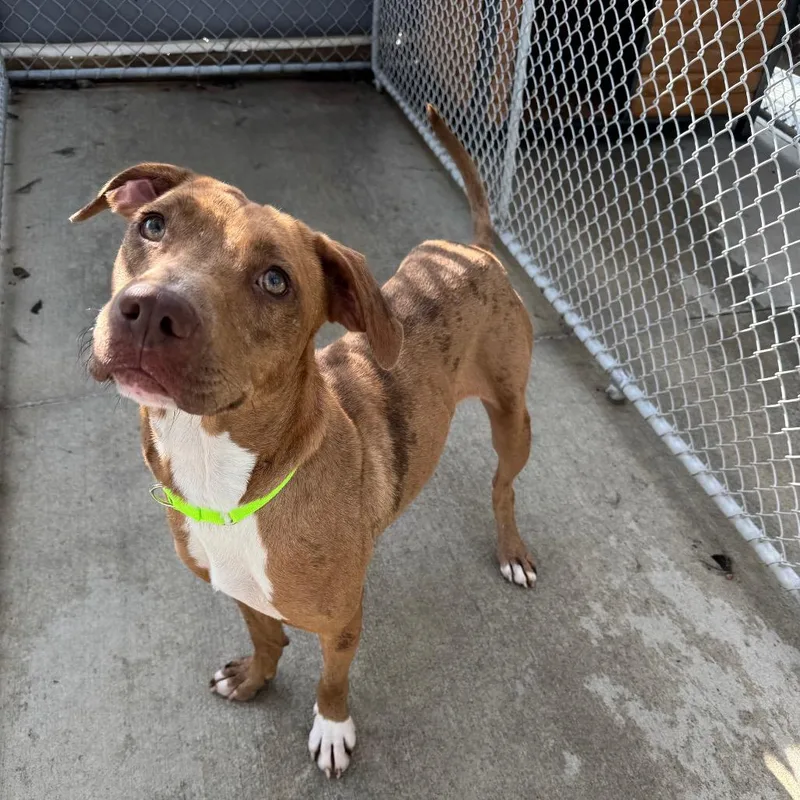
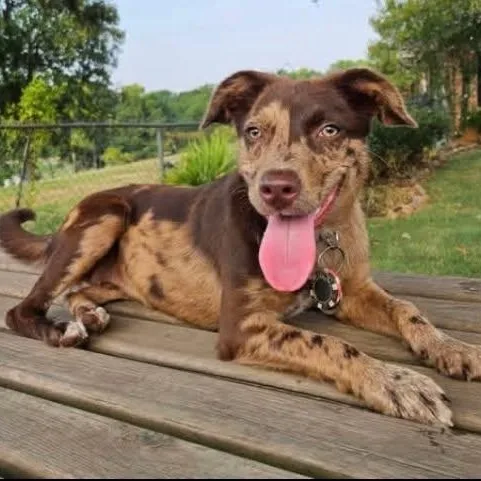
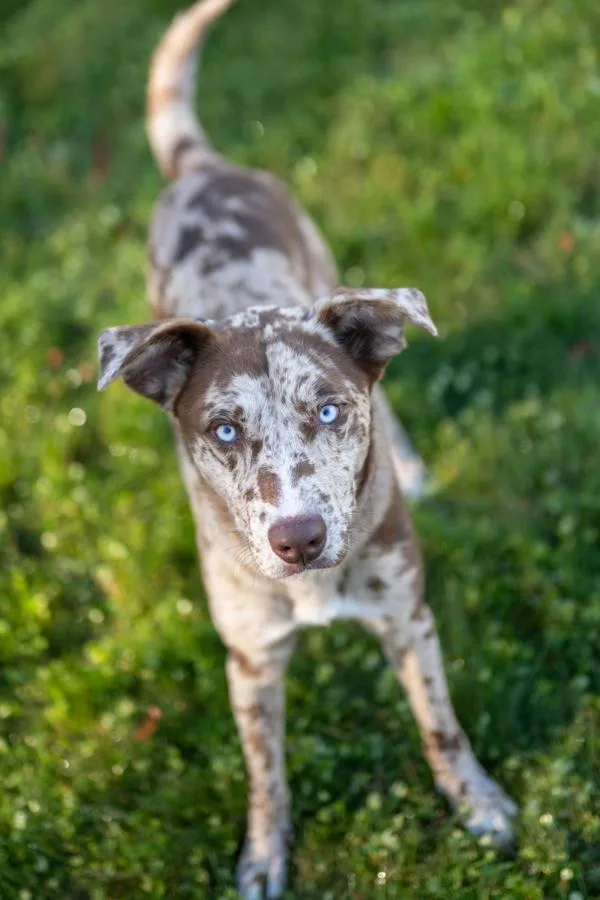
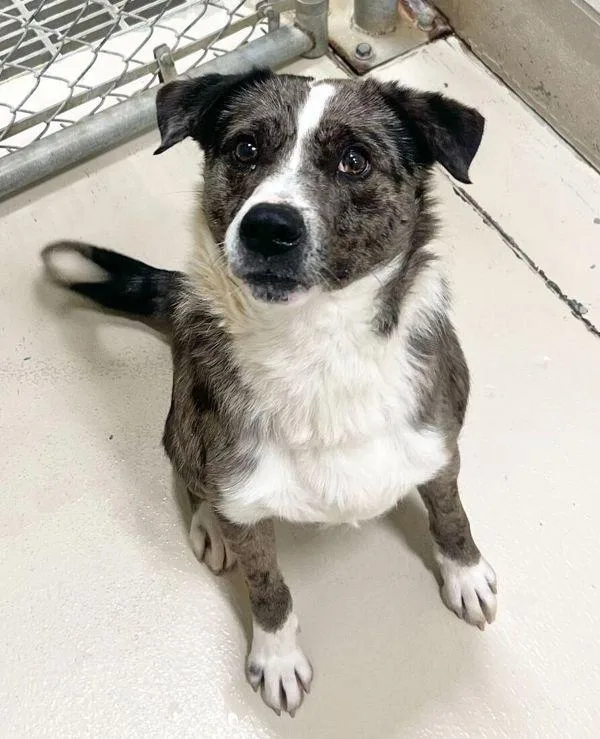
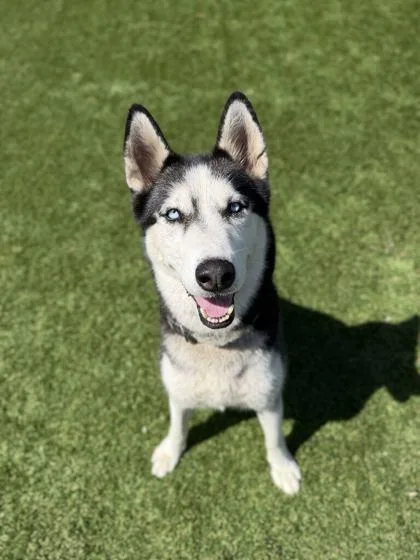
Catahoula Leopard Dogs for Adoption in Daytona Beach, FL

Your guide to finding and caring for a Catahoula Leopard Dog in Daytona Beach

Catahoula Leopard Dogs need more daily running room than a small Daytona Beach apartment can give them. Dogs aren't allowed on most of the sand, but the leashed stretch between Seabreeze Boulevard and Williams Avenue gives a high-energy Catahoula a real outlet. If you're house-hunting near Derbyshire or out by the LPGA corridor, a fenced yard is worth prioritizing. Catahoulas are loyal, watchful and smart, so they want a job, like a long walk with training mixed in.

1497 Catahoula Leopard Dogs available in Daytona Beach and nationwide

Give a Catahoula Leopard Dog a home

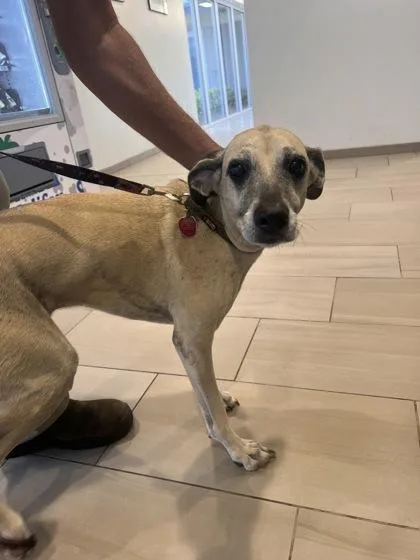
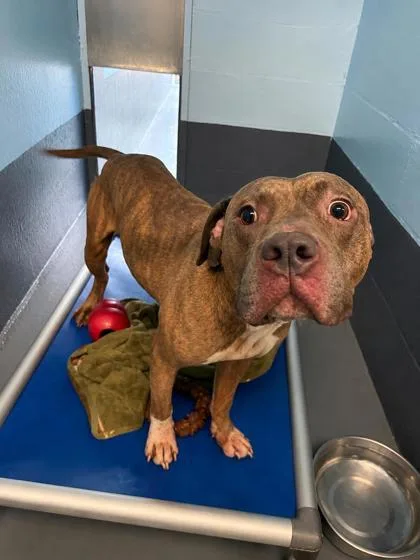
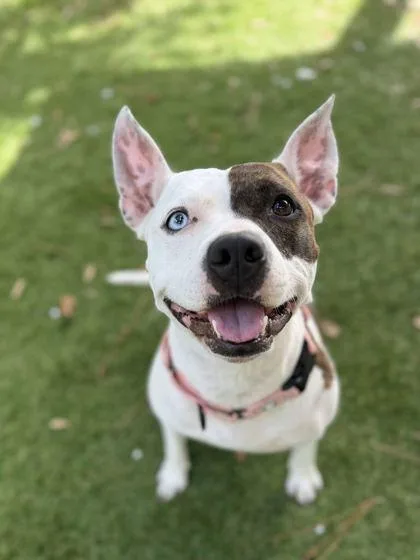
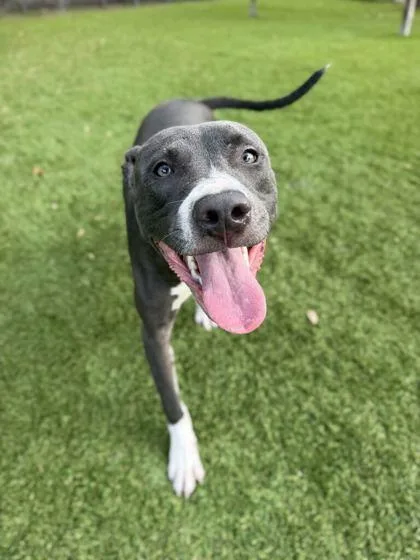
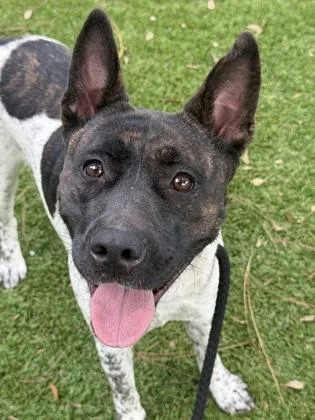
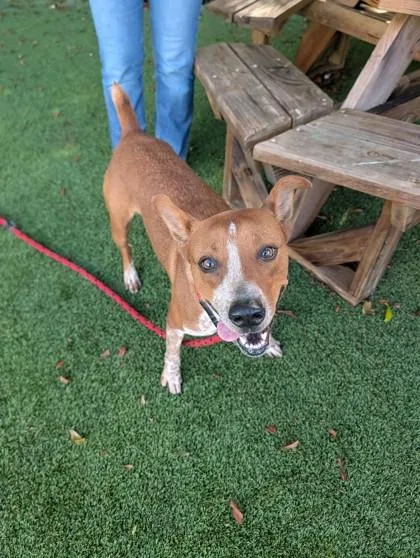
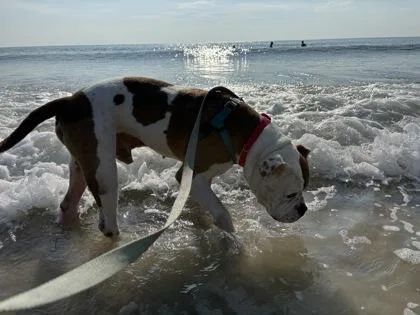
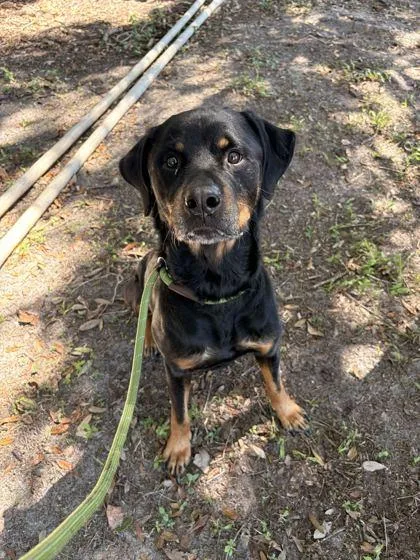
Catahoula Leopard Dogs Available for Adoption Near Daytona Beach

About the Catahoula Leopard Dog breed

Named for Catahoula Parish in Louisiana, this athletic working dog was developed in the swamps and woods of the Gulf South to find and hold feral hogs and gather semi-wild cattle. Because ability mattered more than looks, size and build vary a lot. Many have a merle "leopard" coat, sometimes with glass-blue or mismatched eyes, though brindle and solid colors are common too.

Catahoulas tend to be intelligent, independent and intensely loyal, with a protective streak. Many are wary of strangers, and some are selective with other dogs or small animals. Daily vigorous exercise, early socialization and firm but kind training all matter. Many dogs labeled Catahoula are mixes, so the dog in front of you matters more than the label.

Weight
50–95 lbs
Height
20–26 in
Lifespan
10–14 yrs
Temperament
Energetic, Independent, Protective
Group
Herding
Shedding
Moderate

Owning a Catahoula Leopard Dog in Daytona Beach

Having a Catahoula Leopard Dog in Daytona Beach

A Catahoula's working background shapes its stamina, problem-solving and watchfulness. In Daytona Beach, the bigger questions are whether you can offer vigorous daily exercise, a secure yard or reliable outings, and relief from long, humid summers.

Temperament

Catahoulas are often devoted to their own people and reserved with strangers. Many are confident and territorial, which can challenge first-time owners, and some chase small animals or are selective with other dogs. Consistent reward-based training and early socialization help a lot. Expect a dog that keeps an eye on the door and the sidewalk.

Exercise Needs

Plan on vigorous daily exercise plus mental work like scent games, obedience or puzzle feeders. In Daytona Beach that can mean leashed time on the Seabreeze-to-Williams dog beach during daylight, or the dog park on LPGA Boulevard. An under-exercised Catahoula may dig, chew, bark or try to escape.

Health Considerations

Deafness is a known risk, especially in heavily white or double-merle Catahoulas, which can also have eye defects. Hip dysplasia occurs too. Have a veterinarian check hearing, eyes and hips after adoption. In Florida's warm, humid climate, year-round heartworm, flea and tick prevention is an important part of routine care.

Living Space

A securely fenced yard suits a Catahoula best, since many are athletic jumpers and diggers. Apartments can work only with reliable, vigorous daily exercise. The breed's watchfulness means visitors need careful introductions. Catahoulas do best living indoors with the family rather than left outside alone.

What it costs to own a Catahoula Leopard Dog in Daytona Beach

ExpenseTypical costPer year
Food$55 to $110 per month$660 to $1,320
Pet insurance$55 to $110 per month$660 to $1,320
Routine vet care$250 to $500 per year$250 to $500
Other*$490 to $1,290 per year$490 to $1,290
Estimated yearly total (after year one)$2,060 to $4,430

Other costs are estimates and vary with size, age and health.

* The annual Daytona Beach dog license, flea, tick and heartworm prevention, a dental cleaning allowance, toys and bedding, and basic brushing supplies for the short coat.

Adopt a Catahoula Leopard Dog in Daytona Beach.

Now that you know more, let’s find you a new best friend. These rescues and shelters below currently have Catahoula Leopard Dogs available.

Rescues in Daytona Beach with Catahoula Leopard Dogs Available

Daytona Beach's shelters and rescues care for dogs of every size, including Catahoula types and mixes. Here are the rescues & shelters in the Daytona Beach area where you can find Catahoula Leopard Dogs and other dogs available for adoption.

Frequently Asked Questions

The best-known option is the county dog beach, about 1.7 miles from Seabreeze Boulevard to Williams Avenue, open daily in daylight with a leash of 6 feet or less. For off-leash play, try the dog park on LPGA Boulevard or Manatee Island Dog Park on the Halifax River. Stay out of wildlife areas and watch for turtle nests from May through October.

Yes, Daytona Beach has no breed-specific rules, and Florida law bars local dangerous-dog rules based on breed. Your Catahoula needs a rabies vaccination and an annual city license, and the city requires spaying or neutering after six months unless you hold a permit. Outside a fully fenced yard, dogs must be leashed or otherwise contained, which suits a jumper only with a sturdy fence.

Yes, with sensible care. Daytona Beach has about 65 days a year at 90°F or higher, humid nights in the 70s and a rainy season from June through September. A Catahoula's short coat helps, but plan walks for dawn or after dark, carry water, offer shade and air conditioning, and never leave the dog in a parked car, even briefly.

It can be, for an active adopter who's home a fair amount. The dog beach and local dog parks give a Catahoula room to run, and mild winters allow outings all year. The hot, humid summers and hurricane season take planning. A secure yard and a steady training routine make daily life much easier.

Realistically, no. Votran buses allow pets only in suitable containers, and service animals ride without one. With adults often weighing 50 to 95 pounds, most Catahoulas won't fit in a carrier, so plan to get around by car. Daytona Beach has no subway or rail system.

Sometimes, on outdoor patios only. Dogs are allowed just at restaurants that hold a city Dog Dining Permit, so access depends on the restaurant, and indoor dining is off limits for pet dogs. Bring a leash, water bowl and mat, and practice settling near strangers and other dogs first, since many Catahoulas are watchful.

Not much. A Catahoula's short, smooth coat needs weekly brushing, more during heavier shedding, plus occasional baths, nail trims and ear checks. Daytona Beach's humidity can leave ears and skin damp, so dry them after swims or rainy walks. The yearly Other costs of $490 to $1,290 already cover brushing supplies and occasional grooming.

A Catahoula Leopard Dog is a medium-to-large working breed from Louisiana, developed to hunt and bay feral hogs and to herd cattle. It is athletic and muscular, often with a merle coat and striking light or mismatched eyes. Catahoulas are typically intelligent, loyal, independent and energetic, and they need experienced handling, training and lots of activity.

We have 1 rescue with Catahoula Leopard Dogs available: Halifax Humane Society Inc. You can see every rescue with Catahoula Leopard Dogs available in the list above these questions, or scroll to the top to see the Catahoula Leopard Dogs near Daytona Beach.

Expect roughly $2,060 to $4,430 a year for a Catahoula in Daytona Beach. Food runs $55 to $110 a month and pet insurance $55 to $110 a month. Routine vet care is $250 to $500 a year, and other yearly costs like prevention, dental care, the license and supplies add $490 to $1,290.