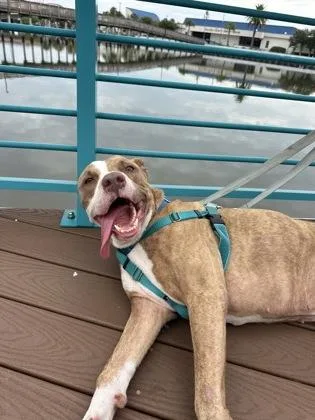
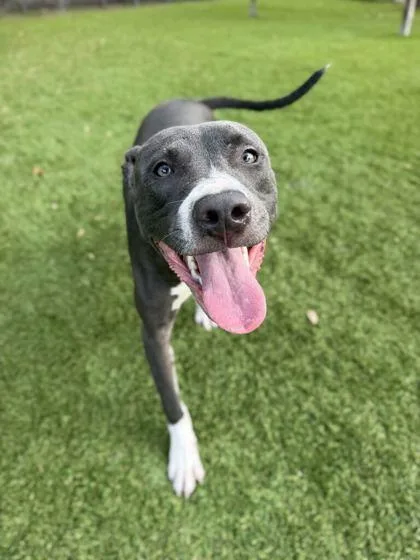

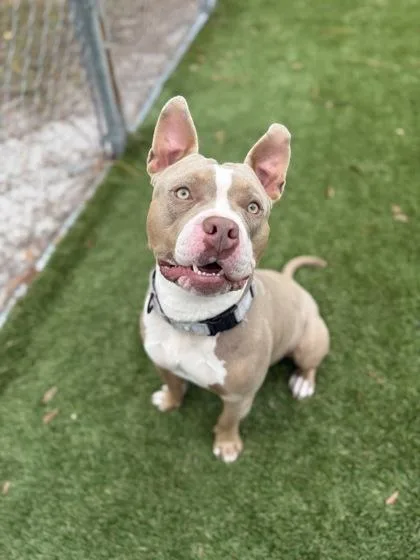
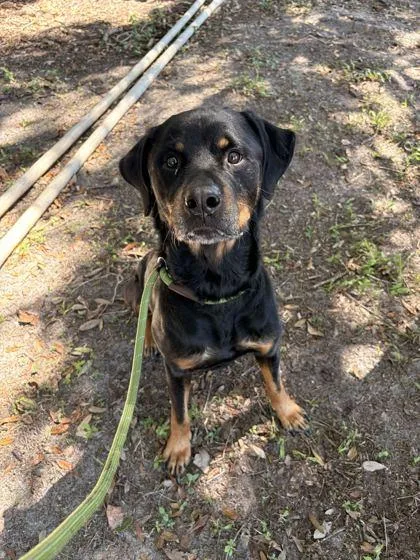
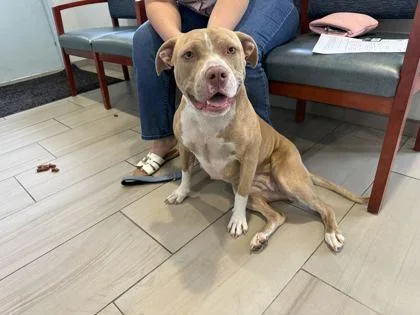

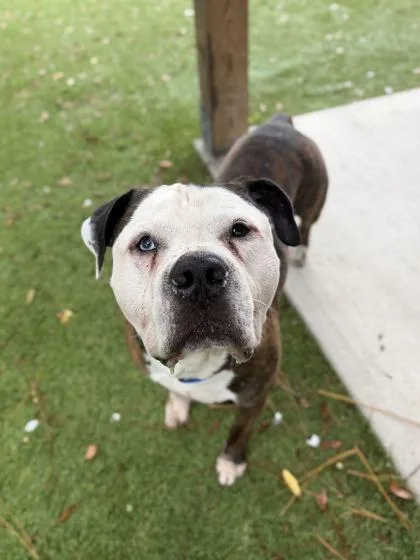
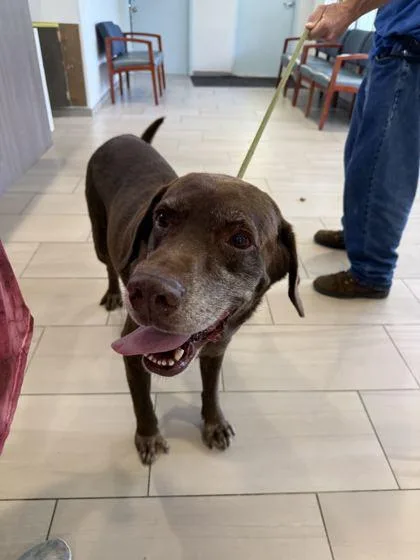

Mixed Breed Dogs for Adoption in Daytona Beach, FL

Your guide to finding and caring for a Mixed Breed in Daytona Beach

Mixed breed dogs in Daytona Beach come in every size, so the first question is what your daily routine looks like. A small, calm mix suits a beachside condo near Seabreeze, while a bigger, busier one will want long walks along the Halifax River downtown and, ideally, a yard on the mainland. Size, energy and age tell you more than guessing at ancestry. Summer afternoons here get hot enough that most walks happen early or late.

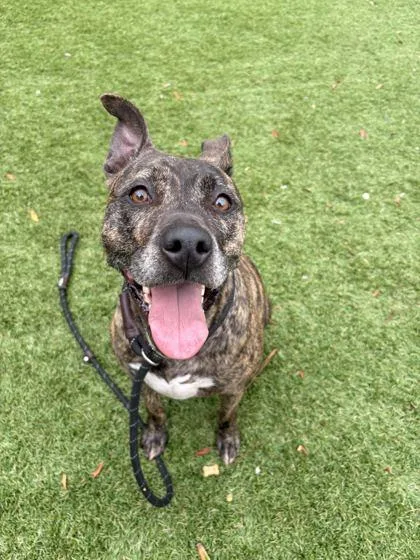
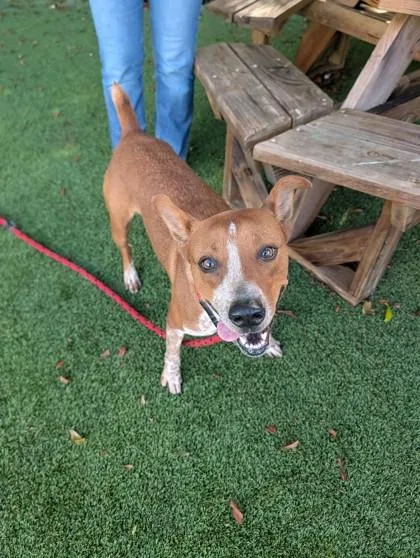
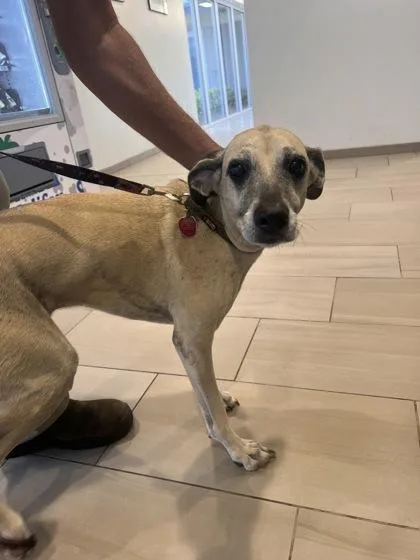
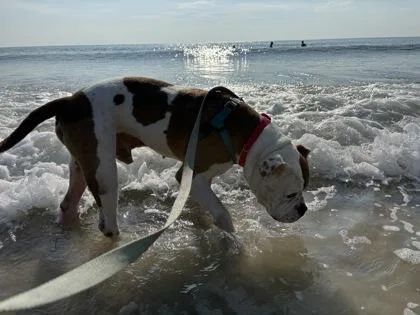
40 Mixed Breeds available for adoption in Daytona Beach

Find your perfect mixed breed dog

Mixed Breeds Available for Adoption in Daytona Beach

About the Mixed Breed breed

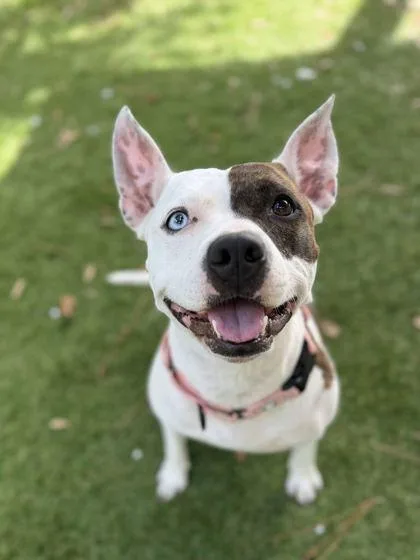
Mixed Breed isn't a breed but a label for dogs whose ancestry blends two or more breeds, or is unknown. That covers everything from terrier mixes under 20 pounds to shepherd, hound or retriever mixes over 70. Coat, ears, color and build can come from any side of the family, so no two look alike.

For adopters, size and energy are the most useful things to read. A dog's age, weight and manners on a leash say more than a guess about its parentage, and breed explains only a modest share of behavior anyway. Meet a few dogs, spend time with them, and choose on personality. Many mixes shed moderately, though coat type varies a lot.

Weight
20–70 lbs
Height
15–25 in
Lifespan
10–15 yrs
Temperament
Adaptable, Affectionate, Loyal
Shedding
Moderate

Owning a Mixed Breed in Daytona Beach

Having a Mixed Breed in Daytona Beach

Traits in a mixed breed dog come from the dog itself, not a breed standard. In Daytona Beach, size, energy, coat and age matter most, especially with hot summers, limited beach access and a mix of condos and houses.

Temperament

Mixed breed dogs cover the whole range, from calm lap dogs to busy, driven ones. Ancestry may nudge tendencies like herding or hunting, but breed explains only a small share of behavior. Watch how a dog handles children, strangers and other animals before deciding, since a busy beachside street or crowded patio suits some dogs and overwhelms others.
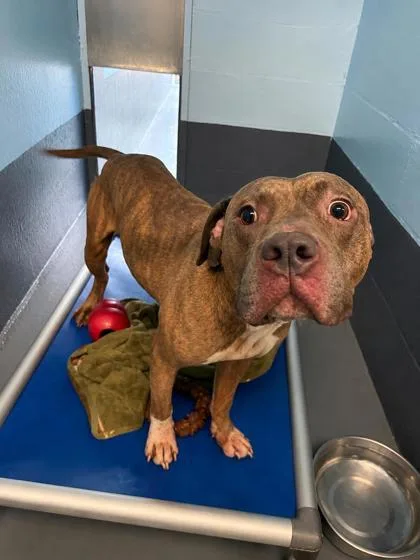
Exercise Needs

Most mixes do well with a daily walk plus play, while dogs with herding, sporting or terrier ancestry may want more running and sniffing. In Daytona Beach, plan walks for early morning or evening, and add food puzzles or short training sessions on hot or rainy days when outdoor time gets cut short.

Health Considerations

Mixed breed dogs have lower rates of some inherited conditions, but obesity, dental disease, skin allergies, arthritis and cruciate ligament injuries are common, and larger dogs face more joint trouble. In Florida's warm climate, year-round flea, tick and heartworm prevention matters. Book a veterinary exam soon after adoption to set a baseline.

Living Space

Fit depends on the dog's size, energy and noise level. A small, calm mix often does well in a Daytona Beach condo or apartment, while a young, energetic large mix may need a secure yard and more room to move. Notice barking, crate habits and leash manners when you meet a dog.

What it costs to own a Mixed Breed in Daytona Beach

ExpenseTypical costPer year
Food$35 to $70 per month$420 to $840
Pet insurance$45 to $85 per month$540 to $1,020
Routine vet care$225 to $450 per year$225 to $450
Other*$440 to $1,190 per year$440 to $1,190
Estimated yearly total (after year one)$1,625 to $3,500

Other costs are estimates and vary with size, age and health.

* Flea, tick and heartworm prevention, a dental cleaning allowance, the annual city dog license, toys and bedding, and basic grooming, with amounts varying by the dog's size and coat.

Adopt a Mixed Breed in Daytona Beach.

Now that you know more, let’s find you a new best friend. These rescues and shelters below currently have Mixed Breeds available.

Rescues in Daytona Beach with Mixed Breeds Available

Daytona Beach's shelters and rescues care for mixed breed dogs of every size, age and energy level. Here are the rescues & shelters in the Daytona Beach area where you can find Mixed Breeds and other dogs available for adoption.

Frequently Asked Questions

The dog beach between Seabreeze Boulevard and Williams Avenue is the headline spot, open in daylight with a leash of 6 feet or less. For off-leash time, Halifax Humane Society Dog Park on LPGA Boulevard and Manatee Island Dog Park on the river are options. Dogs aren't allowed on the rest of the city's beach, and during sea turtle season, May through October, stay clear of nests.

Yes. Florida law bars local dangerous-dog rules based on breed, weight or size, so a mixed breed dog faces no breed restrictions. You'll need an annual city license and rabies vaccination, and dogs over six months must be spayed or neutered unless you hold an unaltered animal permit. Landlords can still set their own pet limits.

Yes, most can with planning. About 65 days a year reach 90°F and nights stay warm, so walk at dawn or dusk, test pavement with the back of your hand, and keep fresh water and shade available. Large, thick-coated and short-nosed mixes need extra care, and the city bars tethering a dog outdoors above 90°F.

Often, yes, depending on the dog's size, energy and barking habits. A calm small or medium mix can do well in a Daytona Beach condo or apartment with regular walks, though you'll schedule them around the heat. Read the building's pet policy first, since deposits, fees and weight limits vary by landlord.

Only on outdoor patios, and only at restaurants that hold a city Dog Dining Permit, so access depends on the venue. Pet dogs aren't allowed inside dining rooms. Look for patio signage before you sit, keep your dog leashed, and choose shade in summer, since patios and pavement get hot.

Only in a carrier. Votran buses require pets to ride in a suitable container, so a small mix can come along while a larger dog generally can't. Service animals ride without one. Daytona Beach has no subway or rail system, so buses are the only option. Check current Votran fares and carrier rules before your first trip.

It depends on the coat, which varies widely in mixed breeds. Short coats need weekly brushing and the occasional bath, while long, curly or thick coats may need brushing several times a week and professional grooming. Humidity makes ears and skin worth checking, and river or beach outings call for a rinse. Basic grooming fits within the $0 to $100 in yearly Other costs.

A mutt is a dog whose ancestry includes more than one breed, often through several generations of unplanned mixing, so its exact background is unknown. Mutts make up a large share of the dogs in shelters and rescues. They come in every size, coat and personality, which is why meeting the individual dog matters more than guessing at its family tree.

We have 1 rescue with Mixed Breeds available: Halifax Humane Society Inc. You can see every rescue with Mixed Breeds available in the list above these questions, or scroll to the top to see the Mixed Breeds in Daytona Beach.

Plan on about $35 to $70 a month for food and $45 to $85 a month for pet insurance. Routine vet care runs roughly $225 to $450 a year, and other yearly costs, such as prevention, dental care, the license, supplies and grooming, add $440 to $1,190. Larger dogs tend to land toward the top of each range.