Black Russian Terrier Dogs for Adoption in Wilmington, DE

Your guide to finding and caring for a Black Russian Terrier in Wilmington

A Black Russian Terrier is a lot of dog for Wilmington, but a home with space makes it work. Around Union Park Gardens, with its curved parkway and open green space, an 80-to-130-pound dog has room to move, while a tight East Side rowhouse would be a squeeze. The thick coat shrugs off freezing winters, and a trip to the off-leash area at Rockford Park suits a smart dog that wants a job. Plan on brushing a few times a week and a trim every six to eight weeks.

2696 dogs similar to Black Russian Terrier available in Wilmington and nationwide

Find your Black Russian Terrier

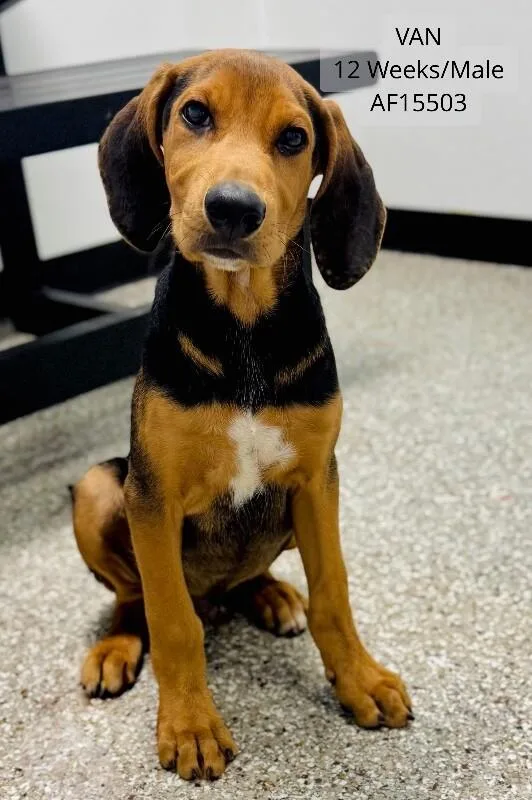
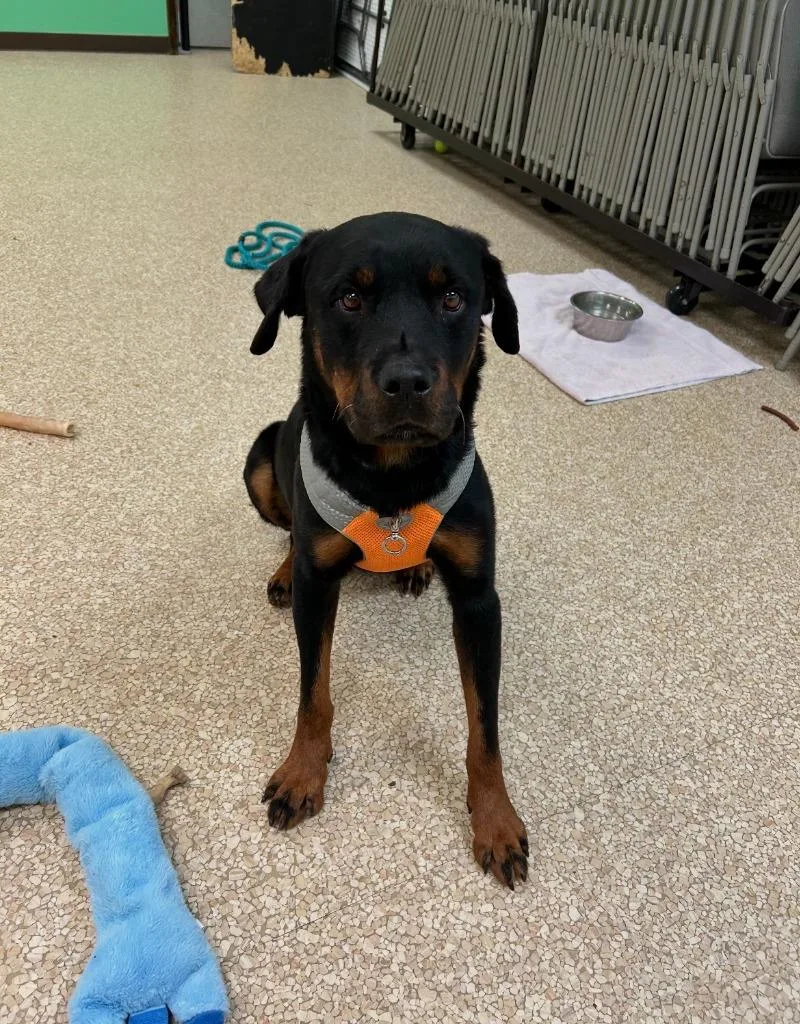
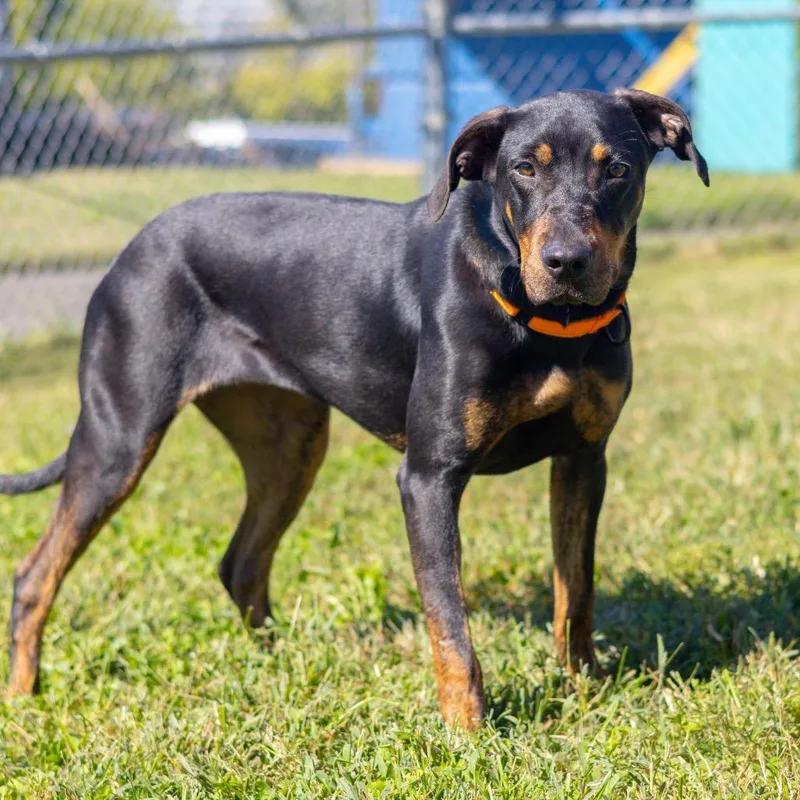
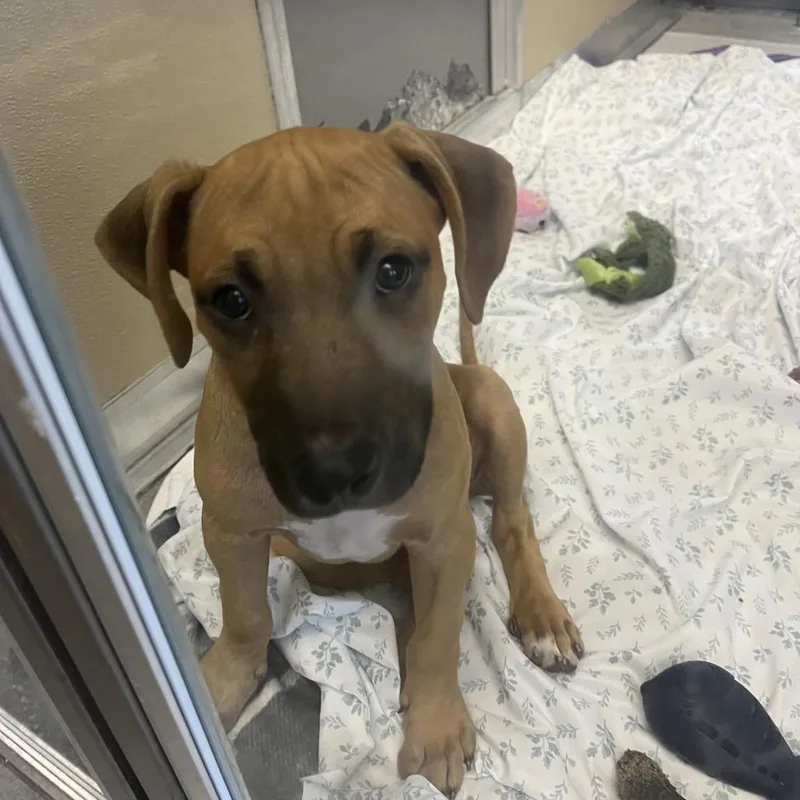
Black Russian Terriers and Similar Breeds Available for Adoption Near Wilmington

About the Black Russian Terrier breed

Despite the name, the Black Russian Terrier isn't a true terrier. It was created in the late 1940s and 1950s for the Soviet Army as a large, hardy working dog, drawing on about 17 breeds including the Giant Schnauzer, Airedale, Rottweiler and Newfoundland. The result is a heavy-boned dog with a wavy black double coat, a bearded muzzle and eyebrows that fall over the eyes. The AKC added it to the Working Group in 2004.

Many Black Russians are calm, confident and loyal to their families while staying aloof with strangers, a reflection of their guarding roots. They're intelligent and usually take well to training, but their size and protective instincts call for a consistent handler and thorough socialization. The low-shedding coat still needs regular brushing and professional trims, and the beard holds water and food.

Weight
80–130 lbs
Height
26–30 in
Lifespan
10–12 yrs
Temperament
Confident, Protective, Loyal
Group
Working
Shedding
Low

Owning a Black Russian Terrier in Wilmington

Having a Black Russian Terrier in Wilmington

Size, training and grooming shape life with a Black Russian Terrier more than anything else. In Wilmington that means a roomy home, a plan for icy winter walks and humid summer days, and time for a coat that needs regular upkeep. Each dog's needs vary.

Temperament

Black Russian Terriers tend to be calm, self-assured and devoted to their own people, and many are reserved with strangers. On Wilmington sidewalks and in busy buildings, that means calm introductions, early socialization and reward-based training. A dog's own history and behavior say more than breed reputation, so watch how a dog handles new people and places.

Exercise Needs

Plan on two good walks a day plus play, hiking or swimming. In Wilmington, leashed routes like the Riverwalk and the Northern Delaware Greenway fit the daily walk, and the off-leash areas in Rockford and Brandywine parks suit a dog with reliable recall. Skip hard running around mealtimes because of bloat risk, and add training games for mental work.

Health Considerations

Black Russian Terriers can face hip and elbow dysplasia, progressive retinal atrophy, bladder stones from hyperuricosuria, juvenile laryngeal paralysis with polyneuropathy, and bloat. Have a veterinarian check the joints and eyes, keep the dog lean, and schedule regular checkups. Retching, a swollen belly or restlessness after meals should be treated as an emergency.

Living Space

A house with a securely fenced yard usually suits a Black Russian best, but a calm adult can manage in a Wilmington rowhouse or apartment with reliable daily exercise. Expect a big dog taking up floor and sofa space, and plenty of stairs in older buildings. The thick black coat means indoor living with the family, plus shade and water outside.

What it costs to own a Black Russian Terrier in Wilmington

ExpenseTypical costPer year
Food$80 to $160 per month$960 to $1,920
Pet insurance$85 to $170 per month$1,020 to $2,040
Routine vet care$250 to $500 per year$250 to $500
Other*$1,035 to $2,765 per year$1,035 to $2,765
Estimated yearly total (after year one)$3,265 to $7,225

Other costs are estimates and vary with size, age and health.

* The Delaware dog license, flea, tick and heartworm prevention, dental cleanings, professional trims every 6–8 weeks, joint supplements, and toys and bedding.

Adopt a Black Russian Terrier in Wilmington.

Now that you know more, let’s find you a new best friend. These rescues and shelters below have dogs available in and near Wilmington.

Rescues and Shelters in or near Wilmington

Wilmington's rescue community includes shelters in the city and just south in New Castle, and listings change often. Here are the rescues & shelters in the Wilmington area with dogs available for adoption, worth asking whether a Black Russian Terrier is coming in.

Frequently Asked Questions

Yes, you can get a Black Russian Terrier in Wilmington, since no known breed-specific rules apply here. Every dog needs a state license and rabies vaccination from 6 months. Delaware also bars tethering a dog nine or more consecutive hours in 24, and tethering a puppy under 4 months at all, which matters for a dog that craves company.

A calm adult Black Russian Terrier can live in a Wilmington apartment if it gets two solid walks a day and plenty of company. Delaware's barking rule covers continuous barking for 15 minutes or intermittent barking for 30, so a bored or lonely dog can become a problem. Many rentals cap weight, so confirm the limit before applying.

No, Black Russian Terriers generally can't ride public transit in Wilmington. DART First State buses tell riders to leave pets at home, with an exception for guide dogs. SEPTA's Wilmington/Newark Line requires pets to ride in a carrier, which an 80-to-130-pound dog can't fit. Plan on car travel for vet visits and outings.

Yes, most Black Russian Terriers handle Wilmington winters well thanks to a thick double coat, though each dog differs. Delaware law bars leaving a dog outside and unattended during hazardous weather, so keep the dog indoors on bitter or icy days. After walks, rinse or wipe off salt, and dry the beard so ice doesn't cling.

Yes, on patios that allow dogs, but not indoors. Delaware lets restaurants permit leashed dogs on outdoor seating, though each restaurant decides, and only service animals may go inside. A Black Russian Terrier is large and may be wary of strangers, so pick a quiet corner, bring a mat, and keep the leash short in busy seating.

A Black Russian Terrier needs brushing a few times a week and a professional trim about every 6 to 8 weeks. Wilmington's humid summers and muddy springs make tangles and damp beards more likely, so towel off after wet walks and wipe the beard after meals. Trims are the largest part of the Other line in the cost table.

Black Russian Terriers can be good family dogs for experienced owners. Many are affectionate, calm and protective with their own families and gentle with children they are raised with. Their size and guarding instincts mean they need training, socialization and supervision around visiting kids. An adult rescue with a known history in a family home can be a strong match.

No, Black Russian Terriers are not truly hypoallergenic, since no dog is free of allergens. Their coat sheds little, so they drop less hair around the house than many breeds, which helps some people with mild allergies. Dander and saliva still cause reactions, so spend time with the specific dog before adopting if anyone has allergies.

Black Russian Terriers usually reach their adult height by about 18 months, which the breed standard treats as maturity. Many keep filling out in chest and muscle until two or three years old, and mental maturity can take just as long. Veterinarians often advise avoiding long, repetitive runs on hard surfaces until growth plates have closed.

A Black Russian Terrier in Wilmington typically runs $80–$160 a month for food and $85–$170 a month for pet insurance. Routine vet care is about $250–$500 a year, and other costs such as professional trims, prevention, dental care and the dog license add roughly $1,035–$2,765 a year. Food and grooming are the biggest swings for a dog this size.