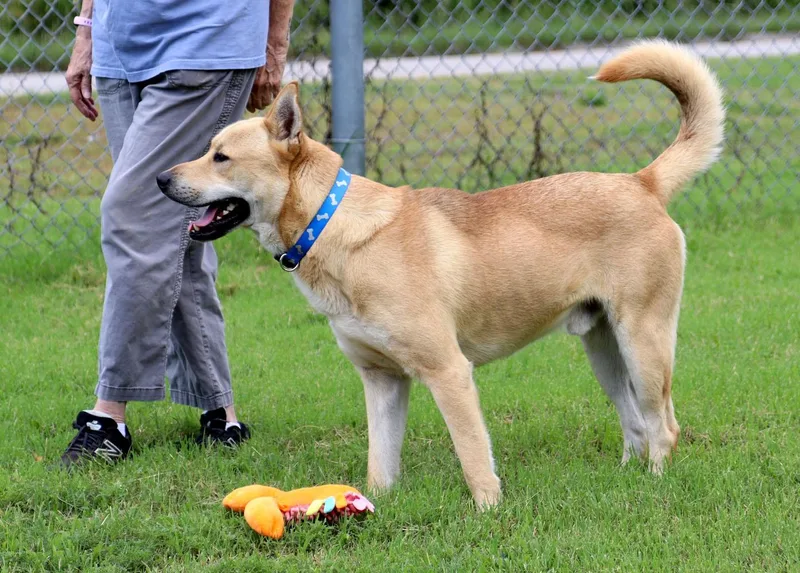
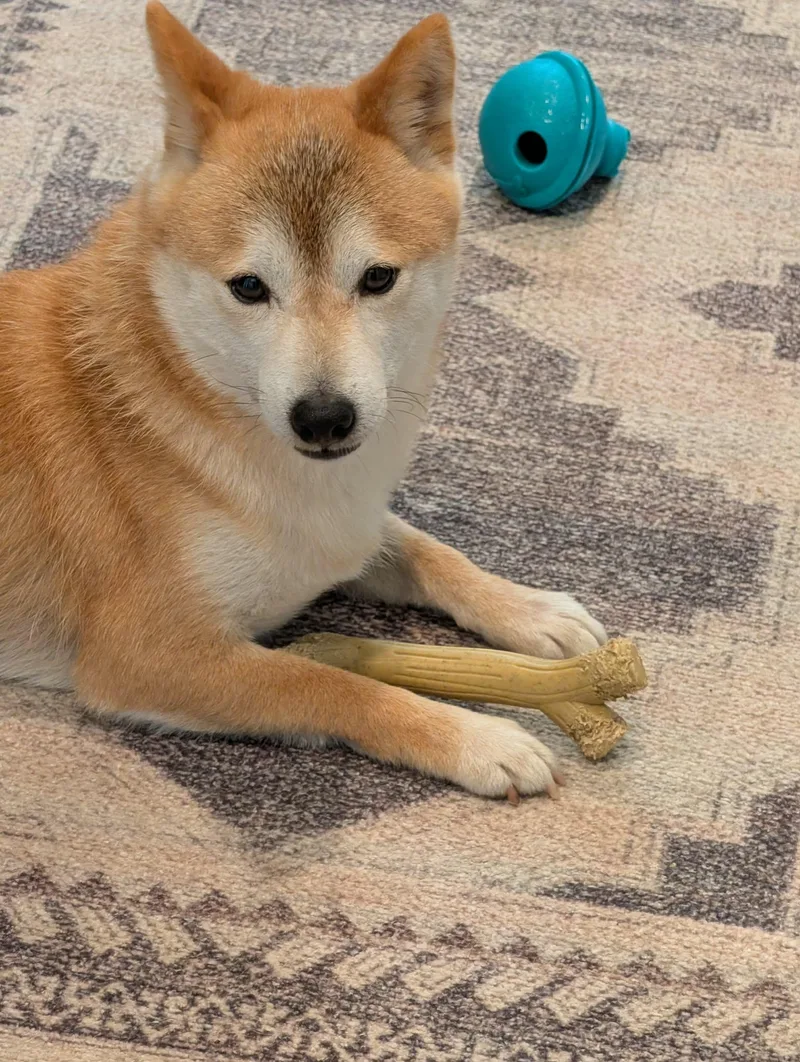
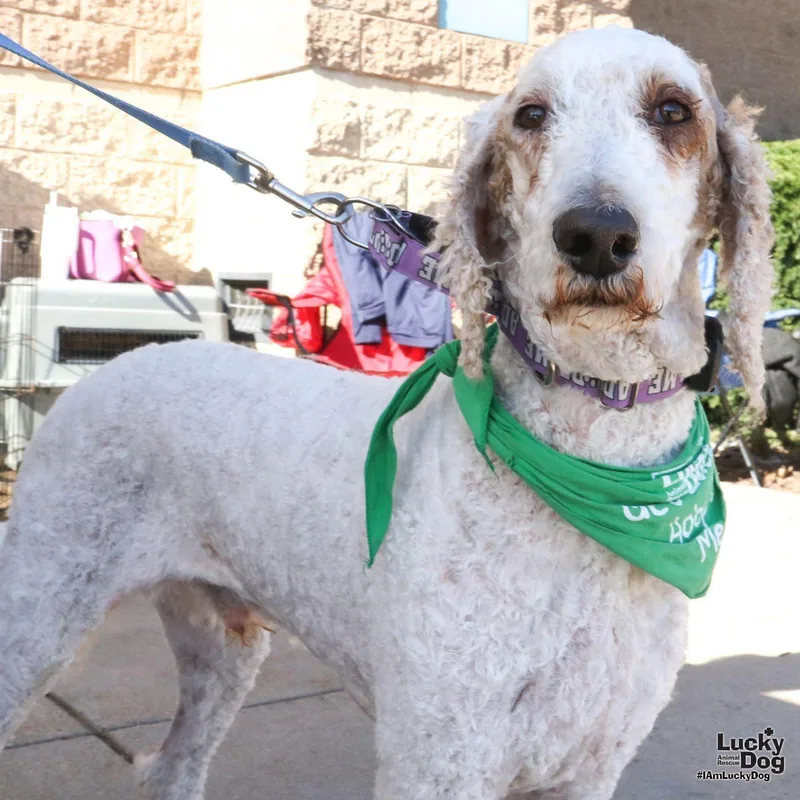
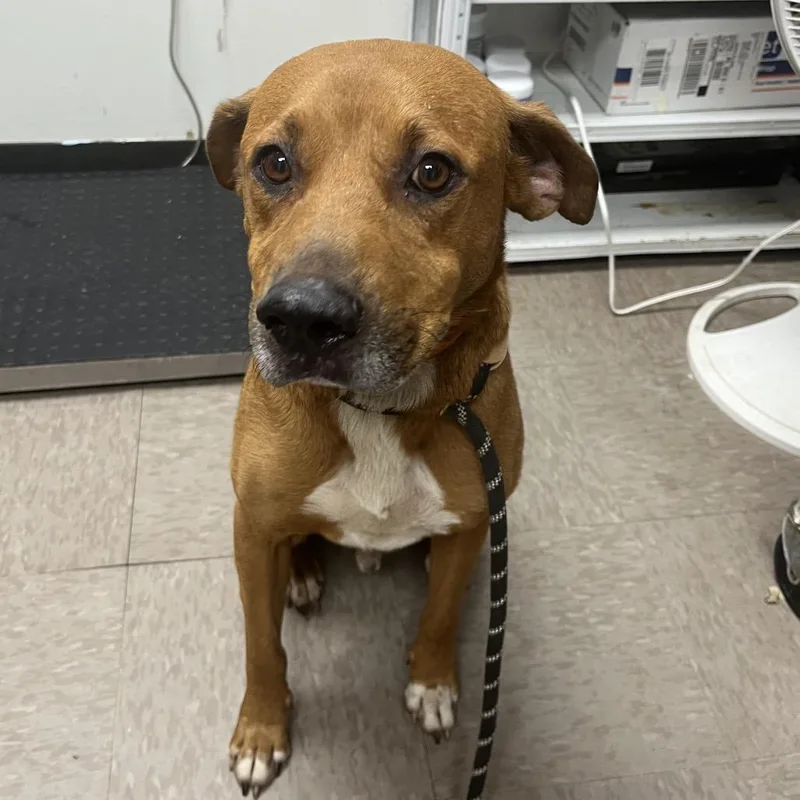
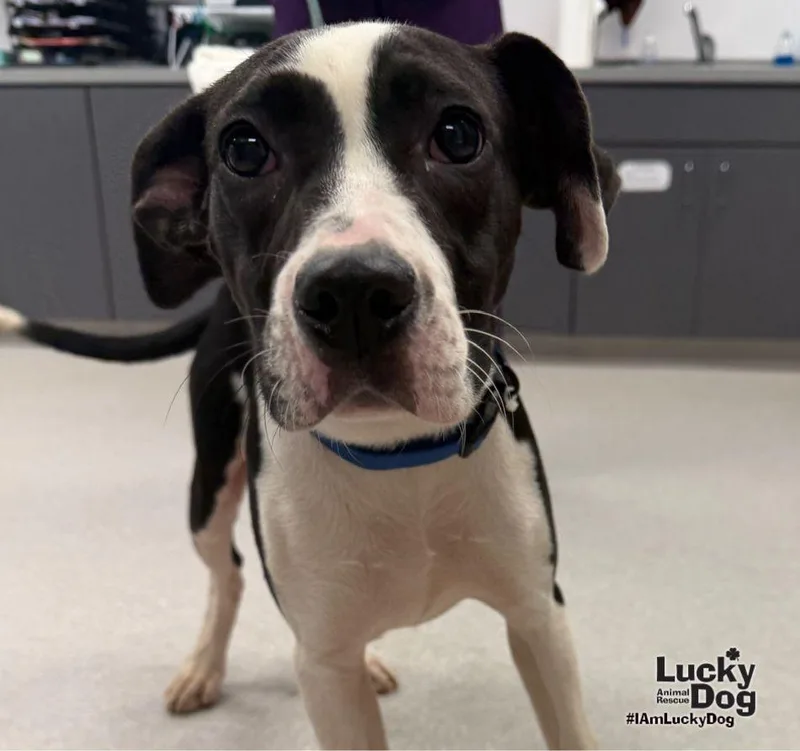
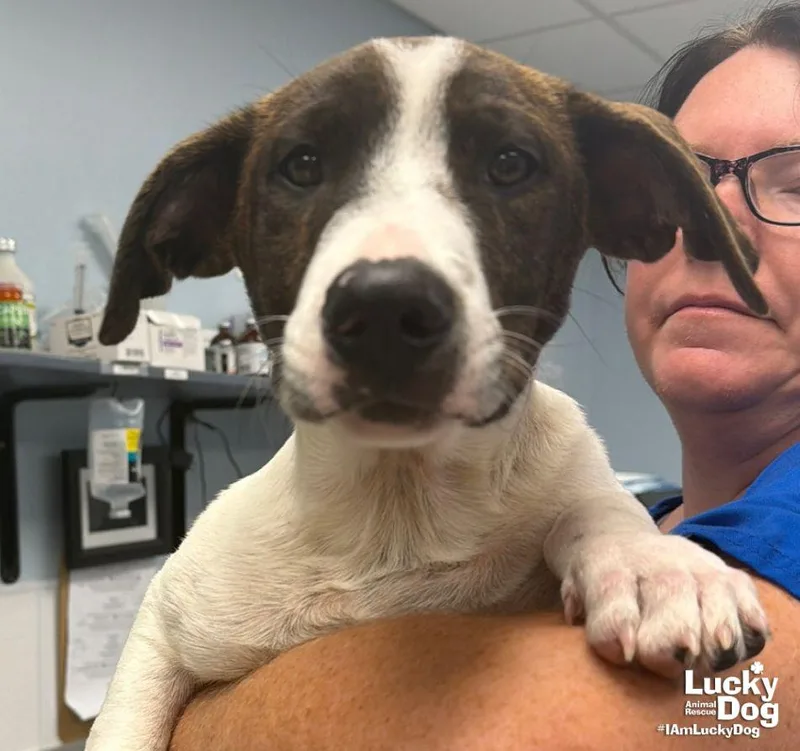
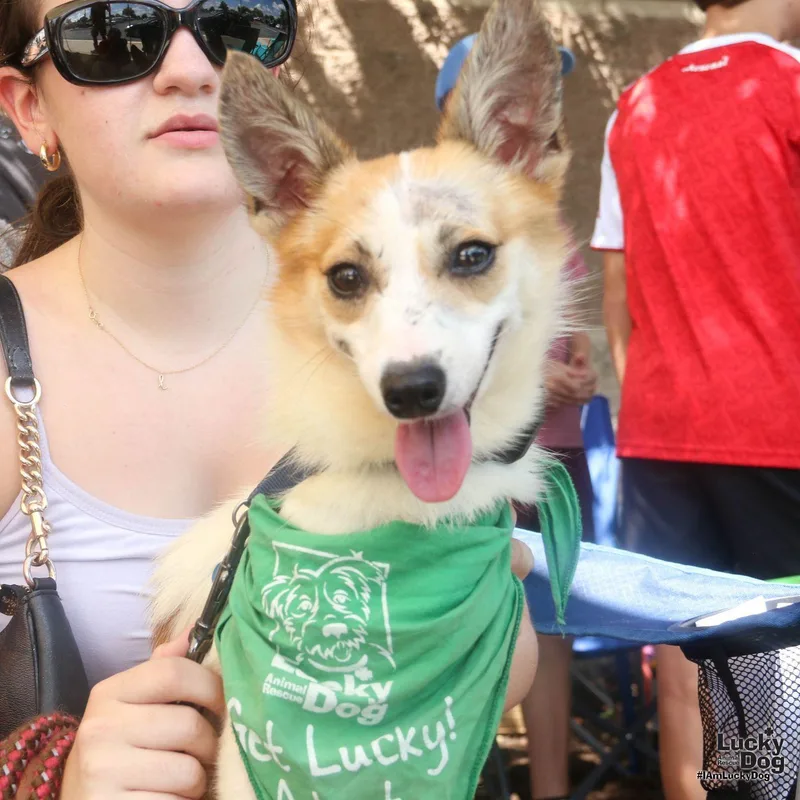
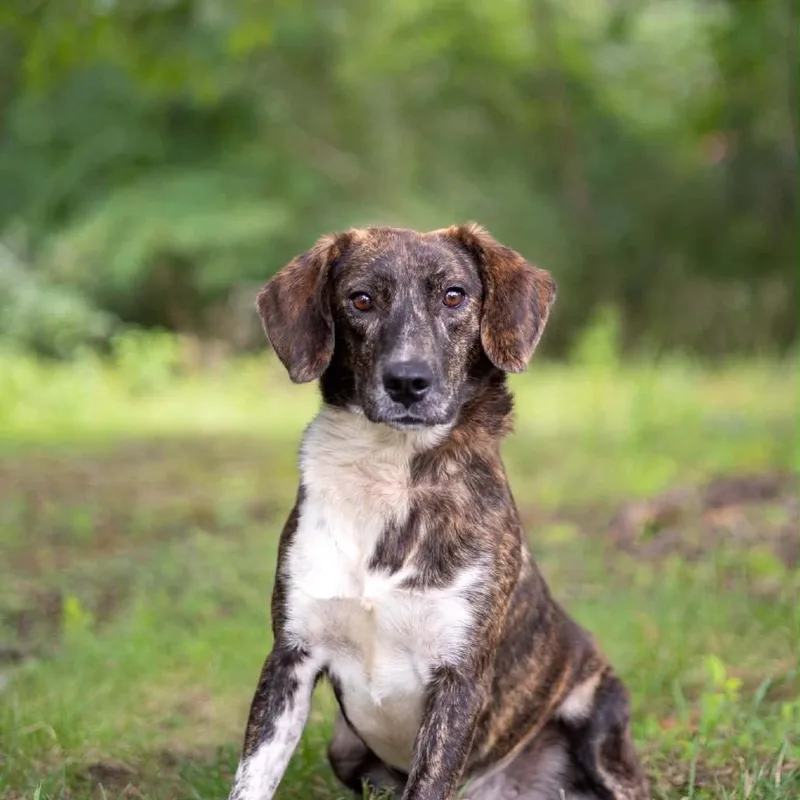
Shiba Inu dog

Shiba Inu Dogs for Adoption in Washington, DC

Your guide to finding and caring for a Shiba Inu in DC

Shiba Inus fit DC's rowhouse neighborhoods well, as long as the leash never comes off. A 20-pound Shiba is comfortable in a Mount Pleasant rowhouse or a Columbia Heights apartment, and the wooded streets around Rock Creek Park give a curious nose plenty to follow on daily walks. They're quiet, tidy and independent, but they bolt, so DC's busy cross streets call for a snug harness. Expect a lot of sniffing stops.

201 Shiba Inus available in Washington and nationwide

Find your Shiba Inu

While we don't have enough dogs near Washington, keep in mind that many rescues may offer transport.

Shiba Inus Available for Adoption Near Washington

About the Shiba Inu breed

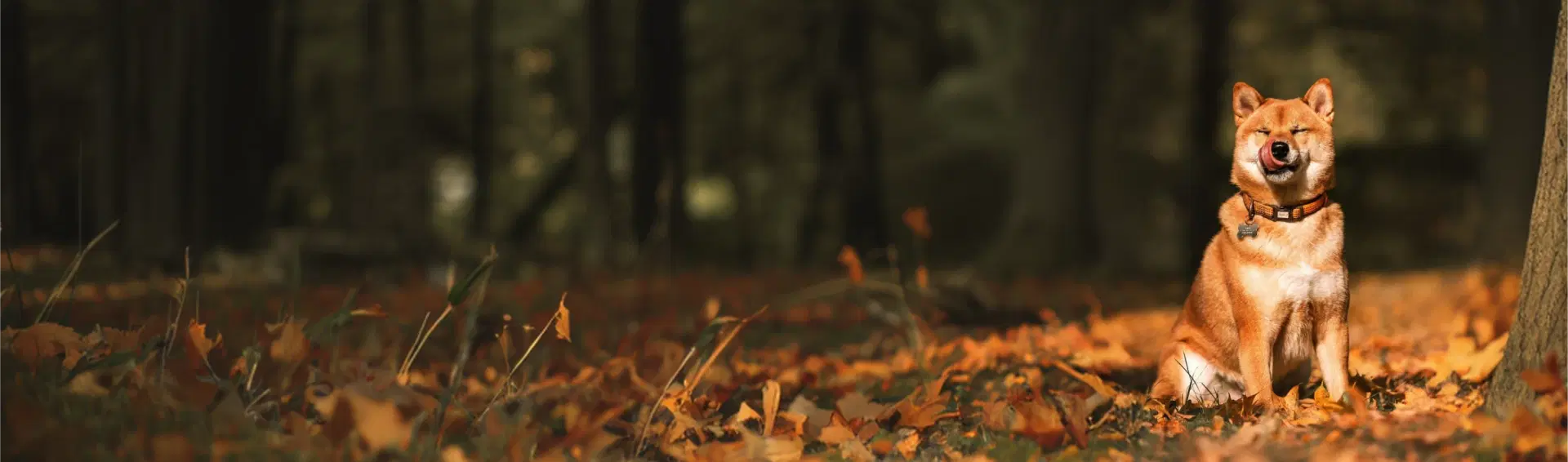
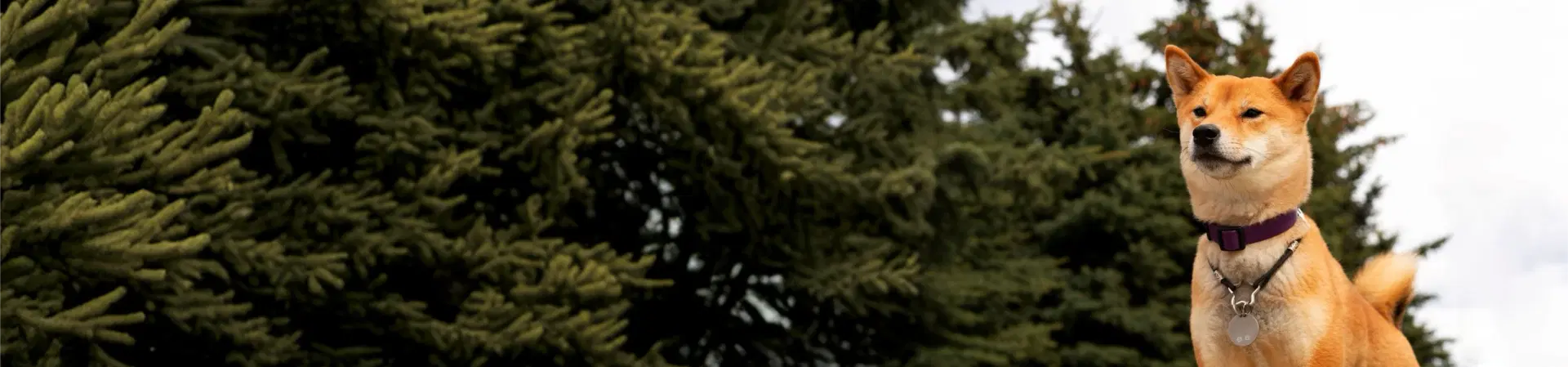
The Shiba Inu is the smallest of Japan's native breeds, originally used to flush birds and small game from brushy mountain slopes. It's compact and muscular, with a fox-like face, pricked ears, a curled tail and a plush double coat in red, sesame, or black and tan with cream markings. Most adults weigh roughly 16 to 25 pounds.

Shibas are alert, confident and famously clean, often grooming themselves like cats and choosing when they want affection. They also have a strong prey drive and a talent for slipping out of open doors, which matters on busy DC blocks and in parks full of squirrels. Dogs vary, and some are more social than others, but most do best with patient, reward-based training and a household that respects their independence.

Weight
16–25 lbs
Height
13–17 in
Lifespan
13–16 yrs
Temperament
Independent, Alert, Confident, Spirited
Group
Non-Sporting
Shedding
Moderate to High

Owning a Shiba Inu in Washington

Having a Shiba Inu in DC

In DC, a Shiba's compact size suits rowhouses and apartments, while its prey drive, heavy twice-yearly shed and independent streak shape daily routines. Expect leashed walks, regular brushing and patient training, with the amount of each varying from dog to dog.

Temperament

Shibas tend to be loyal at home yet reserved with strangers, which suits a quiet apartment but takes practice on crowded DC sidewalks. Many are strong-willed, guard food or toys, and dislike being restrained. Some don't enjoy other dogs, so slow, controlled introductions matter. Each Shiba's personality differs.

Exercise Needs

Plan on a brisk daily walk or two, plus play and puzzle toys. Because of their prey drive, Shibas should stay leashed outside. DC law requires a leash outside official dog parks, and national parkland such as Rock Creek Park requires six feet or less. Shibas that dislike other dogs may prefer trail walks to dog parks.

Health Considerations

Shibas are often long-lived but can develop slipping kneecaps, glaucoma, skin allergies and hip dysplasia. Sudden eye redness, squinting or cloudiness needs prompt veterinary attention. Keeping a Shiba lean protects its joints, and regular checkups let a veterinarian watch the knees and eyes. DC requires rabies and distemper vaccination by four months.

Living Space

A Shiba's compact size suits DC's rowhouses, condos and apartments, and most stay quiet indoors. Escape-proofing matters more than square footage: use secure gates, calm door habits and a well-fitted harness. Heavy twice-yearly shedding shows up in any home, so a good vacuum helps. Shibas do best living indoors with the family.

What it costs to own a Shiba Inu in Washington

ExpenseTypical costPer year
Food$20 to $45 per month$240 to $540
Pet insurance$35 to $70 per month$420 to $840
Routine vet care$200 to $400 per year$200 to $400
Other*$490 to $1,300 per year$490 to $1,300
Estimated yearly total (after year one)$1,350 to $3,080

Other costs are estimates and vary with size, age and health.

* The DC dog license ($15 for a spayed or neutered dog, $50 otherwise), flea, tick and heartworm prevention, a dental cleaning allowance, toys and bedding, and brushing and baths for the heavy twice-yearly shed.

Shiba Inu dog

Adopt a Shiba Inu in Washington.

Now that you know more, let’s find you a new best friend. These rescues and shelters below currently have Shiba Inus available.

Rescues in Washington with Shiba Inus Available

The shelters and rescues below serve the Washington area, from the city shelter to foster-based groups. Here are the rescues & shelters in the DC area where you can find Shiba Inus and other dogs available for adoption.

Frequently Asked Questions

Yes, Shiba Inus generally do well in Washington apartments. Their compact size and quiet indoor habits suit smaller homes, but they need daily leashed walks and a well-fitted harness to prevent dashes through doors and elevators. Choose a building with easy outdoor access, and expect the heavy twice-yearly shed to show up on furniture and floors.

Yes, DC has no breed-specific restrictions, and its dangerous-dog rules are based on a dog's behavior rather than its breed. A Shiba will need an annual license, rabies and distemper vaccinations by four months, and a leash outside official dog parks. Landlords and condo boards may set their own pet terms, so confirm them before signing.

Yes, with sensible precautions. Humid summer heat is harder on a thick-coated Shiba than winter cold, so walk at dawn or after dark, bring water, and spend afternoons indoors with air conditioning. Never leave a Shiba in a parked car, and skip shaving the coat, which helps insulate against heat.

Leashed walks at Fort Dupont Park (six-foot leash, designated trails), Kingman Island and along the Anacostia Riverwalk Trail suit most Shibas. Sociable Shibas can try free fenced dog parks like Palisades or Alethia Tanner, which require a license, vaccinations and a registration tag. Many Shibas dislike unfamiliar dogs, so watch body language at the gate.

Only if your Shiba fits in a closed carrier. Metro trains and buses allow pets free of charge when securely enclosed in a carrier small enough to carry, and the carrier can't occupy a seat. Only service animals ride unconfined. At 16 to 25 pounds, many Shibas are a heavy carry, and the DC Streetcar also requires a crate.

Sometimes, on patios only. DC law lets restaurants and bars choose to allow dogs in outdoor dining areas and sidewalk cafés, and those that do must post a sign. Dogs must stay leashed or in a carrier, and indoor dining rooms are off-limits. A Shiba wary of strangers may prefer a corner seat away from foot traffic.

Plan on weekly brushing most of the year and near-daily brushing during the heavy shed in spring and fall, when the undercoat comes out in clumps. Shibas are naturally clean and rarely need frequent baths, though humid summers and salted winter sidewalks call for occasional baths and paw wipes. Never shave the coat. Supplies and baths fall under the Other costs listed on this page.

A Shiba suits DC if you want a clean, independent dog and don't mind leashed walks and regular brushing. The compact size fits rowhouses and apartments, but busy streets and park wildlife call for a secure harness. Shibas, often reserved with strangers and other dogs, may feel more settled on quiet residential streets in Brookland or Shepherd Park than near Adams Morgan's nightlife strip.

We have 1 rescue with Shiba Inus available: Lucky Dog Animal Rescue. You can see every rescue with Shiba Inus available in the list above these questions, or scroll to the top to see the Shiba Inus near Washington.

Expect roughly $1,350 to $3,080 a year for a Shiba in DC, covering food ($20 to $45 a month), pet insurance ($35 to $70 a month), routine vet care ($200 to $400 a year) and other costs ($490 to $1,300 a year), including the DC license. The adoption fee is shown on each listing.