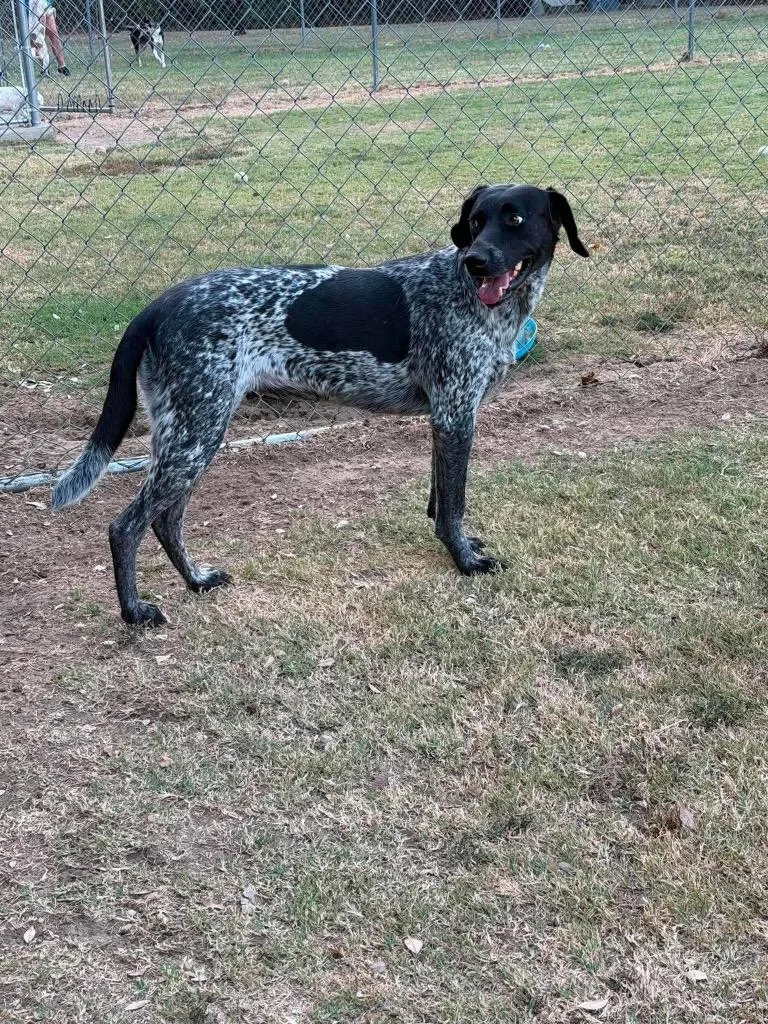
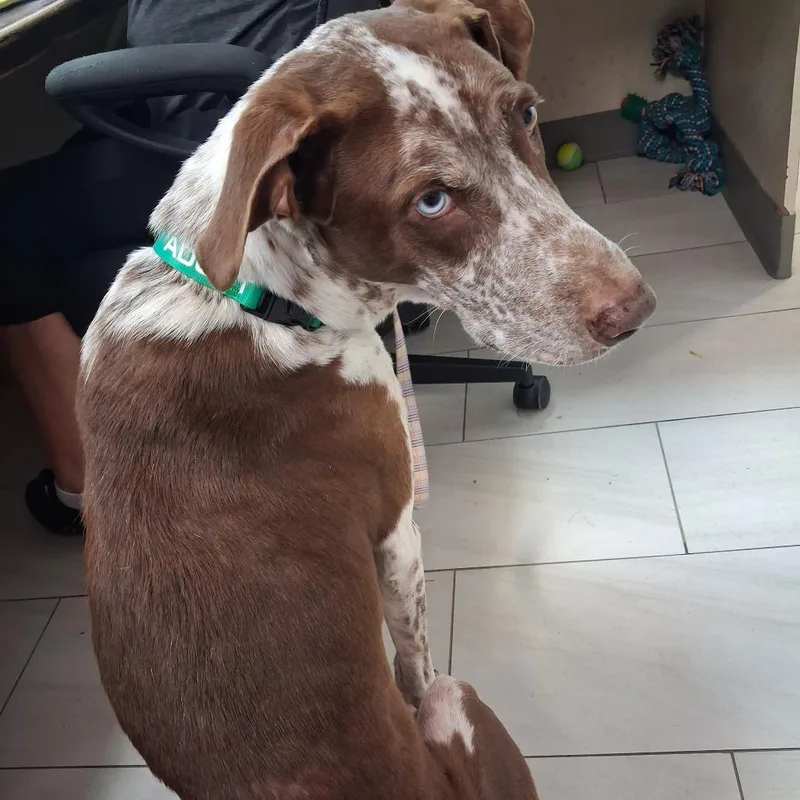
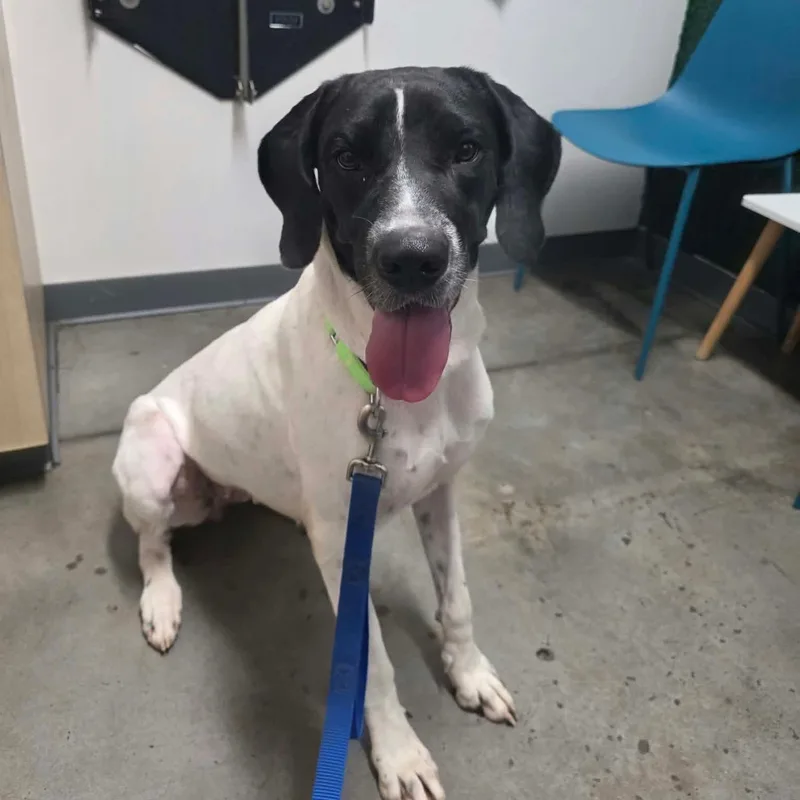
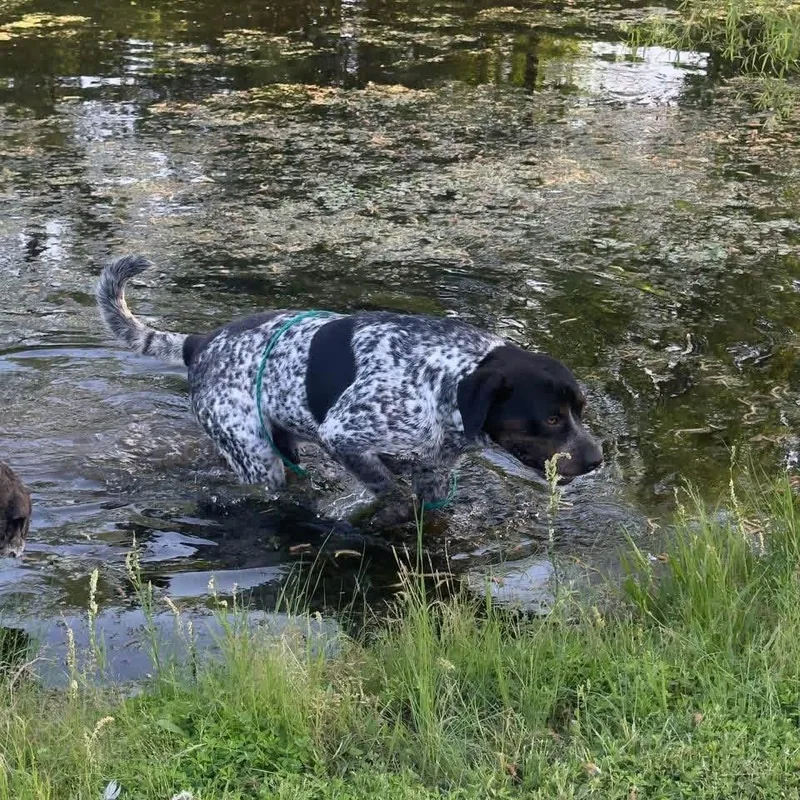
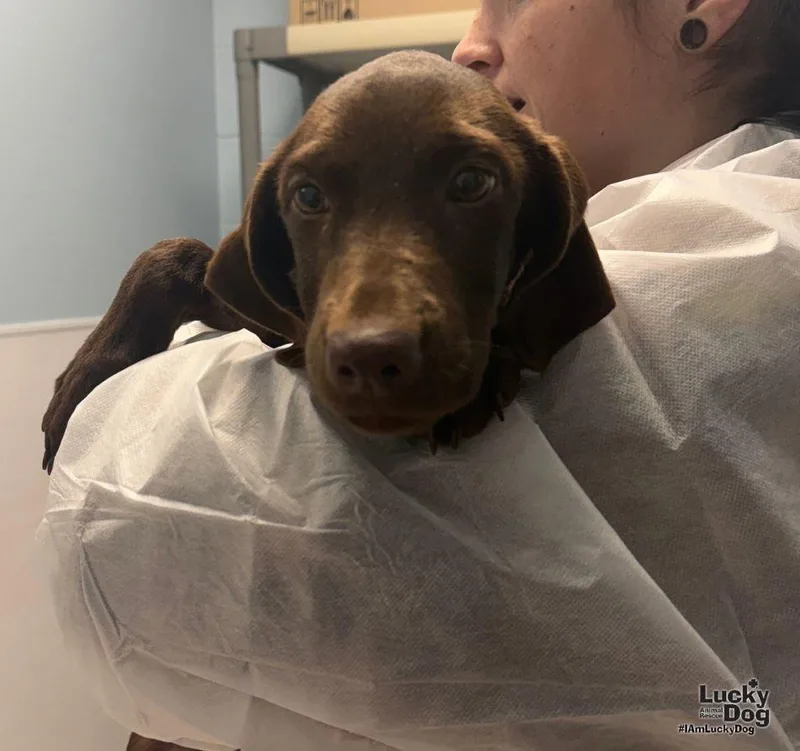
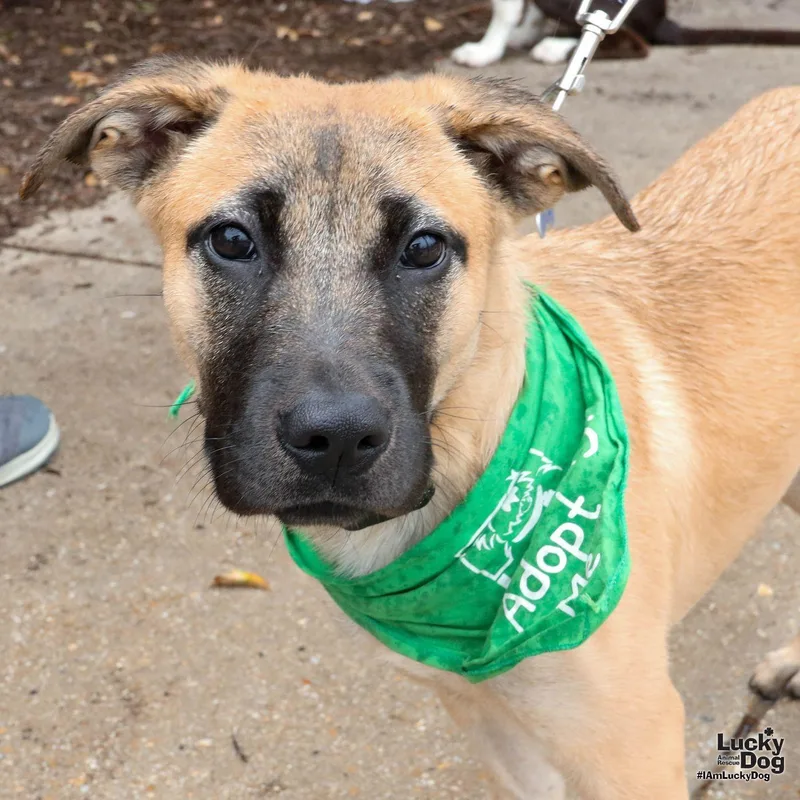
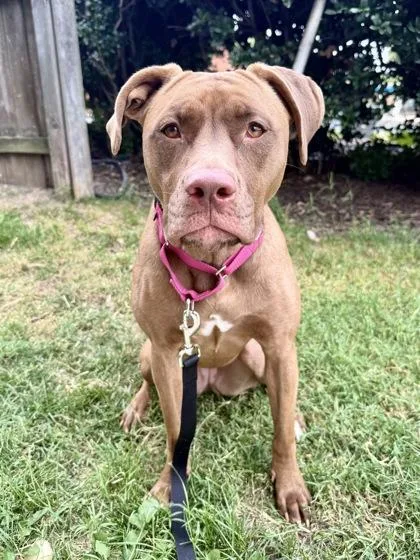
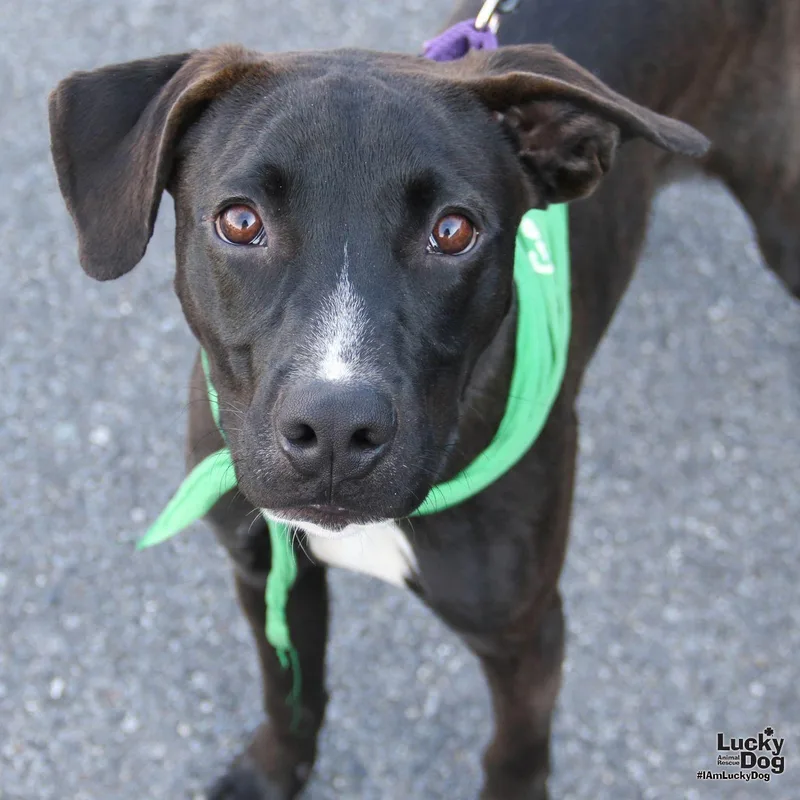
German Shorthaired Pointer Dogs for Adoption in Washington, DC

Your guide to finding and caring for a German Shorthaired Pointer in DC

A German Shorthaired Pointer fits best in Washington neighborhoods with room to run, like Benning Ridge beside 376-acre Fort Dupont Park. The park's wooded trails give a GSP the long, sniff-heavy outings it craves, and Hillcrest's single-family blocks and Brookland's spacious lots put fenced yards within reach. Rowhouse life in Capitol Hill or Shaw can work too, with a firmer routine. Summer humidity is the main local wrinkle, so plan on early runs before the day heats up.

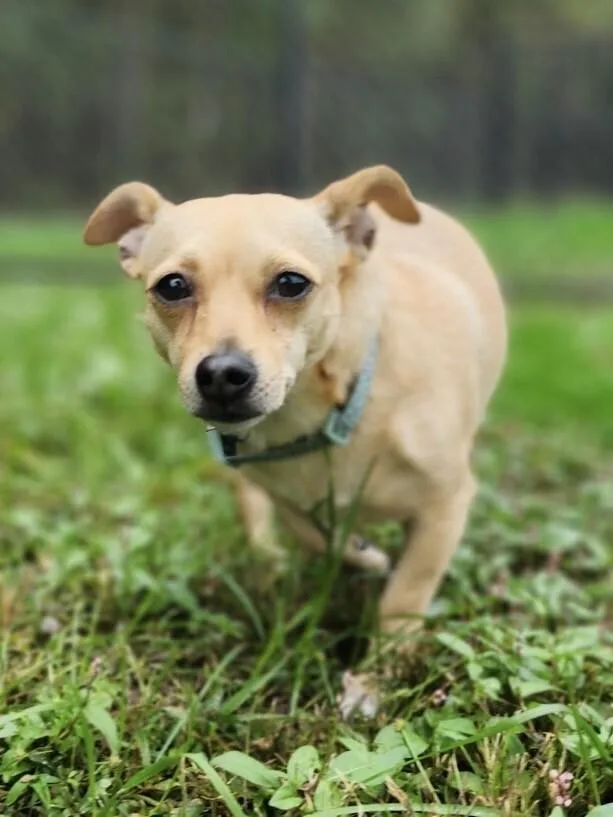
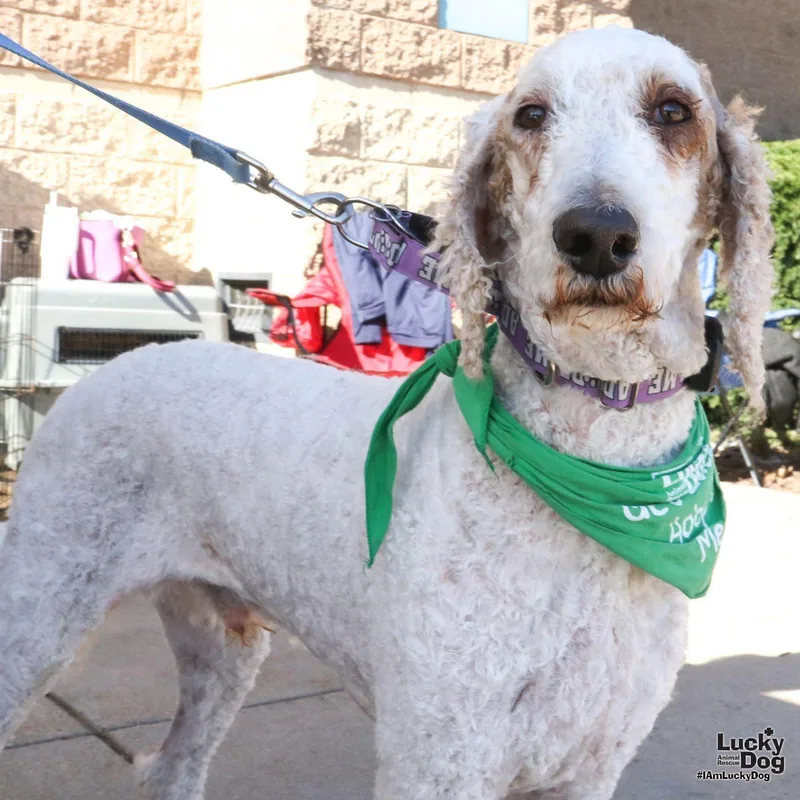
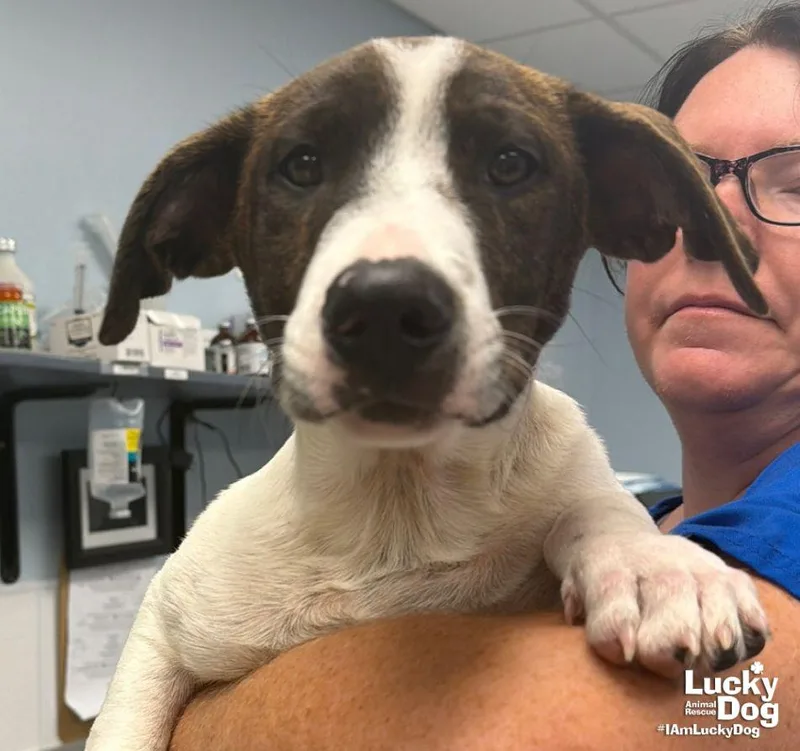
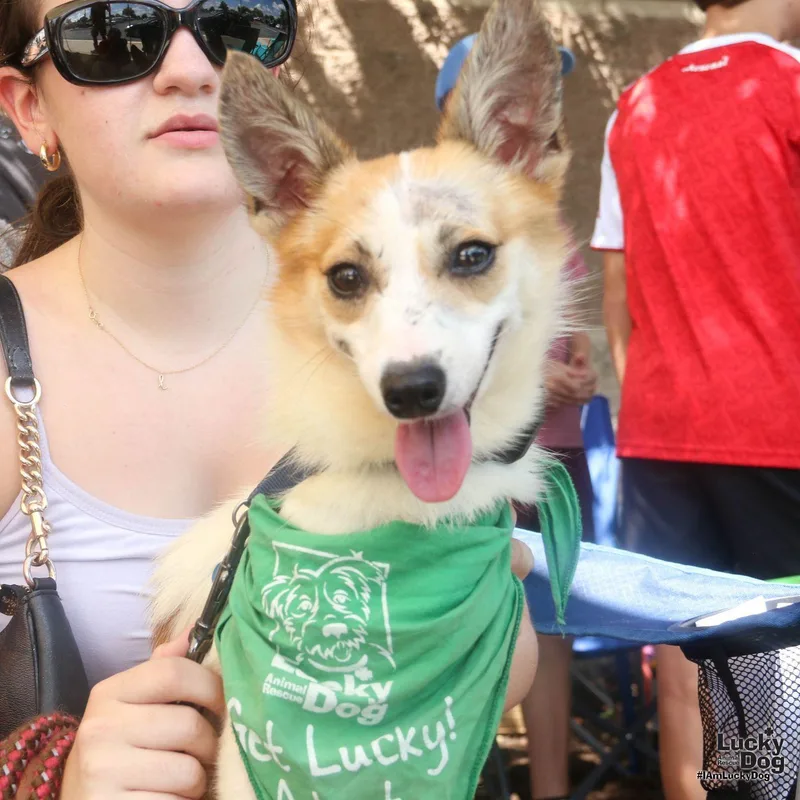
354 German Shorthaired Pointers available in Washington and nationwide

Fall for a German Shorthaired Pointer

While we don't have enough dogs near Washington, keep in mind that many rescues may offer transport.

German Shorthaired Pointers Available for Adoption Near Washington

About the German Shorthaired Pointer breed

The German Shorthaired Pointer was developed in nineteenth-century Germany as an all-purpose hunting dog, able to point birds, track wounded game and retrieve from land and water. The result is a lean, muscular dog of roughly 45 to 70 pounds with a short liver or liver-and-white coat, often ticked or roan. The coat sheds moderately year-round but needs little beyond a weekly brushing.

In Washington, that heritage shows up as a dog who wants a job. GSPs are friendly and affectionate and tend to stay close to their people, but strong prey drive means squirrels in Rock Creek Park and neighborhood cats can be hard to resist, so a secure leash matters. Many stay intensely energetic until two or three years old, and dogs vary, so an adult may be calmer than the breed's reputation suggests.


Weight
45–70 lbs
Height
21–25 in
Lifespan
10–14 yrs
Temperament
Energetic, Friendly, Intelligent
Group
Sporting
Shedding
Moderate

Owning a German Shorthaired Pointer in Washington

Having a German Shorthaired Pointer in DC

GSPs pair athletic stamina with a close attachment to their people. In Washington, that means planning for daily hard exercise, secure fencing or leashes around wildlife, and enough time at home that a rowhouse or apartment doesn't mean long solo days.

Temperament

Many GSPs are cheerful, affectionate and eager to learn, and often shadow their people from room to room. Some are reserved with strangers at first. Prey drive can make squirrels, rabbits and cats very exciting, which matters on busy city sidewalks. Dogs left alone too long may chew or bark, so reward-based training and company help.

Exercise Needs

Expect an hour or more of real running most days, not just a stroll around the block. In DC, that can mean fetch in a fenced DPR dog park, long leashed walks on Fort Dupont's trails, or jogging the Metropolitan Branch Trail. Add nose games and training for mental work, especially on rainy days.

Health Considerations

GSPs are generally sturdy, but hip dysplasia, bloat, eye conditions, lymphedema and some bleeding disorders appear in the breed. Their deep chests raise bloat risk, so skip hard exercise right around meals. Active dogs pick up cuts and pad scrapes, and mid-Atlantic ticks and mosquitoes make year-round prevention worth discussing with a veterinarian.

Living Space

A securely fenced yard with five-to-six-foot fencing suits a GSP best, which in DC points toward single-family areas such as Hillcrest or Brookland. Rowhouse and apartment life can work for a committed owner who provides daily running away from home. Indoors, GSPs want to be with the family, not parked on a patio.

What it costs to own a German Shorthaired Pointer in Washington

ExpenseTypical costPer year
Adoption fee$400, one time$400 in year one
Food$55 to $110 per month$660 to $1,320
Pet insurance$55 to $110 per month$660 to $1,320
Routine vet care$250 to $500 per year$250 to $500
Other*$490 to $1,290 per year$490 to $1,290
Estimated yearly total (after year one)$2,060 to $4,430
First-year total (with adoption fee)$2,460 to $4,830

Adoption fee is the fee on German Shorthaired Pointer listings in Washington on GetBuddy today. Other costs are estimates and vary with size, age and health.

* The $15 DC dog license for a spayed or neutered dog, flea, tick and heartworm prevention, a dental cleaning allowance, durable toys and bedding, and occasional grooming supplies.

Adopt a German Shorthaired Pointer in Washington.

Now that you know more, let’s find you a new best friend. These rescues and shelters below currently have German Shorthaired Pointers available.

Rescues in Washington with German Shorthaired Pointers Available

Washington's city shelter and foster-based rescues list dogs of every size and energy level, all shown below. Here are the rescues & shelters in the DC area where you can find German Shorthaired Pointers and other dogs available for adoption.

Frequently Asked Questions

It can be, for active people who are home often. A GSP needs an hour or more of running daily, which DC's dog parks, trails and green space can supply, and many don't like long days alone. Commuters who can't manage midday breaks and evening exercise may find the dog restless, noisy or destructive.

It can, but only with real commitment. GSPs are big, athletic and want company, so an apartment works only if you run the dog hard outside every day and teach it to settle indoors. Read the building's pet terms before applying, and look for a dog park or trail within easy reach.

Rock Creek Park is a top pick, with leashed dogs welcome on designated trails. Theodore Roosevelt Island and Kingman Island also allow leashed dogs. National park leashes must be six feet or shorter, and coyotes have been recorded in Rock Creek, so keep a prey-driven GSP close. Off-leash running is limited to fenced dog parks.

Yes, with adjustments. A short coat sheds heat reasonably well, but humid days in the 90s can still overheat a dog during hard runs. Exercise at dawn or after sunset, bring water, rest in shade and keep fetch sessions short. On 95°F days, when the city activates its Heat Emergency Plan, stay in air conditioning.

Yes. DC has no breed-specific ban, and its dangerous-dog rules look at a dog's behavior rather than its breed. New owners should license the dog, keep rabies and distemper vaccinations current and leash it outside official dog parks. Maryland and Virginia suburbs set their own rules, so look them up before moving across the line.

No, not unless it's a service animal. Metrorail and Metrobus allow pets only in a closed carrier small enough to carry, and a 45-to-70-pound GSP won't fit in one. The DC Streetcar also requires a crate. Walking suits a high-energy dog anyway, or drive to parks and trailheads.

Sometimes, on patios. DC law lets restaurants and bars choose to allow dogs in outdoor dining areas and sidewalk cafés, and they must post a sign if they do. Dogs must stay leashed and attended, and indoor dining rooms are off-limits. Burn off energy first so your GSP settles calmly under the table.

A GSP is a German Shorthaired Pointer, a versatile hunting dog from Germany bred to point, track and retrieve game on land and in water. GSPs are athletic, medium-to-large dogs with short liver or liver-and-white coats and a keen expression. Many are affectionate, high-energy companions who thrive with active people and daily exercise.

We have 1 rescue with German Shorthaired Pointers available: K-9 Lifesavers. You can see every rescue with German Shorthaired Pointers available in the list above these questions, or scroll to the top to see the German Shorthaired Pointers near Washington.

A GSP typically costs about $55 to $110 a month for food and $55 to $110 a month for insurance. Routine vet care runs $250 to $500 a year, and other expenses such as prevention, dental care, supplies and the license add $490 to $1,290 a year. A short coat keeps grooming costs low.