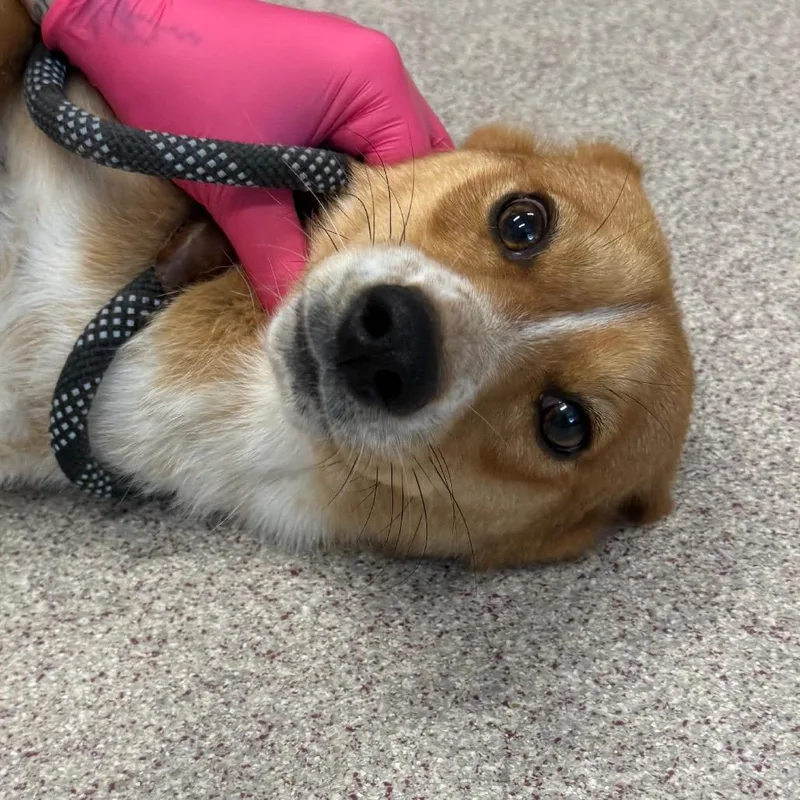
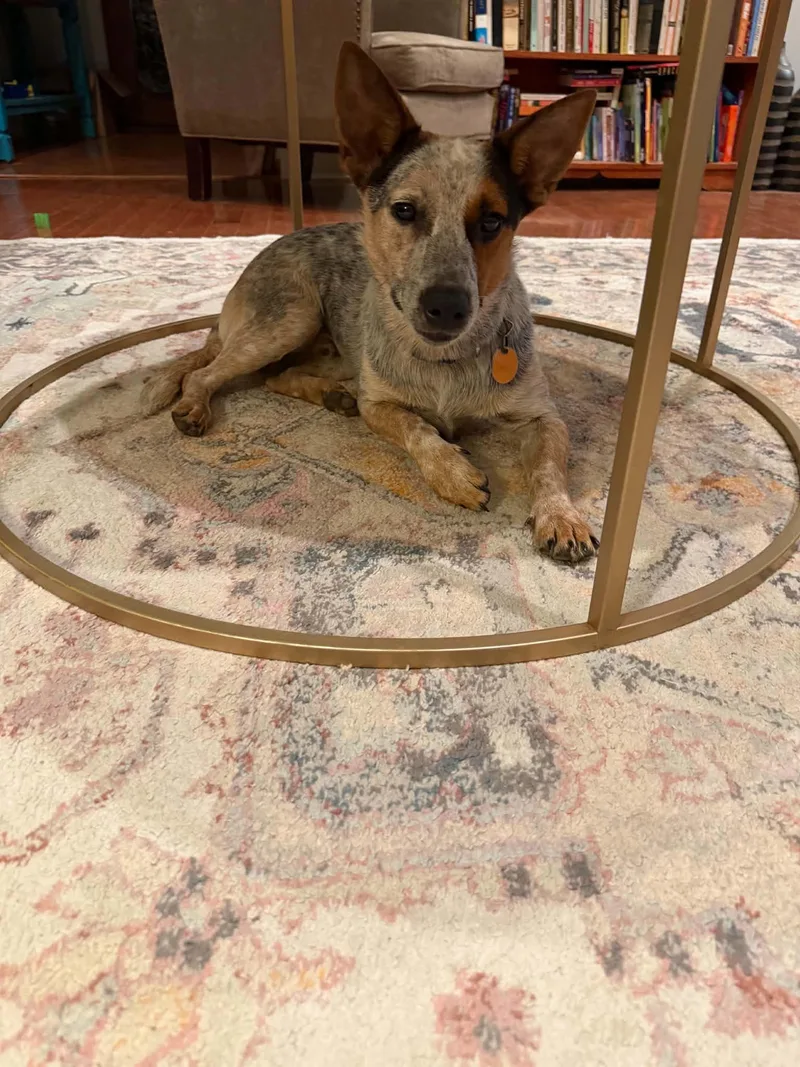
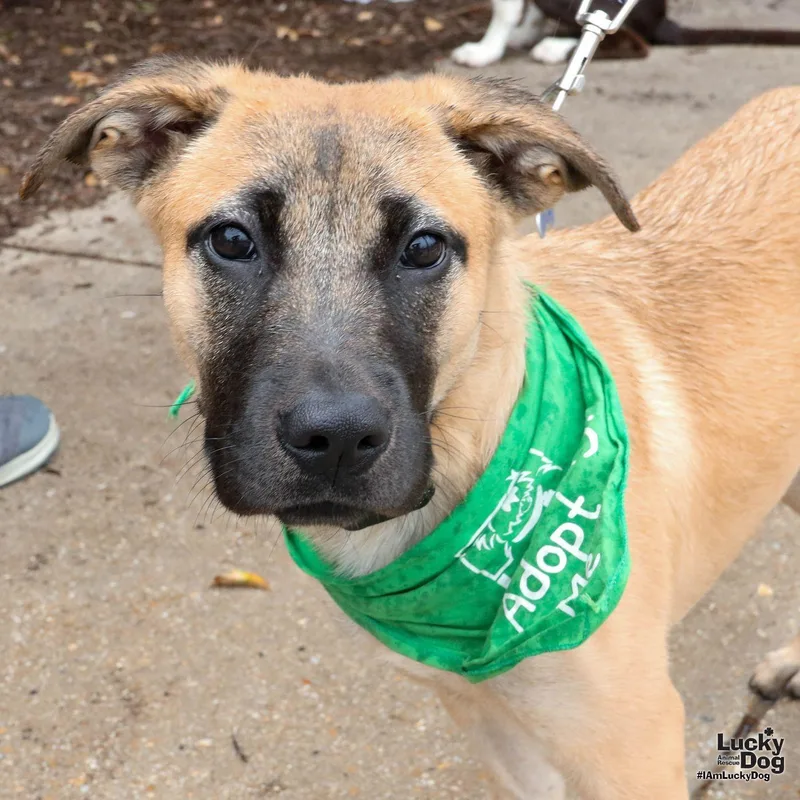
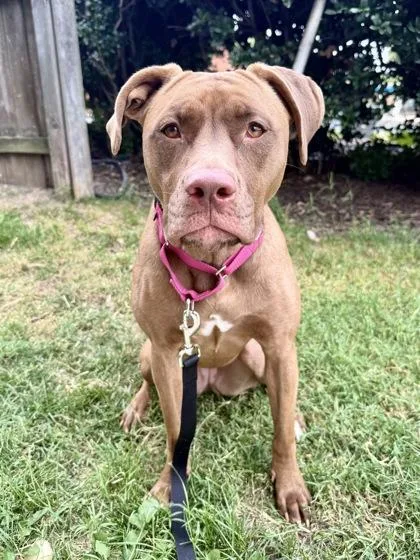
Corgi Dogs for Adoption in Washington, DC

Your guide to finding and caring for a Corgi in DC

A corgi fits a Petworth rowhouse block better than you might expect. It's compact enough for a one-bedroom, but busy enough to treat every walk along Upshur Street as an inspection tour, barking at passing bikes and delivery trucks included. A morning loop and an afternoon run at the Upshur dog park usually keep one content. Expect plenty of fur on the hardwood floors, and a few opinions about who walks past your front steps.

534 Corgis available in Washington and nationwide

Meet your next Corgi

While we don't have enough dogs near Washington, keep in mind that many rescues may offer transport.

Corgis Available for Adoption Near Washington

About the Corgi breed

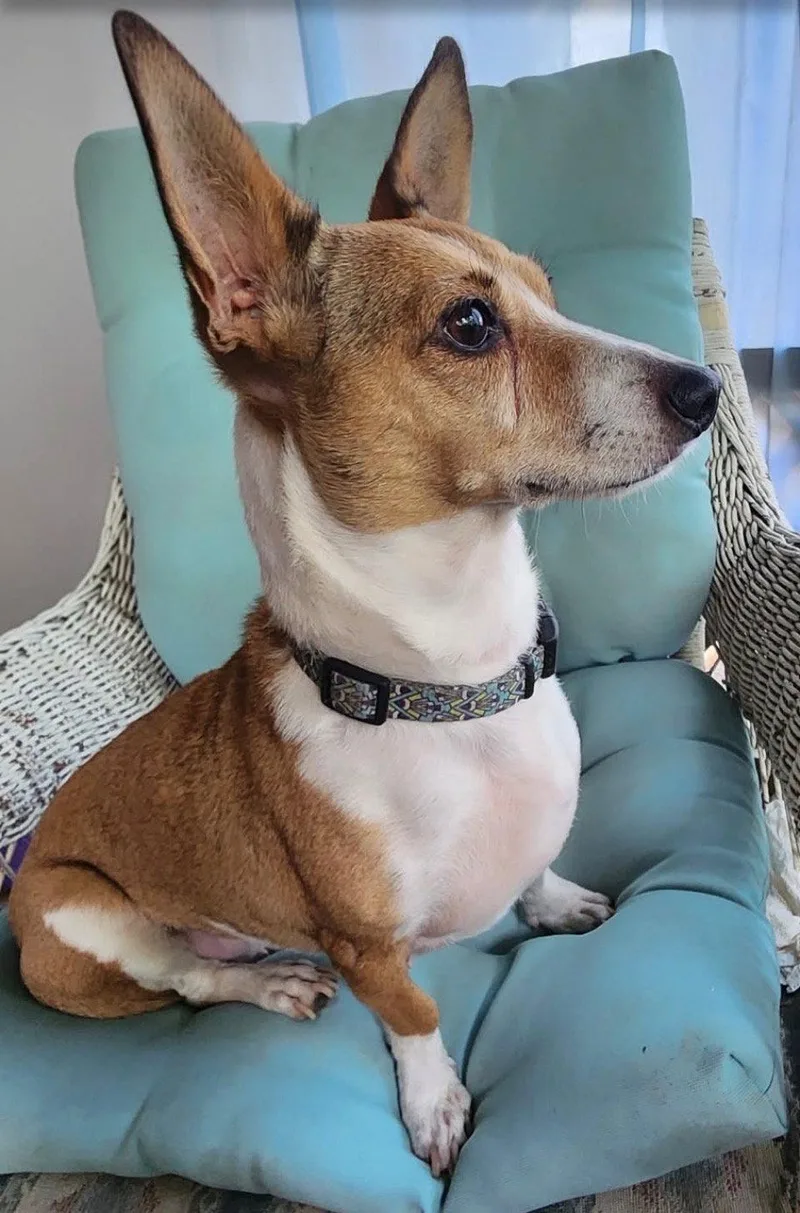
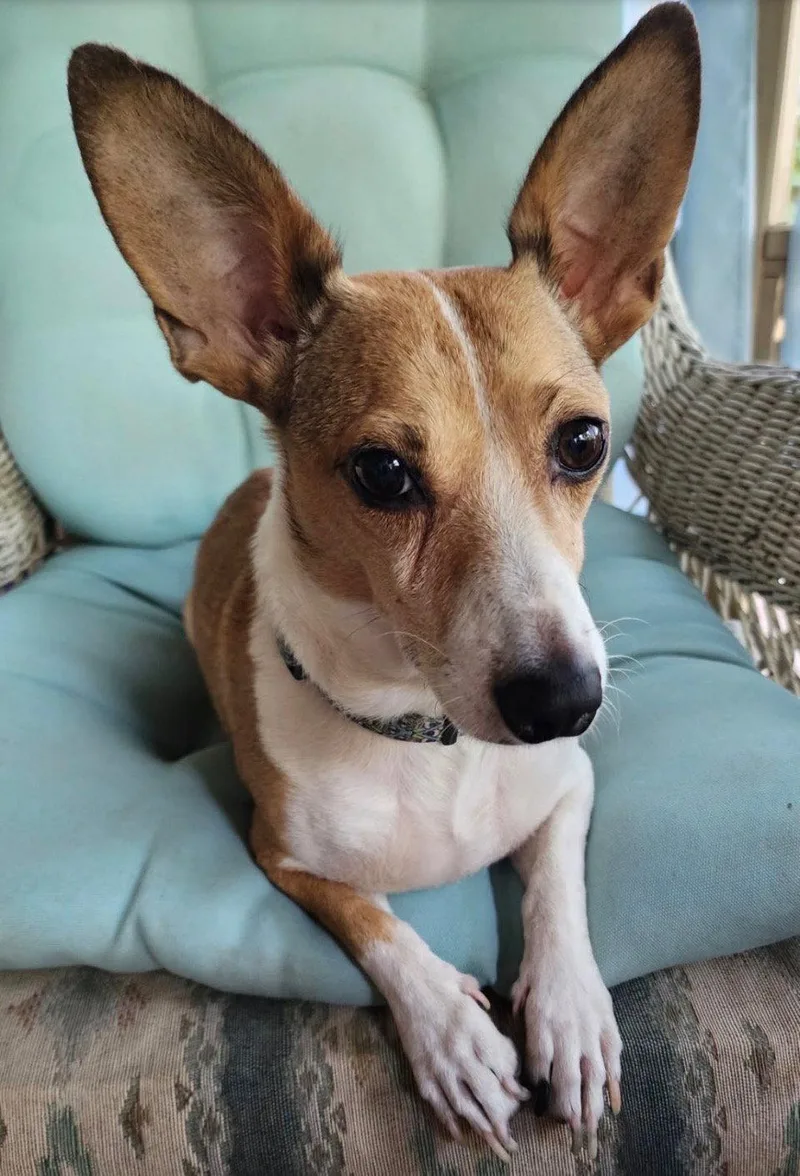
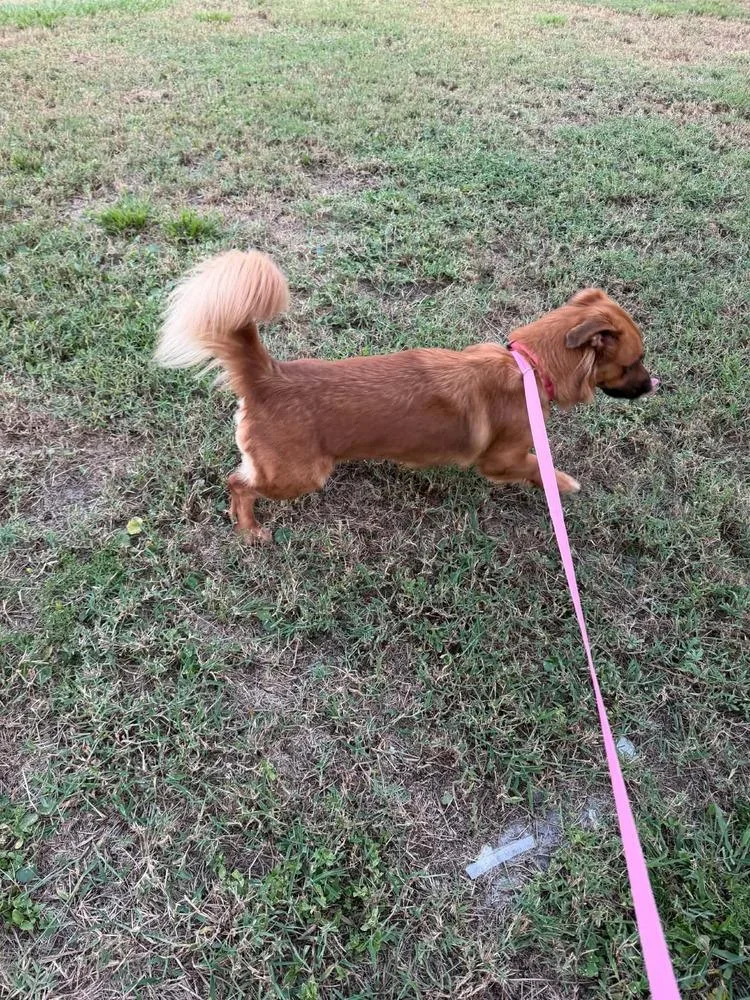
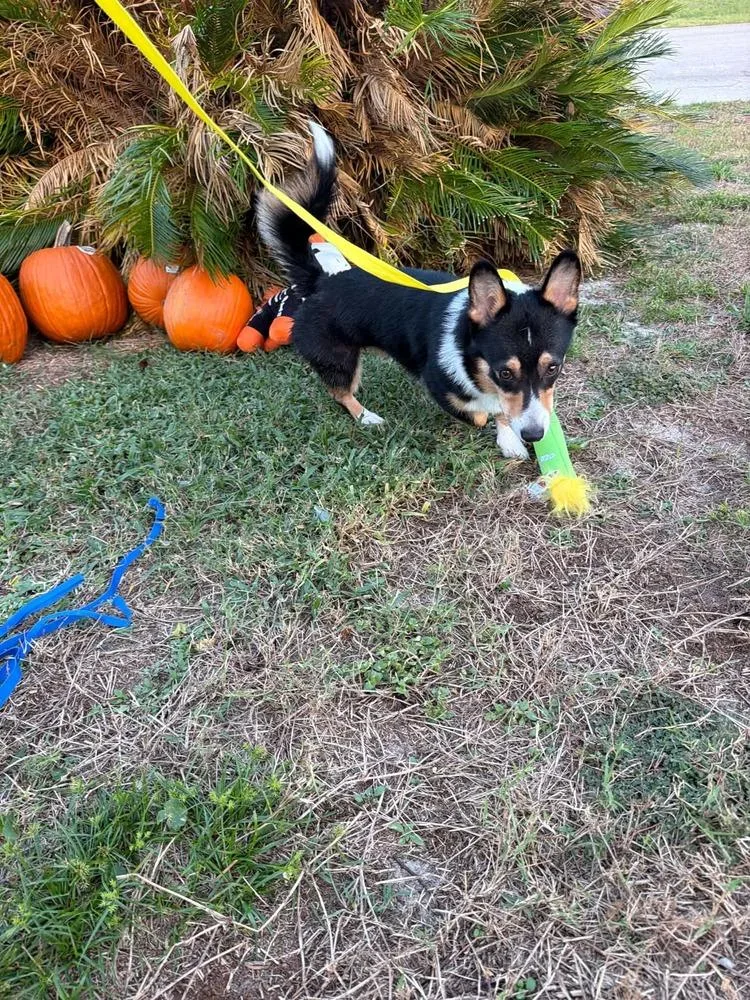
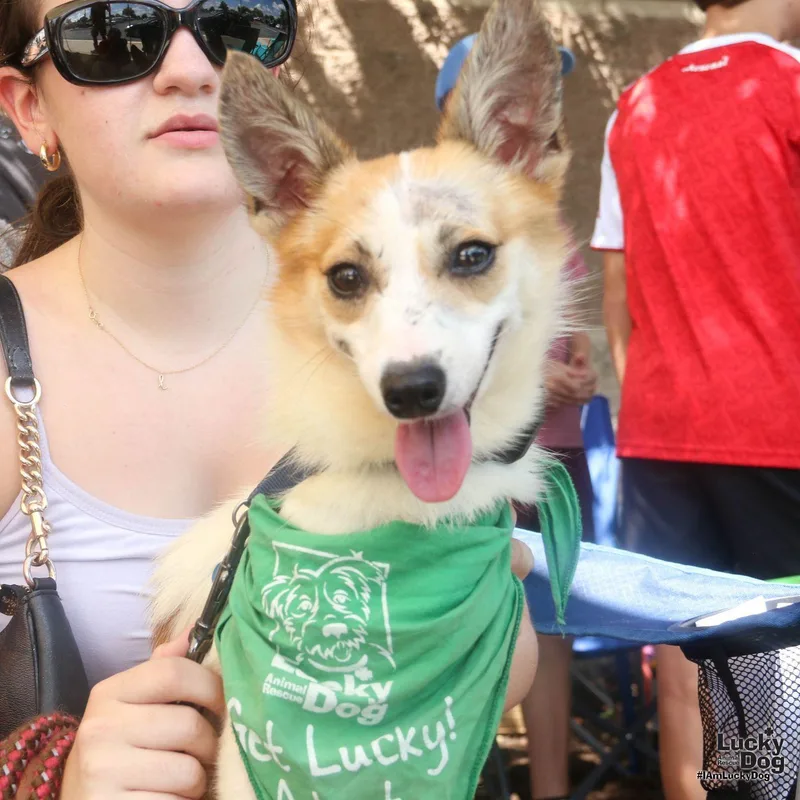
Corgi is a name shared by two Welsh herding breeds, the Pembroke and the Cardigan, and it's also used for corgi mixes. All have a long body, upright ears and a dense double coat. Pembrokes are usually lighter and foxier with a short or docked tail, while Cardigans are heavier with a long, brushy tail. Dogs vary, and a mix may look like neither.

In Washington, that herding drive often shows up as alertness to every sound. Shared walls in rowhouses and apartment buildings make early quiet-cue training worthwhile, and heel-nipping is worth redirecting before busy sidewalk walks. Shedding is heavy, so weekly brushing and a good vacuum help. Most corgis are affectionate and food-motivated, which makes training treats handy and weight control essential.

Weight
22–38 lbs
Height
10–13 in
Lifespan
12–15 yrs
Temperament
Alert, Intelligent, Affectionate
Group
Herding
Shedding
High

Owning a Corgi in Washington

Having a Corgi in DC

Corgis pair a quick mind with a long back, so training, weight control and spine care shape daily life. In DC, the practical questions are noise in shared buildings, steps and stoops, and how well a thick coat handles humid summers.

Temperament

Most corgis are friendly, alert and eager to be part of the household, with a clownish streak and strong opinions. Herding instincts can mean barking and heel-nipping, so adopters here benefit from early socialization on busy sidewalks. Dogs differ, and a Cardigan or mix may be more reserved with strangers than a Pembroke.

Exercise Needs

Plan on daily walks plus active play or training games. In DC, that can mean a neighborhood loop plus time in one of the District's fenced off-leash dog parks, which require a license, vaccinations and a registration tag. Skip repeated jumping and long stair runs, since a corgi's long back is easily strained.

Health Considerations

Keeping a corgi lean protects its spine. Intervertebral disc disease, hip dysplasia, degenerative myelopathy and eye disease are documented in the breeds, and Pembrokes can carry von Willebrand disease. A veterinarian can check the spine, hips and eyes. Watch for back pain, weakness or reluctance to move, especially after stairs.

Living Space

Corgis adapt to rowhouses, condos and apartments if they get daily exercise and company. Stoops and stairs are common in DC's older buildings, so use ramps or carry the dog up long flights rather than letting it jump. Expect barking at hallway and street noise, and plenty of shed hair.

What it costs to own a Corgi in Washington

ExpenseTypical costPer year
Food$20 to $45 per month$240 to $540
Pet insurance$40 to $85 per month$480 to $1,020
Routine vet care$200 to $400 per year$200 to $400
Other*$490 to $1,290 per year$490 to $1,290
Estimated yearly total (after year one)$1,410 to $3,250

Other costs are estimates and vary with size, age and health.

* The DC dog license ($15 for a spayed or neutered dog), dental cleanings, flea, tick and heartworm prevention, brushing and baths for heavy shedding, and supplies like bedding and toys.

Adopt a Corgi in Washington.

Now that you know more, let’s find you a new best friend. These rescues and shelters below currently have Corgis available.

Rescues in Washington with Corgis Available

Washington's shelters and foster-based rescues list dogs of many sizes and ages, and the groups below serve the DC area. Here are the rescues & shelters in the DC area where you can find Corgis and other dogs available for adoption.

Frequently Asked Questions

Yes. DC has no known breed-specific ban, and its dangerous-dog rules look at a dog's behavior, not its breed. After adopting, license your Corgi within 10 days, keep rabies and distemper vaccines current once the dog is over four months old, and leash it outside official dog parks. Keeping seven or more animals requires a hobby permit.

Yes, a Corgi can live in a Washington apartment if it gets daily walks and mental work. The bigger issues are noise and stairs. Corgis bark at hallway and street sounds, so practice quiet cues early, and use ramps or carry the dog on long flights, since a long back is prone to disc injury.

Usually not. Metro trains and buses allow pets only in a securely closed carrier small enough to carry, and the carrier can't take a seat. Most adult Corgis weigh 22 to 38 pounds, which is hard to carry that way, so plan on walking or driving. Only service animals ride unconfined, and the DC Streetcar requires a crate.

Yes, with care. Washington summers are humid, with about 40 days a year reaching 90°F, and a Corgi's dense double coat holds heat. Walk at dawn or after dark, carry water and choose shaded routes. DC law bars leaving a dog outside unaccompanied for more than 15 minutes above 90°F, and a parked car is never safe.

Start with fenced, free DPR dog parks such as Palisades Dog Park and Alethia Tanner Park beside the Metropolitan Branch Trail. For leashed outings, Kingman Island and Georgetown Waterfront Park both welcome dogs. Dog parks require a DC license and dog-park tag, and federal parkland requires a leash of six feet or less with waste carried out.

Sometimes, on a patio. DC law lets restaurants and bars choose whether to allow dogs in outdoor dining areas or sidewalk cafés, so look for the sign posted outside. Dogs must stay leashed or in a carrier and can't be left alone, and indoor dining rooms remain off-limits. A Corgi that settles under the table will be the best guest.

Brush a few times a week, and daily during the heavy sheds in spring and fall. Baths every month or two keep humid-summer odors in check. Shaving isn't recommended, since the double coat helps insulate against heat. Grooming costs fall within the Other line in the cost table, whether you brush at home or use a groomer.

A corgi is a small, long-bodied herding dog from Wales with short legs, upright ears and a thick double coat. The name covers two separate breeds, the Pembroke Welsh Corgi and the Cardigan Welsh Corgi, which share a working past driving cattle. Many corgis in shelters are mixes. Most are smart, energetic and affectionate, with a strong opinion about everything.

We have 1 rescue with Corgis available: Lucky Dog Animal Rescue. You can see every rescue with Corgis available in the list above these questions, or scroll to the top to see the Corgis near Washington.

Expect roughly $1,410 to $3,250 a year for a corgi in Washington. That covers food at $20 to $45 a month, insurance at $40 to $85 a month, routine vet care at $200 to $400 a year, and $490 to $1,290 a year for other costs. Insurance is worth pricing given the breed's spine and hip risks.