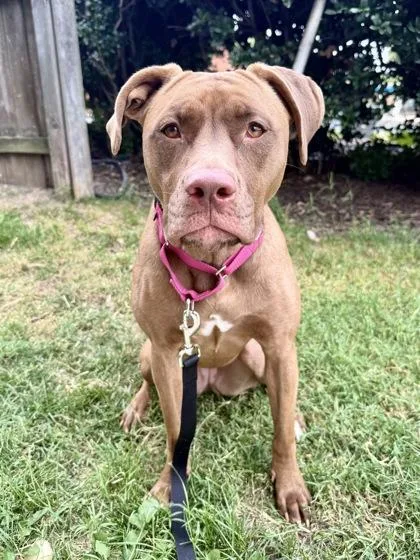
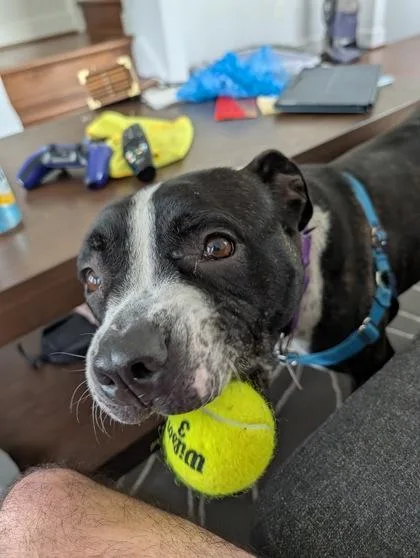
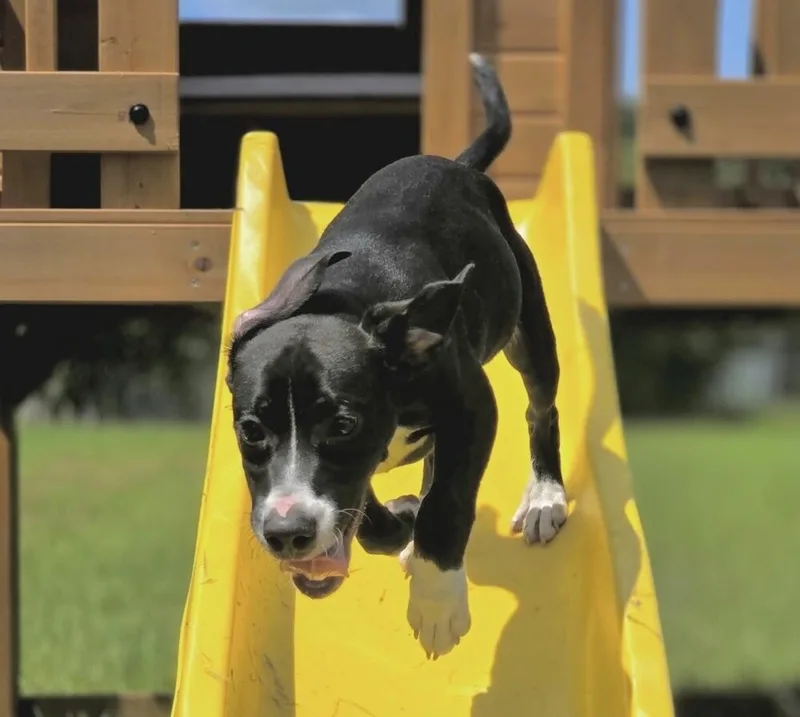
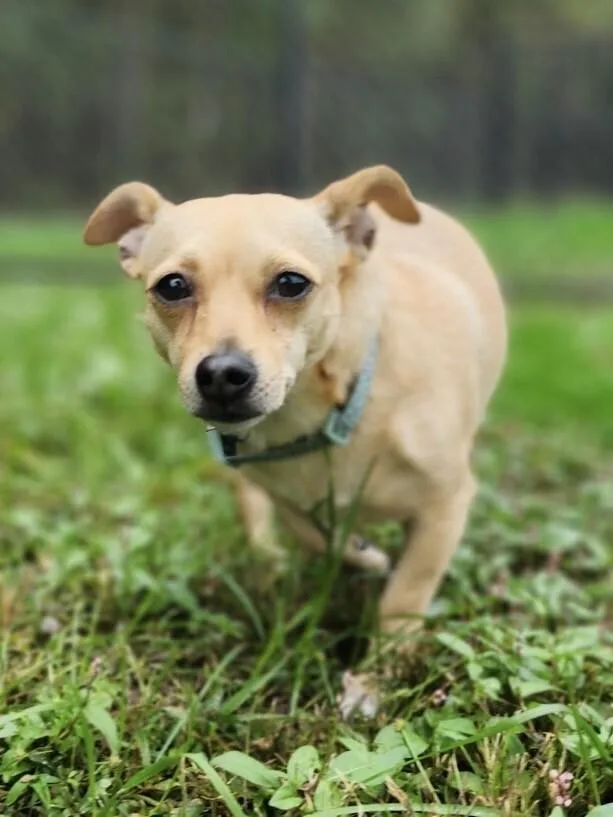
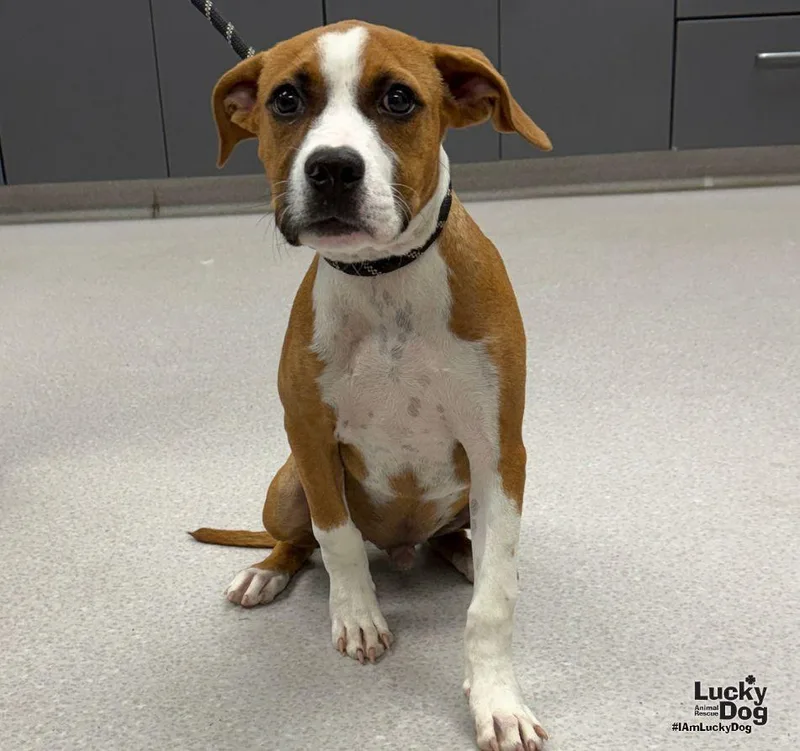
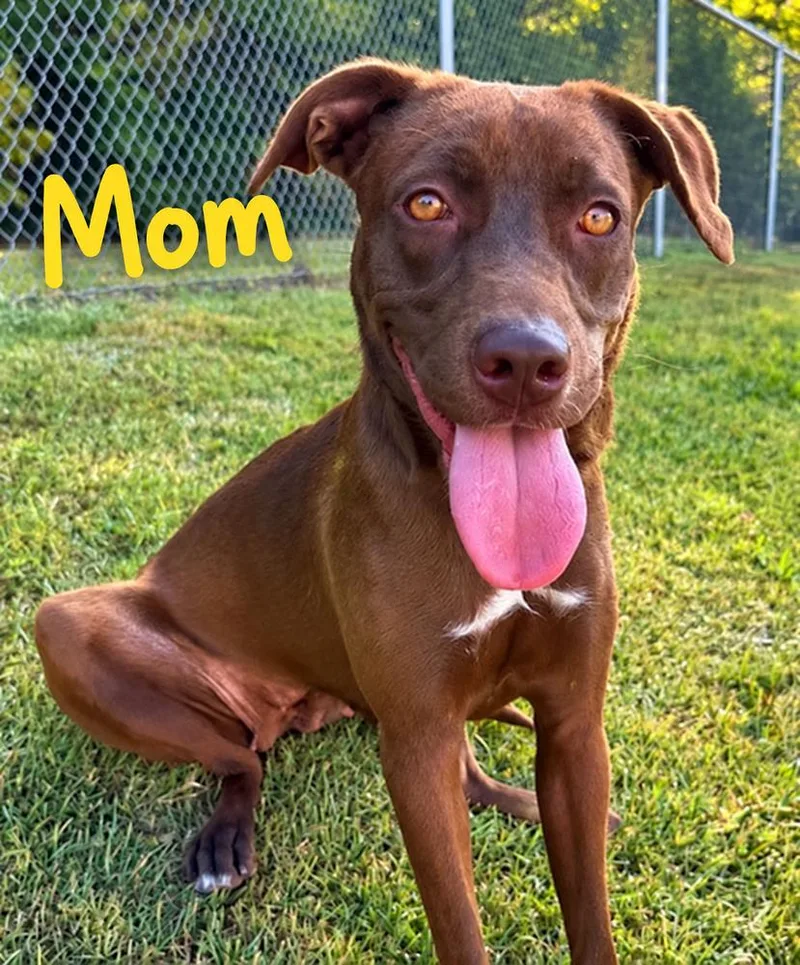
Cattle Dogs for Adoption in Washington, DC

Your guide to finding and caring for a Cattle Dog in DC

Cattle Dogs suit DC best when their people are out the door early and often. A dog with that much stamina can burn off energy on the Metropolitan Branch Trail near Brookland or on the wooded paths of Fort Dupont Park in Southeast. Cattle Dogs usually bond hard with one household and stay watchful with strangers, which works fine on a quiet Petworth block once they've had a long walk. They're clever, so give them a job, like a training game or fetch before work.

2069 Cattle Dogs available in Washington and nationwide

Fall for a Cattle Dog

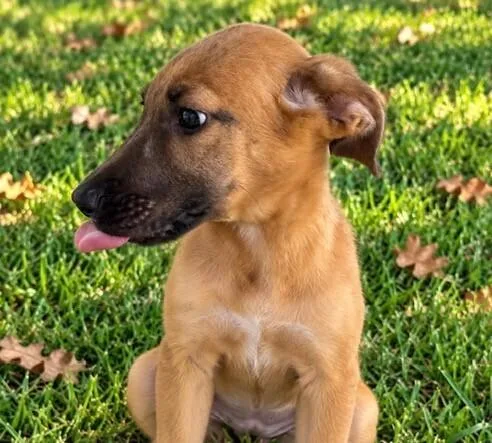
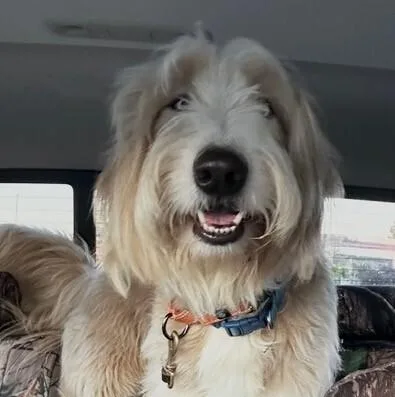
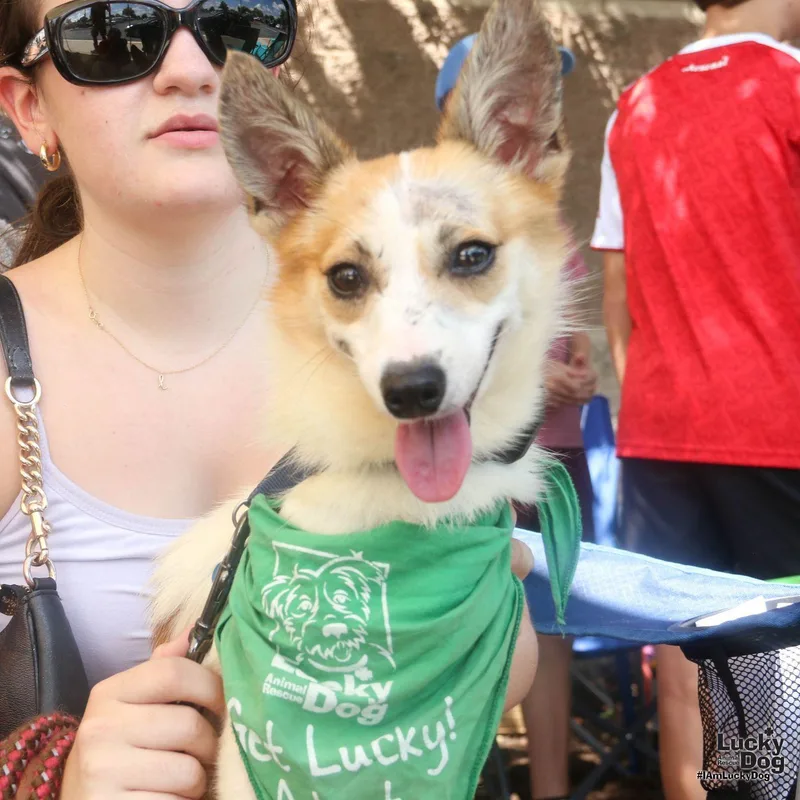
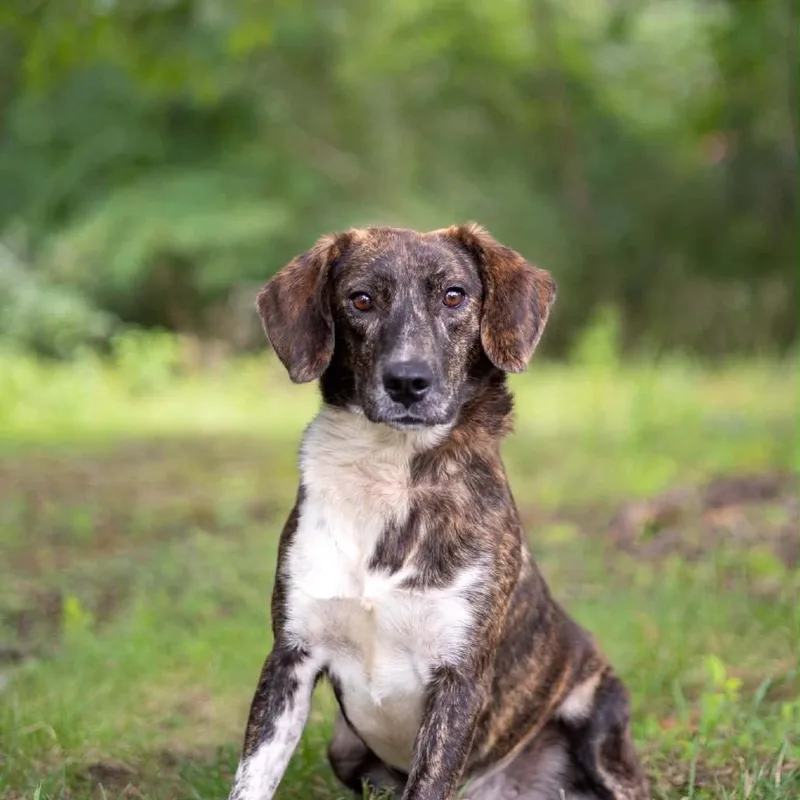
Cattle Dogs Available for Adoption Near Washington

About the Cattle Dog breed

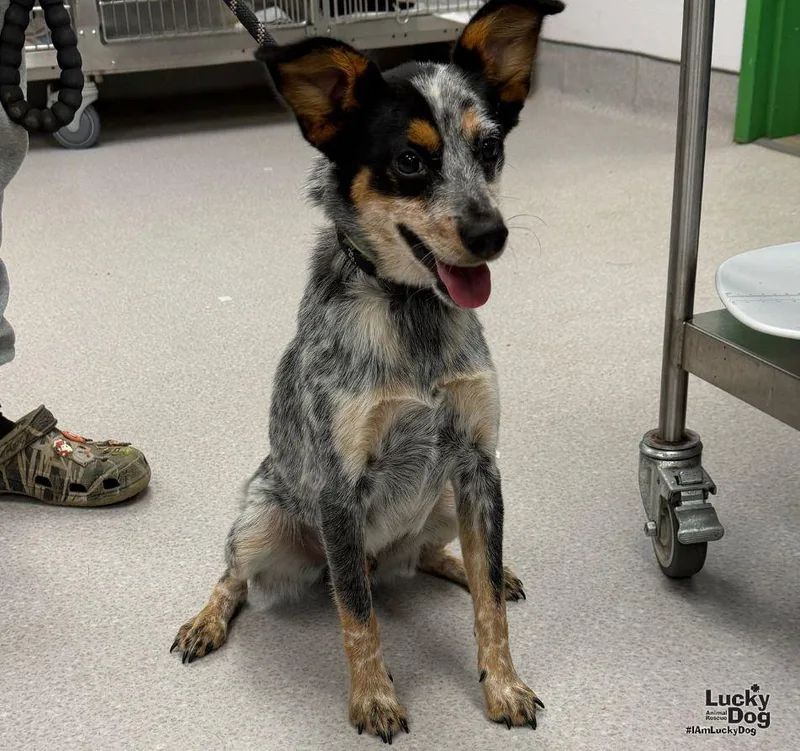
Cattle Dog is a label more than a single breed. Most dogs carrying it are Australian Cattle Dogs, known as Blue or Red Heelers, or mixes with one. The breed was developed in Australia to drive cattle by nipping at their heels, and it shows: medium, muscular, short-coated dogs that run on stamina and a sharp mind.

In DC, that means a dog who does best with daily structure: a long morning outing, some training or puzzle work, and a household that's home enough to include them. Many stay reserved with strangers and may try to herd bikes, joggers or kids, so leash manners matter on crowded sidewalks. Mixes vary in size, energy and coat, so how a dog behaves day to day tells you more than the label does.

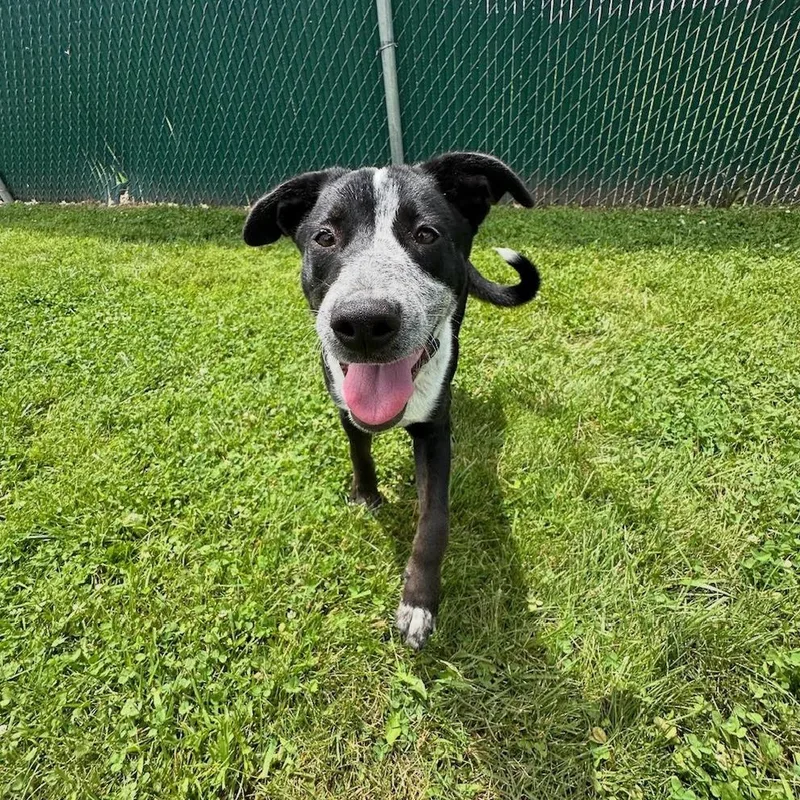
Weight
30–50 lbs
Height
17–20 in
Lifespan
12–16 yrs
Temperament
Energetic, Loyal, Intelligent, Protective
Group
Herding
Shedding
Moderate

Owning a Cattle Dog in Washington

Having a Cattle Dog in DC

Cattle Dogs are working-minded, fast learners with plenty of endurance, and that shapes city life more than their size does. Expect a dog that needs both physical exercise and mental work, and that does best with a clear daily routine.

Temperament

Cattle Dogs tend to be loyal, alert and closely attached to their household, often reserved with strangers. Many try to herd by nipping at heels, bikes or running kids, and some guard their space. On busy DC sidewalks, early socialization and calm leash training help. Mixes vary, so watch how each dog reacts to kids, dogs and cats.

Exercise Needs

Plan on at least an hour of vigorous activity a day, plus mental work such as puzzle toys, scent games or training. In DC that could be a brisk loop on the Metropolitan Branch Trail, fetch at a fenced DPR dog park, or a leashed hike at Fort Dupont. A tired Cattle Dog usually settles well indoors.

Health Considerations

Australian Cattle Dogs and their mixes are often hardy, but congenital deafness, progressive retinal atrophy, lens luxation and joint problems can occur, and athletic dogs sometimes tear ligaments. A veterinarian can check hearing, eyes and hips after adoption. DC requires rabies and distemper vaccines after four months, so keep those current and keep the dog lean.

Living Space

Cattle Dogs can do well in DC rowhouses and apartments if daily exercise is dependable, since routine matters more than square footage. A fenced yard helps, but bored dogs can dig or escape, so check gates. Expect a dog that wants to stay near you indoors rather than be left alone for long stretches.

What it costs to own a Cattle Dog in Washington

ExpenseTypical costPer year
Adoption fee$400 to $500, one time$400 to $500 in year one
Food$35 to $70 per month$420 to $840
Pet insurance$45 to $85 per month$540 to $1,020
Routine vet care$225 to $450 per year$225 to $450
Other*$440 to $1,200 per year$440 to $1,200
Estimated yearly total (after year one)$1,625 to $3,510
First-year total (with adoption fee)$2,025 to $4,010

Adoption fee is the range of fees on Cattle Dog listings in Washington on GetBuddy today. Other costs are estimates and vary with size, age and health.

* Flea, tick and heartworm prevention, a dental cleaning allowance, the DC dog license ($15 spayed or neutered, $50 otherwise), durable toys and bedding, and light home grooming.

Adopt a Cattle Dog in Washington.

Now that you know more, let’s find you a new best friend. These rescues and shelters below currently have Cattle Dogs available.

Rescues in Washington with Cattle Dogs Available

DC's adoption community includes the city shelter and several foster-based rescues, all working to match dogs with the right homes. Here are the rescues & shelters in the DC area where you can find Cattle Dogs and other dogs available for adoption.

Frequently Asked Questions

Yes. DC has no breed-specific rules, and its dangerous-dog law looks at a dog's behavior, not its breed. You'll need rabies and distemper vaccines after four months, an annual DC license, and a leash anywhere outside an official dog park. Since Cattle Dogs are often mixes, the label won't change any of that.

Yes, if the exercise is dependable. Many DC apartments and rowhouses work for a medium Cattle Dog that gets an hour or more of vigorous activity plus puzzle toys or training. Without that, boredom shows up as barking, chewing or nipping. Pick a building near a trail or fenced dog park, and plan a midday break if you work away.

Fenced DPR dog parks such as Walter Pierce, Langdon and Texas Ave suit off-leash fetch, with a DC license, vaccinations and a dog-park tag required. For longer outings, Rock Creek Park, Fort Dupont Park and the Anacostia Riverwalk Trail allow leashed dogs, six feet or shorter. Cattle Dogs enjoy variety, so rotate routes.

Yes, with care. Cattle Dogs are fairly heat-tolerant, but DC summers are humid and about 40 days a year hit 90°F. Exercise at dawn or after dark, bring water, and skip midday runs. DC law bars leaving a dog outside unattended more than 15 minutes above 90°F, and parked cars are never safe.

Usually not. Metro trains and buses only allow pets in a closed carrier small enough to carry, and it can't take a seat. A 30 to 50 pound Cattle Dog won't fit, though service animals ride unconfined. The DC Streetcar requires a crate too, so plan neighborhood walking routes instead.

Sometimes, on patios only. DC law lets restaurants and bars choose to allow dogs on outdoor patios and sidewalk cafés, and they must post a sign. Dogs stay leashed and attended, and indoor dining rooms remain off-limits. Since many Cattle Dogs are reserved with strangers, pick a quiet corner and bring a chew.

Very little. The short double coat needs a weekly brush, and more often in spring and fall when it sheds heavily. Humid summers and winter salt call for quick wipe-downs of coat and paws. Most owners groom at home, which is why the Other cost line only counts light home grooming, not regular salon visits.

Most cattle dogs live about 12 to 16 years, and many Australian Cattle Dogs reach 13 or 14. Mixes can fall anywhere in that range. Keeping a dog lean, active, vaccinated and up to date on veterinary exams supports a long life, though no breed label can promise a particular lifespan for a particular dog.

We have 2 rescues with Cattle Dogs available: Lucky Dog Animal Rescue and K-9 Lifesavers. You can see every rescue with Cattle Dogs available in the list above these questions, or scroll to the top to see the Cattle Dogs near Washington.

Plan on roughly $1,625 to $3,510 a year for food, insurance, routine vet care and other costs, before any adoption fee. Food runs $35 to $70 a month and insurance $45 to $85. Routine vet care is $225 to $450 a year, and other costs run $440 to $1,200, including the DC dog license.