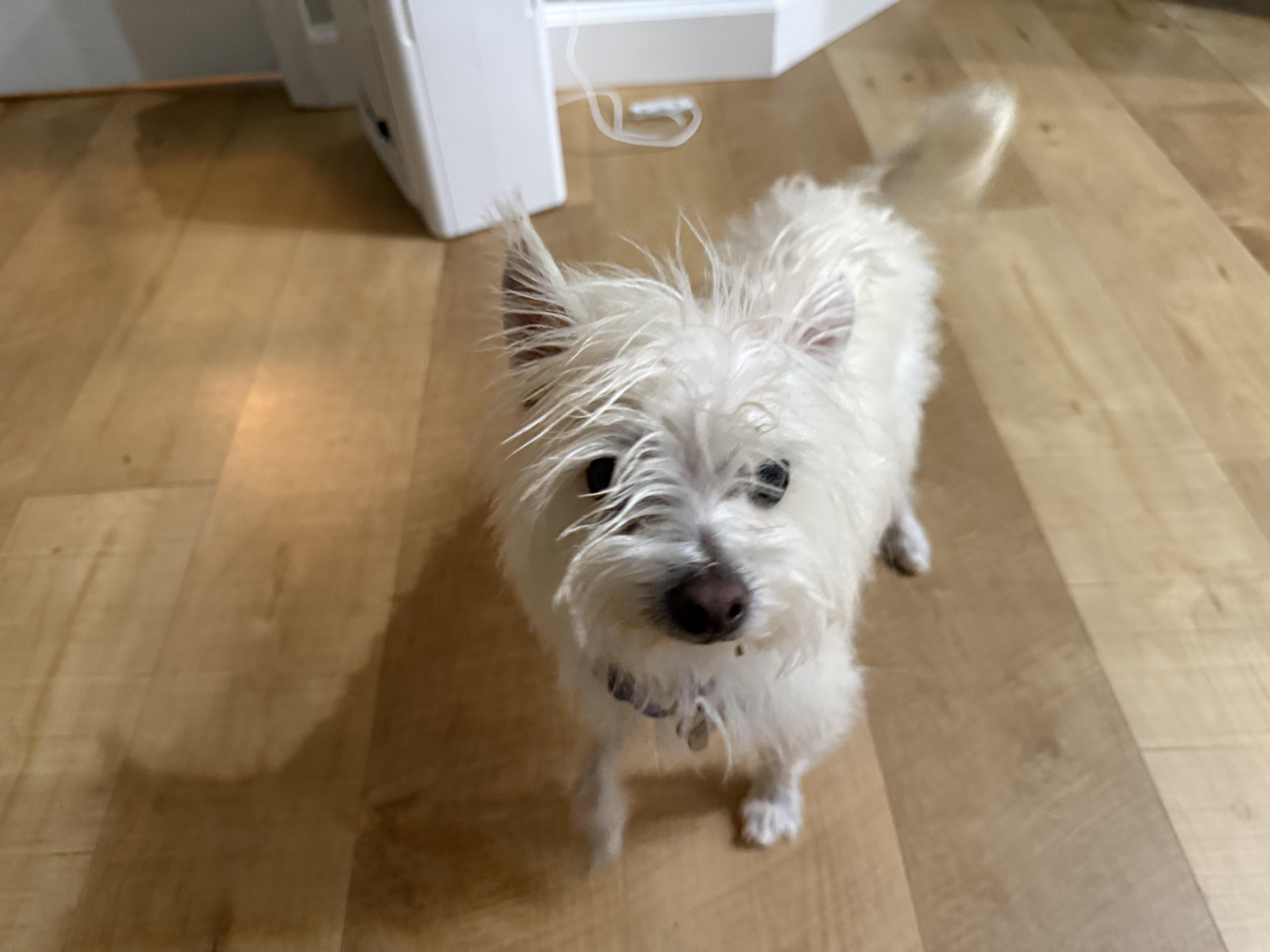
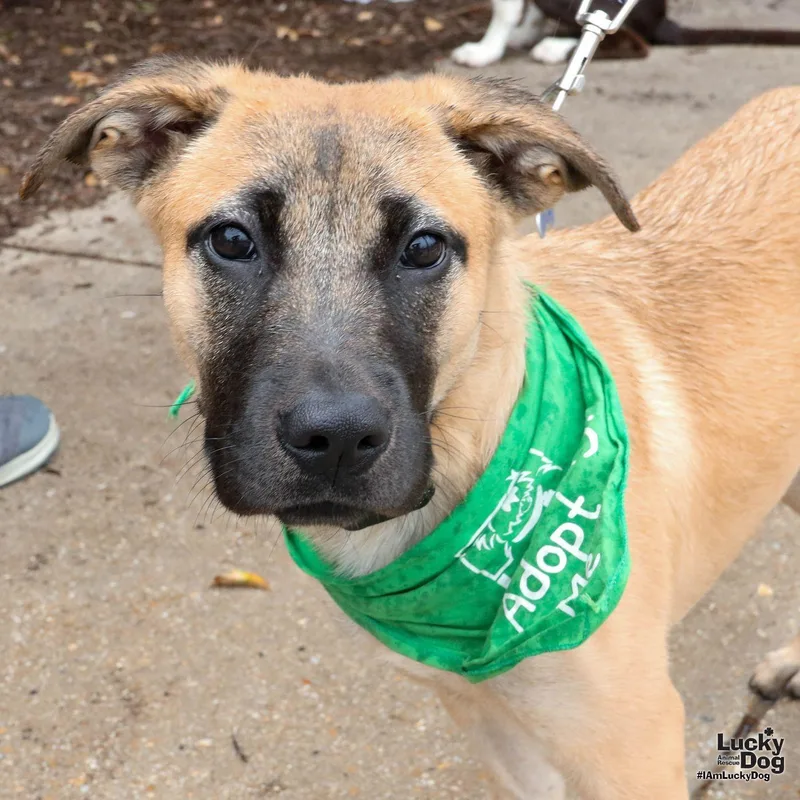
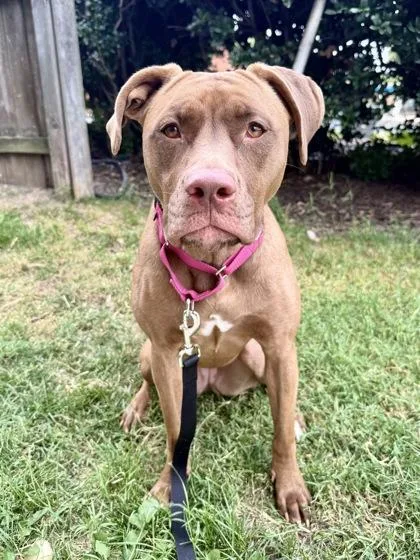
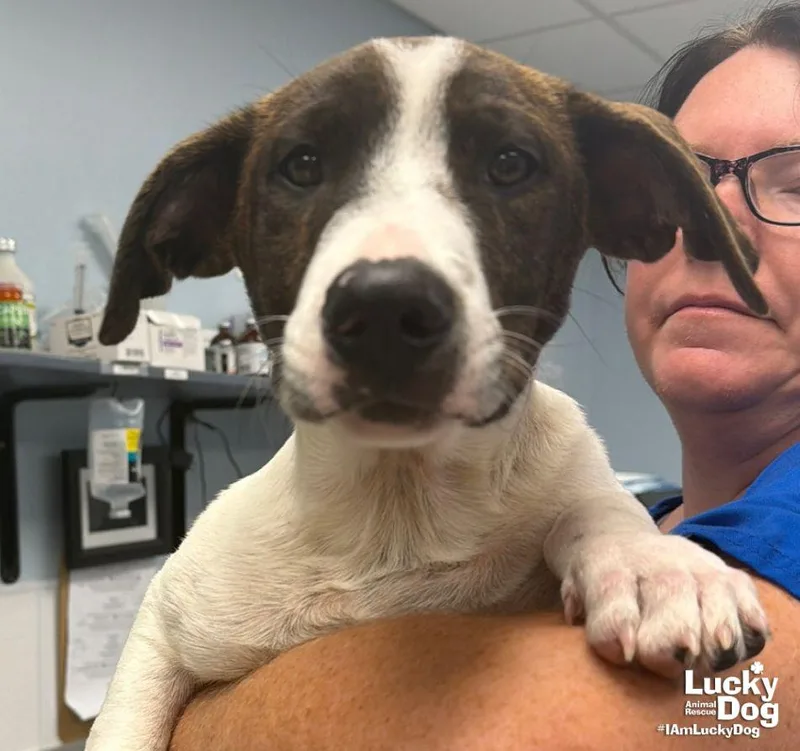
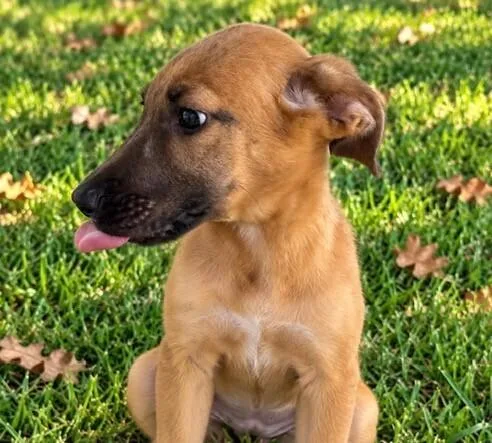
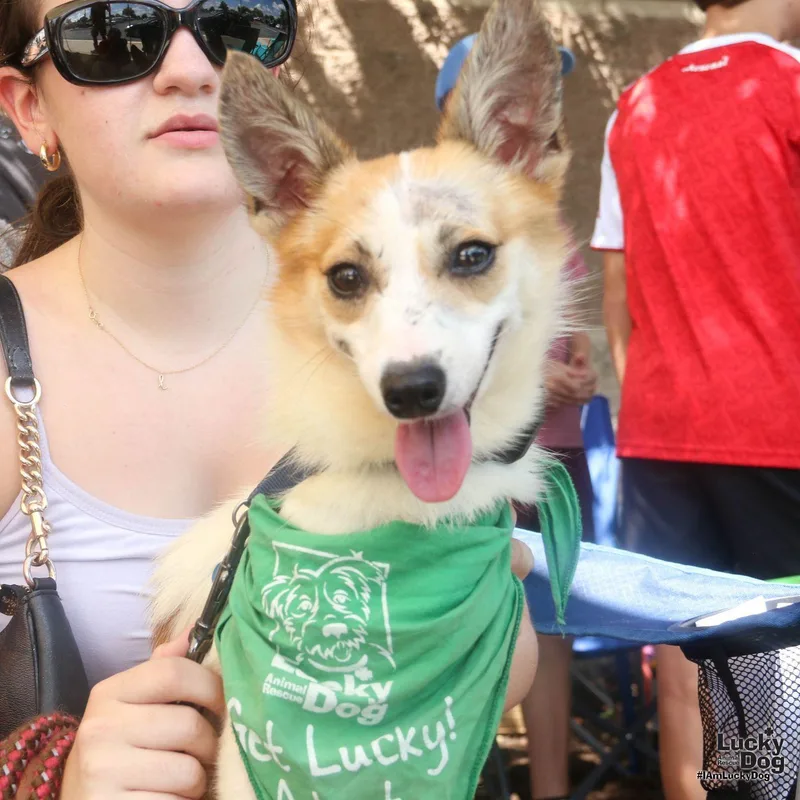
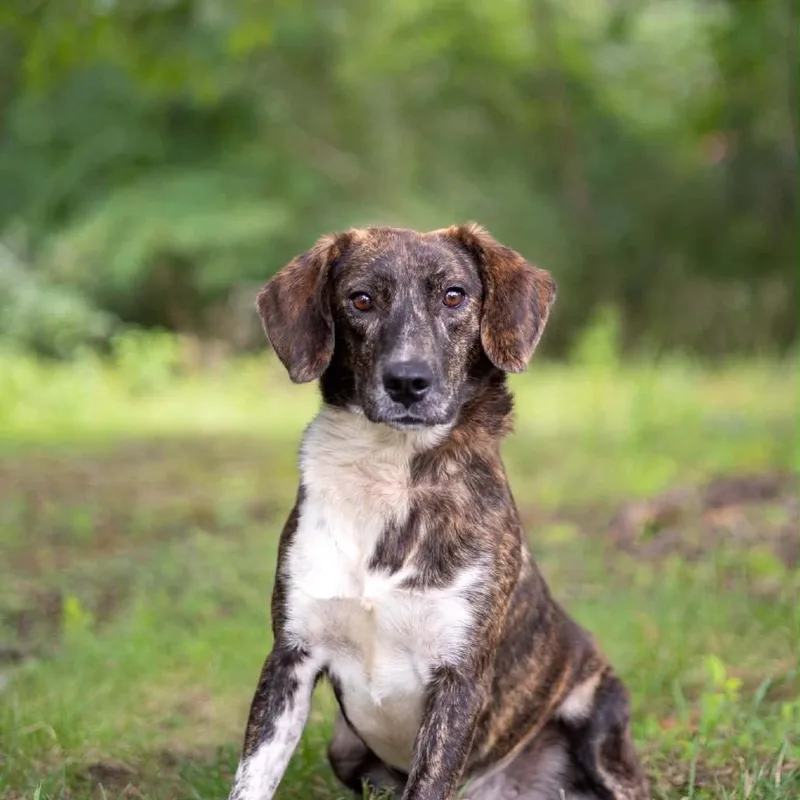
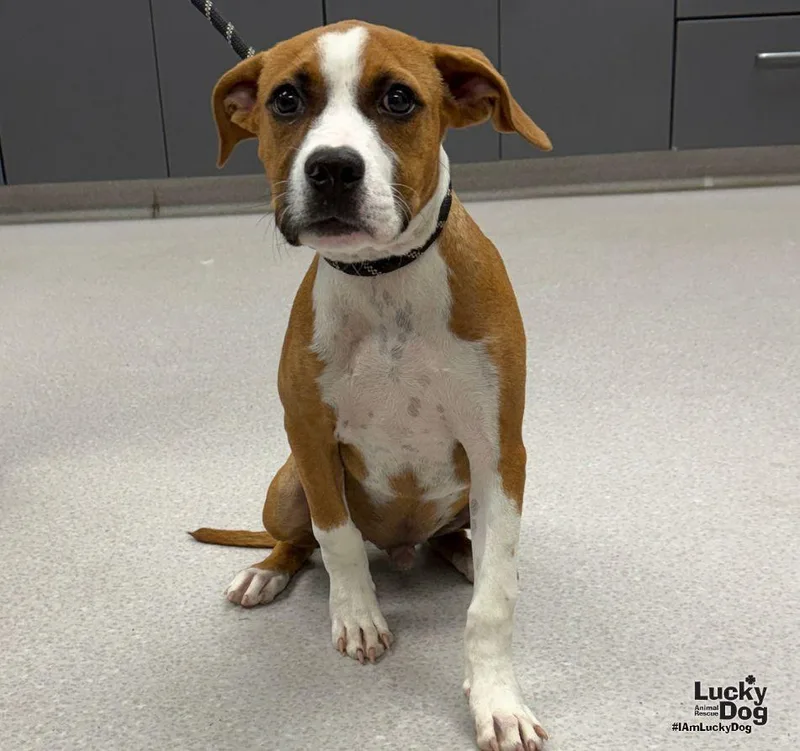
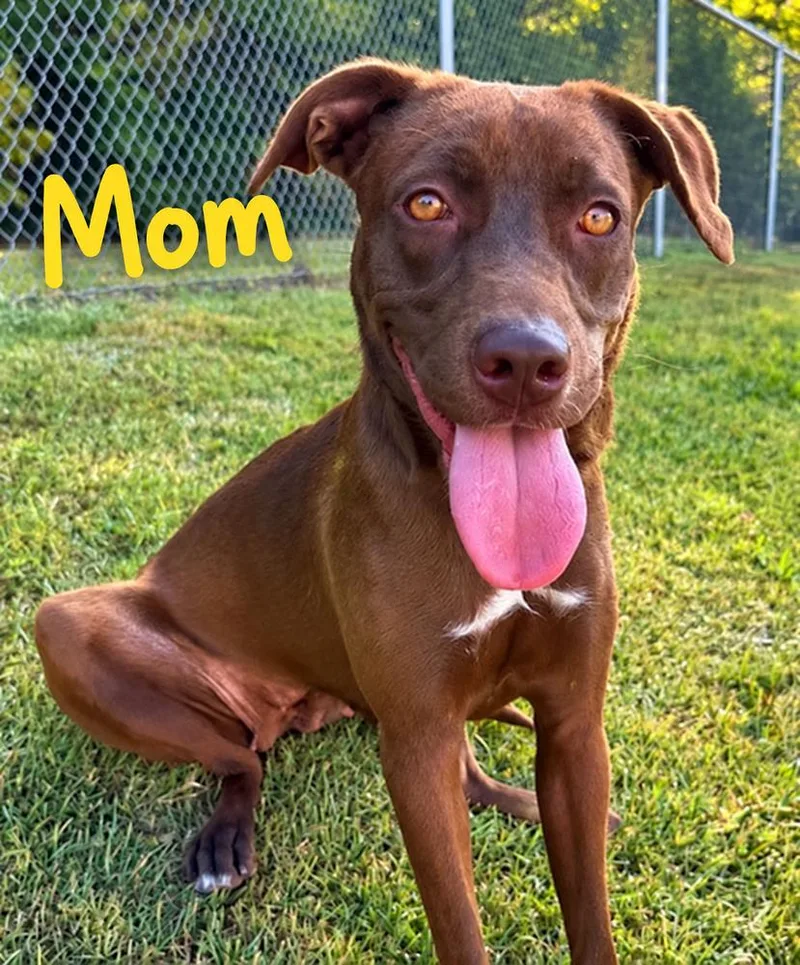
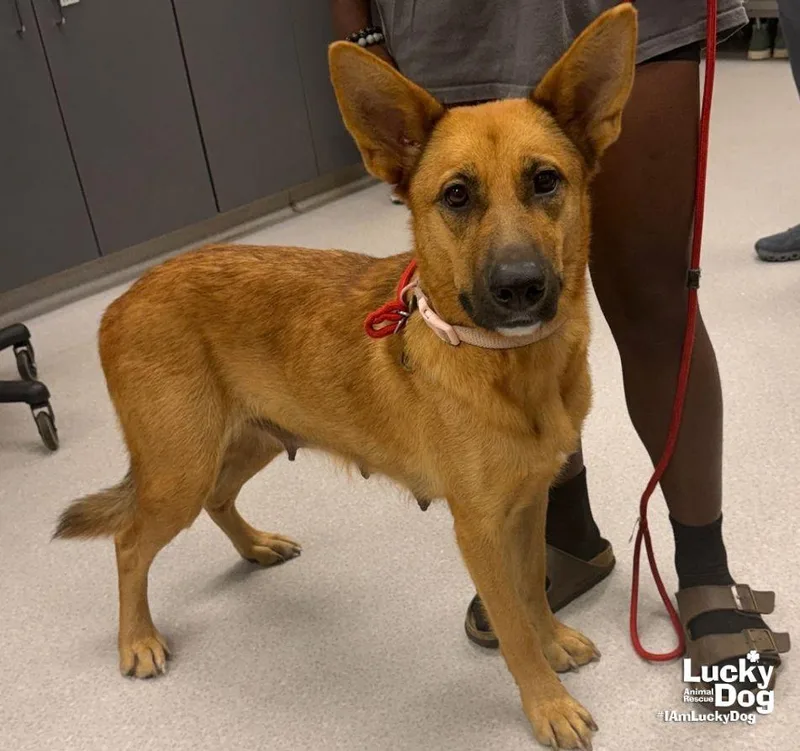
Border Terrier Dogs for Adoption in Washington, DC

Your guide to finding and caring for a Border Terrier in DC

Border Terriers fit DC's rowhouse neighborhoods well, since they're small but happy to cover real ground. In Mount Pleasant, a Border can do a morning loop along the wooded streets that run into Rock Creek Park and still be content on a porch-front stoop afterward. They like company and a job, even if the job is sniffing every tree. Expect a dog that wants a daily walk and plenty of time with you, and one that will chase a squirrel if the leash goes slack.

173 Border Terriers available in Washington and nationwide

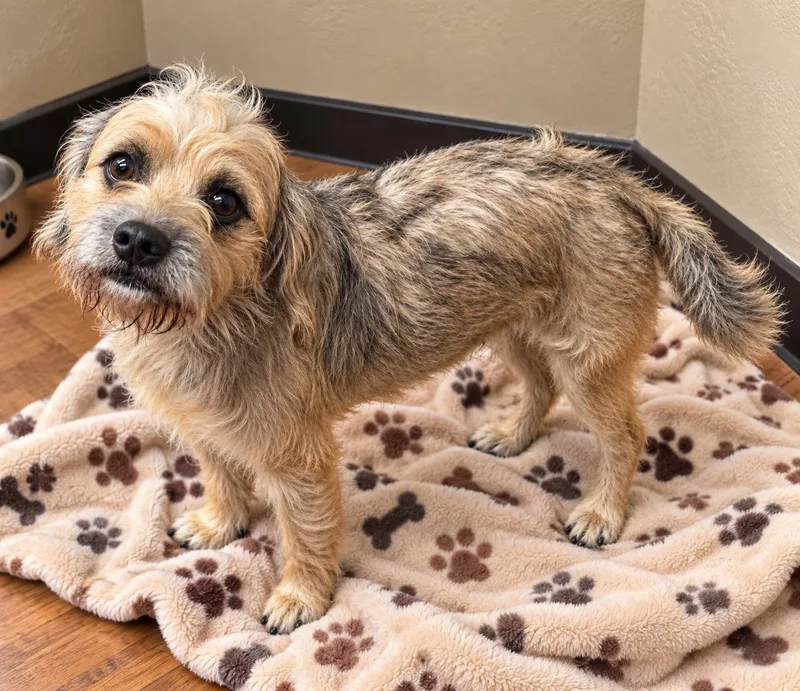
Say hello to your Border Terrier

While we don't have enough dogs near Washington, keep in mind that many rescues may offer transport.

Border Terriers Available for Adoption Near Washington

About the Border Terrier breed

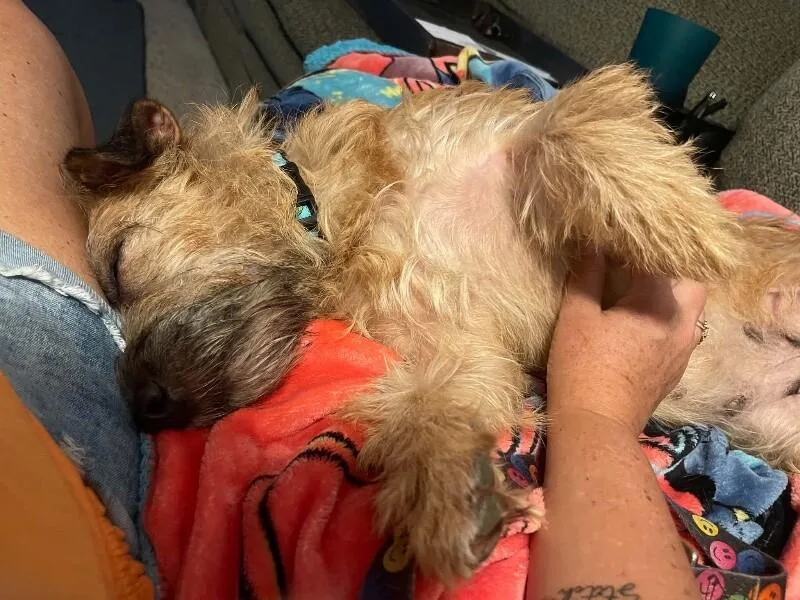
Border Terriers come from the hill country along the English-Scottish border, where they worked as terriers: small enough to follow a fox underground, long-legged enough to keep pace with horses. That history shows in the otter-shaped head, the harsh wiry coat and a body built for stamina. Colors run red, wheaten, grizzle and tan, or blue and tan.

Many Borders are affectionate and easygoing with their people, and often less scrappy than other terriers, but they keep a strong urge to chase and dig. In DC, that means a secure harness and a firm grip on the leash near squirrel-heavy parks. The coat sheds lightly to moderately and stays neat with hand stripping a few times a year. Many live well into their teens, so adopting one is a long commitment.

Weight
11–16 lbs
Height
11–16 in
Lifespan
12–15 yrs
Temperament
Affectionate, Spirited, Bold
Group
Terrier
Shedding
Low to Moderate

Owning a Border Terrier in Washington

Having a Border Terrier in DC

A Border Terrier pairs a working terrier's stamina with a people-loving nature. Prey drive, a wiry coat and a few breed-linked health conditions shape daily life more than size does, and each one matters on busy city blocks.

Temperament

Many Borders are affectionate, playful and sociable, and plenty get along with other dogs. Terrier instincts remain: a squirrel or rat on a DC sidewalk can trigger a chase, and recall may vanish when a scent takes over. Gentle, consistent training works better than harsh correction. Each dog's history and socialization shape how it handles busy streets.

Exercise Needs

Plan on a solid daily outing, such as a brisk walk or a hike, plus time to sniff. DC's trails and fenced dog parks give a Border room to move, and puzzle toys and scent games fill in on busy days. Keep the dog leashed or fenced, since prey drive can override recall.

Health Considerations

Borders are generally long-lived, but the breed has documented risks for canine epileptoid cramping syndrome (episodes of trembling and stiffness), gallbladder mucocele, epilepsy and hypothyroidism. Hip and kneecap problems occur occasionally. Regular checkups and current rabies and distemper vaccinations are a good baseline, and a veterinarian can evaluate any repeated episodes.

Living Space

A Border adapts well to DC's many rowhouses and apartments if it gets daily exercise and company, though long days alone are harder for the breed. A small yard helps, but Borders dig and squeeze through gaps, so check fences and supervise outdoor time. Compact size suits small floor plans.

What it costs to own a Border Terrier in Washington

ExpenseTypical costPer year
Adoption fee$500, one time$500 in year one
Food$20 to $45 per month$240 to $540
Pet insurance$35 to $70 per month$420 to $840
Routine vet care$200 to $400 per year$200 to $400
Other*$840 to $2,200 per year$840 to $2,200
Estimated yearly total (after year one)$1,700 to $3,980
First-year total (with adoption fee)$2,200 to $4,480

Adoption fee is the fee on Border Terrier listings in Washington on GetBuddy today. Other costs are estimates and vary with size, age and health.

* The DC dog license, flea, tick and heartworm prevention, a dental cleaning allowance, toys and bedding, and hand stripping of the wiry coat.

Adopt a Border Terrier in Washington.

Now that you know more, let’s find you a new best friend. These rescues and shelters below currently have Border Terriers available.

Rescues in Washington with Border Terriers Available

DC's shelters and foster-based rescues list their adoptable dogs here, and the listings change often. Here are the rescues & shelters in the DC area where you can find Border Terriers and other dogs available for adoption.

Frequently Asked Questions

Yes, DC has no breed-specific ban, so a Border Terrier is treated like any other dog. Get the annual license within 10 days of bringing the dog home, and make sure rabies and distemper vaccinations are current. Households with seven or more animals over four months old also need an animal hobby permit. Read your lease for pet terms before you commit.

Yes, a Border Terrier can do well in a DC apartment when its daily walks and play are reliable. Plan for several leashed potty breaks a day, since many buildings have no yard, and add puzzle toys for rainy days. Borders can get noisy when bored or left alone for long stretches, so a midday walker helps.

Often, yes, for people who walk daily and are home a fair amount. A Border's compact size suits rowhouse blocks, walkable errands and weekend trail time. The tradeoffs are squirrels, a leash that has to stay on, and a dog that dislikes long workdays alone. Borders vary, so watch how a dog reacts to city sights and sounds.

For a longer outing, try Theodore Roosevelt Island, Fort Dupont Park or the Capital Crescent Trail, where national park rules call for a leash of six feet or less. Kingman Island in the Anacostia also allows leashed dogs. Keep a Border close around wildlife, since coyotes have been reported in some DC parkland, and bag all waste.

Yes, with care. Borders are sturdy, but humid DC heat is the bigger challenge for them. When forecasts or the heat index reach 95°F, the city activates its Heat Emergency Plan; on those days keep your Border in air conditioning except for short bathroom breaks. A fan or cooling mat helps, and a parked car is never safe, even briefly.

Only in a carrier. Metrorail and Metrobus allow pets free of charge if they're securely enclosed in a container small enough to carry, and the carrier can't take up a seat. Most adult Borders weigh 11 to 16 pounds, so it's doable but heavy on longer trips. Service animals are the exception, and the DC Streetcar also requires a crate.

Sometimes, on patios only. DC law lets restaurants and bars choose to welcome dogs in outdoor dining areas and sidewalk cafés, and those that do must post a sign outside. Keep your Border leashed or in a carrier and never leave it unattended. Indoor dining rooms are off-limits, and a chew toy helps a terrier settle under the table.

Yes, Border Terriers shed, but usually lightly. Their wiry outer coat holds dead hair until it loosens, then sheds more noticeably a couple of times a year when the coat blows. Hand stripping at those times removes the loose hair and keeps shedding low. Weekly brushing between strips catches the rest and keeps the coat tidy.

We have 1 rescue with Border Terriers available: K-9 Lifesavers. You can see every rescue with Border Terriers available in the list above these questions, or scroll to the top to see the Border Terriers near Washington.

A Border Terrier in DC typically costs about $1,700 to $3,980 a year: food at $20 to $45 a month, insurance at $35 to $70 a month, routine vet care at $200 to $400 a year, and other expenses at $840 to $2,200. Coat care drives the spread, since stripping at home costs far less than a groomer.

Find Border Terriers in Nearby Cities

Expand your search to find Border Terriers available for adoption near Washington.