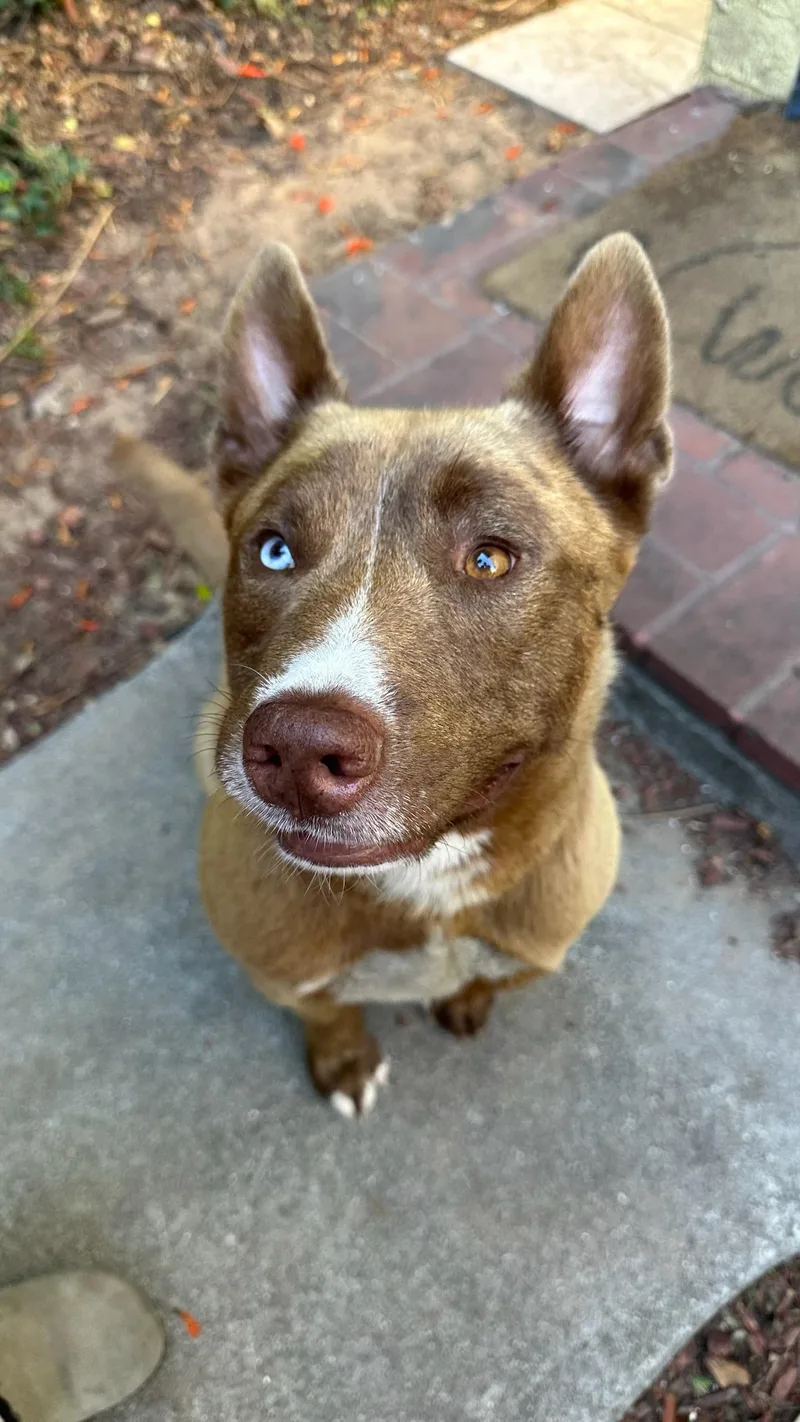
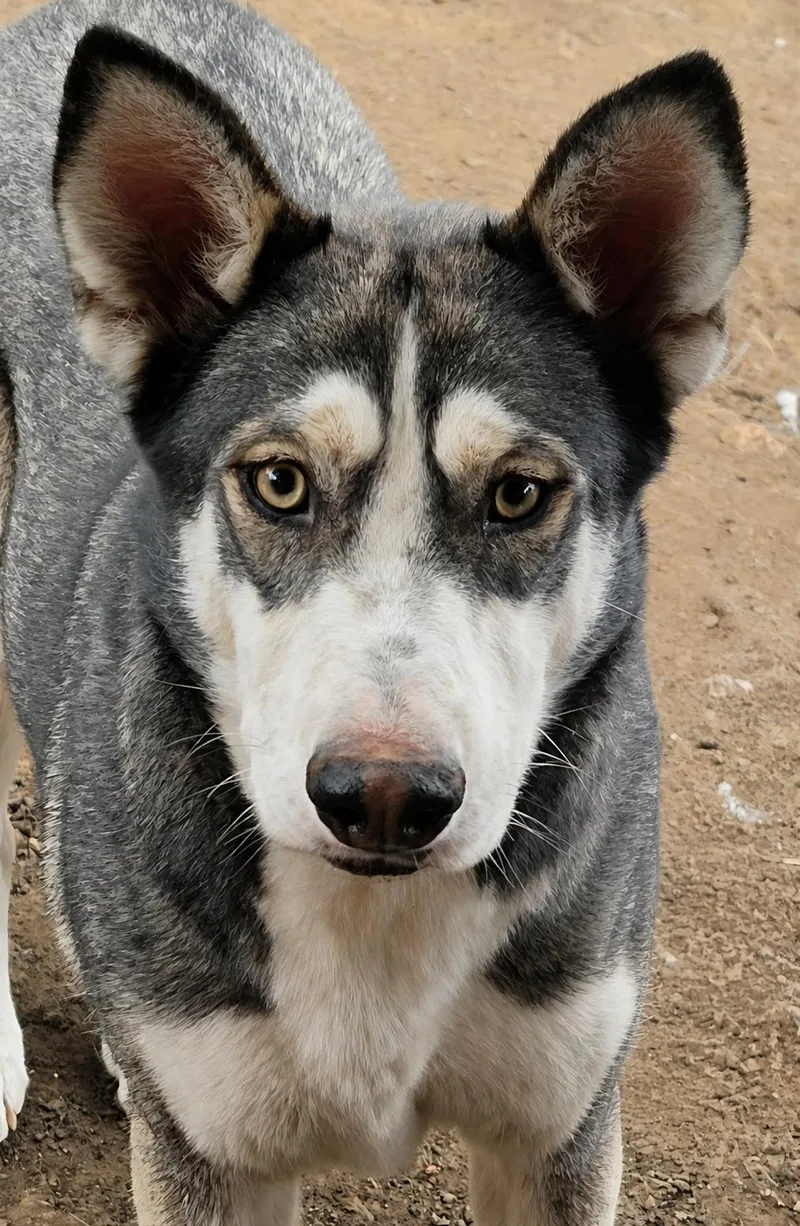
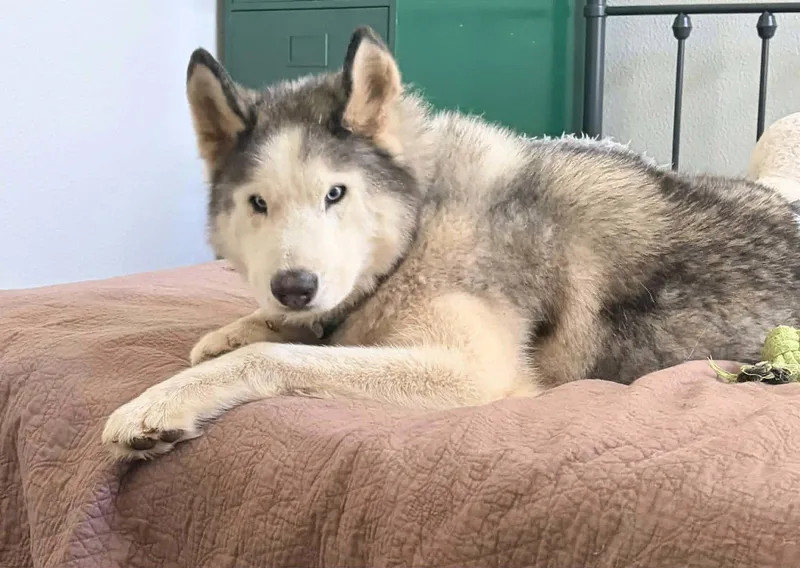
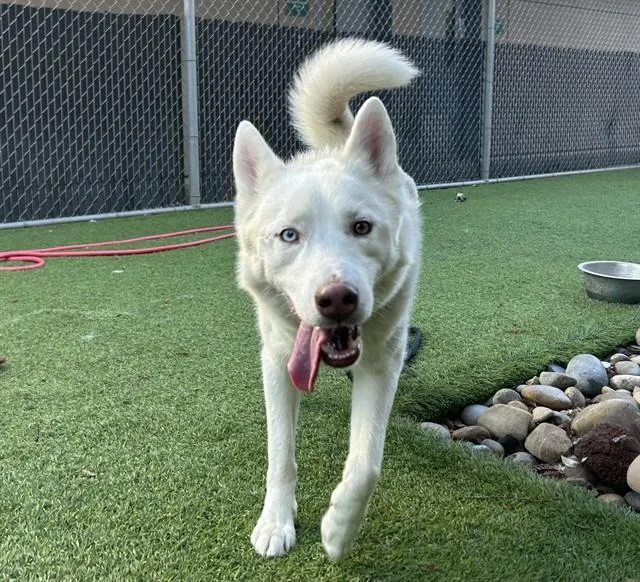
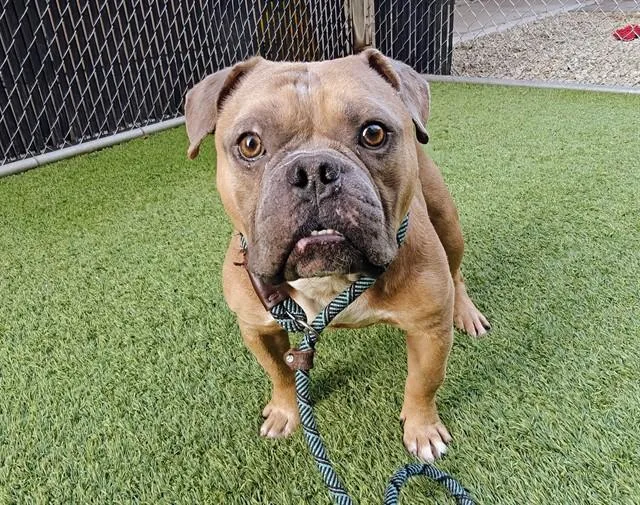
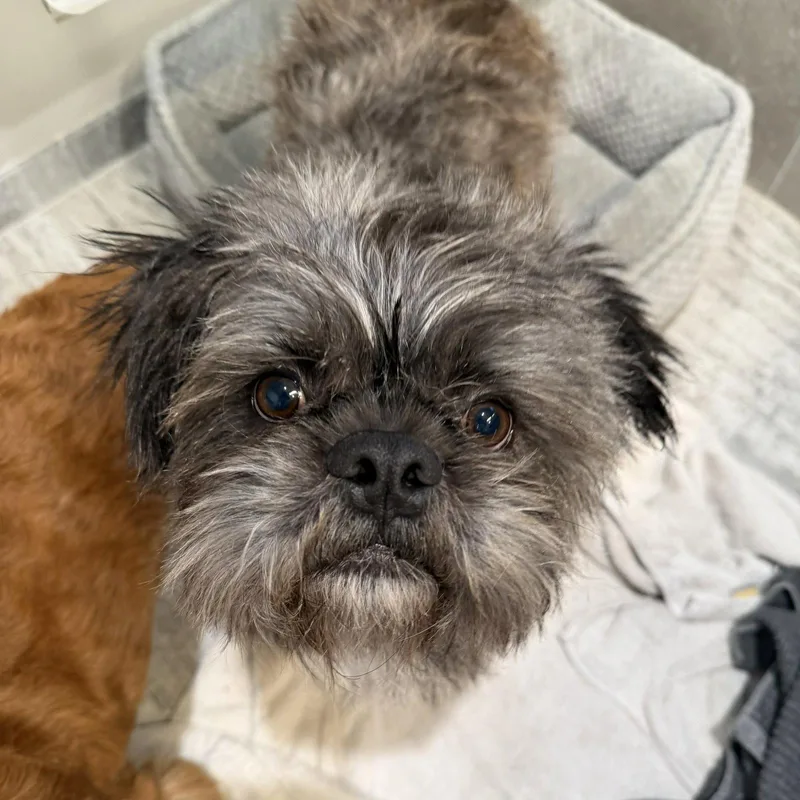
Siberian Husky Dogs for Adoption in San Jose, CA

Your guide to finding and caring for a Siberian Husky in San Jose

Siberian Huskies suit San Jose's creek trails, as long as you can give them a real workout every day. A Husky can stay with you for miles on the Los Alamitos Creek Trail in Almaden Valley or around Almaden Lake, but most can't be trusted off leash, so plan on a harness and a sturdy leash. They do best with people home a lot, whether that's a Willow Glen bungalow with a tall fence or a townhome near Evergreen. Summer afternoons call for early starts.

2459 Siberian Huskies available in San Jose and nationwide

Open your home to a Siberian Husky

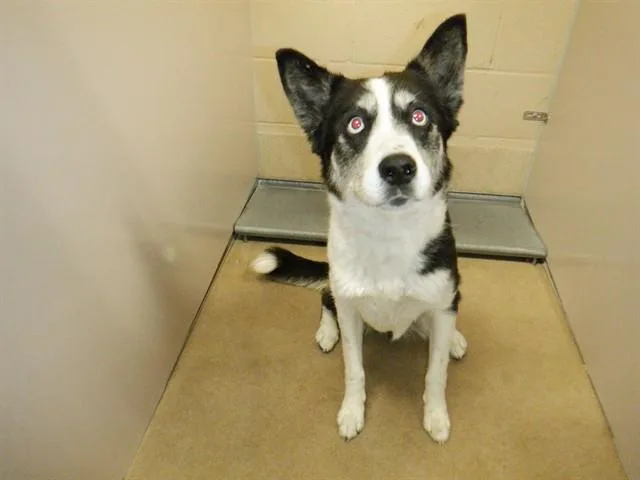
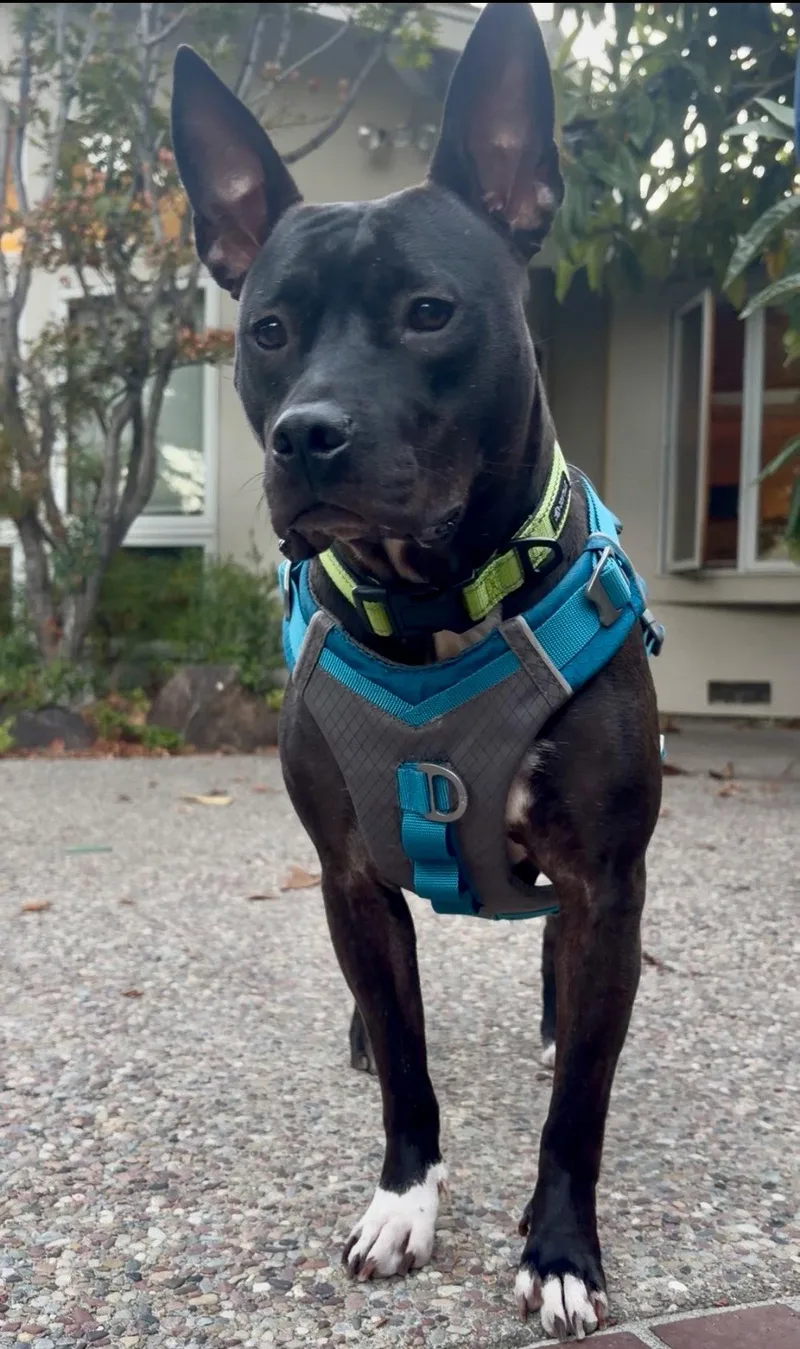
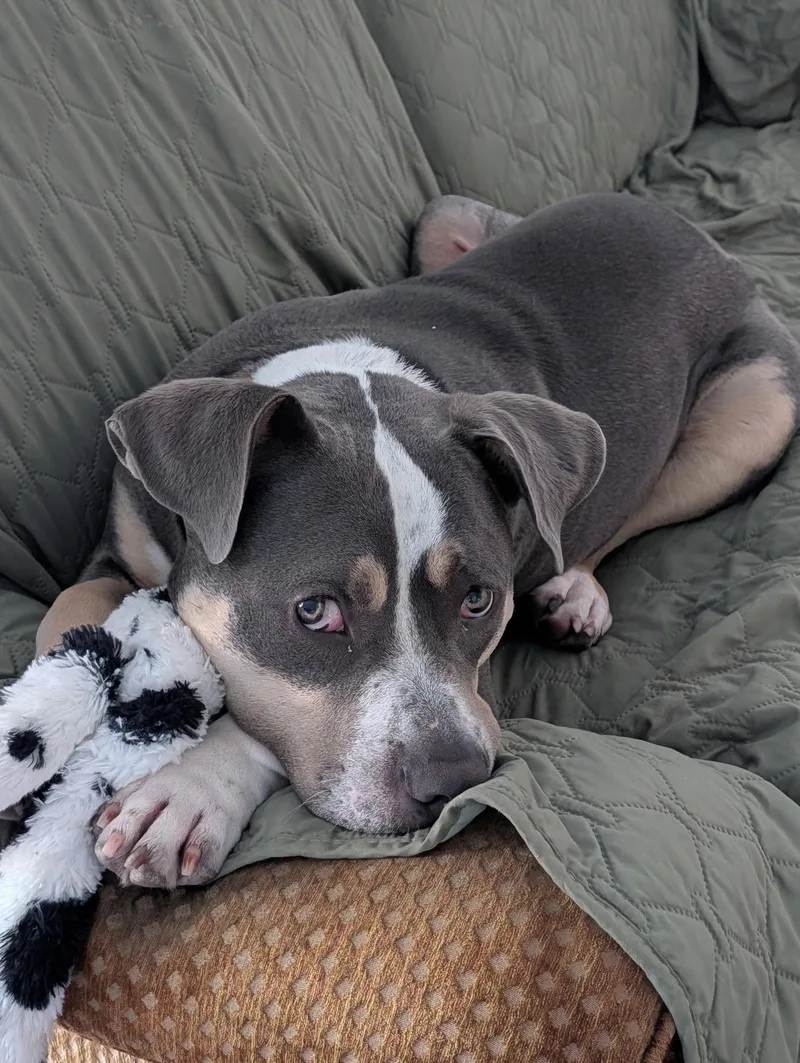
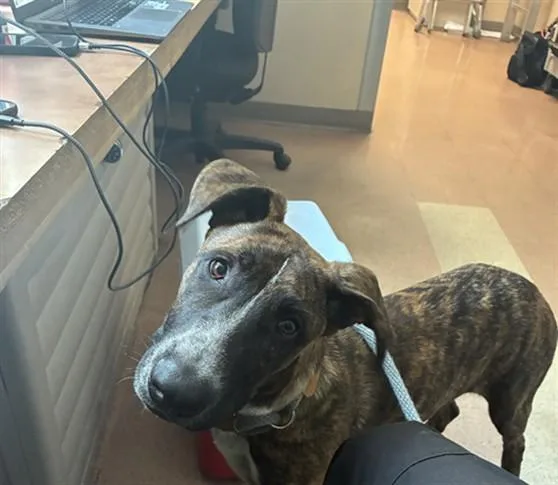
Siberian Huskies Available for Adoption Near San Jose

About the Siberian Husky breed

The Siberian Husky is a medium-sized working dog developed by the Chukchi people of northeastern Siberia to pull light loads over long distances in a team. Huskies reached Alaska in the early 1900s for sled racing and became famous through the 1925 serum run to Nome. Erect ears, a brush tail, a thick double coat and eyes that can be brown, blue or one of each give them a wolf-like look, though they are domestic dogs.

Many Huskies are friendly and playful with nearly everyone, which makes them poor watchdogs but sociable companions. They were bred to run and think for themselves, so expect digging, howling, fence testing and a heavy shed twice a year. In a city of mixed housing like San Jose, that means planning for company, secure containment and daily outings.


Weight
35–60 lbs
Height
20–24 in
Lifespan
11–14 yrs
Temperament
Friendly, Energetic, Independent
Group
Working
Shedding
High

Owning a Siberian Husky in San Jose

Having a Siberian Husky in San Jose

Huskies pair sled-dog stamina with a free-thinking streak. In San Jose, daily trail time, escape-proof fencing and a plan for coat blowouts matter as much as looks when deciding whether a particular Husky fits your routine.

Temperament

Many Huskies are outgoing, gentle and playful, greeting strangers as friends rather than guarding the home, which suits busy San Jose sidewalks and neighbors. They usually enjoy other dogs, but a strong prey drive can put cats and small pets at risk. Independence can look like stubbornness, and each Husky's history with kids, dogs and cats varies.

Exercise Needs

Most Huskies need vigorous exercise every day, such as long walks, jogging, hiking or canicross, plus puzzle toys and training. San Jose's creek trails suit this, though city trails require a leash of 6 feet or less, and few Huskies have reliable recall. Designated off-leash dog parks offer more freedom. Exercise in cooler morning or evening hours.

Health Considerations

Huskies are generally robust, but eye conditions such as juvenile cataracts, corneal dystrophy and progressive retinal atrophy occur, and some develop a zinc-responsive skin condition. A veterinarian can screen eyes and hips and check skin and coat. In San Jose, check ears, paws and coat for foxtails after walks on dry grass from late spring.

Living Space

A Husky can live in a San Jose apartment or condo if exercise happens daily, but a securely fenced yard helps in a house. Many dig under or climb over short fences, so tall or reinforced fencing is common advice. They do best indoors with company, and air conditioning makes warm months safer.

What it costs to own a Siberian Husky in San Jose

ExpenseTypical costPer year
Adoption fee$200, one time$200 in year one
Food$35 to $70 per month$420 to $840
Pet insurance$45 to $85 per month$540 to $1,020
Routine vet care$225 to $450 per year$225 to $450
Other*$555 to $1,420 per year$555 to $1,420
Estimated yearly total (after year one)$1,740 to $3,730
First-year total (with adoption fee)$1,940 to $3,930

Adoption fee is the fee on Siberian Husky listings in San Jose on GetBuddy today. Other costs are estimates and vary with size, age and health.

* The $30 San Jose license for a spayed or neutered dog ($70 if unaltered), flea, tick and heartworm prevention, a dental cleaning, toys and bedding, and brushing tools and baths for coat blowouts.

Adopt a Siberian Husky in San Jose.

Now that you know more, let’s find you a new best friend. These rescues and shelters below currently have Siberian Huskies available.

Frequently Asked Questions

Yes. San Jose has no breed-specific rules, and California law bars breed-specific restrictions beyond spay/neuter and breeding rules. Dogs over 4 months need a license and rabies vaccine, a household can keep at most three dogs, and dogs can't be tethered to a stationary object. Landlords can still set their own pet policies.

Yes, if daily exercise is guaranteed. Huskies tend to howl, and San Jose treats habitual disturbance of the neighborhood's peace as a nuisance, so a quiet building and a dog who isn't left alone for long days matter. Plan two solid outings a day, and read the lease for weight limits.

Usually yes, with precautions. Summers are dry and mostly mild, with hot spells clustered in August and September. Exercise at dawn or dusk, avoid hot pavement at midday, keep shade, water and air conditioning available, and watch for heavy panting, drooling or lethargy, which can signal overheating.

For long leashed outings, try the Los Alamitos Creek Trail in Almaden Valley or the Los Gatos Creek Trail in Willow Glen. Miyuki Dog Park near Santa Teresa and Raleigh Linear Dog Park in Blossom Valley offer off-leash time, but a Husky with weak recall should stay leashed until proven reliable.

Plan on weekly brushing most of the year and daily brushing during the two heavy sheds. Baths are only needed occasionally, and the coat should never be shaved. After foothill or creek walks from late spring, check ears, paws and coat for foxtails. Brushing tools and baths fall under the Other costs line.

Generally no. VTA buses and light rail allow pets only in a fully enclosed carrier small enough for your lap, BART requires an enclosed pet carrier, and Caltrain allows only service animals. A 35-to-60-pound Husky won't fit a carrier, so plan on driving or walking, with service animals as the exception.

It can be for active people who are home often. Creek trails, mild winters and several off-leash dog parks give a Husky room to run, while summer heat, foxtails and smoky days need planning. A Husky left alone through long workdays may howl, dig or escape, so weigh your schedule honestly.

A Siberian Husky is a medium-sized working dog developed as a sled dog in northeastern Siberia. Huskies weigh about 35 to 60 pounds and have a thick double coat, erect ears and often striking blue or mismatched eyes. They are known for endurance, friendliness and independence, and they need plenty of exercise, secure fencing and company to thrive.

We have 2 rescues with Siberian Huskies available: City of San José Animal Care Center and Chester’s Corner Rescue Foundation. You can see every rescue with Siberian Huskies available in the list above these questions, or scroll to the top to see the Siberian Huskies near San Jose.

Expect roughly $1,740 to $3,730 a year for a Husky in San Jose, based on food at $35 to $70 a month, insurance at $45 to $85 a month, routine vet care at $225 to $450 a year, and other costs of $555 to $1,420 a year. Coat blowouts and prevention drive the extras.