Black and Tan Coonhound Dogs for Adoption in San Francisco, CA

Your guide to finding and caring for a Black and Tan Coonhound in SF

A Black and Tan Coonhound suits SF better than you might expect, as long as you plan for the nose and the bay. Indoors these hounds are mellow and happy to sprawl on a couch, which helps in a Glen Park flat or a Parkside house. A slow, sniffing loop around Glen Canyon Park gives them real work. They're loud, though, and a scent can override recall, so every walk stays on a leash. SF's mild weather suits that short coat.

183 Black and Tan Coonhounds available in San Francisco and nationwide

Fall for a Black and Tan Coonhound

While we don't have enough dogs near San Francisco, keep in mind that many rescues may offer transport.

Black and Tan Coonhounds Available for Adoption Near San Francisco

About the Black and Tan Coonhound breed

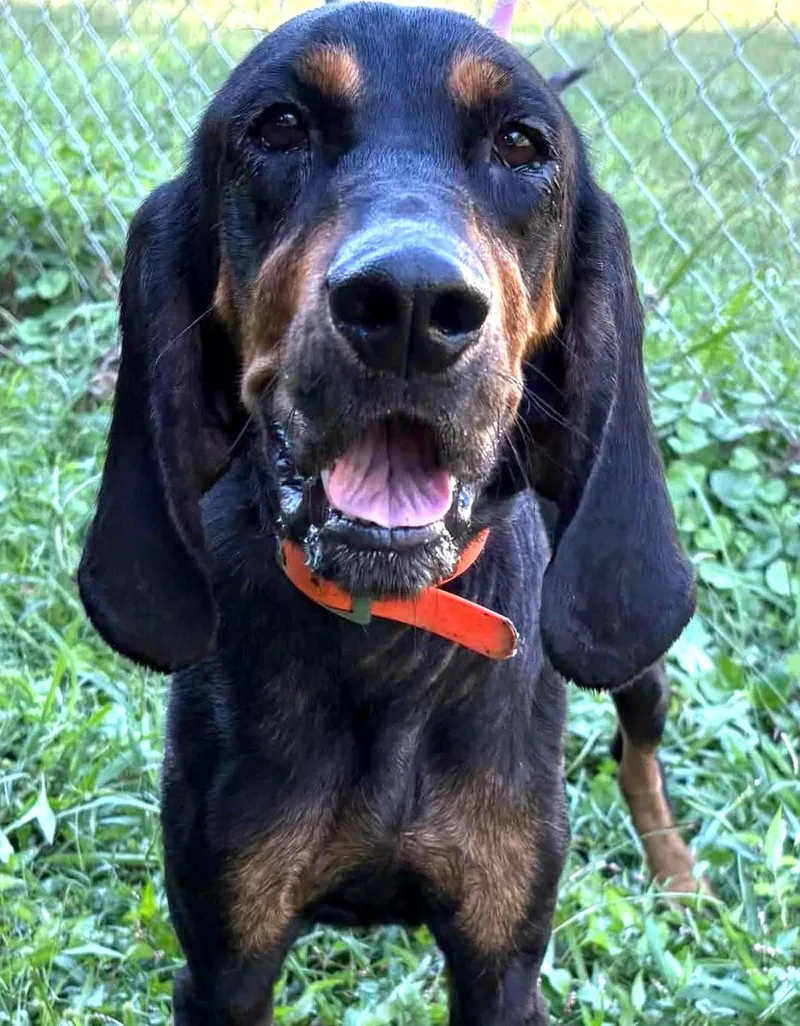
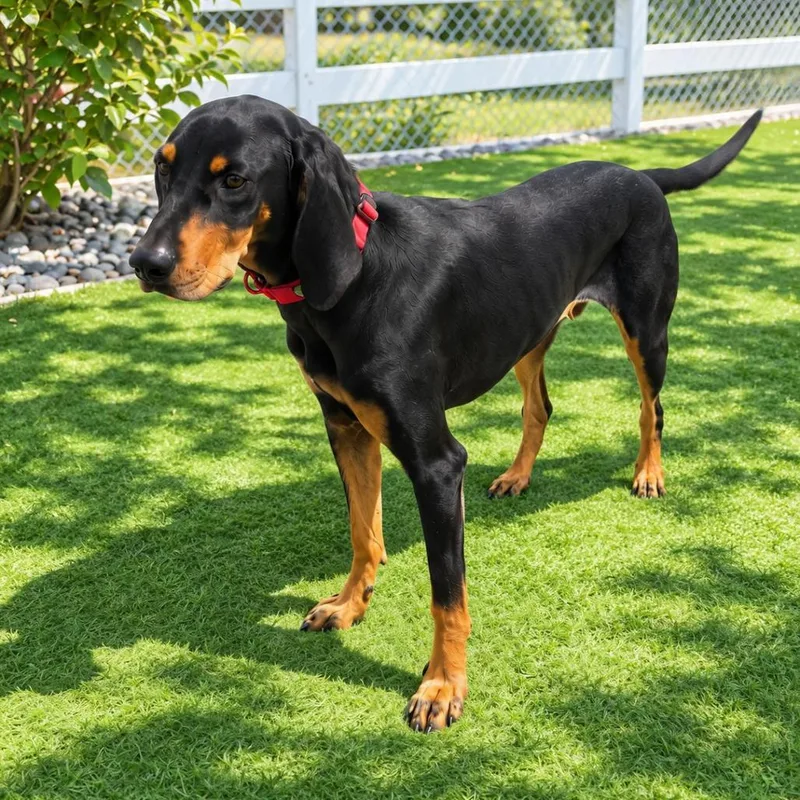
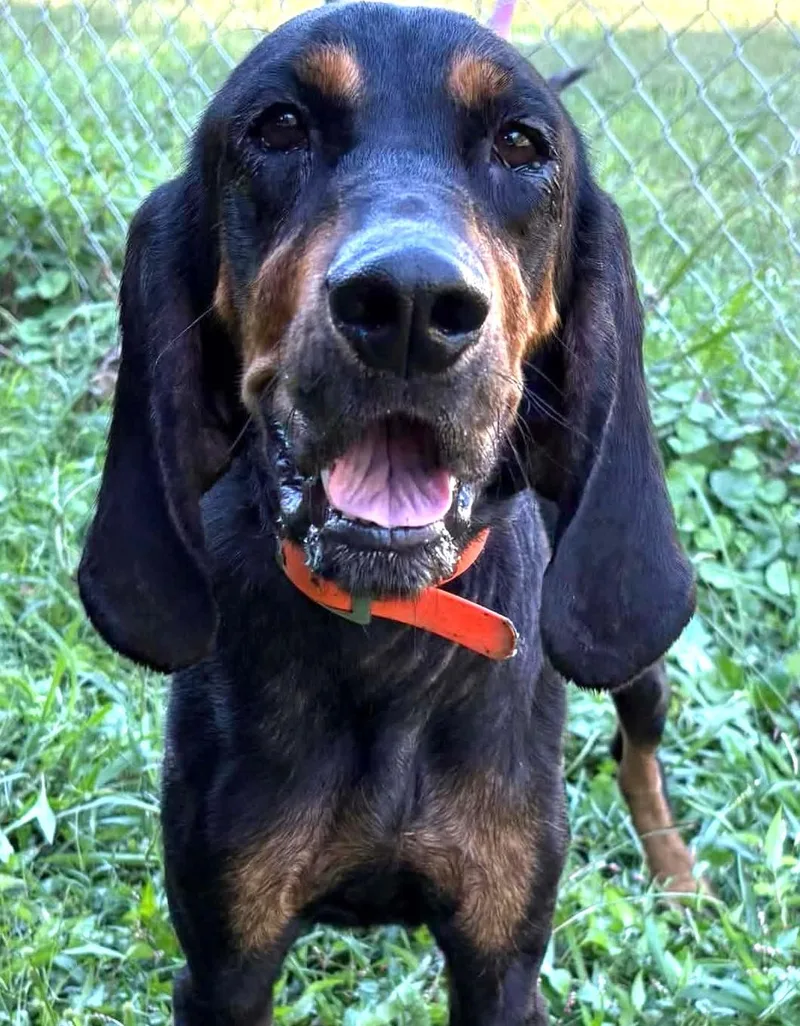
The Black and Tan Coonhound was developed in the American South to trail raccoons by scent at night and bay at the tree until the hunter arrived. It descends from colonial foxhounds with Bloodhound influence, and in 1945 it became the first coonhound breed the AKC recognized. Expect a big, rangy hound with a coal-black coat, rich tan markings and long ears that hang in folds well past the nose. Adults run roughly 50 to 100 pounds, and hunting-type dogs tend to be leaner than show-type ones.

Indoors, many are mellow, friendly and easy to live with. Outdoors, the nose takes over, so plan on a leash for every walk, patience with training and a deep, carrying bay that neighbors will hear through shared walls. Dogs vary, so judge the hound in front of you rather than the breed label.

Weight
50–100 lbs
Height
23–27 in
Lifespan
10–12 yrs
Temperament
Easygoing, Friendly, Vocal
Group
Hound
Shedding
Moderate

Owning a Black and Tan Coonhound in San Francisco

Having a Black and Tan Coonhound in SF

In SF, the big questions for a Black and Tan are volume and roaming. This hound is relaxed indoors but loud and scent-driven outside, so building layout, neighbors and leashed outings matter more than the weather.

Temperament

Black and Tans are usually even-tempered and sociable, and many enjoy other dogs on busy SF sidewalks. Some are reserved with strangers at first. They're independent, so an interesting smell can beat your cue, and cats or other small pets may trigger a chase. Every hound is different, so watch how the dog behaves rather than relying on the breed.

Exercise Needs

Plan on a long daily walk where the dog can sniff, plus scent games at home. In SF that can mean a slow loop through Golden Gate Park or around McLaren Park, always on a leash, since a fresh trail can override recall. Young hounds usually need more activity than seniors, and a bored hound often howls.

Health Considerations

Hip dysplasia, ear infections from long, heavy ears, eye problems and hypothyroidism show up in the breed. Deep-chested hounds also face some bloat risk, so ask your vet to explain the warning signs. Extra weight strains joints. SF's wet winters and sandy beach trips make weekly ear checks worthwhile, and routine vet visits help catch problems early.

Living Space

A house with a tall, solid, secure fence is the easiest fit for a big, loud hound. An SF apartment can work if the dog is calm, gets several outings a day and the neighbors can live with baying. Indoors, many sprawl happily on the sofa and ask for little.

What it costs to own a Black and Tan Coonhound in San Francisco

ExpenseTypical costPer year
Food$55 to $110 per month$660 to $1,320
Pet insurance$55 to $110 per month$660 to $1,320
Routine vet care$250 to $500 per year$250 to $500
Other*$490 to $1,290 per year$490 to $1,290
Estimated yearly total (after year one)$2,060 to $4,430

Other costs are estimates and vary with size, age and health.

* The San Francisco dog license, flea, tick and heartworm prevention, a dental cleaning allowance, toys and bedding, and basic home grooming with ear cleaning.

Adopt a Black and Tan Coonhound in San Francisco.

Now that you know more, let’s find you a new best friend. These rescues and shelters below have dogs available in and near San Francisco.

Frequently Asked Questions

Yes, it can, if the dog is calm, gets several leashed outings a day and the building tolerates noise. Indoors, many Black and Tans are quiet couch companions, but the deep bay carries through shared walls, and a bored hound howls more. Scent games and long sniffing walks help. Also consider stairs, since a large, heavy dog has to manage them daily.

Yes. San Francisco doesn't ban the breed, and the city's breed-specific spay/neuter rule covers only pit-bull-type dogs. You'll need a city dog license once the dog is over four months old, rabies vaccination, a leash of eight feet or less off your property and waste pickup. Baying can trigger noise complaints, so plan for a hound that stays calm indoors.

Golden Gate Park and McLaren Park have city dog play areas, and Walter Haas Playground in Diamond Heights is fenced. In the Presidio, dogs must stay on a leash no longer than six feet, and some trail sections close to dogs from April to October. Because a coonhound follows scent, use a leash anywhere that isn't fenced.

Probably not. Muni allows one leashed, muzzled dog off-peak only, never weekdays 5–9 a.m. or 3–7 p.m., and the dog must ride on a lap or under a seat, with a fare equal to yours. A 50-to-100-pound hound won't fit. BART requires an enclosed carrier, so plan on walking or driving.

Yes, mostly. Summer highs stay in the 60s and winter lows average about 47°F, so a short-coated hound isn't stressed by temperature. Plan around wet winter walks, damp ears, and the warmest days in September and October, when heat and wildfire smoke are most likely. Walk early or late then, and keep outdoor time short on smoky days.

Sometimes, on a patio. California lets restaurants allow pet dogs in outdoor dining areas only if they choose to, so it's up to each restaurant. Dogs must be leashed or in a carrier and kept off seats and tables, and they can't go indoors. A big hound that bays or tugs toward smells may be happier settled at home.

Very little. The short, dense coat needs a weekly brushing with a hound mitt, with a bit more during seasonal shedding. In SF's damp weather, check and clean the long ears weekly and wipe paws after rainy or sandy outings like Ocean Beach. Home grooming is usually enough, so professional grooming is rarely needed and yearly costs stay low.

Black and Tan Coonhounds typically live about 10 to 12 years. Lifespan depends on genetics, weight, exercise and veterinary care, and keeping one lean is among the most useful things an owner can do, since extra pounds strain the hips and joints of a large hound. Regular ear care and learning the signs of bloat also help protect a coonhound's health over the years.

Train a Black and Tan Coonhound with short, upbeat sessions built on food rewards and plenty of patience. These hounds respond to motivation rather than pressure, so harsh corrections usually backfire. Start with name recognition, leash manners and a solid recall practiced in a fenced area. Expect a nose-driven dog to need many repetitions, and keep training sessions fun and frequent rather than long.

Expect roughly $55 to $110 a month for food and $55 to $110 a month for pet insurance. Routine vet care runs about $250 to $500 a year, and other costs, including the dog license, prevention, dental care and supplies, add about $490 to $1,290 a year. Larger, heavier hounds sit toward the upper end.

Find Black and Tan Coonhounds in Nearby Cities

Expand your search to find Black and Tan Coonhounds available for adoption near San Francisco.