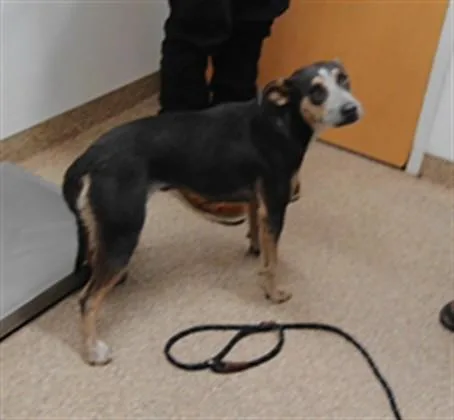
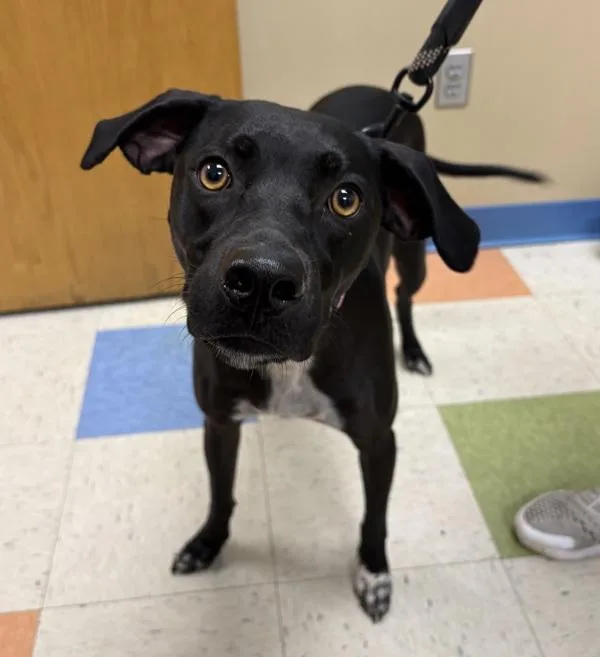
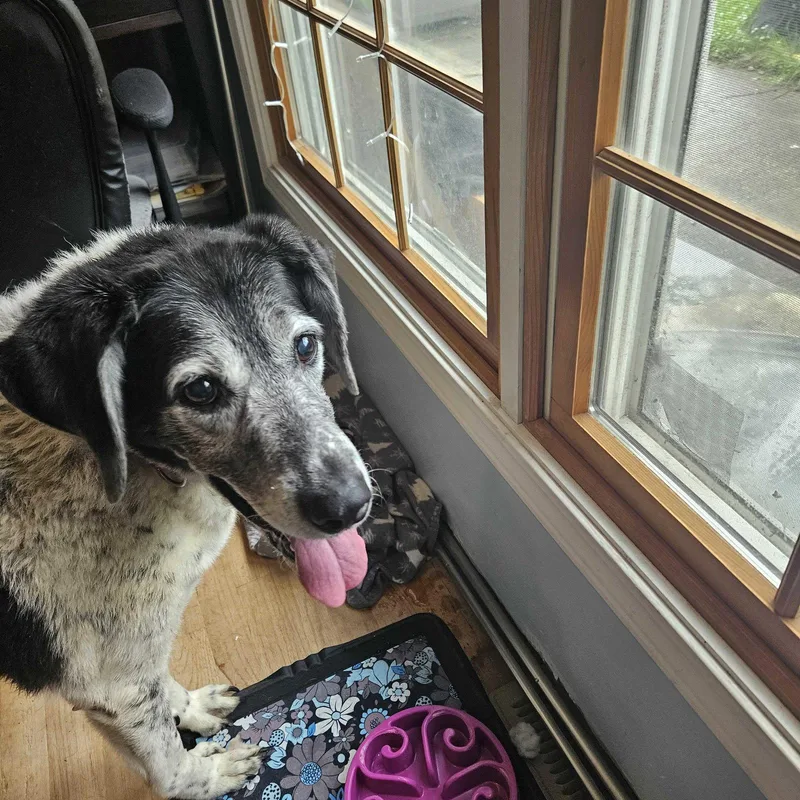
German Shorthaired Pointer Dogs for Adoption in Berkeley, CA

Your guide to finding and caring for a German Shorthaired Pointer in Berkeley

A German Shorthaired Pointer fits Berkeley best with a runner or hiker who's out the door every day. The off-leash area at César Chávez Park on the Marina gives a GSP room to sprint with the bay in view, and the public stairways around Cragmont and La Loma Park add a leg-burning workout. Mild weather means most days work for a long outing. Many Berkeley blocks are detached houses, some with fenced backyards, though a GSP still needs far more than a backyard romp.

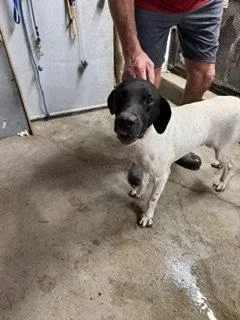
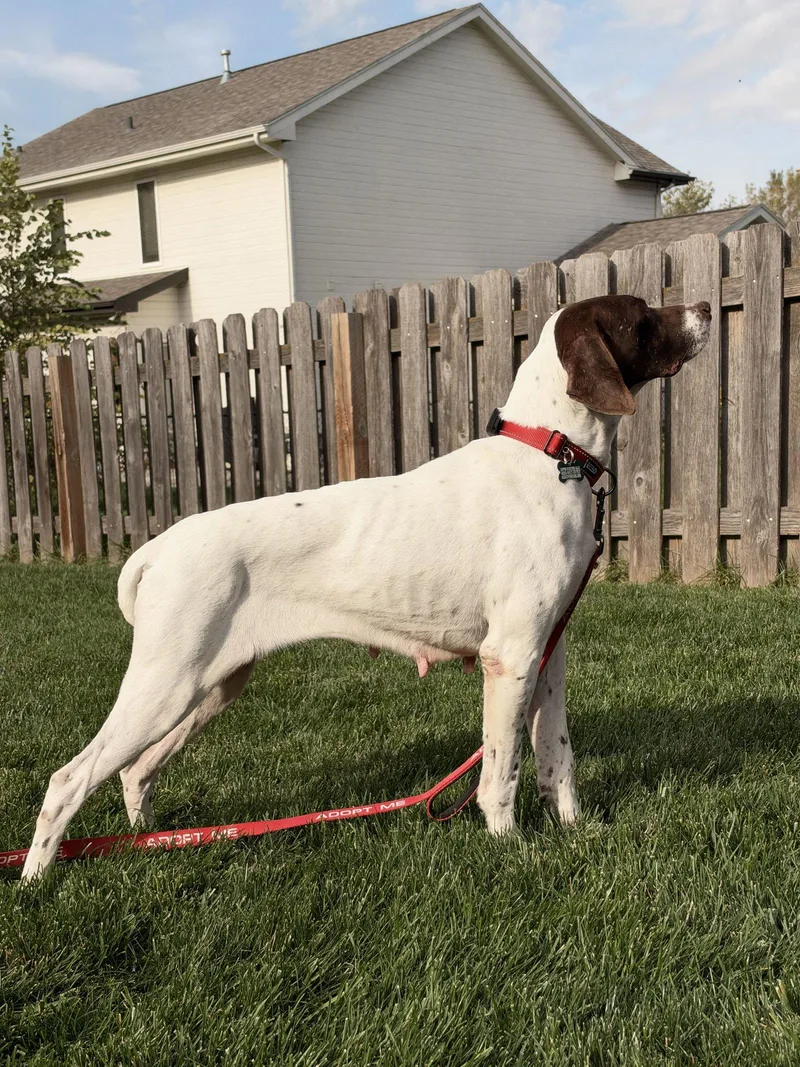
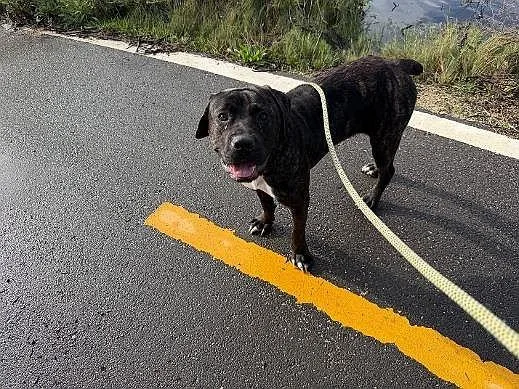
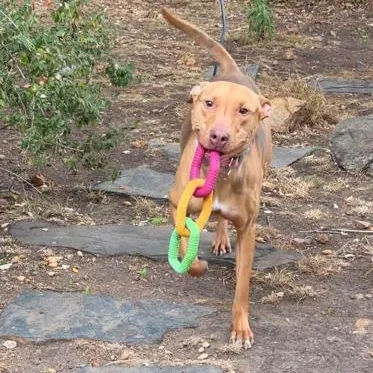
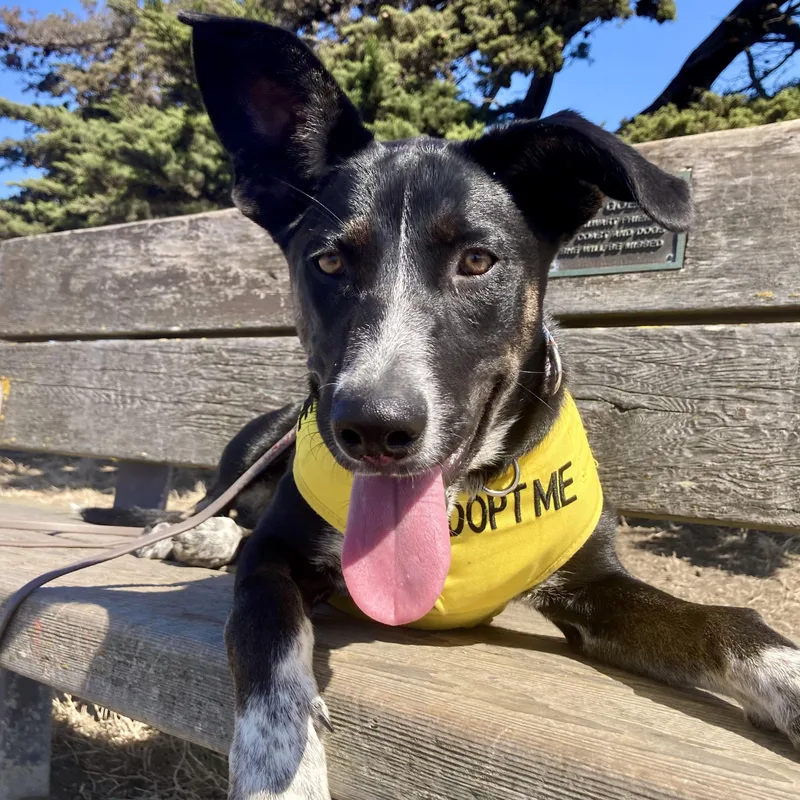
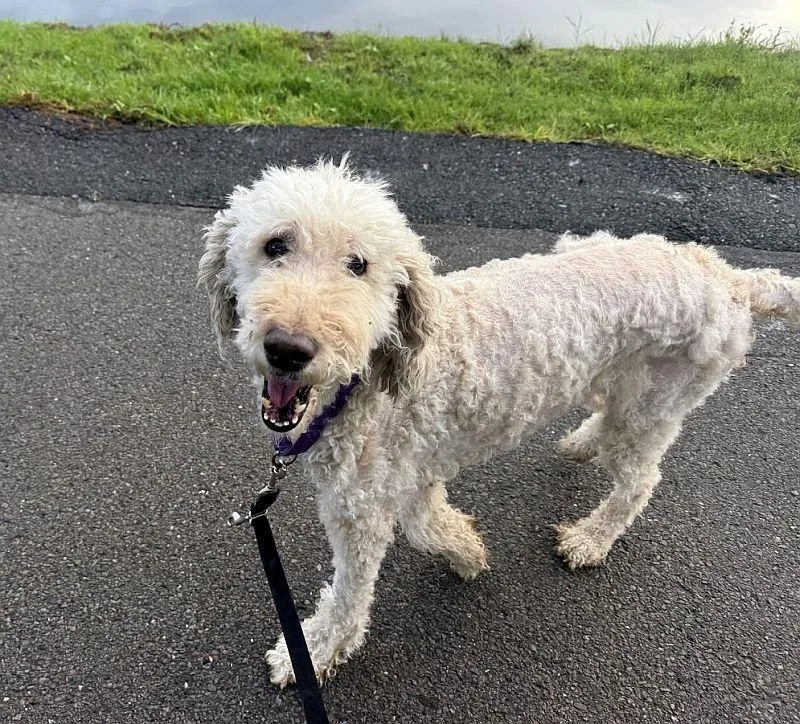
329 German Shorthaired Pointers available in Berkeley and nationwide

Fall for a German Shorthaired Pointer

While we don't have enough dogs near Berkeley, keep in mind that many rescues may offer transport.

German Shorthaired Pointers Available for Adoption Near Berkeley

About the German Shorthaired Pointer breed

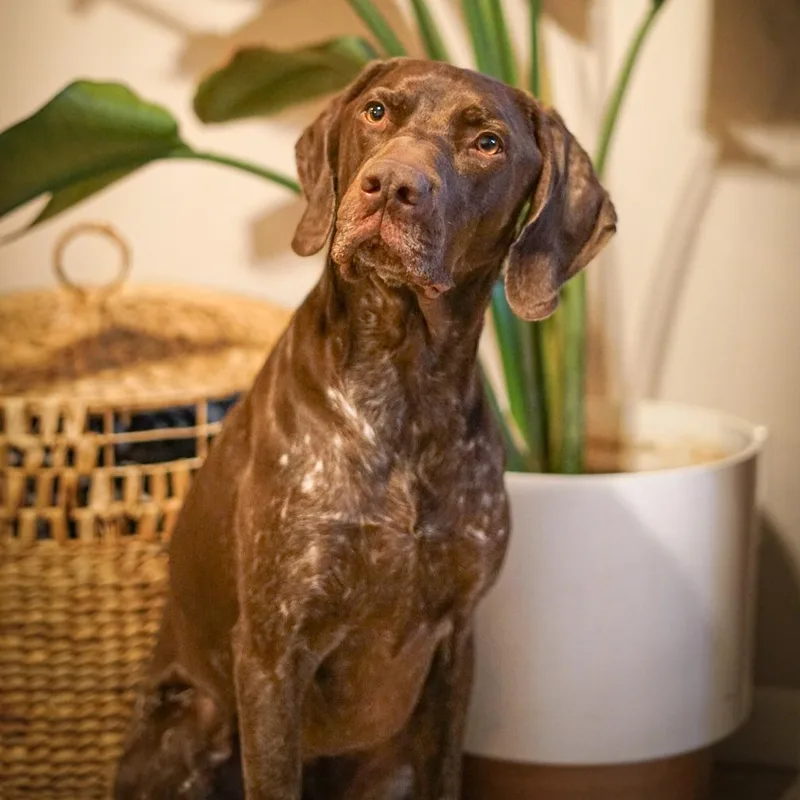
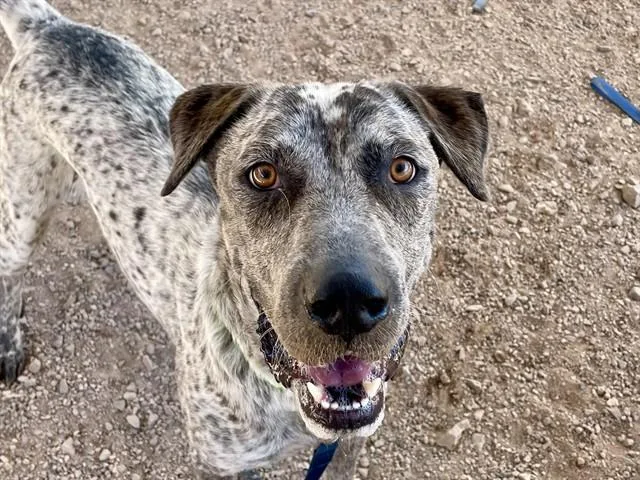
German hunters in the nineteenth century wanted one dog that could point birds, track wounded game and retrieve from land and water, and the German Shorthaired Pointer was the result. It's lean and muscular, with a short, dense coat in solid liver or liver and white, often ticked or roan, and an alert, noble head.

GSPs tend to be friendly, affectionate and eager to work, which suits Berkeley's runners and hikers. That drive is also the main challenge: a bored GSP may chew, bark, jump fences or surf counters, and many stay very energetic until two or three years old. Dogs vary, but most do best with daily vigorous exercise, steady training and plenty of time with their people.

Weight
45–70 lbs
Height
21–25 in
Lifespan
10–14 yrs
Temperament
Energetic, Friendly, Intelligent
Group
Sporting
Shedding
Moderate

Owning a German Shorthaired Pointer in Berkeley

Having a German Shorthaired Pointer in Berkeley

A GSP brings athletic stamina, a keen nose and a strong attachment to its people. In Berkeley, those traits shape where you run, how you secure your yard and how long the dog is left alone, so weigh them before adopting.

Temperament

Many GSPs are cheerful, affectionate and eager to please, and often shadow their people from room to room. Prey drive can be strong, so squirrels, cats and birds may tempt them on Berkeley's tree-lined streets. A dog left alone too long may become anxious or destructive. Reward-based training works well.

Exercise Needs

Expect an hour or two of vigorous activity a day for a young adult. In Berkeley, that could mean off-leash running at César Chávez Park, fetch at the fenced Ohlone Dog Park, or climbing the hillside stairways. Leash walks alone rarely satisfy a GSP, so add nose work or training games.

Health Considerations

GSPs are generally sturdy, but hip dysplasia, bloat, eye conditions, lymphedema and some skin and bleeding disorders occur in the breed. Their deep chests raise bloat risk, so avoid hard exercise around meals. In Berkeley, foxtails in dry grass can lodge in ears, paws and noses, so check your dog after outings. A veterinarian can advise on screening.

Living Space

Much of Berkeley is detached houses, often with backyards, and a GSP suits a securely fenced yard with six-foot fencing, since many jump well. An apartment can work for a committed owner who runs the dog every day. Indoors, GSPs want to be with the family and do poorly kept outside.

What it costs to own a German Shorthaired Pointer in Berkeley

ExpenseTypical costPer year
Adoption fee$450, one time$450 in year one
Food$55 to $110 per month$660 to $1,320
Pet insurance$55 to $110 per month$660 to $1,320
Routine vet care$250 to $500 per year$250 to $500
Other*$490 to $1,290 per year$490 to $1,290
Estimated yearly total (after year one)$2,060 to $4,430
First-year total (with adoption fee)$2,510 to $4,880

Adoption fee is the fee on German Shorthaired Pointer listings in Berkeley on GetBuddy today. Other costs are estimates and vary with size, age and health.

* The Berkeley dog license, flea, tick and heartworm prevention, a dental cleaning allowance, durable toys and bedding, and minimal grooming for a short coat.

Adopt a German Shorthaired Pointer in Berkeley.

Now that you know more, let’s find you a new best friend. These rescues and shelters below currently have German Shorthaired Pointers available.

Rescues in Berkeley with German Shorthaired Pointers Available

Berkeley's city shelter also serves Albany, Piedmont and Emeryville, and the groups below list dogs. Here are the rescues & shelters in the Berkeley area where you can find German Shorthaired Pointers and other dogs available for adoption.

Frequently Asked Questions

Not easily, unless the dog is a service animal. BART requires pets to travel in a secure, enclosed carrier, and AC Transit allows pets only in a container small enough to fit on your lap. A 45 to 70 pound GSP won't fit either, and Capitol Corridor's pet limit is 20 pounds including the carrier. Plan on walking or driving instead.

Yes, Berkeley's mild climate suits GSPs well. Summer highs average about 74°F and winters rarely freeze, so year-round outdoor exercise is realistic. Watch for short heat spells in September, wet winter weeks when the short coat gets chilly, and smoky or fire-weather days in the hills. Run early or late when it's warm, and keep a light coat handy for damp mornings.

The César Chávez Park off-leash area at the Marina is the top pick for running, with voice and sight control required and licensed, tagged dogs only. Keep out of the burrowing owl area. Ohlone Dog Park at Hearst and Grant has a fenced large-dog area. Elsewhere in city parks, dogs must be leashed. Tilden allows leashed dogs on Nimitz Way, and Point Isabel in nearby Richmond has off-leash shoreline.

Yes. Berkeley has no known breed-specific rules, and California law bars local programs that regulate dogs by breed. Dogs over four months need a license and rabies vaccination, and households are limited to four dogs over six months old. California also limits tethering, so a GSP shouldn't be left tied up in the yard. Secure fencing matters more than paperwork.

It can, if you commit to daily hard exercise. GSPs bark or chew when bored, which doesn't suit thin-walled buildings, and ongoing barking that disturbs neighbors can violate Berkeley's noise code. Near-campus and downtown apartments are dense, so you'd rely on spots like Ohlone Dog Park for running. Confirm size limits in writing before you apply.

It's a good fit if you're active and home a fair amount. Berkeley's mild weather, off-leash areas and hillside stairways give a GSP plenty to do, and many homes have yards. It's a poor fit for long workdays away or a quiet routine, since under-exercised GSPs can turn anxious or destructive. Dogs vary, so consider each dog's energy level.

Possibly, but only on outdoor patios. California law lets restaurants allow leashed dogs in outdoor dining areas with a separate entrance, but it's up to each restaurant, and pet dogs aren't allowed indoors. A GSP should settle quietly under the table before you try it, and a young, energetic one may need a long run first.

Very little. A GSP's short coat needs weekly brushing with a rubber mitt or bristle brush, since it sheds moderately year-round, and a bath only when dirty. In Berkeley, check ears, paws and coat for foxtails after dry-grass outings, and wipe off muddy winter trails. This minimal grooming is part of the yearly Other costs.

We have 1 rescue with German Shorthaired Pointers available: California Pit Bull Rescue. You can see every rescue with German Shorthaired Pointers available in the list above these questions, or scroll to the top to see the German Shorthaired Pointers near Berkeley.

Budget roughly $2,060 to $4,430 a year for a GSP in Berkeley: food at $55 to $110 a month, insurance at $55 to $110 a month, routine vet care at $250 to $500 a year, and $490 to $1,290 a year in other costs. Active dogs can get cuts and pad injuries, so keep a cushion for unexpected vet bills.