Miniature Schnauzer Dogs for Adoption in Tucson, AZ

Your guide to finding and caring for a Miniature Schnauzer in Tucson

Miniature Schnauzers suit Tucson's older walkable neighborhoods, where a small dog can cover Sam Hughes' tree-lined streets before the day heats up. At 11 to 20 pounds, a Mini fits a Fourth Avenue apartment or a Fort Lowell bungalow just as easily. They're sociable and alert, and they'll announce every visitor, so shared walls call for some training. Plan on dawn walks from late May through September, and a longer evening stroll once fall arrives.

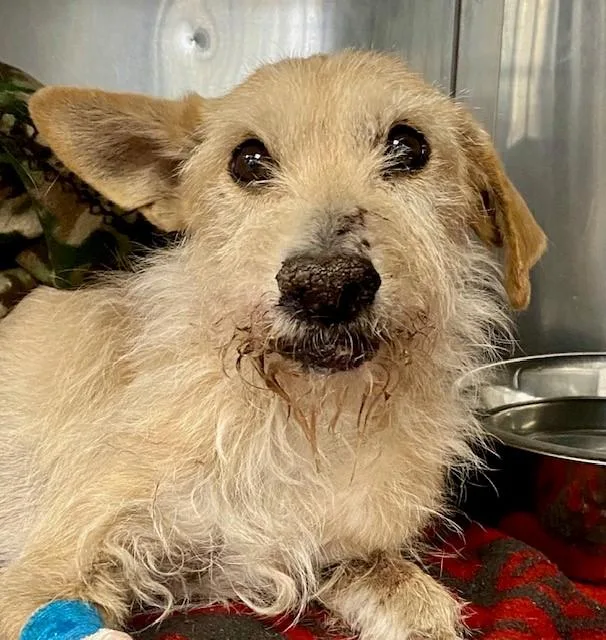
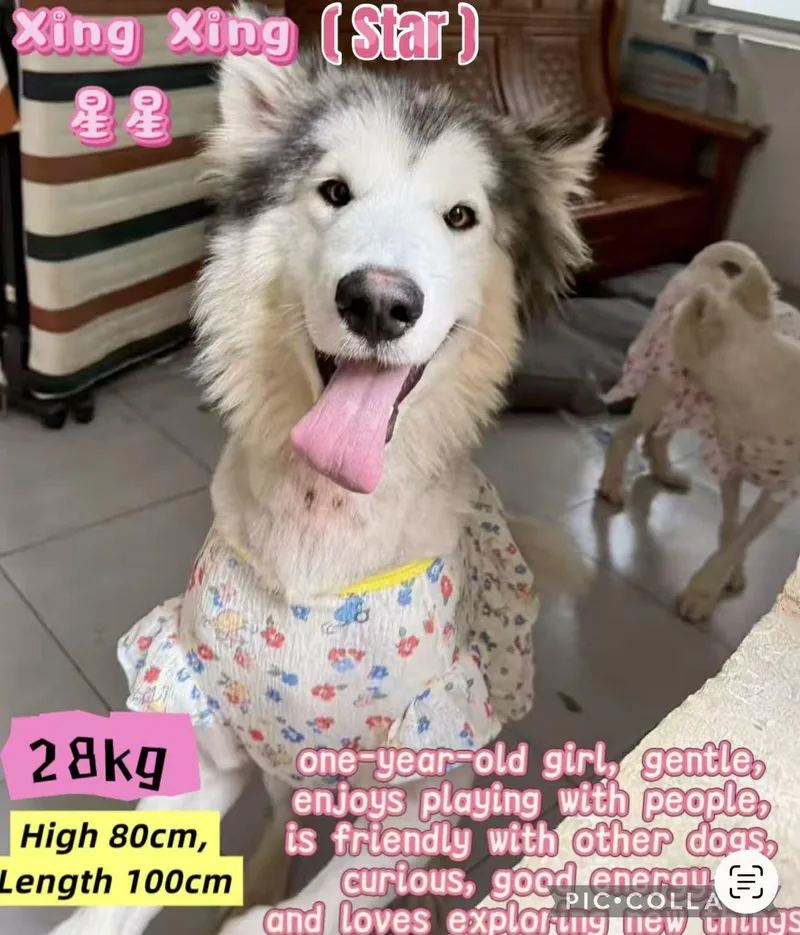
241 Miniature Schnauzers available in Tucson and nationwide

Find your Miniature Schnauzer

While we don't have enough dogs near Tucson, keep in mind that many rescues may offer transport.

Miniature Schnauzers Available for Adoption Near Tucson

About the Miniature Schnauzer breed

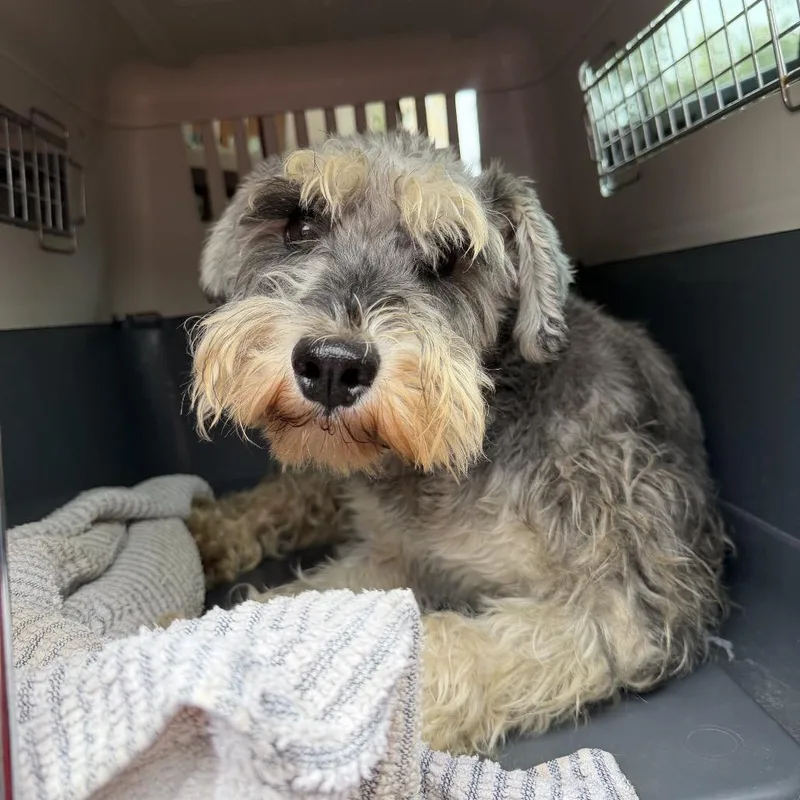
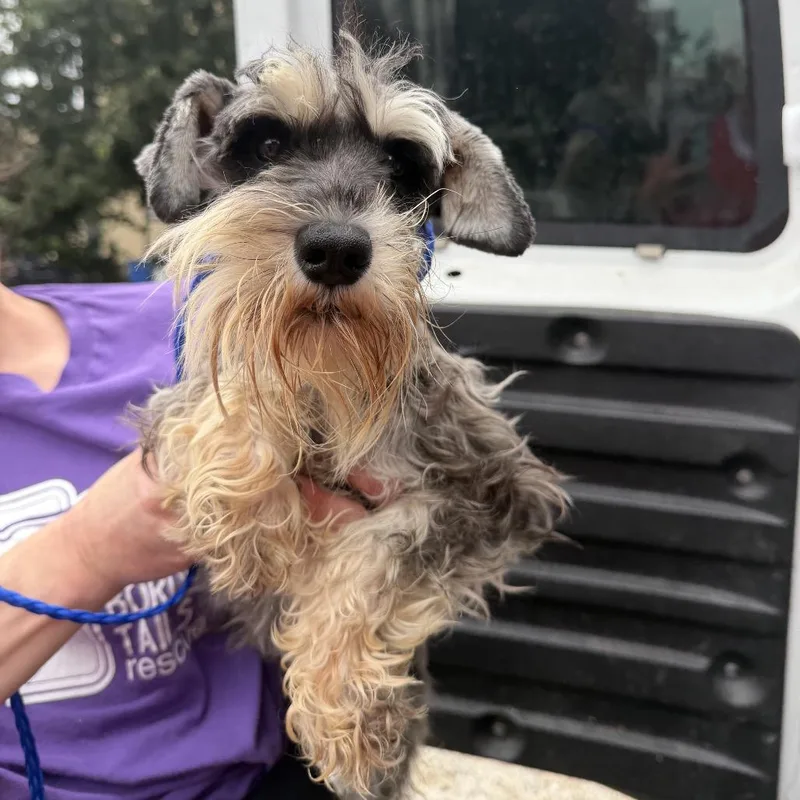
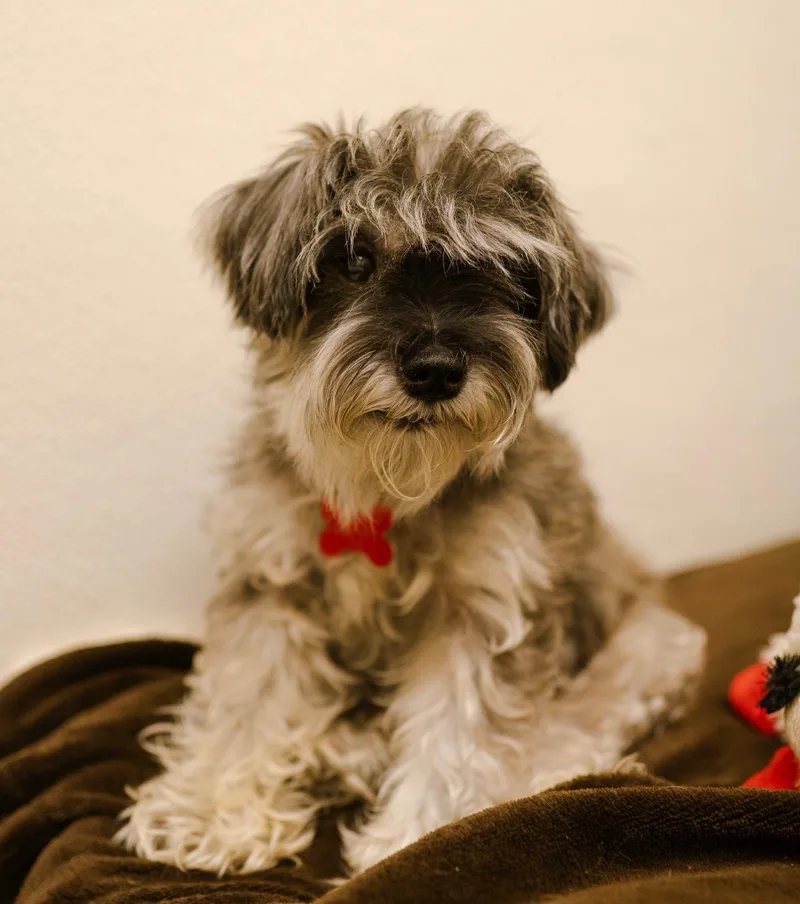
The Miniature Schnauzer is a sturdy, square terrier that German farmers developed in the late 1800s to catch rats and keep watch over the farmyard. The bearded face and wiry salt-and-pepper, black-and-silver or solid black coat are easy to spot. The coat sheds very little, but it needs clipping or hand-stripping every five to eight weeks, and the beard needs regular cleaning, which matters in dusty desert air.

Minis are usually alert, friendly and smart, though some have a stubborn streak. Most are enthusiastic barkers, so expect an announcement at every knock on the door. Moderate energy means daily walks and play keep most of them content. Some have a strong prey drive toward small animals. Every dog differs, so a dog's age, history and energy matter as much as its breed.

Weight
11–20 lbs
Height
12–14 in
Lifespan
12–15 yrs
Temperament
Alert, Friendly, Spirited, Intelligent
Group
Terrier
Shedding
Low

Owning a Miniature Schnauzer in Tucson

Having a Miniature Schnauzer in Tucson

Alert, sociable and compact, a Miniature Schnauzer fits Tucson's mix of rentals and bungalows. Barking, grooming schedules, a diet-sensitive digestive system and desert heat are the points that shape daily life here most.

Temperament

Most Minis are friendly and spirited, and they like staying close to their people. In an apartment complex or on a busy Sam Hughes block, many will bark at every passerby, so reward quiet early. Some chase small animals and a few are stubborn. Watch how a dog responds to new people and noises.

Exercise Needs

Plan on a brisk daily walk plus play, which suits a small dog well. In Tucson, walk at dawn from late May through September, when lows stay in the 70s, and save longer outings for November through March. The flat, paved Chuck Huckelberry Loop is leashed and easy on small legs. Indoor scent games fill hot afternoons.

Health Considerations

Minis are prone to high blood fats, pancreatitis and bladder stones, so lean food and a healthy weight matter. Valley fever is a Tucson concern too: roughly 6 to 10 percent of dogs in Pima County get sick each year, usually from inhaling soil dust. A veterinarian can advise on a lingering cough.

Living Space

Size isn't the issue for a Mini in Tucson; sound is. Near Fourth Avenue or West University, shared walls mean neighbors will hear alert barks, so teach a quiet cue early. A yard helps but isn't required. Keep a cool, shaded indoor spot ready, since yards get very hot in summer.

What it costs to own a Miniature Schnauzer in Tucson

ExpenseTypical costPer year
Food$20 to $45 per month$240 to $540
Pet insurance$40 to $85 per month$480 to $1,020
Routine vet care$200 to $400 per year$200 to $400
Other*$940 to $2,340 per year$940 to $2,340
Estimated yearly total (after year one)$1,860 to $4,300

Other costs are estimates and vary with size, age and health.

* The $20 Pima County license for a spayed or neutered dog, professional grooming every 6–8 weeks, a yearly dental cleaning, flea, tick and heartworm prevention, and toys and bedding.

Adopt a Miniature Schnauzer in Tucson.

Now that you know more, let’s find you a new best friend. These rescues and shelters below currently have Miniature Schnauzers available.

Frequently Asked Questions

Yes. Tucson has no breed-specific rules, and Arizona law bars cities from regulating dogs by breed. Any dog three months or older needs a rabies vaccine and a Pima County license, which costs $20 if the dog is spayed or neutered. Keep the dog on a six-foot leash in public. Landlord and insurer limits matter more than city rules.

Iron Horse, Esquer, Palo Verde and Miko's Corner in Reid Park are city dog parks with separate small-dog areas. Dogs need a licensed collar and must be at least four months old. The paved Chuck Huckelberry Loop is a flat, leashed option. At Saguaro National Park, dogs are allowed only on a few roads and paved trails.

Yes, but only in a completely enclosed carrier small enough to fit on your lap. That applies to Sun Tran buses and the Sun Link streetcar, and animals aren't allowed on seats. Tucson has no subway. Many Minis fit a carrier, though a dog near 20 pounds may be a squeeze. Service animals are exempt.

Plan on clipping or hand-stripping every five to eight weeks, with the beard cleaned often. A shorter clip is practical through Tucson's long hot season, and brushing helps clear desert dust and burrs. Professional grooming is the main part of the Other costs shown above, roughly $450 to $1,200 a year.

Only to patios, and only where the restaurant has county approval to allow dogs. Indoor dining is limited to service animals. Keep your Mini leashed and under control, and use disposable containers for water. Because Minis tend to bark at passersby, practice a calm settle on a mat before trying a busy patio.

Often, yes, for people who can walk at dawn through the long hot season and don't mind a vocal watchdog. A Mini's small size suits Tucson's rentals and older neighborhoods, and there are dog parks across the city. Budget for regular grooming, and expect to keep a Mini indoors in the afternoon heat.

Yes, Miniature Schnauzers are often excellent dogs for families, singles and seniors who want a sturdy, sociable small dog. Many are friendly, smart and playful, with a low-shedding coat. They also bark a lot, need professional grooming and can be prone to diet-related health problems, so they suit people ready for those commitments.

A Miniature Schnauzer usually stands 12 to 14 inches tall at the shoulder and weighs about 11 to 20 pounds. Males tend to be slightly larger than females. Its square, solid build makes it feel sturdier than many toy breeds, while still small enough to carry easily and fit comfortably in most homes.

We have 1 rescue with Miniature Schnauzers available: Arizona Desert Rotti & Pals Rescue. You can see every rescue with Miniature Schnauzers available in the list above these questions, or scroll to the top to see the Miniature Schnauzers near Tucson.

Expect roughly $20 to $45 a month for food, $40 to $85 for insurance, $200 to $400 a year for routine vet care, and $940 to $2,340 a year for other costs such as grooming, dental care and parasite prevention. That adds up to about $1,860 to $4,300 a year, including the $20 Tucson license for an altered dog.

Find Miniature Schnauzers in Nearby Cities

Expand your search to find Miniature Schnauzers available for adoption near Tucson.