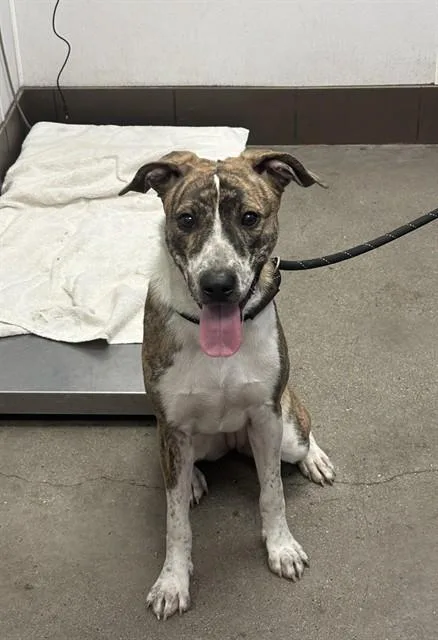
Labrador Retriever Dogs for Adoption in Tucson, AZ

Your guide to finding and caring for a Labrador Retriever in Tucson

Labrador Retrievers fit Tucson best when mornings are built around a long walk. Along the Rillito River Park path near Fort Lowell, a Lab gets a flat, leashed stroll before the day heats up, and Udall Dog Park on the east side has room for fetch afterward. Labs are friendly with nearly everyone, so a stroll through Sam Hughes or past downtown patios won't rattle them. They do want daily exercise and company, and long afternoons alone aren't their thing.

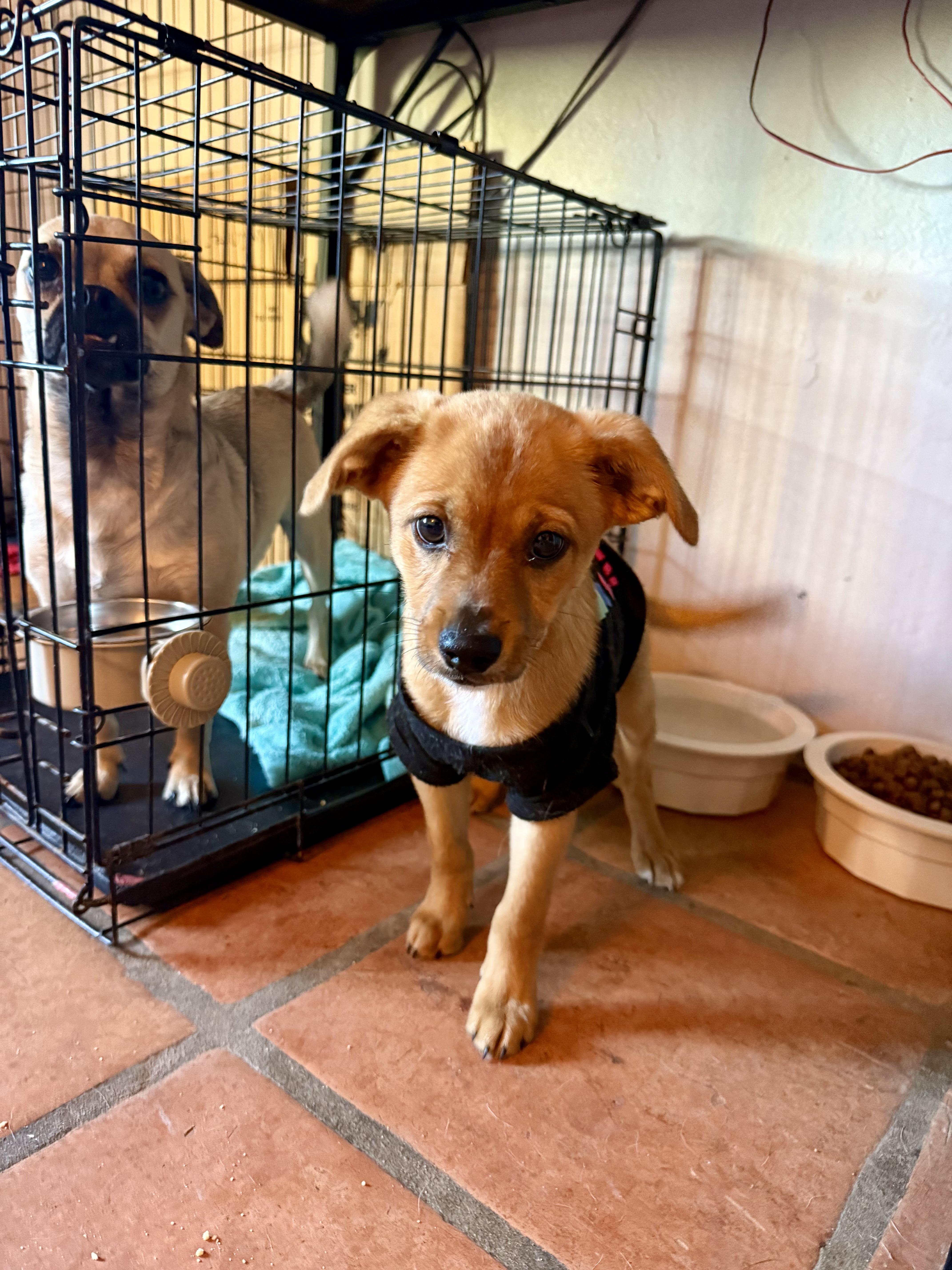
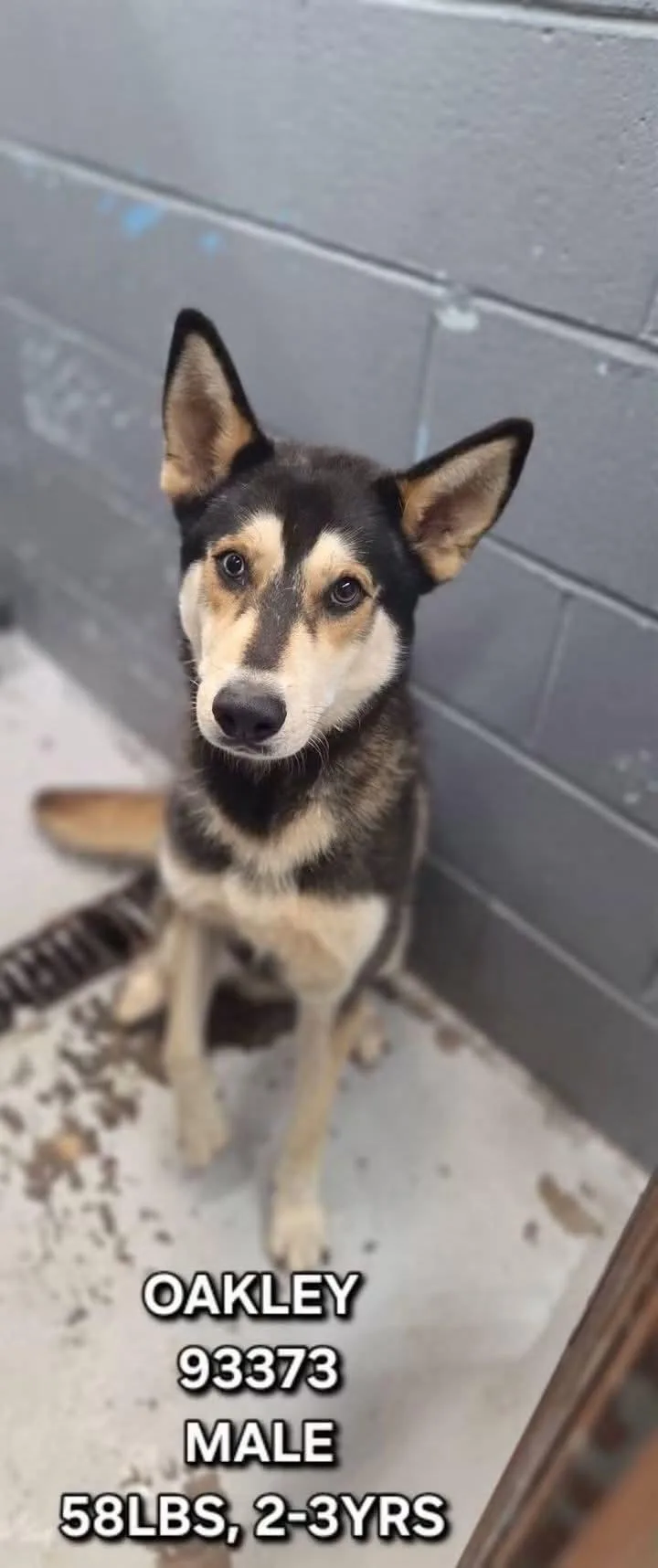
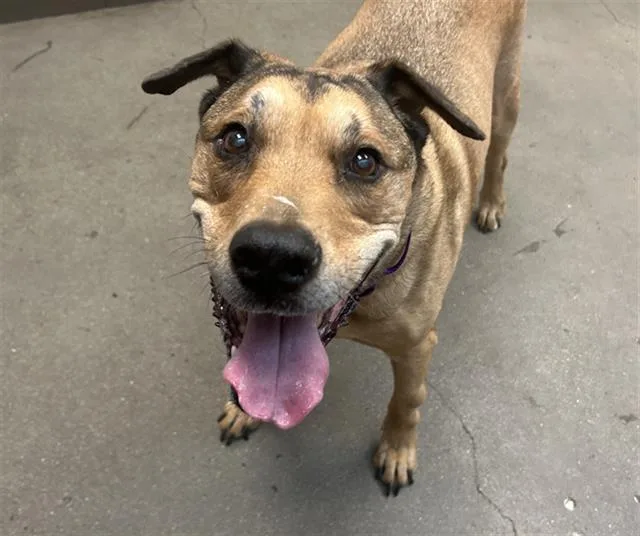
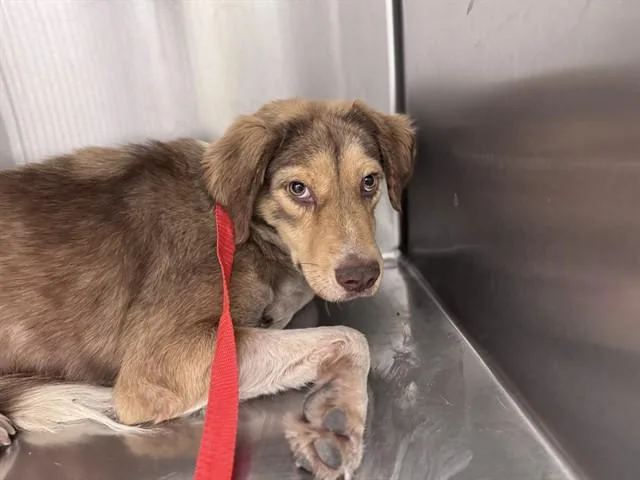
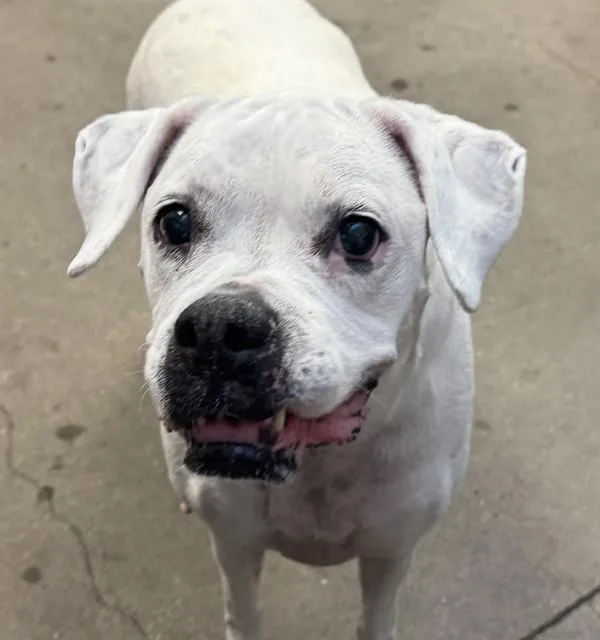
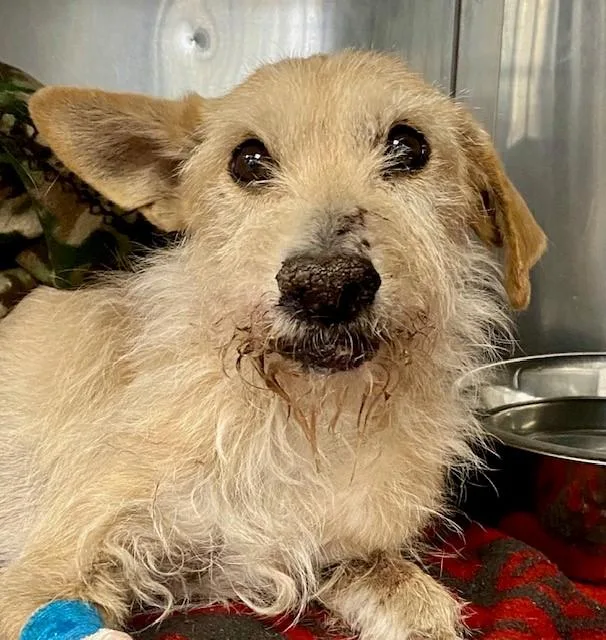
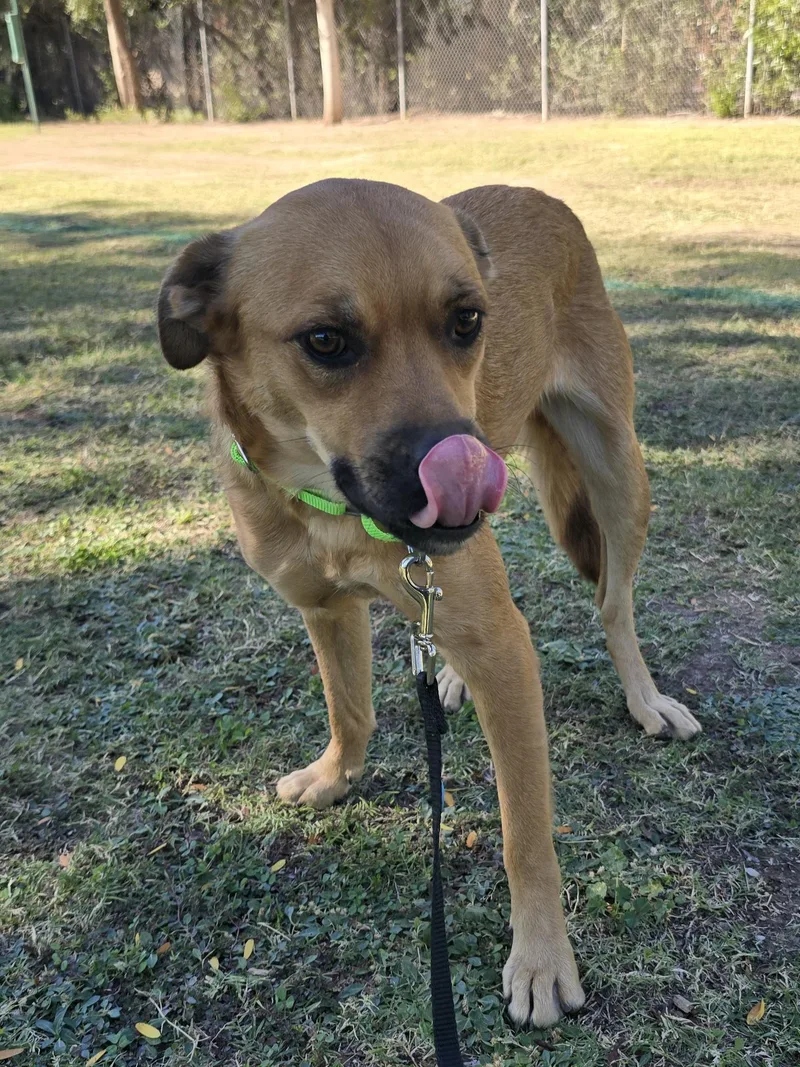
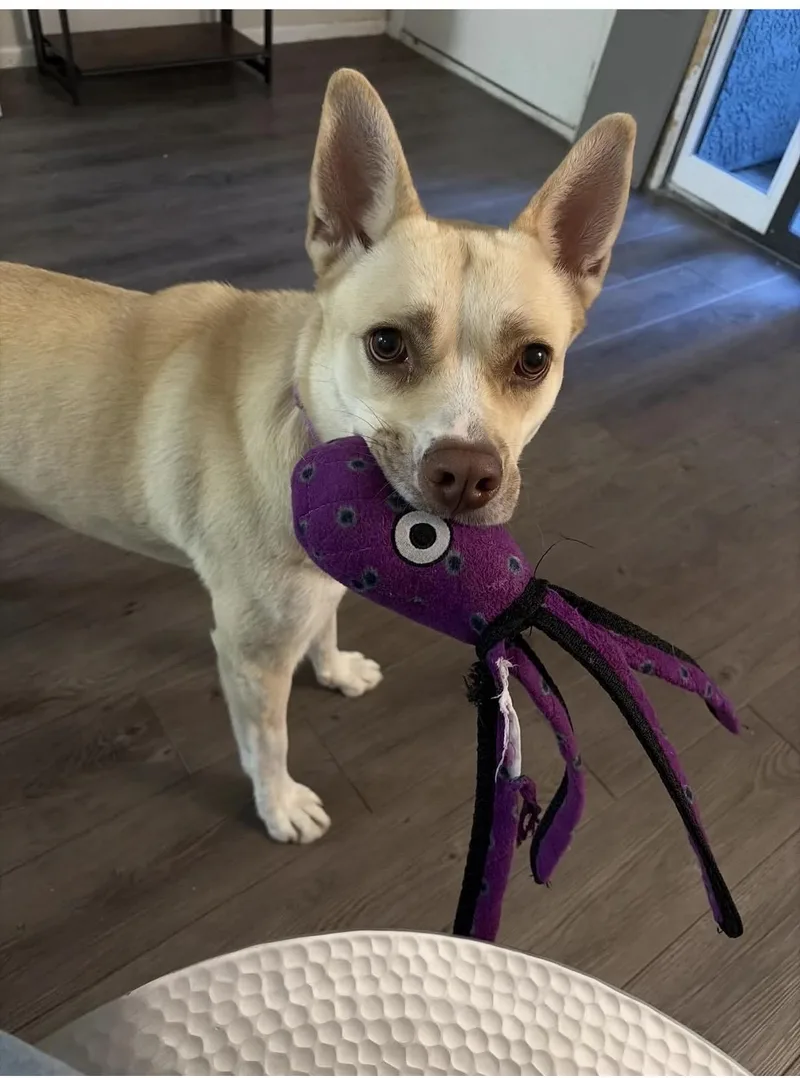
82 Labrador Retrievers available for adoption in Tucson

Fall for a Labrador Retriever

Labrador Retrievers Available for Adoption in Tucson

About the Labrador Retriever breed

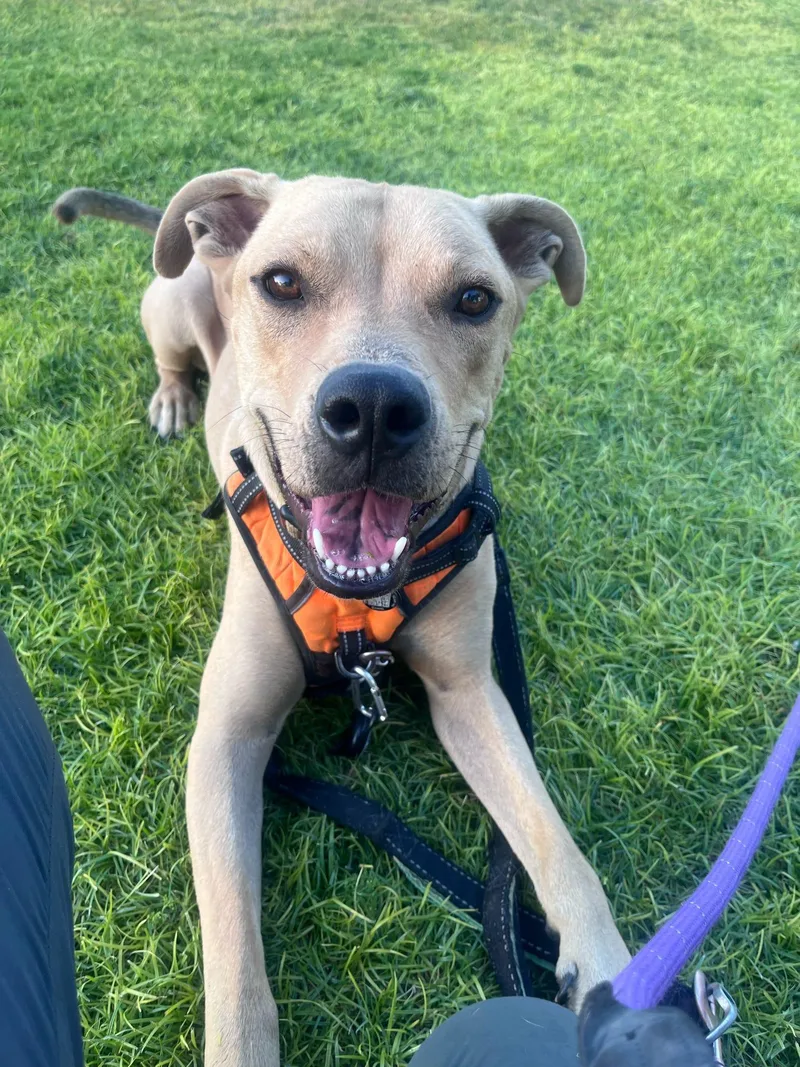
Labrador Retrievers trace back to the St. John's water dogs of Newfoundland, later refined in Britain into steady retrievers for shot game on land and water. The thick otter tail, dense water-resistant double coat and webbed feet all come from that job. Labs come in black, yellow and chocolate, and most weigh between 55 and 80 pounds.

In Tucson, a Lab's love of water meets a desert of mostly dry riverbeds, so that retrieving drive usually turns into fetch on a morning walk. The coat sheds moderately to heavily, and shade and water become daily considerations once the heat arrives. Labs are sociable and food-driven, with a bouncy adolescence that can last two or three years, so patience and consistent training pay off.

Weight
55–80 lbs
Height
21–25 in
Lifespan
10–14 yrs
Temperament
Friendly, Outgoing, Active
Group
Sporting
Shedding
Moderate to High

Owning a Labrador Retriever in Tucson

Having a Labrador Retriever in Tucson

Labs pair a people-loving outlook with a sturdy, athletic build. In Tucson, the useful questions are how much daily activity you can give, how you'll manage heat and shedding, and which life stage, from adolescent to senior, fits your routine.

Temperament

Labs tend to be friendly, outgoing and eager to please, which suits Tucson's busy sidewalks, patios and dog parks. Many are gentle with respectful children, though young Labs can be bouncy and mouthy. Food motivation makes reward-based training effective. A dog's history and socialization matter more than breed reputation.

Exercise Needs

Plan on vigorous daily activity, and in Tucson that usually means early mornings. The flat, paved Chuck Huckelberry Loop works for leashed walks, and fenced city dog parks suit fetch. Skip hot afternoon runs, and keep young Labs off long, hard-surface runs while they're still growing.

Health Considerations

Labs can face hip and elbow dysplasia, cruciate injuries, ear infections and skin allergies, and extra weight makes joint trouble worse. In Tucson, valley fever is also worth knowing: about 6 to 10 percent of dogs in Pima County get sick with it each year. A veterinarian can explain what to watch for, such as a lasting cough, fever or low energy.

Living Space

Labs adapt to apartments, bungalows or houses with yards when daily exercise is reliable. A securely fenced yard helps, but routine matters more than square footage. Expect a sweeping tail, plenty of shed hair, and a dog that does best indoors with its people, especially through the summer.

What it costs to own a Labrador Retriever in Tucson

ExpenseTypical costPer year
Adoption fee$300 to $350, one time$300 to $350 in year one
Food$55 to $110 per month$660 to $1,320
Pet insurance$65 to $130 per month$780 to $1,560
Routine vet care$250 to $500 per year$250 to $500
Other*$590 to $1,490 per year$590 to $1,490
Estimated yearly total (after year one)$2,280 to $4,870
First-year total (with adoption fee)$2,580 to $5,220

Adoption fee is the range of fees on Labrador Retriever listings in Tucson on GetBuddy today. Other costs are estimates and vary with size, age and health.

* The $20 Pima County license for a spayed or neutered dog, flea, tick and heartworm prevention, a dental cleaning allowance, toys and bedding, and brushing and baths for shedding.

Adopt a Labrador Retriever in Tucson.

Now that you know more, let’s find you a new best friend. These rescues and shelters below currently have Labrador Retrievers available.

Frequently Asked Questions

Yes, most Labs handle Tucson with some planning, but summer takes the most care. Triple-digit highs arrive from roughly late May through September, so walk at dawn, keep afternoons indoors with plenty of water, and favor shade over hot asphalt or sand. Burned paws and heat stroke are real risks. Fall through spring is far easier on a Lab's double coat.

Tucson's city dog parks, such as Udall, Jacobs and Kennedy, give Labs fenced room to run off leash. Dogs need a collar with a valid license and current vaccinations, and puppies under four months aren't allowed. For leashed walks, the Chuck Huckelberry Loop is paved and flat, open sunrise to sunset, but stay off the riverbeds after storms.

Yes. Tucson has no breed-specific rules, and Arizona law doesn't let cities make them, so a Lab follows the same rules as any dog. You'll need a rabies vaccination and a Pima County license, a leash of six feet or less on public property, and prompt waste pickup. Any size limits are more likely to come from a landlord or insurer.

Yes, a Lab can live in a Tucson apartment if daily exercise is dependable. Plan on morning walks, fetch at a dog park and indoor games for hot afternoons. Size is the bigger hurdle, so confirm the building's weight limits and pet fees before applying, and expect boredom-driven chewing or barking if a Lab is left alone too long.

Generally no, unless the Lab is a service animal. Tucson code and Sun Tran's ride guide allow other pets on buses and the Sun Link streetcar only in an enclosed carrier small enough to fit on your lap, and animals can't sit on seats. Tucson has no subway. A full-grown Lab won't fit a carrier, so plan on driving or walking.

Only on a patio, and only where the restaurant allows it. In Pima County, a food establishment needs county approval before admitting pet dogs, which must stay leashed and under control. Indoors, only service animals are allowed. A Lab that has had a good walk first usually settles more easily under a table, so time your outing after exercise.

Mostly brushing, not haircuts. A Lab's dense double coat sheds moderately to heavily, with spring often the heaviest stretch, so brush a few times a week and more during shedding. Bathe only when needed, since too many baths can dry the skin. After desert walks, check paws for cactus spines and burns. Brushing and baths are counted in the Other costs on this page.

Most Labrador Retrievers live about 10 to 14 years. A large UK veterinary study found a median lifespan of 12 years, with chocolate Labs living about a year and a half less on average than black or yellow ones. Healthy weight, regular veterinary care and good dental and joint care all help, but no lifespan is guaranteed.

We have 6 rescues with Labrador Retrievers available, including Pima Animal Care Center, Paws Without Borders and Pathways for Paws. You can see every rescue with Labrador Retrievers available in the list above these questions, or scroll to the top to see the Labrador Retrievers in Tucson.

Expect roughly $2,300 to $4,900 a year for a Lab. That covers food at $55 to $110 a month, insurance at $65 to $130 a month, routine vet care at $250 to $500 a year, and $590 to $1,490 a year in other costs such as parasite prevention, dental care and grooming.