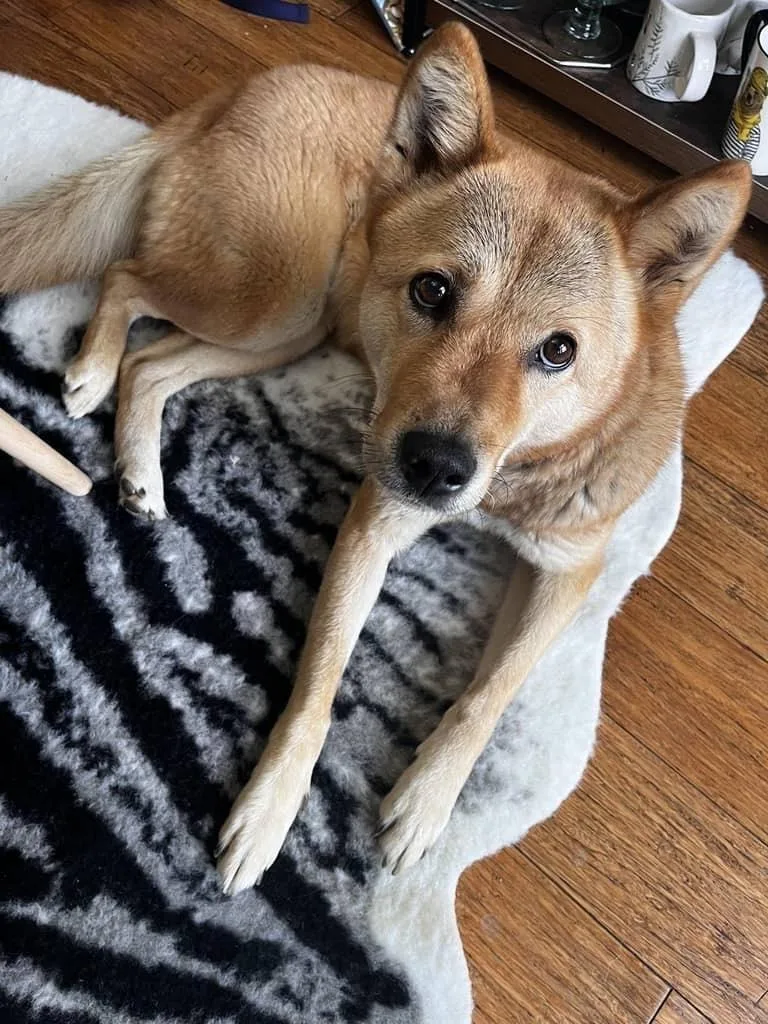
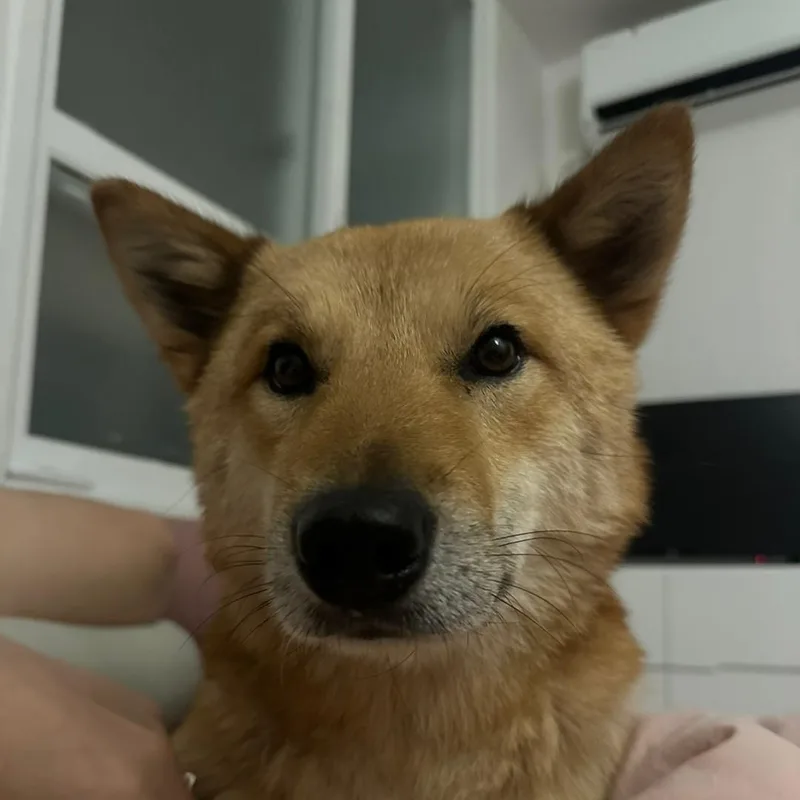
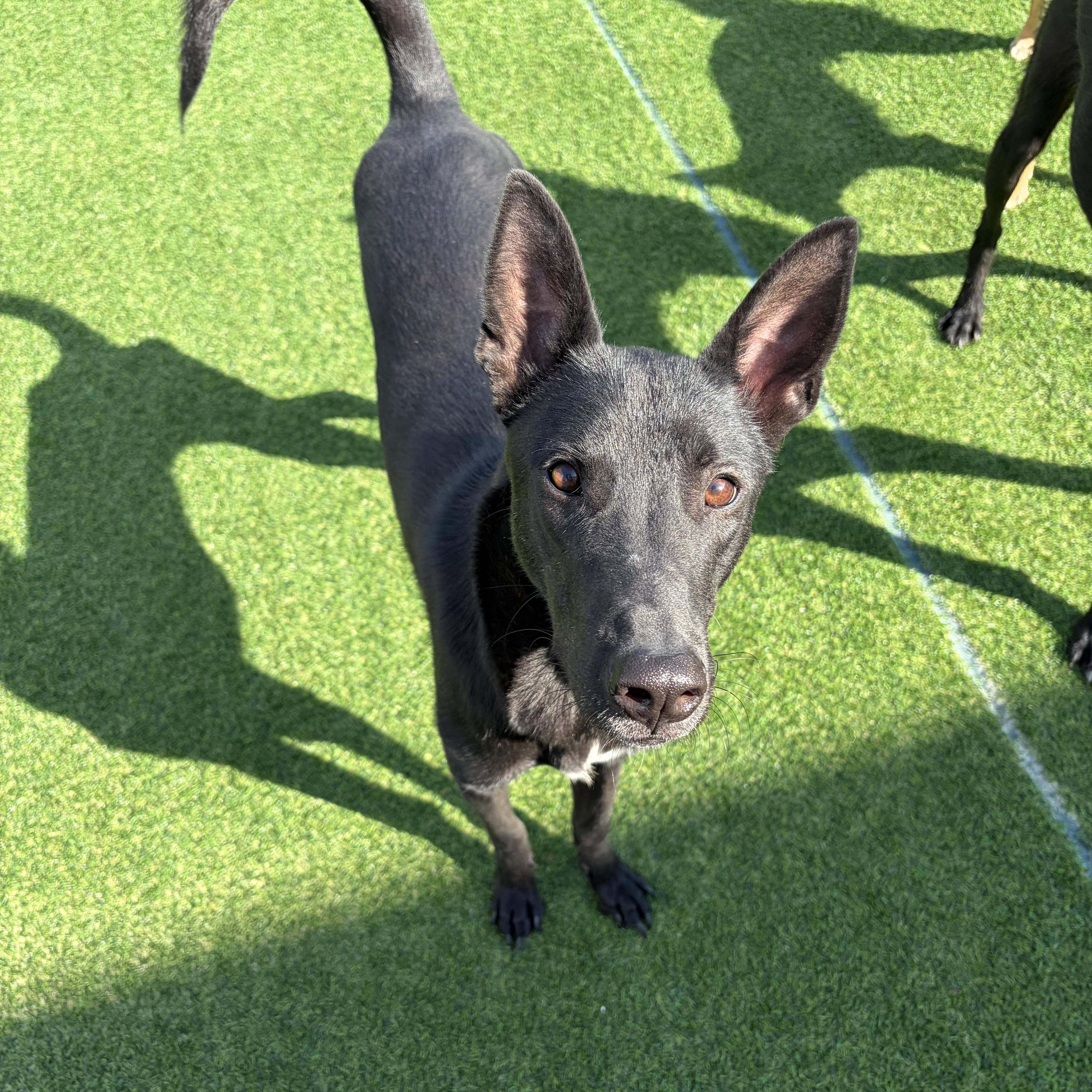
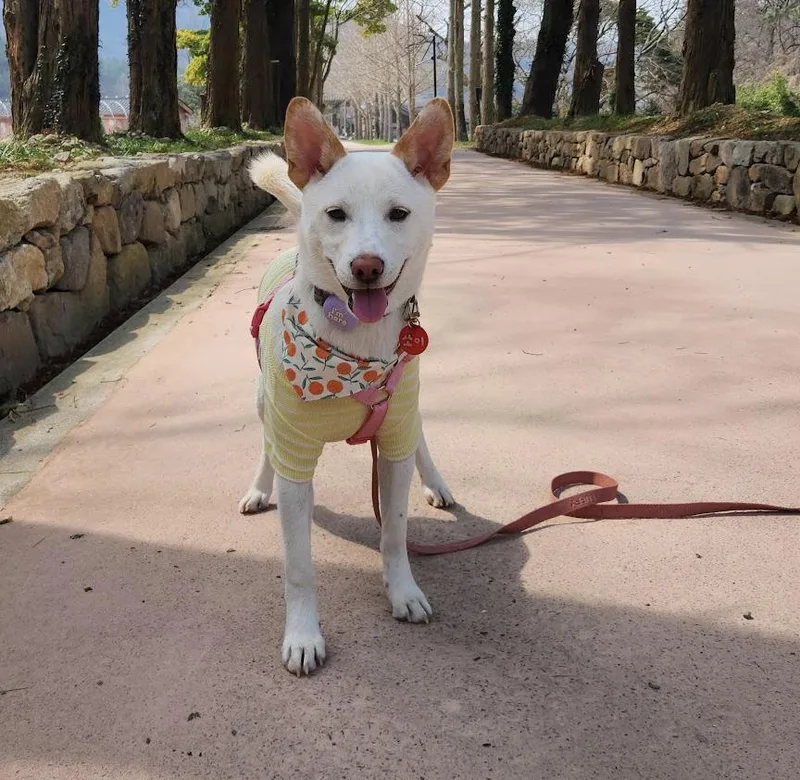
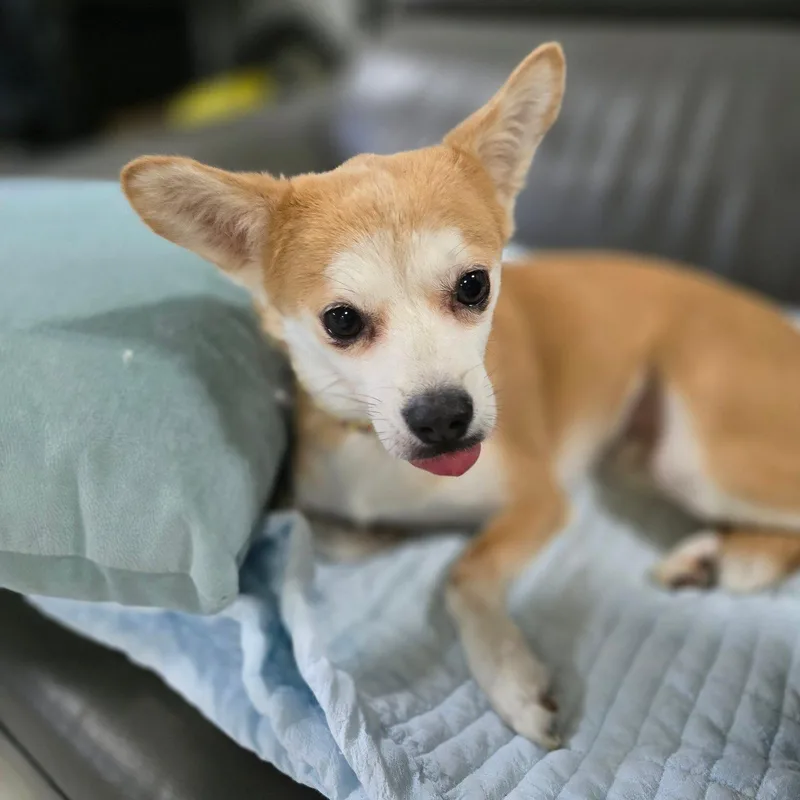
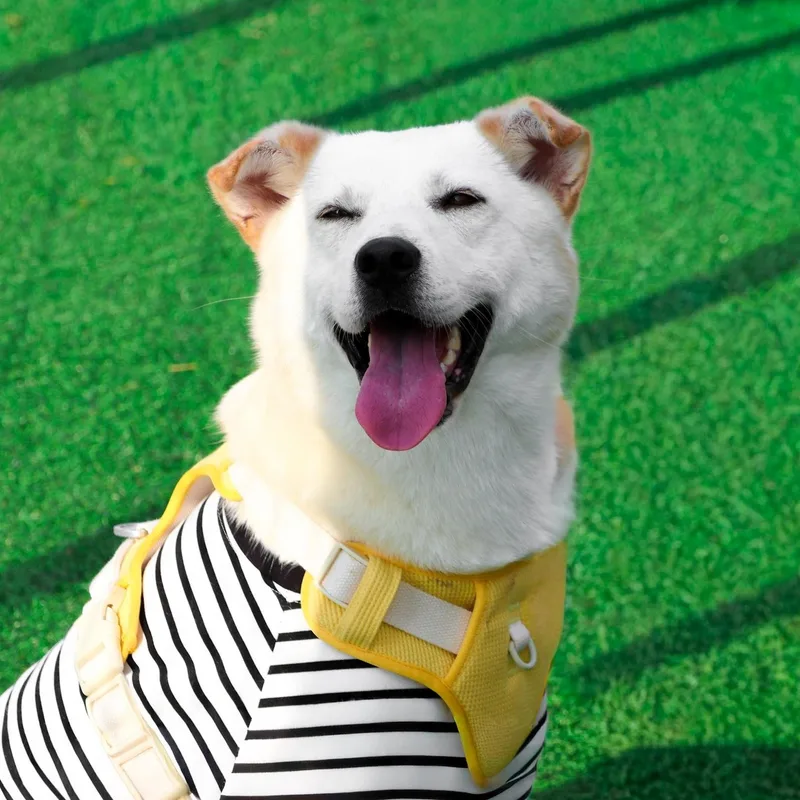
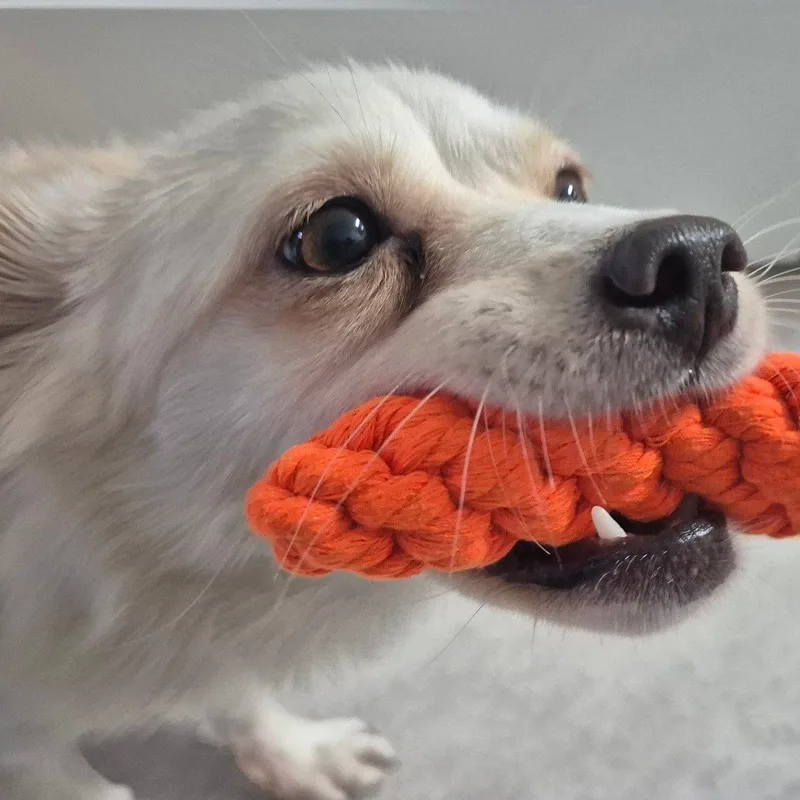
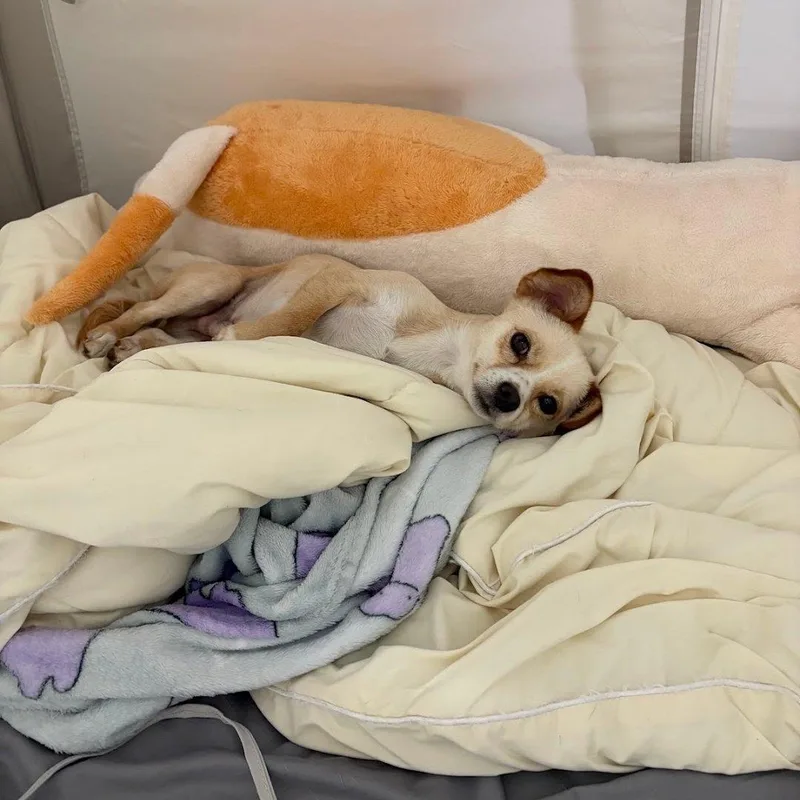
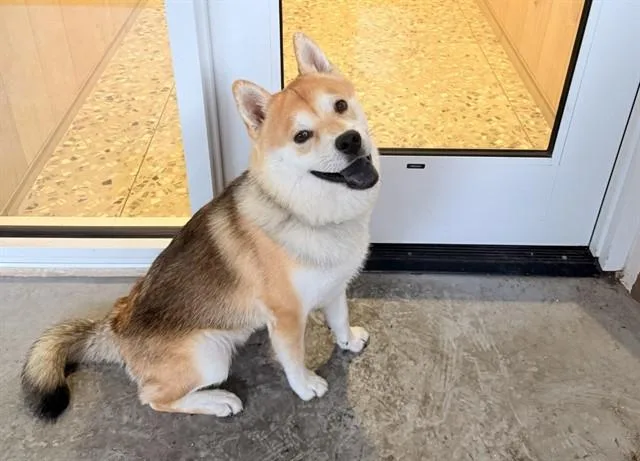
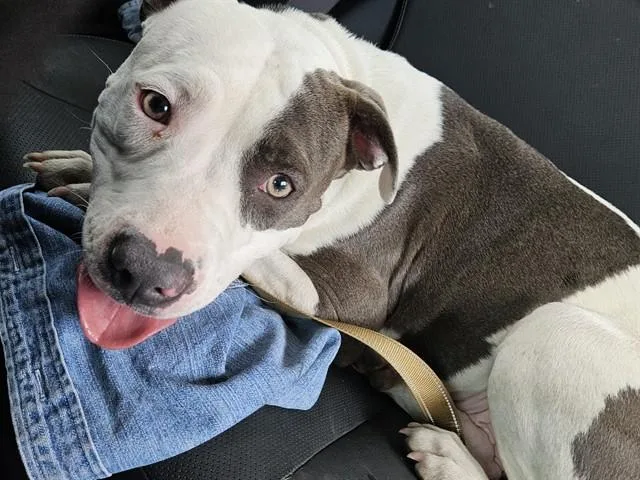
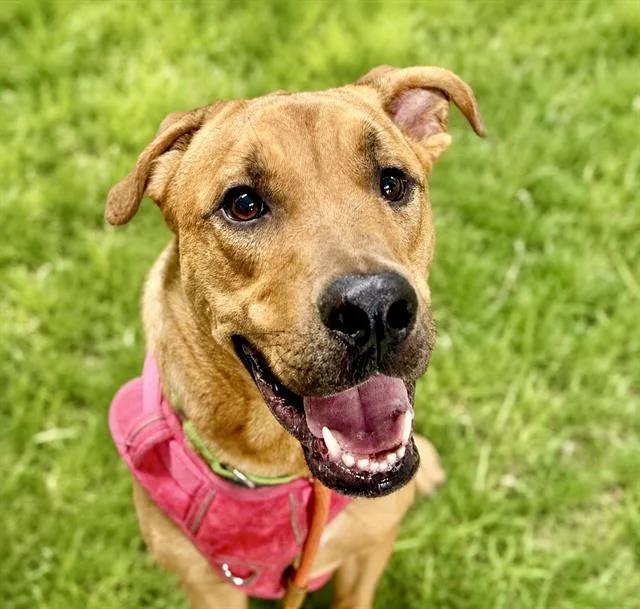
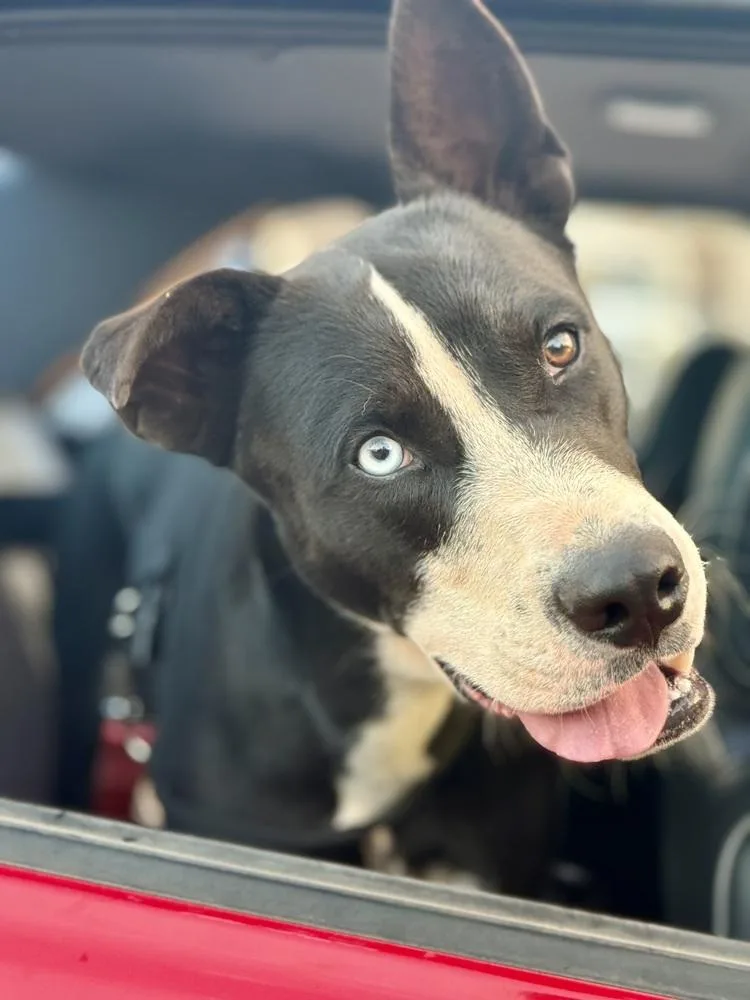
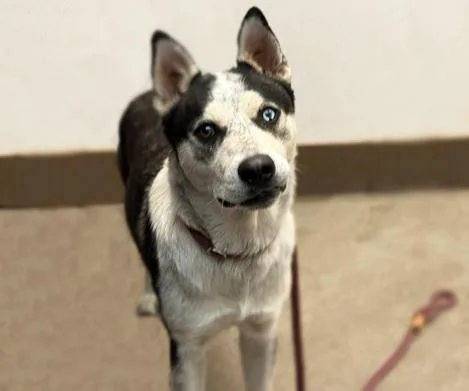
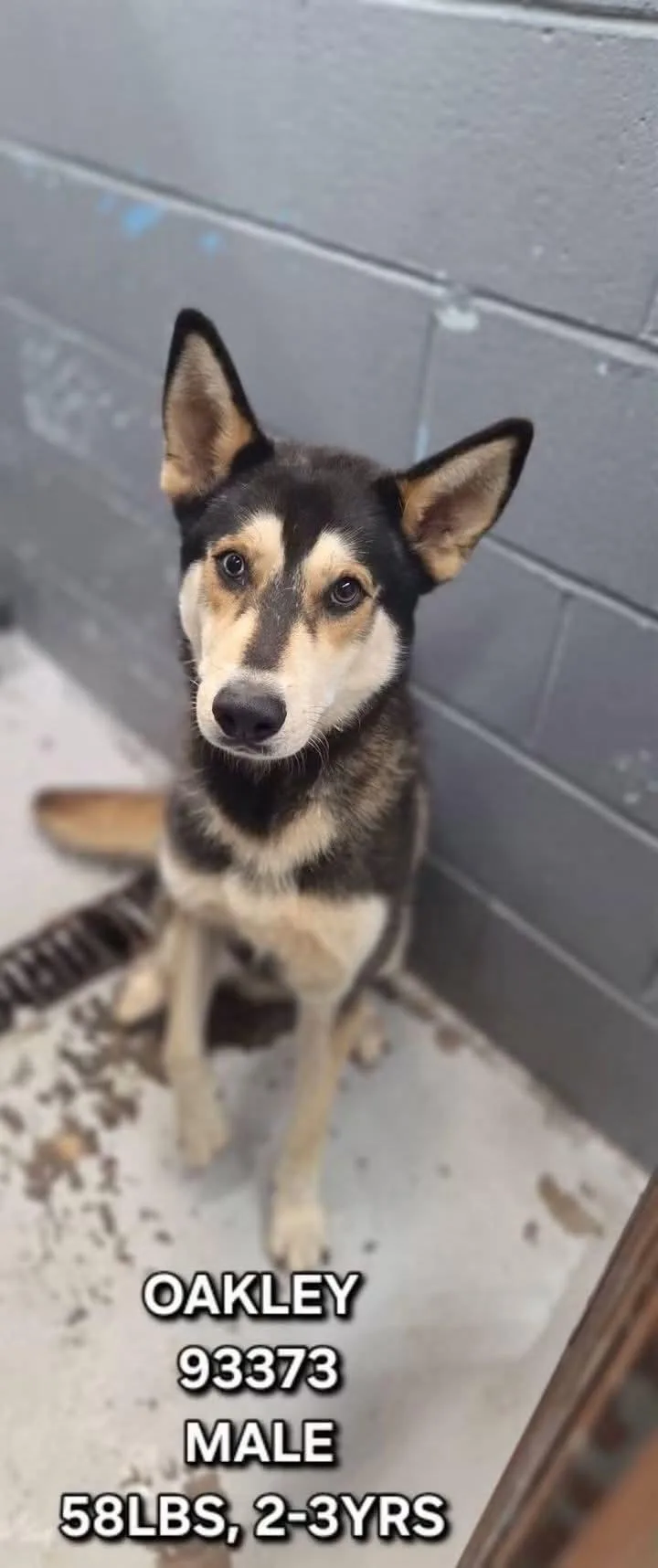
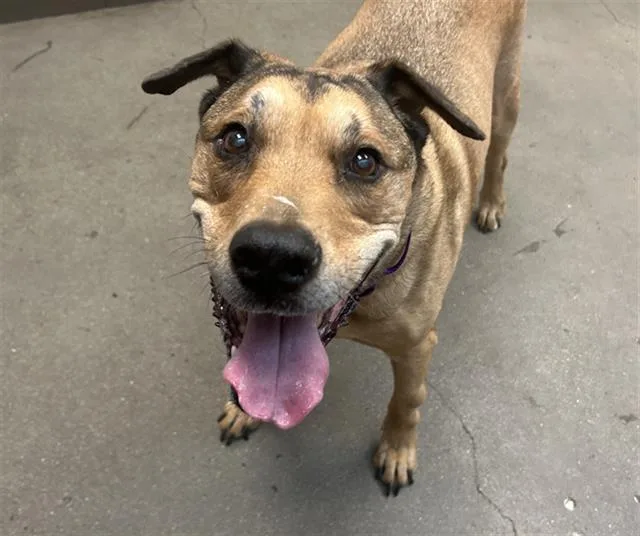
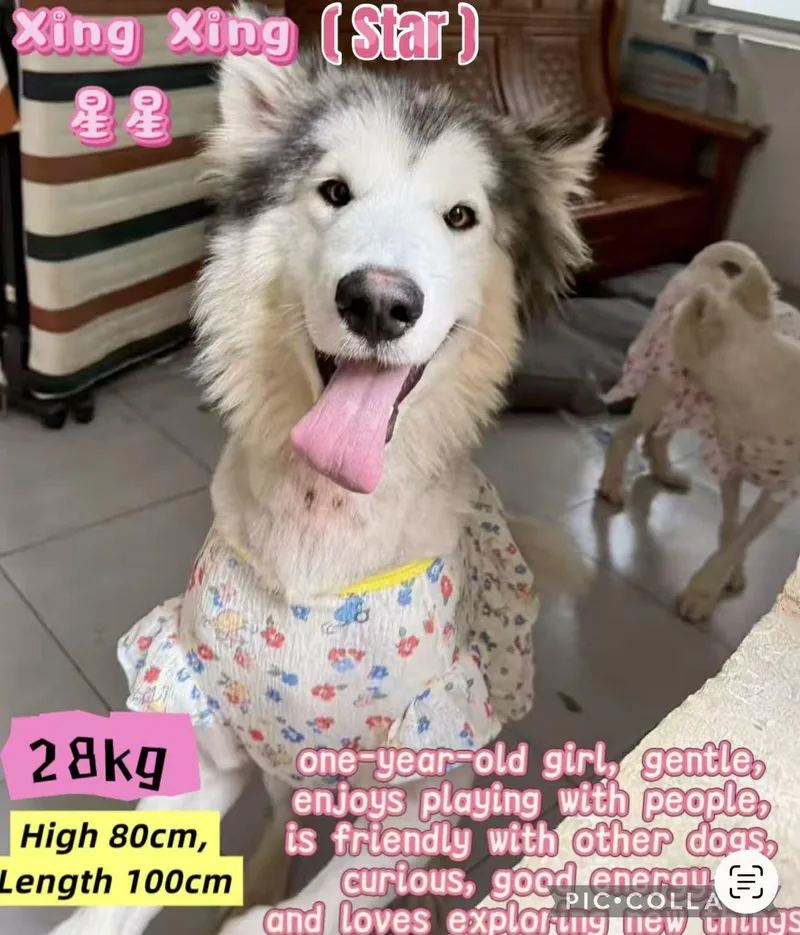
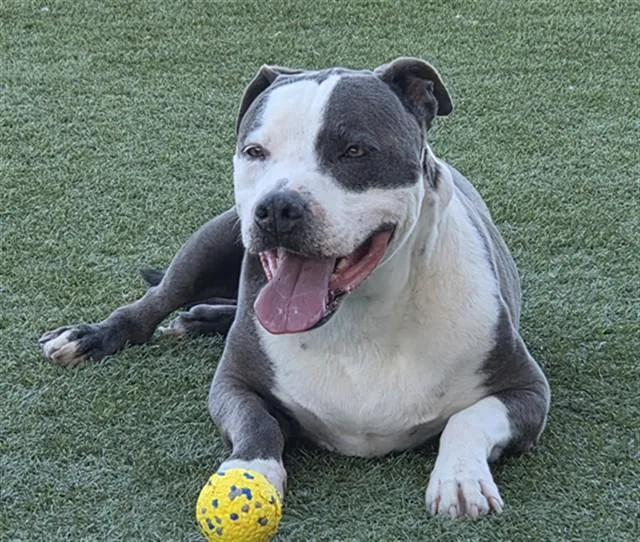
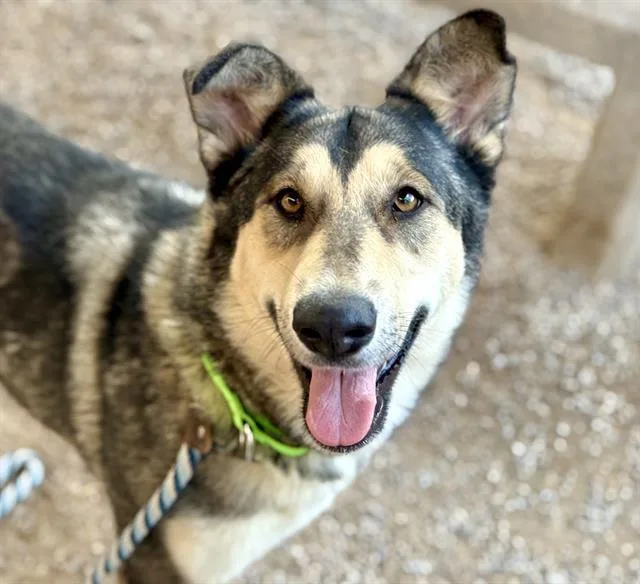
Jindo Dogs for Adoption in Tucson, AZ

Your guide to finding and caring for a Jindo in Tucson

A Jindo does best in Tucson with a secure yard, like the single-family streets east of Swan Road. These clean, quiet dogs bond closely with their people, and a steady routine suits them: a morning leashed walk along the Rillito path, then a calm day at home. The leash matters, since a Jindo's prey drive can override training in a second. Summer walks happen at dawn, before the heat settles in.

149 Jindos available in Tucson and nationwide

A Jindo is ready for you

While we don't have enough dogs near Tucson, keep in mind that many rescues may offer transport.

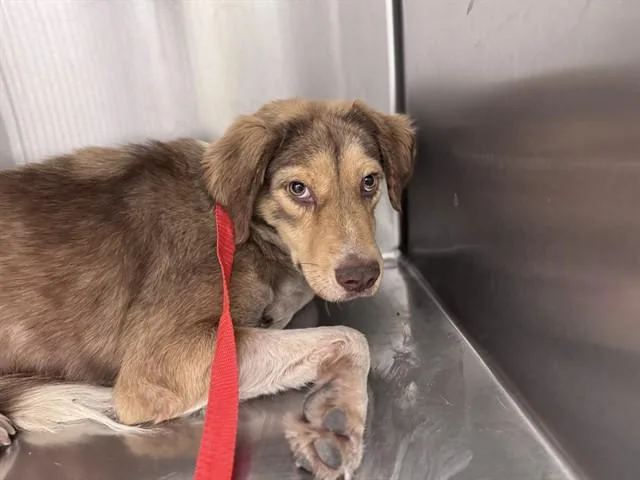
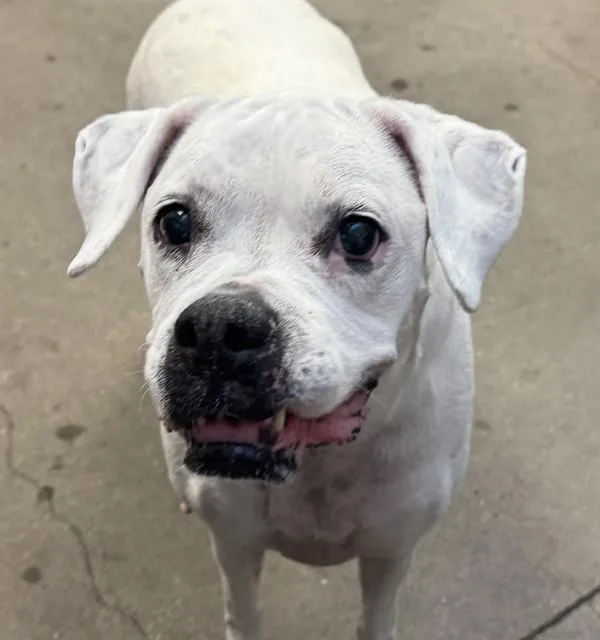
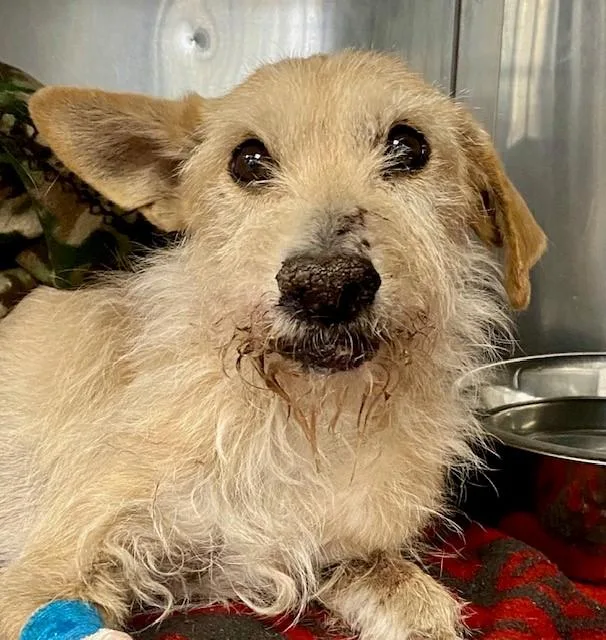
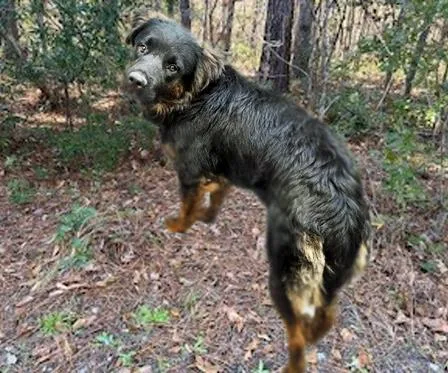
Jindos Available for Adoption Near Tucson

About the Jindo breed

The Jindo is a medium-sized spitz-type dog from Jindo Island, off South Korea's southwest coast, where it hunted game and guarded homes. South Korea protects the breed as a natural monument. Jindos have upright ears, a curled or sickle tail and a thick double coat in white, fawn, gray, black, black and tan or brindle, and they shed heavily in seasonal bursts.

Jindos and Jindo mixes turn up often in US rescues. They tend to be quiet, tidy and intensely devoted to their own people, yet independent and wary of strangers. In Tucson, that means a dog that appreciates a fenced yard, a cool indoor spot and patient adopters who let trust build at the dog's pace, over weeks or even months.

Weight
30–50 lbs
Height
18–22 in
Lifespan
12–15 yrs
Temperament
Loyal, Independent, Alert, Intelligent
Group
Non-Sporting
Shedding
High

Owning a Jindo in Tucson

Having a Jindo in Tucson

Jindos are tidy, quiet and loyal, with a hunter's independence. In Tucson, the main questions are how a prey-driven dog handles a leash-only city, desert heat and dust, and whether your home has a fence tall enough to hold a good climber.

Temperament

Jindos are typically devoted to their family and reserved with strangers, and many pick one favorite person. In a city with busy sidewalks and visitors, plan gradual, rewarding introductions. They can be selective with other dogs, and a newly adopted Jindo may need weeks or months to settle in and trust. Each dog varies.

Exercise Needs

Plan on about an hour a day, plus puzzle toys or scent games. Tucson requires a leash of six feet or less on public property, which suits a Jindo's chase instinct. The Loop's paved riverside paths work well in cooler months; in summer, walk just after sunrise and skip hot pavement.

Health Considerations

Jindos are generally hardy, though hypothyroidism, discoid lupus and occasional hip dysplasia or allergies occur. In Tucson, valley fever matters too: roughly 6–10% of dogs in Pima County and nearby counties get sick each year, and digging and dust raise the risk. Watch for coughing, lethargy, weight loss or limping, and see a vet promptly.

Living Space

Tucson's mix of older bungalows, apartments and single-family subdivisions can work for a Jindo. Apartments suit one that's reliably exercised; a house with a six-foot secure fence suits many better, since Jindos climb, jump and dig. Check gates often, and give the dog an air-conditioned spot indoors, where Jindos prefer to be with family.

What it costs to own a Jindo in Tucson

ExpenseTypical costPer year
Food$35 to $70 per month$420 to $840
Pet insurance$45 to $85 per month$540 to $1,020
Routine vet care$225 to $450 per year$225 to $450
Other*$540 to $1,390 per year$540 to $1,390
Estimated yearly total (after year one)$1,725 to $3,700

Other costs are estimates and vary with size, age and health.

* The $20 Pima County license for a spayed or neutered dog, flea, tick and heartworm prevention, a dental cleaning, grooming during heavy shedding, and toys and bedding.

Adopt a Jindo in Tucson.

Now that you know more, let’s find you a new best friend. These rescues and shelters below currently have Jindos available.

Frequently Asked Questions

A Jindo can fit Tucson well if you have a secure fence, a cool indoor space and time for dawn walks. Summer heat is the main hurdle for that thick coat. Because Jindos are reserved, quiet and attached to their people, they suit calm households better than constant social calendars. Required leashes on public property also suit their chase instinct.

Yes, with care. Tucson sees about 68 days a year at 100°F or more, mostly late May through September, and a Jindo's double coat adds to the load. Exercise at dawn, offer shade, water and air conditioning, avoid hot sand and pavement, and never shave the coat. Monsoon thunder can frighten dogs, so plan a quiet indoor spot.

Yes. Tucson has no breed bans or breed-specific restrictions, and Arizona law forbids cities from regulating by breed. You'll need a rabies vaccination and a Pima County license, $20 for a spayed or neutered dog, plus a leash of six feet or less on public property. Any limits you meet will come from landlords or insurers.

Try city dog parks like Udall, Danny Lopez or Wagging Tails during quiet hours, or the leashed, paved Chuck Huckelberry Loop along the river parks. Saguaro National Park allows leashed dogs only on a few roads and paved trails. Sabino Canyon and Tucson Mountain Park don't allow dogs, and a Jindo should stay leashed outside dog parks.

Mostly no. Sun Tran buses and the Sun Link streetcar allow only service animals or pets in a fully enclosed carrier small enough to fit on your lap, and animals can't sit on seats. A 30–50 pound Jindo won't fit in one, so plan on driving or walking, and keep the dog home on days when neither is practical.

Only to patios, and only where the restaurant has county approval to allow dogs, so it's up to each place. Pet dogs aren't allowed indoors, though service animals are. Keep your Jindo leashed and under control, and remember this reserved breed may not enjoy crowded tables or strangers reaching to pet it. A quiet corner helps.

Plan on weekly brushing, and daily during the heavy seasonal sheds, usually spring and fall. Jindos keep themselves clean, so baths are rarely needed. Don't shave the double coat in Tucson's heat, since it helps insulate. Grooming costs fall within the $540–$1,390 yearly Other range, and brushing at home keeps them low.

A Jindo is a medium-sized, spitz-type hunting and guard dog native to Jindo Island in South Korea, where it is protected as a natural monument. Jindos have erect ears, a curled tail and a thick double coat. They are famous for loyalty, intelligence, cleanliness and independence, and they are often reserved with strangers.

We have 1 rescue with Jindos available: Canine Friends Foundation. You can see every rescue with Jindos available in the list above these questions, or scroll to the top to see the Jindos near Tucson.

Expect roughly $1,725 to $3,700 a year for a Jindo in Tucson, or about $145 to $310 a month. That covers food ($35–$70 a month), pet insurance ($45–$85 a month), routine vet care ($225–$450 a year) and other costs ($540–$1,390 a year). Emergencies, such as toad or snake encounters, aren't included.