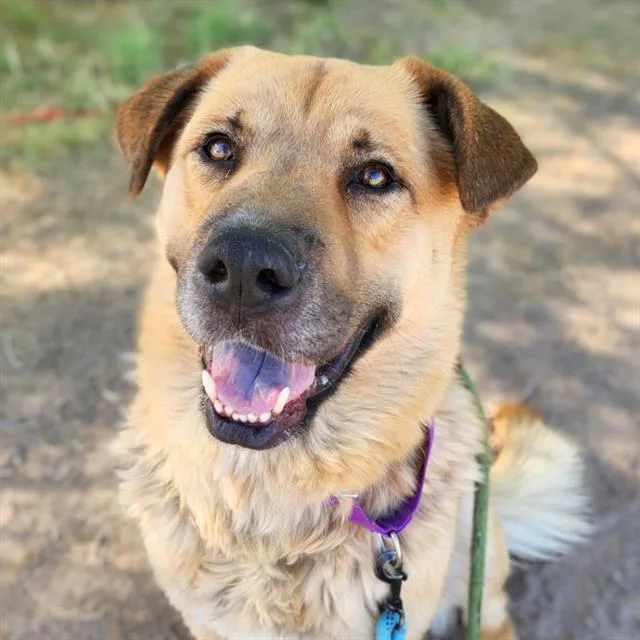
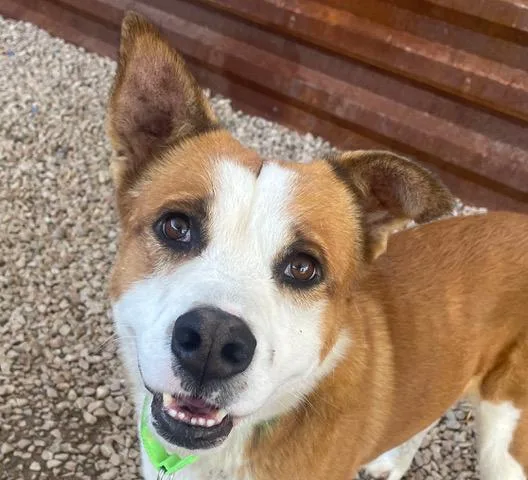
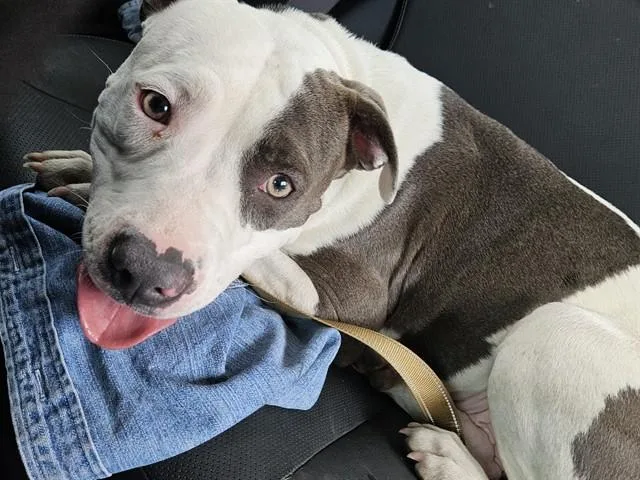
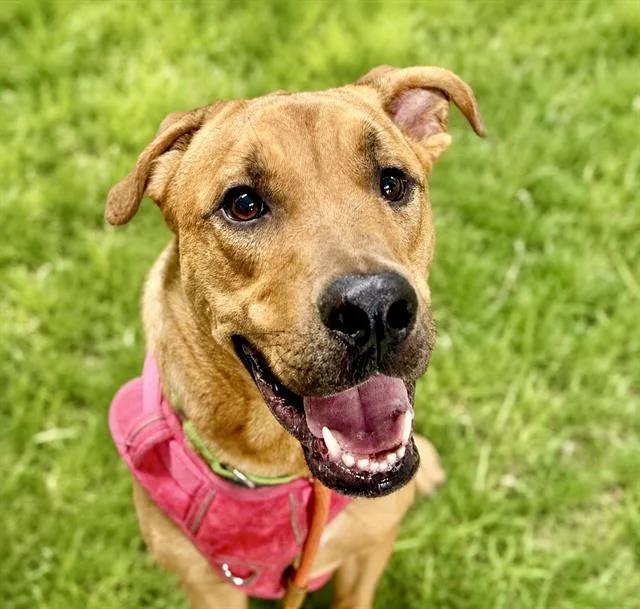
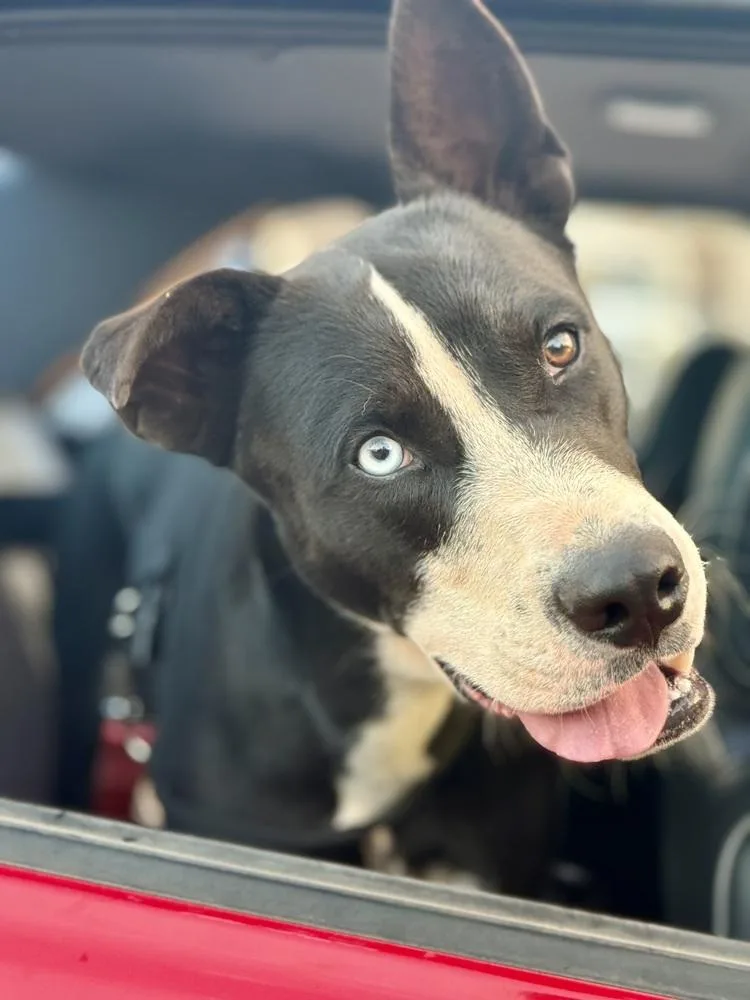
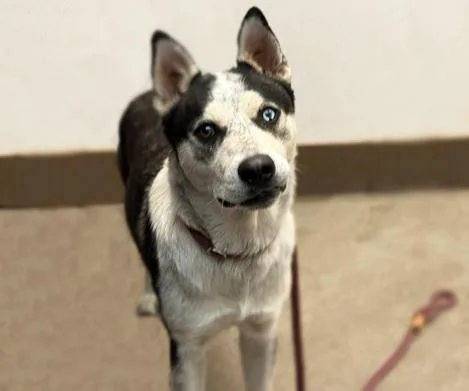
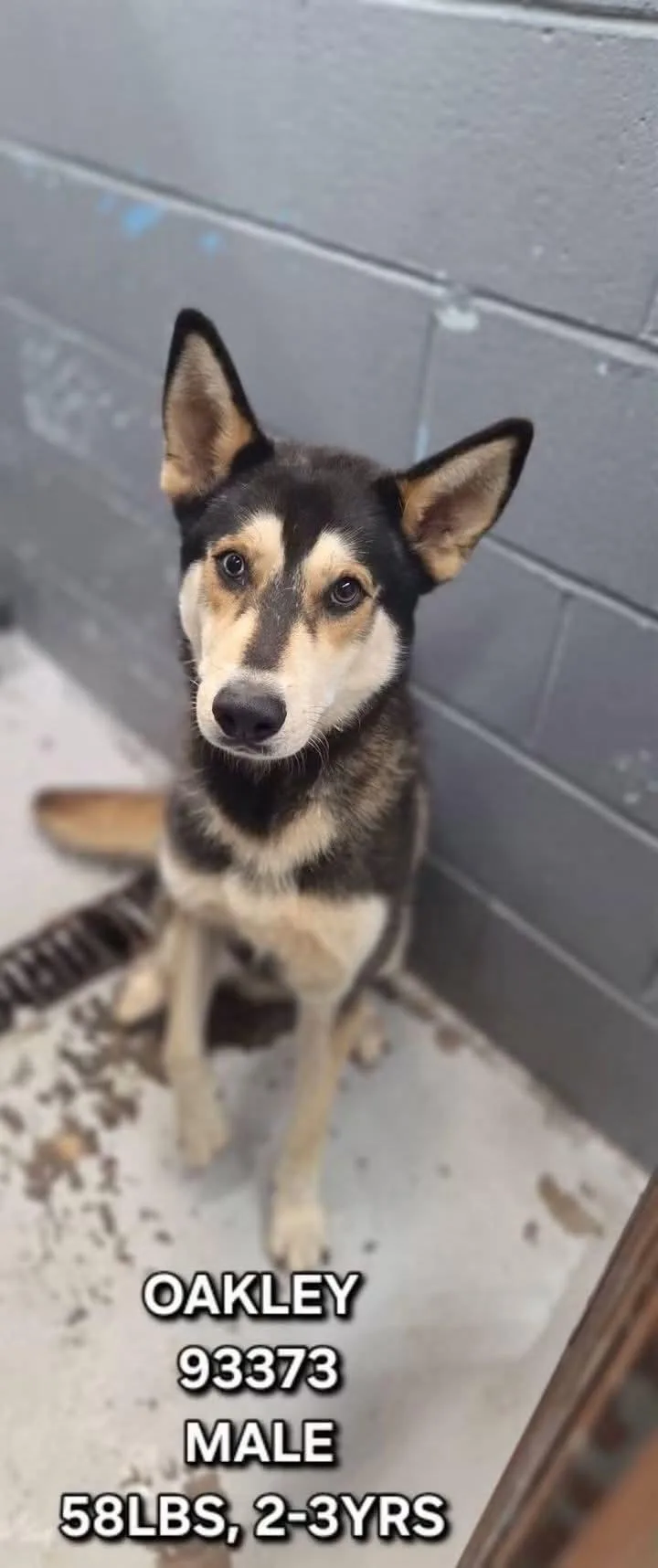
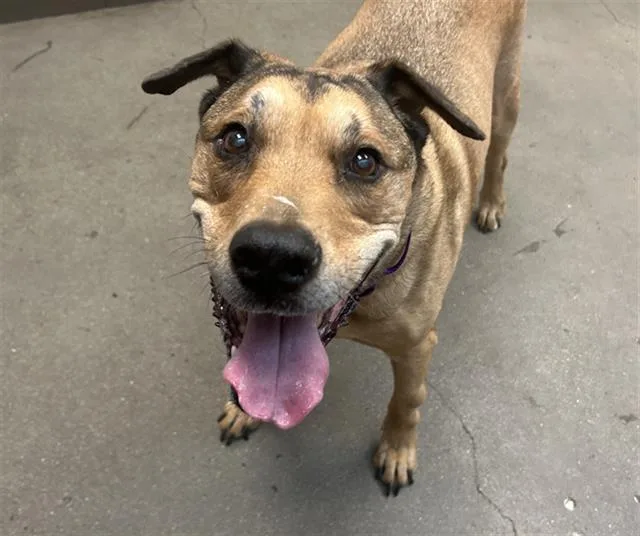
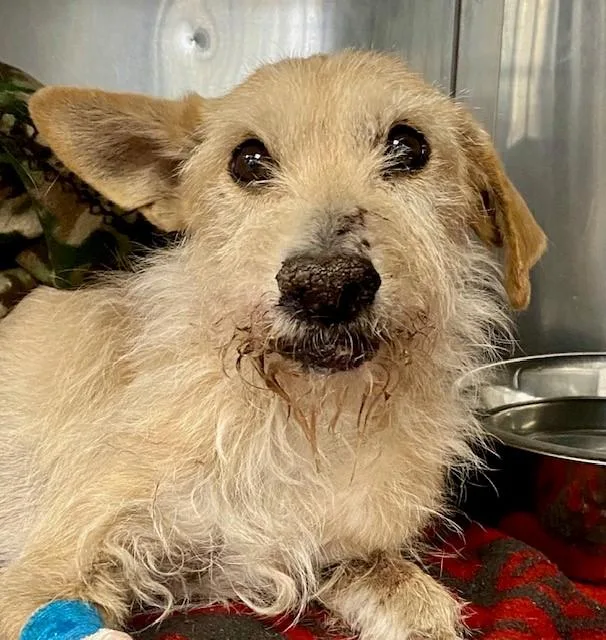
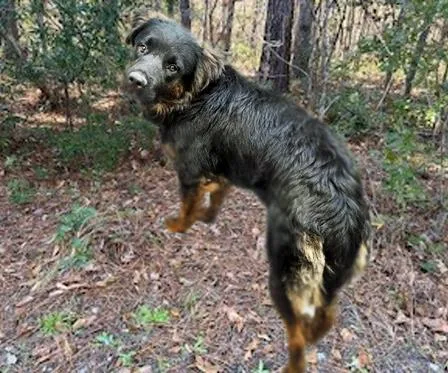
Great Pyrenees dog

Great Pyrenees Dogs for Adoption in Tucson, AZ

Your guide to finding and caring for a Great Pyrenees in Tucson

A Great Pyrenees fits best in a Tucson neighborhood with a fenced yard, like the single-family streets east of Swan Road or out in Rita Ranch. Pyrs patrol at night and bark at whatever they notice, so a solid fence and a little distance from neighbors help. Indoors they're calm, and most are happy with a long evening walk once the heat lets up. Plan on a shaded yard and a gate that latches.

2431 Great Pyrenees available in Tucson and nationwide

Open your home to a Great Pyrenees

While we don't have enough dogs near Tucson, keep in mind that many rescues may offer transport.

Great Pyrenees Available for Adoption Near Tucson

About the Great Pyrenees breed

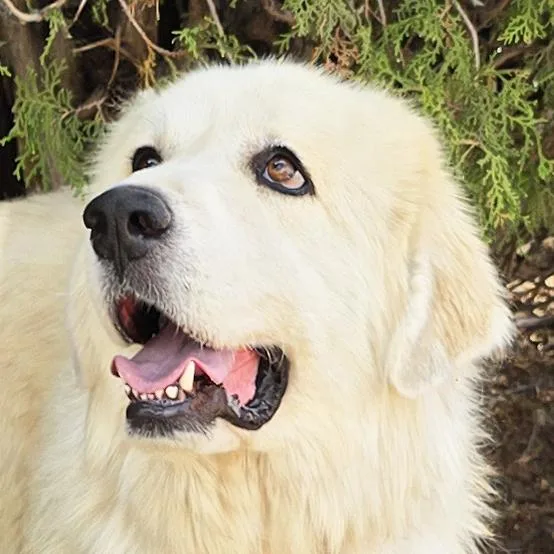
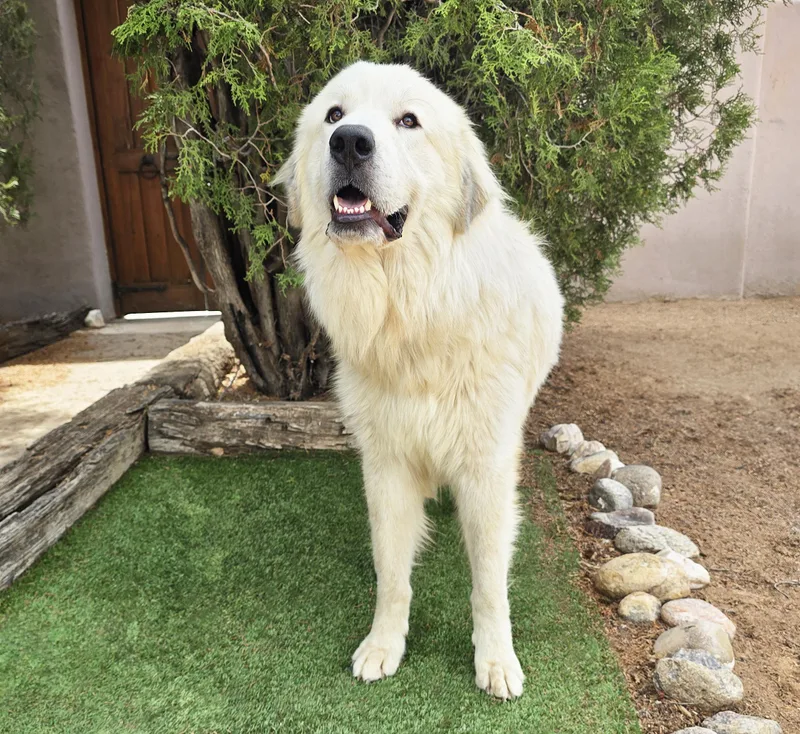
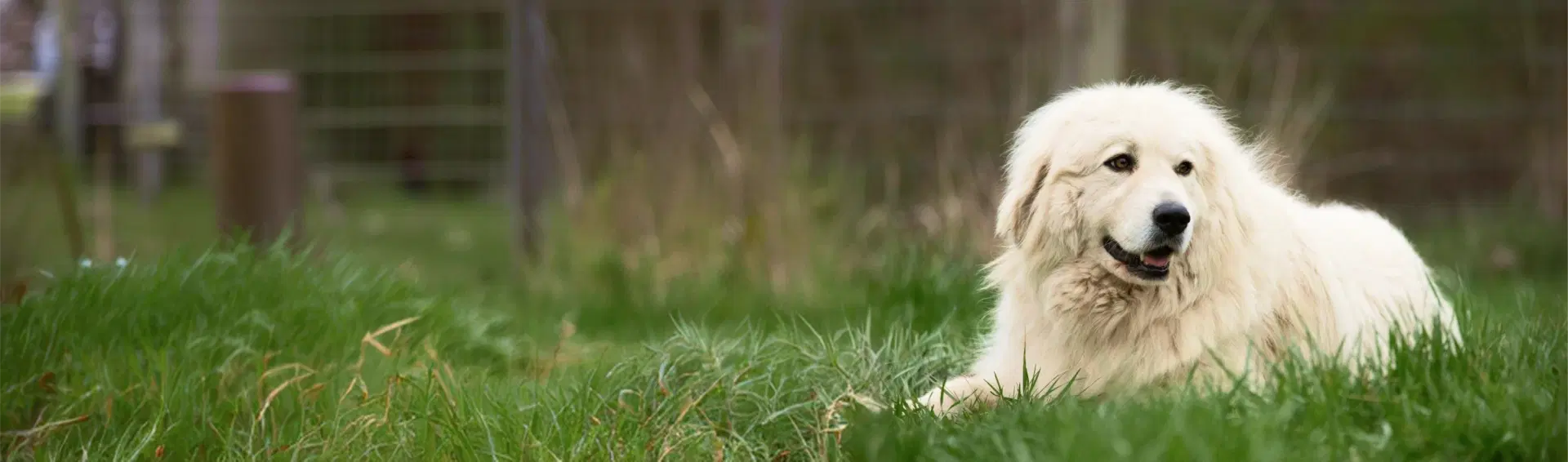
The Great Pyrenees was developed in the Pyrenees mountains between France and Spain, where shepherds relied on big white dogs to stay with their flocks and drive off wolves, bears and thieves. Adults stand 25 to 32 inches tall and weigh roughly 85 to 120 pounds, with a thick double coat, a plumed tail and double dewclaws on the hind legs.

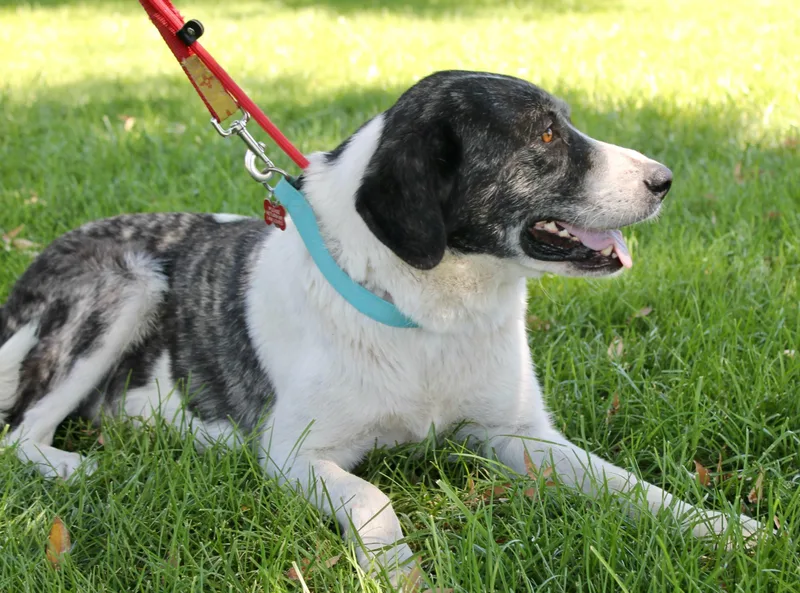
That guardian past shapes everyday life. Many Pyrs are calm and devoted at home, yet they think for themselves, often respond slowly to cues and tend to bark at night. They shed heavily and need secure fencing. In Tucson, that means shade, a cool spot indoors and a gate that latches. Many Pyrs in shelters are mixes, so size and coat can vary.

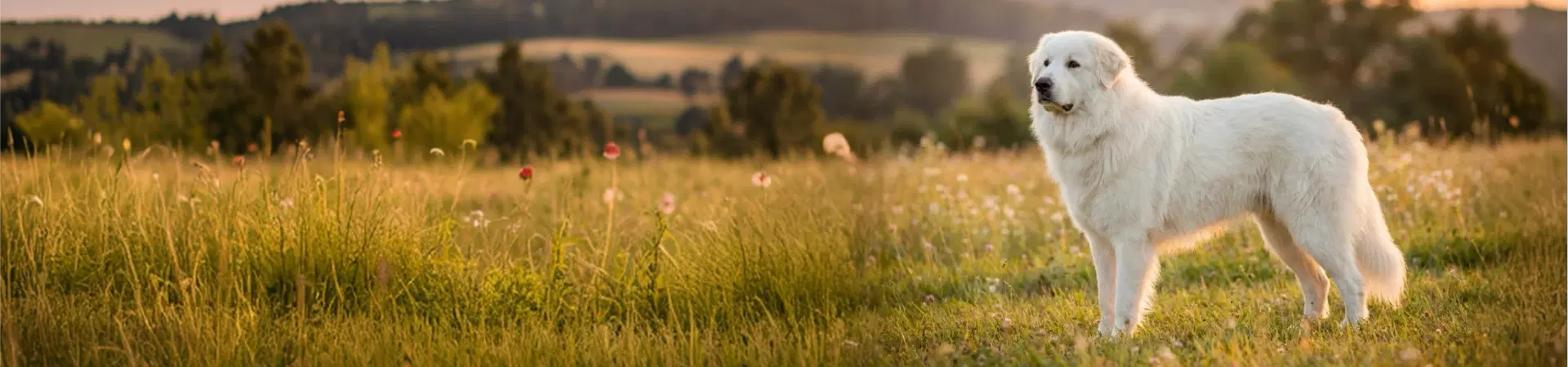
Weight
85–120 lbs
Height
25–32 in
Lifespan
10–12 yrs
Temperament
Calm, Protective, Independent
Group
Working
Shedding
High

Owning a Great Pyrenees in Tucson

Having a Great Pyrenees in Tucson

Size, independence and a thick white coat shape life with a Pyr more than anything else. In Tucson, the coat and the desert heat deserve the most thought, followed by good fencing and nighttime barking.

Temperament

Pyrs are usually gentle and affectionate with their families but reserved with strangers, and they bark to announce anything unusual, often after dark. In Tucson neighborhoods with close neighbors, that nighttime voice matters. Training works best when it's patient and reward-based, and each Pyr varies in how independent it is.

Exercise Needs

A Pyr needs moderate exercise: a daily walk and time to patrol a fenced yard. In Tucson, schedule walks around dawn or after dark in the warm months, and save longer outings for November through March. Keep a leash on, since many Pyrs roam, and add sniff walks and calm training games.

Health Considerations

Hip and elbow dysplasia, kneecap luxation, bloat and bone cancer are the main concerns, so feed smaller meals and keep the dog lean. In Tucson, add valley fever: about 6 to 10 percent of dogs in Pima County get sick each year. Persistent coughing, low energy or lameness warrants a vet visit.

Living Space

A Pyr does best in a house with a securely fenced yard, shade and a cool spot indoors. Apartments can work for a calm adult with an attentive owner, but size and nighttime barking make it harder. Tucson's single-family neighborhoods are a natural match, as long as the fence is sturdy.

What it costs to own a Great Pyrenees in Tucson

ExpenseTypical costPer year
Food$80 to $160 per month$960 to $1,920
Pet insurance$85 to $170 per month$1,020 to $2,040
Routine vet care$250 to $500 per year$250 to $500
Other*$690 to $1,890 per year$690 to $1,890
Estimated yearly total (after year one)$2,920 to $6,350

Other costs are estimates and vary with size, age and health.

* The $20 Pima County license for a spayed or neutered dog, flea, tick and heartworm prevention, a dental cleaning allowance, supplies, brushing and baths for heavy shedding, and joint supplements.

Great Pyrenees dog

Adopt a Great Pyrenees in Tucson.

Now that you know more, let’s find you a new best friend. These rescues and shelters below currently have Great Pyrenees available.

Frequently Asked Questions

Yes, with planning. Tucson's winters are mild, but about 68 days a year hit 100°F or more, and June is the hottest month. A Pyr's thick coat makes midday heat risky, so walk at dawn, provide shade, water and a cool indoor spot, and keep paws off hot sand and asphalt. Never leave a dog in a parked car.

Yes. Tucson has no breed bans, and Arizona law forbids cities from regulating specific breeds. You'll need a Pima County license with a current rabies vaccine, a leash on public property and a secure yard, since dogs can't run loose even at home. Landlords or insurers may still limit giant breeds, so confirm before you apply.

Danny Lopez, Esquer and Palo Verde dog parks all have separate large and small areas, so a Pyr has room to move. The Chuck Huckelberry Loop is a flat, paved, leashed walk along dry riverbeds, but stay off the washes after monsoon storms. Saguaro National Park allows leashed dogs only on a few roads and paved trails.

It can, if the dog is a calm adult and you're prepared for the barking. Confirm the building's pet policy in writing before applying, since size limits are common for giant dogs. Plan for dawn walks in summer and a cool floor spot indoors, and expect some nighttime barking that neighbors may notice.

Plan on brushing at least weekly, and several times a week during heavy spring and fall shedding. Brush rather than shave, since the double coat helps protect against Tucson's heat and sun. Desert dust and cactus spines mean checking the coat and feet after outings. Baths and grooming fall within the yearly Other costs shown above.

Only on patios, and only if the restaurant allows it. In Pima County, a food establishment needs county approval to allow pet dogs outdoors, dogs must stay leashed and under control, and indoor dining is limited to service animals. A Great Pyrenees takes up a lot of room, so pick a spacious patio.

Not in practice. Tucson allows pets on Sun Tran buses and the Sun Link streetcar only in a fully enclosed carrier small enough to fit on your lap, and animals can't sit on seats. A Great Pyrenees is far too big for that, so plan on driving. Service animals are the exception.

A Great Pyrenees is a giant livestock guardian dog from the Pyrenees mountains between France and Spain, bred to protect sheep from predators. It has a thick, weather-resistant white coat, often with gray, tan or badger markings, and double dewclaws on its hind legs. Many are calm, gentle and devoted to family, yet independent and watchful.

We have 2 rescues with Great Pyrenees available: Pima Animal Care Center and Hope of Deliverance. You can see every rescue with Great Pyrenees available in the list above these questions, or scroll to the top to see the Great Pyrenees near Tucson.

Plan on about $80 to $160 a month for food and $85 to $170 for insurance. Routine vet care runs $250 to $500 a year, and other costs such as prevention, grooming and joint support add $690 to $1,890. That puts a Pyr at roughly $2,900 to $6,350 a year.

Find Great Pyrenees in Nearby Cities

Expand your search to find Great Pyrenees available for adoption near Tucson.