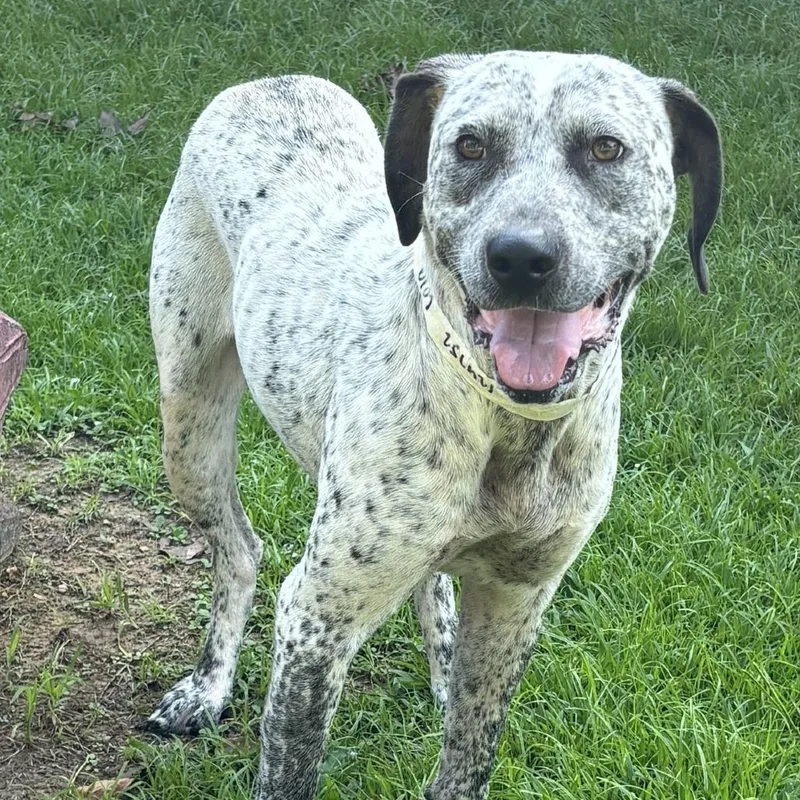
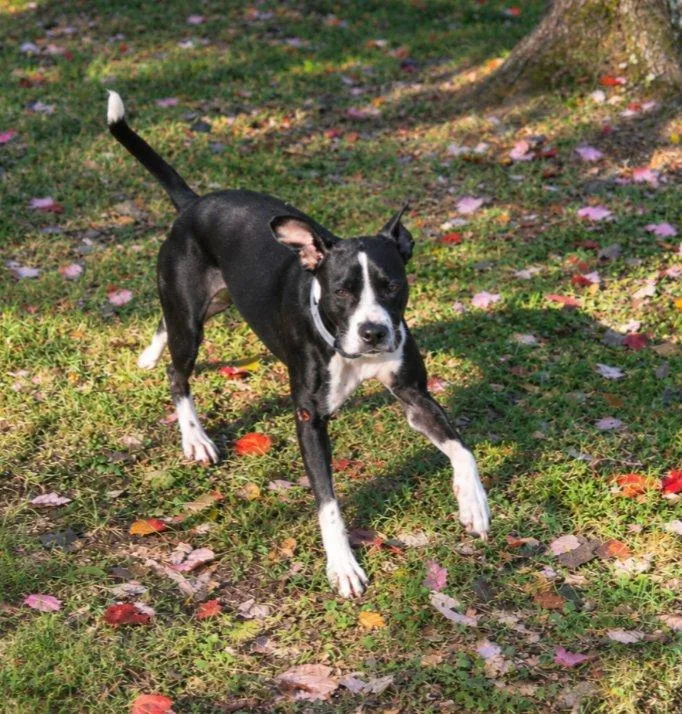
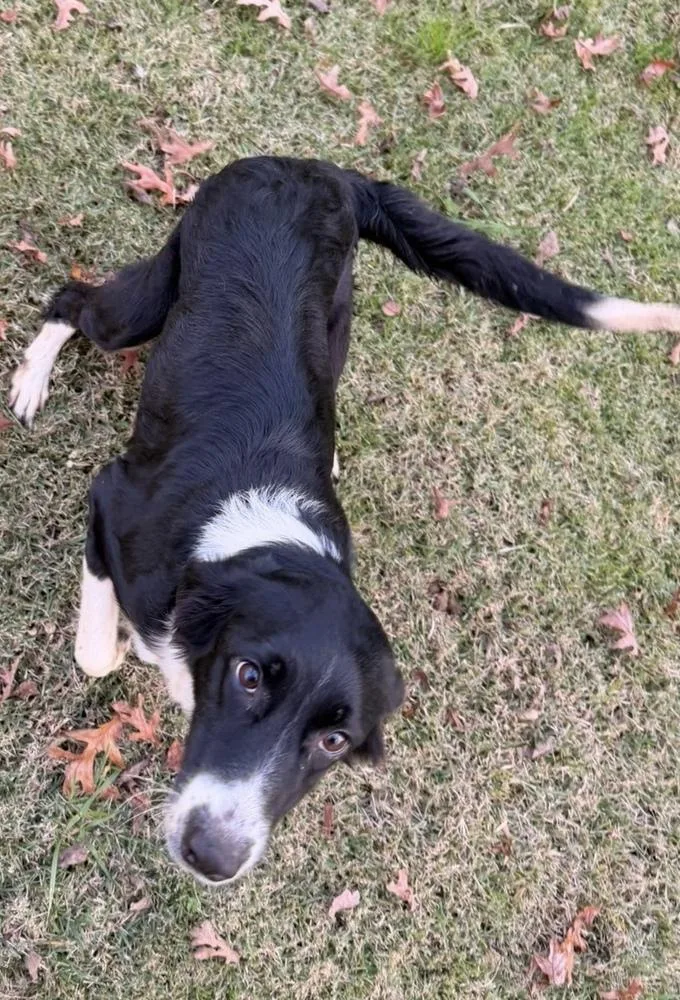
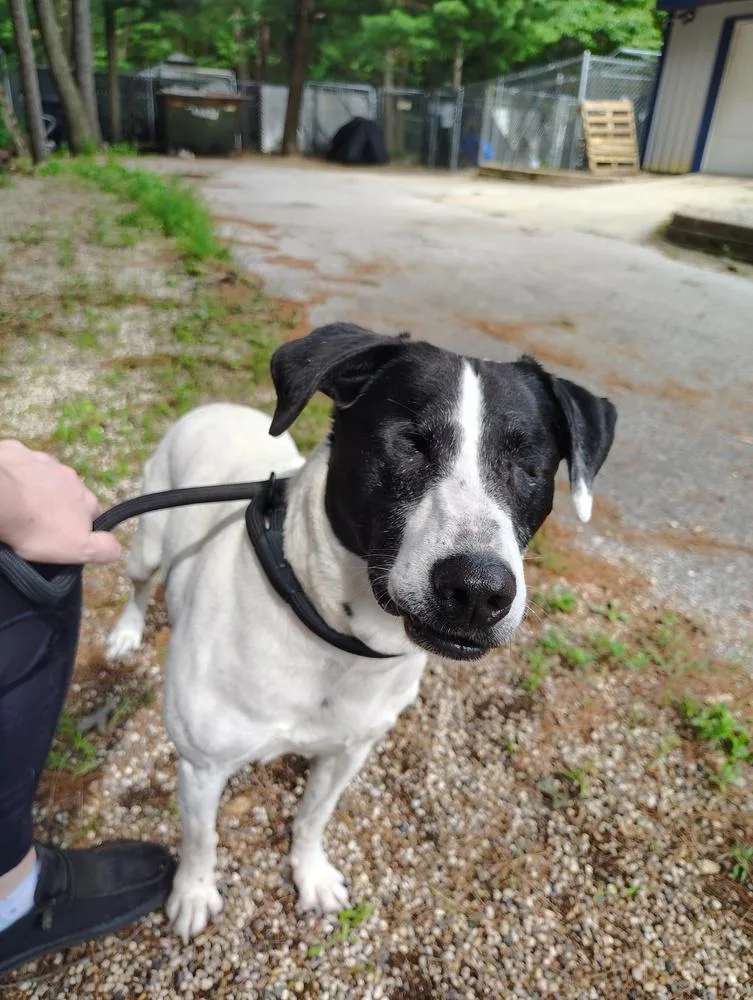
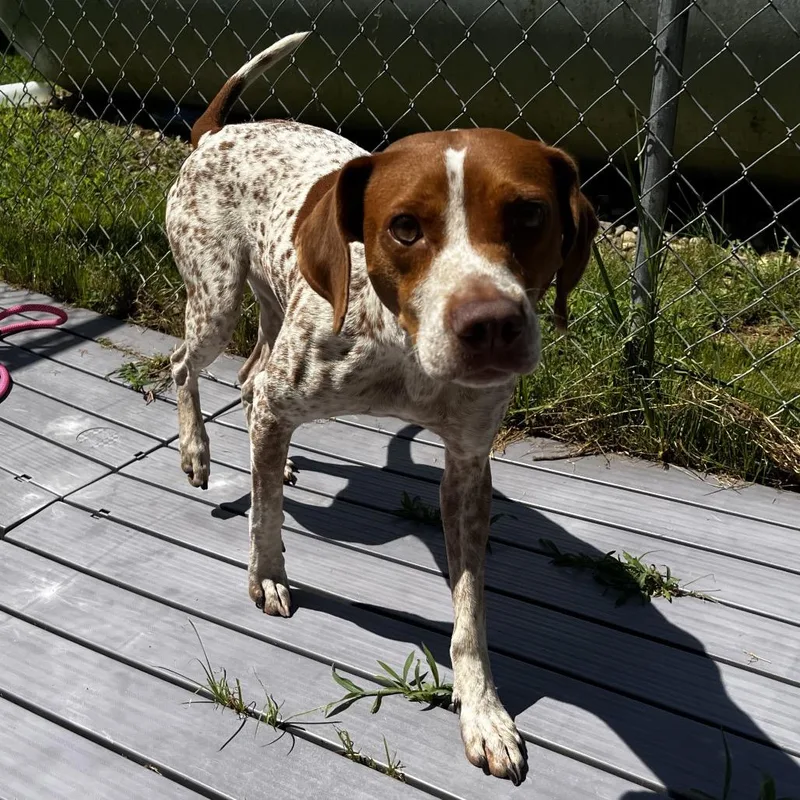
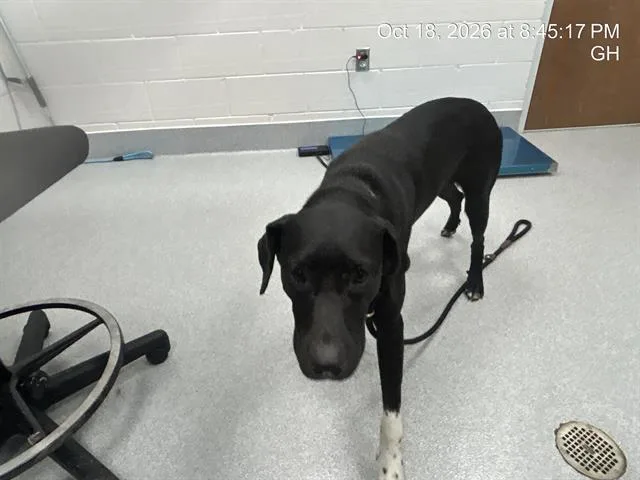
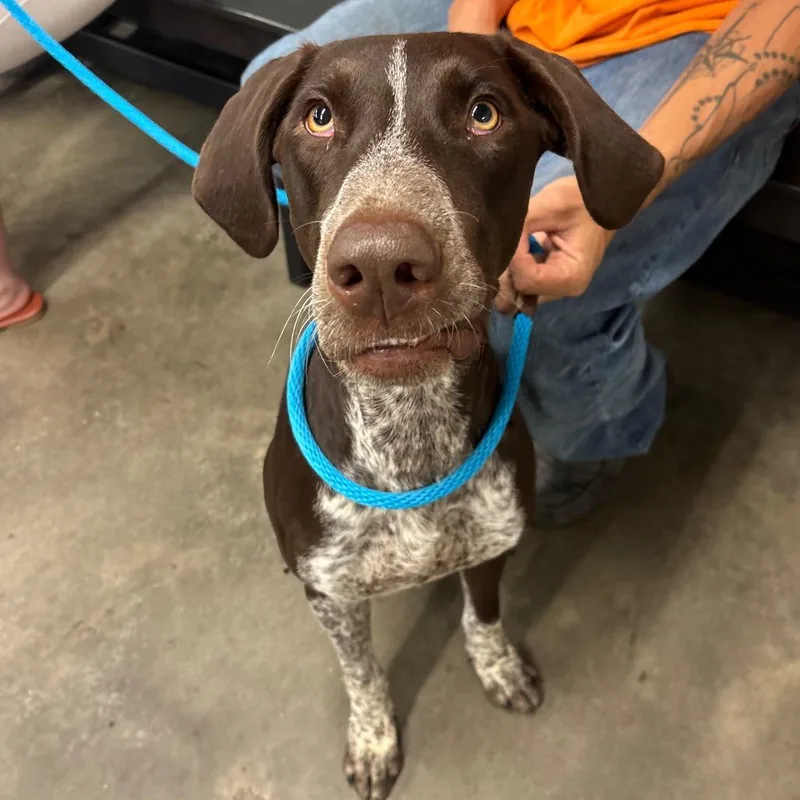
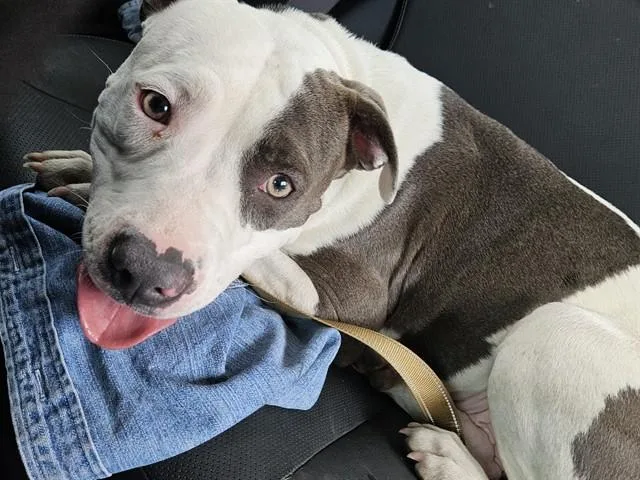
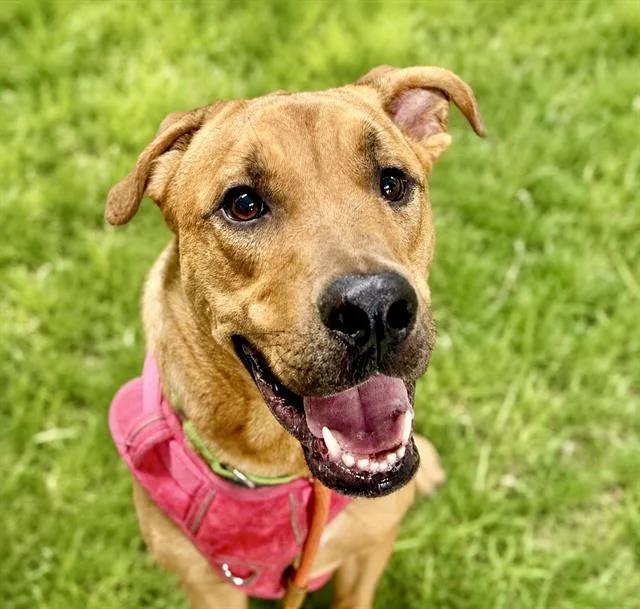
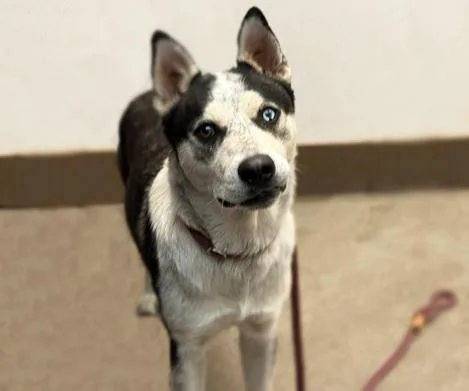
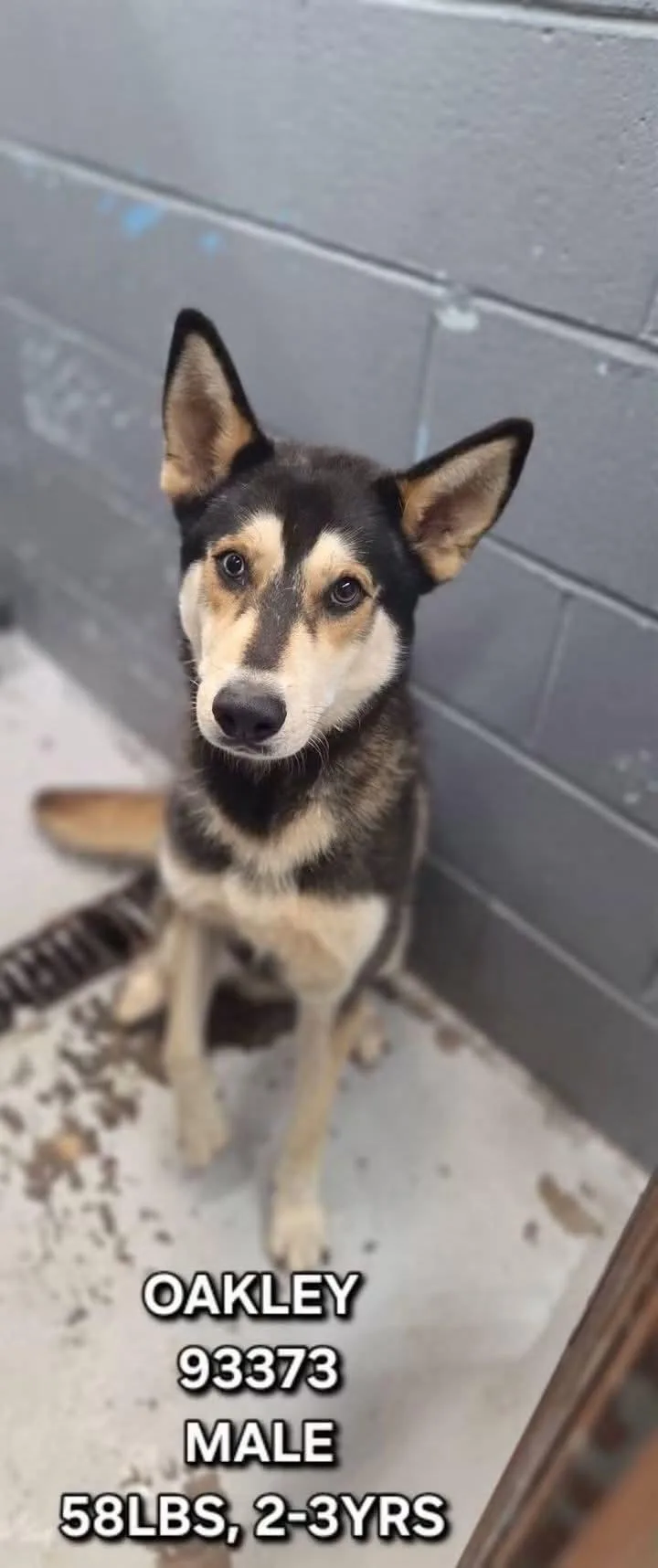
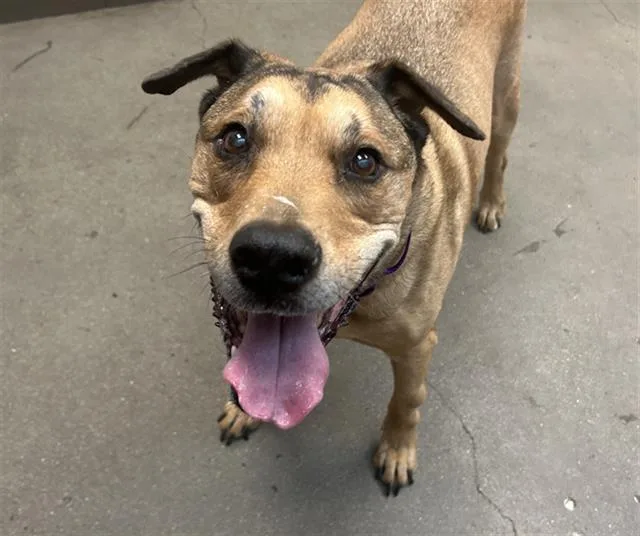
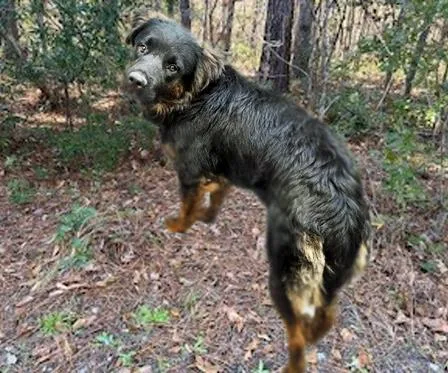
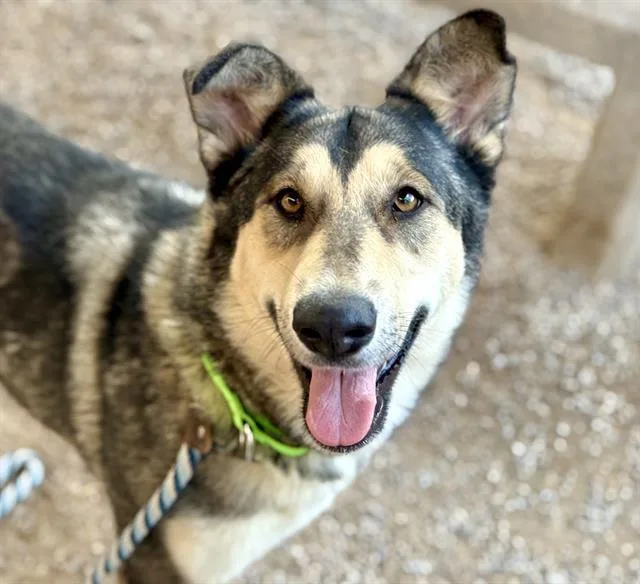
German Shorthaired Pointer Dogs for Adoption in Tucson, AZ

Your guide to finding and caring for a German Shorthaired Pointer in Tucson

German Shorthaired Pointers do well in Tucson if you're up for early-morning runs. Near Fort Lowell, the flat paved Rillito path suits a leashed GSP at a steady trot, and on the east side Udall Dog Park gives them room to burn off the rest. They're affectionate and want to be wherever you are, so a house with a secure yard beats a long workday alone. Most run best before the afternoon heat sets in.

361 German Shorthaired Pointers available in Tucson and nationwide

Fall for a German Shorthaired Pointer

While we don't have enough dogs near Tucson, keep in mind that many rescues may offer transport.

German Shorthaired Pointers Available for Adoption Near Tucson

About the German Shorthaired Pointer breed

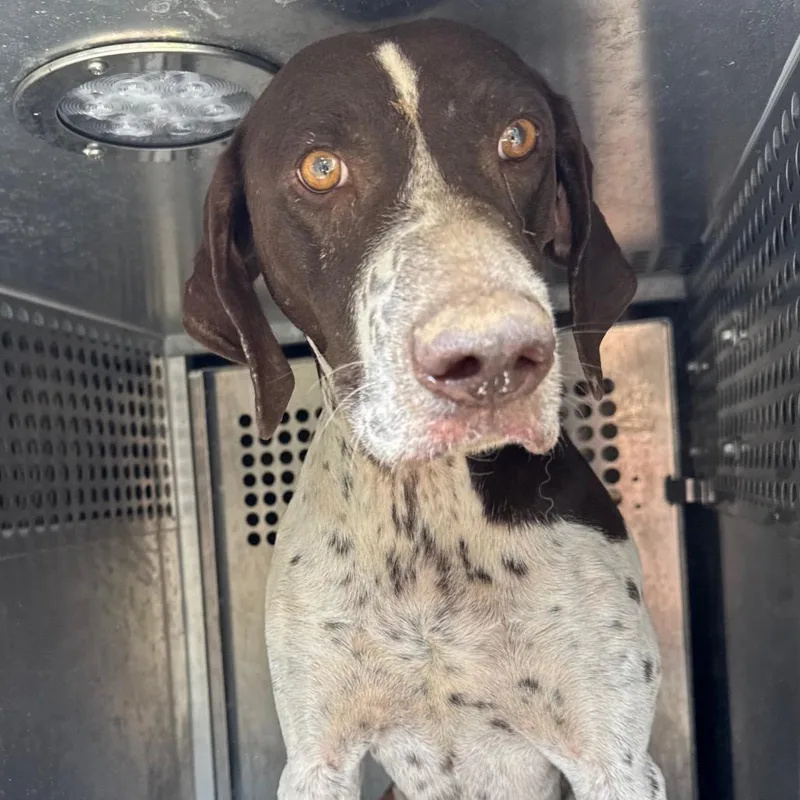
The German Shorthaired Pointer was developed in nineteenth-century Germany as an all-purpose hunting dog that could point, track and retrieve on land and water. It's lean and muscular, with a short, dense coat in solid liver or liver and white, often ticked or roan. Adults usually weigh 45 to 70 pounds and stand 21 to 25 inches tall.

In Tucson, that background shows up as a dog that wants a job and plenty of space to run. Many stay intensely energetic until two or three years old, and a bored GSP may chew, dig, bark or try to clear a fence. Dogs vary, and adults are often calmer than puppies, but most do best with daily vigorous exercise, training and company.

Weight
45–70 lbs
Height
21–25 in
Lifespan
10–14 yrs
Temperament
Energetic, Friendly, Intelligent
Group
Sporting
Shedding
Moderate

Owning a German Shorthaired Pointer in Tucson

Having a German Shorthaired Pointer in Tucson

GSPs pair athletic drive with a close attachment to their people. In Tucson, that means scheduling exercise around the desert heat, securing a yard against jumpers, and giving a smart, busy dog a daily job. Each dog's energy and needs vary.

Temperament

Many GSPs are affectionate, eager to please and happiest near their people, which suits Tucson households that are home often. Some are reserved with strangers at first. Strong prey drive can make lizards, birds and cats tricky, and a bored dog may turn destructive. Reward-based training and steady routines help.

Exercise Needs

Expect well over an hour of running or retrieving daily for a young adult. In Tucson, the paved Rillito and Santa Cruz river park paths work for leashed runs, and fenced dog parks allow off-leash play. Add nose work or training games, and shift hard exercise to dawn in the warm months.

Health Considerations

The breed is generally sturdy, but hip dysplasia, bloat and some eye and skin conditions occur. Tucson adds valley fever, a soil fungus that sickens an estimated 6 to 10 percent of dogs in Pima County each year, so persistent coughing or low energy deserves a vet visit. Check paws for cactus spines and burns.

Living Space

A securely fenced yard with six-foot fencing is ideal, and it fits the single-family neighborhoods common on Tucson's east and south sides. Apartments can work for a committed owner who runs the dog daily. In summer, a GSP needs to come indoors to cool off, since these dogs do poorly kept outside.

What it costs to own a German Shorthaired Pointer in Tucson

ExpenseTypical costPer year
Adoption fee$350, one time$350 in year one
Food$55 to $110 per month$660 to $1,320
Pet insurance$55 to $110 per month$660 to $1,320
Routine vet care$250 to $500 per year$250 to $500
Other*$495 to $1,270 per year$495 to $1,270
Estimated yearly total (after year one)$2,065 to $4,410
First-year total (with adoption fee)$2,415 to $4,760

Adoption fee is the fee on German Shorthaired Pointer listings in Tucson on GetBuddy today. Other costs are estimates and vary with size, age and health.

* The $20 Pima County license for a spayed or neutered dog, flea, tick and heartworm prevention, a dental cleaning allowance, durable toys and bedding, and minimal grooming for a short coat.

Adopt a German Shorthaired Pointer in Tucson.

Now that you know more, let’s find you a new best friend. These rescues and shelters below currently have German Shorthaired Pointers available.

Frequently Asked Questions

A German Shorthaired Pointer fits Tucson if you can exercise it hard and early, especially in summer, and offer a secure yard or a daily running routine. Long stretches alone or a sedentary household are a harder match. Dogs vary, but plan on indoor cooling and shaded or dirt surfaces over hot asphalt.

Yes, with care. Tucson sees about 68 days a year at 100°F or more, and nights often stay in the 70s, so run at dawn and keep afternoons indoors. A short coat sheds heat easily, but hot sand and pavement burn paws. Carry water, test the ground with your hand, and never leave a dog in a car.

Try the Chuck Huckelberry Loop for leashed runs along the Rillito and Santa Cruz river parks, and city dog parks like Udall, Wagging Tails and Jacobs for off-leash play. City dog parks require a licensed collar and no puppies under four months. Sabino Canyon and Tucson Mountain Park don't allow dogs.

Yes. Tucson has no breed bans, and Arizona law prohibits breed-specific rules. You'll need a rabies vaccination and a Pima County license for any dog three months or older, plus a leash no longer than six feet in public. Size or breed limits usually come from landlords or insurers, not the city.

It can, but only with a committed owner. About half of Tucson households rent, though weight limits and pet fees vary by building. Plan on more than an hour of daily running, easy access to the Loop or a dog park, and training to prevent barking and chewing. A home with a fenced yard is easier.

Not practically. Sun Tran buses and the Sun Link streetcar allow pets only in a fully enclosed carrier small enough to fit on your lap, and animals can't sit on seats. A 45 to 70 pound GSP won't fit, though service animals are the exception. Plan on driving, walking or running to the Loop and dog parks.

Sometimes, on patios only. Whether a patio welcomes dogs is up to each restaurant, which needs county approval, and dogs must stay leashed and under control. Indoors, only service animals are allowed. A GSP is far more likely to settle under the table after a long morning run.

Very little. The short coat needs a weekly brush with a rubber mitt, and a bath only when dirty. In Tucson, spend the extra effort checking paws for burns and cactus spines, and wiping ears and coat after dusty outings. Grooming adds little to yearly costs, since most owners handle it at home.

We have 2 rescues with German Shorthaired Pointers available: Pima Animal Care Center and Paws Without Borders. You can see every rescue with German Shorthaired Pointers available in the list above these questions, or scroll to the top to see the German Shorthaired Pointers near Tucson.

A GSP typically costs $55 to $110 a month for food and $55 to $110 a month for pet insurance. Routine vet care runs about $250 to $500 a year, and other costs like parasite prevention, dental care, supplies and the license add roughly $495 to $1,270 a year.

Find German Shorthaired Pointers in Nearby Cities

Expand your search to find German Shorthaired Pointers available for adoption near Tucson.