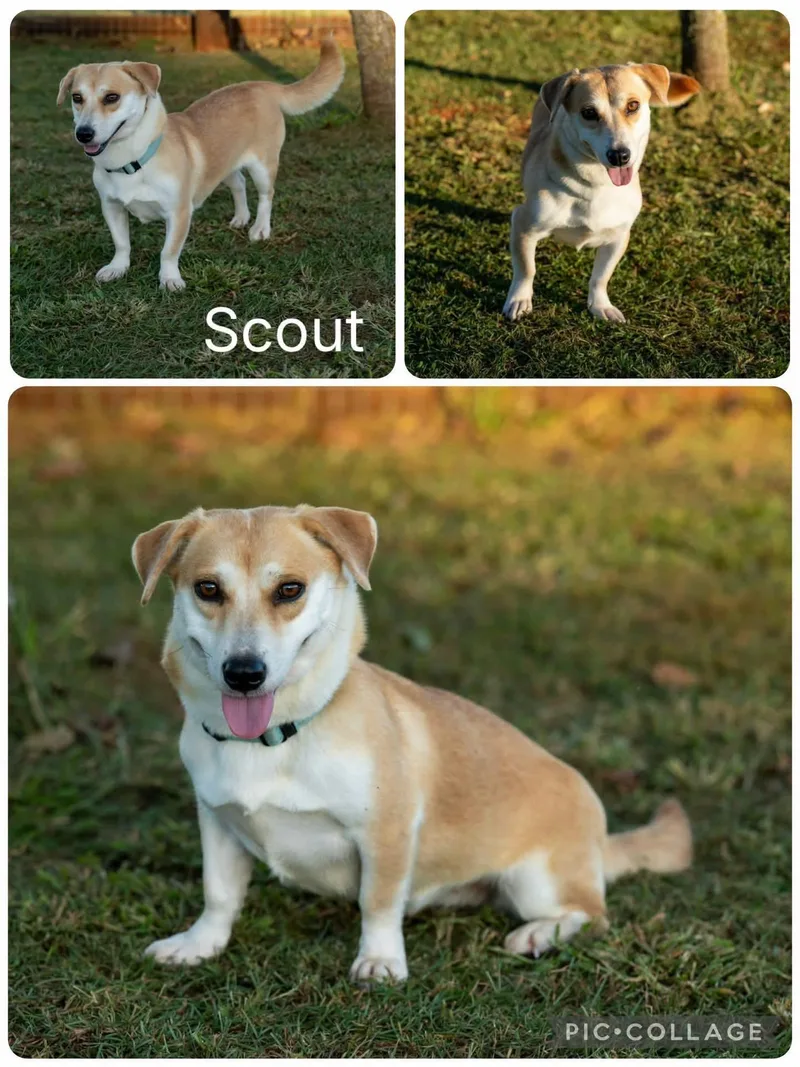
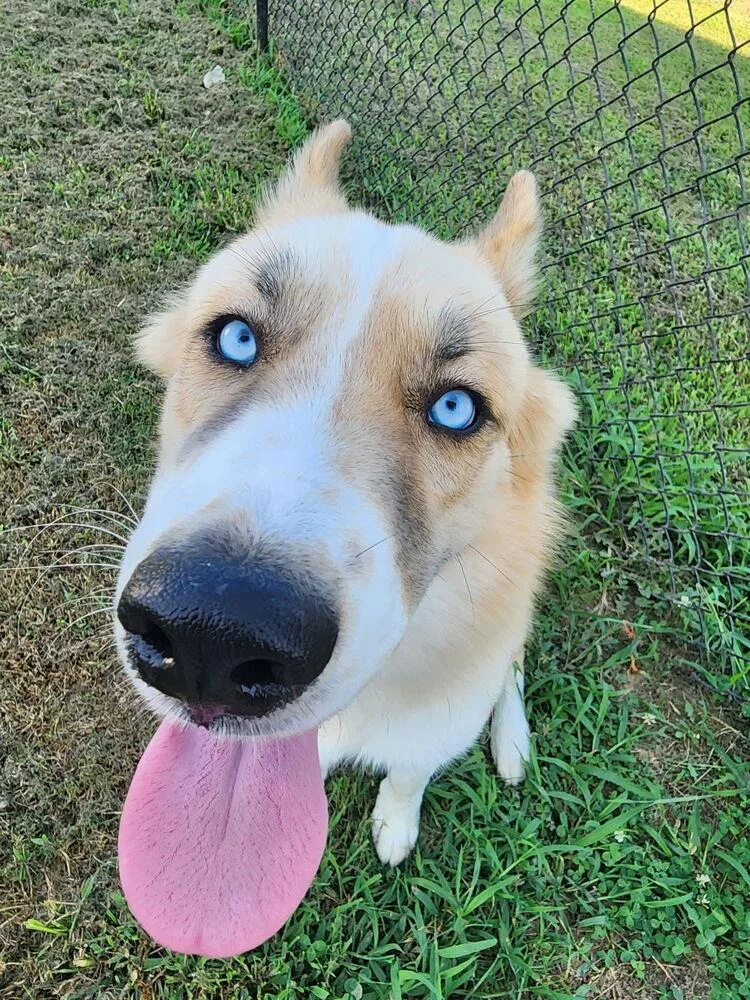
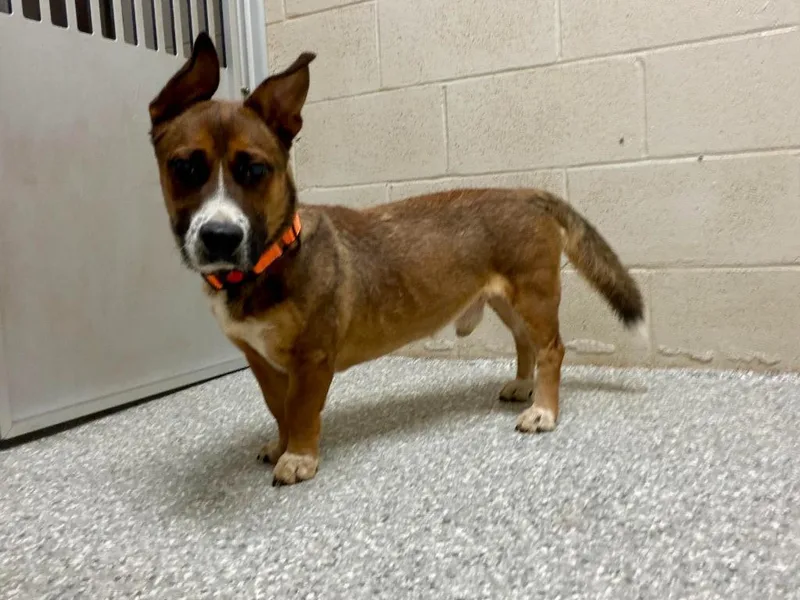
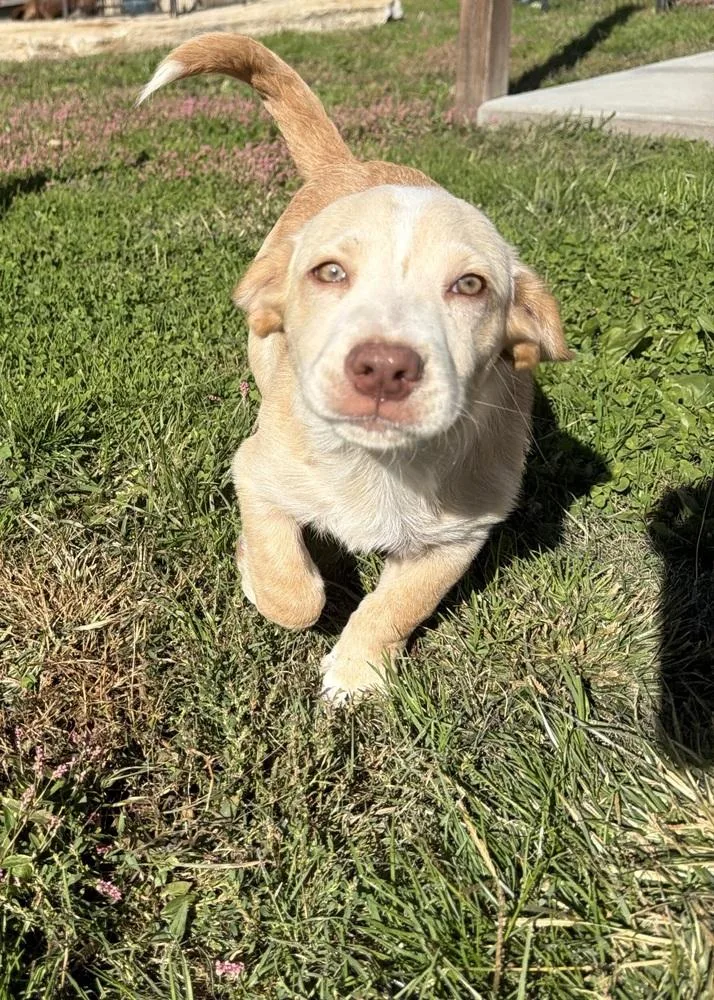
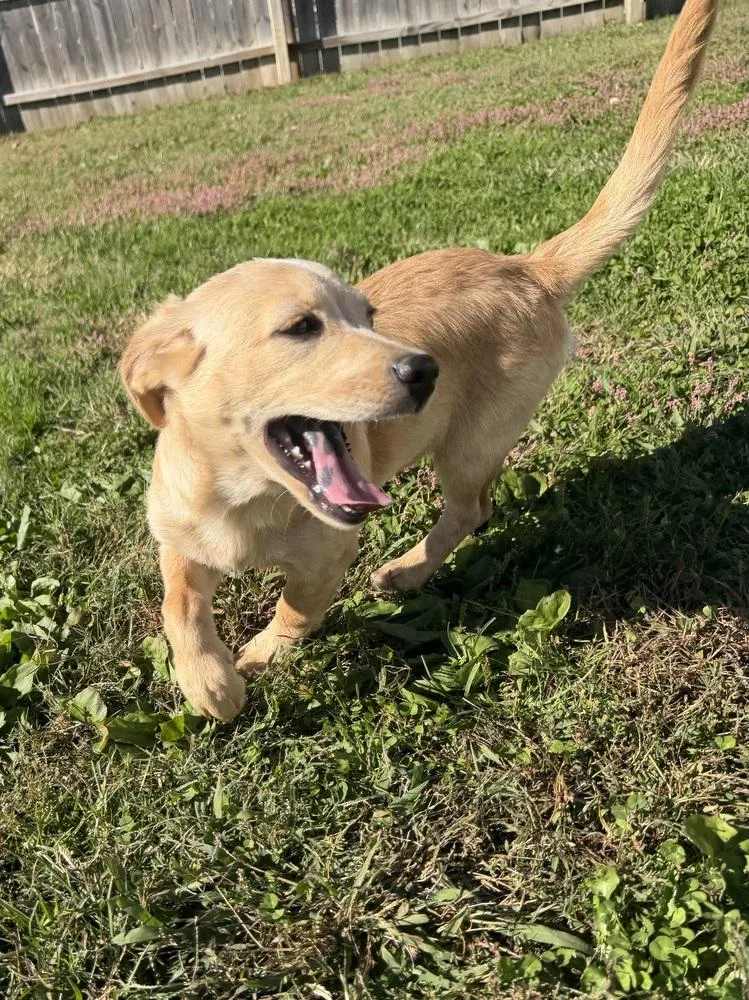
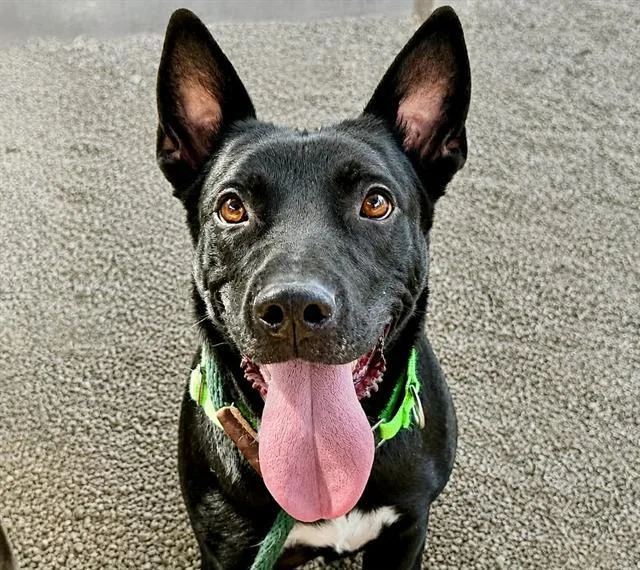
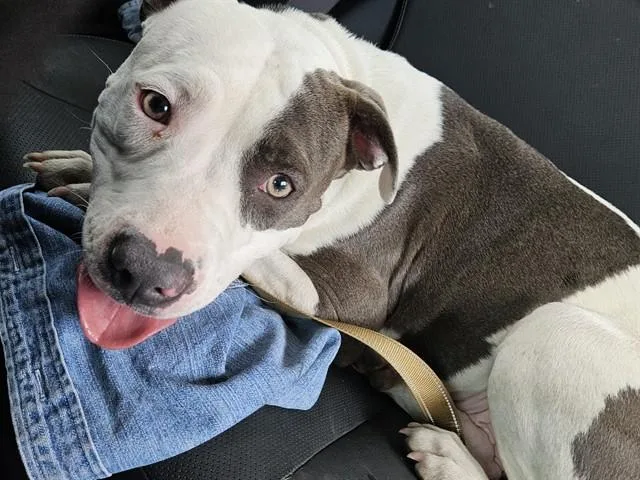
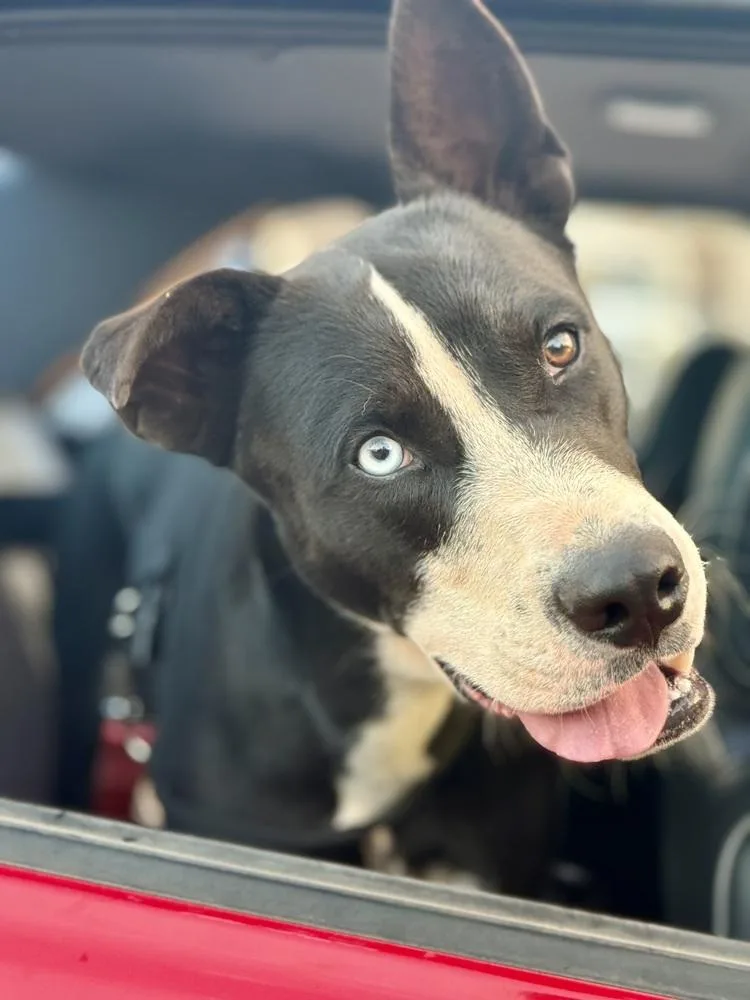
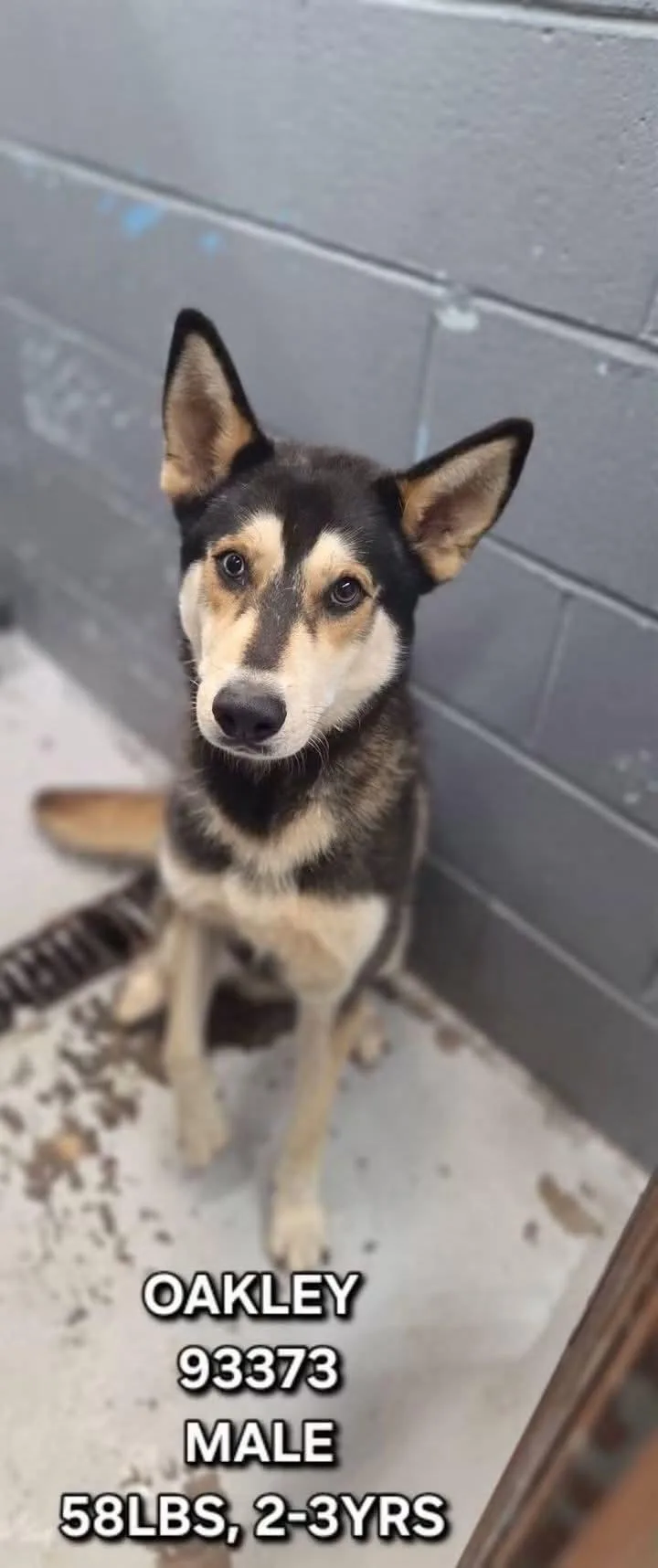
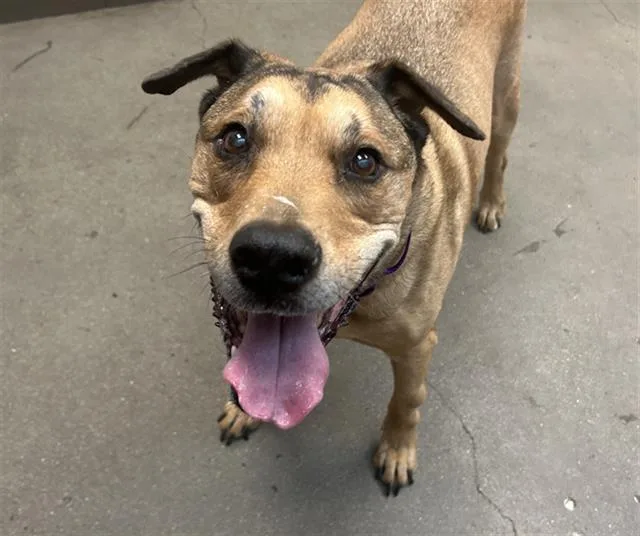
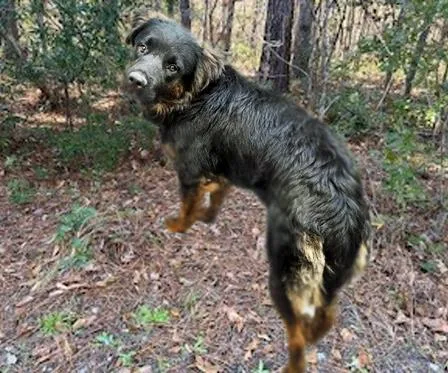
Corgi Dogs for Adoption in Tucson, AZ

Your guide to finding and caring for a Corgi in Tucson

Corgis suit Tucson's older central neighborhoods, where short walks and plenty of sidewalk traffic keep a curious herder busy. Around Sam Hughes, the mature trees and quiet streets make a good morning loop, and a corgi will happily supervise every passing bike and neighbor. They're small enough for a downtown apartment, but they have opinions and need real exercise every day. Summer afternoons are for staying indoors, so plan walks around the sun.

502 Corgis available in Tucson and nationwide

Meet your next Corgi

While we don't have enough dogs near Tucson, keep in mind that many rescues may offer transport.

Corgis Available for Adoption Near Tucson

About the Corgi breed

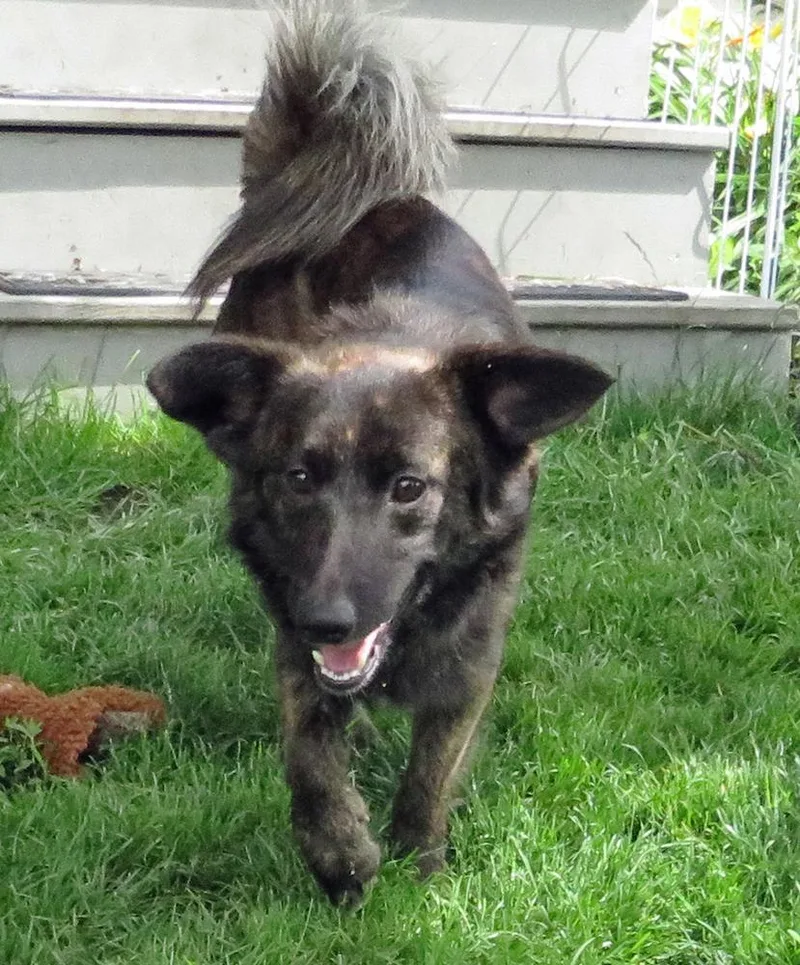
Corgi is a catch-all name for two Welsh herding breeds, the Pembroke and the Cardigan, and for the corgi mixes that turn up in Tucson. Both are long, low dogs with upright ears and a dense double coat, developed to nip at the heels of cattle. Pembrokes are usually red, sable or tricolor, while the heavier Cardigan keeps a long, brushy tail and can be brindle or blue merle.

Most corgis are bright, affectionate and confident, with a big voice for their size. Herding instinct can show up as barking or heel nipping, and they shed heavily, which you'll notice in a dusty desert home. They love food, so keeping them lean protects their backs. Dogs vary, so judge each corgi by how it actually behaves, not by the label.

Weight
22–38 lbs
Height
10–13 in
Lifespan
12–15 yrs
Temperament
Alert, Intelligent, Affectionate
Group
Herding
Shedding
High

Owning a Corgi in Tucson

Having a Corgi in Tucson

Corgis are small herders with quick minds, loud opinions and long backs. In Tucson, that adds up to a dog who needs mental work, careful weight control and heat-smart routines, along with a vacuum that gets regular use.

Temperament

Most corgis are friendly, clever and eager to be part of the household, though many are vocal and bossy. In a Tucson apartment or a tight central-barrio lot, barking at passersby can become a habit, so early training and quiet puzzle games help. Pembrokes often run more outgoing, while Cardigans can be more reserved.

Exercise Needs

Plan on daily walks plus active play and puzzle toys. Tucson's dog parks, such as Palo Verde and Iron Horse, give a corgi room to run, and the Loop offers flat, paved walking on a leash. Skip repeated jumping and stairs to protect the back, and keep summer outings to early morning.

Health Considerations

Corgis are prone to disc disease, hip dysplasia, eye problems and weight gain, so a lean body protects the back. In Tucson, vets also watch for valley fever, which sickens roughly 6 to 10 percent of dogs in Pima County each year. Coughing, lameness or low energy are worth a veterinary visit.

Living Space

Corgis adapt to apartments and houses alike if they get daily exercise and attention. Tucson's mix of downtown apartments and older central homes works well, but expect shed hair year-round and barking that carries through shared walls. Ramps or steps for furniture and limited stair use are kind to a long back.

What it costs to own a Corgi in Tucson

ExpenseTypical costPer year
Food$20 to $45 per month$240 to $540
Pet insurance$40 to $85 per month$480 to $1,020
Routine vet care$200 to $400 per year$200 to $400
Other*$495 to $1,270 per year$495 to $1,270
Estimated yearly total (after year one)$1,415 to $3,230

Other costs are estimates and vary with size, age and health.

* The Pima County dog license for a spayed or neutered dog, flea, tick and heartworm prevention, a dental cleaning allowance, toys and bedding, and brushing and baths for heavy shedding.

Adopt a Corgi in Tucson.

Now that you know more, let’s find you a new best friend. These rescues and shelters below currently have Corgis available.

Frequently Asked Questions

Yes, Tucson has no breed bans or breed-specific restrictions, and Arizona law forbids cities from writing them. Your corgi will need a rabies vaccine and a Pima County dog license, and a leash in public. Any limits you meet as a renter come from landlords or insurers, so confirm pet policies before you apply.

Corgis can live in Tucson with careful summer routines, but heat is their biggest challenge. The city sees about 68 days a year at 100°F or above, and a thick double coat doesn't help. Walk at dawn, keep the dog indoors in the afternoon, provide water and shade, and never leave a corgi in a parked car.

Yes, a corgi can do well in a Tucson apartment if it gets daily walks and mental exercise. Choose a unit with reliable cooling, since summer afternoons are too hot for outdoor potty breaks. Expect barking at hallway noise, and use ramps or steps for furniture instead of letting the dog jump down.

Tucson's city dog parks, such as Kennedy, Wagging Tails and Ivan's Spot, offer off-leash space, though most close one morning a week for maintenance. For trails, Pima County lists Agua Caliente Park and Colossal Cave Mountain Park as leashed dog-friendly options. Go early in summer, and keep your corgi on soft ground rather than hot pavement.

A corgi needs brushing about once a week, and daily during the heavy sheds that often come in spring and fall. Baths every month or two are usually enough, since the dry desert air keeps coats from getting muddy often. Brushing at home keeps grooming costs inside the Other line of the cost table.

Only in a carrier. Tucson's Sun Tran buses and Sun Link streetcar require pets to travel in a fully enclosed carrier small enough to fit on your lap, and animals aren't allowed on seats. Service animals are the exception. Since most corgis weigh 22 to 38 pounds, transit usually isn't practical for them.

Sometimes, on patios only. In Pima County, a restaurant needs permission to allow pet dogs outdoors, so patio access is up to each restaurant. Dogs must stay leashed and under control, and pet dogs aren't allowed indoors. In summer, choose a shaded patio and bring water, since hot ground is hard on short legs.

A corgi is a small, long-bodied herding dog from Wales with short legs, upright ears and a thick double coat. The name covers two separate breeds, the Pembroke Welsh Corgi and the Cardigan Welsh Corgi, which share a working past driving cattle. Many corgis in shelters are mixes. Most are smart, energetic and affectionate, with a strong opinion about everything.

We have 1 rescue with Corgis available: Cold Wet Noses Fosters. You can see every rescue with Corgis available in the list above these questions, or scroll to the top to see the Corgis near Tucson.

Expect roughly $1,400 to $3,200 a year for a corgi in Tucson, counting food at $20 to $45 a month, insurance at $40 to $85 a month, routine vet care and everything else in the table. Heavy shedding adds brushing supplies, and a Cardigan at the heavier end may eat more. Emergencies, such as a disc injury, aren't included.