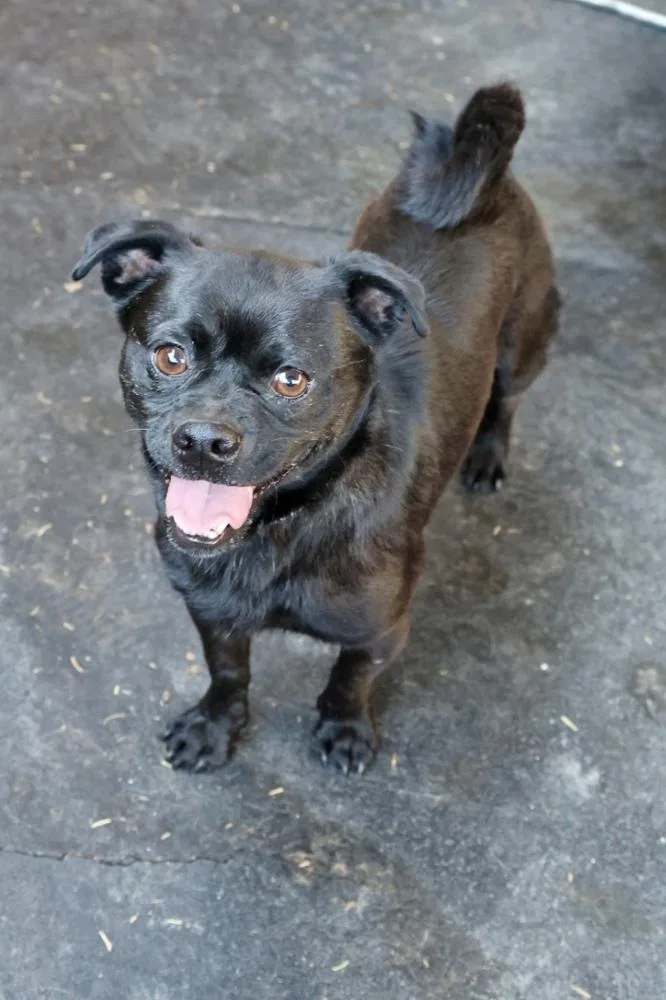
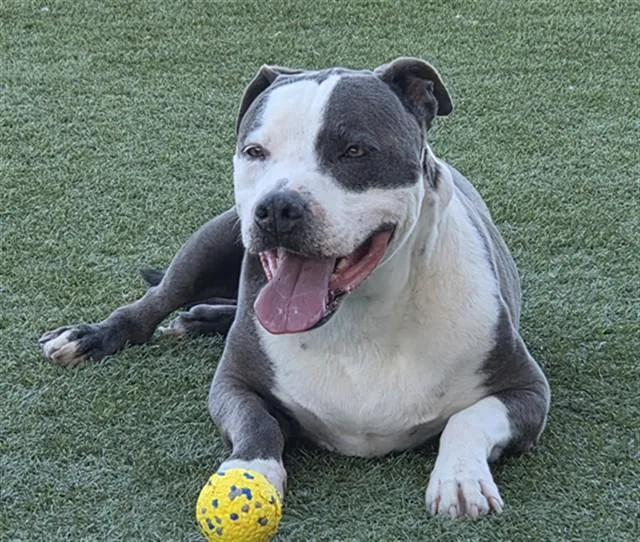
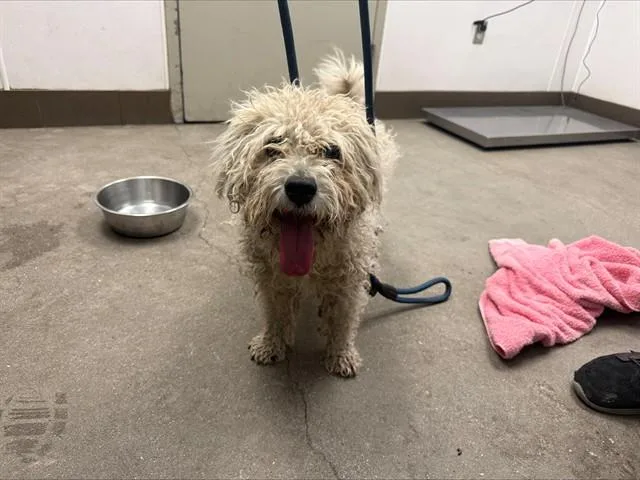
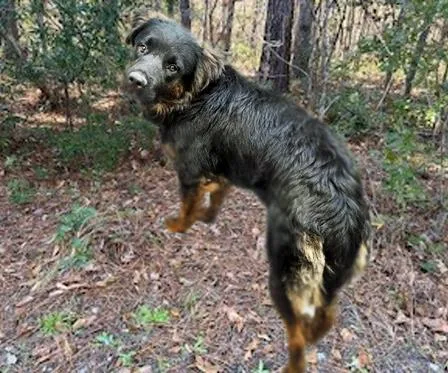
Australian Cattle Dog / Blue Heelers for Adoption in Tucson, AZ

Your guide to finding and caring for an Australian Cattle Dog / Blue Heeler in Tucson

Blue Heelers fit Tucson best when their person lives near the Rillito River Park path in the Fort Lowell area. The Loop's flat, paved miles give a working dog room to run on leash, and a fenced eastside yard handles the rest of the day. Heelers want a job as much as a walk, so plan on training games in the evening. They bond tightly with one person and can be wary of strangers, which matters in busy complexes near the university.

34 Australian Cattle Dog / Blue Heelers available for adoption in Tucson

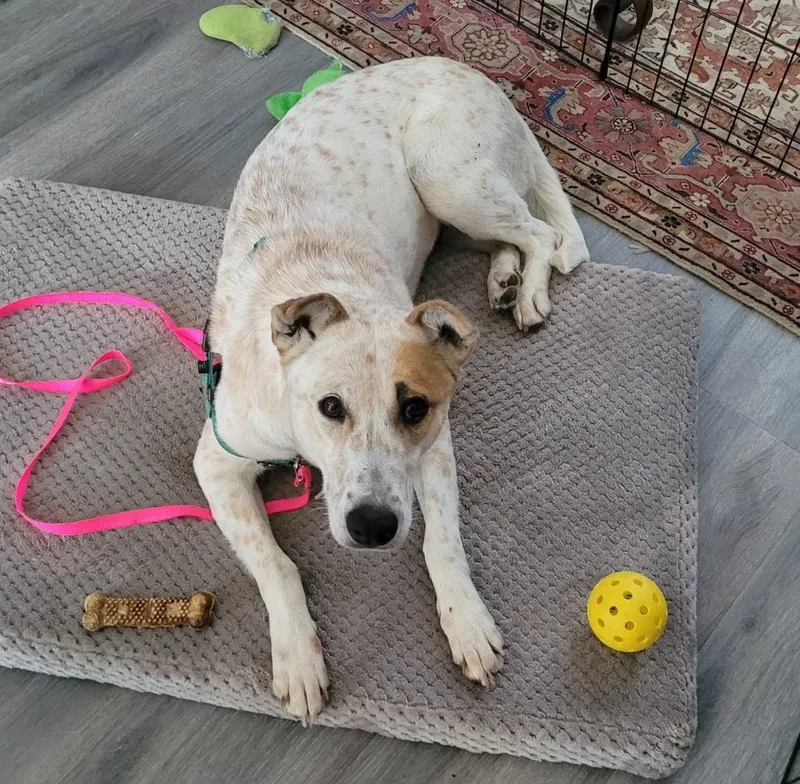
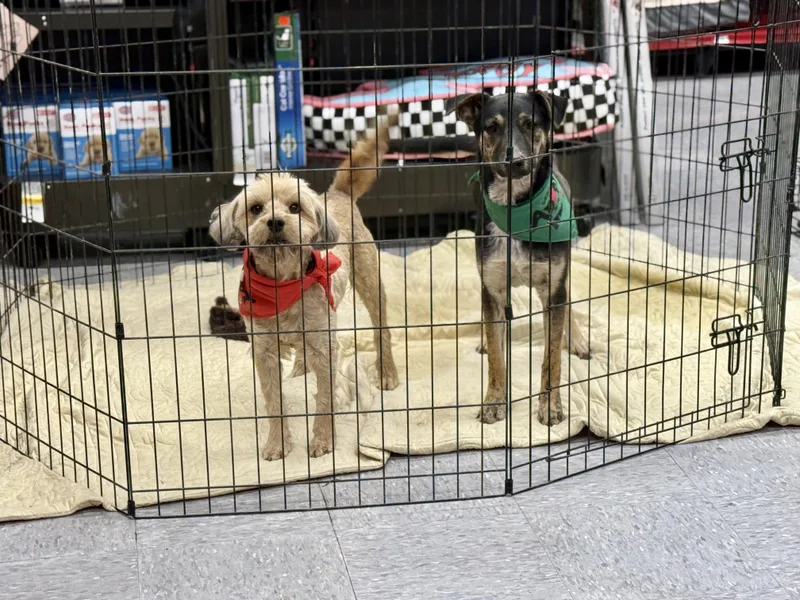
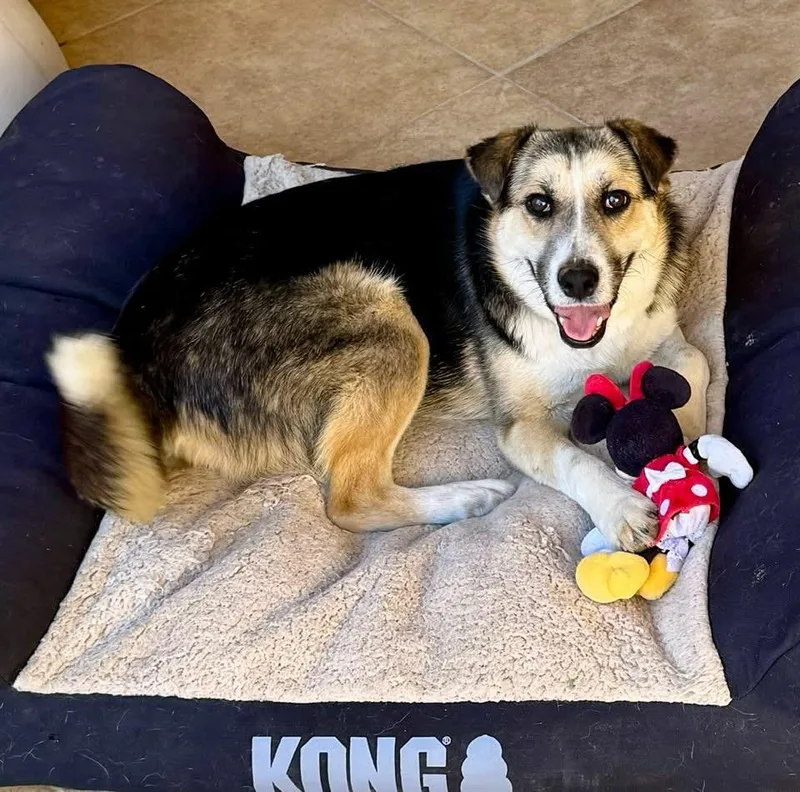
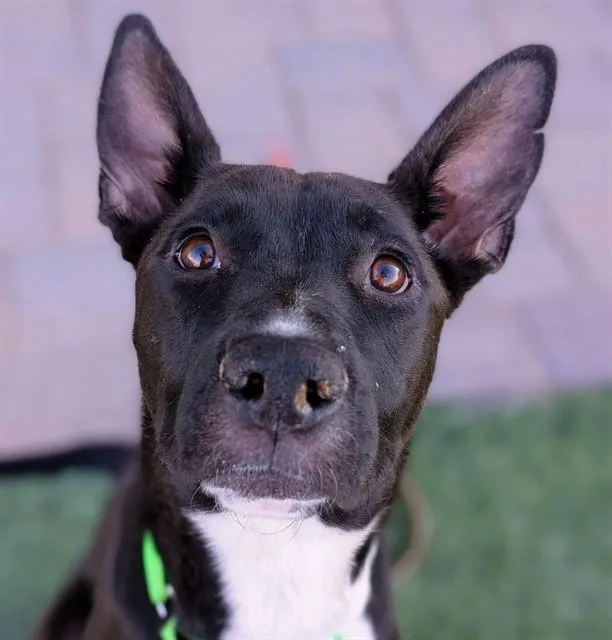
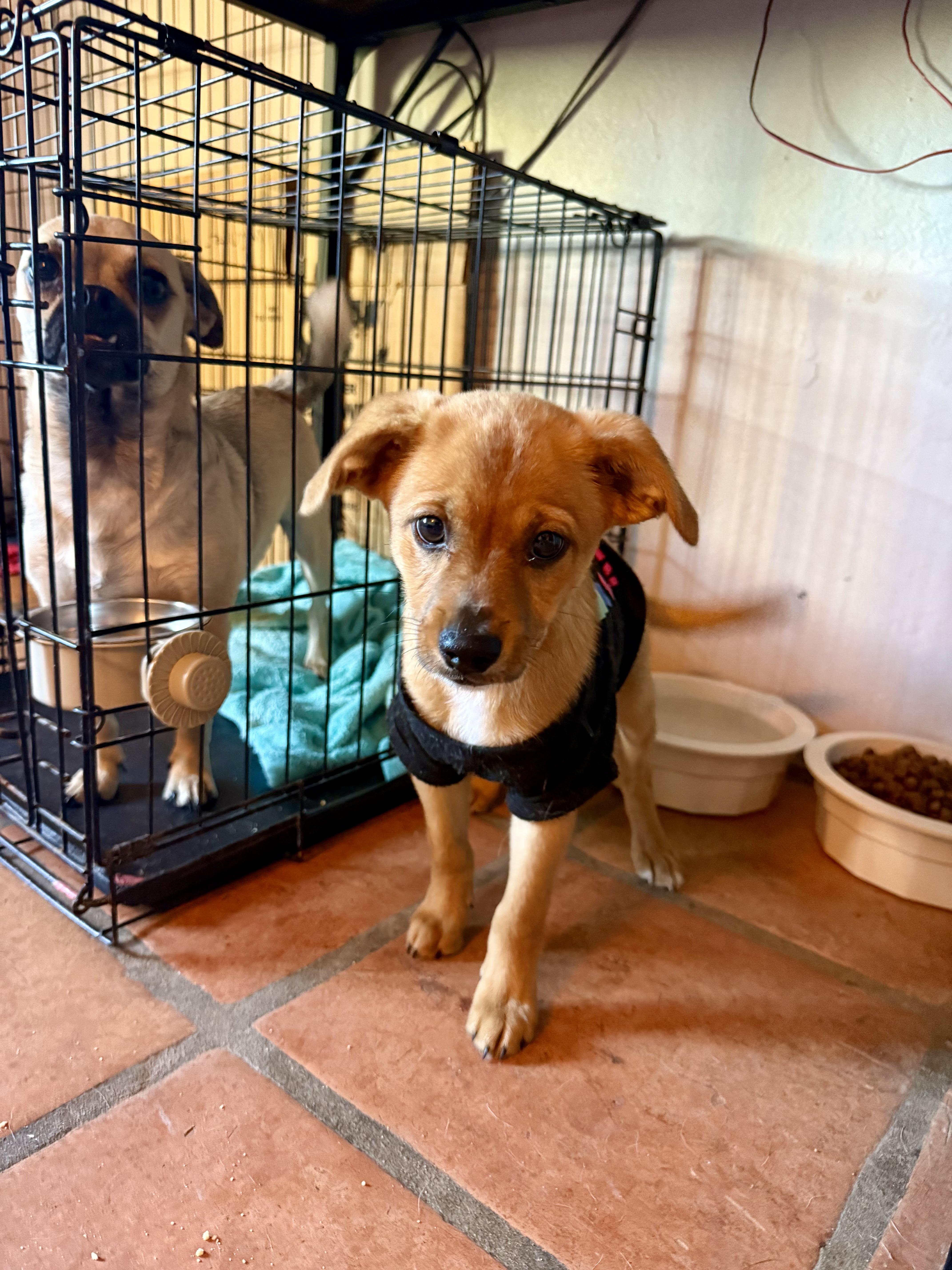
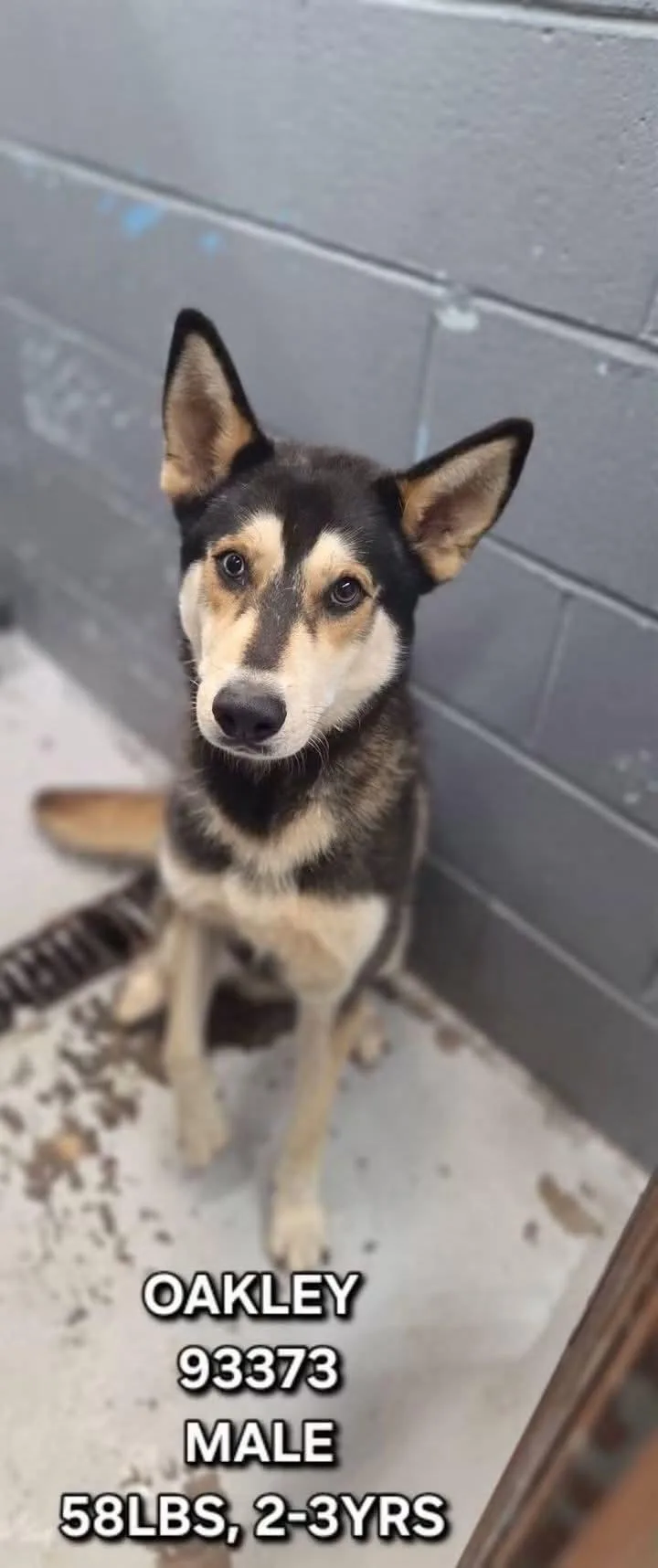
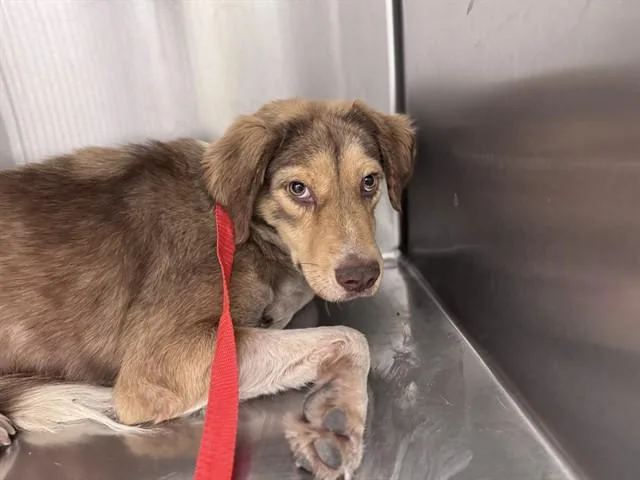
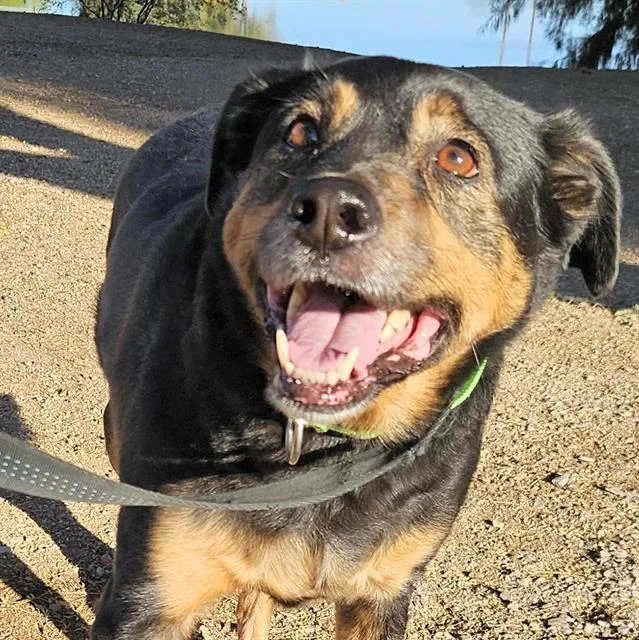
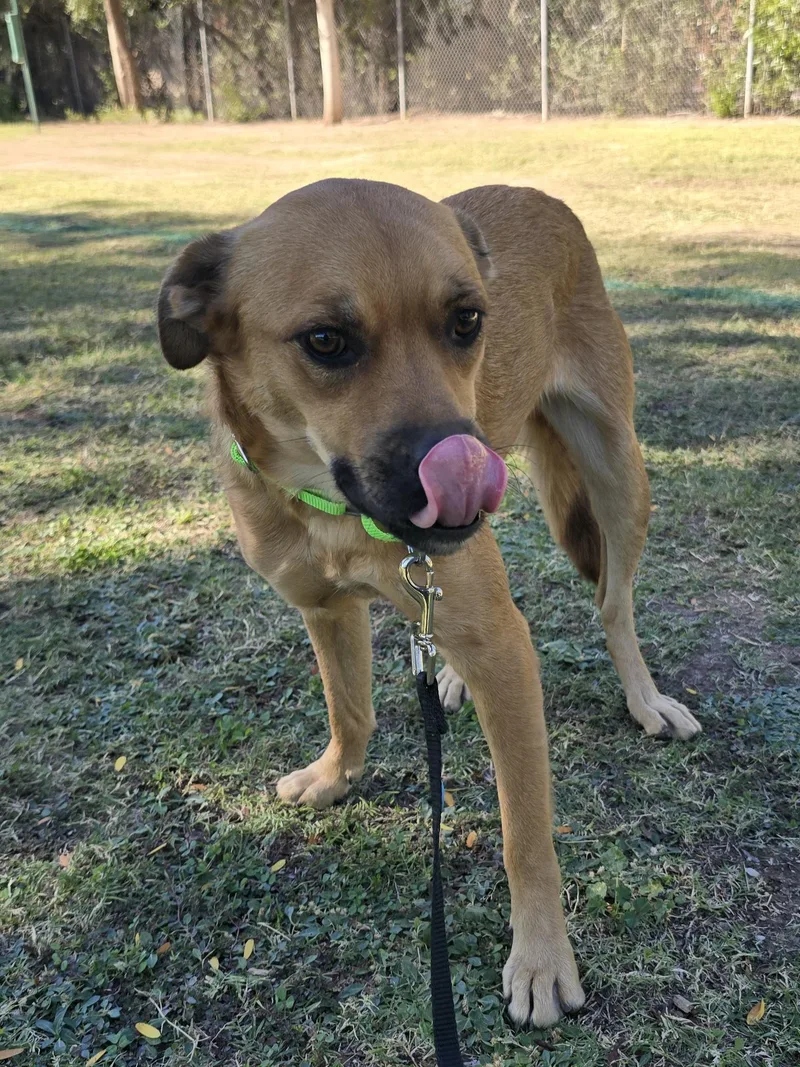
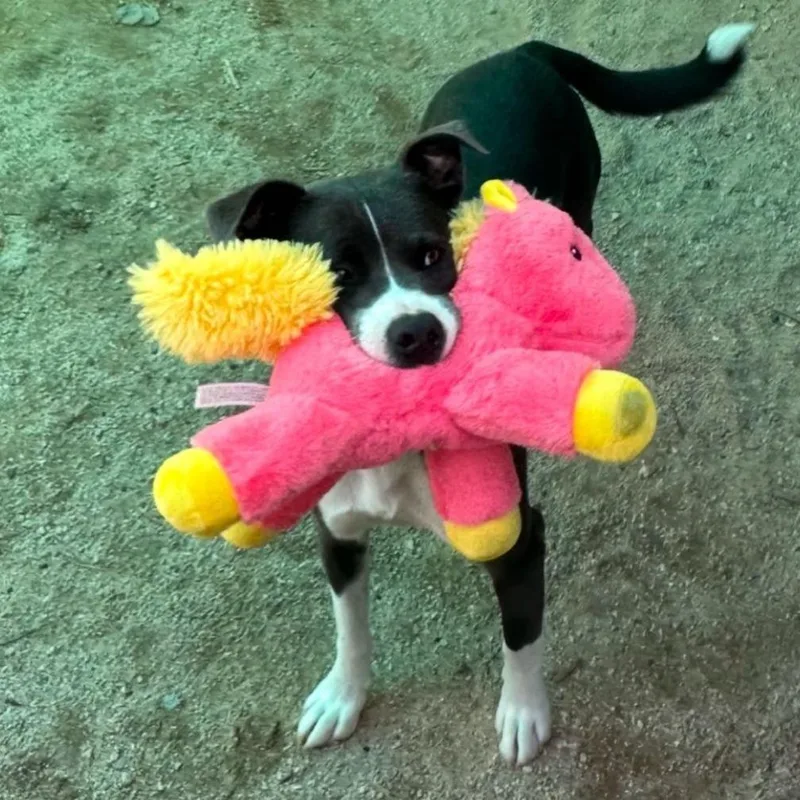
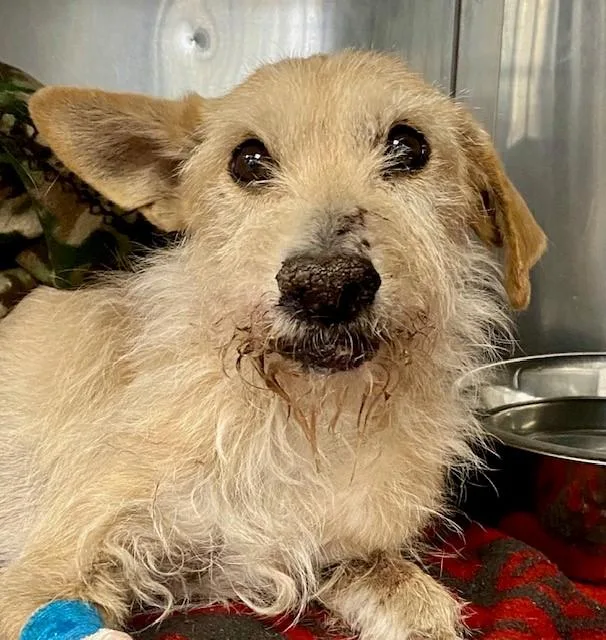
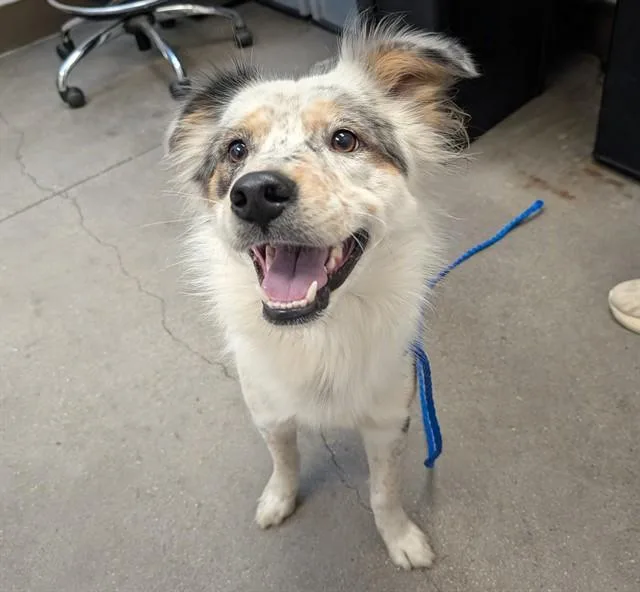
Say hello to your Blue Heeler

Australian Cattle Dog / Blue Heelers Available for Adoption in Tucson

About the Australian Cattle Dog / Blue Heeler breed

Australian Cattle Dogs, often called Blue Heelers, were developed in nineteenth-century Australia to move cattle over long, hot distances. That heritage suits the Sonoran Desert in some ways, since the short, weatherproof double coat and tough build were made for heat and dust. A typical Heeler weighs 35 to 50 pounds and wears a blue or red speckled coat.

In Tucson, the same traits shape daily life. Heelers are alert, clever and often devoted to one person, with strong urges to chase and herd, so nipping at bikes, joggers or other pets is something to plan for. They need real work, whether that's long Loop walks, trick training or scent games. With that outlet, many become hardy companions that live twelve to sixteen years, though each dog's drive varies.

Weight
35–50 lbs
Height
17–20 in
Lifespan
12–16 yrs
Temperament
Energetic, Intelligent, Loyal, Alert
Group
Herding
Shedding
Moderate

Owning an Australian Cattle Dog / Blue Heeler in Tucson

Having an Australian Cattle Dog / Blue Heeler in Tucson

Heelers are built for work, and that drive matters more than size when picking a home. In Tucson, the main questions are whether you can give daily exercise before the heat, keep the dog mentally busy, and provide a secure yard or an active routine.

Temperament

Heelers tend to be loyal, alert and confident, often choosing one favorite person and staying reserved with visitors. That can make a quiet household easier than a crowded complex. Herding instincts may show up as heel nipping or bossing other pets, and reward-based training helps. Each dog's personality still varies.

Exercise Needs

Plan on an hour or more of vigorous activity a day, plus mental work. In Tucson, the Chuck Huckelberry Loop offers flat, paved, leashed miles, and city dog parks allow off-leash play. From late May through September, do the hard exercise at dawn, then use puzzle toys and training indoors once the afternoon heats up.

Health Considerations

Heelers are often long-lived, but breed concerns include deafness, progressive retinal atrophy, lens luxation and hip or elbow dysplasia. Tucson adds valley fever, a soil fungus dogs inhale in dust; about 6 to 10 percent of dogs in Pima County get sick each year. A veterinarian can check hearing, eyes and joints and watch for coughing or lameness.

Living Space

A fenced yard helps, and Tucson's single-story eastside and southeast neighborhoods offer plenty of them. Apartments can work for owners who commit to long daily exercise, though Heelers may bark at passersby and hallway noise. Secure fencing matters, since dogs must be leashed in public and confined on private property.

What it costs to own an Australian Cattle Dog / Blue Heeler in Tucson

ExpenseTypical costPer year
Adoption fee$200 to $350, one time$200 to $350 in year one
Food$35 to $70 per month$420 to $840
Pet insurance$55 to $100 per month$660 to $1,200
Routine vet care$225 to $450 per year$225 to $450
Other*$445 to $1,170 per year$445 to $1,170
Estimated yearly total (after year one)$1,750 to $3,660
First-year total (with adoption fee)$1,950 to $4,010

Adoption fee is the range of fees on Australian Cattle Dog / Blue Heeler listings in Tucson on GetBuddy today. Other costs are estimates and vary with size, age and health.

* The $20 Pima County license for a spayed or neutered dog, flea, tick and heartworm prevention, a dental cleaning allowance, durable toys and bedding, and light home grooming.

Adopt an Australian Cattle Dog / Blue Heeler in Tucson.

Now that you know more, let’s find you a new best friend. These rescues and shelters below currently have Australian Cattle Dog / Blue Heelers available.

Frequently Asked Questions

Yes, you can own a Blue Heeler in Tucson. The city has no breed bans, and Arizona law prevents cities from adopting breed-specific rules. You'll need a rabies vaccination and a Pima County license, $20 for a spayed or neutered dog, and a leash no longer than six feet in public. A Heeler's exercise needs matter more than any local rule.

Yes, with careful routines. Tucson sees triple digits about 68 days a year, and June is the hottest month. A Heeler's short double coat copes with sun, but its drive can override good sense. Exercise at dawn, carry water, protect paws from hot ground, and never leave a dog in a parked car, which Arizona treats as cruelty when injury or death is likely.

Try Wagging Tails, Udall or Danny Lopez dog parks for off-leash play, and the Chuck Huckelberry Loop for leashed runs along dry riverbeds. City dog parks require dogs to be at least four months old and licensed. Sabino Canyon and Tucson Mountain Park don't allow dogs, and Saguaro National Park permits leashed dogs only on a few roads and paved trails.

Yes, if the apartment comes with a real exercise routine. A Heeler needs long dawn walks, training sessions and puzzle toys, and may bark at hallway noise or passersby. Ground-floor units near a dog park make daily outings easier. Read the lease for pet rent, deposits and weight limits, since landlords and insurers set those, not the city.

Mostly no. Sun Tran buses and the Sun Link streetcar allow pets only in a fully enclosed carrier small enough to fit on your lap, and animals can't sit on seats. A 35-to-50-pound Heeler won't fit, so only service animals ride otherwise. Plan on driving or walking to dog parks and trailheads.

Only to patios, and only where the restaurant allows it. In Pima County a food establishment needs permission before allowing pet dogs, who must stay leashed and under control. Indoor dining is limited to service animals. A Heeler that's wary of strangers may do better in a quiet patio corner than a crowded one, so look for posted dog policies.

Very little. The short double coat needs weekly brushing at home, and more during the once- or twice-a-year coat blow. Tucson's heat is no reason to shave it, since the coat insulates. Check paws for cactus spines and burns after outings. Home grooming costs little and falls under the Other line in the cost table.

Blue Heelers typically live about 12 to 16 years, and a recent UK study put the breed's average life expectancy at about 14 years, longer than many purebreds. A famous Australian Cattle Dog named Bluey reportedly lived over 29 years, though such records are hard to verify. Staying lean and active and getting regular checkups support a long life.

We have 3 rescues with Australian Cattle Dog / Blue Heelers available: Pima Animal Care Center, Paws Without Borders and Hope of Deliverance. You can see every rescue with Australian Cattle Dog / Blue Heelers available in the list above these questions, or scroll to the top to see the Australian Cattle Dog / Blue Heelers in Tucson.

Expect roughly $35 to $70 a month for food, $55 to $100 a month for insurance, $225 to $450 a year for routine vet care and $445 to $1,170 a year for everything else, which comes to about $1,750 to $3,660 a year. A short coat keeps grooming low, while valley fever testing or a desert emergency can add unexpected bills.