Karelian Bear Dogs for Adoption in Kenai, AK

Your guide to finding and caring for a Karelian Bear Dog in Kenai

1897 dogs similar to Karelian Bear Dog available in Kenai and nationwide

Open your home to a Karelian Bear Dog

While we don't have enough dogs near Kenai, keep in mind that many rescues may offer transport.

Karelian Bear Dogs and Similar Breeds Available for Adoption Near Kenai

About the Karelian Bear Dog breed

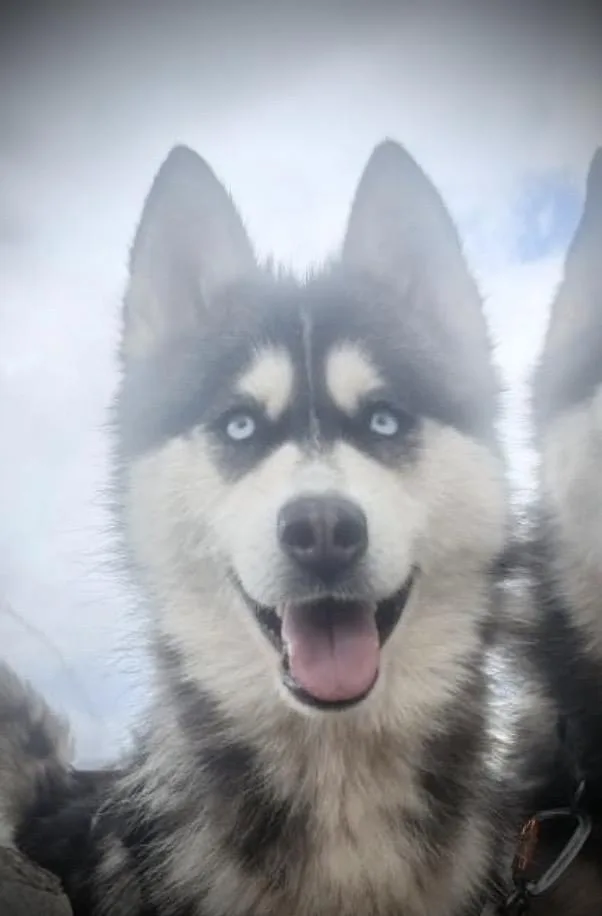
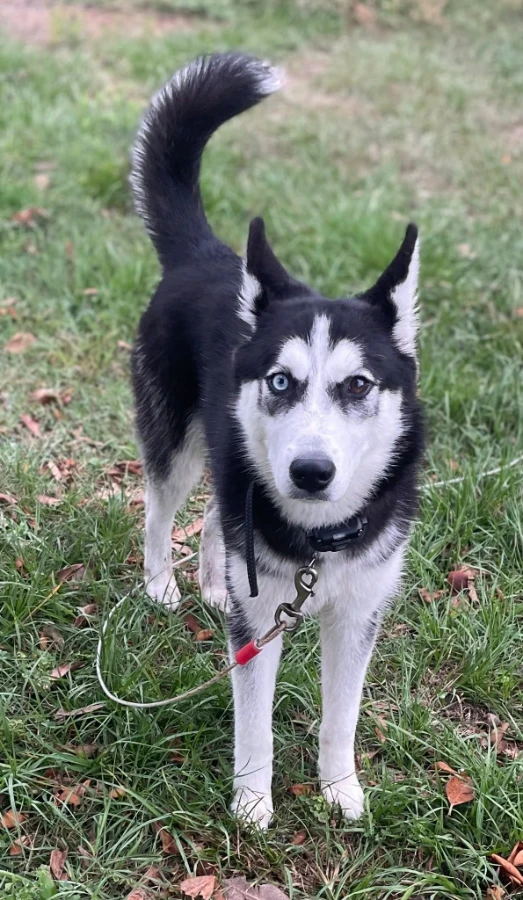
Finland's Karelian Bear Dog is a medium-sized Nordic spitz developed from hunting dogs of the Karelia region, and formally established as a breed in 1936. Its job was to find elk and bear, hold them at bay and bark until the hunter arrived. The result is a sturdy, black-and-white dog with erect ears, a dense double coat, a tail curled over the back and remarkably sharp senses, especially smell.

Karelians tend to be bold, independent and self-assured, usually friendly or politely reserved with people but often intolerant of other dogs and small animals. That combination has also made them useful in wildlife management, where trained dogs teach bears to keep away from towns. In a home, many need hard daily exercise, secure fencing, patient training and an owner prepared to manage strong prey drive and frequent barking.

Weight
37–62 lbs
Height
19–24 in
Lifespan
10–13 yrs
Temperament
Courageous, Independent, Alert, Loyal
Group
Working
Shedding
High

Owning a Karelian Bear Dog in Kenai

Having a Karelian Bear Dog in Kenai

A Karelian Bear Dog was built to think for itself in dense forest while confronting animals far larger than itself. That confidence, drive and voice shape everything from walks to visitors, so understanding them helps adopters judge whether a particular dog fits their household and experience.

Temperament

Karelians are often devoted to their own people and calm or reserved with strangers, but many are assertive with other dogs, particularly of the same sex. Cats, rabbits and poultry can trigger strong hunting instincts. Early socialization helps without guaranteeing acceptance. A rescue's notes on how an individual dog behaves with animals matter a great deal.

Exercise Needs

This is a working spitz that usually needs vigorous daily activity such as long hikes, jogging in cool weather or scent work. Mental challenges like tracking games and puzzle feeders help satisfy an active hunting brain. Off-leash time belongs only in securely fenced areas, because the pull of wildlife can easily override a recall.

Health Considerations

Karelian Bear Dogs are generally sturdy, though the breed has reported inherited forms of chondrodysplasia and pituitary dwarfism, and hip dysplasia occurs as in many medium breeds. Their thick coat makes them more comfortable in cold weather than heat. Keep regular veterinary checkups, weight control and parasite prevention.

Living Space

A home with a tall, secure fence and access to trails or open space usually suits a Karelian best. Apartment life is possible only with very dependable exercise, and frequent barking can strain neighbors. Many enjoy cold weather outdoors but still need to live with their family. Escape-proof gates and leashed walks are essential.

What it costs to own a Karelian Bear Dog

ExpenseTypical costPer year
Food$35 to $70 per month$420 to $840
Pet insurance$45 to $85 per month$540 to $1,020
Routine vet care$225 to $450 per year$225 to $450
Other*$540 to $1,390 per year$540 to $1,390
Estimated yearly total (after year one)$1,725 to $3,700

Other costs are national averages for Karelian Bear Dogs; we don't have costs specific to Kenai yet.

* Flea, tick and heartworm prevention, a dental cleaning allowance, a dog license, toys and bedding, and extra brushing for heavy seasonal shedding; license fees vary by city.

Adopt a Karelian Bear Dog in Kenai.

Now that you know more, let’s find you a new best friend. These rescues and shelters below currently have Karelian Bear Dogs available.

Rescues in Kenai with Karelian Bear Dogs Available

Here are the rescues & shelters in the Kenai area where you can find Karelian Bear Dogs and other dogs available for adoption.

Frequently Asked Questions

Yes, Karelian Bear Dogs were bred in Finland to hunt big game, including bears and elk, though their role was to find the animal, hold it at bay and bark to guide the hunter rather than to kill it alone. That courage and loud, persistent baying still show in many companion Karelians, along with strong reactions to wildlife on walks.

Karelian Bear Dogs are not typically dangerous to people, and the Finnish breed standard faults any aggression toward humans. They can, however, be assertive or aggressive with other dogs and see cats or small pets as prey. Their size, strength and confidence mean careful introductions, secure fencing and leashed walks matter. Individual history and socialization shape behavior more than breed alone.

Karelian Bear Dogs can be loyal family dogs for active, experienced households, but they are not an easy fit for everyone. Many are tolerant with respectful older children, while their energy and independence can overwhelm a busy family with toddlers. Homes with cats or small pets are often a poor match.

Yes, Karelian Bear Dogs shed a lot. Their dense double coat, with stiff guard hairs over a thick, soft undercoat, sheds moderately year-round and heavily once or twice a year. Brushing a few times a week, and daily with an undercoat rake during seasonal shedding, keeps hair under control. The coat needs no clipping, and shaving it is not recommended.

Karelian Bear Dogs typically live around 10 to 13 years, which is in line with other medium-sized spitz breeds. Some live longer when kept lean and active. The breed has reported inherited growth disorders and can develop hip problems, so regular veterinary care, a healthy weight and prompt attention to lameness or changes in appetite help support a longer life.

A Karelian Bear Dog is a medium-sized Finnish hunting spitz developed to track and bay large game such as bear and elk. It has a black coat with crisp white markings, erect ears and a tail curled over its back. Typically brave, independent and vocal, it is common in Finland but rare in the United States, where the AKC lists it in its Foundation Stock Service.

Most adult Karelian Bear Dogs eat roughly two to three cups of good-quality dry food a day, split into two meals, but the right amount depends on the food's calories, the dog's size and how active it is. Hard-working dogs need more, and couch-bound ones less. Use the package guide as a starting point and adjust to keep a visible waist.

Karelian Bear Dogs make good watchdogs but are not classic guard dogs. Their sharp senses and loud bark mean they usually announce visitors and unusual sounds, and many are reserved with strangers. The breed standard, however, calls for a dog that is never aggressive toward people. Protective training is not recommended; channel their alertness into scent work and focused exercise instead.

Karelian Bear Dogs can be rewarding pets for experienced owners who enjoy the outdoors and can provide hard daily exercise, secure fencing and steady training. They are less suited to first-time owners, homes with cats or small animals, or anyone bothered by barking. Meeting the individual dog and seeing how it greets other dogs is especially important with this breed.

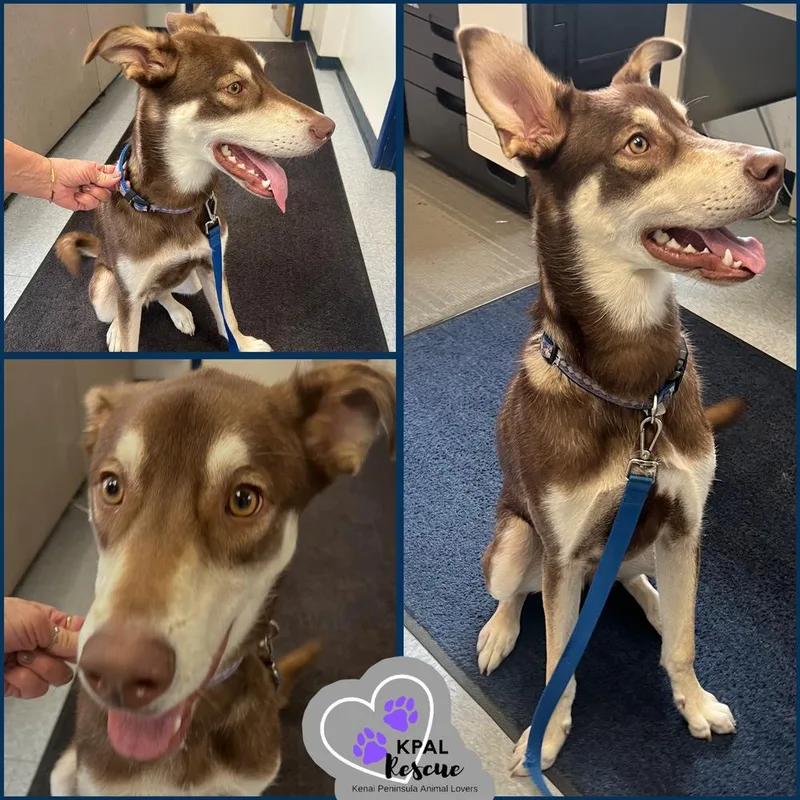
We have 1 rescue with Karelian Bear Dogs available: Kenai Peninsula Animal Lovers Rescue. You can see every rescue with Karelian Bear Dogs available in the list above these questions.