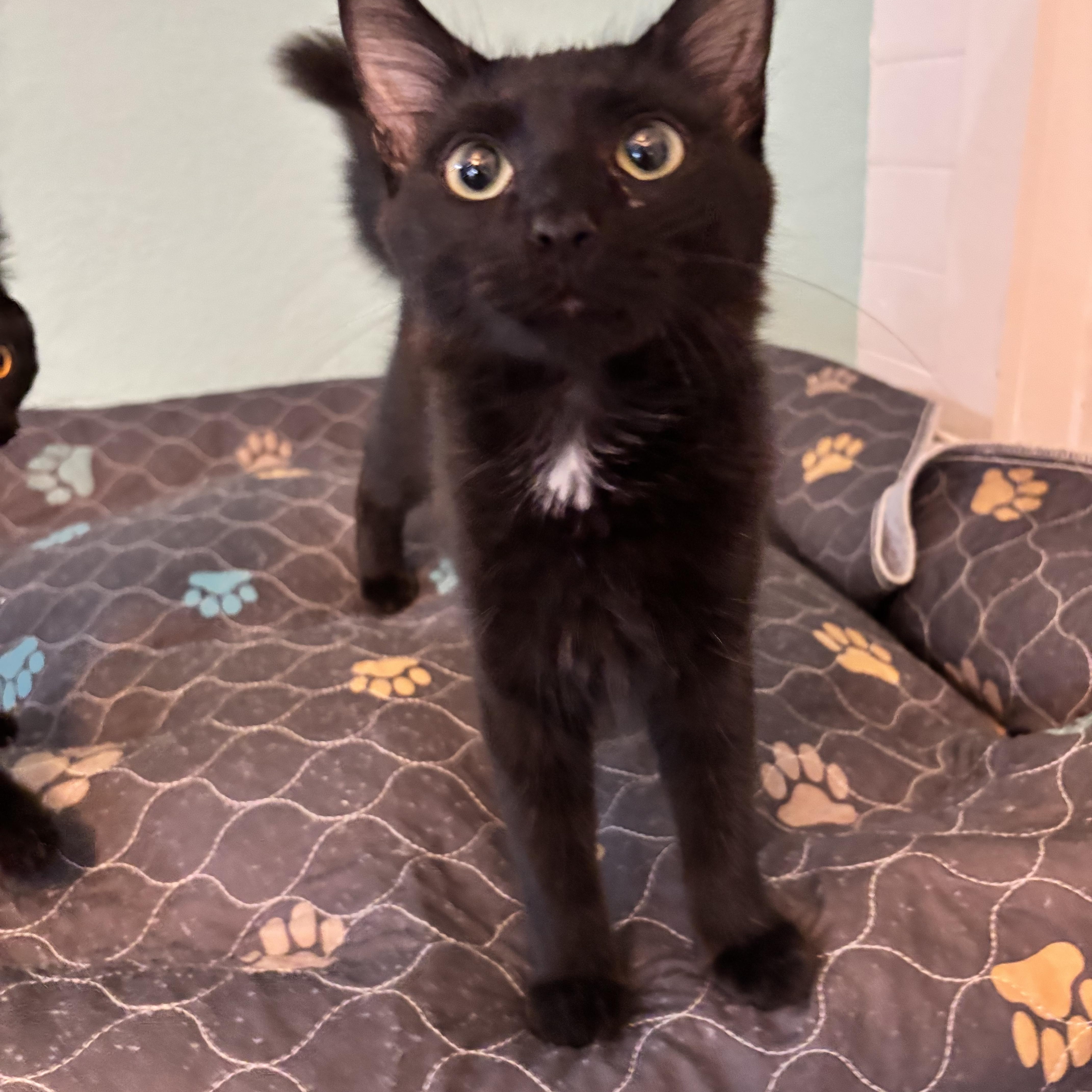
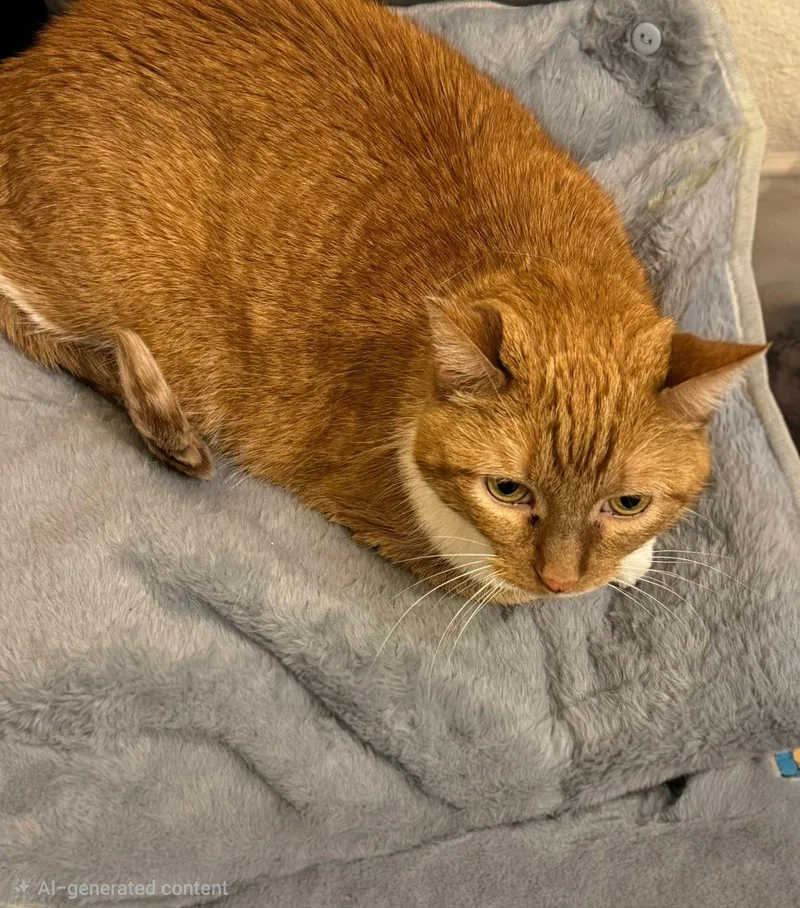
Torbie Cats for Adoption in Plano, TX

Your guide to finding and caring for a Torbie in Plano

Torbies fit Plano's apartments and houses equally well, since the name describes a coat, not a breed. A torbie might claim a sunny window in a downtown Plano apartment near Haggard Park, or patrol the living room of a Clearview house. The cat's age and temperament matter far more than the coat: some torbies are chatty and playful, others take weeks to warm up. Indoors is the safest place for any cat here, and a perch with a view keeps a torbie busy.

328 Torbies available in Plano and nationwide

Fall for a Torbie

Torbies Available for Adoption Near Plano

About the Torbie breed

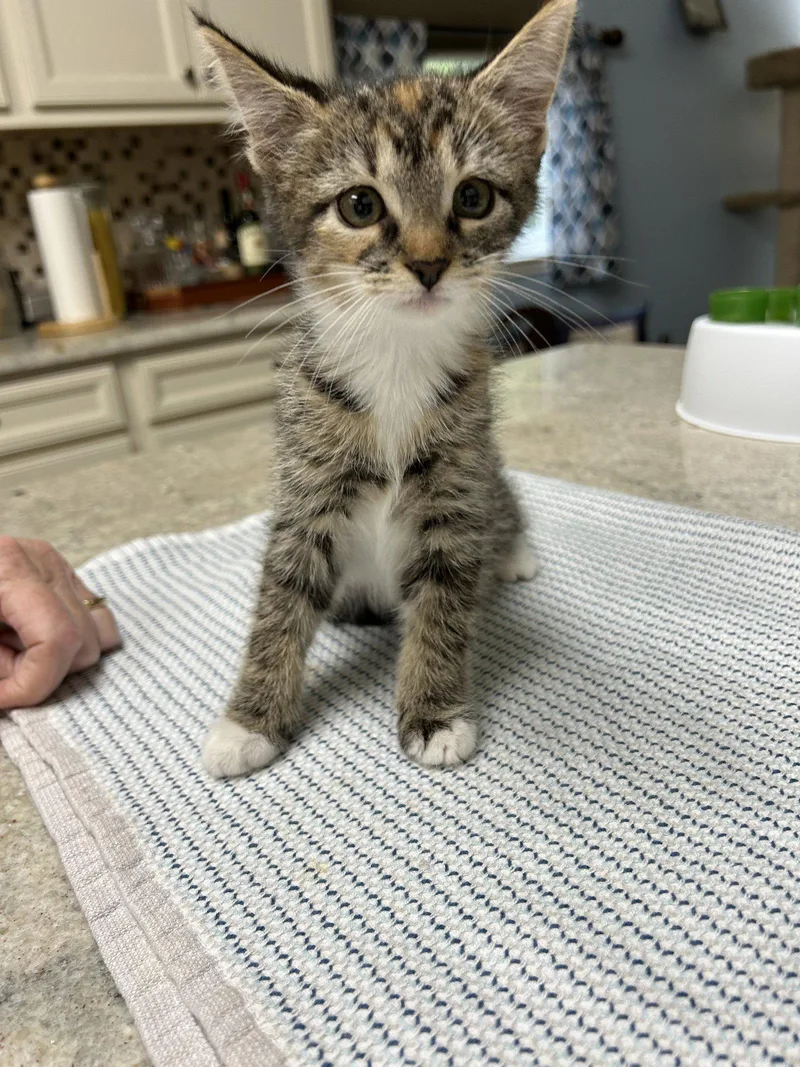
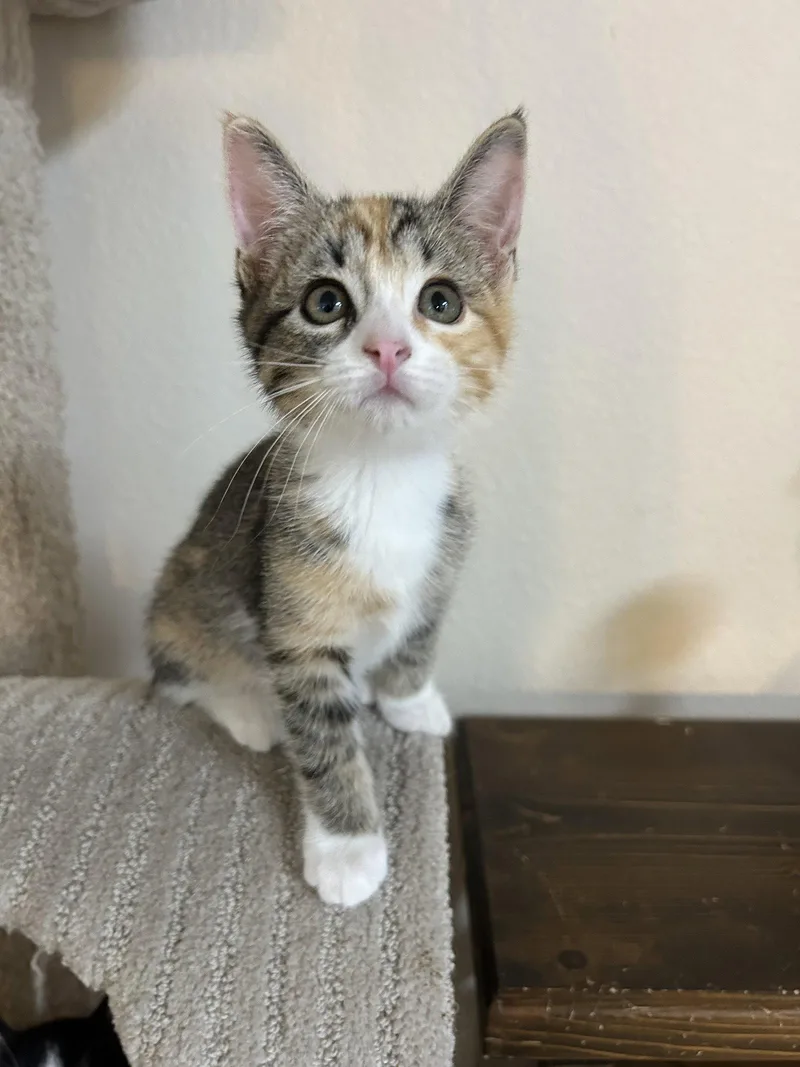
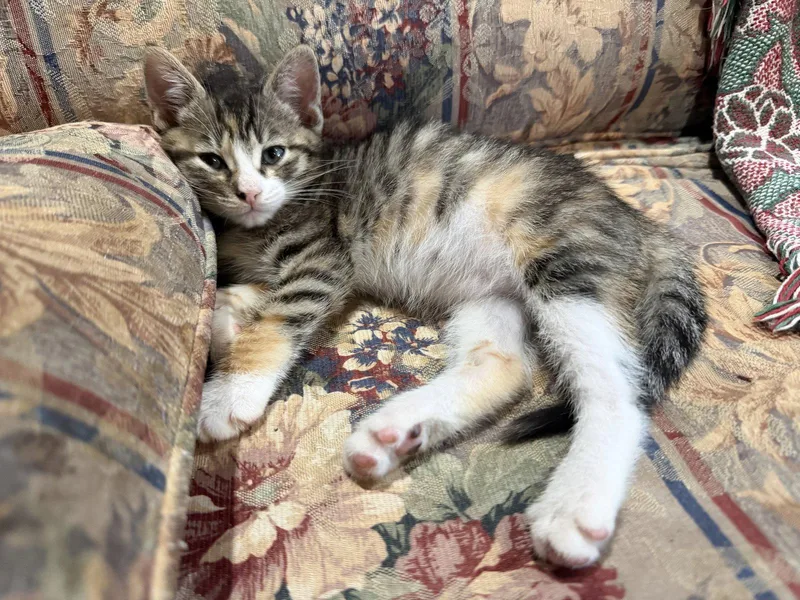
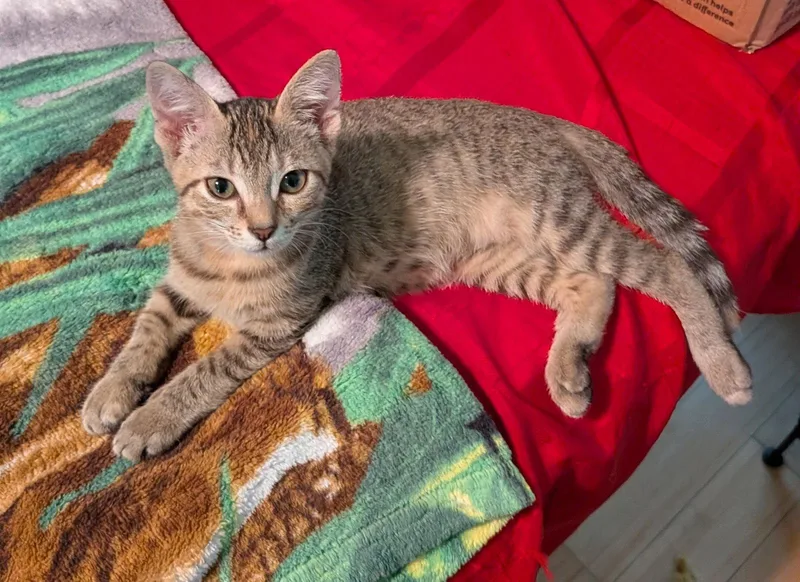
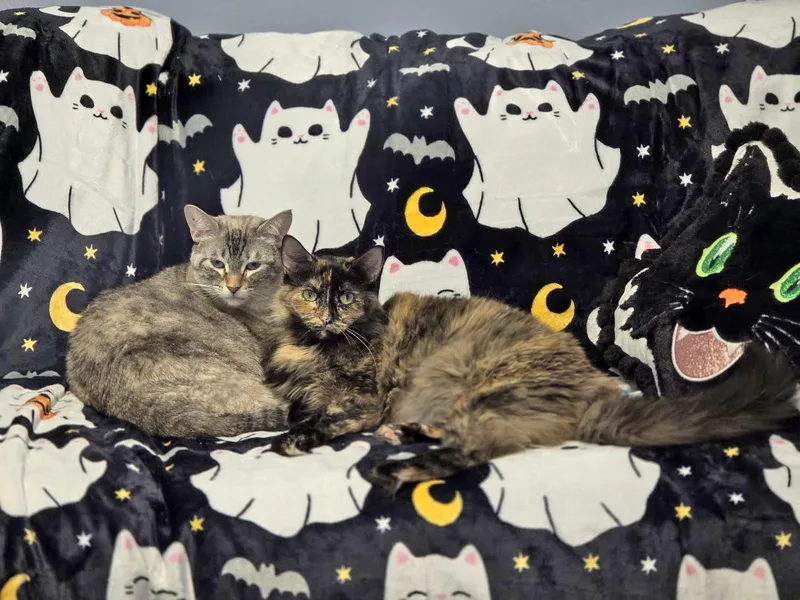
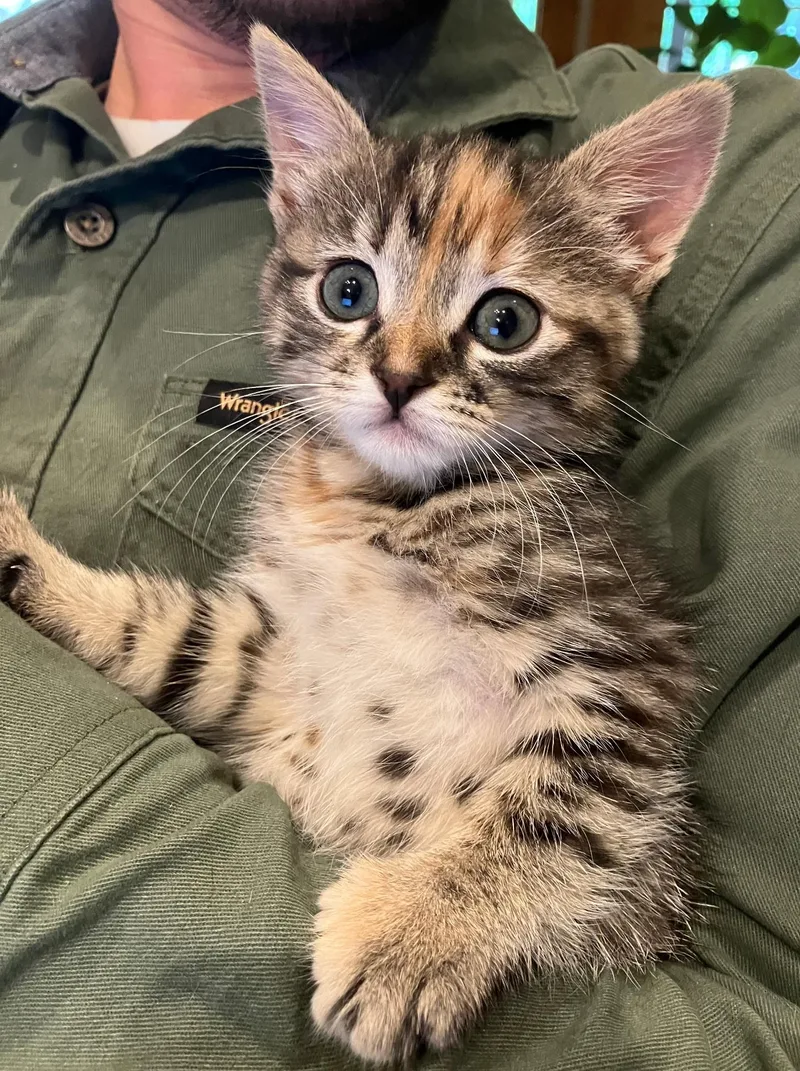
Torbie is a coat pattern, not a breed. The name blends tortoiseshell and tabby, so a torbie shows patches of black-based and orange-based color with tabby stripes or swirls running through them, often with an M on the forehead. Silver, dilute blue-and-cream and brown versions exist, and a torbie with plenty of white is sometimes called a caliby. Nearly all torbies are female because the orange color gene sits on the X chromosome.

Most torbies in shelters are domestic shorthairs or longhairs, so size, coat length and grooming needs vary from cat to cat. Torbies have a reputation for spirited, chatty personalities, but coat color doesn't predict behavior. In Plano, where most cats live indoors, a torbie needs what any cat does: daily play, scratching surfaces, a clean litter box and regular vet care. Shedding is moderate, so a weekly brushing helps.

Weight
6–14 lbs
Height
8–10 in
Lifespan
12–18 yrs
Temperament
Playful, Affectionate, Curious
Shedding
Moderate

Owning a Torbie in Plano

Having a Torbie in Plano

Torbie describes a coat, so these cards reflect what's generally true of domestic cats with this pattern. A torbie's age, history and ancestry shape energy and health more than color does, and the notes below add what matters for Plano homes.

Temperament

Torbies are often called playful, affectionate and curious, but that comes from owner impressions, and coat color hasn't been shown to predict behavior. A torbie may be shy or outgoing. In Plano's larger apartment complexes, a cat that tolerates hallway noise and neighbors does well, while a shy one may prefer a quieter house.

Exercise Needs

Plan on daily interactive play: wand toys, chase games, puzzle feeders and a tall cat tree. Young torbies may want several short sessions a day, while older cats prefer gentler ones. Since Plano summers are hot and spring storms are common, indoor play carries most of the load, and a window perch gives a cat something to watch.

Health Considerations

The torbie pattern carries no known health risks for female cats, and the rare male torbie usually has an extra X chromosome and may have added issues. Otherwise health depends on ancestry, age and care. Yearly exams, vaccines, dental care and a healthy weight matter most, and a veterinarian can check a newly adopted cat.

Living Space

Torbies adapt to apartments and houses, since space needs come from the cat's temperament more than coat. Plano offers both, from detached homes to large complexes. Scratching posts, window perches, cat trees and hiding spots suit most cats. Shy torbies settle best in calmer homes, while sociable ones often handle busy households.

What it costs to own a Torbie in Plano

ExpenseTypical costPer year
Food$25 to $50 per month$300 to $600
Pet insurance$20 to $45 per month$240 to $540
Routine vet care$150 to $350 per year$150 to $350
Other*$460 to $1,160 per year$460 to $1,160
Estimated yearly total (after year one)$1,150 to $2,650

Other costs are estimates and vary with size, age and health.

* Litter, flea and tick prevention, a dental cleaning allowance, toys and supplies, home grooming, and Plano's yearly cat registration (about $10 for a spayed or neutered cat).

Adopt a Torbie in Plano.

Now that you know more, let’s find you a new best friend. These rescues and shelters below currently have Torbies available.

Rescues in Plano with Torbies Available

Plano's rescue community includes a city shelter and nonprofit groups that help cats of every age, from kittens to seniors, find homes. Here are the rescues & shelters in the Plano area where you can find Torbies and other cats available for adoption.

Frequently Asked Questions

Yes, Plano has no breed rules for cats, and a torbie is a coat pattern anyway. Any cat over four months old needs a current rabies vaccination and annual city registration, with the tag on a collar or harness. A household may have up to five animals in an apartment, only one unaltered, and ten in a single-family home.

Yes, torbies adapt well to apartments, since space needs depend on the cat's energy and temperament rather than coat. Provide window perches, a cat tree, scratching posts and daily play. Plano has many apartment complexes, so cats are common renters. Get the lease's pet deposit and fee terms in writing before moving in.

Yes, indoor torbies handle Plano summers well with air conditioning, but the heat is serious. Nights stay in the 70s, so keep water in several spots and never leave a cat in a parked car, which Plano's code treats as an offense. Panting, drooling or unusual lethargy calls for a veterinarian right away.

Yes, if the cat travels in a securely latched carrier. DART allows non-service animals on its buses and trains only when they are carried in an appropriate, latched cage or container, and the cat has to stay inside it for the whole trip. Use a carrier on GoLink on-demand vehicles too.

Not much. Most torbies are shorthairs that do well with a weekly brushing, while longhaired ones need it a few times a week to prevent mats. Shedding is moderate and often rises in spring. Plano's climate doesn't change the routine, and home grooming is already counted in the Other cost line.

Often, yes, for an indoor home. Plano's mix of apartments and houses suits cats, and mild winters keep care simple. The trade-offs are hot summers, spring storms that frighten some cats, and coyotes and bobcats along creek corridors that make indoor living safer. Judge the cat's own play style and shyness rather than coat.

A torbie cat is a cat whose coat combines tortoiseshell and tabby patterns, with patches of black-based and orange-based color plus tabby stripes, swirls or spots. It is a coat pattern, not a breed, and appears mostly in domestic shorthairs and longhairs. Torbies are also called tortie-tabbies or patched tabbies, and nearly all are female.

No, torbie cats are not especially rare. The pattern appears whenever a tortoiseshell cat also inherits tabby markings, which is common, and shelters regularly have torbies available. Male torbies are a different story: like other male tortoiseshells, they are very rare. Some variations, such as silver or dilute torbies, are seen less often but are still not unusual.

We have 1 rescue with Torbies available: Cat Matchers. You can see every rescue with Torbies available in the list above these questions, or scroll to the top to see the Torbies near Plano.

Expect roughly $1,150 to $2,650 a year for a torbie in Plano. Food runs about $25 to $50 a month and pet insurance about $20 to $45 a month. Routine vet care is $150 to $350 a year, and other costs such as litter, prevention and dental care add $460 to $1,160. Totals vary with the cat's age and health.

Find Torbies in Nearby Cities

Expand your search to find Torbies available for adoption near Plano.