Torbie Cats for Adoption in Fort Worth, TX

Your guide to finding and caring for a Torbie in Fort Worth

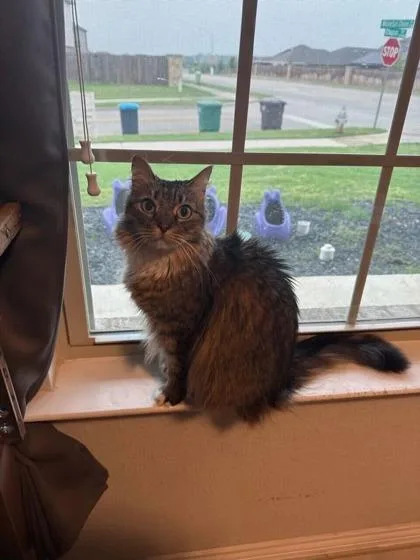
Torbies suit Fort Worth's older neighborhoods, like the narrow-lot houses of Fairmount, where a window perch is the best seat in the house. A torbie is a coat pattern rather than a breed, so these cats range from shy to chatty. Most enjoy a few play sessions a day, and since the city requires cats to stay on the owner's property, an indoor torbie is the easy default. A cat tree by the front window helps make up for the lost wandering.

317 Torbies available in Fort Worth and nationwide

Fall for a Torbie

Torbies Available for Adoption Near Fort Worth

About the Torbie breed

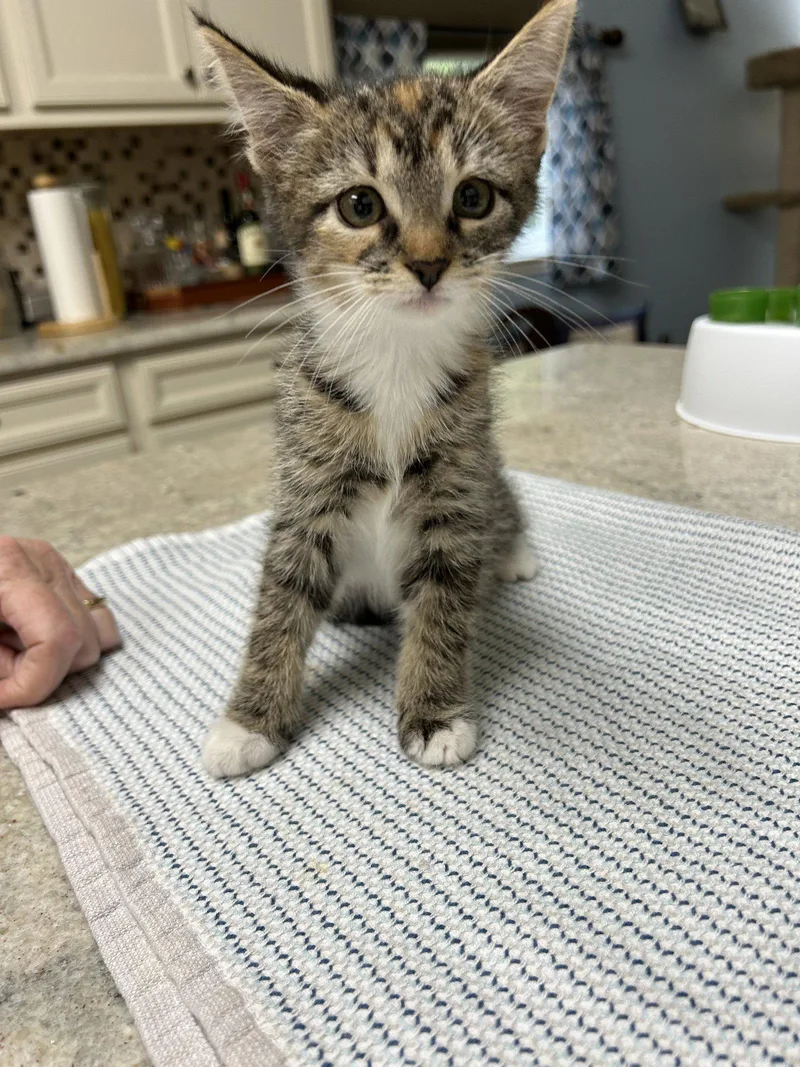
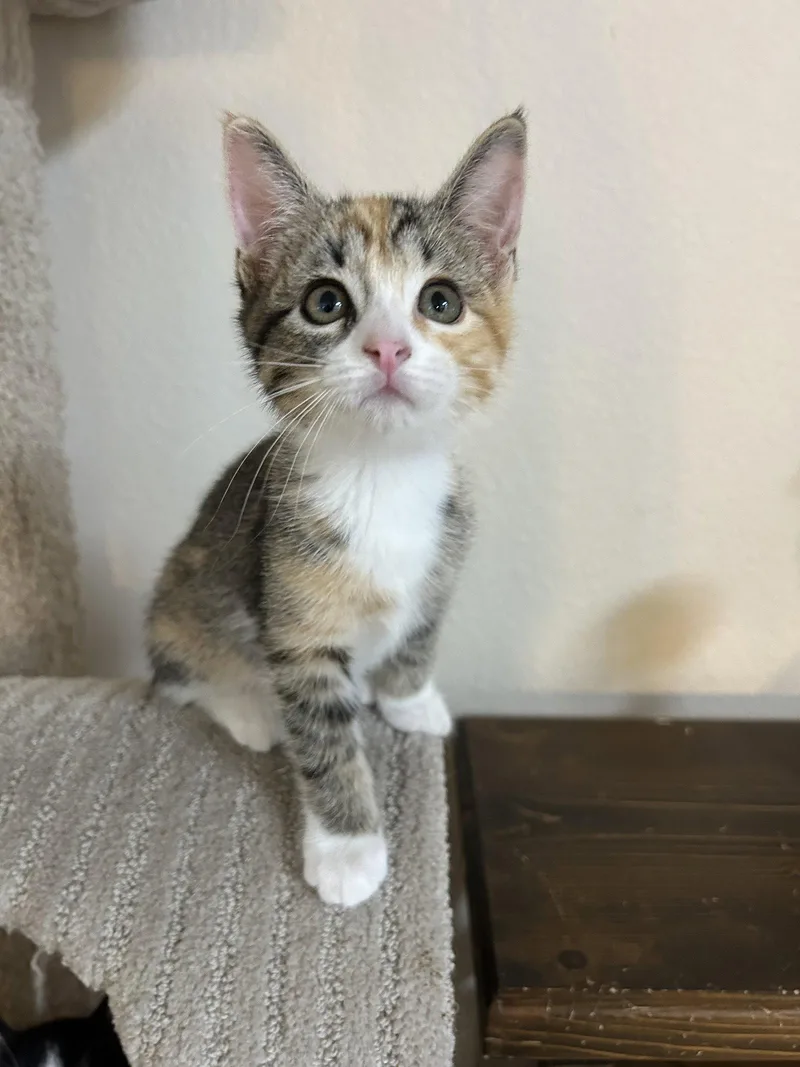
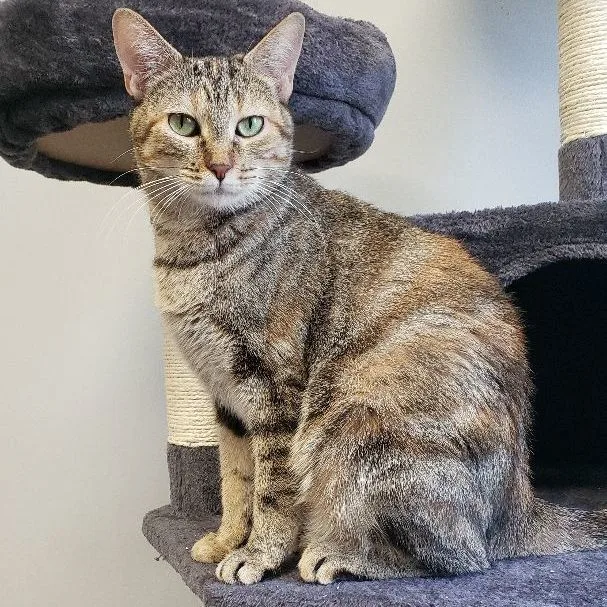
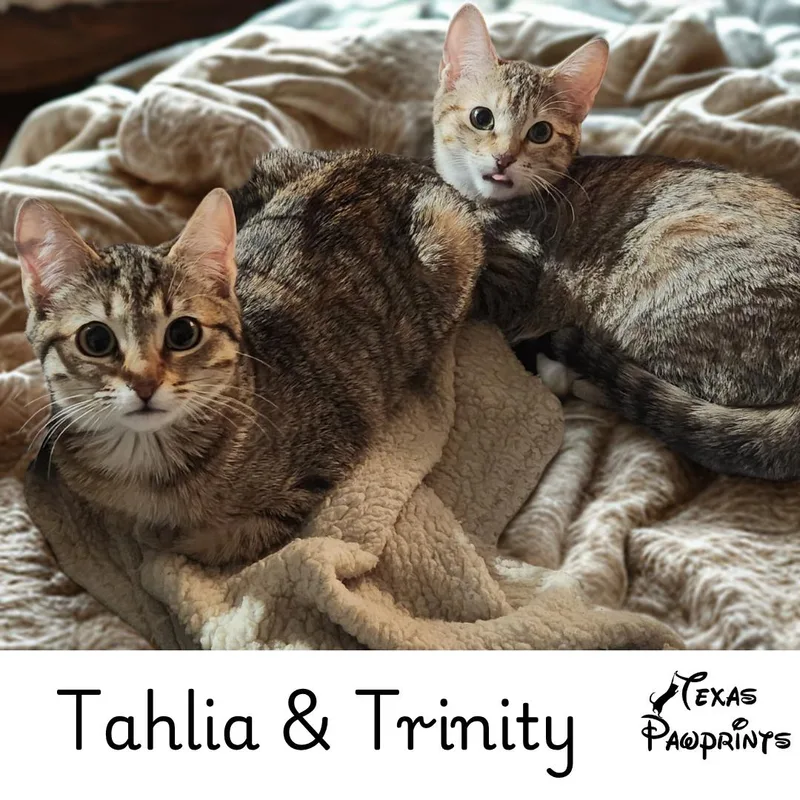
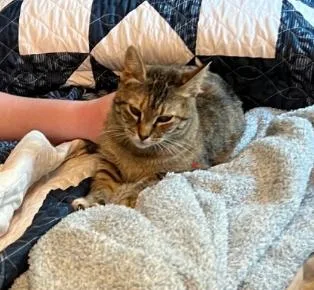
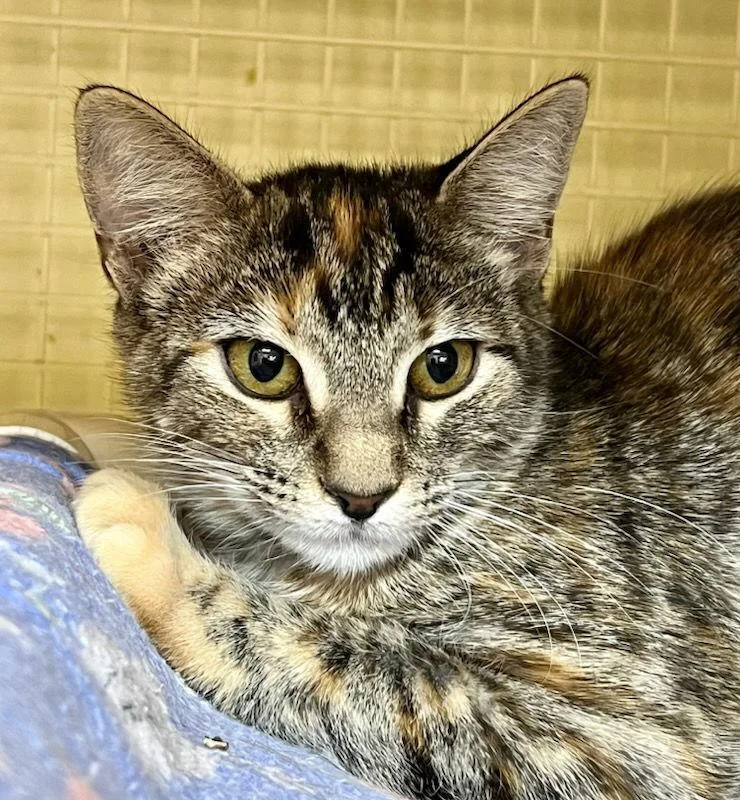
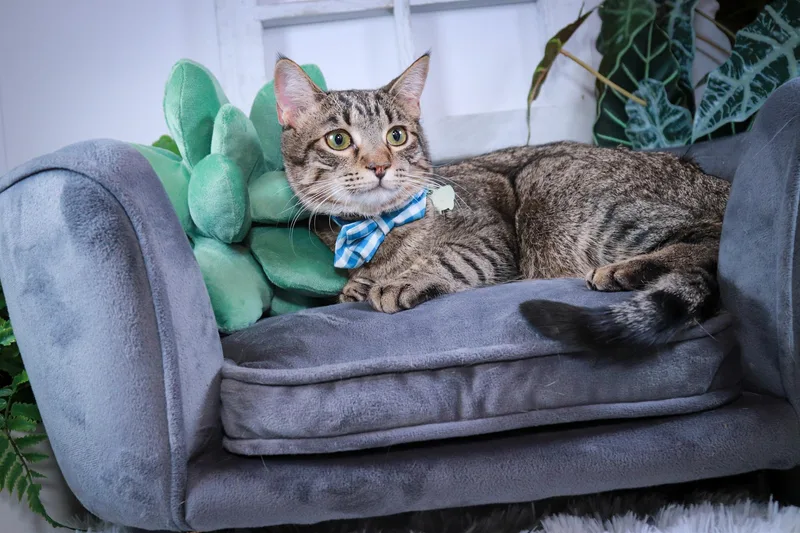
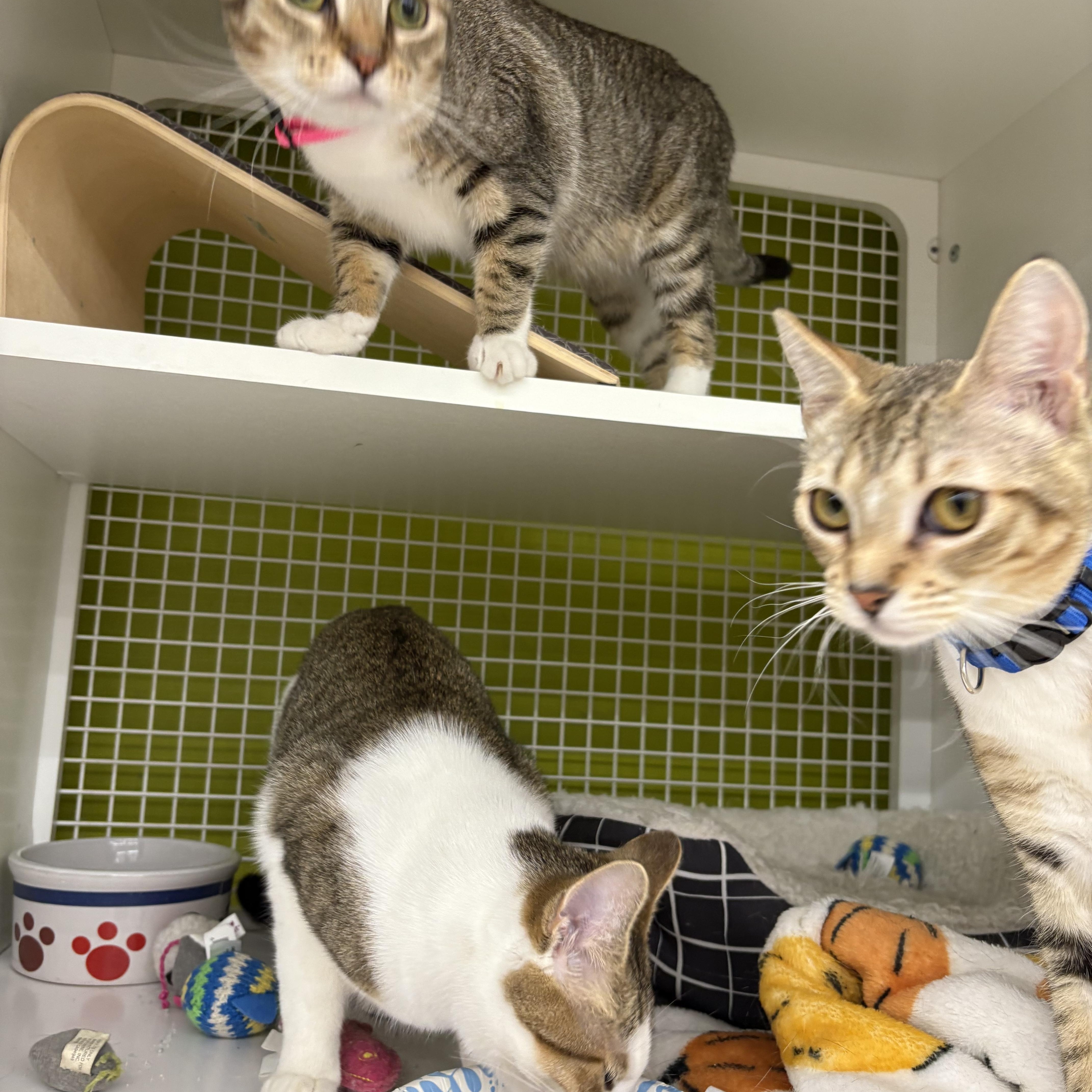
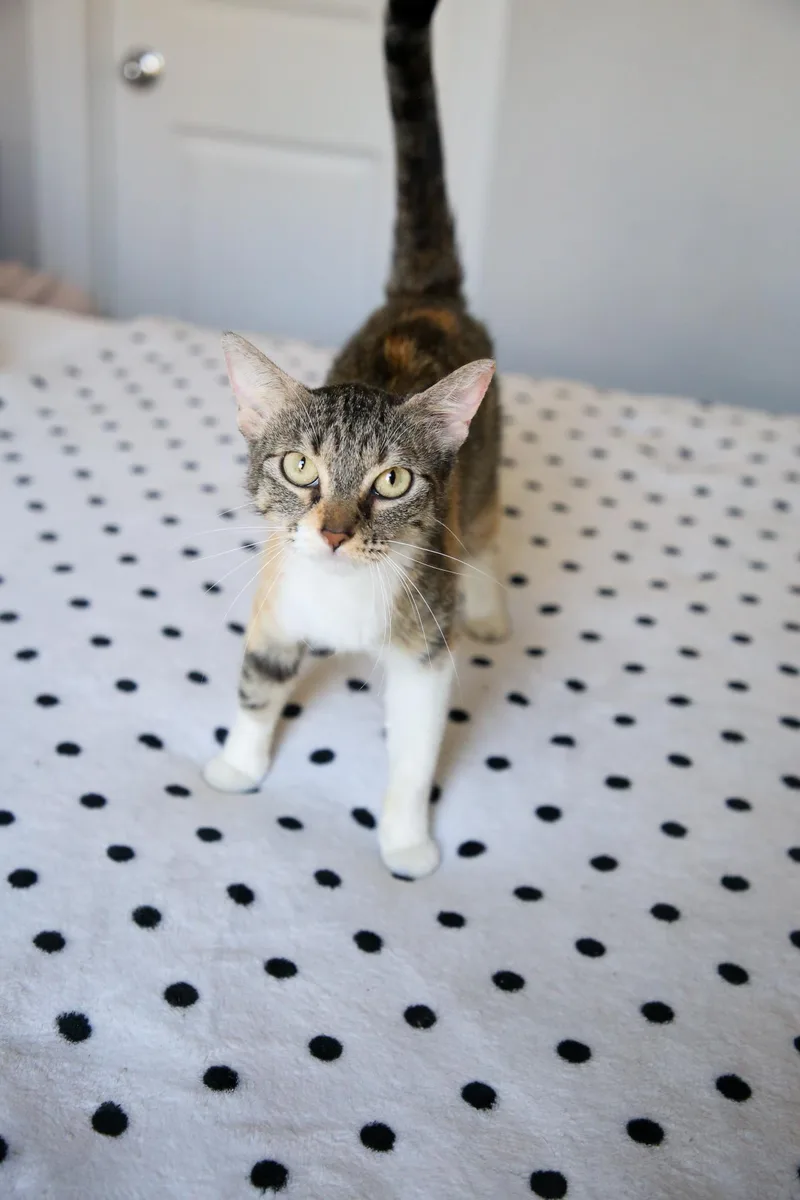
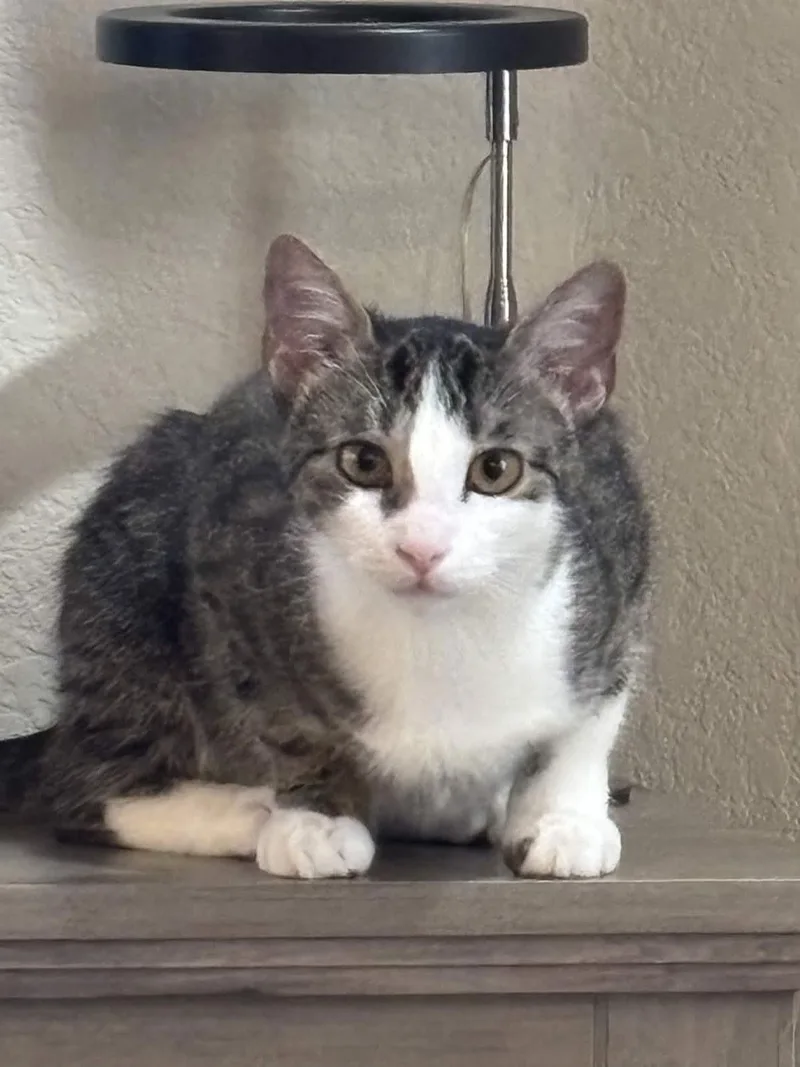
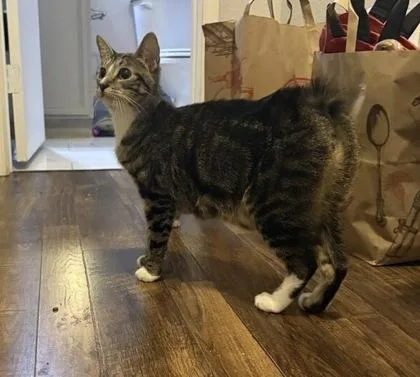
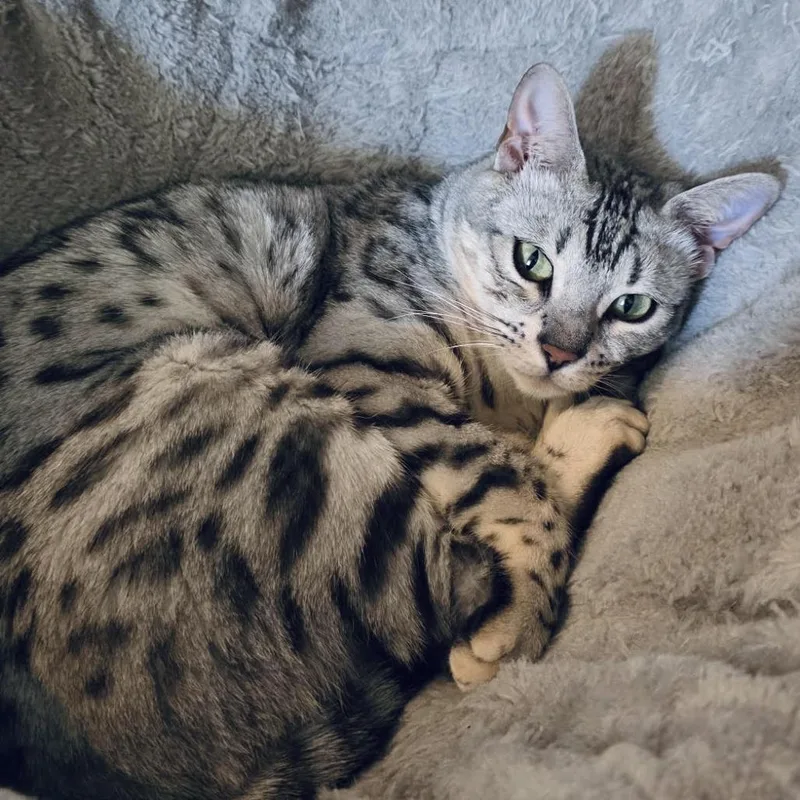
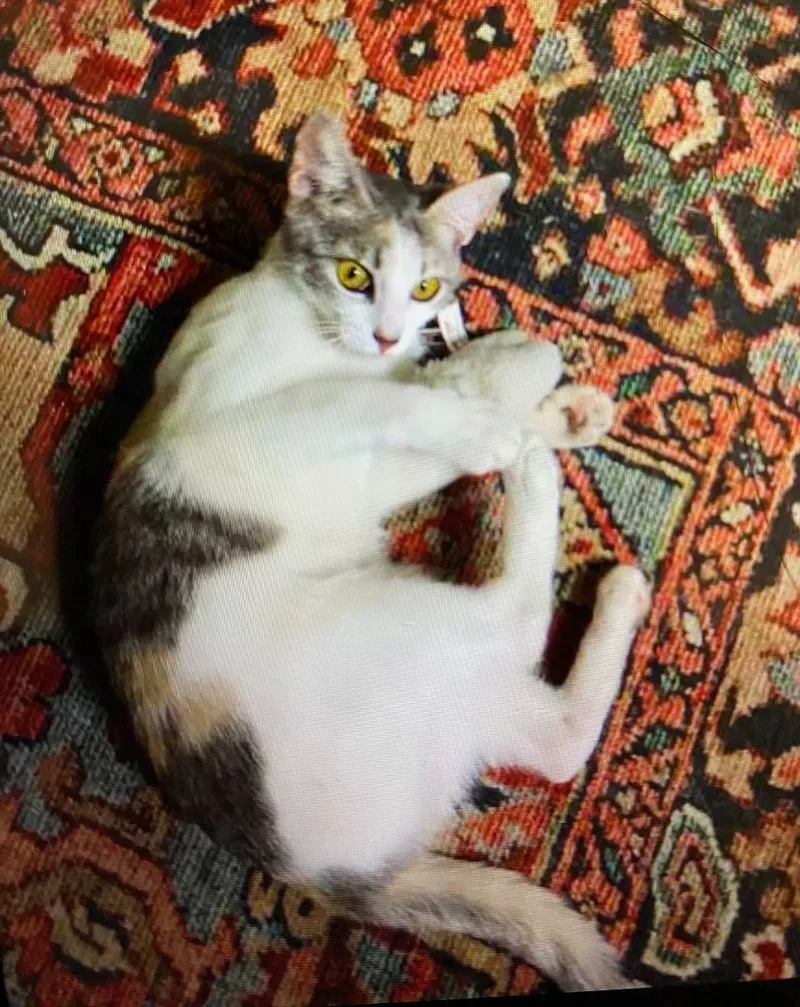
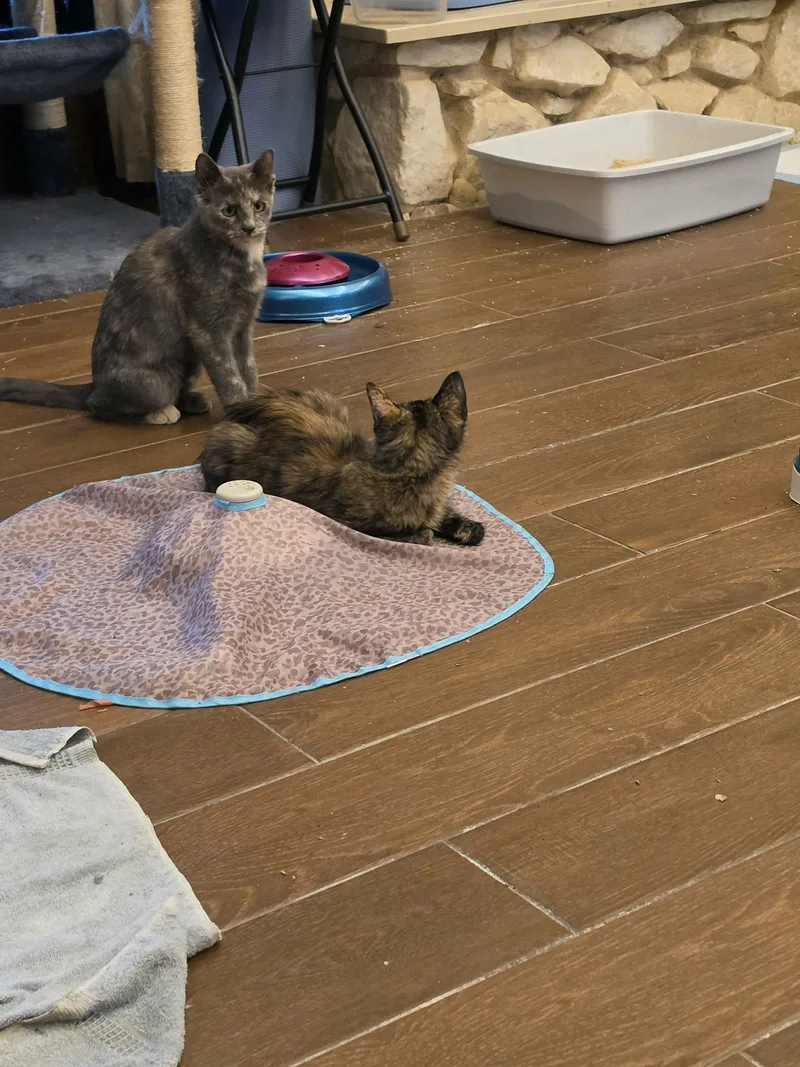
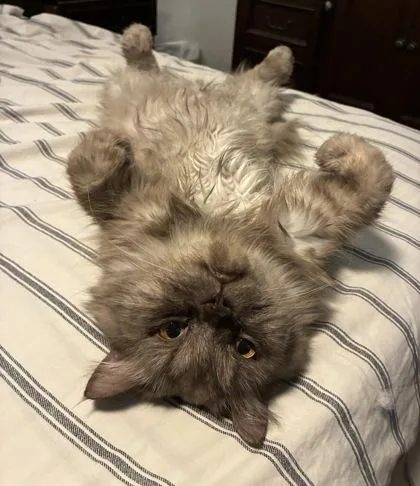
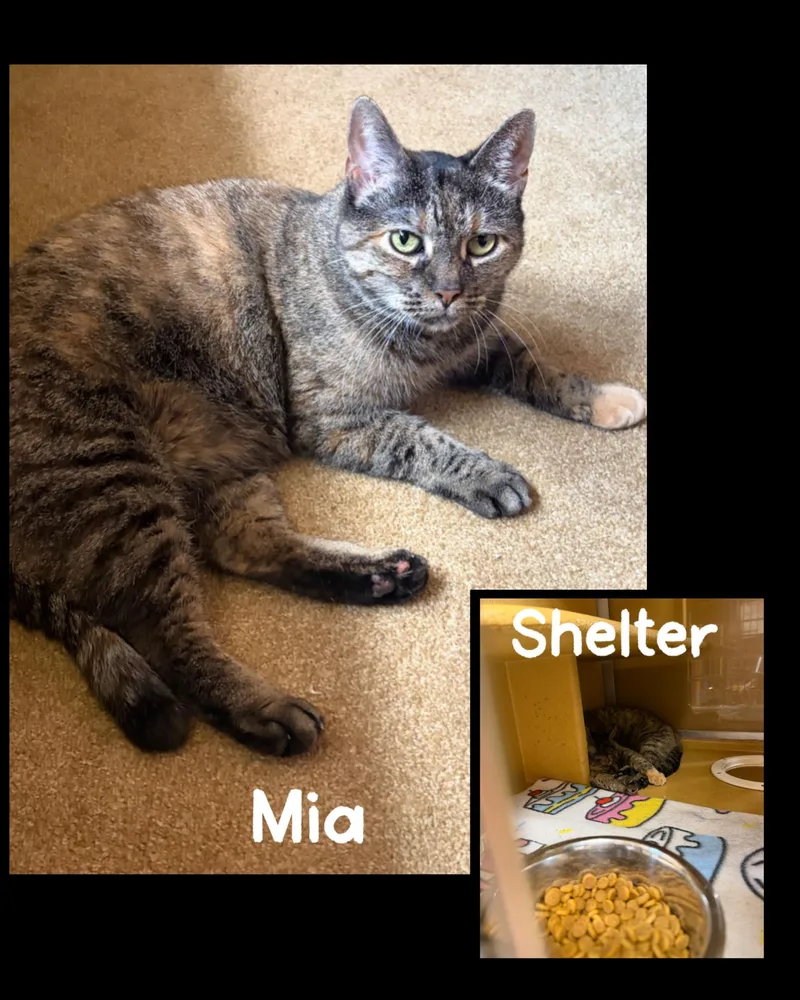
Torbie is the name for a coat that blends tortoiseshell and tabby. A torbie has patches of black-based and orange-based color, with tabby stripes, swirls or spots running through them, and many wear the classic M on the forehead. Colors include brown, dilute blue-and-cream and silver, and a torbie with plenty of white is sometimes called a caliby. Nearly all torbies are female.

Most torbies are domestic shorthairs or longhairs, with moderate shedding. A weekly brushing handles most coats, and longhaired cats need more. Folklore credits torbies with spunk and friendliness, but coat color doesn't predict personality, so spend time with a cat before deciding. Size runs medium, roughly 6 to 14 pounds, and many live 12 to 18 years.

Weight
6–14 lbs
Height
8–10 in
Lifespan
12–18 yrs
Temperament
Playful, Affectionate, Curious
Shedding
Moderate

Owning a Torbie in Fort Worth

Having a Torbie in Fort Worth

Torbie describes a coat, not a breed, so these cards cover what's generally true of domestic cats with this pattern. Energy, health and personality depend on each cat's age and background, and here's how that plays out in Fort Worth.

Temperament

Torbies are often called spirited, chatty or affectionate, but that comes from owner stories, not research, and coat color doesn't predict behavior. A torbie might be shy and reserved or outgoing and cuddly. Spend time with a cat and watch how it reacts to handling and noise, which matters in busy apartment buildings.

Exercise Needs

Torbies need the same activity as other domestic cats, depending on age and energy. Daily wand-toy play, chase games, puzzle feeders and climbing space keep most indoor cats fit. Since Fort Worth cats must stay on their owner's property, indoor play carries the load: young cats may want several sessions a day, older cats shorter ones.

Health Considerations

The torbie pattern carries no known health risks for female cats, so health follows ancestry, age and care. Plan on yearly exams, vaccines, dental care and a healthy weight. Rare male torbies usually have an extra X chromosome and can have added health issues. A veterinarian can check a newly adopted cat soon after it comes home.

Living Space

Torbies adapt to apartments and houses alike, since space needs come from the cat rather than its coat. Fort Worth has plenty of both, from downtown lofts to brick ranch houses. Scratching posts, window perches, cat trees and hiding spots suit most, and shy cats settle best in calmer homes.

What it costs to own a Torbie in Fort Worth

ExpenseTypical costPer year
Food$25 to $50 per month$300 to $600
Pet insurance$20 to $45 per month$240 to $540
Routine vet care$150 to $350 per year$150 to $350
Other*$450 to $1,150 per year$450 to $1,150
Estimated yearly total (after year one)$1,140 to $2,640

Other costs are estimates and vary with size, age and health.

* Litter, flea and tick prevention, a dental cleaning allowance, toys and supplies, and home grooming.

Adopt a Torbie in Fort Worth.

Now that you know more, let’s find you a new best friend. These rescues and shelters below currently have Torbies available.

Frequently Asked Questions

Yes, Fort Worth has no breed-specific rules, and a torbie is a coat pattern anyway. You'll need a registered microchip, a rabies vaccination by four months, and spay or neuter surgery or a $50 intact permit. Keep your cat on your property, and if you rent, get the pet deposit and rent terms in writing.

Often yes, if you can offer an indoor home with play and perches. Torbies are domestic cats whose personalities vary widely, so fit depends on the cat more than the coat. Fort Worth's hot summers call for reliable air conditioning, and spring storms mean keeping a carrier ready. Quiet households suit shy cats, while social cats handle busier ones.

Yes, torbies adapt well to apartments because cats need enrichment more than square footage. A window perch, scratching post and daily play go a long way. Since many Fort Worth homes are rentals, read the lease for pet deposits, pet rent and cat limits first, because Texas doesn't cap them. A cat tree fits well in a small space.

Indoor torbies handle Fort Worth summers well when the home stays cool. The season is long and hot, with nights that barely cool off, so keep the air conditioning running, offer fresh water in several spots, and block direct afternoon sun. Never leave a cat in a parked car. Longhaired torbies may need extra brushing to stay comfortable.

Yes, as long as the cat rides in an approved carrier. Trinity Metro allows pets in approved carriers on its vehicles, and its rider guidelines cover TEXRail, which runs downtown to DFW Airport Terminal B. The carrier can't block the aisle, and you're responsible for your cat. The Trinity Railway Express is shared with DART, so confirm its carrier rules before riding.

A torbie needs little grooming: a weekly brush for shorthairs, a few times a week for longhairs, and occasional nail trims. Shedding is moderate and rises in spring and fall. Fort Worth's heat doesn't call for clipping, but a matted longhair coat traps warmth, so keep up the brushing. Grooming supplies are counted in the yearly Other costs.

A torbie cat is a cat whose coat combines tortoiseshell and tabby patterns, with patches of black-based and orange-based color plus tabby stripes, swirls or spots. It is a coat pattern, not a breed, and appears mostly in domestic shorthairs and longhairs. Torbies are also called tortie-tabbies or patched tabbies, and nearly all are female.

No, torbie cats are not especially rare. The pattern appears whenever a tortoiseshell cat also inherits tabby markings, which is common, and shelters regularly have torbies available. Male torbies are a different story: like other male tortoiseshells, they are very rare. Some variations, such as silver or dilute torbies, are seen less often but are still not unusual.

We have 2 rescues with Torbies available: Allie's Haven Animal Rescue and Buddies Place Rescue. You can see every rescue with Torbies available in the list above these questions, or scroll to the top to see the Torbies near Fort Worth.

A torbie costs roughly $1,140 to $2,640 a year in Fort Worth. That covers food at $25 to $50 a month, insurance at $20 to $45 a month, routine vet care at $150 to $350 a year, and other costs such as litter and prevention at $450 to $1,150 a year.

Find Torbies in Nearby Cities

Expand your search to find Torbies available for adoption near Fort Worth.