Torbie Cats for Adoption in Nashville, TN

Your guide to finding and caring for a Torbie in Nashville

A Torbie in Nashville is a cat first and a coat pattern second, and she'll fit a Germantown apartment as easily as a Donelson ranch house. Nearly all torbies are female, and their patches and stripes look great in a sunny window. Rainy days and spring storm warnings make an indoor life the easy choice here. Personality varies from one torbie to the next, so some want a lap and others a quiet perch. A cat tree by the glass and a wand toy cover most of what she needs.

328 Torbies available in Nashville and nationwide

Fall for a Torbie

While we don't have enough cats near Nashville, keep in mind that many rescues may offer transport.

Torbies Available for Adoption Near Nashville

About the Torbie breed

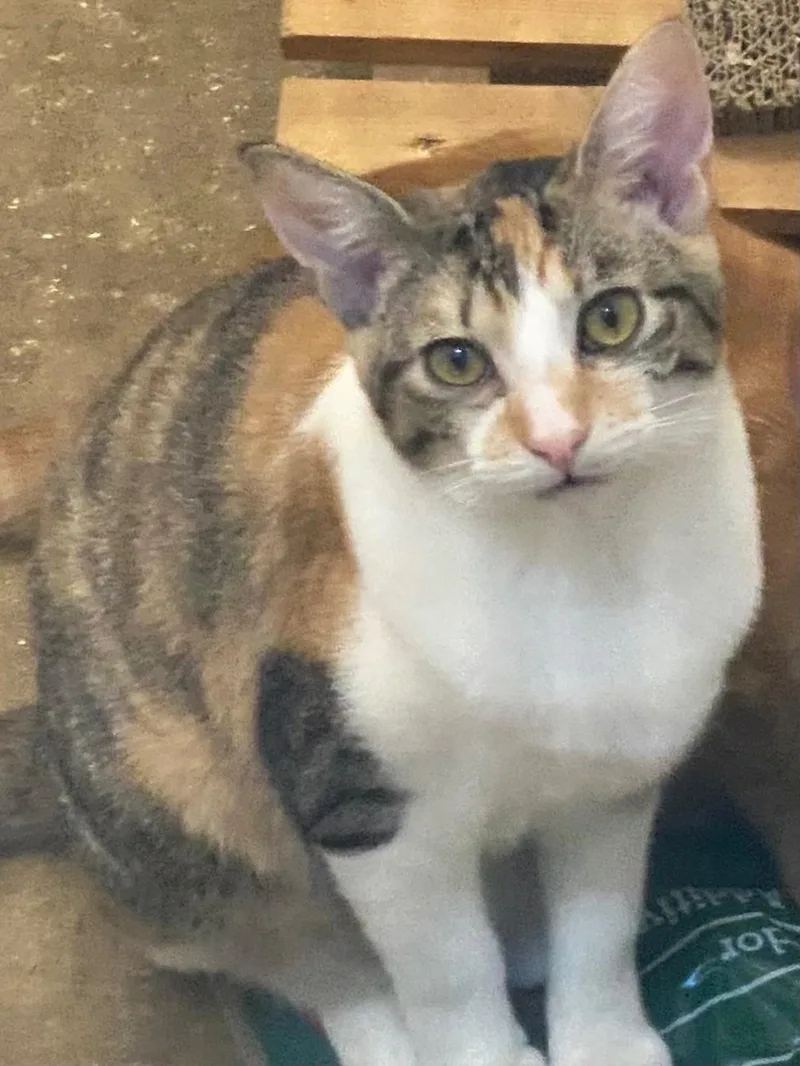
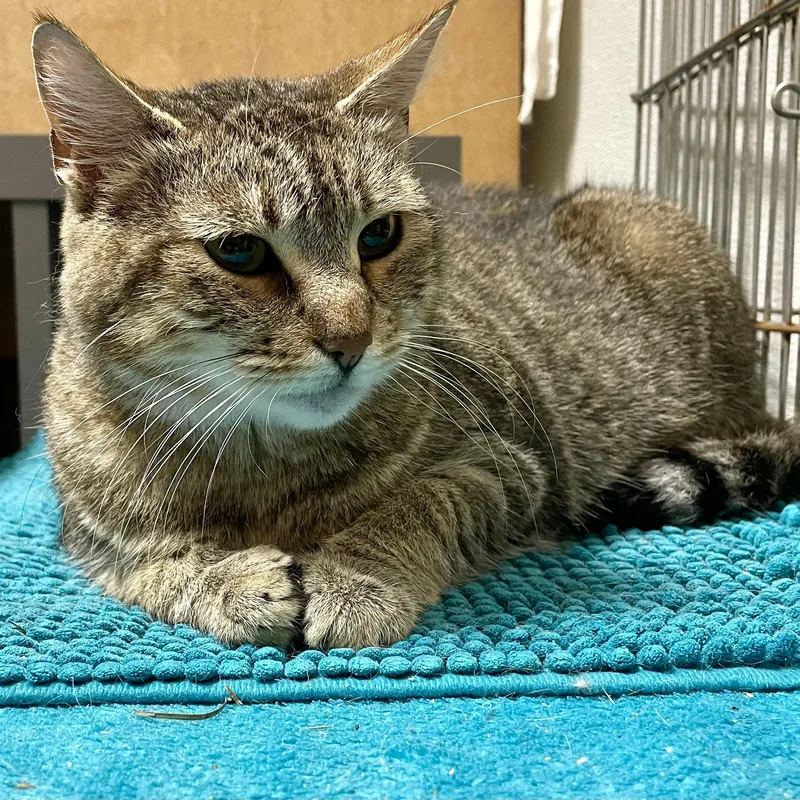
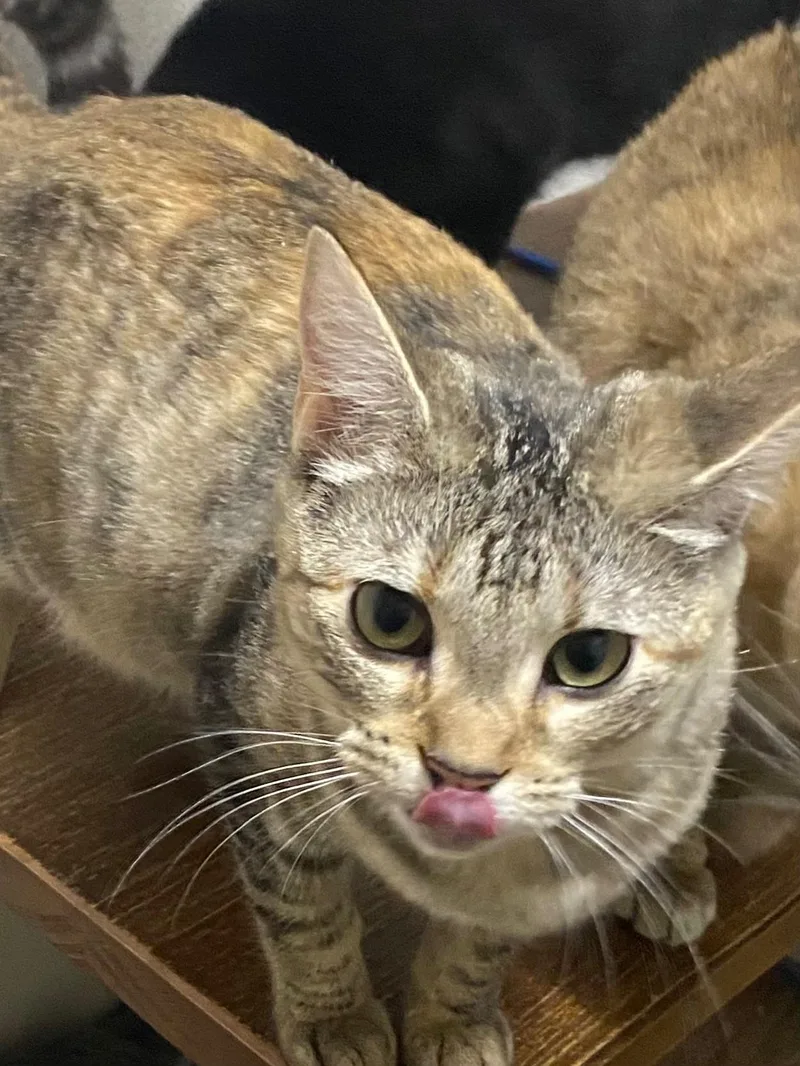
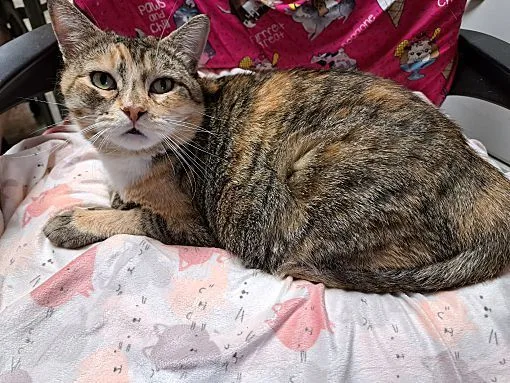
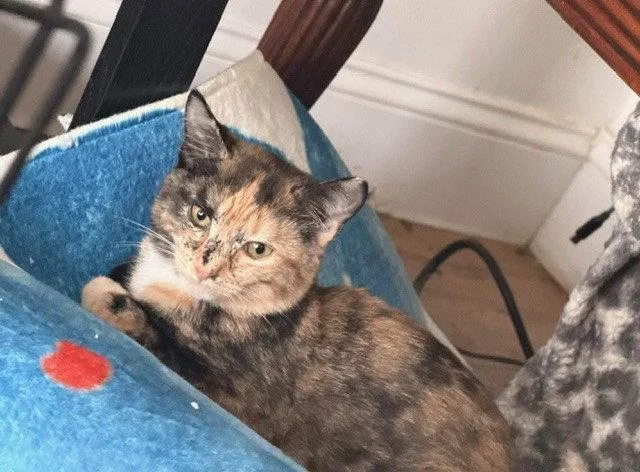
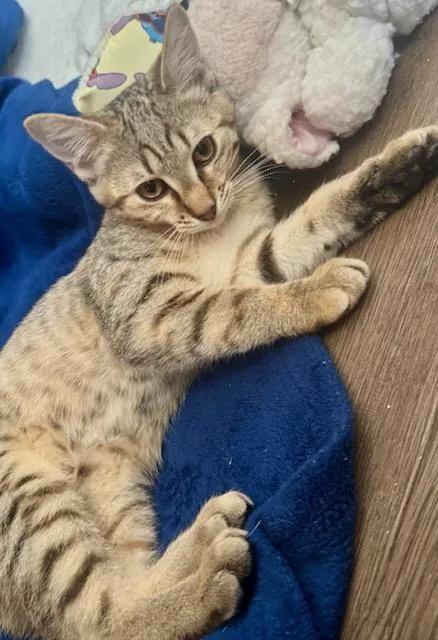
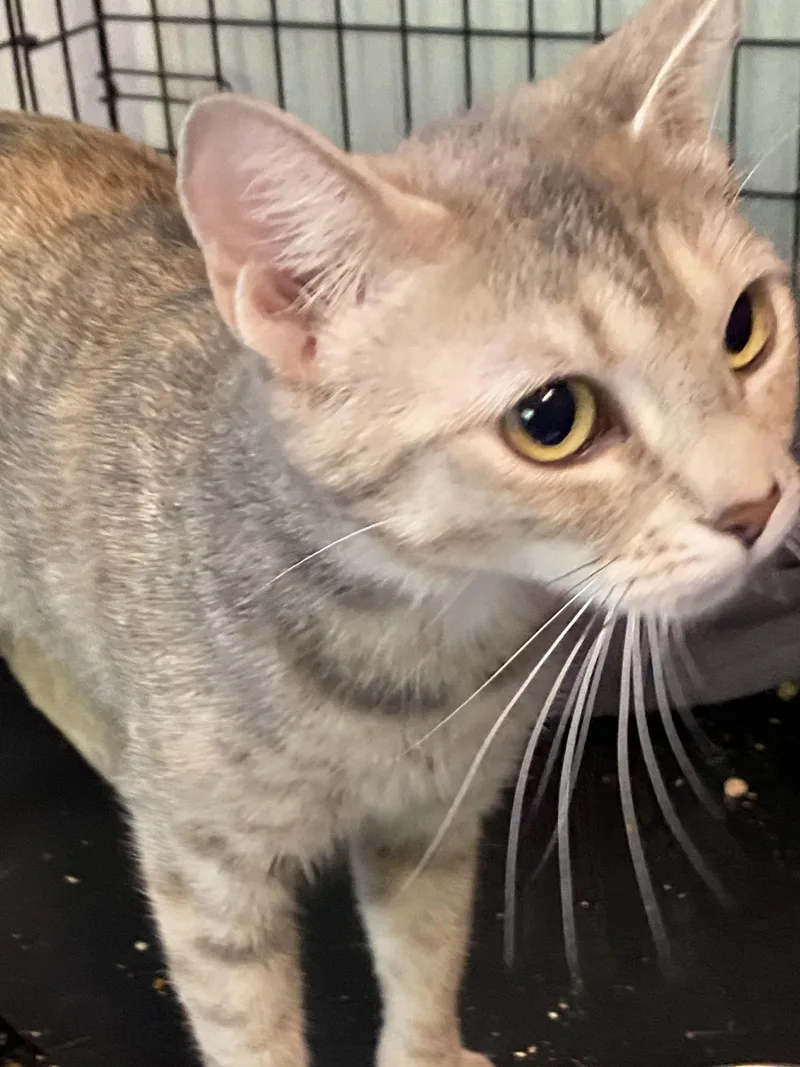
Torbie isn't a breed. It's a coat pattern that blends tortoiseshell and tabby: patches of black-based and orange-based color with tabby stripes, swirls or spots running through them, often with the M on the forehead. Brown, blue-and-cream and silver torbies all exist, and one with a lot of white is sometimes called a caliby. Nearly all are female, because the orange color gene sits on the X chromosome.

Most torbies are domestic shorthairs or longhairs, medium cats of about 6 to 14 pounds that often live 12 to 18 years. Shedding is moderate, so a weekly brushing keeps the couch manageable. Torbies are said to be spunky and friendly, but coat color doesn't predict personality, so judge each cat by how she acts when you meet her.

Weight
6–14 lbs
Height
8–10 in
Lifespan
12–18 yrs
Temperament
Playful, Affectionate, Curious
Shedding
Moderate

Owning a Torbie in Nashville

Having a Torbie in Nashville

Torbie describes a coat, so these cards cover what holds for most domestic cats and what matters in Nashville: indoor safety, summer heat, storm days and rental living. A torbie's age, history and health shape her needs more than her colors do.

Temperament

Torbies are often called spirited, chatty or affectionate, though that comes from owners' impressions, not research. In Nashville, where many cats live in apartments and bungalows with neighbors close by, watch how a cat reacts to noise and visitors. Shelter torbies range from shy to outgoing, so time spent together tells you more than the coat does.

Exercise Needs

Plan on daily interactive play: wand toys, chase games, puzzle feeders and tall climbing spots. Nashville's rainy stretches and hot afternoons are good reasons to keep a cat indoors, so a window perch with a view of the birds makes good enrichment. Kittens may want several short sessions a day, while seniors prefer gentler ones.

Health Considerations

The torbie pattern carries no known health risks for female cats, so a torbie's health depends on her age, ancestry and care. Nashville's warm, humid summers bring fleas, ticks and mosquitoes, so ask a veterinarian about parasite prevention, along with vaccines, dental care and a healthy weight. Coyotes are another reason to keep cats indoors.

Living Space

Torbies adapt to apartments and houses alike, which suits Nashville's mix of downtown apartments, bungalows and suburban ranch houses. Scratching posts, window perches, cat trees and hiding spots help most cats feel at home. Shy cats settle best in calmer homes, while confident, social ones often handle busy households, children and other pets well.

What it costs to own a Torbie in Nashville

ExpenseTypical costPer year
Food$25 to $50 per month$300 to $600
Pet insurance$20 to $45 per month$240 to $540
Routine vet care$150 to $350 per year$150 to $350
Other*$458 to $1,158 per year$458 to $1,158
Estimated yearly total (after year one)$1,148 to $2,648

Other costs are estimates and vary with size, age and health.

* Litter, the Davidson County rabies tag, flea and tick prevention, a dental cleaning allowance, toys and supplies, and home grooming.

Adopt a Torbie in Nashville.

Now that you know more, let’s find you a new best friend. These rescues and shelters below currently have Torbies available.

Frequently Asked Questions

Yes, you can get a Torbie in Nashville, and no breed rules come into play since torbie is a coat pattern, not a breed. Metro code has no breed restrictions anyway. Cats six months and older need a rabies vaccine and Davidson County registration, and renters should have landlord consent. Watch the listings on this page, since cats come and go often.

Yes, most Torbies do well in apartments, because a cat's space needs come from temperament, not coat. Give her a window perch, a tall cat tree and daily play. Nashville has no citywide pet limit, so your lease sets the rules: check it for pet rent, deposits and the number of pets allowed.

Only in a carrier. WeGo's code of conduct allows non-service animals on its buses and property only in an approved transfer cage, and the WeGo Star commuter train follows a similar rule. Nashville has no subway. Choose a compact, sturdy, fully closed carrier for a Torbie, and expect car trips to be easier for vet visits.

Yes, indoors. A Torbie handles Nashville's humid summers fine in an air-conditioned home. Heat becomes risky during a power outage or in a top-floor apartment without cooling, so watch for heavy panting, drooling or weakness and call a veterinarian right away. Cool tile floors and water in several spots help, and longhaired torbies benefit from regular brushing.

Brush a shorthaired Torbie about once a week and a longhaired one several times a week. Shedding is moderate, and humid summers and seasonal changes may bring extra loose fur. Most cats groom themselves, so costs stay low: a brush and supplies fall within the $458 to $1,158 yearly Other costs, and professional grooming is rarely needed.

A Torbie can be a good fit if you can offer an indoor home, daily play and a plan for storms. Nashville's mix of apartments, bungalows and suburban houses suits most cats. Consumer fireworks are banned in Davidson County, but nearby areas allow them, so shy cats may still be startled in July. Meet the cat first, since personality varies.

A torbie cat is a cat whose coat combines tortoiseshell and tabby patterns, with patches of black-based and orange-based color plus tabby stripes, swirls or spots. It is a coat pattern, not a breed, and appears mostly in domestic shorthairs and longhairs. Torbies are also called tortie-tabbies or patched tabbies, and nearly all are female.

No, torbie cats are not especially rare. The pattern appears whenever a tortoiseshell cat also inherits tabby markings, which is common, and shelters regularly have torbies available. Male torbies are a different story: like other male tortoiseshells, they are very rare. Some variations, such as silver or dilute torbies, are seen less often but are still not unusual.

We have 1 rescue with Torbies available: Proverbs 12:10 Animal Rescue. You can see every rescue with Torbies available in the list above these questions, or scroll to the top to see the Torbies near Nashville.

Expect roughly $1,150 to $2,650 a year for a Torbie in Nashville. That covers food at $25 to $50 a month, insurance at $20 to $45 a month, routine vet care at $150 to $350 a year, and other costs of about $458 to $1,158 a year, including litter. Adoption fees vary by listing.

Find Torbies in Nearby Cities

Expand your search to find Torbies available for adoption near Nashville.