Tabby Cats for Adoption in Nashville, TN

Your guide to finding and caring for a Tabby in Nashville

A tabby in Nashville could just as easily end up in a Donelson brick ranch as a Germantown apartment. Tabby is a coat pattern, not a breed, so these cats run from lap-sitters to window-watchers, and what matters is how one fits your routine. In a Hillsboro Village rental, a sunny window perch and a wand toy at the end of the workday go a long way. Plan on keeping your cat indoors, where the coyotes and traffic can't reach.

8477 Tabbies available in Nashville and nationwide

Find your Tabby

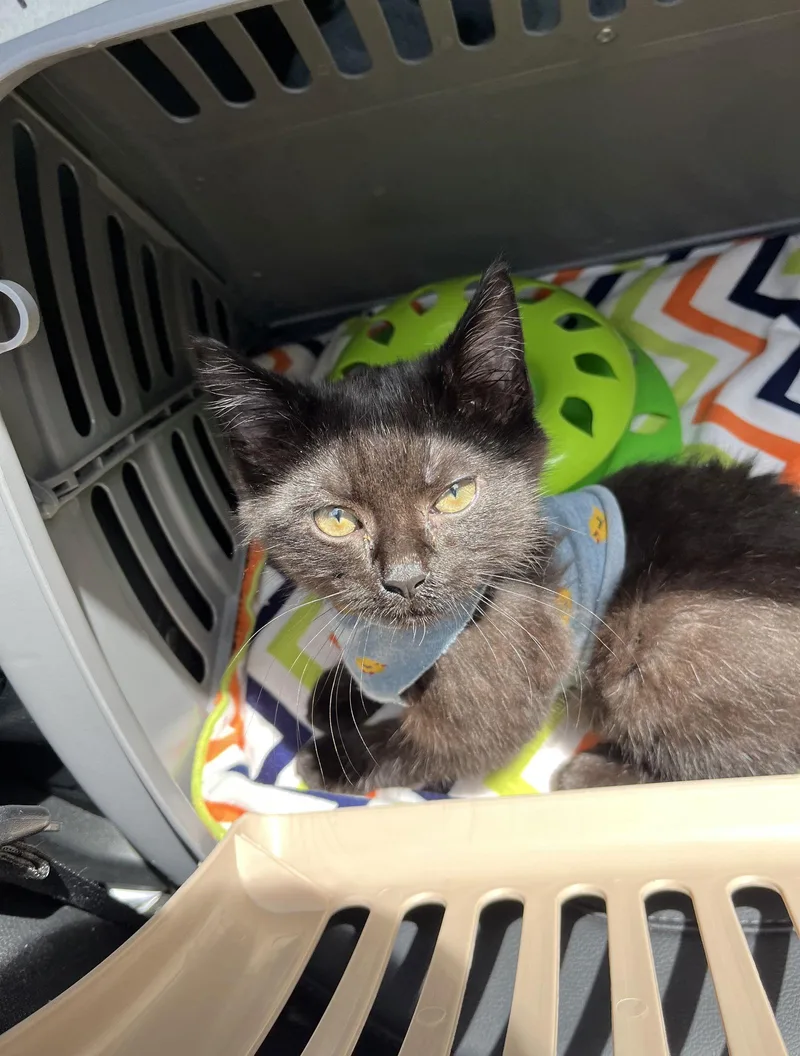
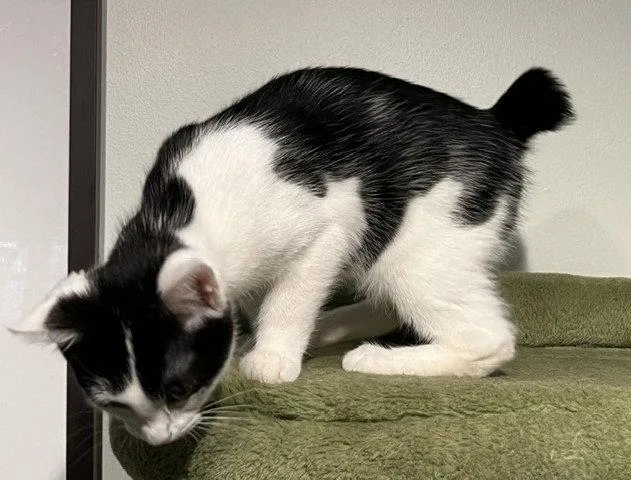
Tabbies Available for Adoption Near Nashville

About the Tabby breed

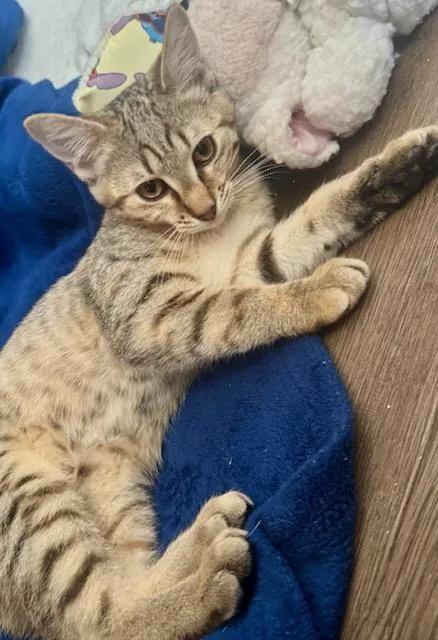
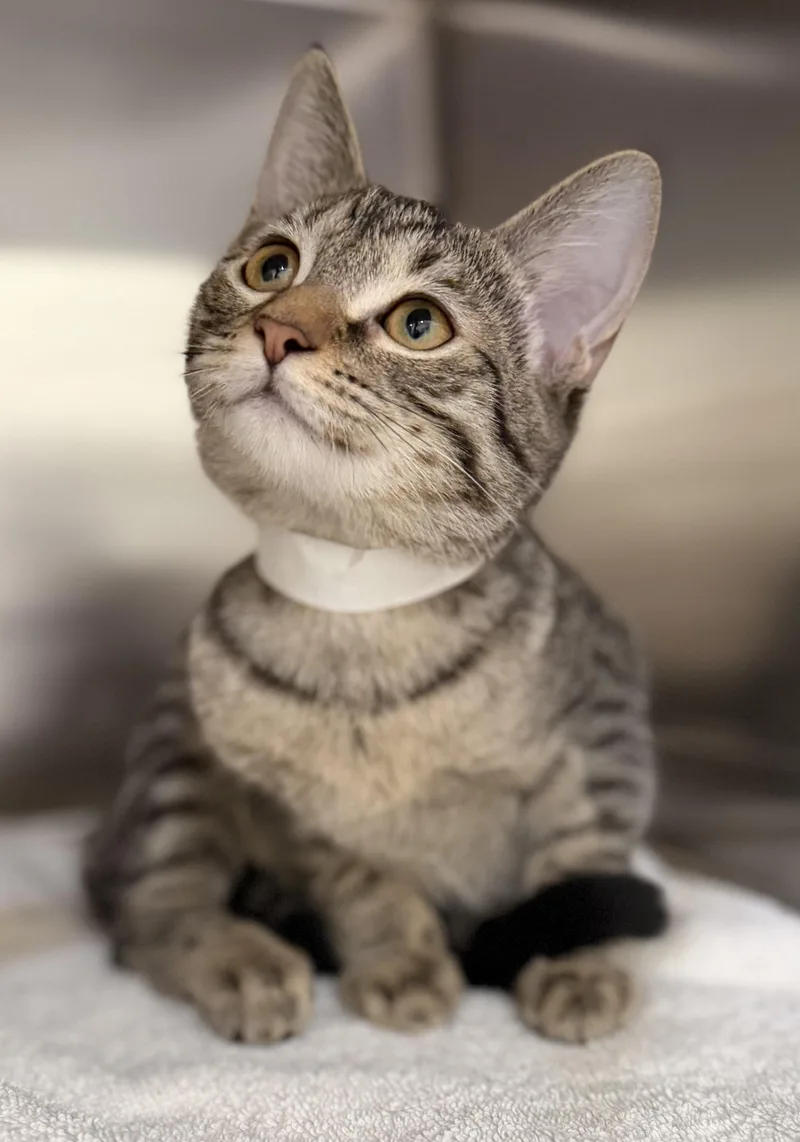
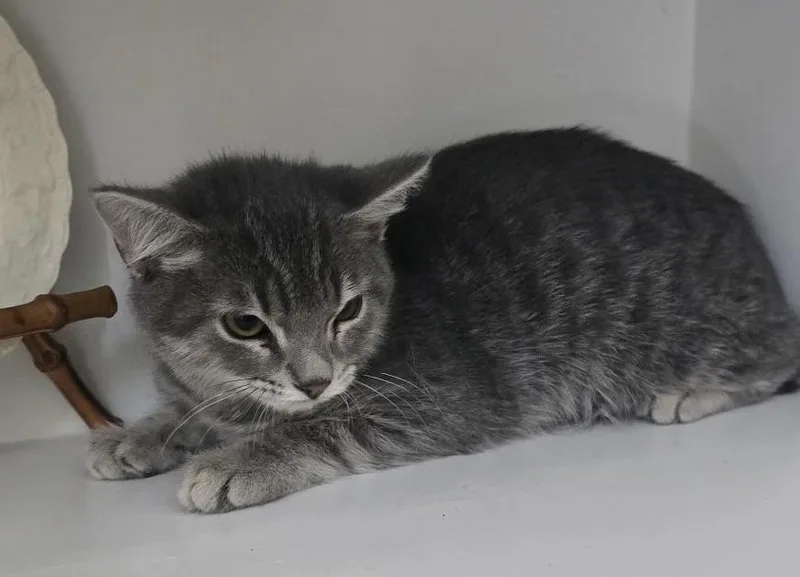
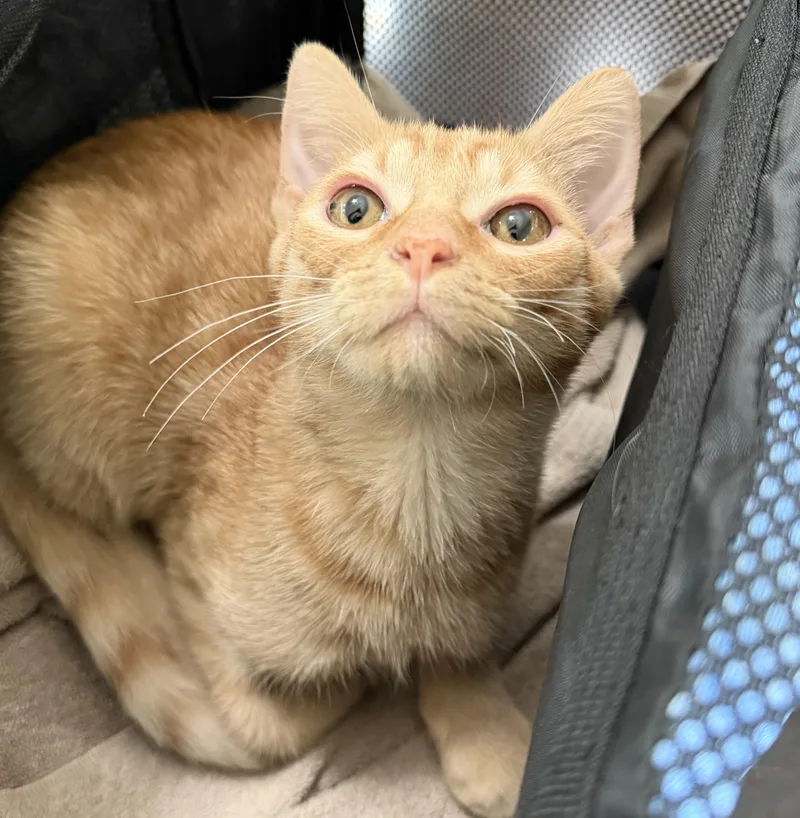
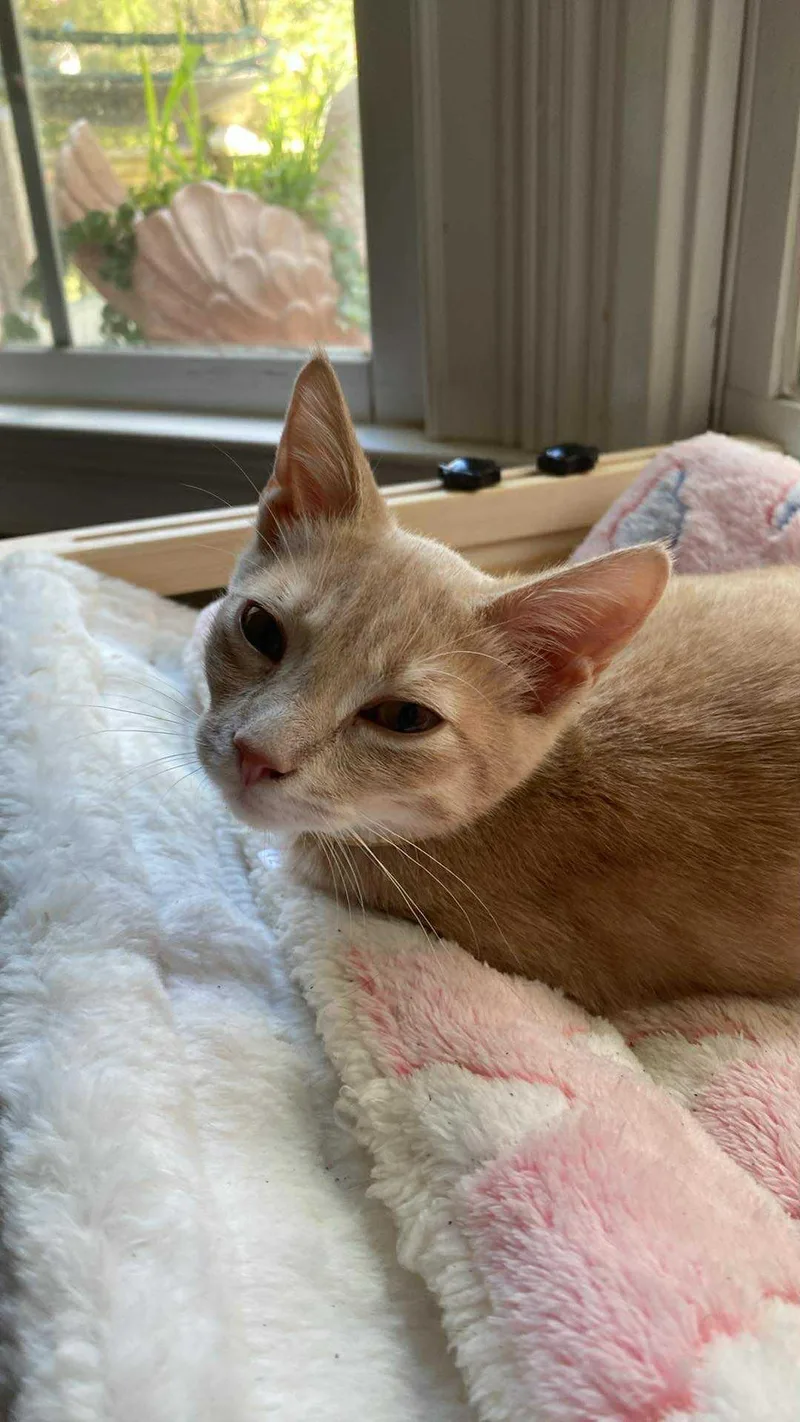
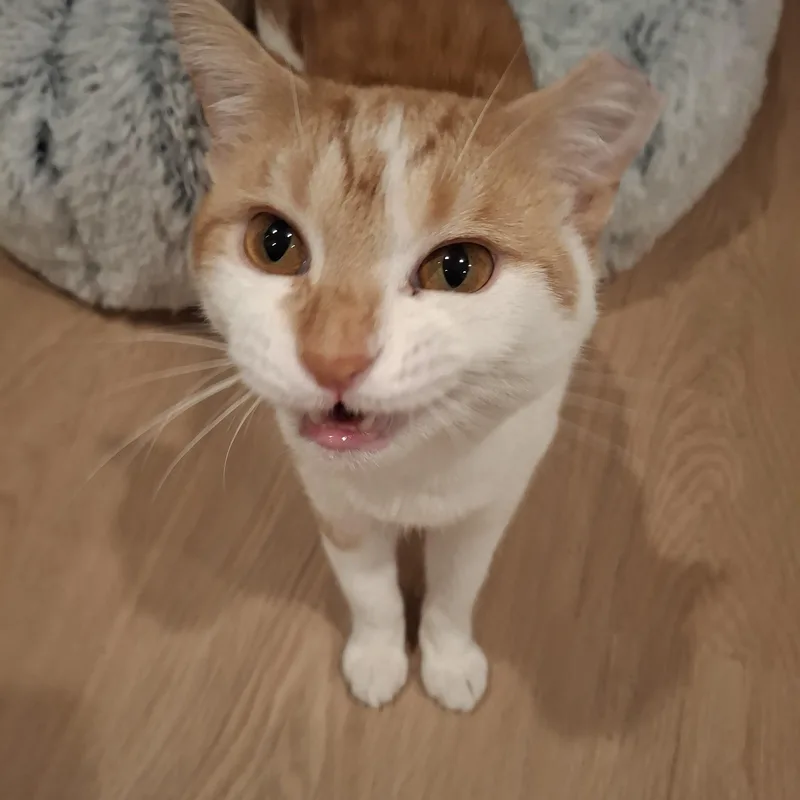
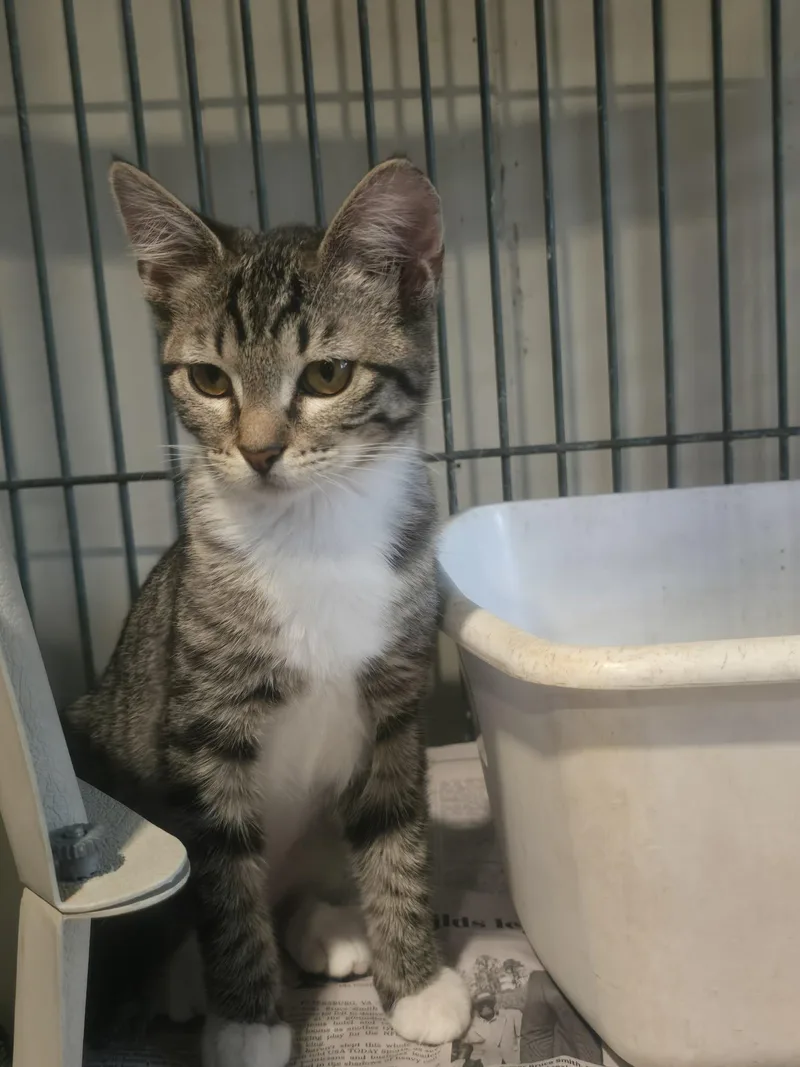
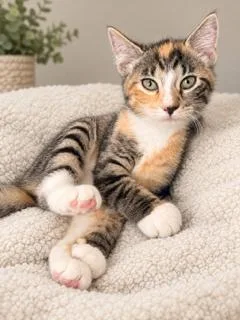
Tabby describes a coat pattern, not a breed. The M-shaped mark on the forehead, plus stripes, swirls, spots or ticked hairs, makes a cat a tabby, whether it's a domestic shorthair, a Maine Coon mix or something else. Mackerel, classic, spotted and ticked are the main patterns, and colors include brown, orange, gray, silver and cream.

Most tabbies in Nashville homes are medium-sized shorthairs weighing roughly 6 to 14 pounds, with moderate shedding and a lifespan of 12 to 18 years. Personality comes from genetics, upbringing and past experiences, so one tabby may be a cuddler and another shy or independent. Spending time with a cat tells you more than the coat does, and a longer-haired tabby will need more brushing.

Weight
6–14 lbs
Height
8–10 in
Lifespan
12–18 yrs
Temperament
Curious, Adaptable, Affectionate
Shedding
Moderate

Owning a Tabby in Nashville

Having a Tabby in Nashville

Because tabby is a pattern shared by many breeds and mixes, each cat's traits come from its own background. Temperament, energy, coat length and health history tell you far more than stripes, and they shape how well a cat suits a Nashville home.

Temperament

Expect the full range of feline personalities. Many tabbies are curious, adaptable and affectionate, while others are shy or independent. Orange tabby stereotypes partly reflect that most orange cats are male. In a Nashville apartment, a confident, social cat may enjoy a busy household, while a quieter one may prefer a calm space with a hiding spot.
Exercise Needs

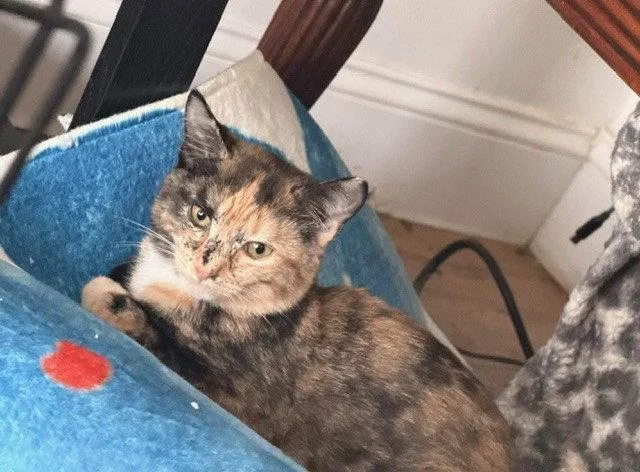
Tabbies need daily play that mimics hunting: wand toys, chasing and pouncing, split into a few short sessions for kittens and young adults. Indoors, climbing shelves, scratching posts and window perches add activity. Older cats do well with gentler games. Nashville's coyotes make supervised indoor play safer than free roaming.

Health Considerations

Coat pattern doesn't affect health; risks depend on a cat's mix, age and lifestyle. Obesity, dental disease and urinary problems are common, and older cats may develop kidney disease, hyperthyroidism or diabetes. Nashville's warm months bring fleas, ticks and mosquitoes, so keep parasite prevention current and have a veterinarian examine any new cat.

Living Space

Most tabbies adapt well to apartments or houses if they have places to climb, scratch, hide and look outside. That works for Nashville's mix of apartments, bungalows and suburban ranch houses. Offer a window perch, more than one litter box in busy homes, and a quiet retreat. Longer-haired tabbies need more grooming time.

What it costs to own a Tabby in Nashville

ExpenseTypical costPer year
Food$25 to $50 per month$300 to $600
Pet insurance$20 to $45 per month$240 to $540
Routine vet care$150 to $350 per year$150 to $350
Other*$458 to $1,158 per year$458 to $1,158
Estimated yearly total (after year one)$1,148 to $2,648

Other costs are estimates and vary with size, age and health.

* Litter, the $8 Davidson County rabies tag, flea and tick prevention, a dental cleaning allowance, toys, scratchers and bedding, and occasional grooming.

Adopt a Tabby in Nashville.

Now that you know more, let’s find you a new best friend. These rescues and shelters below currently have Tabbies available.

Frequently Asked Questions

Yes. Most tabbies are medium-sized, adaptable cats that do well in apartments when they have a window perch, a scratching post, a litter box and daily play. Because rules vary by building, get the landlord's pet terms and any fees in writing before you adopt. A mellow adult often suits a smaller unit well.

Yes. Tabby is a coat pattern, and Metro's animal code has no breed-specific restrictions. Cats six months or older need a rabies vaccination and a Davidson County rabies tag, and landlords or HOAs may set their own pet rules. Metro has no fixed limit on household pets, but every pet needs proper care.

Yes, for indoor cats. Summers reach about 90°F with humidity and winters bring freezing nights, but a climate-controlled home handles both. The bigger local concerns are spring storms and tornado warnings, ice-related power outages, and fleas and ticks. Keep a carrier ready, make a storm plan and keep parasite prevention current.

Most tabbies are short-haired and need a weekly brushing, with extra sessions during heavier shedding in spring and fall. Longer-haired tabbies need brushing several times a week to prevent mats, especially in humid summers. Professional grooming is only occasional, and its cost is part of the Other line in the cost table.

Generally yes, if the cat travels in an enclosed carrier. WeGo's code says non-service animals aren't allowed on its buses or property unless they're in an approved transfer cage, and regional vehicles like the WeGo Star follow a similar rule. Carrier dimensions aren't published, so choose a sturdy, fully enclosed carrier.

A tabby cat is any cat with a tabby coat pattern, meaning stripes, swirls, spots or ticked hairs plus a distinctive M-shaped marking on the forehead. Tabby is not a breed. The pattern appears in domestic shorthairs and longhairs as well as many pedigreed breeds, such as the American Shorthair, Maine Coon and Abyssinian, and it is one of the most common cat patterns.

A tabby cat isn't any one breed, because tabby is a coat pattern. Cats with the pattern include shelter domestic shorthairs and longhairs as well as breeds such as the American Shorthair, Maine Coon, Bengal and Abyssinian. Most tabbies available for adoption are mixed-breed domestic cats, so browse the cats listed here and look at each one's age and personality.

A tabby cat has an M-shaped mark on its forehead, thin lines running from the outer corners of the eyes, and striped or spotted markings on the body, legs and tail. Mackerel tabbies have narrow parallel stripes, classic tabbies have bold swirls with a bullseye on each side, spotted tabbies have spots, and ticked tabbies show flecked hairs with few stripes.

We have 3 rescues with Tabbies available: The Cat Shoppe Rescue, Music City Animal Rescue and Proverbs 12:10 Animal Rescue. You can see every rescue with Tabbies available in the list above these questions, or scroll to the top to see the Tabbies near Nashville.

Expect roughly $1,150 to $2,650 a year for a tabby in Nashville: food at $25 to $50 a month, pet insurance at $20 to $45 a month, routine vet care at $150 to $350 a year, and other costs of $458 to $1,158. Emergency care isn't included, and the adoption fee is shown with each listing.