Havana Cats for Adoption in Nashville, TN

Your guide to finding and caring for a Havana in Nashville

A Havana suits a Nashville apartment well, since it wants company more than space. In a Germantown loft or a Donelson ranch house, this chocolate-brown cat will follow you from room to room and supervise whatever you're doing. Havanas are rare, so many cats you meet here will be brown shorthairs or Havana mixes with a similar look. Plan on a window perch, a few play sessions a day, and someone home for part of it, since Havanas get lonely.

2798 cats similar to Havana available in Nashville and nationwide

Give a Havana Brown a home

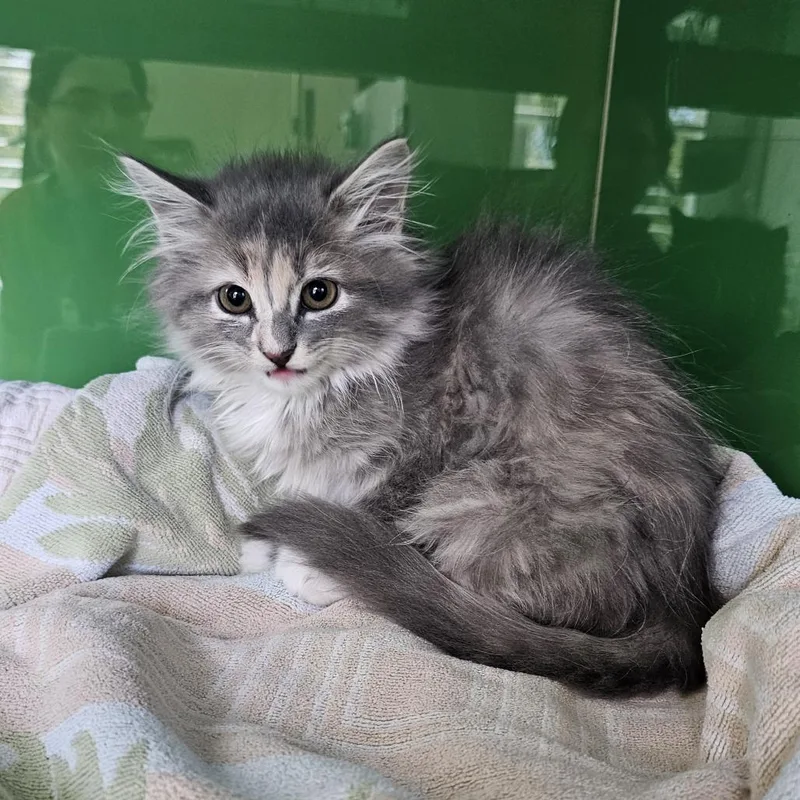
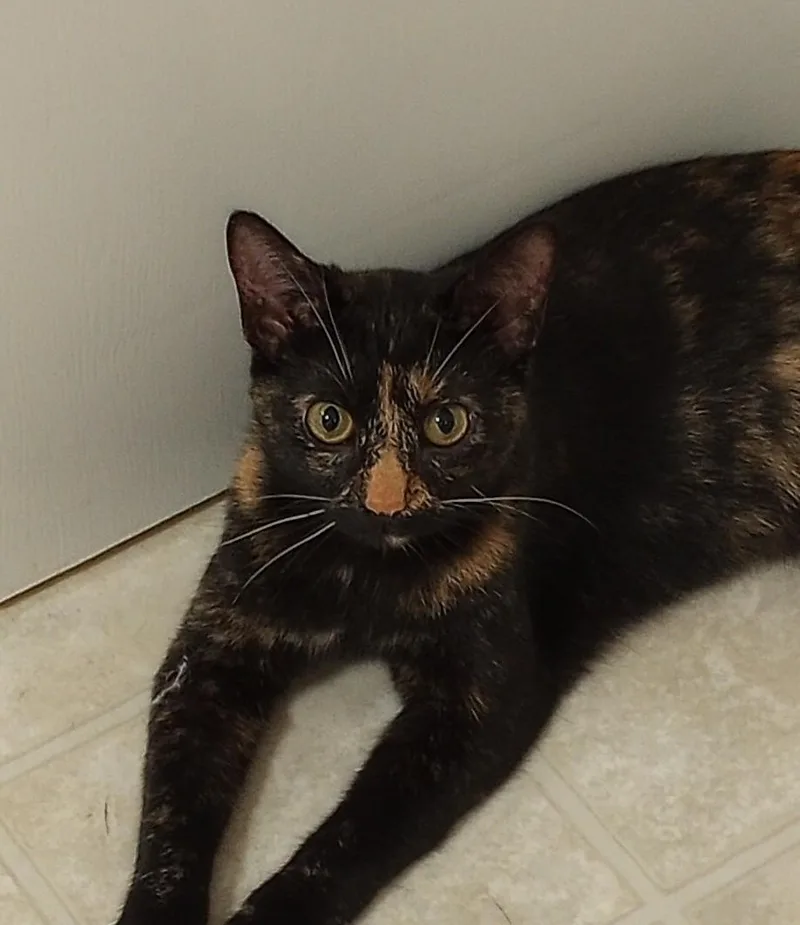
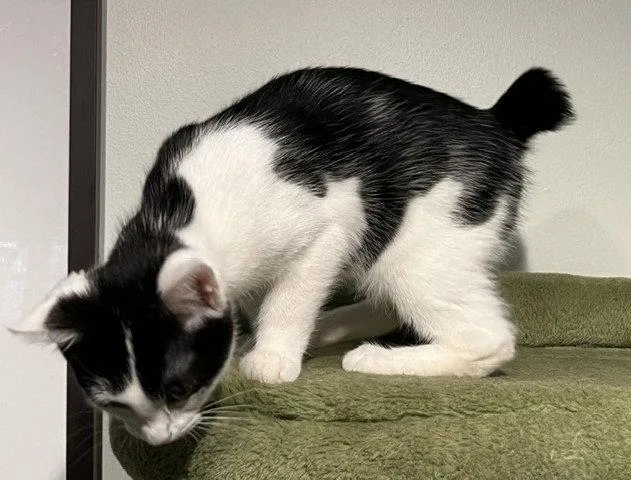
Havanas and Similar Breeds Available for Adoption Near Nashville

About the Havana breed

The Havana was developed in Britain in the 1950s from chocolate-carrying Siamese cats and black domestic shorthairs. TICA calls it the Havana, while CFA calls it the Havana Brown. It has a glossy chocolate coat, brown whiskers, green eyes, large forward-tilted ears and a squared-off muzzle, on a medium, muscular body of roughly 6 to 10 pounds.

The personality runs curious and people-focused, with a softer voice than a Siamese and a habit of patting things with a paw. The breed is genuinely rare, so the cats you meet in Nashville are more likely to be brown shorthairs or Havana mixes than registered Havanas. Cats vary, so judge each one by how it behaves rather than by its coat. The short coat needs very little grooming.

Weight
6–10 lbs
Height
9–11 in
Lifespan
10–15 yrs
Temperament
Social, Curious, Affectionate, Playful
Shedding
Low

Owning a Havana in Nashville

Having a Havana in Nashville

Havanas pair an easy-care coat with a strong wish to be involved in daily life. For Nashville adopters, the questions are how much company the cat gets, how it fits a rental, and how to keep it entertained indoors through humid summers and wet spells.

Temperament

Havanas are often affectionate, curious and talkative in a soft voice. Many greet visitors with interest and get along with considerate children and calm dogs. Because they're so people-oriented, some fret during long workdays. Cats differ, so notice how a cat handles touch, noise and visitors rather than relying on the breed label.

Exercise Needs

Most Havanas are moderately active. Two or three short play sessions a day with wand toys, balls and puzzle feeders usually do the job, and climbing perches burn off extra energy. Keeping a Havana indoors also avoids coyotes, which are common in Middle Tennessee neighborhoods and are drawn to small pets.

Health Considerations

Havanas have no well-documented breed-specific genetic disease, though gum inflammation may be somewhat more common. The small gene pool means records are limited, so dental care and regular checkups matter. In Nashville's warm, humid months, keep flea and tick prevention current, and ask a veterinarian about a screening plan for a newly adopted cat.

Living Space

A Havana does well in an apartment or a house, since company and enrichment matter more than square footage. That fits Nashville's mix of apartments, bungalows and ranch houses. A cat tree, a window perch and a few hiding spots help most. Long empty days are the harder part for this social breed.

What it costs to own a Havana in Nashville

ExpenseTypical costPer year
Food$25 to $50 per month$300 to $600
Pet insurance$25 to $50 per month$300 to $600
Routine vet care$150 to $350 per year$150 to $350
Other*$450 to $1,150 per year$450 to $1,150
Estimated yearly total (after year one)$1,200 to $2,700

Other costs are estimates and vary with size, age and health.

* Litter, the Davidson County rabies tag, flea and tick prevention, a dental cleaning allowance, toys, scratchers and other supplies, and minimal home grooming for the short coat.

Adopt a Havana in Nashville.

Now that you know more, let’s find you a new best friend. These rescues and shelters below have cats available in and near Nashville.

Frequently Asked Questions

Yes, you can get a Havana in Nashville, and Metro has no breed restrictions on cats. The main requirements are a rabies vaccination once a cat is six months old and a Davidson County rabies tag, which is $8 for one year or $24 for three. Havanas are rare, so watch the listings on this page and consider brown shorthairs and Havana mixes too.

Yes, a Havana can live in a Nashville apartment as long as it gets company and play. These cats care more about people than square footage, so a window perch, a cat tree and daily wand-toy sessions go a long way. Many Nashville households rent, so get pet permission in writing and read the deposit terms first.

A Havana fits Nashville life well if someone is home for part of the day. The breed is social, curious and low-shedding, which suits a lived-in apartment or house, but many get lonely during long workdays. If your schedule is packed, a second friendly cat or plenty of puzzle toys can help.

Yes, a short-coated Havana handles Nashville summers well as an indoor cat in a cool home. Highs reach about 90°F with humid nights near 70°F, so provide fresh water in several spots, close blinds on sunny windows and never leave a cat in a parked car. Call your veterinarian promptly if you see heavy panting or lethargy.

Yes, but only in an approved transfer cage. WeGo's code of conduct allows non-service animals on its vehicles and property only that way. Nashville's transit is buses plus the WeGo Star commuter train, with no subway. A Havana weighs about 6 to 10 pounds, so a secure, enclosed carrier is the practical choice for a vet trip.

A Havana needs very little grooming in Nashville. The short, glossy coat sheds lightly, so a quick weekly brushing is plenty, and humid summers don't call for trims or baths. Dental care and nail trims matter more than coat care, and the small grooming cost is already part of the Other line in the cost table.

A Havana cat, also called the Havana Brown, is a rare shorthaired breed developed in Britain in the 1950s from Siamese and black domestic cats. It is recognized by its rich chocolate-brown coat, brown whiskers, green eyes and distinctive muzzle. Havanas tend to be social, curious and people-focused, and few are available, so brown shorthaired mixes are more common in shelters.

Expect roughly $1,200 to $2,700 a year for a Havana in Nashville. That covers food at $25 to $50 a month, insurance at $25 to $50 a month, routine vet care at $150 to $350 a year, and other costs of $450 to $1,150 a year, including litter.