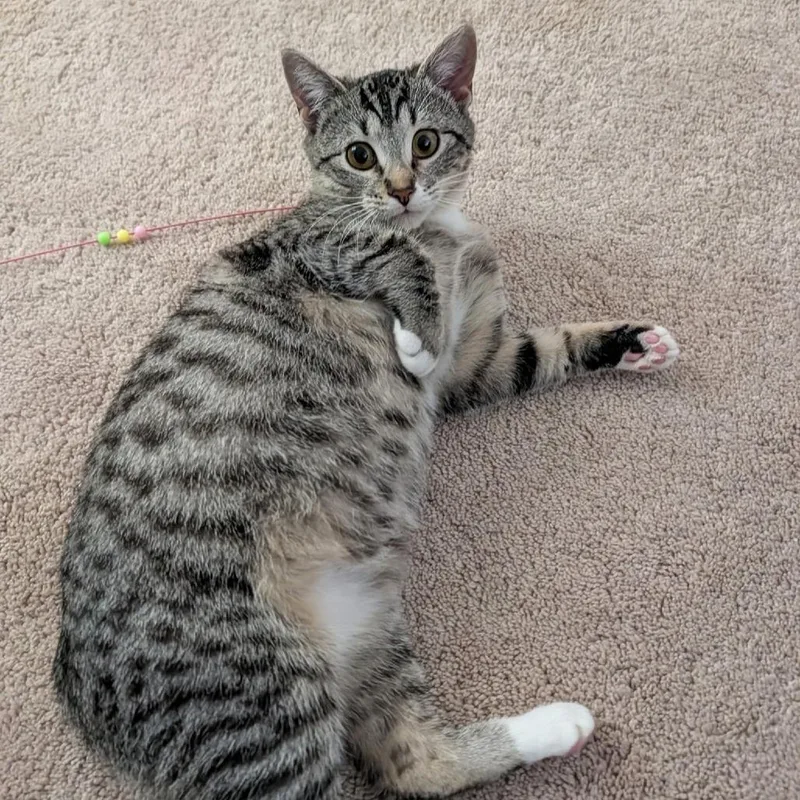
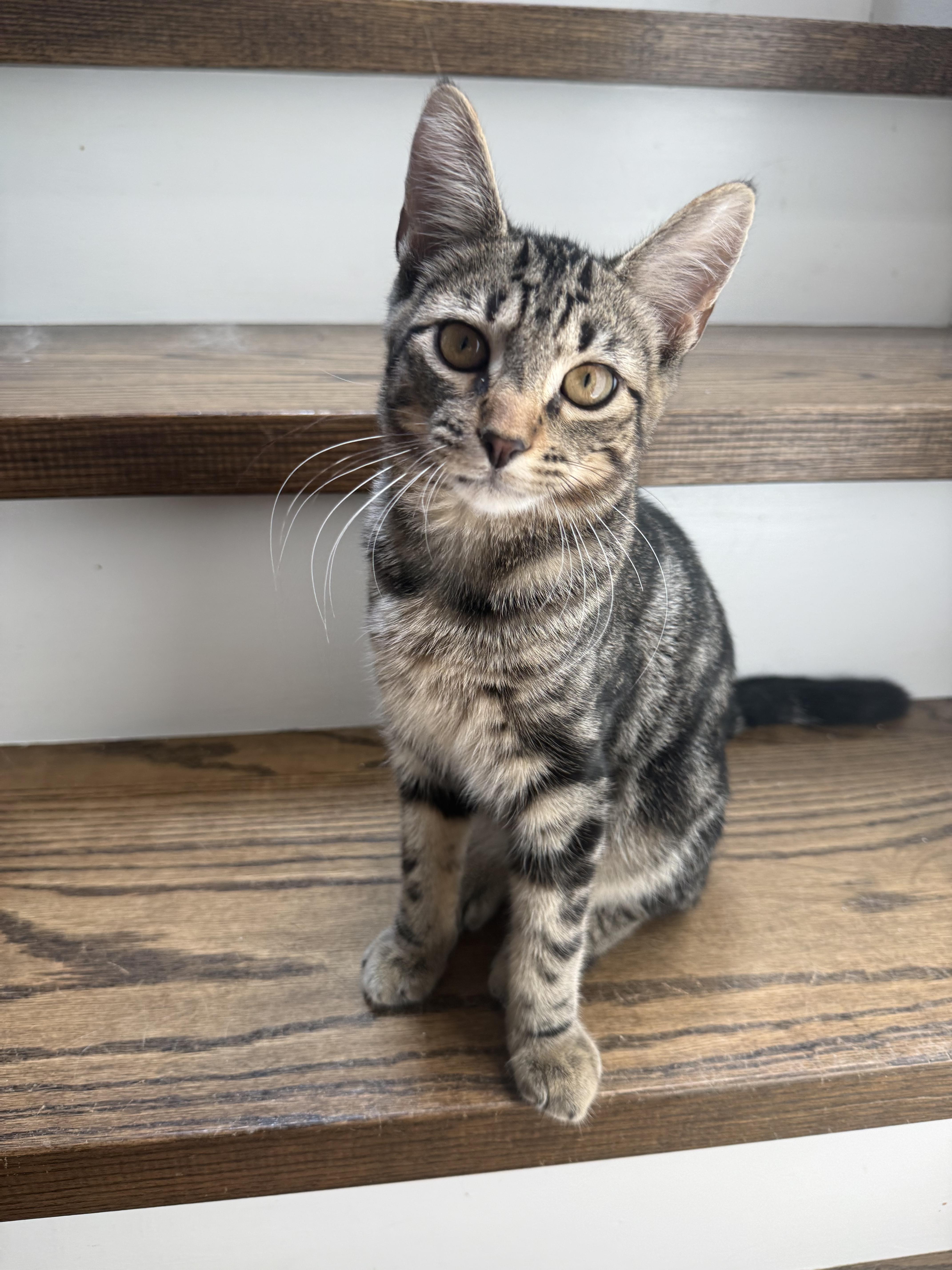
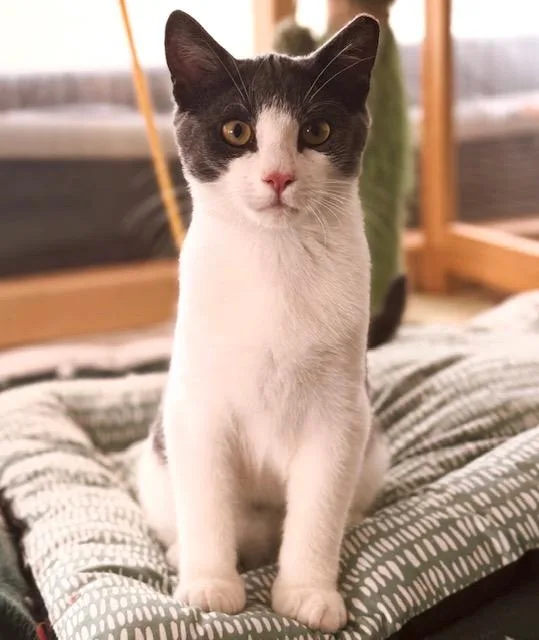
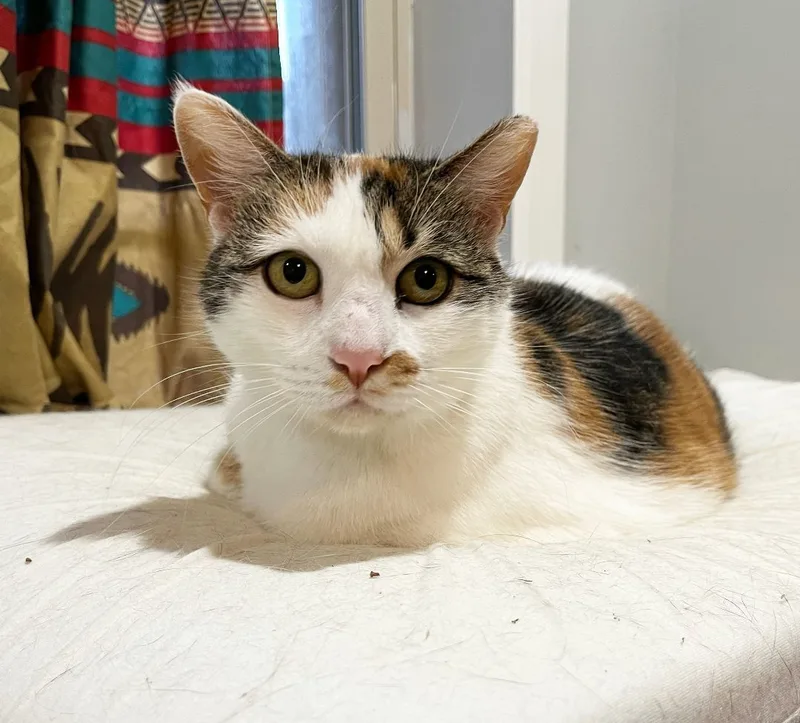
Manx Cats for Adoption in Philadelphia, PA

Your guide to finding and caring for a Manx in Philly

A Manx suits Philly's rowhouse blocks well, since it's a sturdy, indoor-friendly cat that likes company. In a narrow Queen Village or Fishtown rowhouse, a window perch and a tall cat tree give a Manx plenty to do, and many follow their person from room to room like a small dog. Those strong hind legs handle steep rowhouse stairs well, though some Manx need a ramp. Expect a playful, devoted housemate who greets you at the front door.

262 Manxes available in Philadelphia and nationwide

Find your Manx

While we don't have enough cats near Philadelphia, keep in mind that many rescues may offer transport.

Manxes Available for Adoption Near Philadelphia

About the Manx breed

The Manx comes from the Isle of Man, where a natural mutation produced cats with no tail or a short one. Tail length varies a lot, and some Manx have full tails. They're round and solidly built, with a short back, longer hind legs, a rounded rump and a thick double coat in many colors. Adults usually weigh 8 to 12 pounds and mature slowly.

Many Manx are gentle, devoted and playful in bursts, and they're often called dog-like for following their people and fetching toys. They tend to trill softly rather than meow loudly, which suits households where someone is home a good deal. The tailless gene can cause spinal, bowel and bladder problems in some cats, usually visible in kittenhood, so a veterinary exam matters after adoption. Cats vary, so don't assume every Manx fits this description.

Weight
8–12 lbs
Height
8–10 in
Lifespan
10–14 yrs
Temperament
Playful, Devoted, Gentle
Shedding
Moderate

Owning a Manx in Philadelphia

Having a Manx in Philly

Manx cats pair a rounded, muscular build with a calm, people-focused nature. In Philly's rowhouses and apartments, that mostly means a cat who wants company, climbing space and daily play, plus a health check that looks at the spine and litter habits.

Temperament

Many Manx are calm, affectionate and loyal, and some pick one favorite person to follow around. They often do well with respectful children and calm dogs after gradual introductions, though a few are wary of strangers. In a busy Philly household with frequent visitors, give a new Manx a quiet room to settle into first.

Exercise Needs

Expect moderate activity: long lounging stretches, then sudden bursts of racing and leaping. Strong hind legs make Manx good climbers, so a tall cat tree or window shelf helps in a small Philly rowhouse. Daily sessions with wand toys, fetch or food puzzles burn off energy and help keep this solidly built cat from gaining weight.

Health Considerations

The gene behind taillessness can cause Manx syndrome, which affects the spine, hind legs, bladder and bowel and usually shows before four months of age. Stumpy tails may develop arthritis, and constipation or megacolon can occur. Have a veterinarian check gait, the tail area and litter habits soon after adoption. Philadelphia requires rabies vaccination for cats over three months old.

Living Space

A Manx adapts well to a Philly apartment or narrow rowhouse with sturdy climbing furniture, cozy resting spots and regular company. Keeping the cat indoors protects it from traffic and wildlife. If a Manx has mobility or continence trouble, low-sided litter boxes and ramps help, especially where stairs separate the litter box from the living area.

What it costs to own a Manx in Philadelphia

ExpenseTypical costPer year
Adoption fee$150, one time$150 in year one
Food$25 to $50 per month$300 to $600
Pet insurance$30 to $60 per month$360 to $720
Routine vet care$150 to $350 per year$150 to $350
Other*$450 to $1,150 per year$450 to $1,150
Estimated yearly total (after year one)$1,260 to $2,820
First-year total (with adoption fee)$1,410 to $2,970

Adoption fee is the fee on Manx listings in Philadelphia on GetBuddy today. Other costs are estimates and vary with size, age and health.

* Litter, parasite prevention, a dental cleaning allowance, toys and scratchers, and basic brushing supplies for the double coat.

Adopt a Manx in Philadelphia.

Now that you know more, let’s find you a new best friend. These rescues and shelters below currently have Manxes available.

Frequently Asked Questions

Yes, you can own a Manx in Philly. The City licenses dogs but not cats, so a Manx needs only a rabies vaccination once it's over three months old. Your lease matters most, since landlords set their own pet rules and fees. After adopting, book a veterinary exam that checks the spine, hind legs and litter habits.

Yes, a Manx can do well in a Philly apartment or a rowhouse split into units. Manx are moderately active and quiet talkers, so shared walls are rarely a problem. Give the cat a tall cat tree, a window perch and daily play. A cat with mobility issues may need a ramp and a low-sided litter box.

A Manx can be a good fit for Philadelphia if you want a devoted, playful cat and can offer company most days. Narrow rowhouses and apartments suit its indoor, climbing-loving habits. It's less ideal if you're away for long stretches, since many Manx bond closely with their people, and each cat's personality varies.

Yes, but only in a carrier. SEPTA allows pets on its property, including the subway, only in standard sturdy carriers that don't obstruct others, and the animal can't be disruptive. At 8 to 12 pounds, a Manx usually fits a roomy carrier. Keep the cat zipped inside for the whole ride.

Philly's climate works well for an indoor Manx. Winters are cold, with about 77 freezing nights a year, but the thick double coat copes indoors. Summers are the harder part, with about 30 days at 90°F or above, so keep the cat in air conditioning or a fan-cooled room with plenty of fresh water.

Brush a Manx about once a week, and more often during spring and fall when the double coat sheds heavily. Longhaired Manx (Cymrics) need extra brushing to prevent mats. Humid Philly summers don't change this routine. Professional grooming is rarely necessary, and brushing supplies are already counted in the Other cost line.

A Manx is a medium-sized cat breed from the Isle of Man, best known for having no tail or a short tail due to a natural genetic mutation. Manx cats are round and sturdy, with longer hind legs, a thick double coat and a gentle, playful personality. Some Manx have full-length tails, since tail length varies even within litters.

Manx cats look round and compact, with a short back, a rounded rump and hind legs longer than the front legs, giving them a rabbit-like stance. They have round heads, big round eyes and a dense double coat in many colors. Most famously, they may be completely tailless, have a stub, or carry a short or full tail.

We have 1 rescue with Manxes available: Familiar Hearts Animal Society. You can see every rescue with Manxes available in the list above these questions, or scroll to the top to see the Manxes near Philadelphia.

Budget roughly $1,260 to $2,820 a year for a Manx in Philly: $25 to $50 a month for food, $30 to $60 a month for insurance, $150 to $350 for routine vet care, and $450 to $1,150 for other items such as litter and parasite prevention. There's no city cat license fee.

Find Manxes in Nearby Cities

Expand your search to find Manxes available for adoption near Philadelphia.