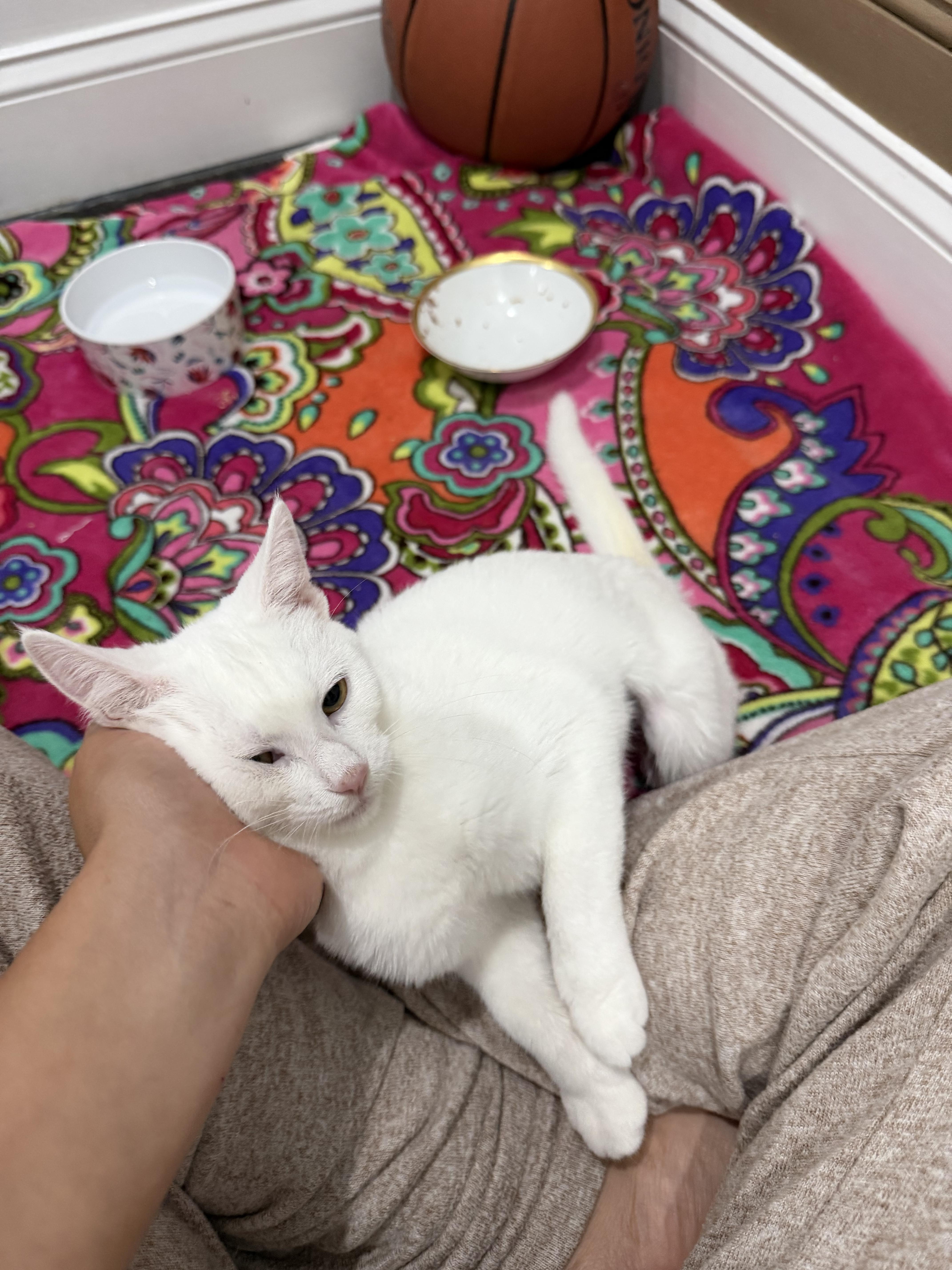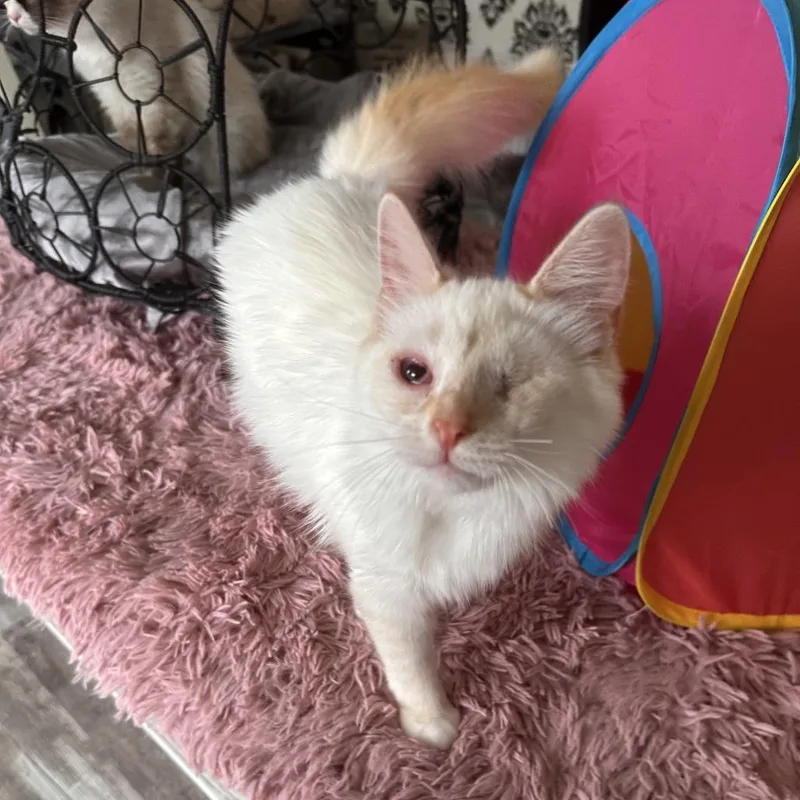
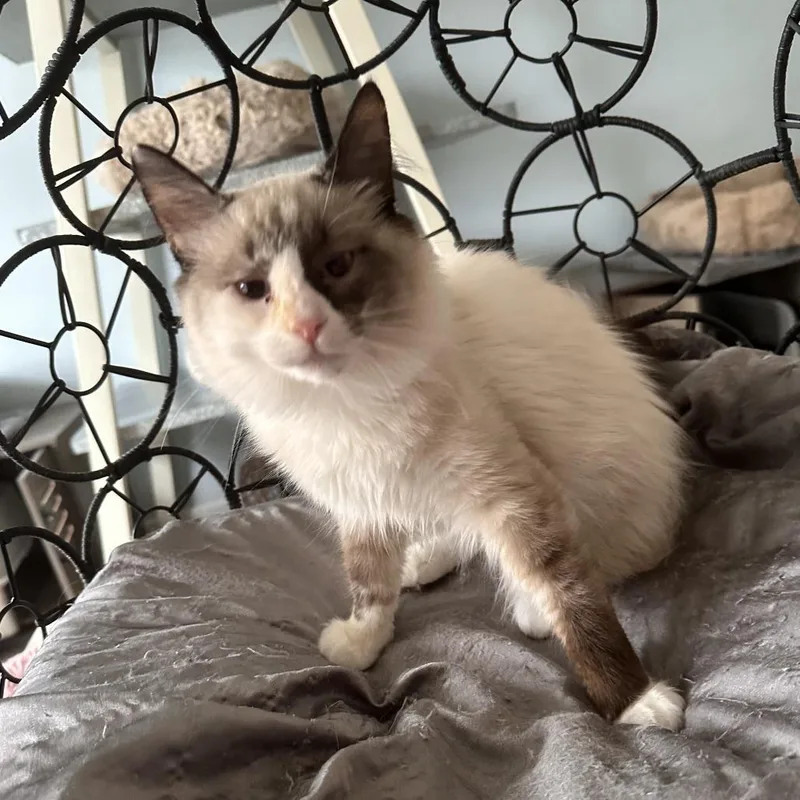
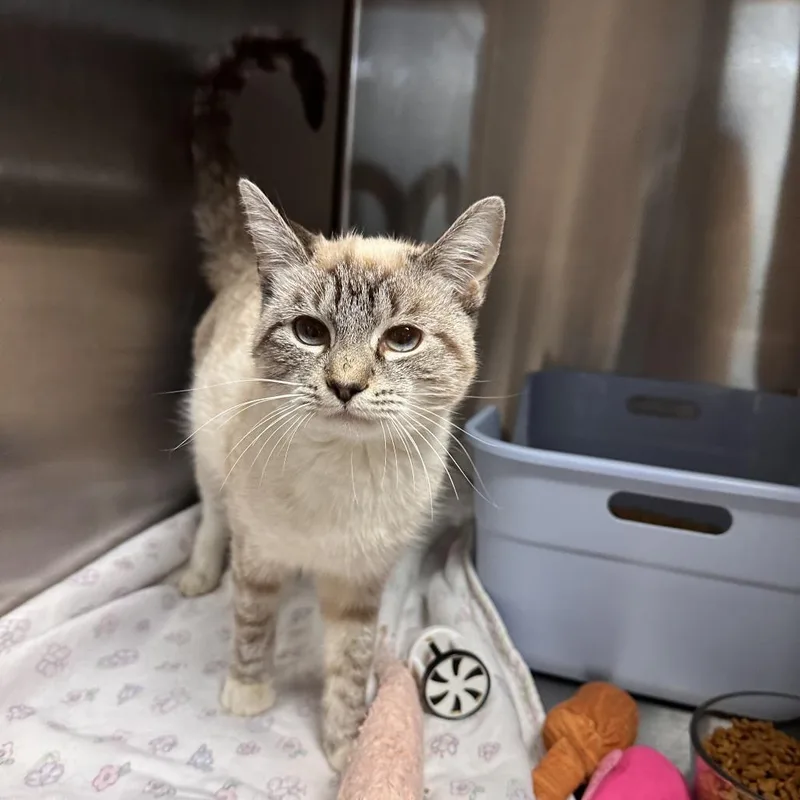
Havana Cats for Adoption in Philadelphia, PA

Your guide to finding and caring for a Havana in Philly

A Havana suits a Philly rowhouse well, since it wants company more than room to roam. A Havana on the front windowsill of a Passyunk Square rowhouse can watch the whole block, and most would happily spend the day doing it with someone nearby. Havanas are rare, so the cat you meet may be a brown shorthair or a Havana mix. Whichever it is, plan on being home a good part of the day, or adopting a second friendly cat.

2798 cats similar to Havana available in Philadelphia and nationwide

Give a Havana Brown a home

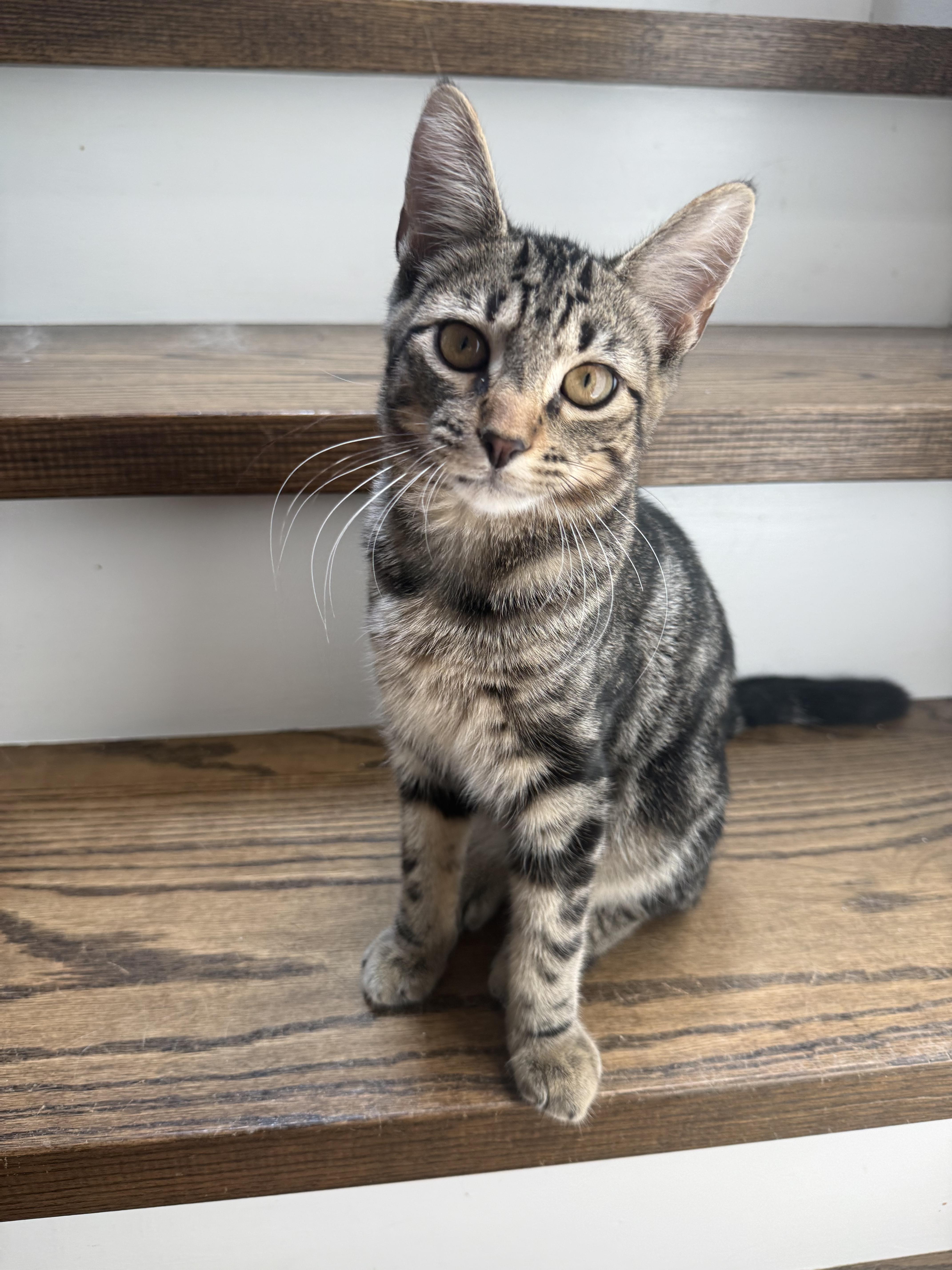
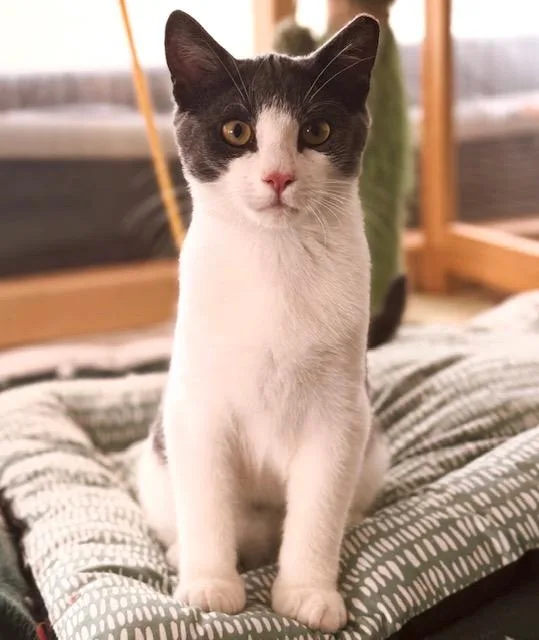
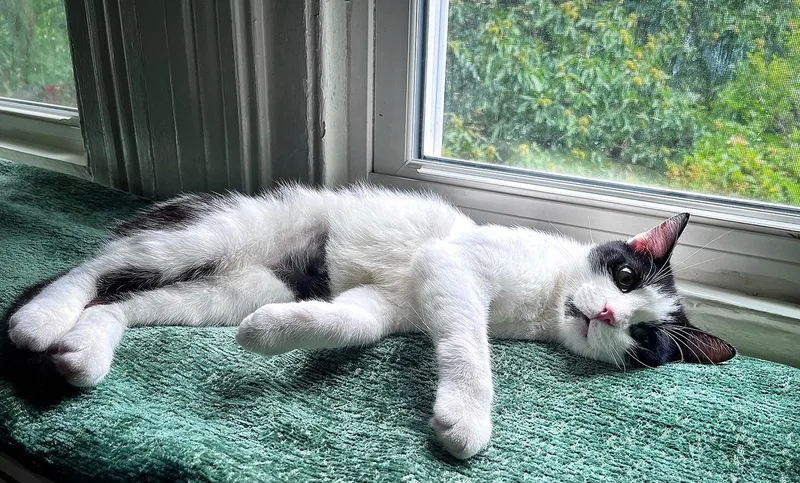
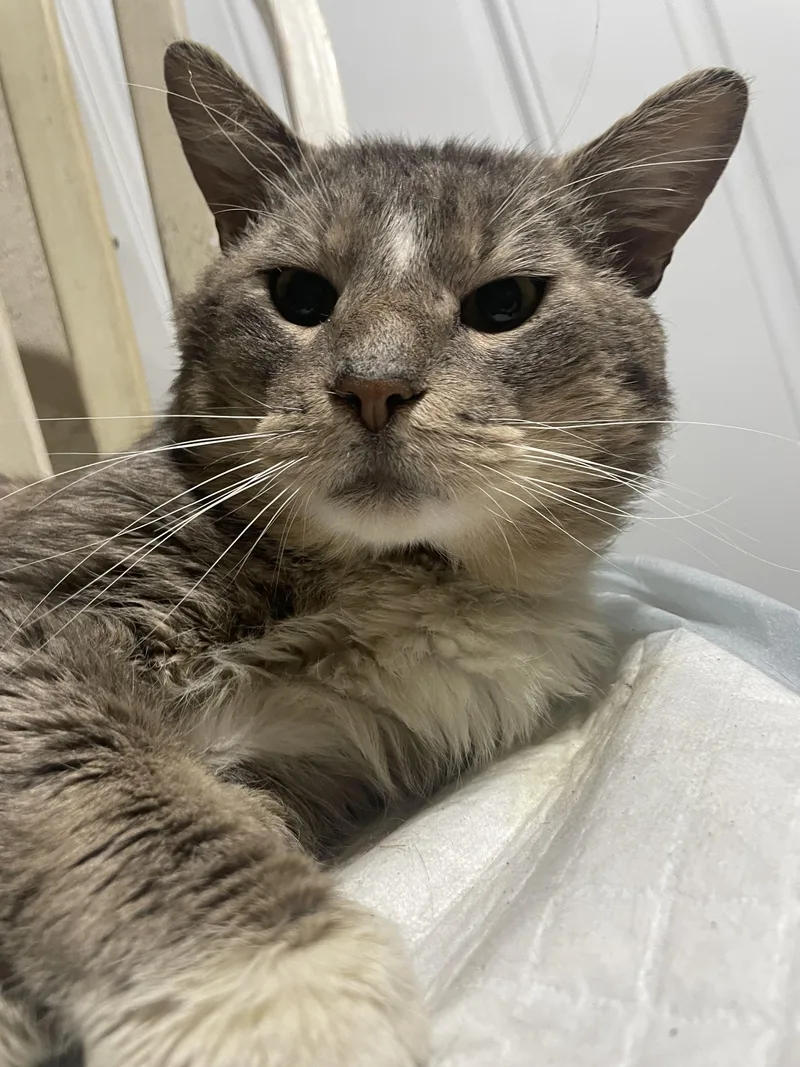
Havanas and Similar Breeds Available for Adoption Near Philadelphia

About the Havana breed

The Havana, or Havana Brown as some registries call it, began in 1950s Britain, when chocolate-carrying Siamese were paired with black shorthairs. The result is a medium, muscular cat of about 6 to 10 pounds with a glossy chocolate coat, brown whiskers, green eyes and large, forward-tilted ears.

In a Philly home, personality matters most. Havanas are curious, social cats that follow people around and investigate with a paw, and many chat in a softer voice than a Siamese. The short coat sheds lightly, so grooming is easy. Lifespans of 10 to 15 years are common, so adoption is a long commitment. Because the breed is rare, adopters more often meet Havana-type mixes, whose looks and personalities can vary.

Weight
6–10 lbs
Height
9–11 in
Lifespan
10–15 yrs
Temperament
Social, Curious, Affectionate, Playful
Shedding
Low

Owning a Havana in Philadelphia

Having a Havana in Philly

Havanas pair an easy short coat with a strong wish to be involved in family life. In a Philly rowhouse or apartment, company, play and a good window to watch from count for more than square footage.

Temperament

Havanas tend to be affectionate and interactive, following people from room to room and greeting visitors with interest. Many get along with considerate children and calm dogs. Because they're so people-oriented, some get lonely during long workdays, so a Philly commuter may want a second cat or a plan for midday play. Temperament varies from cat to cat.

Exercise Needs

Most Havanas are moderately active and enjoy two or three short play sessions a day with wand toys, balls and puzzle feeders. In a rowhouse, a cat tree by a front window and a shelf along a stair wall add climbing room. Keep play indoors, where these curious cats are safest.

Health Considerations

Havanas have no well-documented breed-specific genetic disease, though gum inflammation may be somewhat more common. Their small gene pool means health records are limited, so plan regular dental care and have a veterinarian examine a newly adopted cat. Philadelphia requires rabies vaccination for cats over 3 months old.

Living Space

A Havana does well in a Philly apartment or a narrow rowhouse because companionship matters more than square footage. Window perches, a cat tree and a few hiding spots help. Rowhouse stairs rarely trouble a medium, agile cat. Plan on company for part of the day, since long stretches alone can bore a Havana.

What it costs to own a Havana in Philadelphia

ExpenseTypical costPer year
Food$25 to $50 per month$300 to $600
Pet insurance$25 to $50 per month$300 to $600
Routine vet care$150 to $350 per year$150 to $350
Other*$450 to $1,150 per year$450 to $1,150
Estimated yearly total (after year one)$1,200 to $2,700

Other costs are estimates and vary with size, age and health.

* Litter, flea and tick prevention, a dental cleaning allowance, toys, scratchers and other supplies, and minimal home grooming for the short coat.

Adopt a Havana in Philadelphia.

Now that you know more, let’s find you a new best friend. These rescues and shelters below have cats available in and near Philadelphia.

Frequently Asked Questions

Yes, as long as your Havana rides in a standard sturdy pet carrier. SEPTA allows pets on its property only in carriers that don't obstruct others, and the cat can't be disruptive. At 6 to 10 pounds, a Havana fits easily in a carrier, so keep it closed and on your lap or by your feet for the whole ride.

Yes, for an indoor Havana with a little care. Winter lows average near 28°F and summers bring about 30 days a year at 90°F or higher, so a short-coated cat needs warm bedding in winter and a cool, ventilated home in summer. Keep it indoors and never leave it in a parked car.

Yes. Philadelphia doesn't license cats, and cats over 3 months old must be vaccinated for rabies. Landlords can still set their own pet rules, so read your lease first. Havanas are rare, so watch the listings on this page, and browse similar breeds and nearby cities too, since brown shorthairs and Havana mixes turn up.

Yes. A Havana's needs are social more than spatial, so a one-bedroom works if someone is around. Put a cat tree by a street-facing window, add a few hiding spots, and use sturdy screens on open windows. Because Havanas can be talkative, a play session before work helps. Check your lease for pet rules before applying.

Often, yes, if you can offer company. Havanas are affectionate and curious, which suits rowhouse and apartment living, but they can get lonely during long days away. A commuter might pair one with a second friendly cat or arrange midday play. Since mixes are more common than registered Havanas, judge each cat on personality.

Very little. The short, glossy coat needs a weekly brush at most, and many Havanas keep themselves tidy. Philly's humid summers don't change that. Plan on nail trims and dental care instead, and check for ticks if a cat goes outdoors. Home grooming costs about $0 to $50 a year, already counted in the Other line of the cost table.

A Havana cat, also called the Havana Brown, is a rare shorthaired breed developed in Britain in the 1950s from Siamese and black domestic cats. It is recognized by its rich chocolate-brown coat, brown whiskers, green eyes and distinctive muzzle. Havanas tend to be social, curious and people-focused, and few are available, so brown shorthaired mixes are more common in shelters.

A Havana typically costs about $1,200 to $2,700 a year in Philadelphia. Food runs $25 to $50 a month and pet insurance $25 to $50 a month. Routine vet care is $150 to $350 a year, and other costs such as litter, parasite prevention and dental care add $450 to $1,150 a year.