Canadian Hairless Cats for Adoption in Philadelphia, PA

Your guide to finding and caring for a Canadian Hairless in Philly

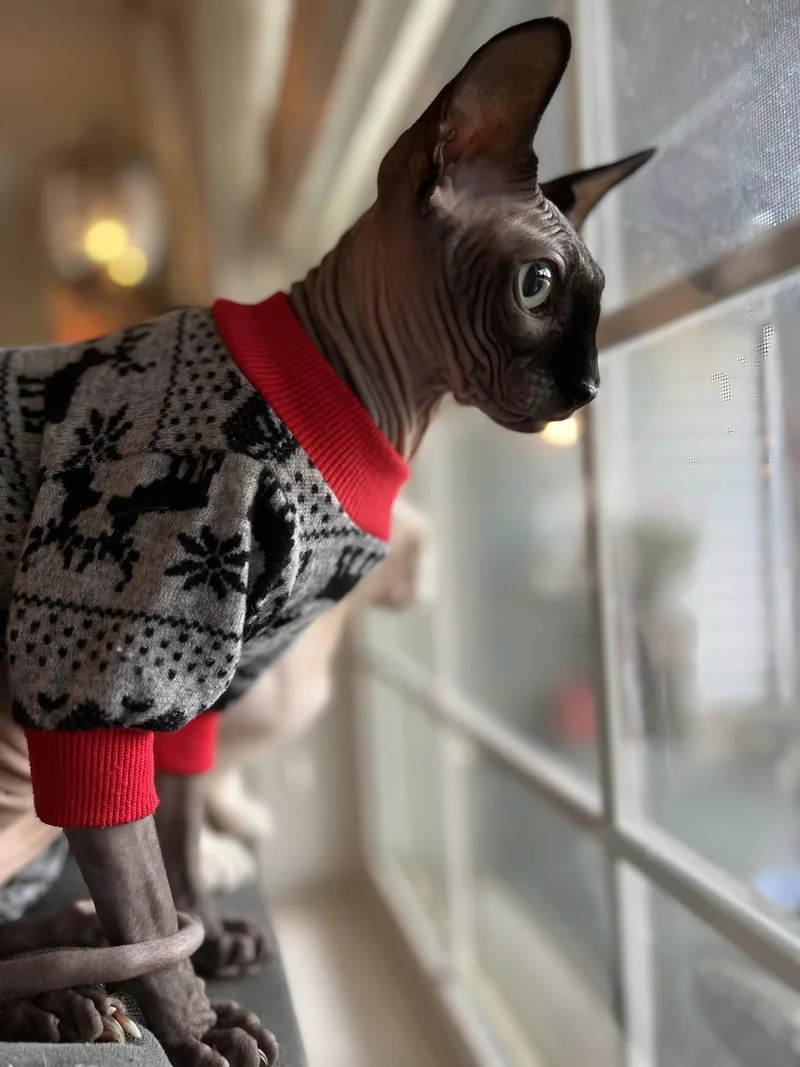
A Canadian Hairless, the early name for the Sphynx, fits Philly's rowhouse blocks because it's happiest indoors. In a Fairmount rowhouse or a converted Victorian in Powelton Village, it'll claim the sunniest window and the warmest spot on your couch. Most are people-focused and follow you from room to room, so they suit homes where someone's around a fair amount. Plan on a sweater and a heated bed once the heat goes on in January.

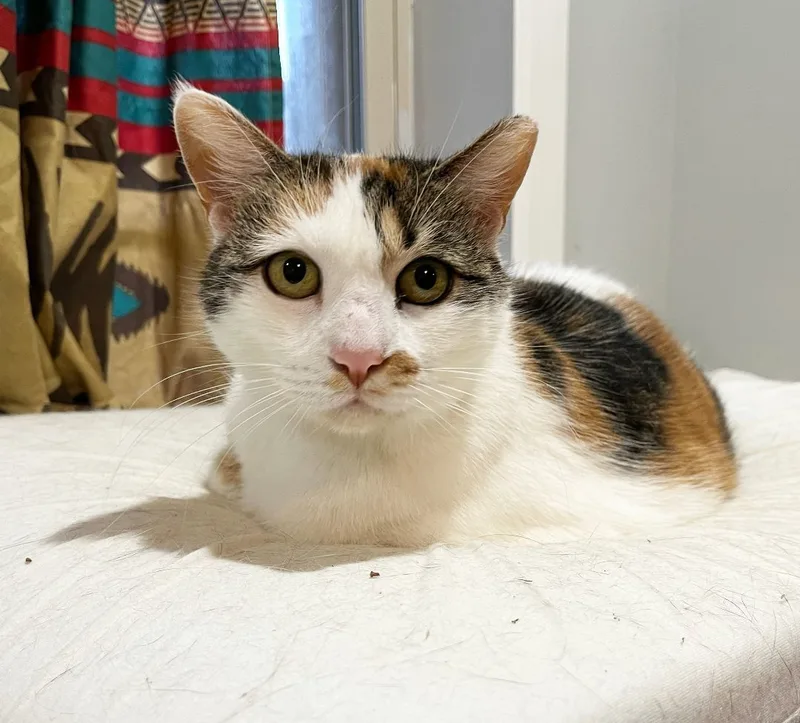
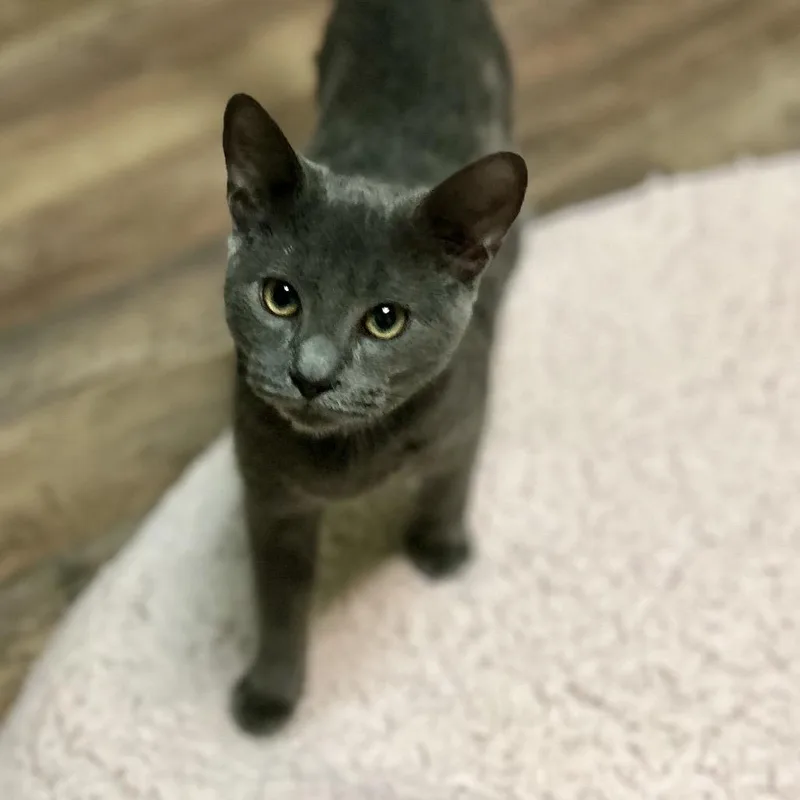
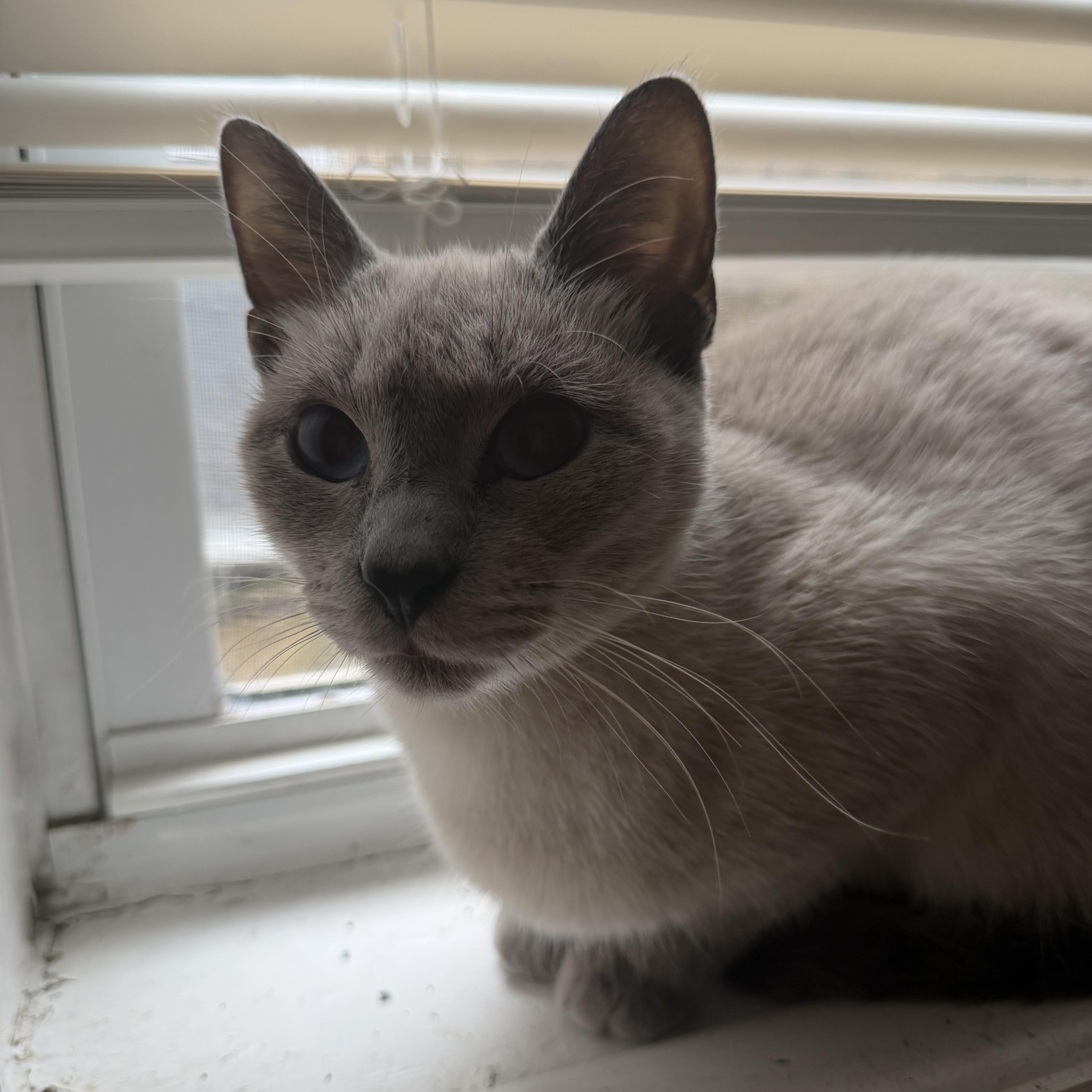
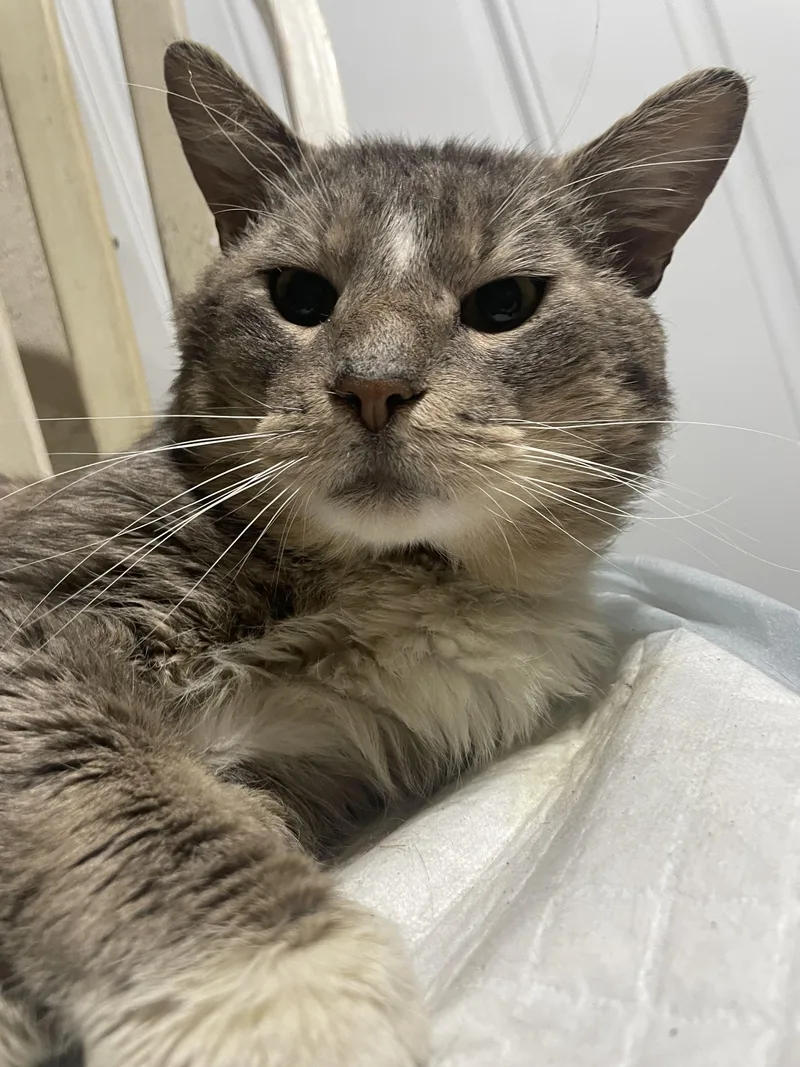
16 cats similar to Canadian Hairless available in Philadelphia and nationwide

Bring home a Canadian Hairless

While we don't have enough cats near Philadelphia, keep in mind that many rescues may offer transport.

Canadian Hairlesses and Similar Breeds Available for Adoption Near Philadelphia

About the Canadian Hairless breed

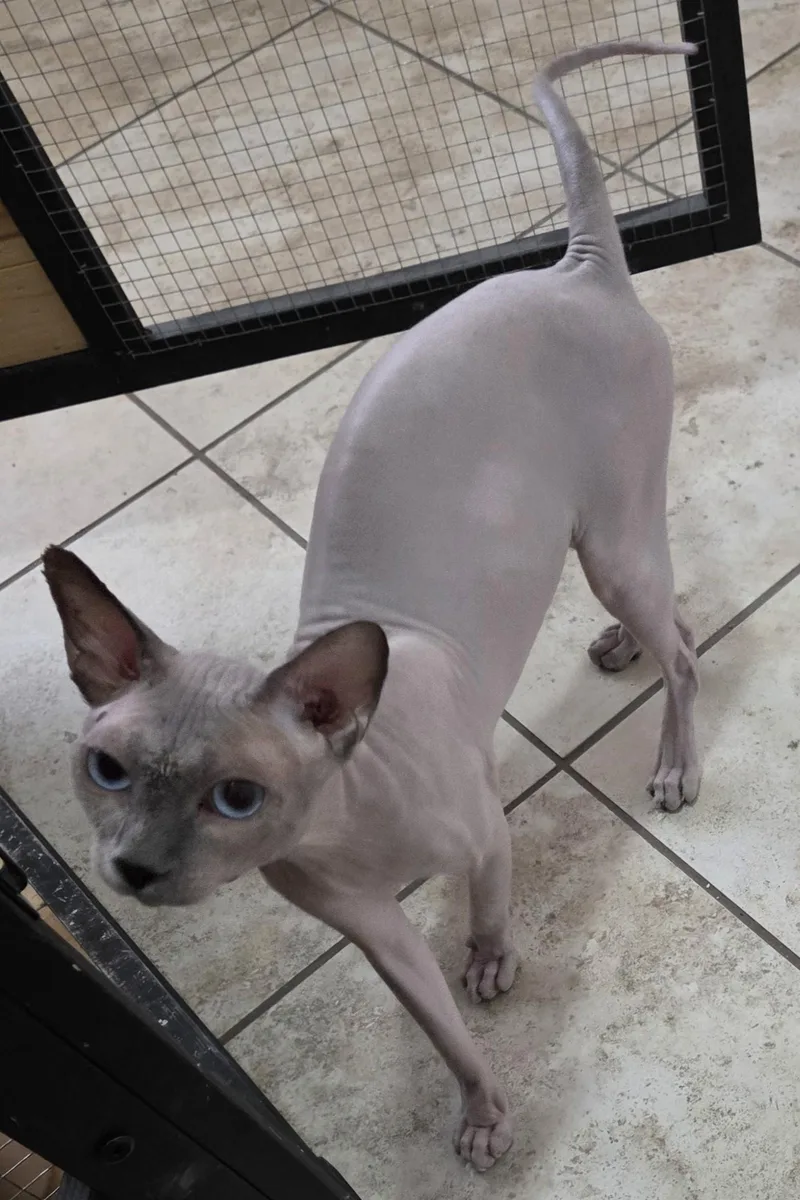
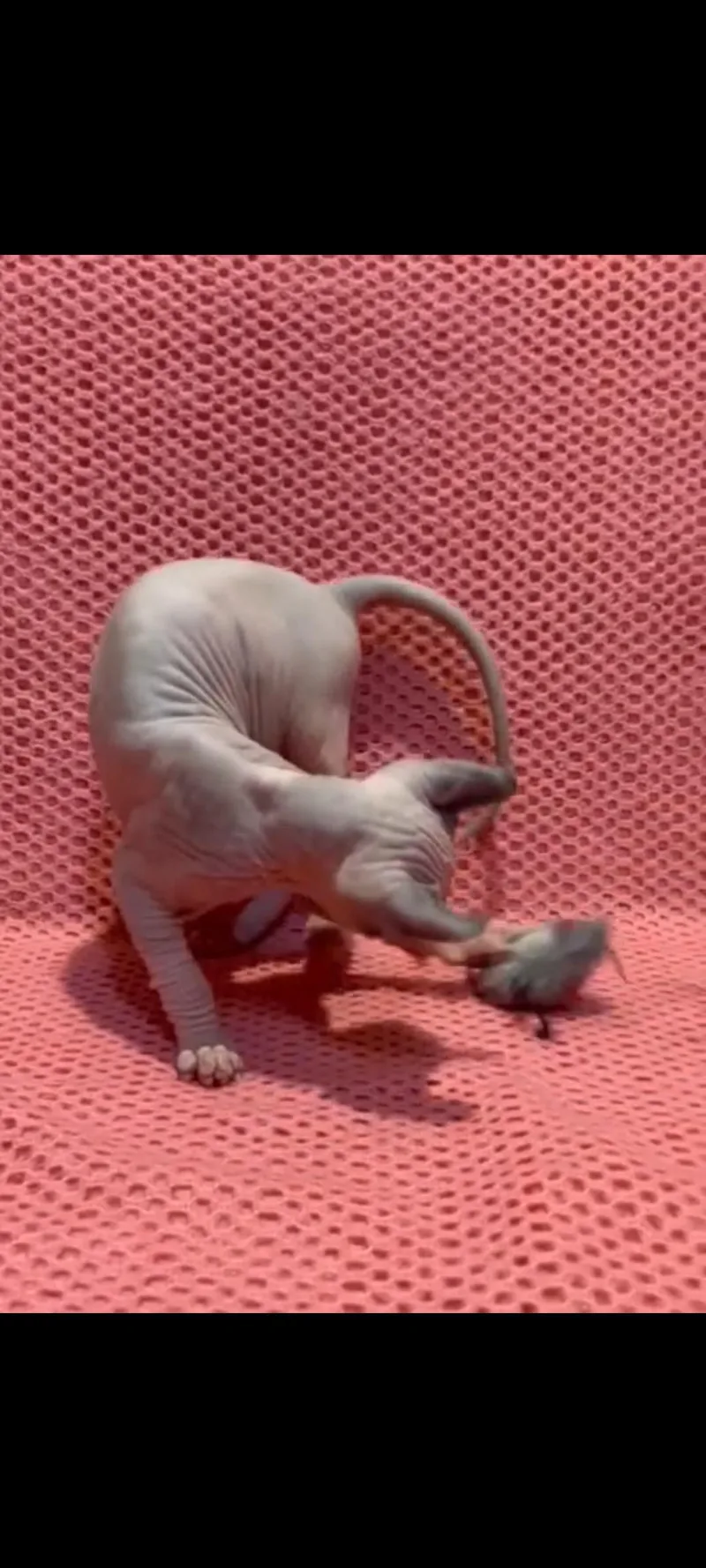
Canadian Hairless is the early name for the cat now registered as the Sphynx. The first hairless kitten, Prune, was born to a domestic shorthair in Toronto in 1966, and hairless kittens found in Minnesota in the 1970s widened the line. Despite the name, it's a Canadian cat, not an Egyptian one. Sphynx aren't completely bare; most have a fine peach-fuzz and skin that feels like warm suede.

Many are outgoing, playful and curious, and they usually want more company than the average cat. The trade-off is upkeep: oily skin needs regular baths, ears collect wax, and skin folds need cleaning. In Philly that means a warm home, an indoor life and a veterinarian who screens the heart, since hypertrophic cardiomyopathy is common in the breed.

Weight
6–12 lbs
Height
8–10 in
Lifespan
8–14 yrs
Temperament
Affectionate, Outgoing, Curious, Playful
Shedding
Low

Owning a Canadian Hairless in Philadelphia

Having a Canadian Hairless in Philly

A Canadian Hairless trades a coat for warm skin, a high-energy streak and a long care routine. In Philly, the big questions are keeping a hairless cat warm in a drafty rowhouse, staying on top of skin care and planning for heart health.

Temperament

Sphynx cats tend to be affectionate, curious and eager to join whatever you're doing, which suits Philly's cozy rowhouses and apartments. Many struggle with long solitary days, so they fit homes where someone's around or a friendly cat or dog lives. Each cat varies with children, visitors and other pets.

Exercise Needs

Expect several play sessions a day with wand toys, climbing shelves and puzzle feeders; a tall perch by a window works well in narrow rowhouse rooms. Some learn to walk on a harness, but Philly's trails require pets on a leash of six feet or less. Hairless cats burn extra energy staying warm, so appetite runs high.

Health Considerations

Hypertrophic cardiomyopathy is the main concern, and a veterinarian can screen the heart with an echocardiogram. Skin problems, sunburn, gum disease and respiratory infections in kittens also occur. Regular baths, ear cleaning and dental care prevent many problems, and annual checkups catch changes early.

Living Space

A Sphynx should live indoors, which works in Philly's rowhouses, twins and apartments as long as the home stays warm and draft-free. Heated beds, blankets and a sunny window perch help. Expect oily marks on pale couches and bedding, so washable throws make life easier.

What it costs to own a Canadian Hairless in Philadelphia

ExpenseTypical costPer year
Food$25 to $50 per month$300 to $600
Pet insurance$30 to $60 per month$360 to $720
Routine vet care$150 to $350 per year$150 to $350
Other*$550 to $1,450 per year$550 to $1,450
Estimated yearly total (after year one)$1,360 to $3,120

Other costs are estimates and vary with size, age and health.

* Cat litter, flea prevention, a dental cleaning allowance, toys and bedding, bathing and ear-cleaning supplies, and sweaters, warm beds and sun protection for a hairless cat.

Adopt a Canadian Hairless in Philadelphia.

Now that you know more, let’s find you a new best friend. These rescues and shelters below have cats available in and near Philadelphia.

Frequently Asked Questions

Yes, you can get a Canadian Hairless in Philadelphia. Pennsylvania law bars local breed-specific rules, so no city ban applies, though a landlord can set pet policies in a lease. Hairless cats are uncommon, so watch the listings on this page and save a search to hear about new ones as they appear.

Yes, as long as the cat lives indoors. Philly winters average lows near 28°F, so a Canadian Hairless needs a warm, draft-free home, a heated bed and maybe a sweater. Cold spots near rowhouse doors and windows matter most, so set up favorite sleeping spots away from them, and never let the cat outside in winter.

Yes, in a carrier. SEPTA requires pets to ride in a standard sturdy carrier that doesn't obstruct others, and the animal can't be disruptive. That applies across SEPTA services, including the subway. A Canadian Hairless usually fits a carrier easily; add a soft blanket in cold weather, since a hairless cat loses heat quickly.

Yes, a Canadian Hairless adapts well to apartments, and Philly has plenty of walk-ups and converted rowhouses. What matters is warmth, a window perch and vertical space like shelves or a cat tree. These cats are active and social, so they can get bored alone, and shared walls carry noise. Washable bedding handles the oily skin.

Yes, if you're home a fair amount and can keep the house warm. Canadian Hairless cats follow people around and often dislike long days alone, so a work-from-home routine or a friendly second pet helps. Budget for winter heating, regular baths and heart screening at the vet. Compact rowhouse layouts suit a cat that wants to be near you.

Plan on a bath about weekly, since a hairless cat's skin oil has no coat to absorb it, plus regular ear cleaning and skin-fold wipes. Humid Philly summers can mean more frequent baths. Bathing at home keeps costs low; shampoo and ear-cleaning supplies fall within the yearly "Other" costs shown on this page.

Sphynx cats typically live about 8 to 14 years, and some reach their late teens with good care. Heart disease, particularly hypertrophic cardiomyopathy, is the biggest factor that can shorten their lives. Regular veterinary checkups, heart screening when recommended, dental care, a healthy weight and an indoor lifestyle give a Sphynx the best chance at a long life.

Sphynx cats are hairless because of a natural recessive mutation in the KRT71 gene, which affects how hair grows from the follicles. A kitten must inherit the variant from both parents to be hairless. The trait first appeared spontaneously in a Toronto kitten in 1966, and enthusiasts then bred from those cats to establish the breed.

Sphynx cats may or may not have whiskers; when present they are usually short, sparse or broken, and many cats have none at all. Eyebrows are often missing too. The same gene that affects body hair alters whisker growth. Cats without whiskers adapt well indoors, though they may be slightly more cautious in tight or dark spaces.

Expect roughly $25 to $50 a month for food and $30 to $60 a month for insurance, which is worth pricing for a breed prone to heart disease. Routine vet care runs about $150 to $350 a year. Litter, flea prevention, dental care, baths and warm gear add about $550 to $1,450 a year.