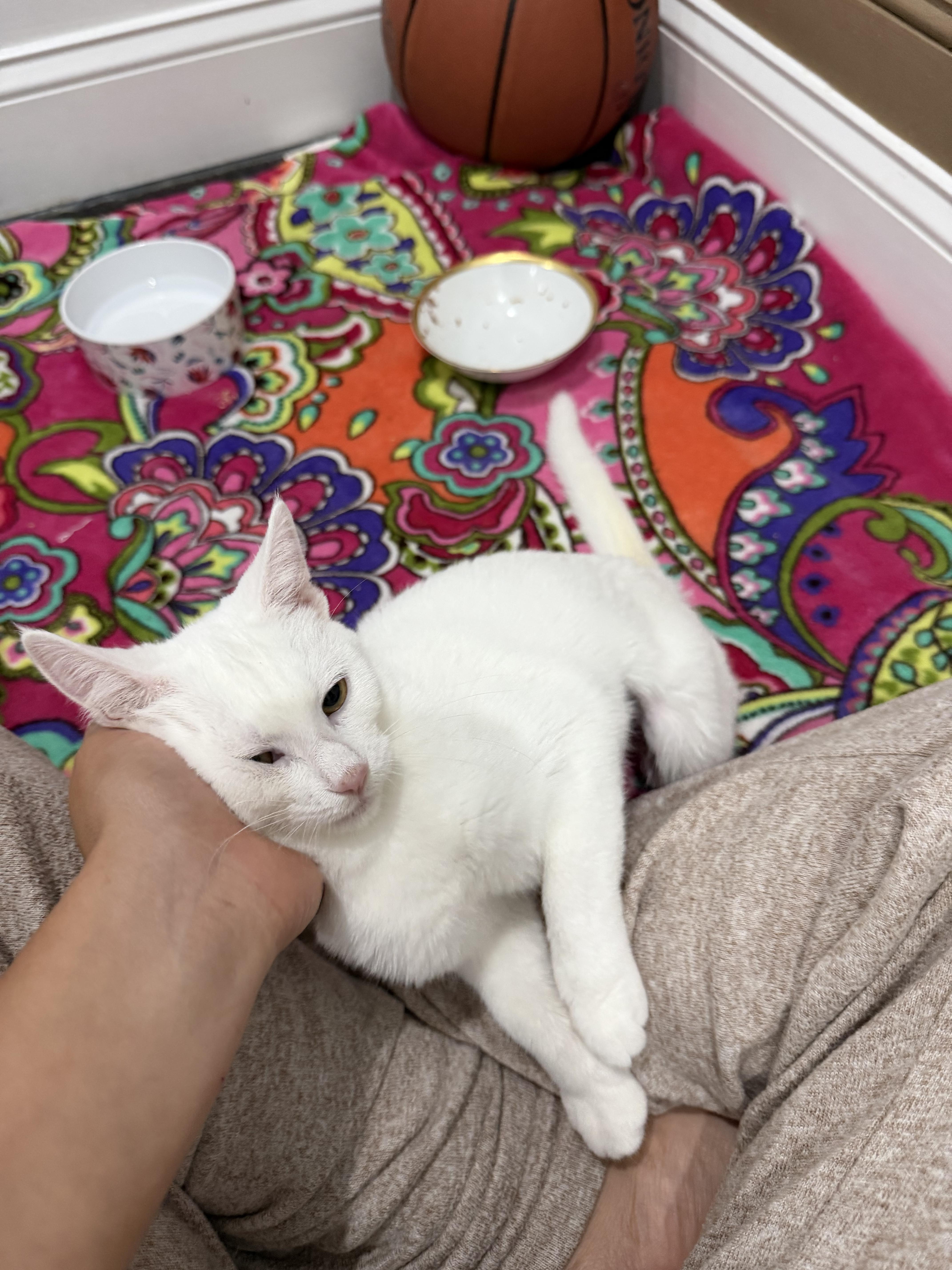
Calico Cats for Adoption in Philadelphia, PA

Your guide to finding and caring for a Calico in Philly

A calico in Philly does well in a rowhouse with a good window to watch from. Calico is a coat pattern, not a breed, so these cats can be shy or bold depending on the cat. In Passyunk Square or Fishtown, where blocks are lined with rowhouses and stoops, a perch by the front window gives a cat hours of entertainment. Most calicos are female and medium-sized, usually 6 to 12 pounds. Plan on daily play and a quiet corner for naps.

1331 Calicos available in Philadelphia and nationwide

Bring home a Calico

Calicos Available for Adoption Near Philadelphia

About the Calico breed

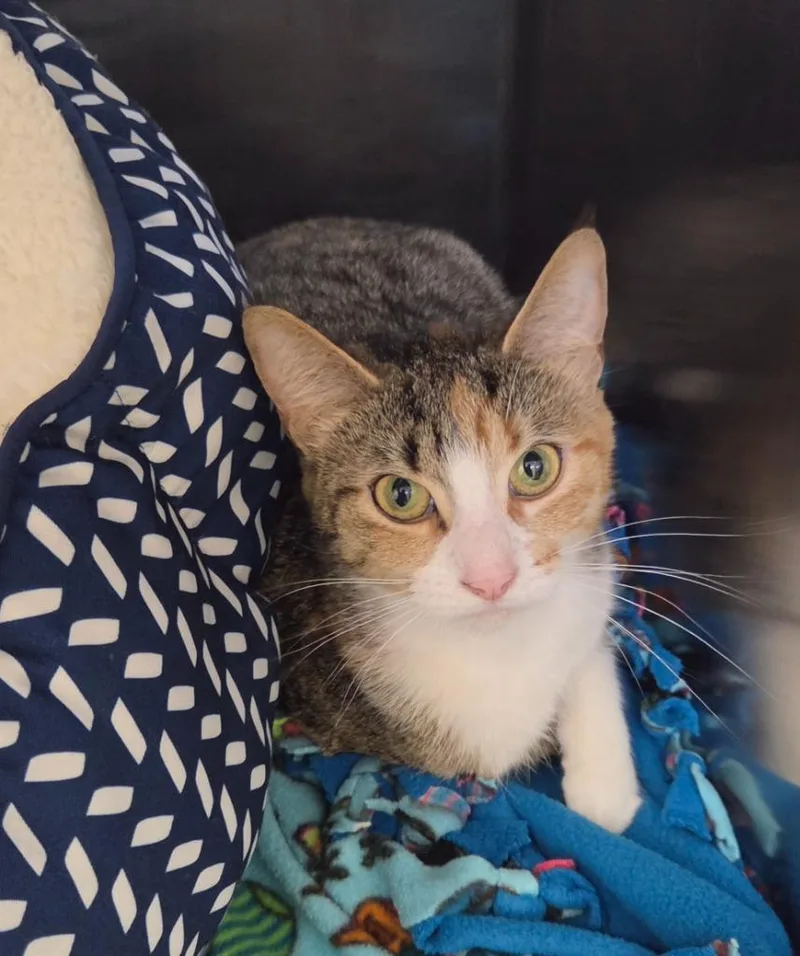
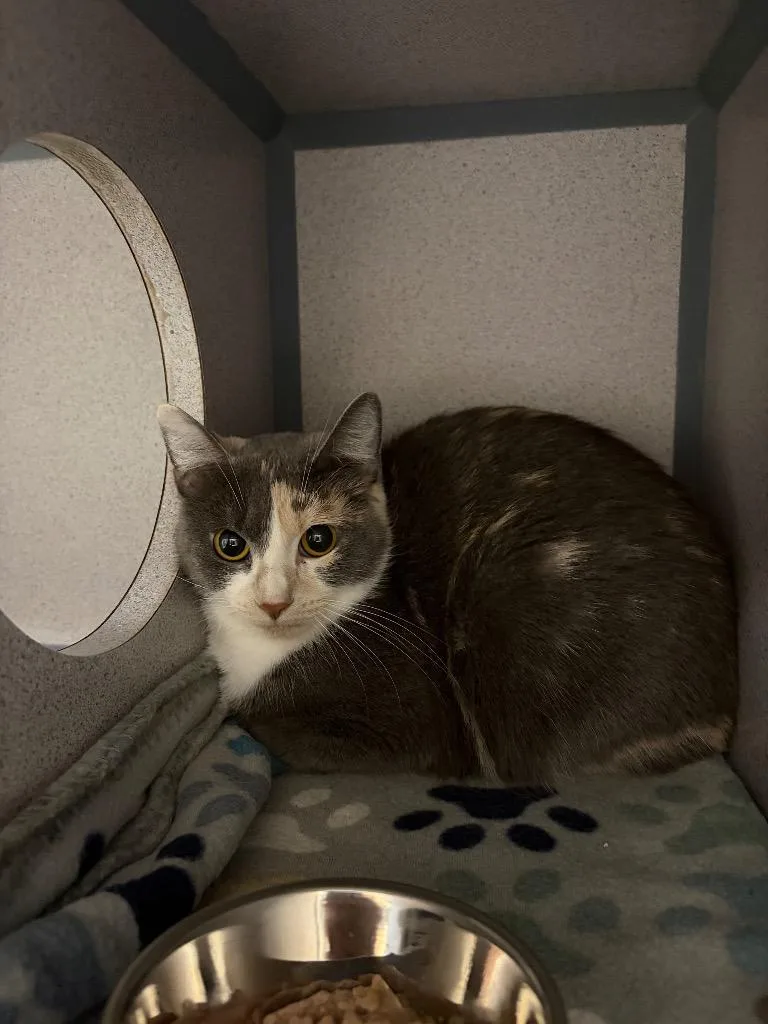
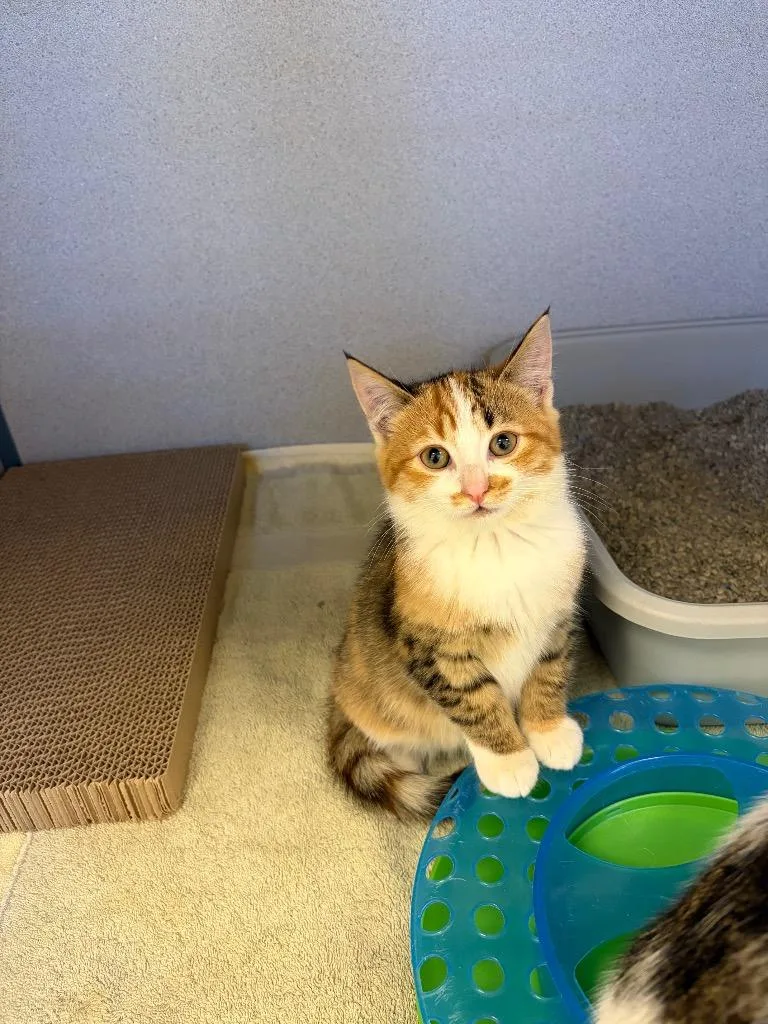
Calico is a coat pattern rather than a breed: white with patches of black and orange, or soft gray and cream in the dilute version. The pattern appears in domestic shorthairs, longhairs and several pedigreed breeds, and nearly all calicos are female because the orange and black color gene sits on the X chromosome.

In Philly, a calico is most likely a domestic shorthair, so her size, coat and health follow an ordinary house cat: usually 6 to 12 pounds, living 12 to 18 years. Personality varies. Folklore about feisty calicos hasn't held up in research, so how a cat acts with people matters more than her patches. A cat that stays calm around a busy rowhouse block will settle in more easily.


Weight
6–12 lbs
Height
8–10 in
Lifespan
12–18 yrs
Temperament
Adaptable, Affectionate, Independent
Shedding
Moderate

Owning a Calico in Philadelphia

Having a Calico in Philly

A calico's traits come from her ancestry, upbringing and age, not her colors. In Philly, the practical questions are how she handles rowhouse noise, how much indoor play she needs, and how to keep her comfortable through hot summers and freezing nights.

Temperament

Calicos range from shy and gentle to bold and chatty, since personality follows each cat's genes and experiences rather than coat color. The "tortitude" reputation isn't reliably backed by research. In a Philly rowhouse, a cat that tolerates street noise and sounds through shared walls will be the easiest fit.

Exercise Needs

Plan on two or three short play sessions a day with wand toys, balls or food puzzles, plus a window perch for watching the street. Young cats need more than seniors. For outdoor time, a harness walk or a catio is safer than free roaming, and city trail rules call for pets on a leash of six feet or less.

Health Considerations

Care mirrors any domestic cat: vaccines, dental care, weight control and yearly checkups. Philadelphia requires rabies vaccination for cats over 3 months old. Ticks are active in the city through October, so a cat that goes out on a harness or into a catio needs flea and tick protection a veterinarian recommends. The rare male calico can face extra health issues.

Living Space

Calicos usually do well in rowhouses, walk-ups and high-rise apartments if they have a scratching post, a window perch and a hiding spot. Narrow stairs are rarely a problem for a healthy cat, but a step or ramp helps seniors. A shy cat appreciates a quiet room to settle into first.

What it costs to own a Calico in Philadelphia

ExpenseTypical costPer year
Food$25 to $50 per month$300 to $600
Pet insurance$20 to $45 per month$240 to $540
Routine vet care$150 to $350 per year$150 to $350
Other*$450 to $1,150 per year$450 to $1,150
Estimated yearly total (after year one)$1,140 to $2,640

Other costs are estimates and vary with size, age and health.

* Litter, flea and tick prevention, a dental cleaning allowance, toys and supplies, and home brushing.

Adopt a Calico in Philadelphia.

Now that you know more, let’s find you a new best friend. These rescues and shelters below currently have Calicos available.

Frequently Asked Questions

Yes, and a calico's coat pattern doesn't affect ownership. Philadelphia doesn't license cats, but cats over 3 months old must have a current rabies vaccination. Renters should read the lease, since landlords can set their own pet rules. Watch the listings on this page for calicos, and save a search to hear about new ones.

Yes, most calicos adapt well to apartments and rowhouse flats. Give her a window perch, a scratching post and daily play, and she'll settle in. In a building with shared walls, a cat that startles at noise may need a quiet room to start. Climbing shelves add space without needing more floor area.

Often, yes, for people who can give daily play and a safe indoor home. A calico's temperament varies, so judge each cat by how she handles people, noise and other pets. Rowhouses and apartments suit indoor cats, but hot summers and freezing nights mean she belongs inside. Puzzle feeders and toys help on long workdays.

Yes, if she's in a carrier. SEPTA allows pets only in standard, sturdy carriers that don't obstruct others, and the cat can't be disruptive. The rule applies across SEPTA, including the Broad Street and Market-Frankford lines, buses and Regional Rail. A medium calico of 6 to 12 pounds usually fits a carrier, so practice at home first.

Yes, as indoor cats. Philly gets about 30 days a year at 90°F or higher, and July's normal high is about 88°F. Keep her inside with air conditioning or fans, plenty of water, and blinds closed on sunny windows. Longhaired calicos feel heat more, so brush out loose fur. Never leave a cat in a parked car.

A shorthaired calico needs a quick brush about once a week, and a longhaired one every day or two to prevent mats. Expect more shedding in spring and fall. Home brushing is already counted in the yearly Other costs, so professional grooming is usually optional. Check for ticks while brushing, since they're active here through October.

Almost all calico cats are female, but not every single one. The genes for orange and black coat color sit on the X chromosome, so a cat normally needs two X chromosomes to show both colors at once. Roughly 1 in 3,000 calicos is male, usually because of an extra X chromosome, a genetic quirk rather than a separate type.

A calico cat is any cat with a three-color coat of white plus distinct patches of black and orange, or gray and cream in dilute calicos. Calico is a coat pattern rather than a breed, so it appears in domestic shorthairs, longhairs and many pedigreed breeds. Nearly all calicos are female because of how coat color genes are inherited.

We have 3 rescues with Calicos available: Whiskers of Love Cat Rescue and Sanctuary, City of Elderly Love and Stray Cat Relief Fund. You can see every rescue with Calicos available in the list above these questions, or scroll to the top to see the Calicos near Philadelphia.

Expect roughly $1,140 to $2,640 a year for a calico in Philly. That covers food at $25 to $50 a month, optional insurance at $20 to $45 a month, routine vet care at $150 to $350 a year, and other costs such as litter, dental care and flea prevention at $450 to $1,150 a year.