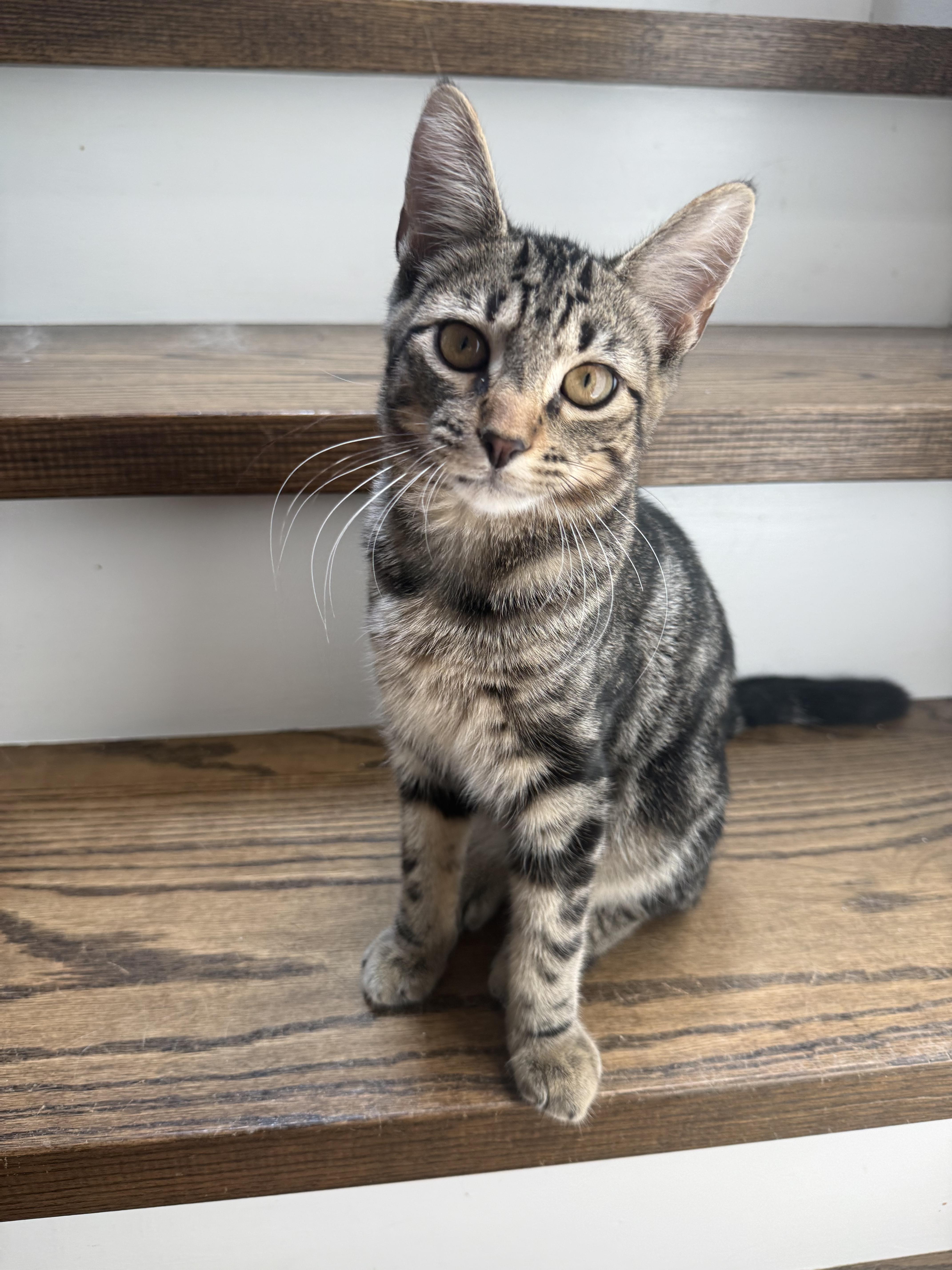
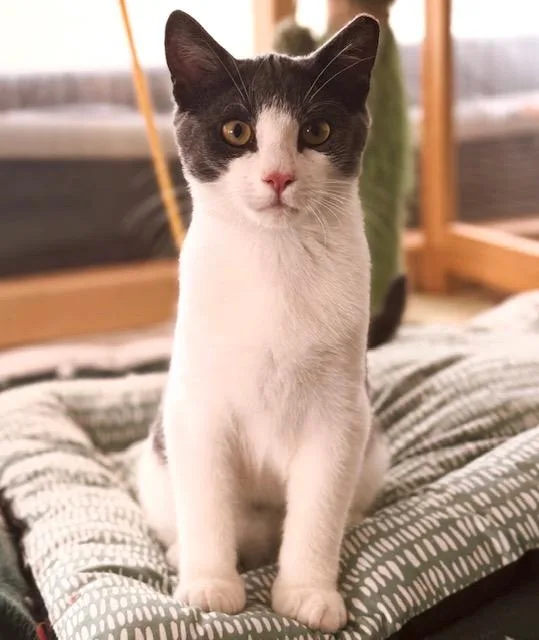
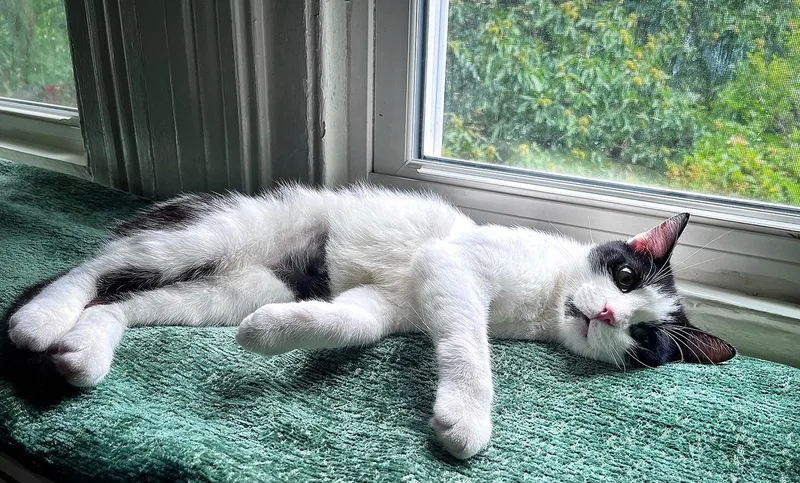
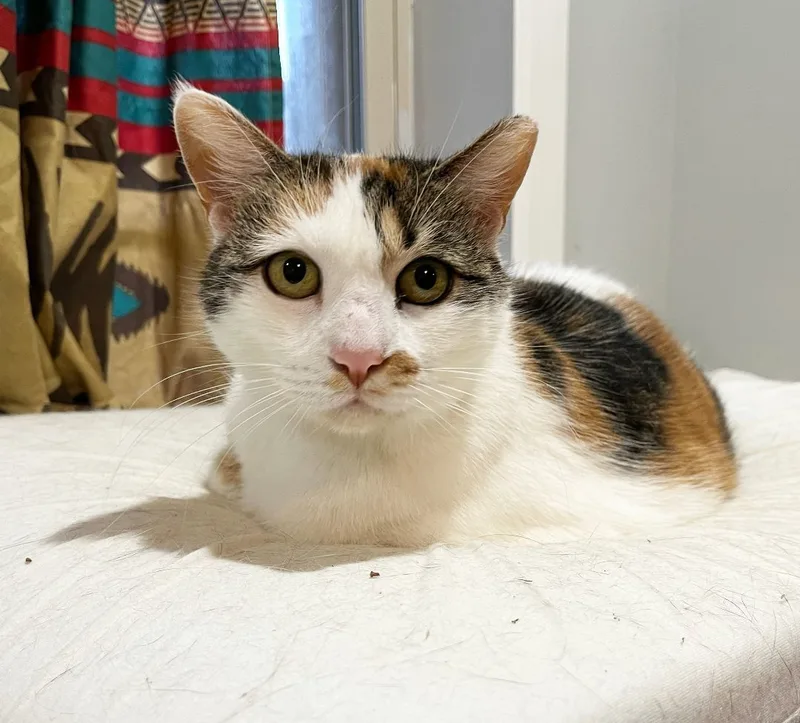
Bombay Cats for Adoption in Philadelphia, PA

Your guide to finding and caring for a Bombay in Philly

A Bombay fits Philly rowhouse life well, because it wants company more than square footage. On a Spruce Hill block of twins or a narrow Passyunk Square rowhouse, a Bombay can patrol the stairs, claim a front-window perch and follow you from floor to floor. Many are chatty and social, so they do best when someone is home part of the day. Summer humidity is the one thing to plan around, with a cool room and fresh water.

581 Bombays available in Philadelphia and nationwide

Open your home to a Bombay

While we don't have enough cats near Philadelphia, keep in mind that many rescues may offer transport.

Bombays Available for Adoption Near Philadelphia

About the Bombay breed

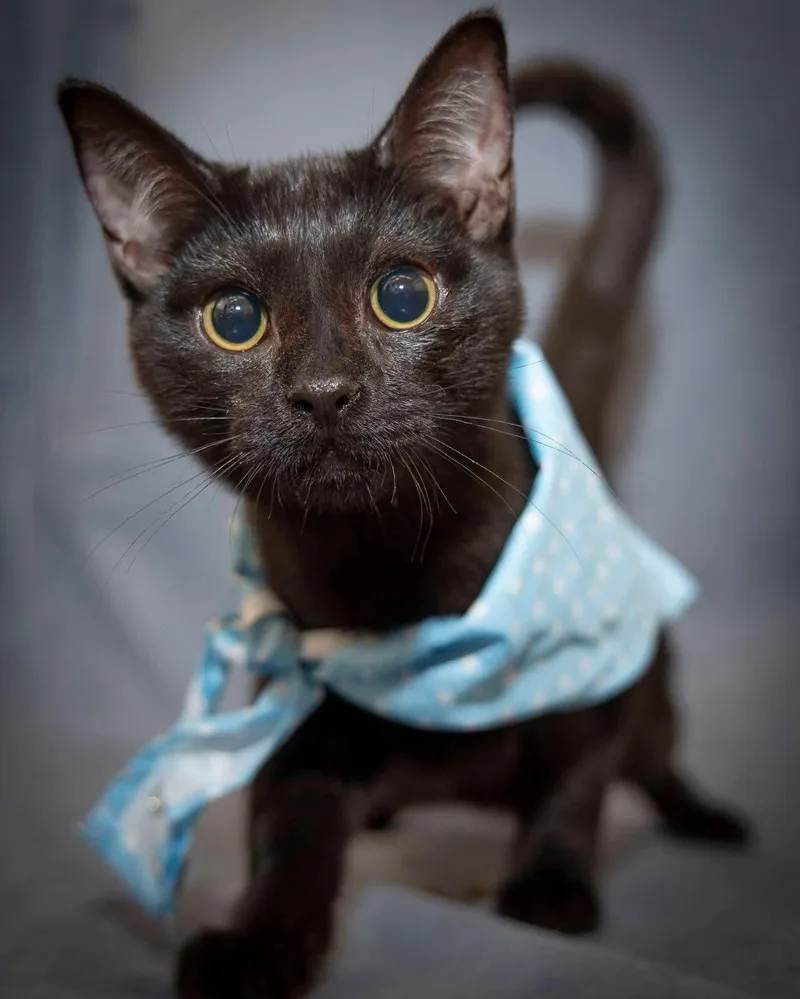
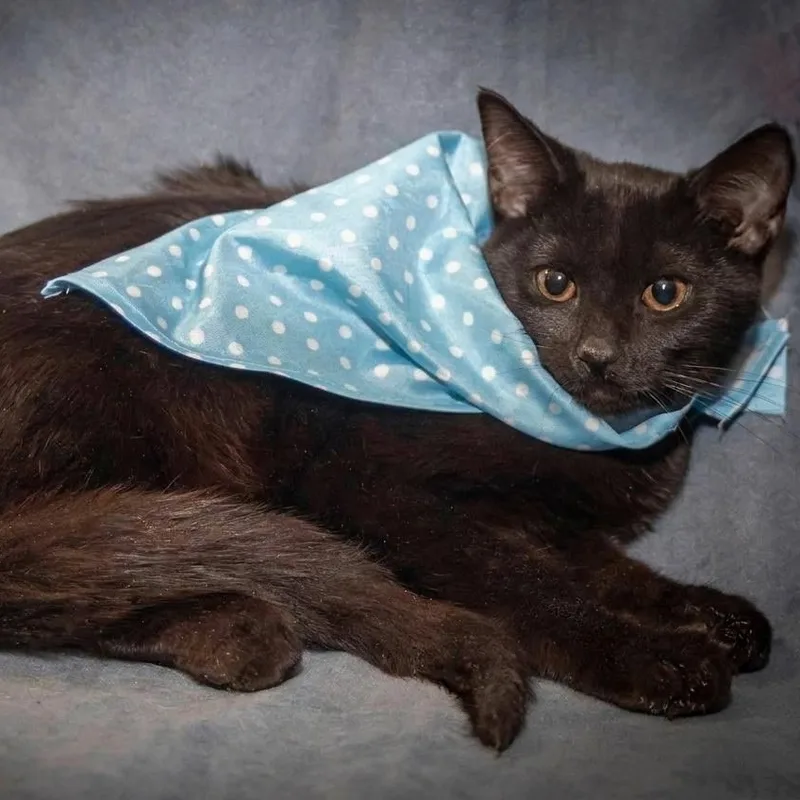
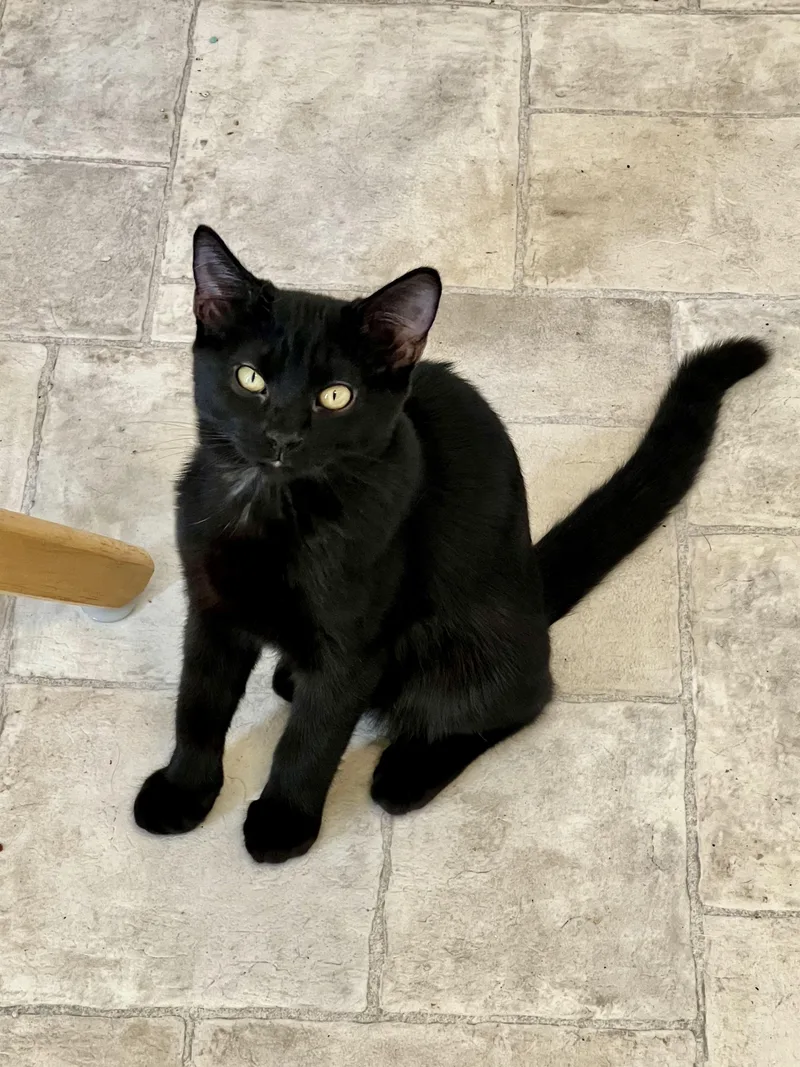
The Bombay was developed in the United States starting in the 1950s, when Nikki Horner of Kentucky crossed sable Burmese with black American Shorthairs, aiming for a miniature black panther. The result is a medium cat, usually 6 to 12 pounds, with a satiny black coat, black paw pads and round eyes from gold to deep copper. Shedding is low and grooming is minimal.

Many Bombays are affectionate, playful and curious, and some learn fetch or harness walking. In Philly, that people-focused streak suits close-quarters rowhouse living, though it means a Bombay may not enjoy long empty days. Purebred Bombays are uncommon in shelters, and many sleek black cats with copper eyes listed under the name are domestic shorthairs with the look, so each cat's own personality matters more than the label.

Weight
6–12 lbs
Height
8–10 in
Lifespan
12–15 yrs
Temperament
Affectionate, Social, Playful
Shedding
Low

Owning a Bombay in Philadelphia

Having a Bombay in Philly

A Bombay's glossy coat needs little upkeep, but its bond with people asks for time. In Philly, the main questions are how much company it will get, how you'll keep it active indoors, and how you'll manage its appetite.

Temperament

Bombays tend to be affectionate, outgoing and eager to be involved, and many greet visitors rather than hide. Some bond closely with one person and dislike long stretches alone, which matters in a city where workdays can run long. Many accept other cats and calm dogs after gradual introductions, though each cat's history and socialization shape how it behaves.

Exercise Needs

Plan on daily interactive play: wand toys, chase games and fetch. In a Philly rowhouse, stairs, cat trees and window perches add climbing, and food puzzles keep the mind busy. Some Bombays learn harness walks with patient training. Their muscular build and strong appetite make regular play important for weight control, while older cats prefer shorter sessions.

Health Considerations

Hypertrophic cardiomyopathy has been reported in Bombays, and some have watery eyes that need occasional wiping. They can gain weight easily, which raises the risk of diabetes and joint strain. Regular vet exams, measured meals and dental care help, and a veterinarian can listen to the heart and advise on screening.

Living Space

A Bombay adapts well to a Philly apartment or rowhouse as long as it has company, play and vertical space. Window perches facing the street, a sturdy cat tree and scratching posts matter more than floor area. Because many crave attention, a home where someone is around part of the day suits them, and indoor living keeps them safe.

What it costs to own a Bombay in Philadelphia

ExpenseTypical costPer year
Adoption fee$150, one time$150 in year one
Food$25 to $50 per month$300 to $600
Pet insurance$30 to $60 per month$360 to $720
Routine vet care$150 to $350 per year$150 to $350
Other*$450 to $1,150 per year$450 to $1,150
Estimated yearly total (after year one)$1,260 to $2,820
First-year total (with adoption fee)$1,410 to $2,970

Adoption fee is the fee on Bombay listings in Philadelphia on GetBuddy today. Other costs are estimates and vary with size, age and health.

* Litter, flea and tick prevention, a dental cleaning allowance, toys, scratchers and other supplies, and minimal home grooming for the short coat.

Adopt a Bombay in Philadelphia.

Now that you know more, let’s find you a new best friend. These rescues and shelters below currently have Bombays available.

Frequently Asked Questions

Yes, you can. Philadelphia doesn't license cats, though cats over three months old must have a rabies vaccine. Purebred Bombays are uncommon, and many black cats with copper eyes are domestic shorthairs, so watch the listings on this page and look at similar breeds or nearby cities. You can also save a search to hear about new cats.

A Bombay fits Philly well if someone is home for part of the day. These cats tend to be social and playful, and they do fine in rowhouses with stairs, window perches and daily play. They're less suited to long, empty workdays, since many Bombays dislike being alone, and they gain weight easily without activity.

Yes, a Bombay can live happily in a Philly apartment. Vertical space matters more than floor area, so add a cat tree and window perch. Because rowhouse and apartment walls are shared, expect some chatter to carry. Since about 48% of households rent, get pet terms and any deposit in writing before you sign.

Philadelphia's climate works well for an indoor Bombay. Winters are cold, with about 77 freezing nights a year, and summers are humid, with roughly 30 days at 90°F or above. A short coat gives little insulation, so keep the home warm in winter, cool in summer, and water available. Indoor living handles both extremes.

Yes, but only in a carrier. SEPTA allows pets only in a standard sturdy carrier that doesn't obstruct others, and the cat can't be disruptive. That rule covers the subway lines, buses, trolleys and Regional Rail. A Bombay, usually 6 to 12 pounds, fits in a roomy carrier, so practice at home first.

A Bombay needs very little grooming. Its short, satiny coat does well with a weekly rub-down with a soft brush or damp cloth, and shedding is low. Wipe watery eyes as needed and plan on dental care. Humid Philly summers don't change that, but check for ticks if a cat ever goes outside.

We have 2 rescues with Bombays available: Familiar Hearts Animal Society and Whiskers of Love Cat Rescue and Sanctuary. You can see every rescue with Bombays available in the list above these questions, or scroll to the top to see the Bombays near Philadelphia.

Expect roughly $25 to $50 a month for food, $30 to $60 for insurance, $150 to $350 a year for routine vet care, and $450 to $1,150 a year for other costs including litter. That works out to about $1,260 to $2,820 a year, before any emergency or illness costs.