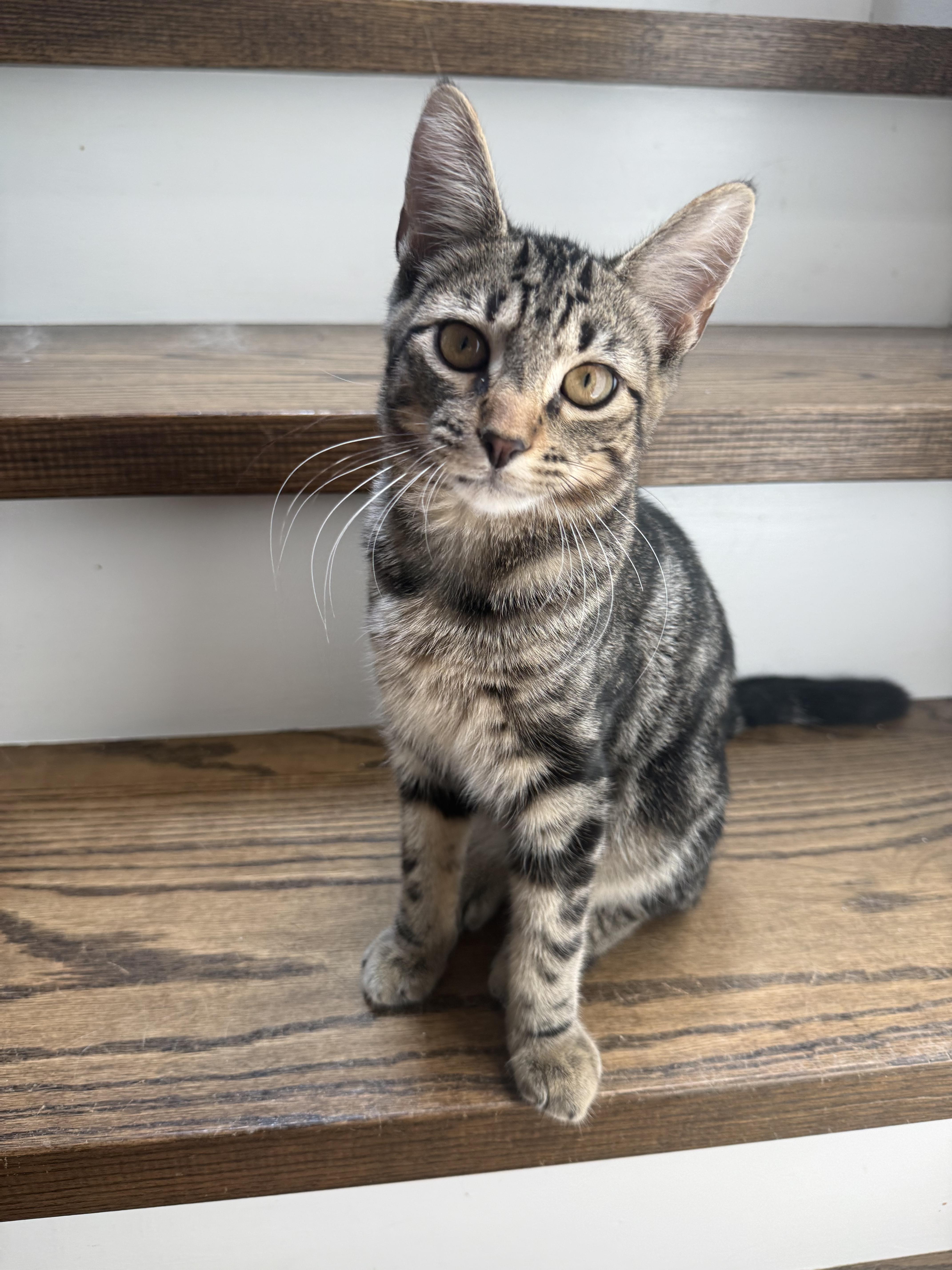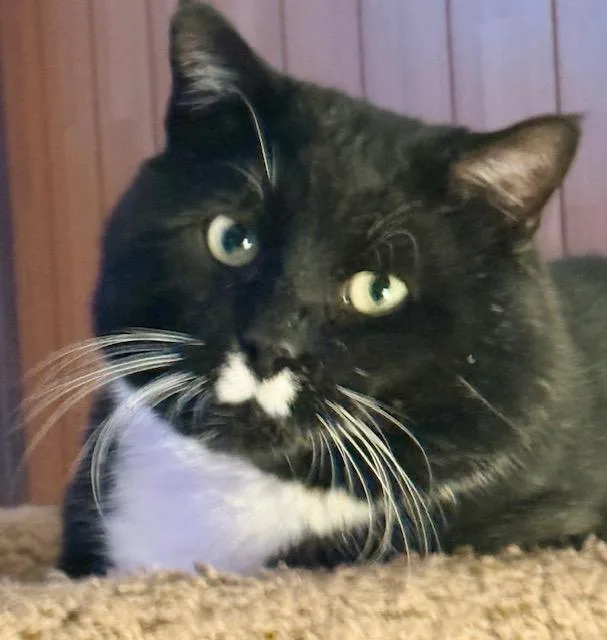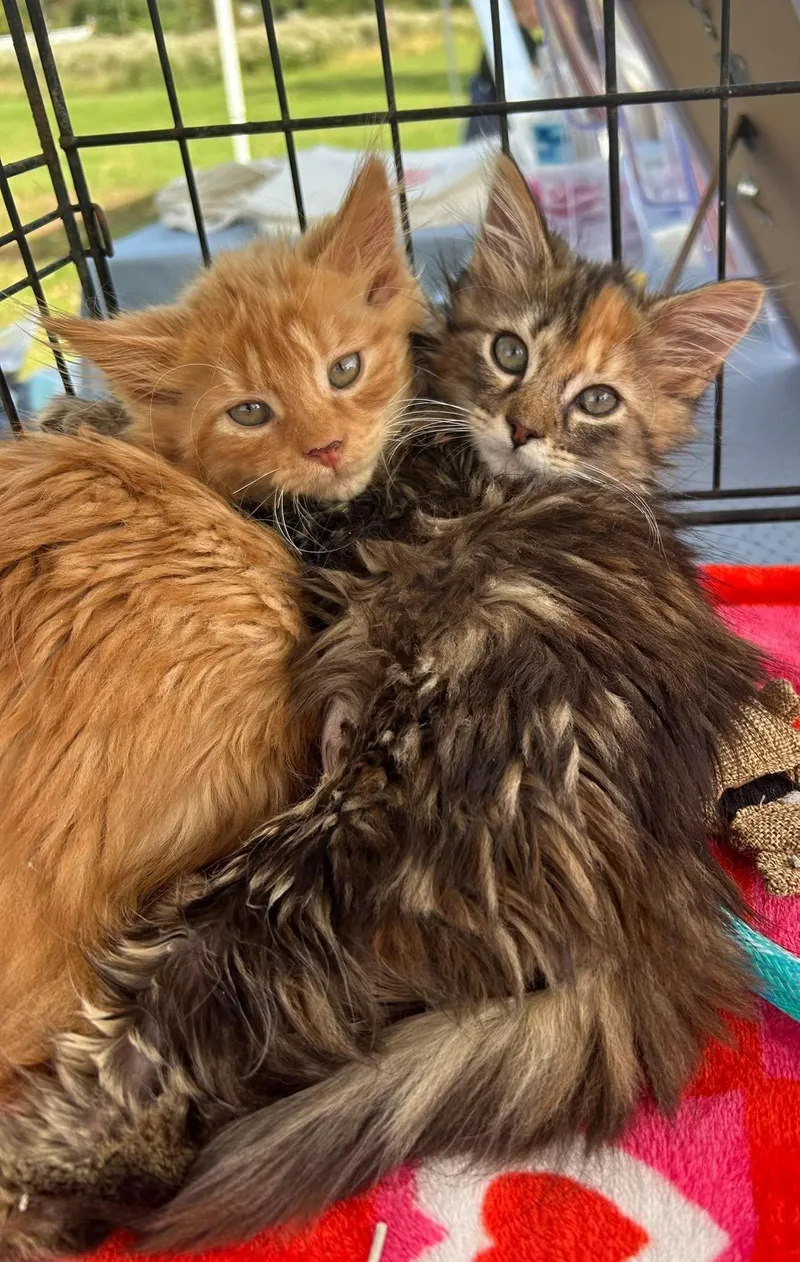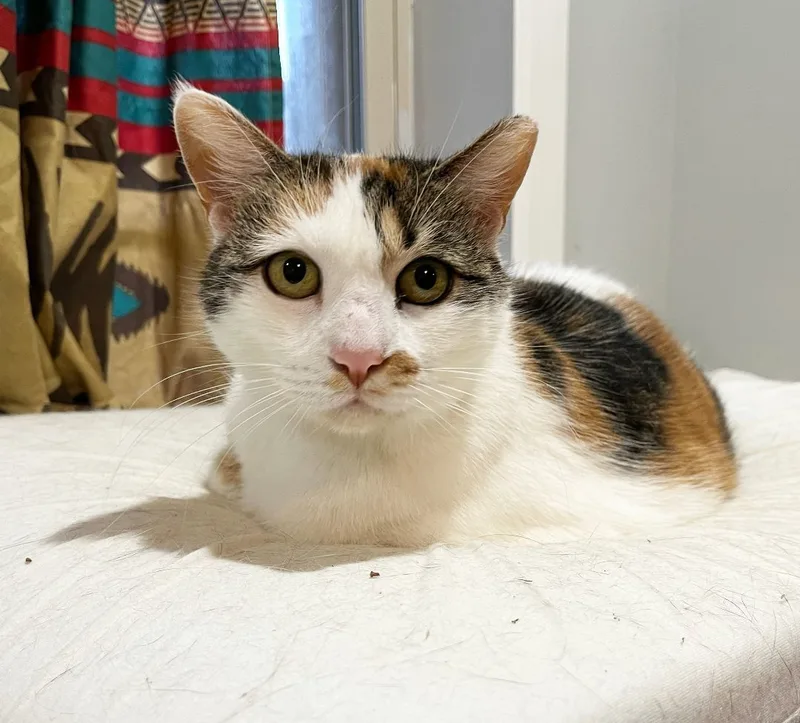
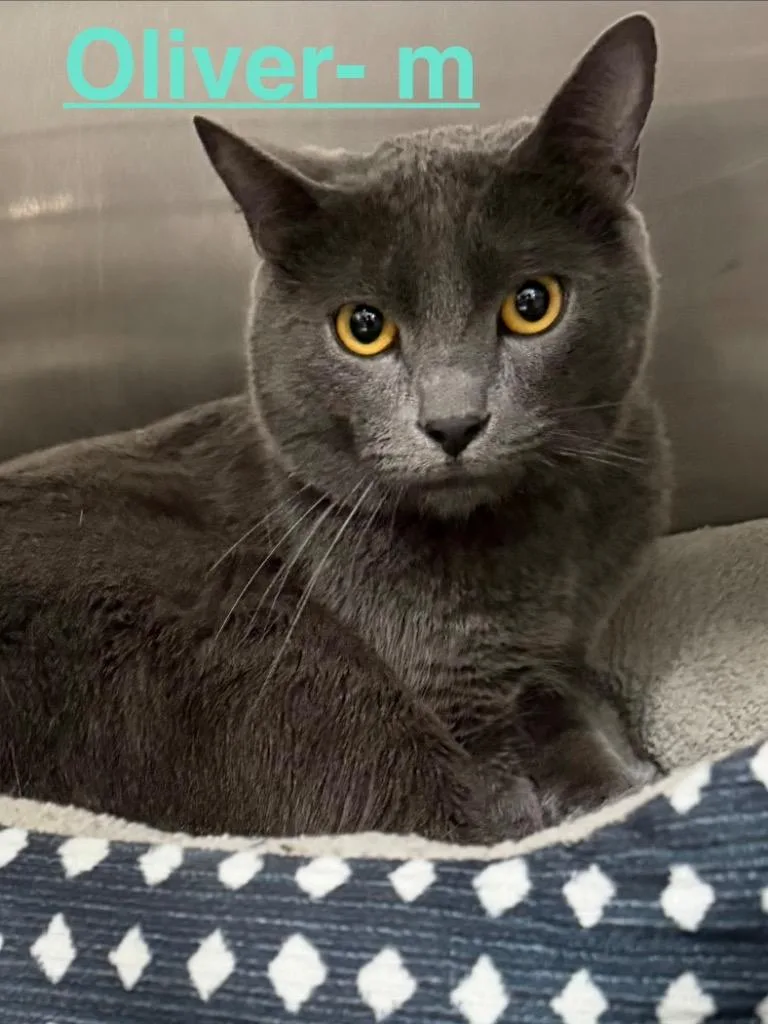
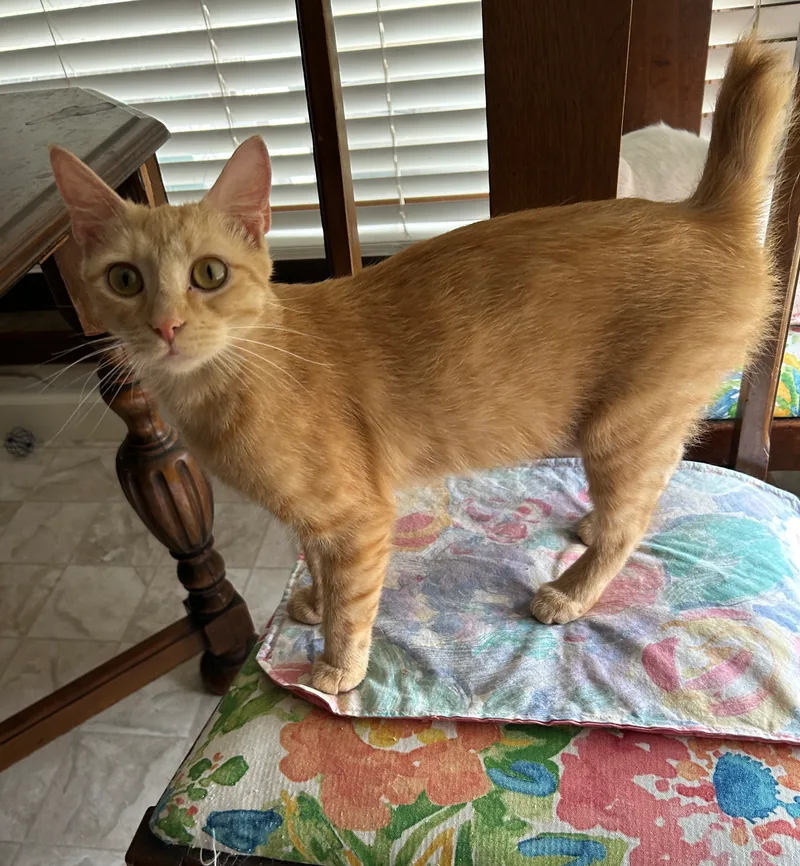
American Bobtail cat

American Bobtail Cats for Adoption in Philadelphia, PA

Your guide to finding and caring for an American Bobtail in Philly

An American Bobtail suits a Philly rowhouse better than you might expect. These cats like to climb, so a Queen Village or Passyunk Square rowhouse with narrow stairs and tall windows gives a Bobtail plenty to explore. They're sociable and playful, and many will happily learn to fetch a toy down a long hallway. They also adjust well to smaller spaces, like a Fairmount or Powelton Village apartment. Give one a window perch over the street and daily play, and it'll stay busy.

146 American Bobtails available in Philadelphia and nationwide

Bring home an American Bobtail

While we don't have enough cats near Philadelphia, keep in mind that many rescues may offer transport.

American Bobtails Available for Adoption Near Philadelphia

About the American Bobtail breed

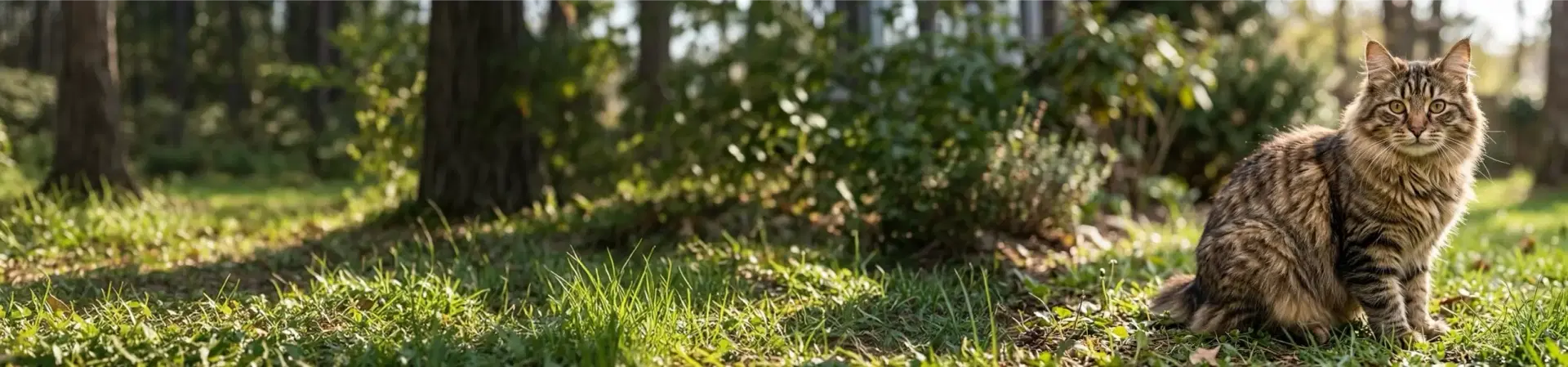
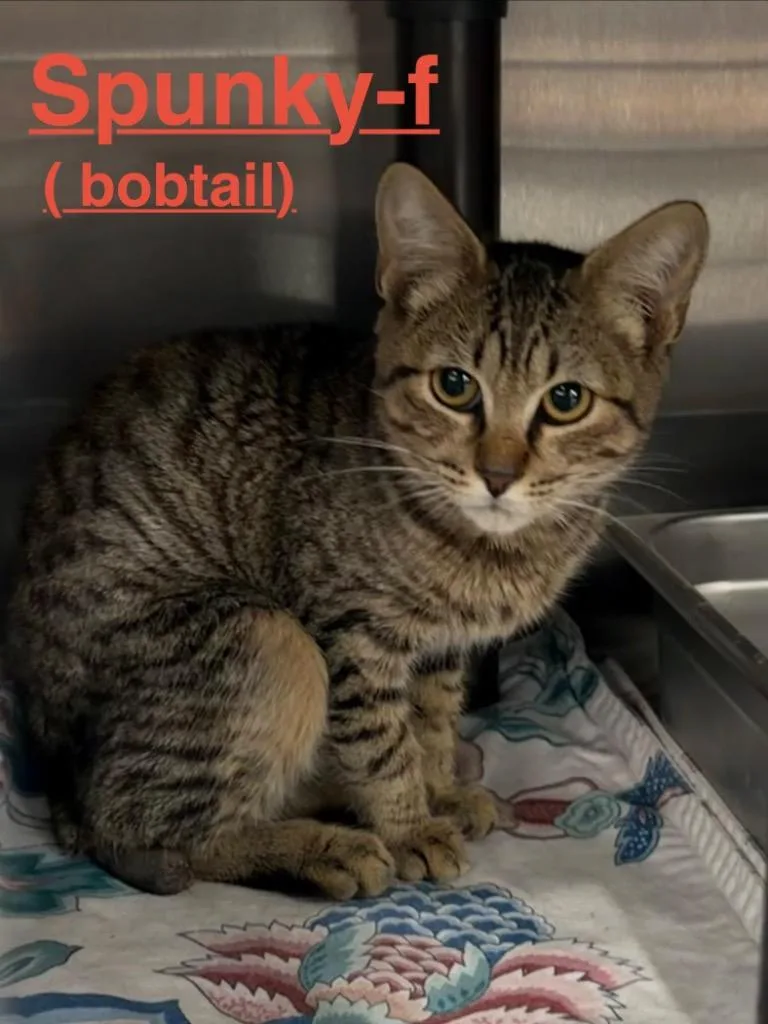
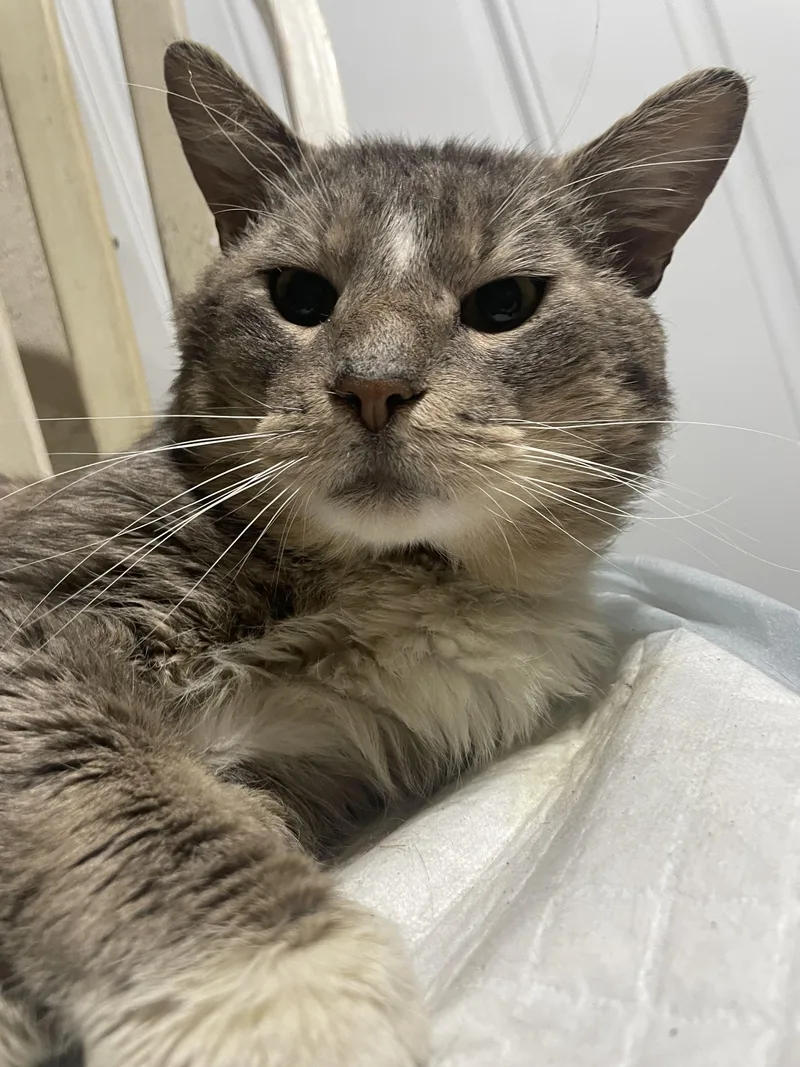
The American Bobtail is a medium, muscular cat with a naturally short tail, usually about a third to half the normal length. The breed traces to Yodie, a short-tailed brown tabby stray found in Arizona in the late 1960s. Coats come in short or medium-long, in nearly any color, and a wild tabby look is common.

Bobtails are typically affectionate, clever and playful, with a quiet voice that runs to chirps and trills. They mature slowly, often over two to three years, so a young adult may still act like a kitten. Most weigh 7 to 16 pounds, with males larger. Their sociable nature suits busy households, though each cat's personality differs.

Weight
7–16 lbs
Height
9–12 in
Lifespan
11–15 yrs
Temperament
Playful, Affectionate, Adaptable, Intelligent
Shedding
Moderate

Owning an American Bobtail in Philadelphia

Having an American Bobtail in Philly

Bobtails pair a sturdy, athletic build with a social, game-loving nature. In Philly, that mostly means vertical space in rowhouses, regular play, and attention to the tail and spine at vet visits. Coat length and slow maturity shape how much daily care each cat needs.

Temperament

Many Bobtails are affectionate without being clingy, greeting visitors and following family around the house. Most are fairly quiet, chirping or trilling rather than yowling, which helps with Philly's shared-wall rowhouses and apartments. They often get along with children and cat-friendly dogs, though each cat varies, so watch how a Bobtail reacts to handling and new people.
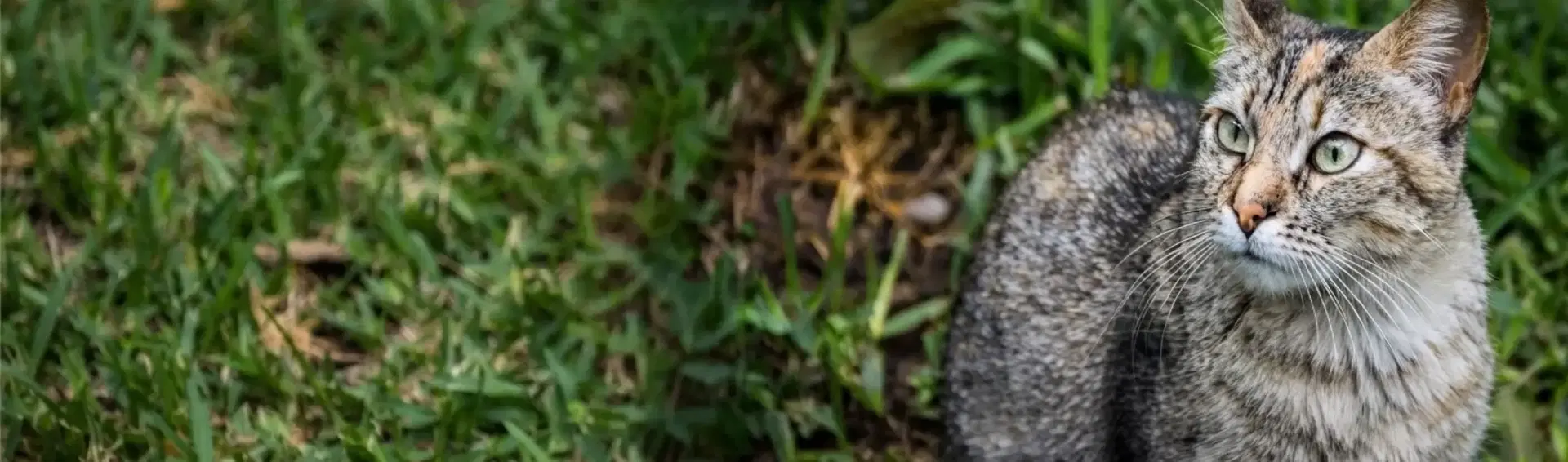
Exercise Needs

Plan several short play sessions a day: wand toys, chasing balls and fetch, plus food puzzles. Tall cat trees and window perches turn a narrow rowhouse into a climbing course. Many Bobtails learn harness walking, and on Philly's park trails pets must stay on a leash of six feet or less.

Health Considerations

Bobtails are generally sturdy, but the short-tail gene can occasionally bring spine or hip problems, so a veterinarian should check the tail area and gait. Watch for stiffness, tail pain or litter box changes. Tick season in Philly runs through October, so ask your vet about parasite prevention, especially for cats that go out on a harness.

Living Space

A Bobtail does well in a typical Philly rowhouse or apartment if it has climbing spots, scratching posts and a window view. Narrow stairs rarely trouble a healthy adult, though stiffness is worth a vet visit. With small back yards common, indoor living plus a harness or catio keeps a curious Bobtail safest.

What it costs to own an American Bobtail in Philadelphia

ExpenseTypical costPer year
Food$25 to $50 per month$300 to $600
Pet insurance$25 to $50 per month$300 to $600
Routine vet care$150 to $350 per year$150 to $350
Other*$450 to $1,250 per year$450 to $1,250
Estimated yearly total (after year one)$1,200 to $2,800

Other costs are estimates and vary with size, age and health.

* Litter, flea and tick prevention, a dental cleaning allowance, toys, a harness and other supplies, and home brushing, with more for longhaired cats.

American Bobtail cat

Adopt an American Bobtail in Philadelphia.

Now that you know more, let’s find you a new best friend. These rescues and shelters below have cats available in and near Philadelphia.

Frequently Asked Questions

Yes, as long as your American Bobtail rides in a standard, sturdy pet carrier. SEPTA allows pets only in carriers that don't obstruct other riders, and the animal can't be disruptive. That covers the Broad Street Line and Market-Frankford Line, and most Bobtails, at 7 to 16 pounds, fit a carrier. Practice at home first so the ride stays calm.

Yes. Philadelphia doesn't license cats, and cats over 3 months old must be vaccinated for rabies. Because American Bobtails are uncommon, availability changes, so watch the listings on this page and save a search to hear about new cats. Landlord pet rules are the other thing to confirm before you bring a cat home.

Yes, many do well in apartments. Bobtails are fairly quiet, which helps with shared walls in apartment buildings and split-up rowhouses. Give a cat tree, scratching posts and a window perch, plus play sessions morning and evening. Check your lease for pet limits first, since landlords set their own rules.

It can be, especially if you're home regularly. Bobtails are social and playful, so they suit households with time for daily play. Indoor life fits Philly's rowhouses and hot summers, and a harness adds outdoor enrichment. They may be a harder match for people away long hours, since many want company. Each cat differs.

Weekly brushing is usually enough. Shorthaired Bobtails often need less, while longhaired ones need a bit more, especially when shedding picks up. Philly's humid summers and tick season make a quick coat check worthwhile after harness time. Grooming falls under the Other cost line of about $450 to $1,250 a year, and most owners brush at home.

Yes, as indoor cats. Philly gets about 30 days a year at 90°F or higher, mostly in July, so keep your Bobtail in air conditioning or with fans, fresh water and shade. Hot pavement can burn paws, so save harness walks for early morning or evening. Never leave a cat in a parked car.

A bobbed tail is a short tail, either naturally short from birth or, in some dogs, shortened by docking. In cats, natural bobtails come from several different gene mutations found in breeds like the American Bobtail, Japanese Bobtail and Manx. The tail may be straight, curved or kinked and is usually fully mobile and expressive despite its length.

A bobtail cat is any cat with a naturally short tail, from a stub to roughly half normal length. The term covers several breeds, including the American Bobtail, Japanese Bobtail, Kurilian Bobtail and Pixie-Bob, each with its own gene, as well as domestic cats born with short or kinked tails. Shelters often list these cats simply as bobtails.

Yes, American Bobtail cats are fairly rare. They are a small pedigreed breed with relatively few registrations each year, and purebreds seldom appear in shelters. Many short-tailed cats in adoption listings are domestic cats with natural bobtails rather than registered American Bobtails, and they can make equally wonderful companions with a similar playful look.

Expect roughly $1,200 to $2,800 a year for an American Bobtail in Philly. That covers food at $25 to $50 a month, insurance at $25 to $50 a month, routine vet care of $150 to $350 a year, and other costs of $450 to $1,250 a year, including litter.

Find American Bobtails in Nearby Cities

Expand your search to find American Bobtails available for adoption near Philadelphia.