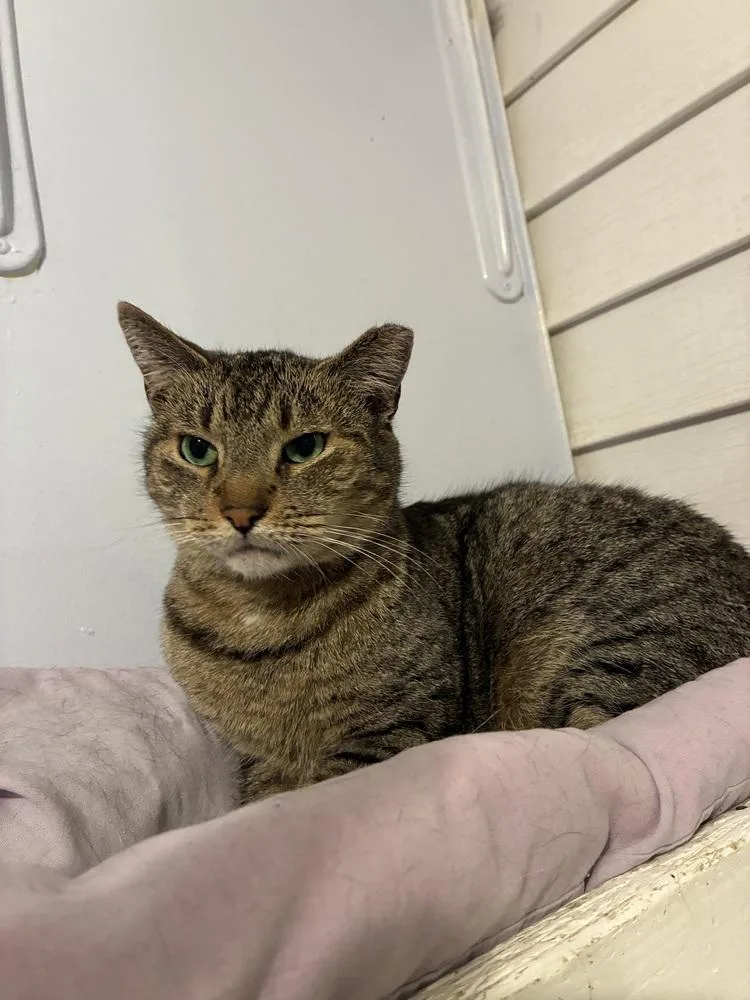
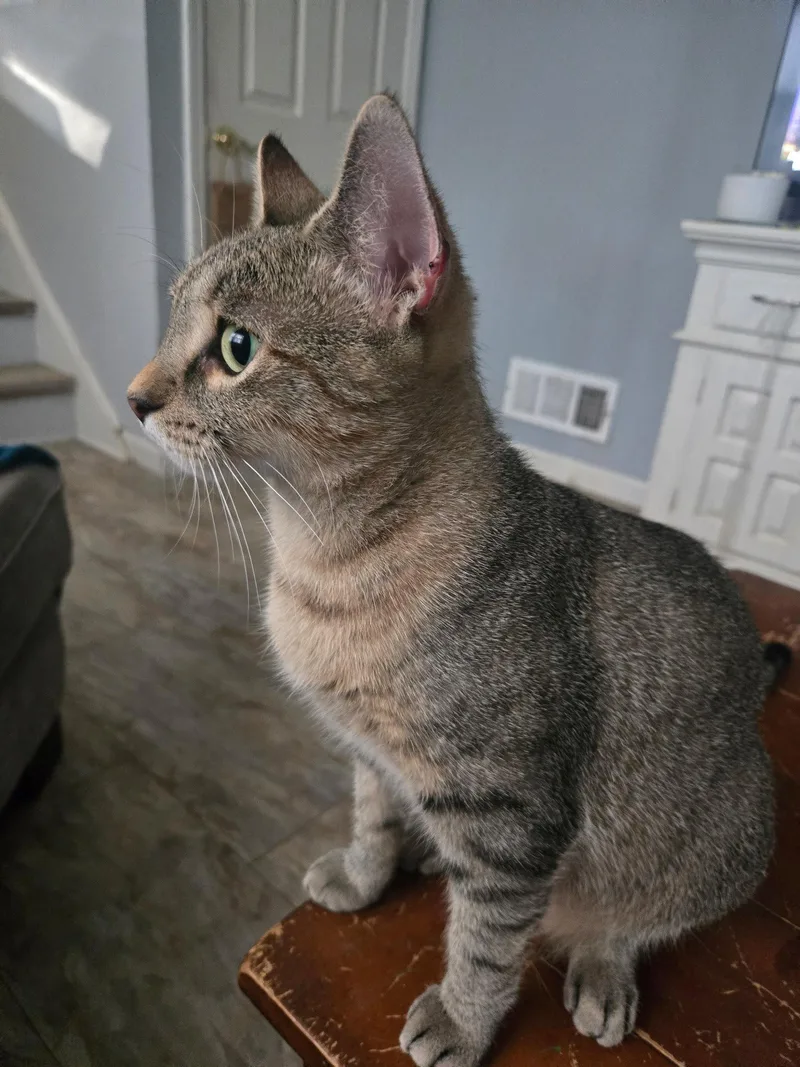
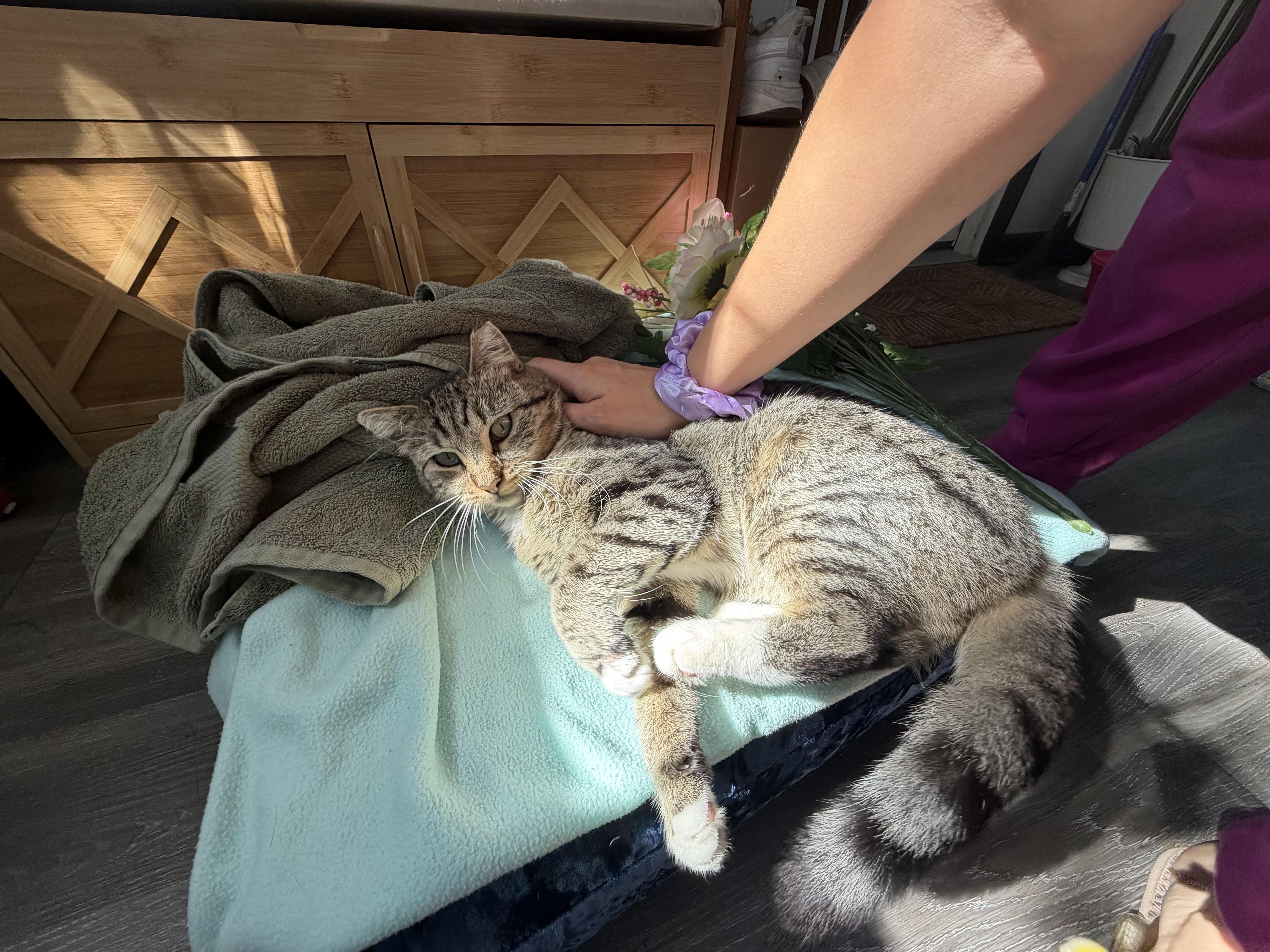
Tabby Cats for Adoption in Staten Island, NY

Your guide to finding and caring for a Tabby in Staten Island

A Tabby in Staten Island might be a lap cat in a Stapleton apartment or a window-watcher in a Great Kills house. Tabby is a coat pattern, not a breed, so size, energy and temperament vary from cat to cat. Staten Island's low-rise streets suit that range: a sunny sill over a backyard feeder is often all a curious cat needs for entertainment, while a shy cat can claim a closet shelf. Meet the cat first and treat the stripes as a bonus.

8103 Tabbies available in Staten Island and nationwide

Find your Tabby

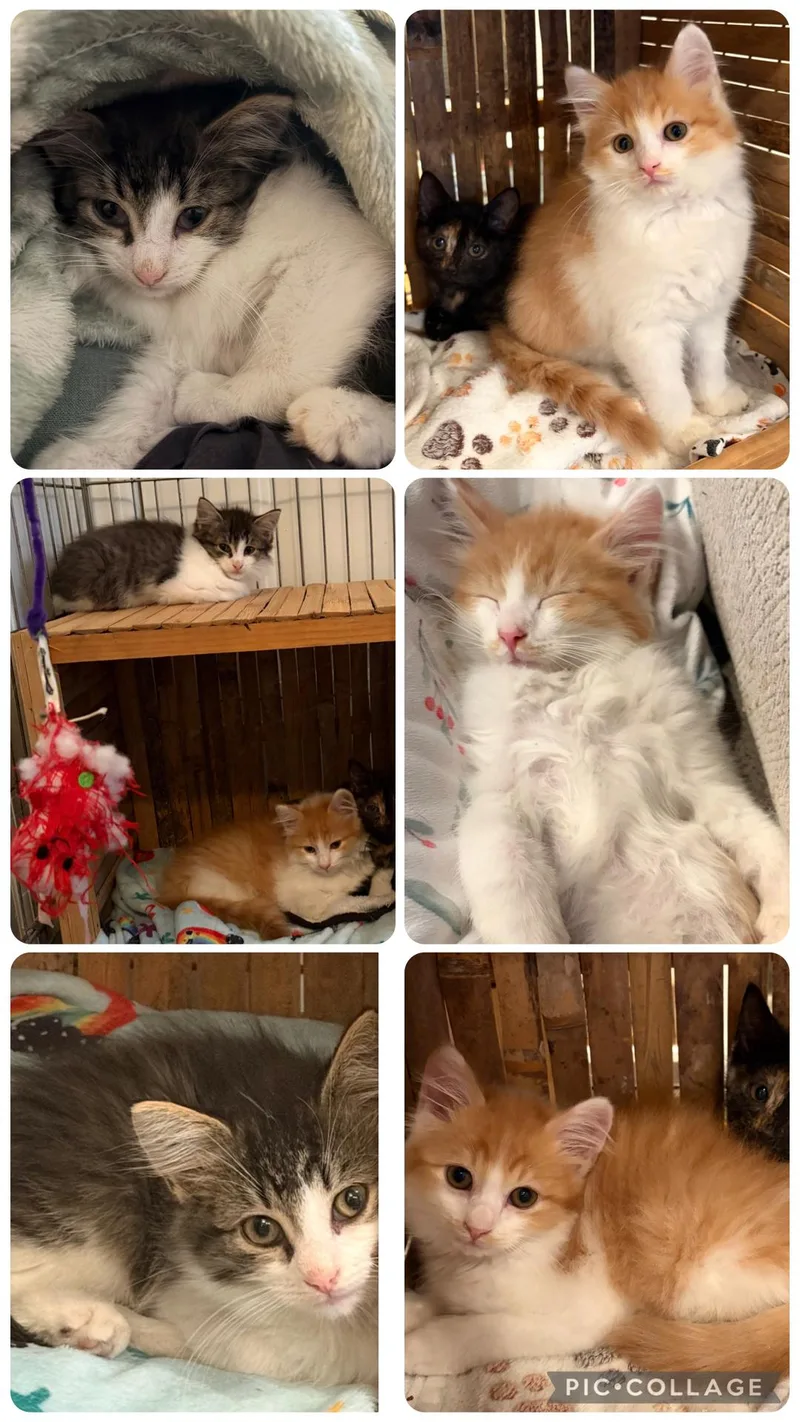
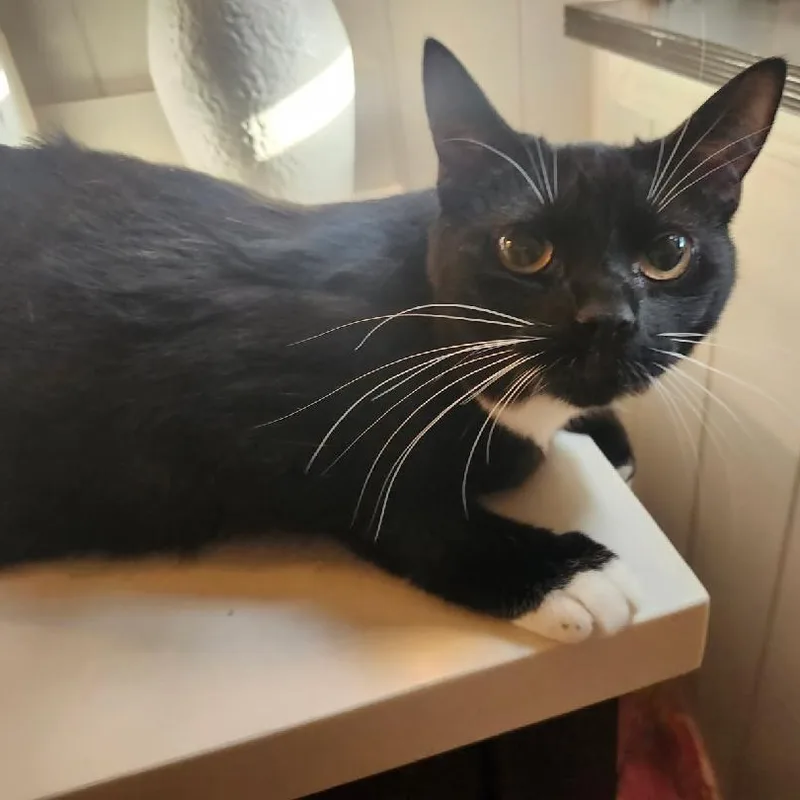
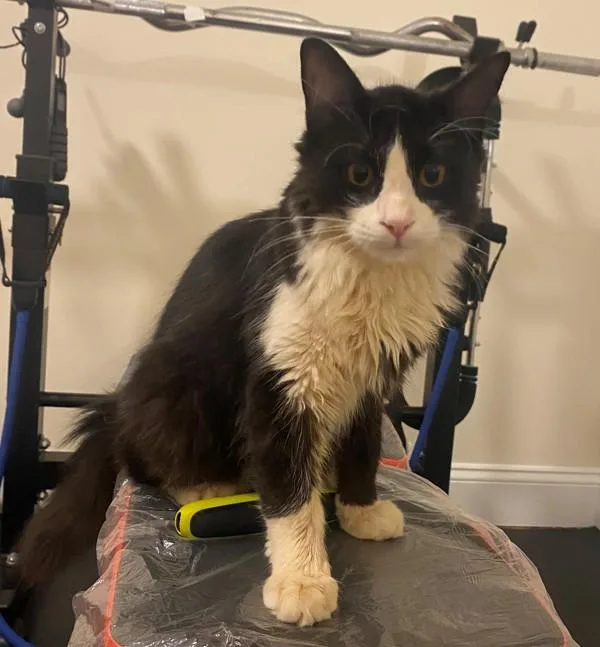
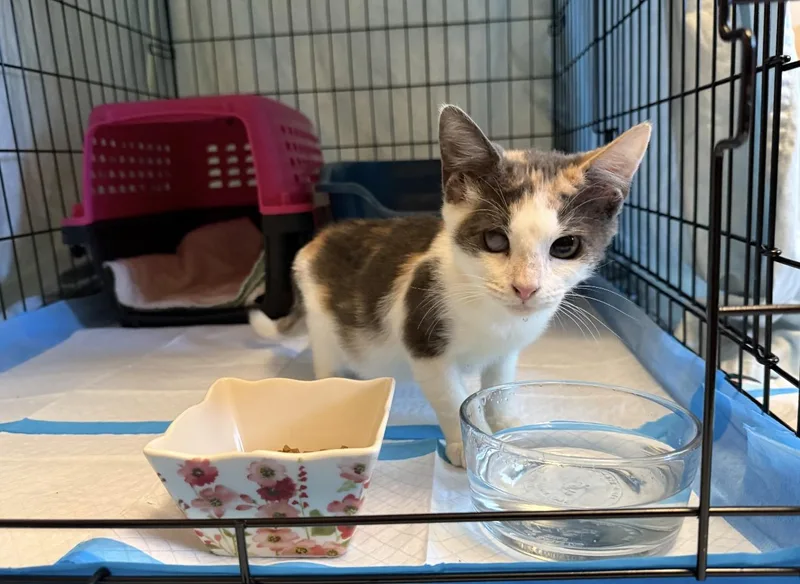
Tabbies Available for Adoption Near Staten Island

About the Tabby breed

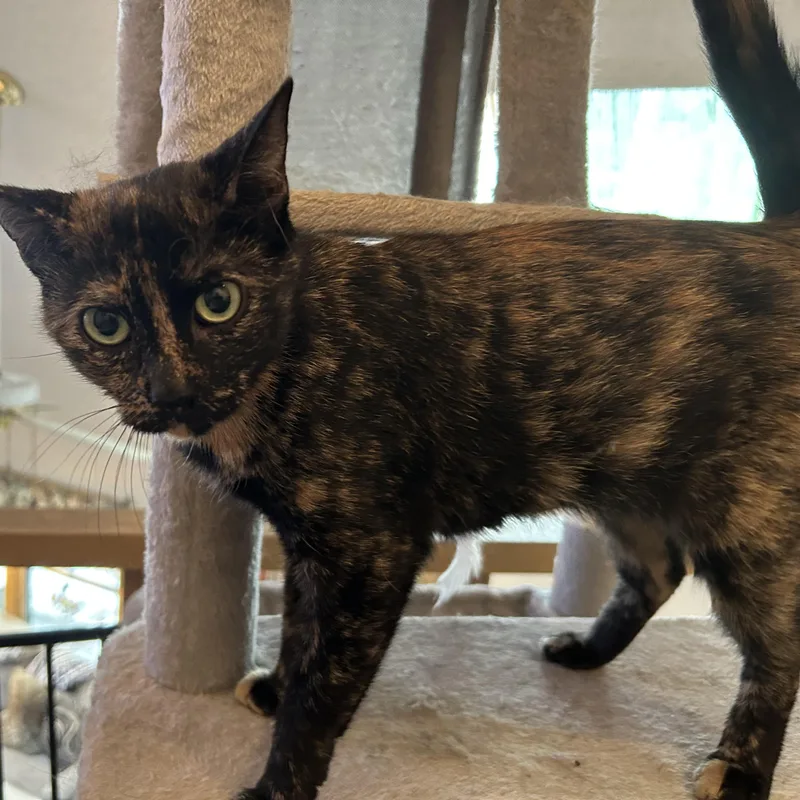
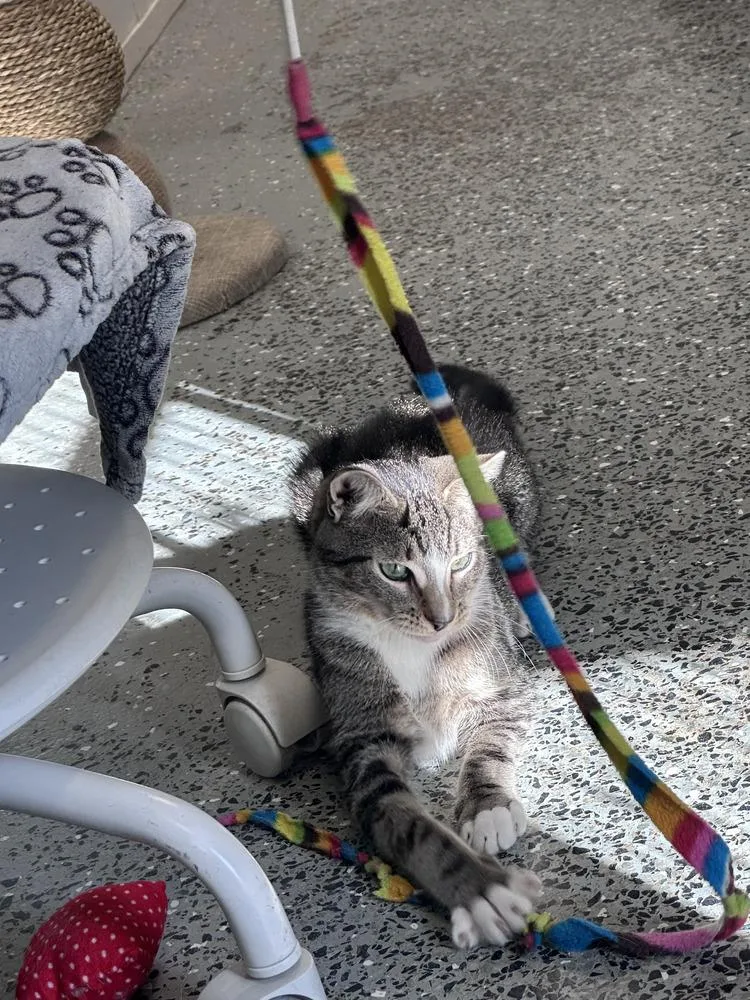
Tabby describes a coat pattern, not a breed. Any cat with stripes, swirls, spots or ticked hairs and the M-shaped mark on the forehead qualifies, whether it's a domestic shorthair, a Maine Coon mix or something in between. The main patterns are mackerel, classic, spotted and ticked, in colors from brown and orange to gray, silver and cream.

Most Tabbies you'll meet on Staten Island are medium-sized domestic shorthairs of roughly 6 to 14 pounds, living 12 to 18 years with good care. That's a long commitment, so think about where you'll be in a decade. Personality comes from genetics, upbringing and experience, not stripes, so a Tabby can be bold, shy, chatty or aloof. Shedding is moderate, and longer coats need more brushing.

Weight
6–14 lbs
Height
8–10 in
Lifespan
12–18 yrs
Temperament
Curious, Adaptable, Affectionate
Shedding
Moderate

Owning a Tabby in Staten Island

Having a Tabby in Staten Island

Because Tabby is a coat pattern found in many mixes, each cat's own traits matter more than its stripes. Age, coat length, energy and health history say far more about daily life on Staten Island than the markings do.

Temperament

Expect the full range of feline personalities. Many Tabbies are curious and adaptable, others are shy or independent, and the orange-tabby reputation for friendliness partly reflects that most orange cats are male. Whether the home is a busy North Shore apartment or a quiet South Shore street, spend time with the cat and see how it handles noise.

Exercise Needs

Daily play that mimics hunting, like wand toys and chasing games, keeps most Tabbies fit. Kittens and young adults need several short sessions, while seniors prefer gentler games. Indoors, climbing shelves, scratchers and a window perch overlooking a Staten Island yard add enrichment, and a harness-trained cat can enjoy supervised time outside.

Health Considerations

Stripes don't affect health; risks follow a cat's mix, age and lifestyle. Common issues include obesity, dental disease and urinary problems, plus kidney disease and hyperthyroidism in seniors. Ticks are established on Staten Island, so ask a veterinarian about year-round flea and tick prevention, especially for any cat that goes outdoors.

Living Space

Tabbies adapt well to apartments and houses alike if they have places to climb, scratch, hide and look outside. Staten Island's mostly low-rise housing means plenty of windows and backyard views. Keeping cats indoors protects them from traffic and disease. Plan one litter box per cat plus one extra, and give each cat a quiet retreat.

What it costs to own a Tabby in Staten Island

ExpenseTypical costPer year
Food$25 to $50 per month$300 to $600
Pet insurance$20 to $45 per month$240 to $540
Routine vet care$150 to $350 per year$150 to $350
Other*$450 to $1,150 per year$450 to $1,150
Estimated yearly total (after year one)$1,140 to $2,640

Other costs are estimates and vary with size, age and health.

* Litter, flea and tick prevention, a dental cleaning allowance, toys, scratchers and bedding, and occasional grooming.

Adopt a Tabby in Staten Island.

Now that you know more, let’s find you a new best friend. These rescues and shelters below currently have Tabbies available.

Frequently Asked Questions

Yes, as long as the Tabby is enclosed in a carrier. The Staten Island Railway and MTA buses require pets to be in a bag or container carried so it doesn't bother other riders. The Staten Island Ferry allows pets only if caged or muzzled, so a carrier works there too. Choose a secure, ventilated carrier and keep it on your lap.

Yes, for indoor Tabbies. Winters are cold and snowy and summers warm and humid, but a heated, ventilated home keeps most cats comfortable. Watch for heat on 90°F days, keep window screens secure, and wipe paws after salted sidewalks. Ticks are established on the island, so cats that go outside need year-round prevention from a veterinarian.

Yes. No breed or coat-pattern rules apply to cats in New York City, and cats don't need a city license, though state law requires a rabies vaccine. Renters should read their lease, since NYCHA allows one cat or dog per household. Browse the Tabbies listed on this page, and save a search to hear about new arrivals.

Yes. Most Tabbies adapt well to apartments when they have a window perch, a tall scratcher, daily play and a litter box. Renters are concentrated on the North Shore near the ferry, where larger buildings are more common. Read your lease first, because the city's pet law can protect a pet kept openly for three months without objection.

Usually, yes, since cats do well in both apartments and houses with yards. Fit depends on the cat's age, energy and temperament rather than its stripes. Because Staten Island is car-dependent, plan vet trips with a secure carrier. Compare each listed cat's age and energy with your schedule, and choose one that matches your routine.

Most Tabbies are shorthairs and need a brush once or twice a week, more during spring and fall shedding. Longer coats need brushing several times a week to prevent mats. Check for ticks after any outdoor time. Occasional professional grooming falls under the Other line of the cost table, so most owners budget little for it.

A tabby cat is any cat with a tabby coat pattern, meaning stripes, swirls, spots or ticked hairs plus a distinctive M-shaped marking on the forehead. Tabby is not a breed. The pattern appears in domestic shorthairs and longhairs as well as many pedigreed breeds, such as the American Shorthair, Maine Coon and Abyssinian, and it is one of the most common cat patterns.

A tabby cat isn't any one breed, because tabby is a coat pattern. Cats with the pattern include shelter domestic shorthairs and longhairs as well as breeds such as the American Shorthair, Maine Coon, Bengal and Abyssinian. Most tabbies available for adoption are mixed-breed domestic cats, so browse the cats listed here and look at each one's age and personality.

We have 1 rescue with Tabbies available: For Blake's Sake Rescue, Inc.. You can see every rescue with Tabbies available in the list above these questions, or scroll to the top to see the Tabbies near Staten Island.

A Tabby typically costs about $1,140 to $2,640 a year in Staten Island, based on food at $25 to $50 a month, insurance at $20 to $45 a month, routine vet care of $150 to $350 a year and other costs of $450 to $1,150 a year. The adoption fee is separate and shown on current listings.