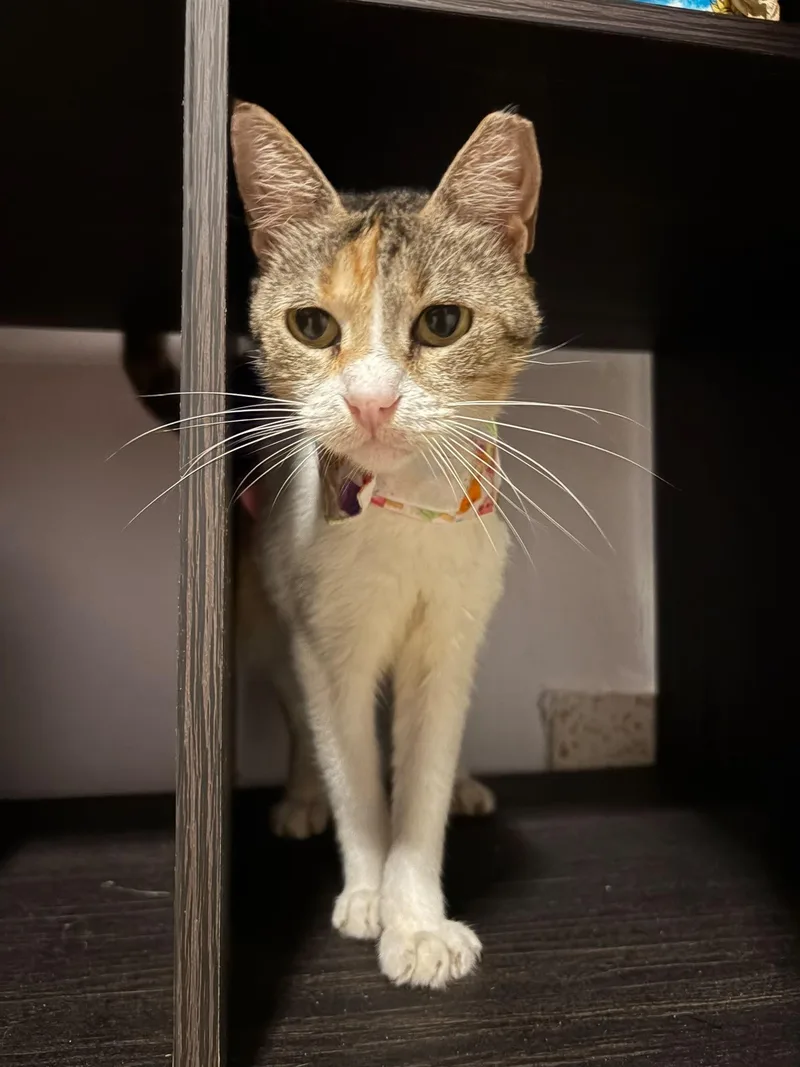
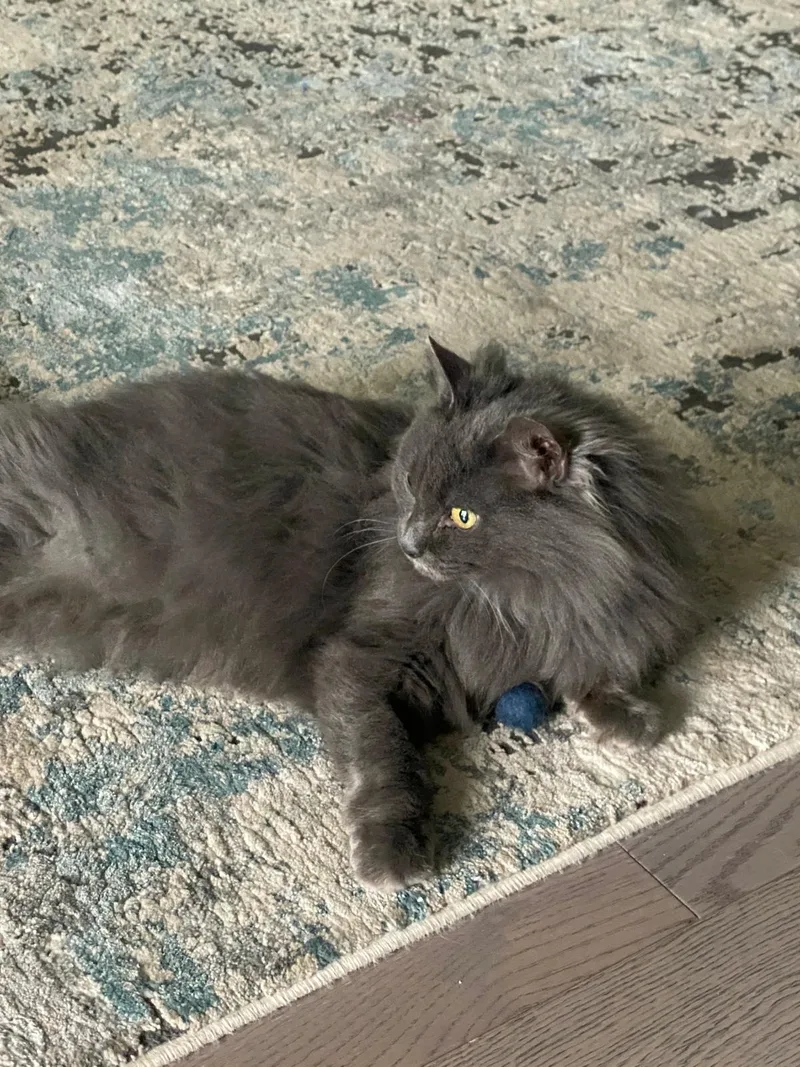
Tortoiseshell Cats for Adoption in New York, NY

Your guide to finding and caring for a Tortoiseshell in NYC

A Tortoiseshell cat suits NYC apartment life well, since most are happy with a sunny window and a few good toys. Tortoiseshell is a coat pattern, so these cats are mostly domestic shorthairs with every kind of personality. A high-rise in Hunters Point or a walk-up in Ridgewood gives a cat plenty to watch from the sill, as long as there's a cat tree and a daily play session. Some torties are shy and some are bold.

1042 Tortoiseshells available in New York and nationwide

Your Tortoiseshell is waiting

Tortoiseshells Available for Adoption Near New York

About the Tortoiseshell breed

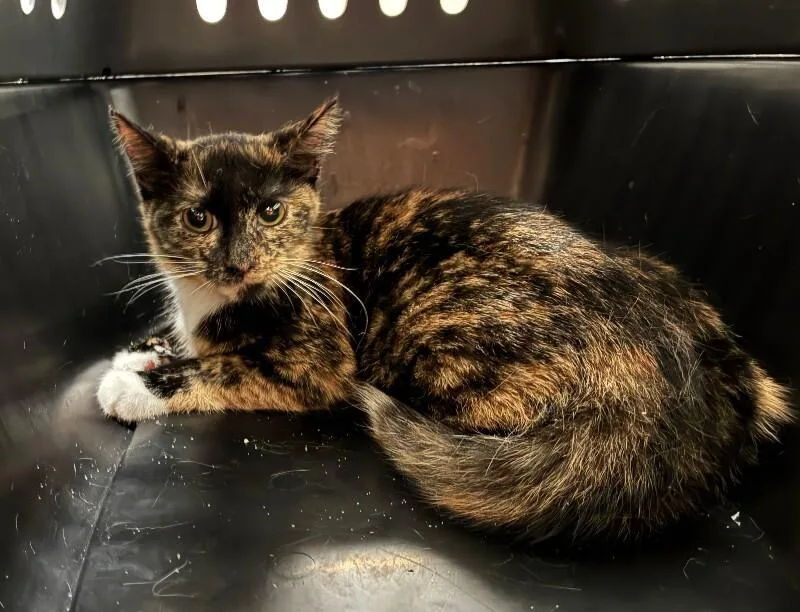
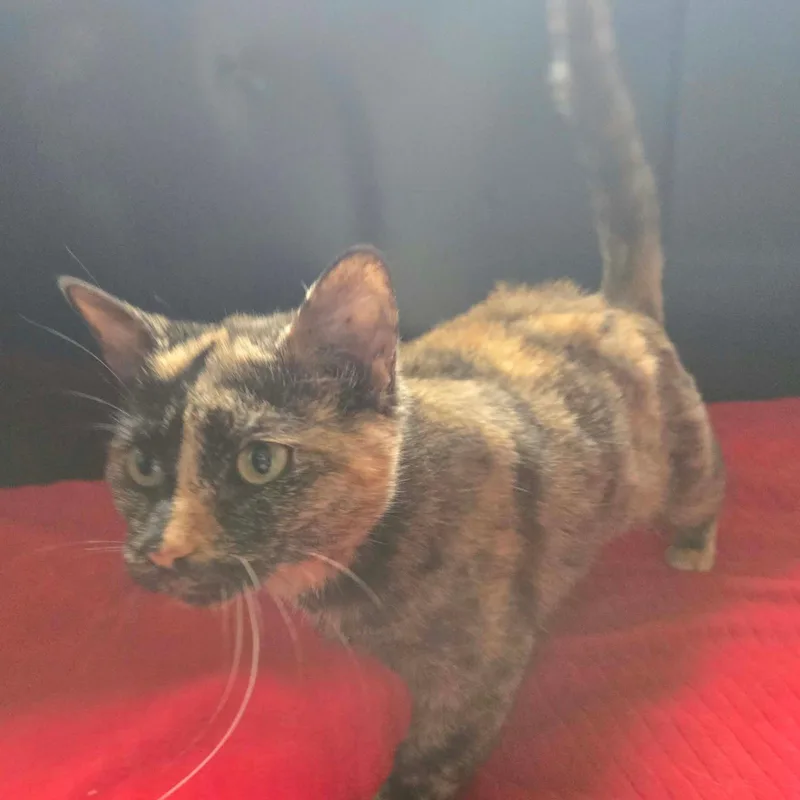
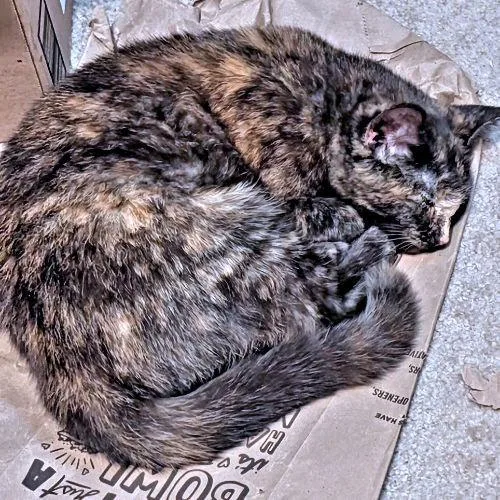
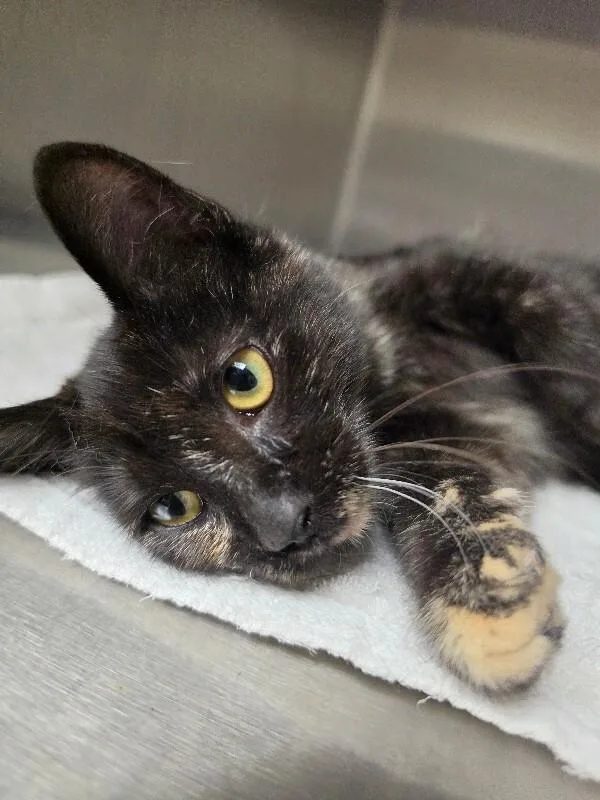
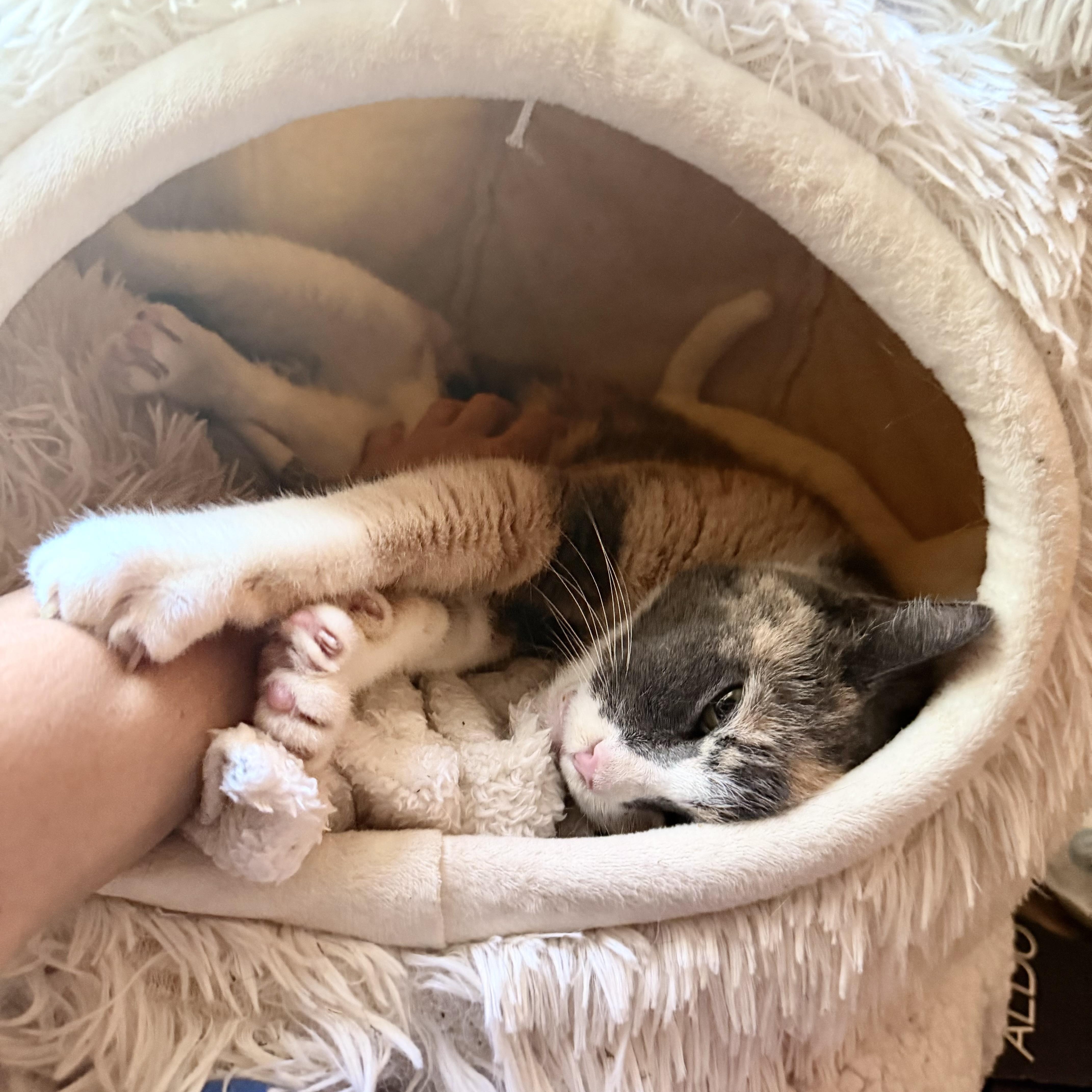
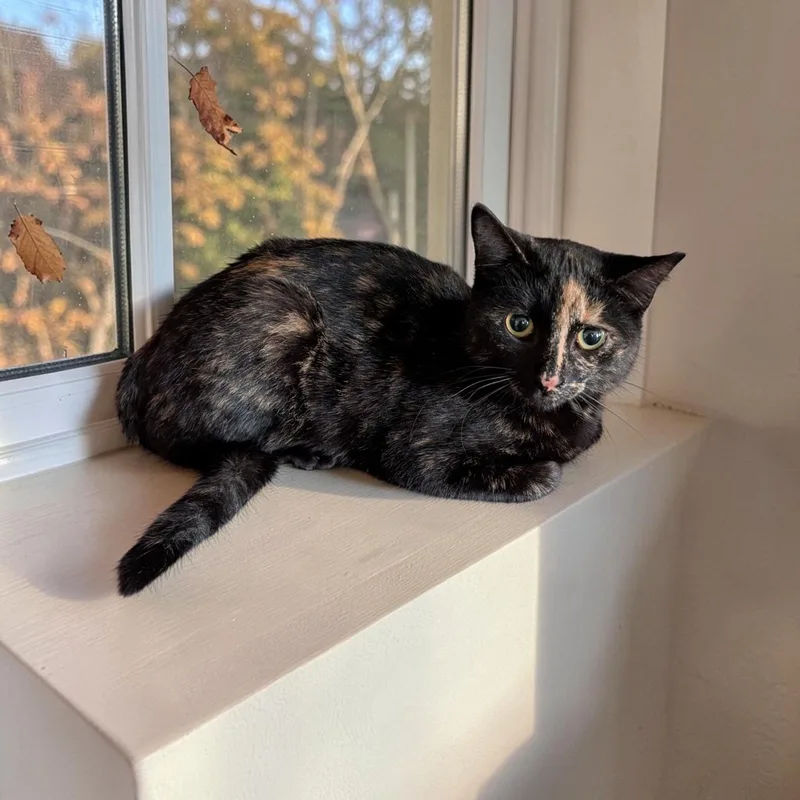
Tortoiseshell isn't a breed but a coat pattern: black-based and orange-based colors mixed in patches or a fine mottle, usually with little or no white. Cats with large white areas are called calicos, dilute torties look soft gray and cream, and torbies add tabby stripes. Because the orange gene sits on the X chromosome, nearly all torties are female.

Most torties in NYC homes are domestic shorthairs, though the pattern also shows up in Persians, Maine Coons, British Shorthairs and others. The famous "tortitude" is folklore more than science, and a cat's age, history and socialization say far more about personality than color does. In a city apartment, that means judging each cat by how it behaves: relaxed with noise, playful, or happy to nap on a windowsill.

Weight
6–14 lbs
Height
8–10 in
Lifespan
12–18 yrs
Temperament
Independent, Affectionate, Playful
Shedding
Moderate

Owning a Tortoiseshell in New York

Having a Tortoiseshell in NYC

Tortoiseshell describes a coat, not a breed, so these traits come from each cat's ancestry, age and upbringing. In NYC, what matters most is how a cat handles small spaces, street noise and a daily routine of play and window-watching.

Temperament

Torties have a reputation for sass, but the evidence linking coat color to behavior is thin and rests mostly on owner impressions. Expect the full range, from shy to bold and from cuddly to independent. In a busy building, a cat that stays calm through hallway noise and neighbors matters more than pattern.

Exercise Needs

Most torties do well with two short play sessions a day using wand toys, chase games and puzzle feeders. Kittens and young adults need more, seniors less. In a small NYC apartment, vertical space helps: a cat tree, shelf perches and a window seat turn a studio into a decent play area.

Health Considerations

The tortie coat carries no health risks for female cats, and the rare males usually have an extra X chromosome that can bring added issues. Otherwise, health follows breed and age. Plan on yearly vet exams, dental care and a healthy weight, which is easier to hold in an apartment with regular play.

Living Space

Tortoiseshells fit studios and houses alike, since space needs vary by cat, not coat. In NYC, a cat tree, a scratching post and a hiding spot cover most needs. Shy cats may prefer a quieter unit away from street noise, while bold, social ones often enjoy a busy household.

What it costs to own a Tortoiseshell in New York

ExpenseTypical costPer year
Adoption fee$150 to $300, one time$150 to $300 in year one
Food$25 to $50 per month$300 to $600
Pet insurance$20 to $45 per month$240 to $540
Routine vet care$150 to $350 per year$150 to $350
Other*$450 to $1,150 per year$450 to $1,150
Estimated yearly total (after year one)$1,140 to $2,640
First-year total (with adoption fee)$1,290 to $2,940

Adoption fee is the range of fees on Tortoiseshell listings in New York on GetBuddy today. Other costs are estimates and vary with size, age and health.

* Litter, flea and tick prevention, a yearly dental cleaning allowance, toys and supplies, and home grooming.

Adopt a Tortoiseshell in New York.

Now that you know more, let’s find you a new best friend. These rescues and shelters below currently have Tortoiseshells available.

Rescues in New York with Tortoiseshells Available

NYC's shelters and rescues care for cats of every coat and age across the five boroughs. Here are the rescues & shelters in the NYC area where you can find Tortoiseshells and other cats available for adoption.

Frequently Asked Questions

Yes, a Tortoiseshell can ride the New York subway or a bus as long as it's in a bag or other container carried so it doesn't annoy other riders. Choose a carrier your cat can turn around in, and cover it if the noise stresses your cat. On the Long Island Rail Road, the container must fit on your lap.

Yes, indoor Tortoiseshells handle New York winters fine, since the heat is on and they spend their time inside. Snow and freezing nights are common, with February the snowiest month. Bring any cat inside during cold weather, keep a warm bed handy, and wipe paws after any outdoor time to remove de-icing salt.

Yes, you can adopt a Tortoiseshell in NYC, and no breed-specific rules apply to cats here. Retail pet shops in New York State can no longer sell cats, so adoption is the main route anyway. Before committing, make sure your lease allows cats and plan for the rabies vaccination state law requires.

Yes, most Tortoiseshells do well in NYC apartments, studios included, because cats need vertical space and routine more than square footage. Add a cat tree, a window perch and a daily play session. Secure every window screen, since open windows on upper floors are a real fall risk, and consider a calmer unit for a shy cat.

It can be, depending on the cat. A tortie that stays relaxed around noise and visitors suits a busy building, while a shy one may prefer a calm home. Because tortoiseshell is a coat pattern, personality varies. Watch how a cat reacts to new sounds and handling, and think about your schedule for daily play.

Most Tortoiseshells are shorthairs and need a quick brush once or twice a week, more often during the heavier sheds in spring and fall. Longhaired torties need brushing several times a week. Grooming is mostly done at home, and the supplies are part of the yearly Other costs listed on this page.

A tortoiseshell cat is a cat with a coat pattern of black-based and orange-based colors blended or patched together, usually with little or no white. It is not a breed; the pattern appears in many breeds and most often in domestic shorthairs. Nearly all tortoiseshells are female because the genes for orange and black are carried on the X chromosome.

Almost all tortoiseshell cats are female, but not all. A female has two X chromosomes and can carry both orange and black color genes, producing the mixed coat. Males normally have only one X. Rare male torties usually have an extra X chromosome or are genetic chimeras, and they are estimated at roughly 1 in 3,000 tortoiseshells.

We have 5 rescues with Tortoiseshells available, including Ready For Rescue, Bronx Tails Cat Rescue and Miracles for Satos Rescue. You can see every rescue with Tortoiseshells available in the list above these questions, or scroll to the top to see the Tortoiseshells near New York.

Plan on roughly $1,100 to $2,600 a year for a tortie in NYC. Food runs $25–$50 a month and pet insurance $20–$45 a month, while routine vet care is $150–$350 a year. Other yearly costs, including litter, prevention and dental care, add $450–$1,150. Illness or emergencies can push the total higher.