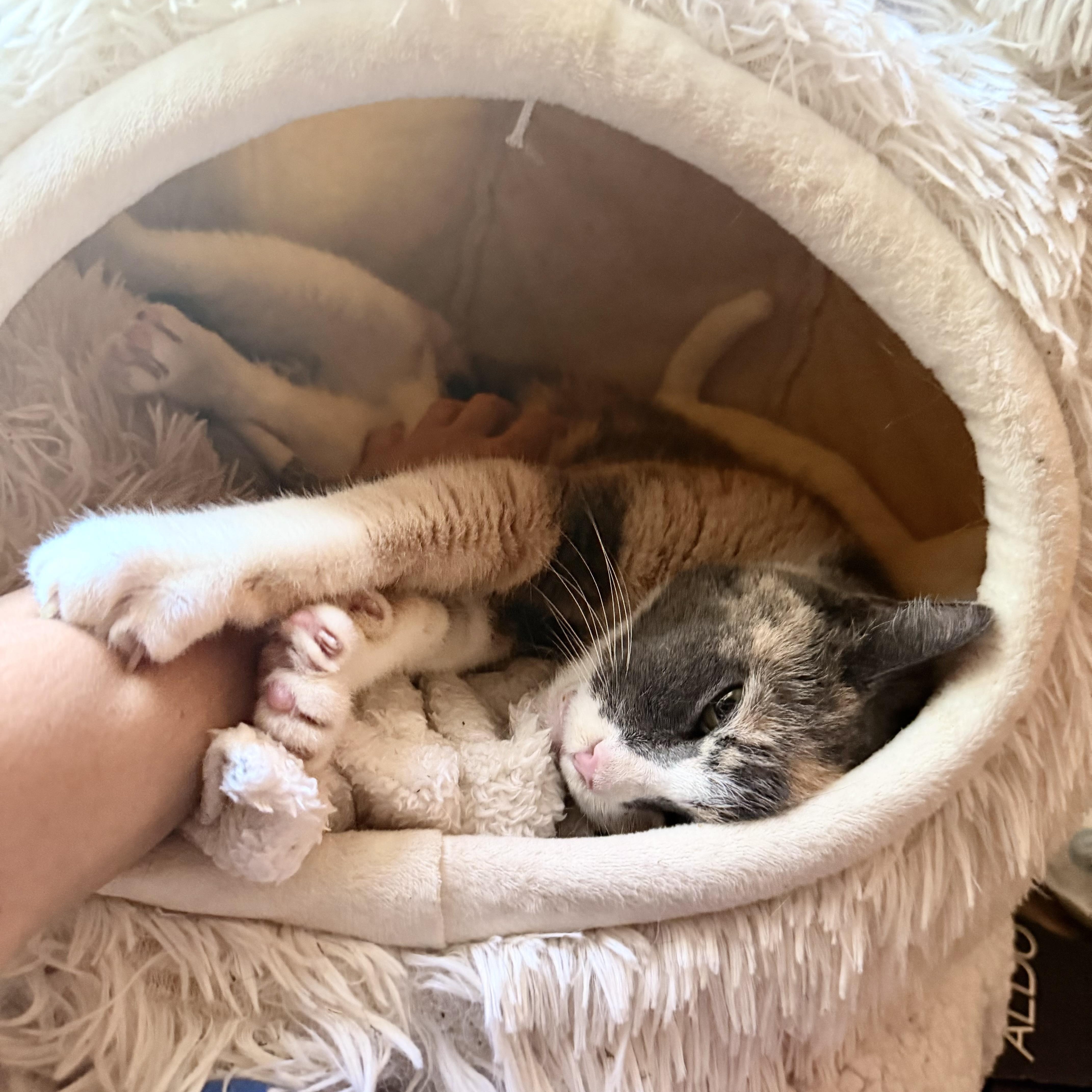
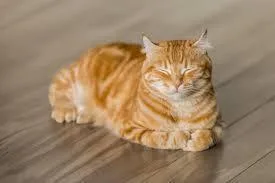
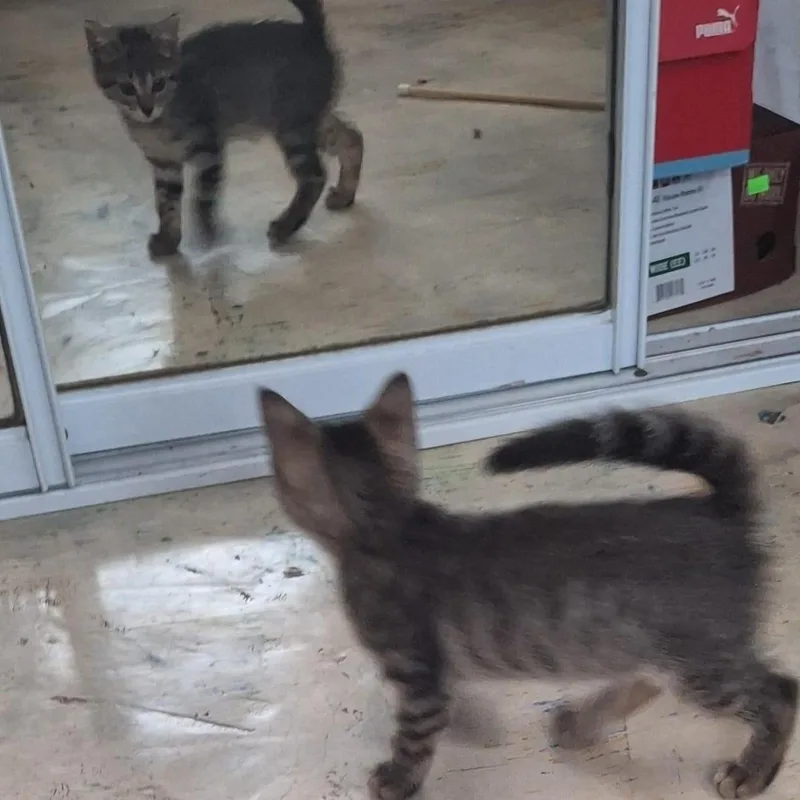
Tabby Cats for Adoption in New York, NY

Your guide to finding and caring for a Tabby in NYC

Tabbies suit NYC apartments because the pattern shows up on cats of every size, age and energy level. In a Jackson Heights prewar or a Park Slope walk-up, a Tabby can claim a window perch and watch the street for hours. A young, active one will still need a few short play sessions a day, since a one-bedroom doesn't offer much room to run. A tall cat tree and a wand toy matter more than square footage.

58 Tabbies available for adoption in New York

Find your Tabby

Tabbies Available for Adoption in New York

About the Tabby breed

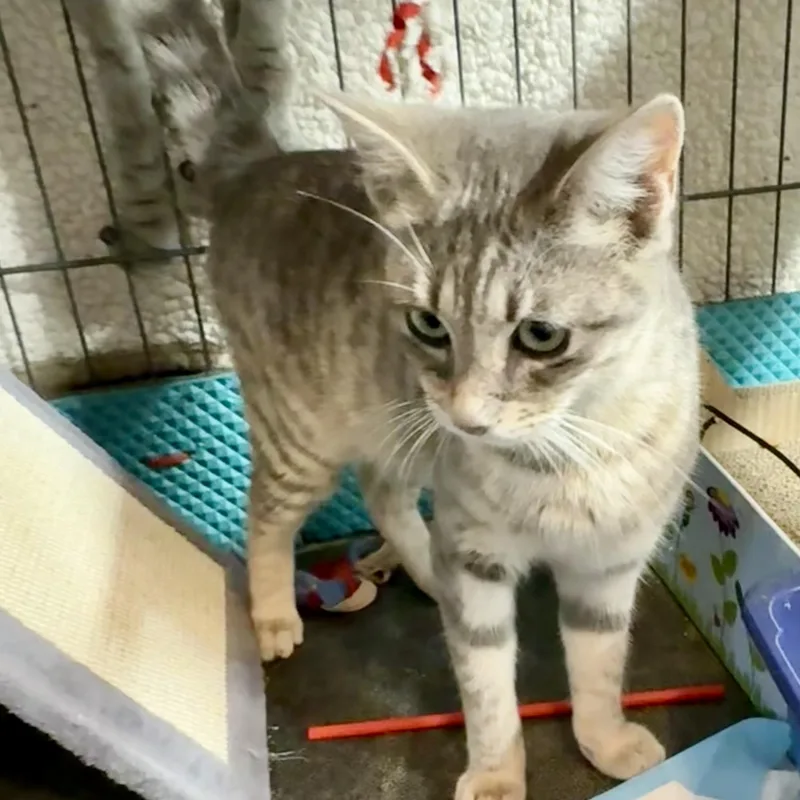
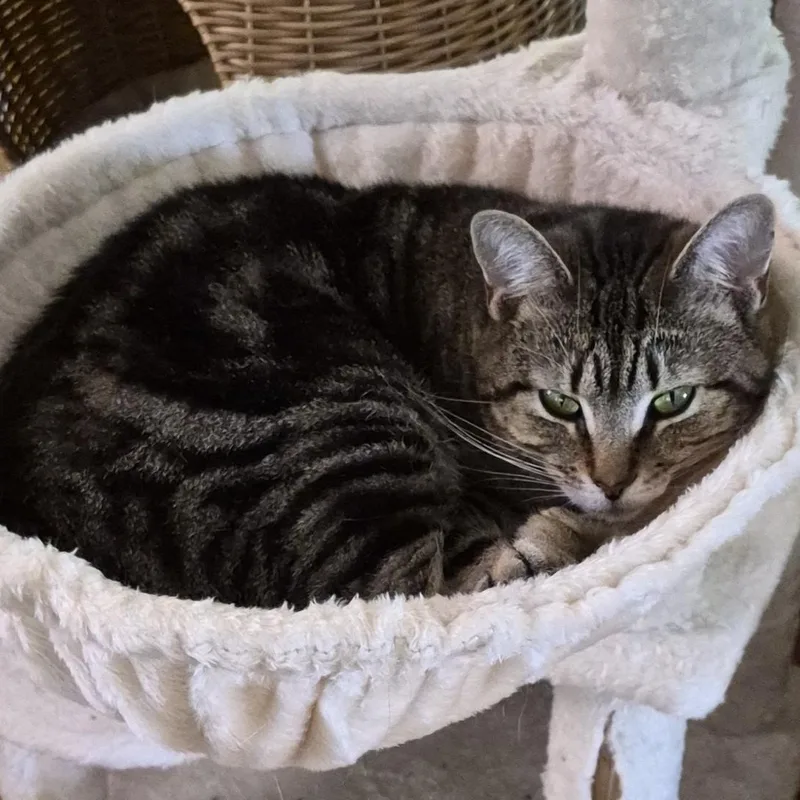
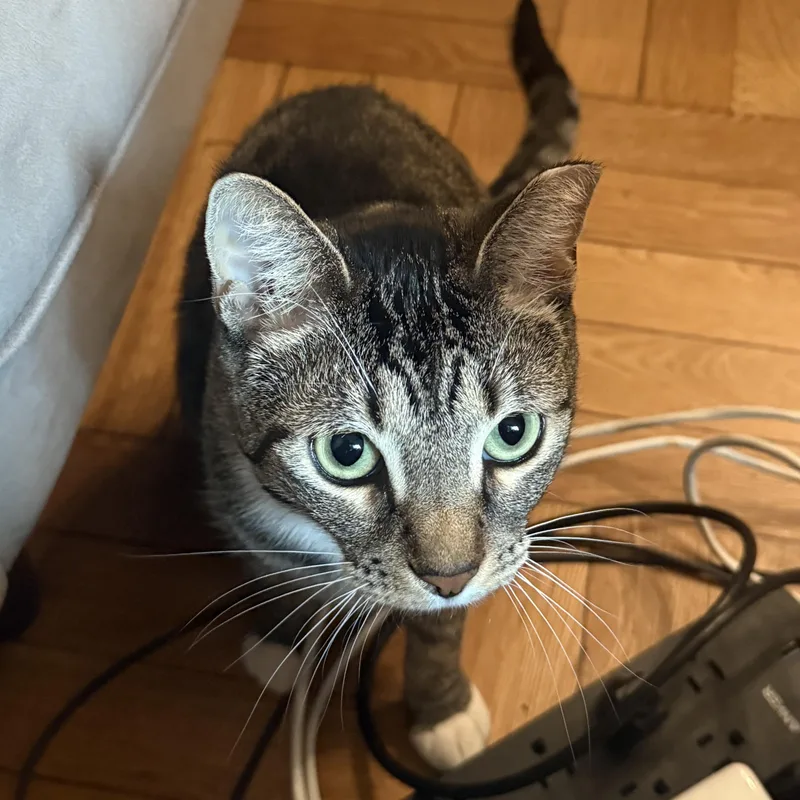
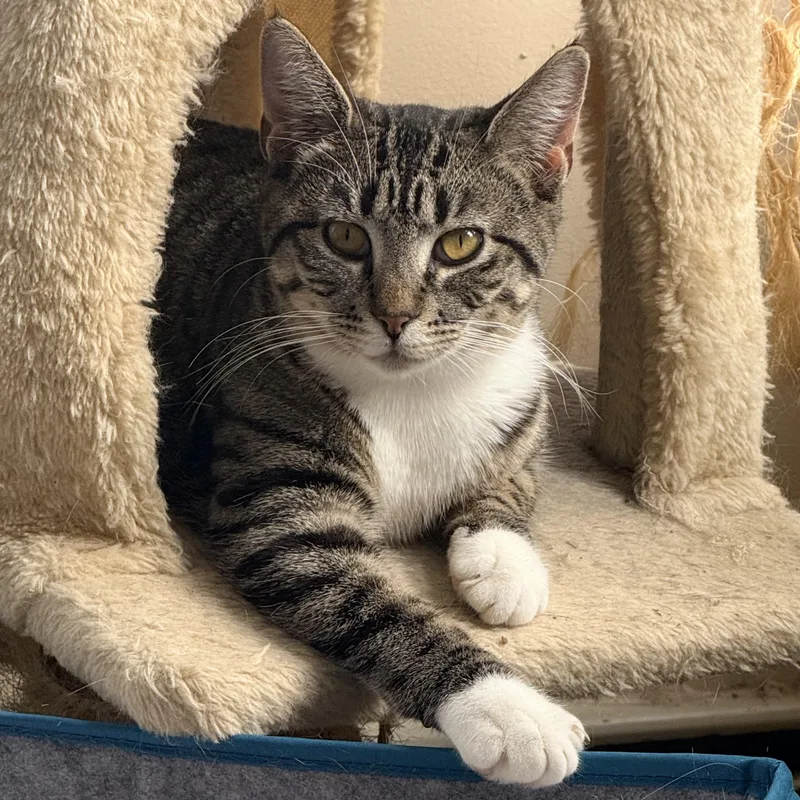
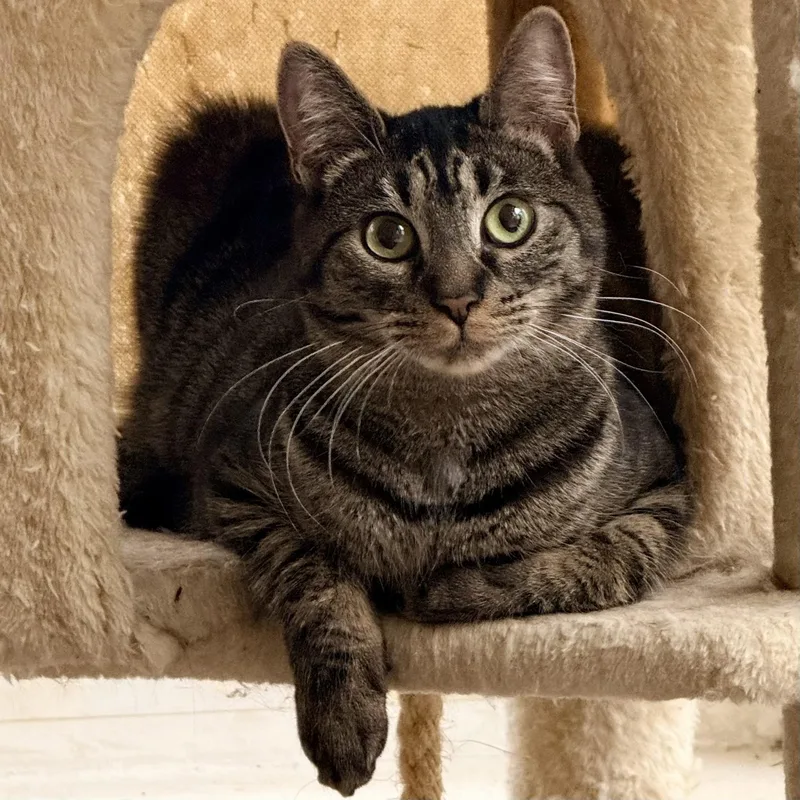
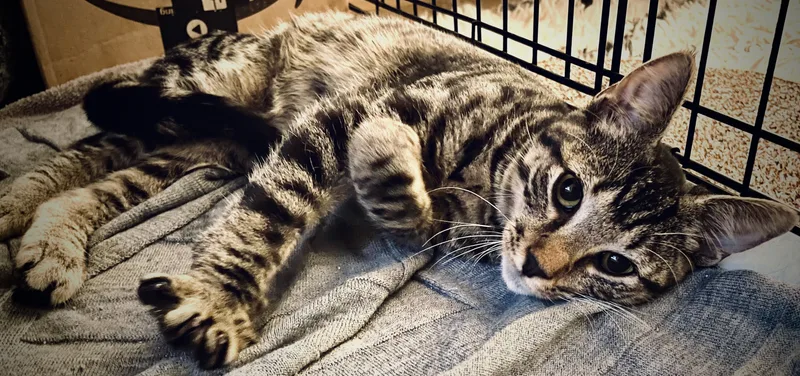
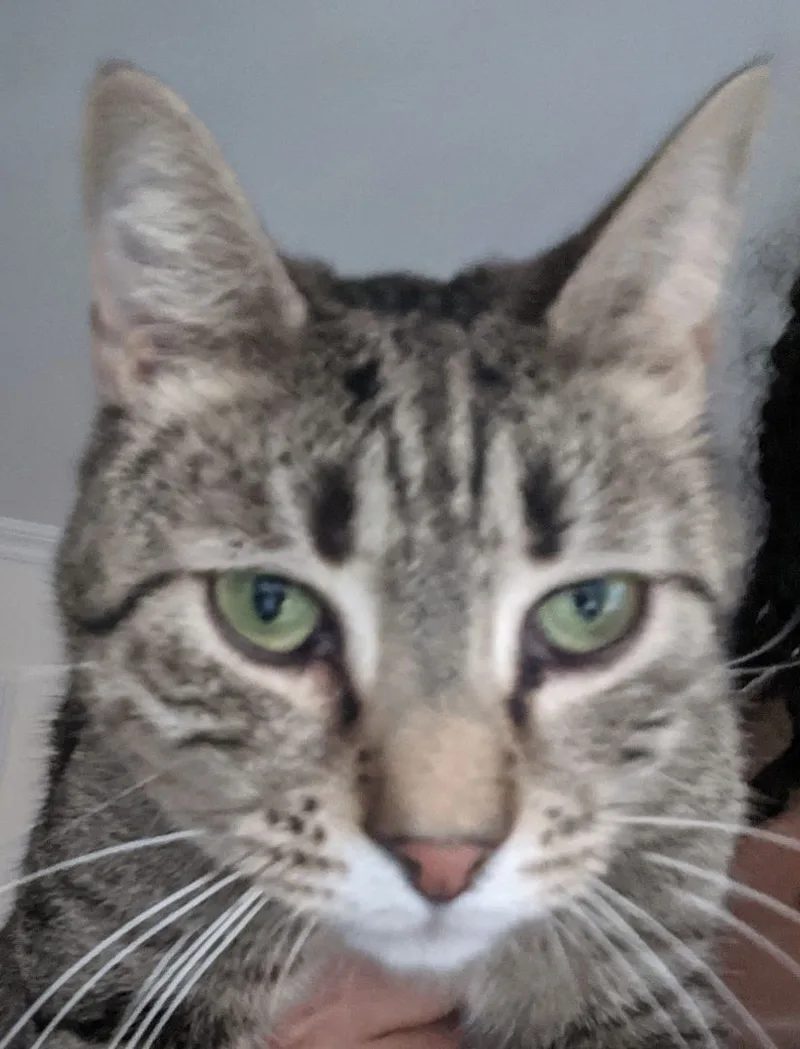
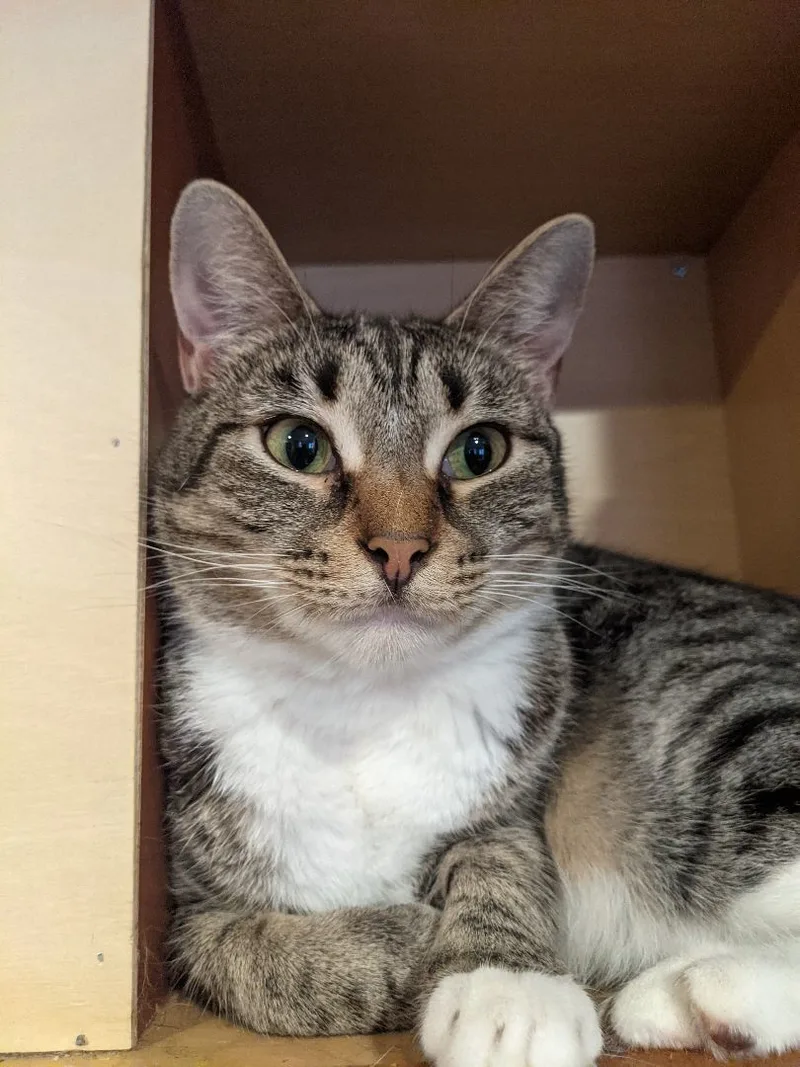
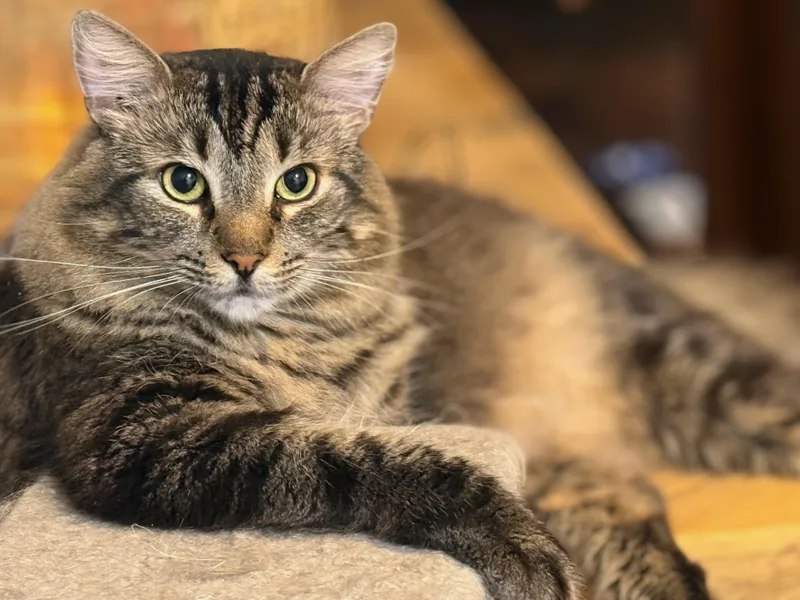
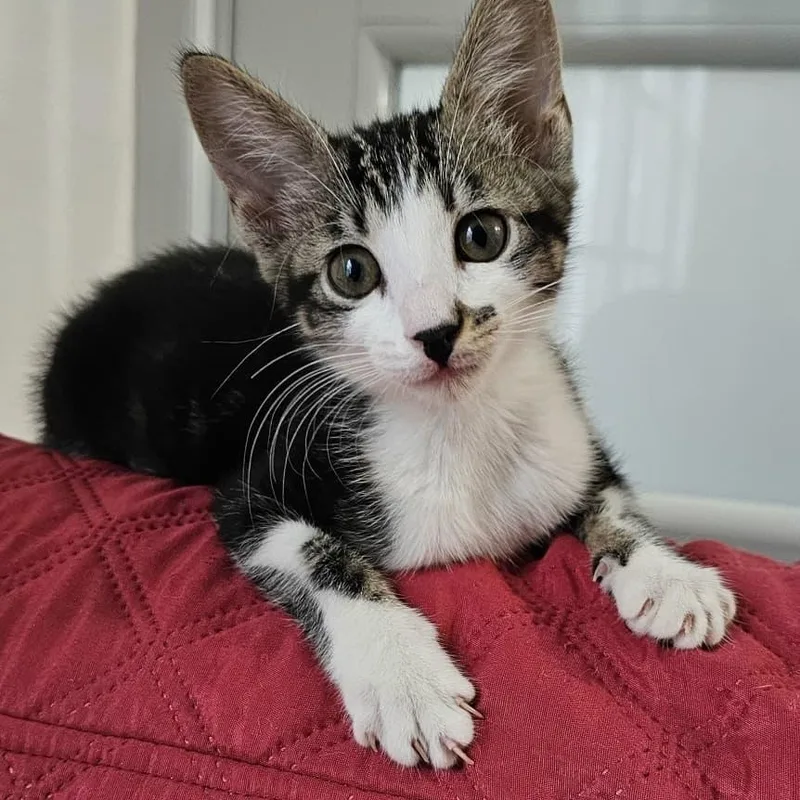
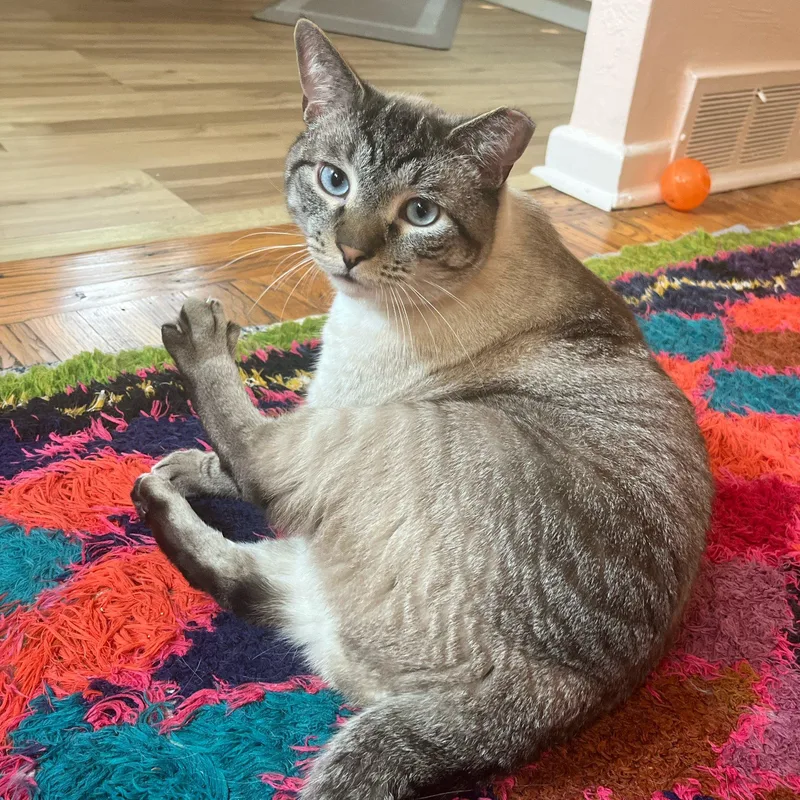
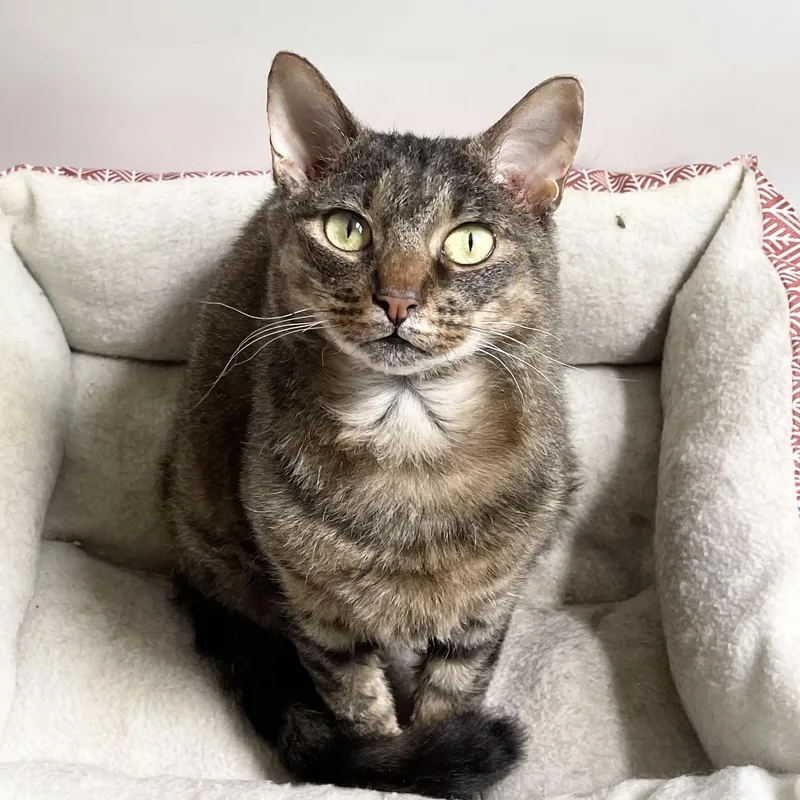
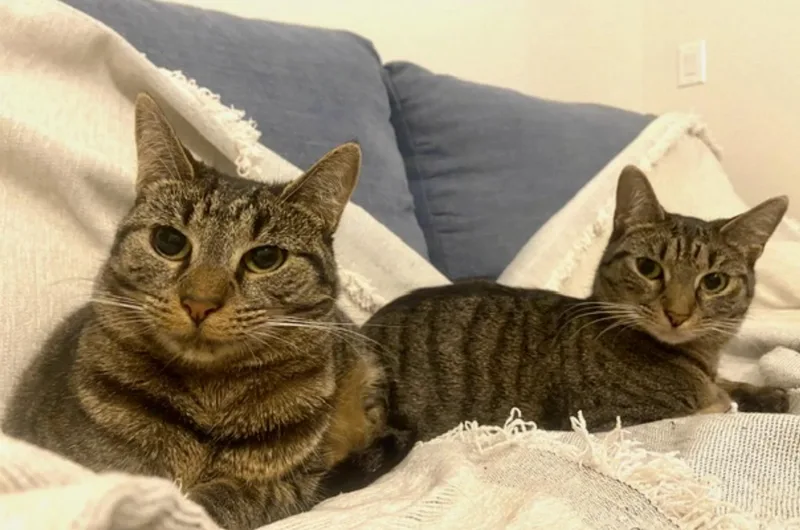
Tabby describes a coat pattern, not a breed. The M-shaped mark on the forehead plus stripes, swirls, spots or ticked hairs can appear on a domestic shorthair, a Maine Coon or an American Shorthair. Most Tabbies you'll meet are medium-sized domestic shorthairs, usually 6 to 14 pounds, and many live 12 to 18 years with good care.

Because the pattern says little about personality, a Tabby in a New York apartment might be a lap-seeker, a window-watcher or a shy cat who needs time. Shedding is moderate, and long-haired Tabbies need more brushing. Spend time with a cat before deciding, and think about how its energy, age and coat will fit your daily routine and your building.

Weight
6–14 lbs
Height
8–10 in
Lifespan
12–18 yrs
Temperament
Curious, Adaptable, Affectionate
Shedding
Moderate

Owning a Tabby in New York

Having a Tabby in NYC

A Tabby's traits depend on the cat's breed or mix, age and history, not the stripes. In NYC, energy level, comfort with noise and coat length usually matter most when picking a cat for an apartment.

Temperament

Tabbies range from outgoing to reserved, so don't assume. In a busy building with hallway noise, neighbors and sirens, a confident, adaptable cat tends to settle faster than a shy one. Spend time with a cat, and notice how it reacts to sudden sounds before you decide.

Exercise Needs

Most Tabbies need daily play that mimics hunting, such as wand toys, chasing and pouncing. In a small NYC apartment, vertical space does the work: cat trees, shelves and window perches. Younger cats usually want several short sessions a day, while older cats prefer gentler games.

Health Considerations

Coat pattern has no known effect on health. Risks follow the cat's age and breed or mix, and include obesity, dental disease and urinary problems, plus kidney disease and hyperthyroidism in seniors. Indoor apartment cats can gain weight, so measured meals, play and yearly wellness exams help. A vet can check anything that worries you.

Living Space

Tabbies generally do well in apartments of any size if they have places to climb, scratch, hide and look outside. In NYC homes, a window perch, a tall scratcher and a litter box away from the kitchen make a big difference. A long-haired Tabby needs extra grooming room and time.

What it costs to own a Tabby in New York

ExpenseTypical costPer year
Adoption fee$150 to $400, one time$150 to $400 in year one
Food$25 to $50 per month$300 to $600
Pet insurance$20 to $45 per month$240 to $540
Routine vet care$150 to $350 per year$150 to $350
Other*$450 to $1,150 per year$450 to $1,150
Estimated yearly total (after year one)$1,140 to $2,640
First-year total (with adoption fee)$1,290 to $3,040

Adoption fee is the range of fees on Tabby listings in New York on GetBuddy today. Other costs are estimates and vary with size, age and health.

* Litter, flea prevention, a dental cleaning allowance, toys, scratchers and bedding, and occasional grooming.

Adopt a Tabby in New York.

Now that you know more, let’s find you a new best friend. These rescues and shelters below currently have Tabbies available.

Rescues in New York with Tabbies Available

New York's shelters and rescues care for cats of every coat and age, and the listings below change often. Here are the rescues & shelters in the NYC area where you can find Tabbies and other cats available for adoption.

Frequently Asked Questions

Yes, as long as your Tabby is enclosed in a bag or carrier. NYC Transit rules require pets on the subway and buses to be in a container and carried in a way that doesn't bother other riders. Choose a sturdy, ventilated carrier and keep your cat inside it for the whole ride. Service animals are exempt.

Yes. NYC has no breed-specific rules, and the Tabby pattern isn't a breed anyway. The city licenses dogs only, so there's no cat license, but New York State requires rabies vaccination. Your main hurdle is housing: check your lease or co-op rules for pet clauses, and keep records of vaccinations.

Yes, because Tabbies live comfortably indoors through NYC winters, which average 30 to 42°F with about 67 freezing nights. Keep your cat inside, offer a spot away from hot radiators, and wipe its paws if it has walked on sidewalks treated with ice-melting chemicals, since those can make pets sick.

Yes, most Tabbies adapt well to apartments, including small ones. Give your cat a window perch, a tall scratcher, a hiding spot and daily play to burn off energy. Use snug screens on windows, and consider a quieter room if your building is noisy. A shy cat may need extra settling-in time.

Often, yes, though it depends on the cat. Choose a cat whose energy, age and comfort with noise match your home, since a confident, adaptable cat usually handles elevators, neighbors and sirens best. Plan for play, vertical space and a lease that allows pets before you commit.

Most Tabbies are shorthairs that need a weekly brush, more during seasonal shedding in spring and fall. Long-haired Tabbies need brushing several times a week to prevent mats. Dry radiator heat in winter can make coats flaky. Occasional grooming is already counted in the Other cost line, so you shouldn't need much more.

A tabby cat is any cat with a tabby coat pattern, meaning stripes, swirls, spots or ticked hairs plus a distinctive M-shaped marking on the forehead. Tabby is not a breed. The pattern appears in domestic shorthairs and longhairs as well as many pedigreed breeds, such as the American Shorthair, Maine Coon and Abyssinian, and it is one of the most common cat patterns.

A tabby cat isn't any one breed, because tabby is a coat pattern. Cats with the pattern include shelter domestic shorthairs and longhairs as well as breeds such as the American Shorthair, Maine Coon, Bengal and Abyssinian. Most tabbies available for adoption are mixed-breed domestic cats, so browse the cats listed here and look at each one's age and personality.

We have 9 rescues with Tabbies available, including Bronx Tails Cat Rescue, NYC Animal Rescue Girls (NYCARG) and Paul the Cat Guy Inc. You can see every rescue with Tabbies available in the list above these questions, or scroll to the top to see the Tabbies in New York.

A Tabby typically costs about $25–$50 a month for food and $20–$45 for optional insurance. Routine vet care runs roughly $150–$350 a year, and other costs such as litter, flea prevention, dental care and supplies add $450–$1,150. NYC doesn't license cats, so there's no city fee. Size and coat length move costs within these ranges.