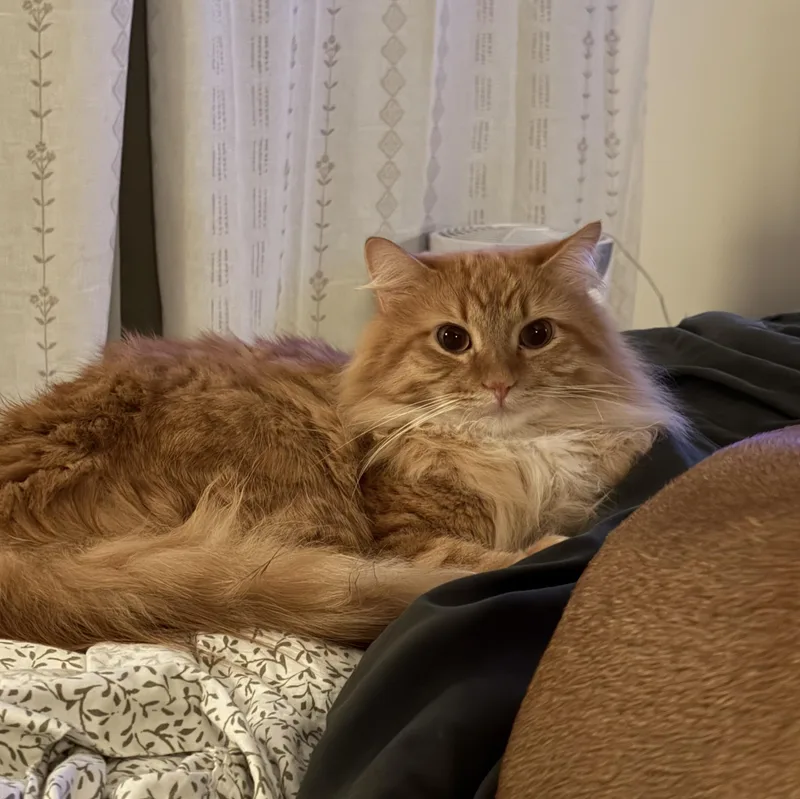
Tabby Cats for Adoption in Plymouth, MN

Your guide to finding and caring for a Tabby in Plymouth

A Tabby fits easily into Plymouth's townhomes and detached houses, since most of the city is built that way. Because tabby is a coat pattern rather than a breed, cats range from lap sitters to restless climbers, so pick one whose energy matches your routine. A perch facing the Northwest Greenway or a backyard gives an indoor cat plenty to watch, and an apartment near City Center works too. January days often stay below freezing, which makes play sessions matter.

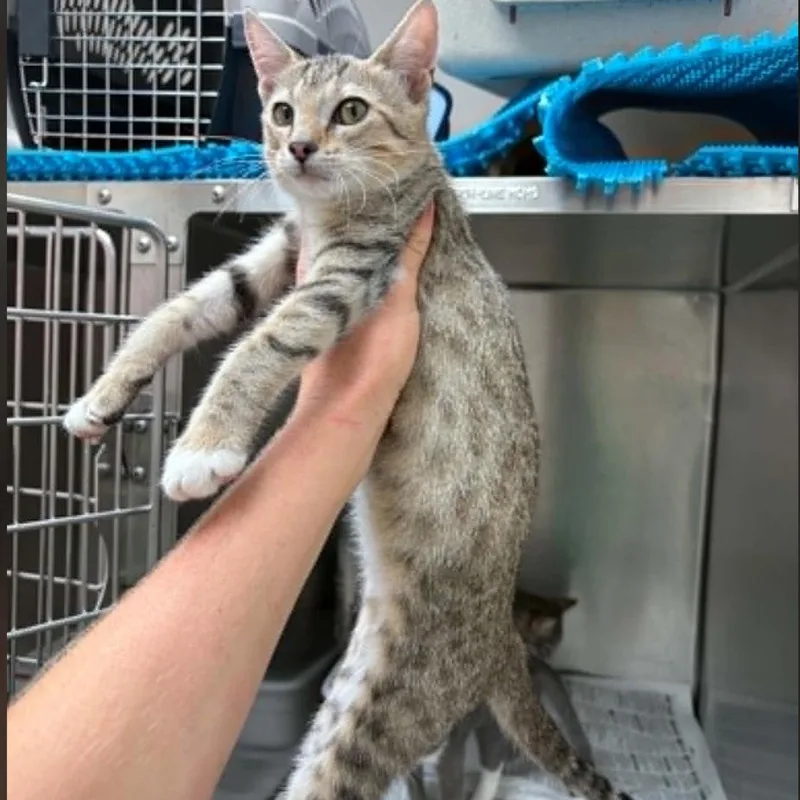
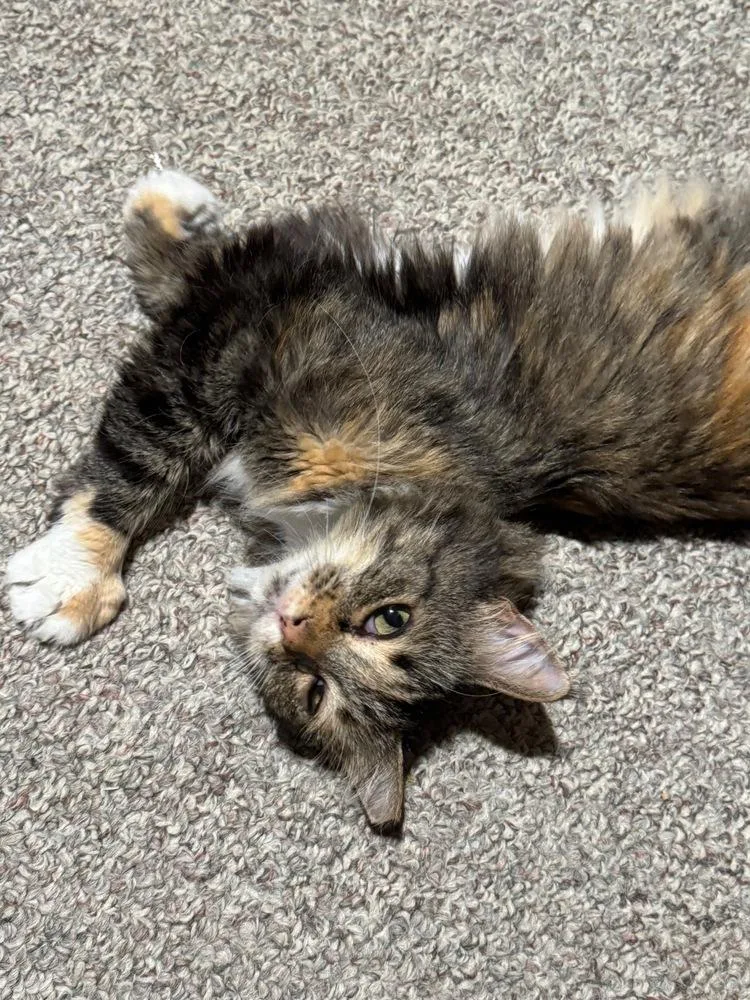
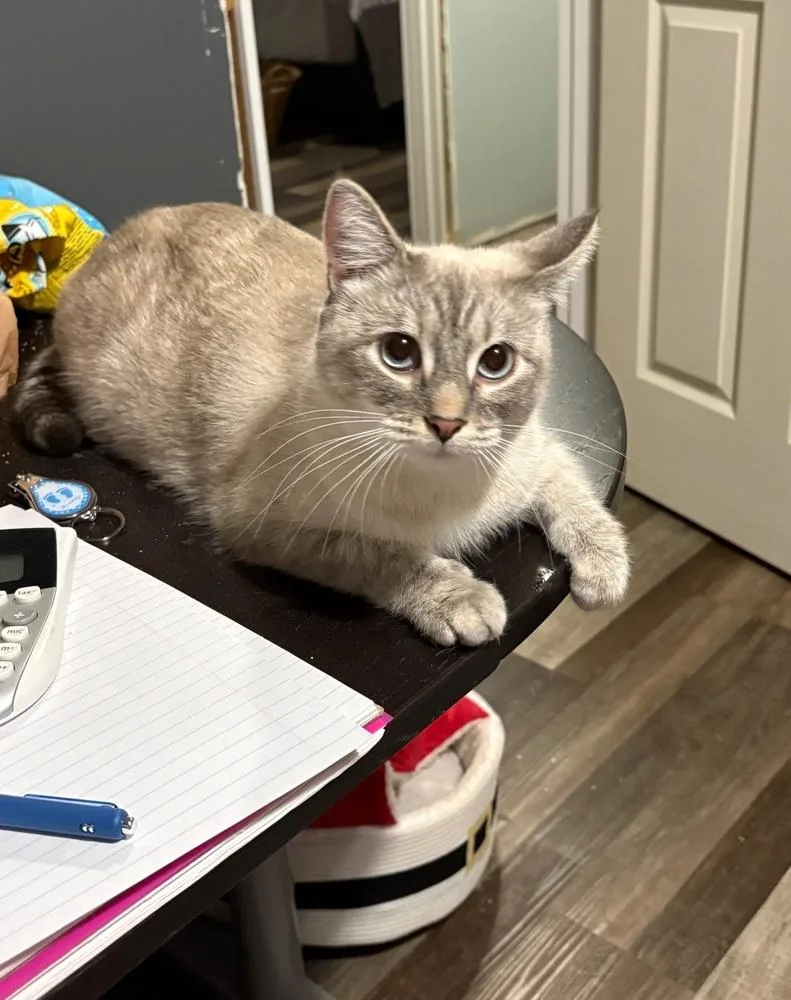
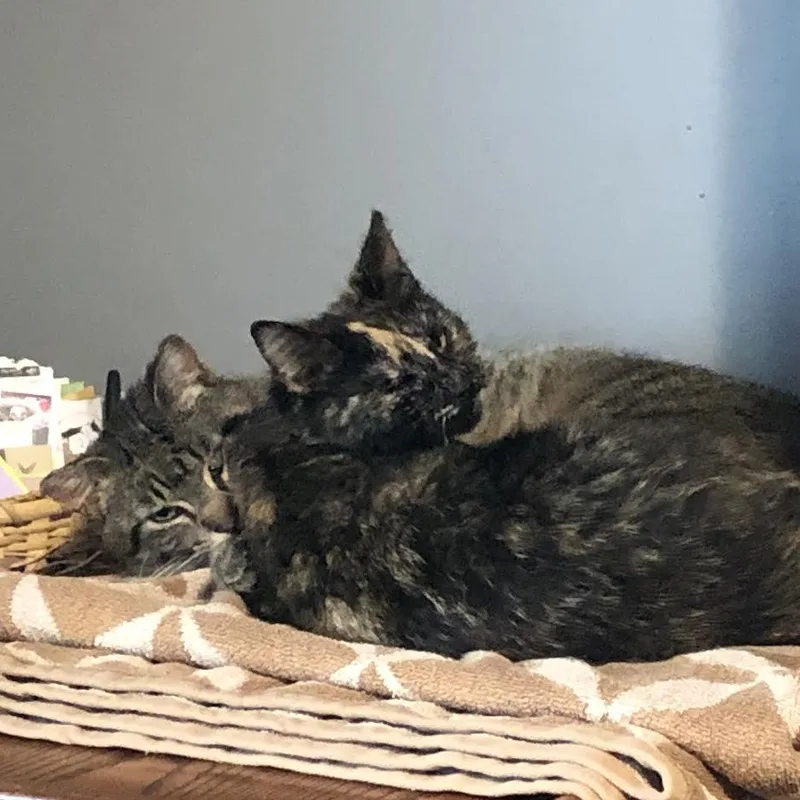
15 Tabbies available for adoption in Plymouth

Find your Tabby

Tabbies Available for Adoption in Plymouth

About the Tabby breed

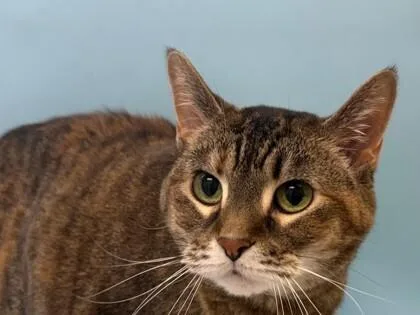
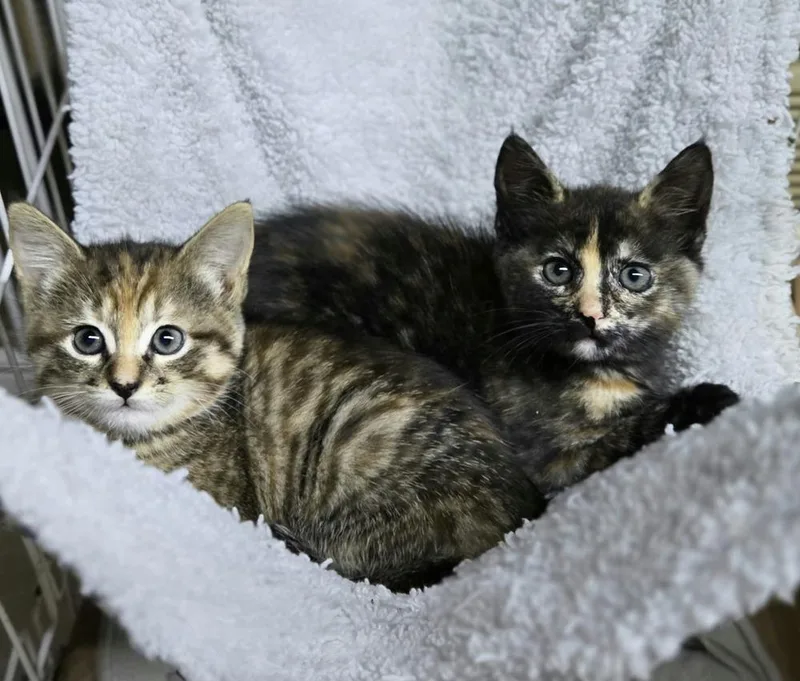
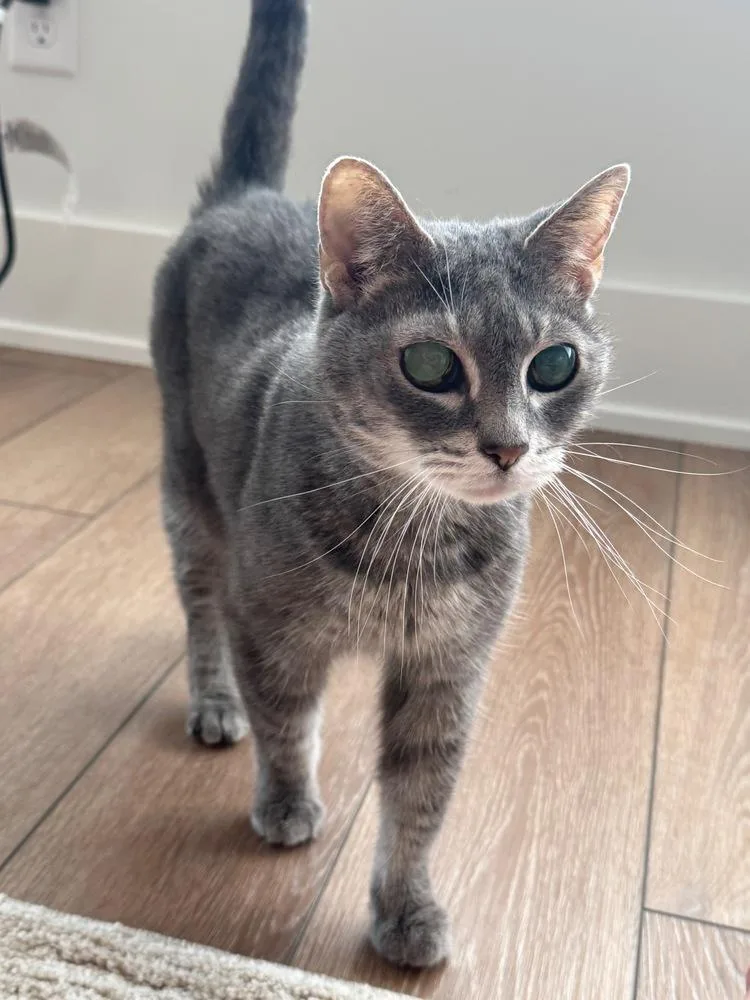
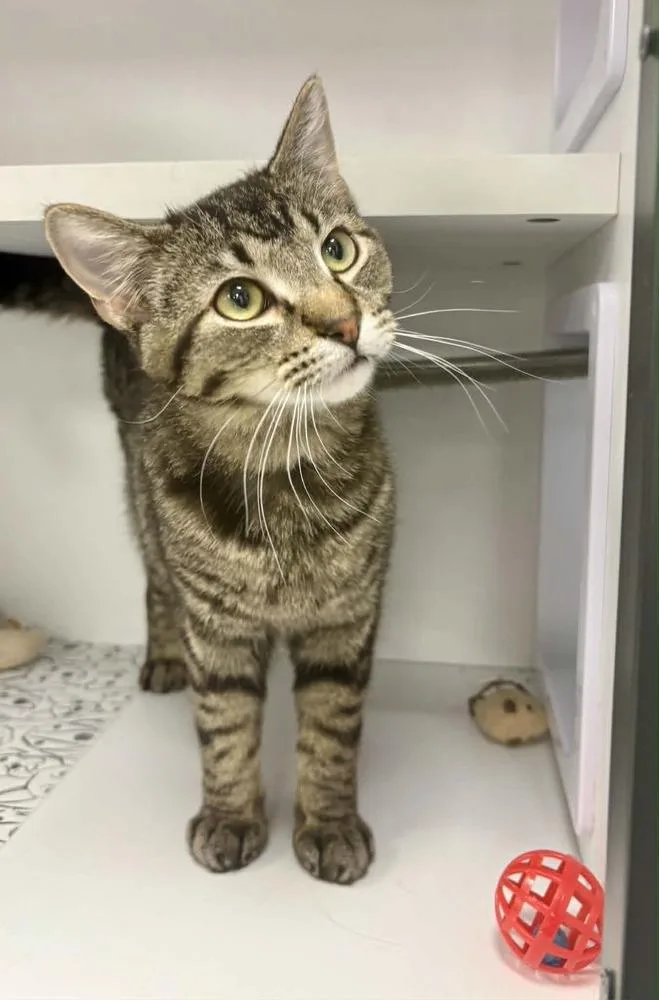
Tabby describes a coat pattern, not a breed. Cats with the M-shaped mark on the forehead and stripes, swirls, spots or ticked hairs all count, and most tabbies waiting for homes are medium-sized domestic shorthairs, usually 6 to 14 pounds. Colors run from brown and orange to gray, silver and cream.

Personality isn't tied to the stripes, so tabbies in Plymouth range from outgoing to reserved. Spend time with a cat before deciding, and think about how it will handle your household: kids, other pets, the shared walls of a townhome. Plymouth's long cold season means most tabbies here live indoors, which suits their health and keeps them away from the coyotes the state DNR says are increasing in the metro.

Weight
6–14 lbs
Height
8–10 in
Lifespan
12–18 yrs
Temperament
Curious, Adaptable, Affectionate
Shedding
Moderate

Owning a Tabby in Plymouth

Having a Tabby in Plymouth

A tabby's traits come from its breed or mix, age and history, not its stripes. In Plymouth, watch how a cat handles indoor life through long winters, and weigh energy, coat length and health when choosing.

Temperament

Tabbies span the full range of feline personalities, from chatty lap cats to quiet observers. Many are curious and adaptable, which helps in a busy Plymouth household with kids or a dog. Time spent with a cat shows more than its coat does, so notice how it reacts to handling, noise and new spaces.

Exercise Needs

Plan on daily play that mimics hunting: wand toys, pouncing and chasing. With winter days often below freezing, a cat tree by a window and a few short play sessions keep indoor tabbies active. Kittens and young adults want several bursts a day, while seniors do well with gentler games.

Health Considerations

Coat pattern doesn't affect health; a tabby's risks follow its mix, age and lifestyle. Obesity, dental disease and urinary problems are common in cats, and older cats face kidney disease and hyperthyroidism. Annual exams, a healthy weight, and flea and tick prevention your vet recommends are sensible around Plymouth's wooded areas.

Living Space

Tabbies generally adapt to Plymouth's townhomes, apartments and detached houses as long as they have places to climb, scratch, hide and look outside. Offer a litter box on each level of the home, a quiet retreat and a window perch. A long-haired tabby needs a bit more grooming time than a shorthair.

What it costs to own a Tabby in Plymouth

ExpenseTypical costPer year
Adoption fee$49 to $275, one time$49 to $275 in year one
Food$25 to $50 per month$300 to $600
Pet insurance$20 to $45 per month$240 to $540
Routine vet care$150 to $350 per year$150 to $350
Other*$450 to $1,150 per year$450 to $1,150
Estimated yearly total (after year one)$1,140 to $2,640
First-year total (with adoption fee)$1,189 to $2,915

Adoption fee is the range of fees on Tabby listings in Plymouth on GetBuddy today. Other costs are estimates and vary with size, age and health.

* Litter, flea and tick prevention, a dental cleaning allowance, toys, scratchers and bedding, and occasional grooming.

Adopt a Tabby in Plymouth.

Now that you know more, let’s find you a new best friend. These rescues and shelters below currently have Tabbies available.

Rescues in Plymouth with Tabbies Available

Plymouth has no city shelter, so adoptable cats here come from shelters and rescues across the west Twin Cities metro. Here are the rescues & shelters in the Plymouth area where you can find Tabbies and other cats available for adoption.

Frequently Asked Questions

Yes. Tabby is only a coat pattern, and Plymouth doesn't license cats. Every cat must wear identification, either a microchip or a tag with your phone number or address, and be vaccinated against rabies. A household can have four dogs and cats combined, with no more than two dogs, before a multiple animal license is needed.

Yes, as indoor cats. Plymouth winters bring about 73 days that never rise above freezing and about 23 nights below zero, so Tabbies do best inside with warm bedding, a sunny perch and daily play. Outdoor time is risky in that cold, and Minnesota law bars leaving a cat in a parked car where it endangers the cat.

Only in a carrier. Plymouth Metrolink lets pets ride if there's room on the vehicle and the animal is properly caged, and Metro Transit also requires a carrier. Plymouth has no subway or rail. Choose a secure, ventilated carrier your Tabby is comfortable in, and keep it on your lap or the floor, not a seat.

Yes. Most Tabbies do well in apartments when they have vertical space, a window perch, scratchers and daily play. Plymouth's larger apartment complexes hold most of its rentals, so read the lease for pet deposits, monthly pet rent and any limit on cats before you sign.

Often, yes, if you're happy keeping a cat indoors. Plymouth's long, snowy winters suit cats who enjoy play and lap time, and its townhomes and houses leave room for climbing spaces. Because tabby is only a coat pattern, judge a cat's energy, sociability and coat length rather than its stripes.

Most Tabbies are shorthairs and need brushing about once a week, a little more during spring and fall shedding. Dry heated indoor air in winter can irritate skin, so keep brushing regular. Long-haired Tabbies need brushing several times a week to prevent mats. Occasional professional grooming fits within the Other costs of $450–$1,150 a year.

A tabby cat is any cat with a tabby coat pattern, meaning stripes, swirls, spots or ticked hairs plus a distinctive M-shaped marking on the forehead. Tabby is not a breed. The pattern appears in domestic shorthairs and longhairs as well as many pedigreed breeds, such as the American Shorthair, Maine Coon and Abyssinian, and it is one of the most common cat patterns.

A tabby cat isn't any one breed, because tabby is a coat pattern. Cats with the pattern include shelter domestic shorthairs and longhairs as well as breeds such as the American Shorthair, Maine Coon, Bengal and Abyssinian. Most tabbies available for adoption are mixed-breed domestic cats, so browse the cats listed here and look at each one's age and personality.

We have 1 rescue with Tabbies available: The Rescue Crew. You can see every rescue with Tabbies available in the list above these questions, or scroll to the top to see the Tabbies in Plymouth.

Expect roughly $25–$50 a month for food, $20–$45 a month for insurance, $150–$350 a year for routine vet care, and $450–$1,150 a year for other costs such as litter, dental care and flea prevention. That adds up to about $1,140–$2,640 a year, before emergencies. Plymouth charges no pet license.