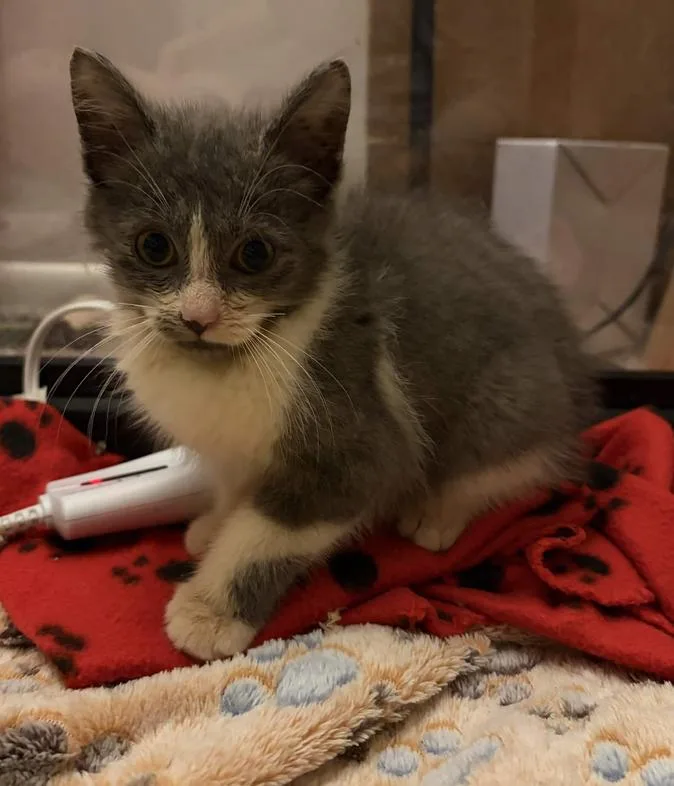
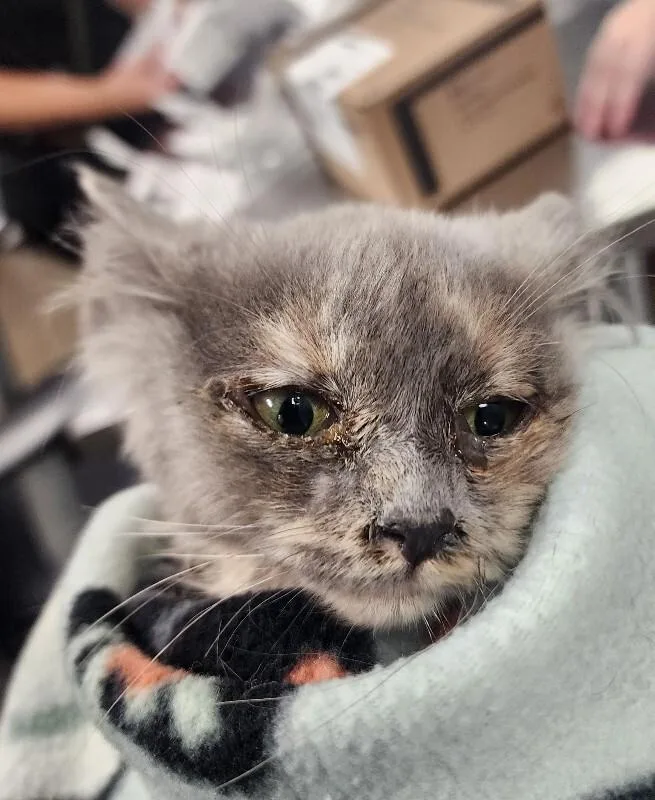
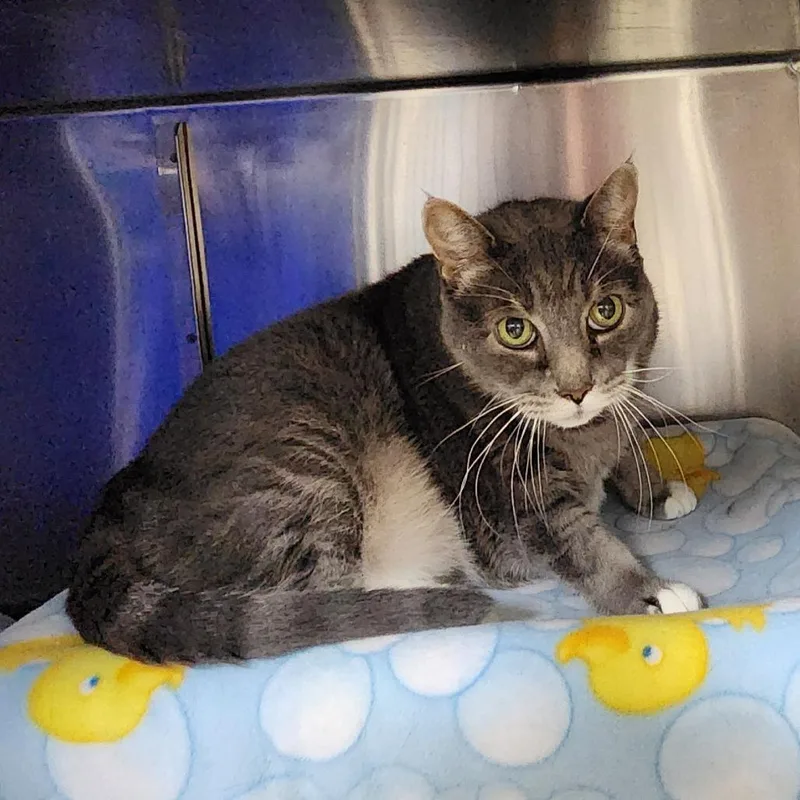
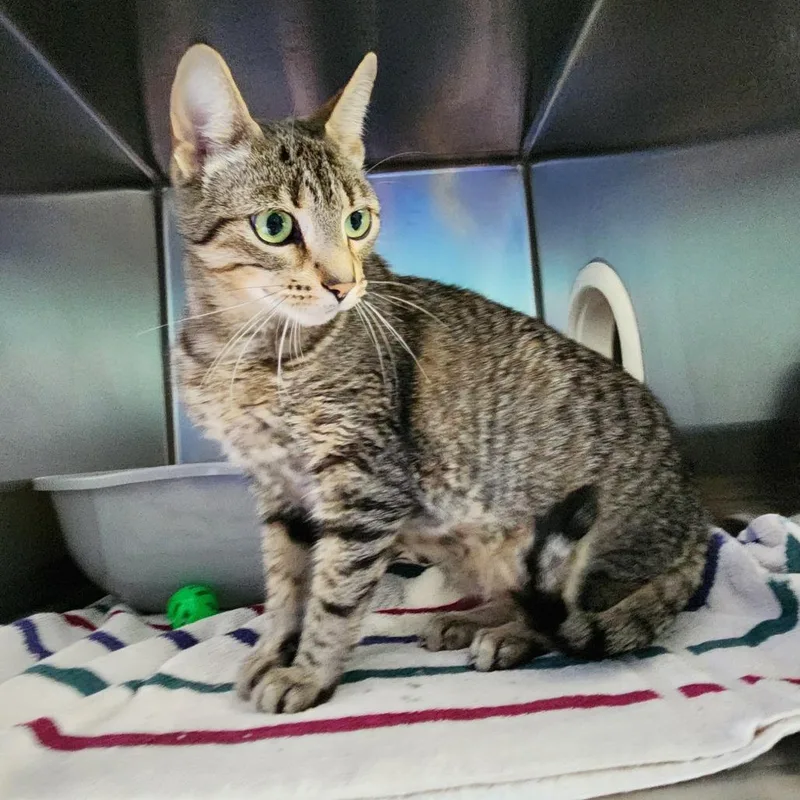
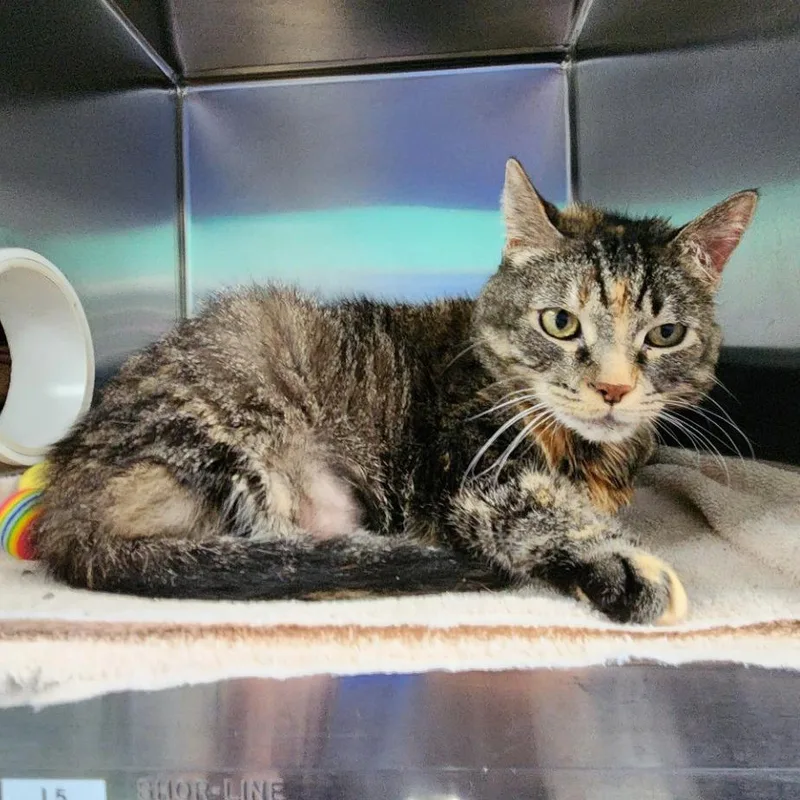
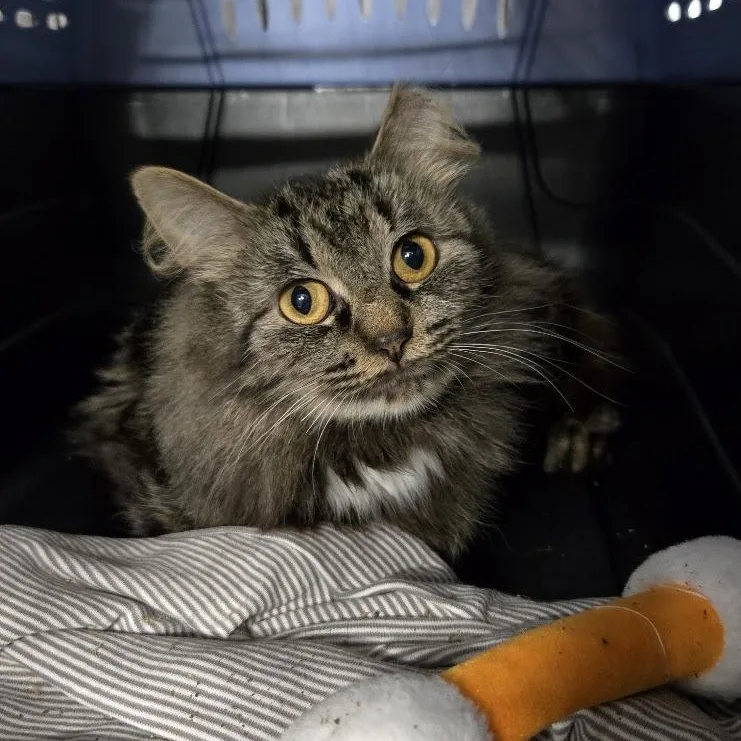
Tortoiseshell Cats for Adoption in Grand Rapids, MI

Your guide to finding and caring for a Tortoiseshell in Grand Rapids

Tortoiseshell cats do well in the bungalows and Foursquares of Creston, and just as well in a Bridge Street apartment on the West Side. Tortoiseshell is a coat pattern rather than a breed, so you'll meet everything from shy lap cats to bold troublemakers. What they share in Grand Rapids is a long indoor winter, which makes a sunny window perch and a good wand toy close to essential. Nearly all torties are female, and most are domestic shorthairs.

1043 Tortoiseshells available in Grand Rapids and nationwide

Your Tortoiseshell is waiting

While we don't have enough cats near Grand Rapids, keep in mind that many rescues may offer transport.

Tortoiseshells Available for Adoption Near Grand Rapids

About the Tortoiseshell breed

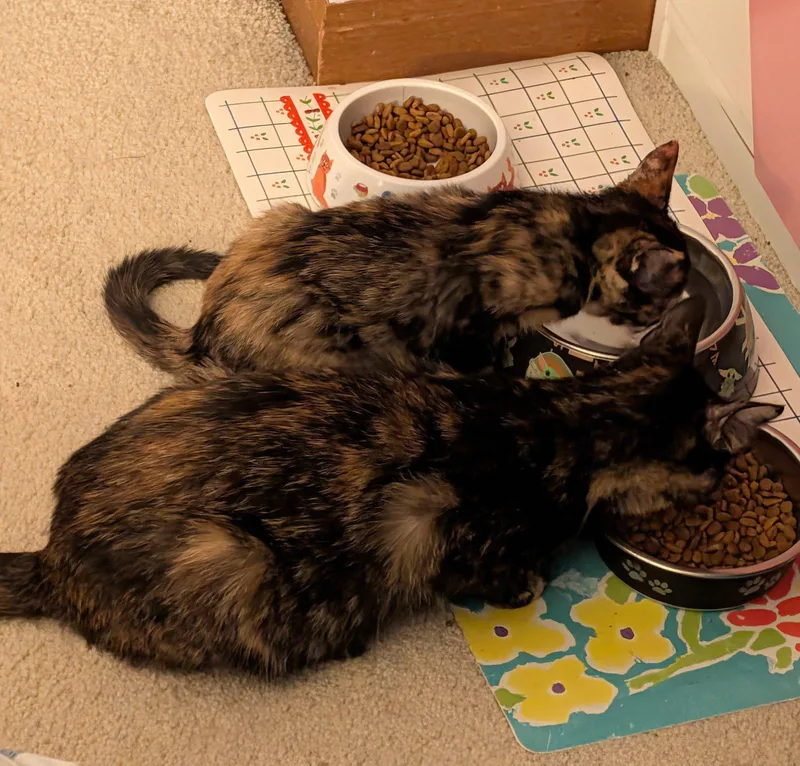
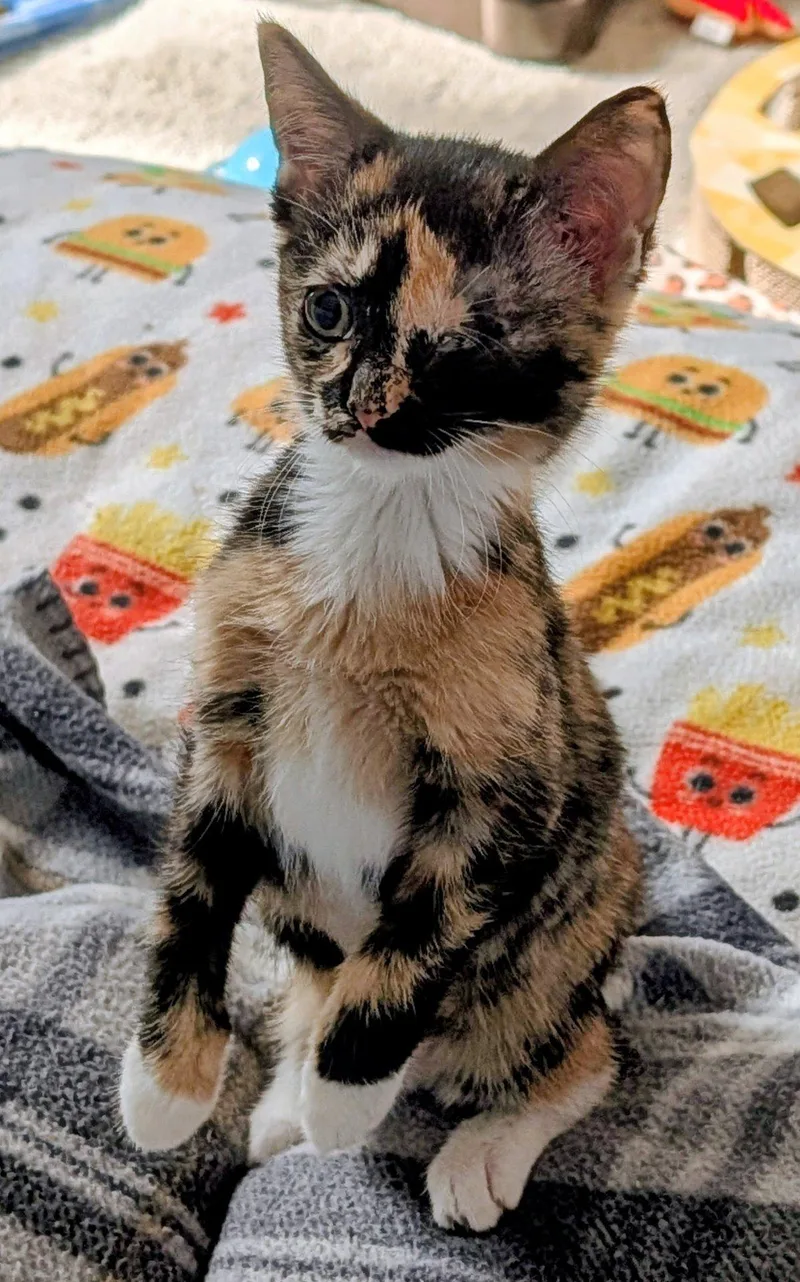
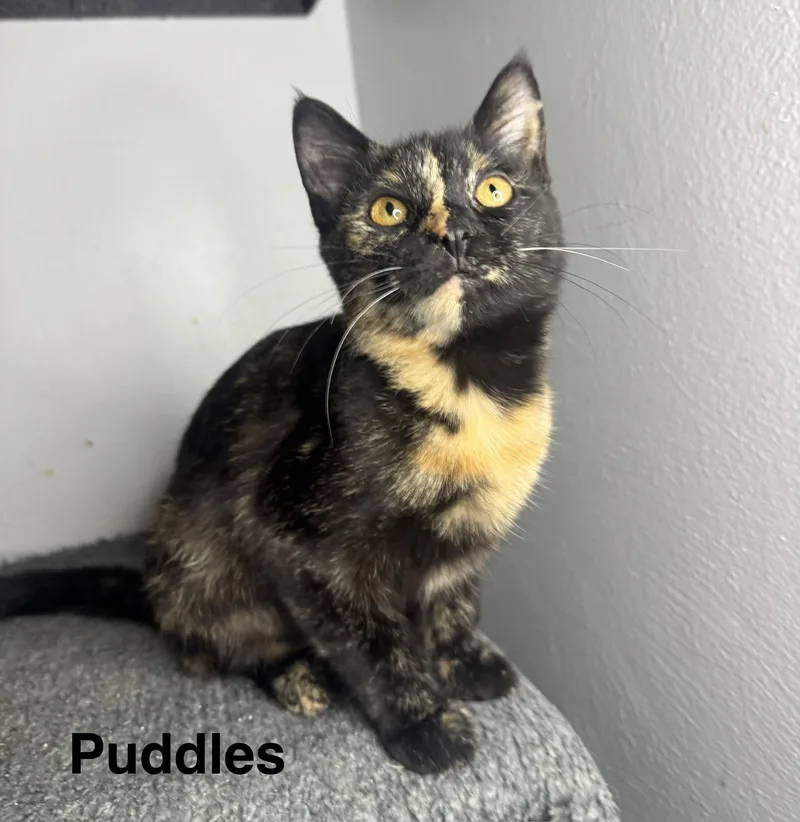
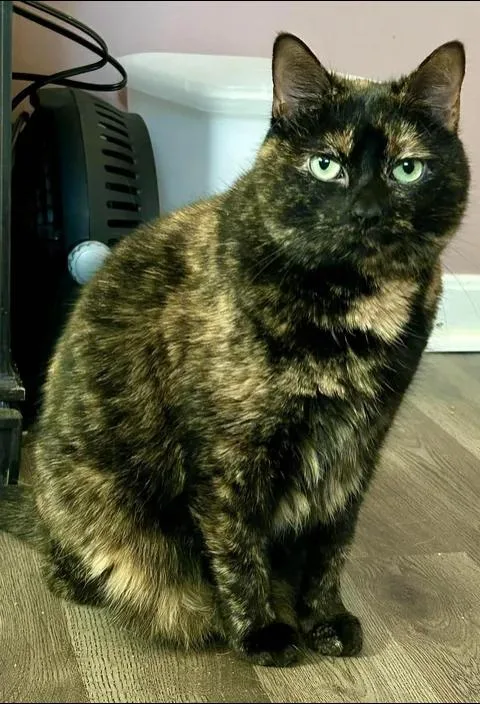
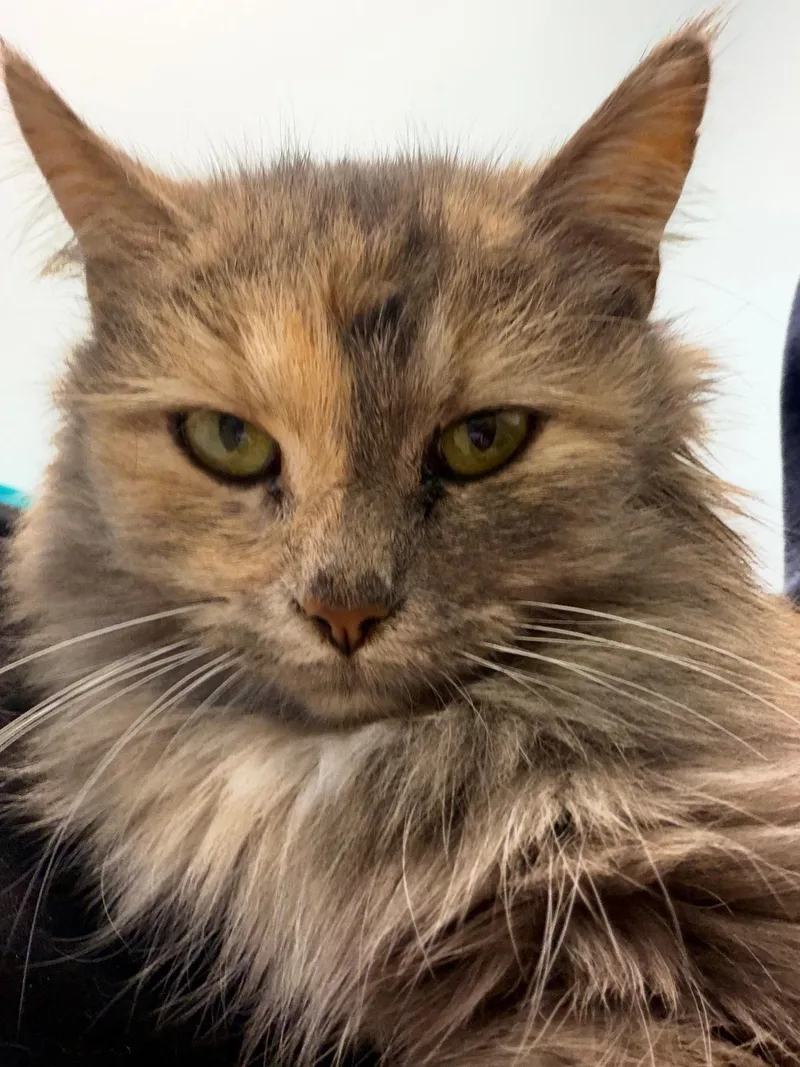
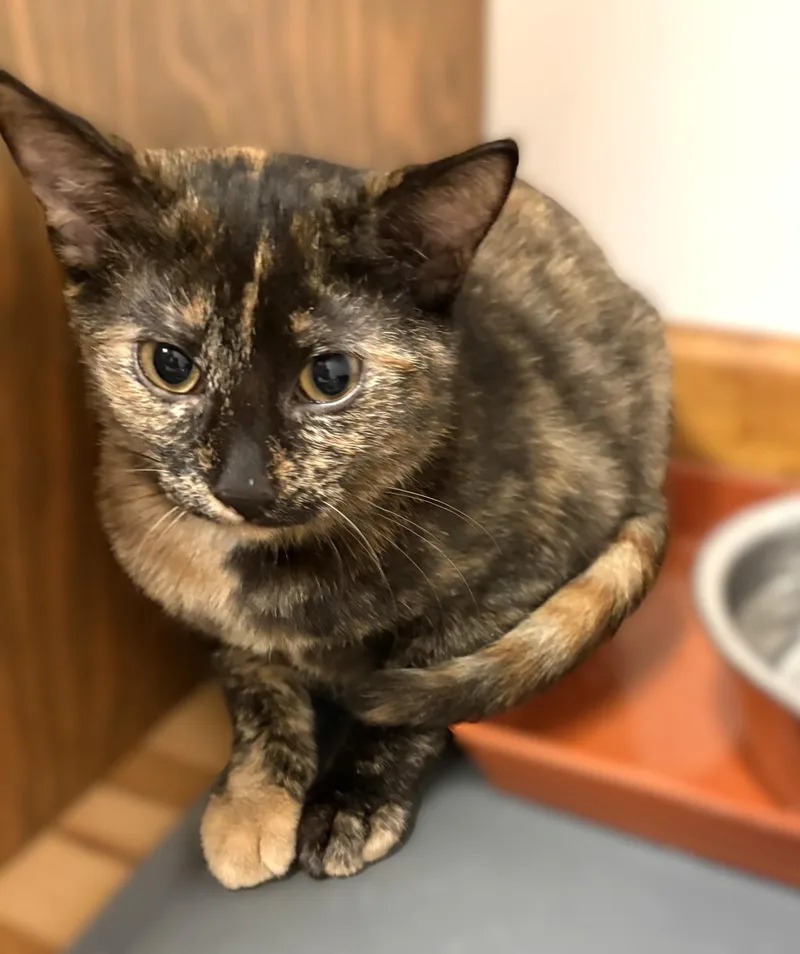
Tortoiseshell describes a coat, not a breed. A tortie's fur mixes black-based and orange-based colors in patches or a fine mottled blend, usually with little or no white. Add large white areas and the cat is a calico instead. Dilute torties look soft gray and cream, and torbies carry tabby stripes. Because the orange gene sits on the X chromosome, nearly all torties are female.

Most torties are domestic shorthairs or longhairs, though the pattern also turns up in breeds like Maine Coons and British Shorthairs. The famous "tortitude" is more folklore than science, built mostly on owner impressions. In a Grand Rapids home, what counts is the cat's age, history and comfort level, so give a new tortie a quiet room and a few weeks to settle in.

Weight
6–14 lbs
Height
8–10 in
Lifespan
12–18 yrs
Temperament
Independent, Affectionate, Playful
Shedding
Moderate

Owning a Tortoiseshell in Grand Rapids

Having a Tortoiseshell in Grand Rapids

Because tortoiseshell is a coat and not a breed, these cards describe what holds for many of the domestic shorthairs adopters meet. A cat's age, background and personality matter far more than color, and Grand Rapids winters shape much of the daily routine.

Temperament

Torties have a reputation for spirited, opinionated personalities, but the evidence behind "tortitude" is thin and mostly owner impressions. In real homes they run from shy to bold and from cuddly to aloof. On long Grand Rapids winter evenings, expect play and chatter from some and quiet window-watching from others.

Exercise Needs

Plan on daily interactive play: wand toys, chase games and puzzle feeders. With about 50 days a year when the high never tops freezing, indoor activity carries much of the load. Kittens and young adults need the most, while seniors prefer gentler sessions. A tall cat tree beside a window adds climbing and bird-watching.

Health Considerations

The tortie pattern itself brings no health risks for females. The rare males usually have an extra X chromosome and may face added health issues. Otherwise health follows ancestry, age and care, so wellness exams, dental care and a healthy weight matter most. A veterinarian can check a newly adopted cat soon after it comes home.

Living Space

Torties fit apartments and houses equally well, since space needs follow the cat's personality rather than its coat. Scratching posts, a cat tree and a few cozy hideaways suit most. Shy cats may prefer a calm home, while confident, social ones adapt to busy households. A secure window perch helps during the dark winter months.

What it costs to own a Tortoiseshell in Grand Rapids

ExpenseTypical costPer year
Adoption fee$120, one time$120 in year one
Food$25 to $50 per month$300 to $600
Pet insurance$20 to $45 per month$240 to $540
Routine vet care$150 to $350 per year$150 to $350
Other*$450 to $1,150 per year$450 to $1,150
Estimated yearly total (after year one)$1,140 to $2,640
First-year total (with adoption fee)$1,260 to $2,760

Adoption fee is the fee on Tortoiseshell listings in Grand Rapids on GetBuddy today. Other costs are estimates and vary with size, age and health.

* Litter, flea and tick prevention, a dental cleaning allowance, toys and supplies, and occasional home grooming.

Adopt a Tortoiseshell in Grand Rapids.

Now that you know more, let’s find you a new best friend. These rescues and shelters below currently have Tortoiseshells available.

Frequently Asked Questions

Yes, you can get a Tortoiseshell in Grand Rapids. No rules based on breed or coat color are known for cats in the city or Kent County, and tortoiseshell is only a coat pattern, so these cats are treated like any other. Cats have no known license requirement, and adopted cats that aren't yet spayed or neutered come with a sterilization agreement.

A Tortoiseshell can be a good fit for Grand Rapids if you can offer indoor play through the long winters. Because tortoiseshell is a coat pattern, personalities vary: some torties are cuddly, others independent or feisty. Daily wand-toy sessions, a window perch and a calm place to settle in suit most cats, whether you live in a Garfield Park house or an apartment.

Yes, a Tortoiseshell can live happily in a Grand Rapids apartment, since cats get most of their exercise from play rather than yard space. Get your landlord's written approval first, then add a cat tree, scratching posts and a window perch. Secure window screens and balcony doors, because spring and summer breezes tempt cats toward open windows.

Yes, Tortoiseshells handle Grand Rapids winters well as indoor cats. Nights at or below 0°F happen about four times a year, so keep cats inside, give them a draft-free bed near a sunny window, and expect extra play on snowbound days. Outdoor access in deep cold risks frostbite and winter hazards like road salt.

Yes, a Tortoiseshell can ride The Rapid's buses as long as the cat travels in a proper pet carrier. Grand Rapids has bus service only, with no subway or rail transit, so a sturdy, well-ventilated carrier is all you need for vet trips. Check The Rapid for current rules and fares before you ride.

A Tortoiseshell needs light grooming: weekly brushing for a shorthair and a few times a week for a longer coat. Shedding is moderate, and with cats living in heated homes through the long Grand Rapids winter, it rarely stops. Most torties never need a professional groomer, so grooming is a small slice of the yearly Other costs.

Generally no, so plan on leaving a Tortoiseshell at home. Michigan's food code restricts pets in food-service areas, and the patio variances that the Kent County Health Department can grant apply to dogs. Cats also tend to find noise and crowds stressful, so a quiet room at home with a favorite toy is the kinder choice.

A tortoiseshell cat is a cat with a coat pattern of black-based and orange-based colors blended or patched together, usually with little or no white. It is not a breed; the pattern appears in many breeds and most often in domestic shorthairs. Nearly all tortoiseshells are female because the genes for orange and black are carried on the X chromosome.

We have 1 rescue with Tortoiseshells available: Second Chance Cats of West Michigan. You can see every rescue with Tortoiseshells available in the list above these questions, or scroll to the top to see the Tortoiseshells near Grand Rapids.

Expect roughly $1,140 to $2,640 a year for a tortoiseshell in Grand Rapids. Food runs $25 to $50 a month and insurance $20 to $45 a month. Routine vet care is $150 to $350 a year, and other costs such as litter, flea prevention and dental care add $450 to $1,150 a year.