Tuxedo Cats for Adoption in Baltimore, MD

Your guide to finding and caring for a Tuxedo in Baltimore

A tuxedo cat fits easily into a Baltimore rowhouse, stairs and all. In Hampden or Woodberry, the two- and three-story layouts give a cat room to climb, and a front window over the street makes a good lookout. Tuxedo is a coat pattern, not a breed, so these cats come in every temperament and energy level. Some want a lap, some want a shelf of their own. Either way, daily play and a safe indoor routine go a long way in a narrow house.

1993 Tuxedos available in Baltimore and nationwide

Say hello to your Tuxedo cat

Tuxedos Available for Adoption Near Baltimore

About the Tuxedo breed

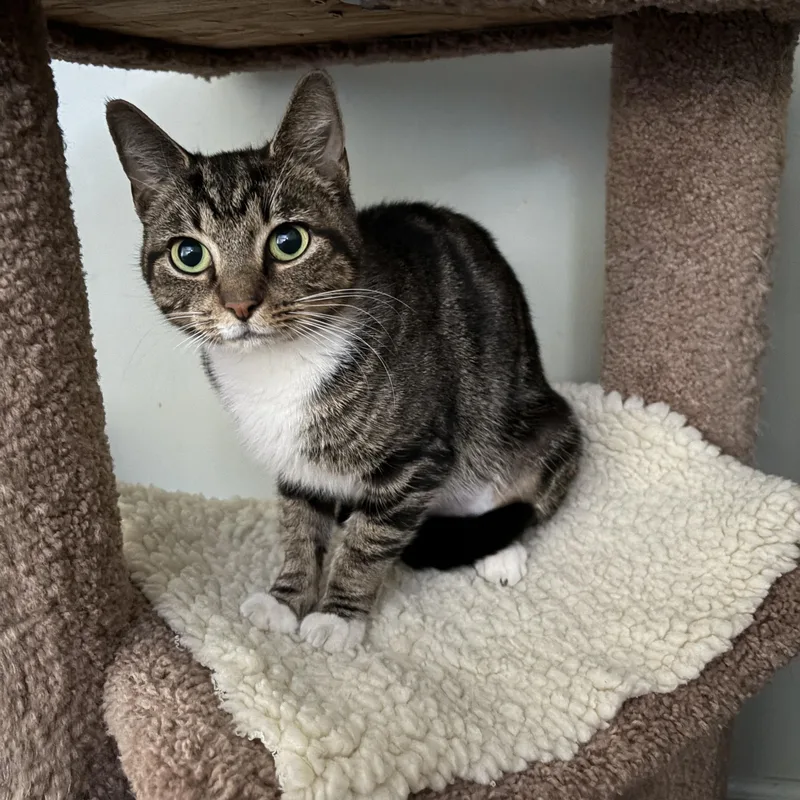
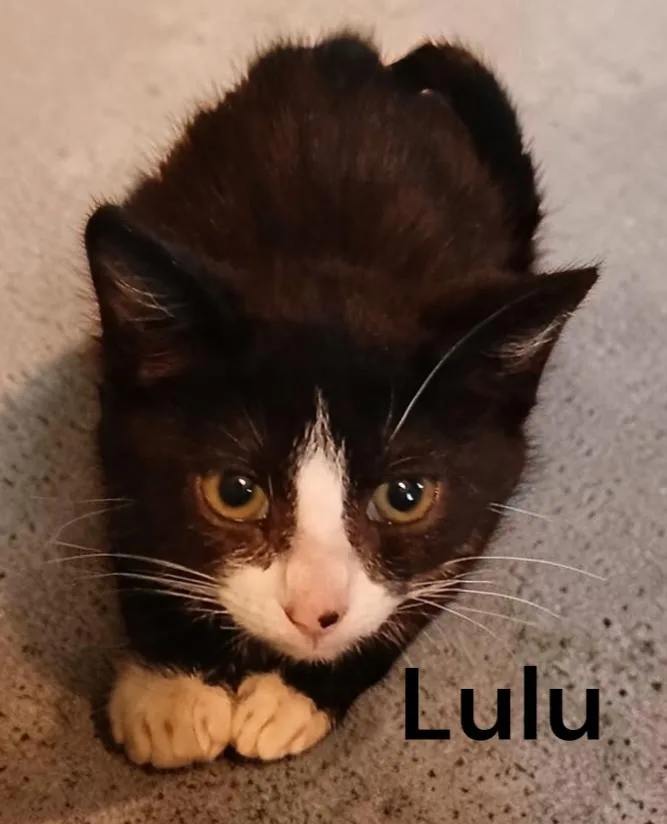
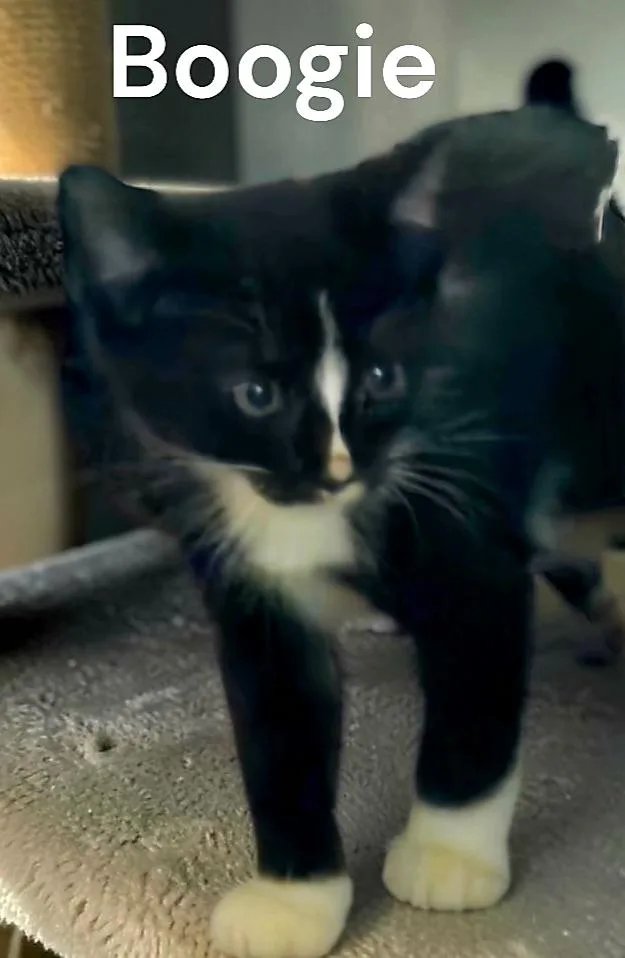
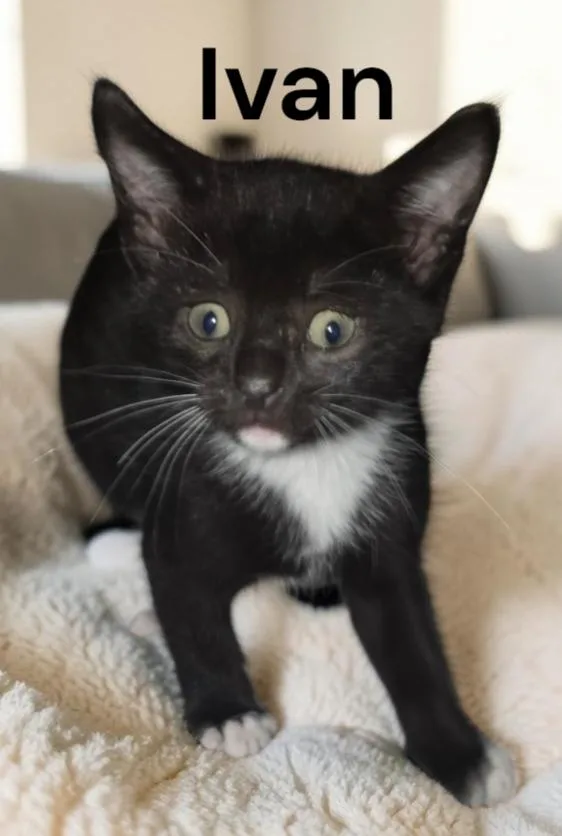
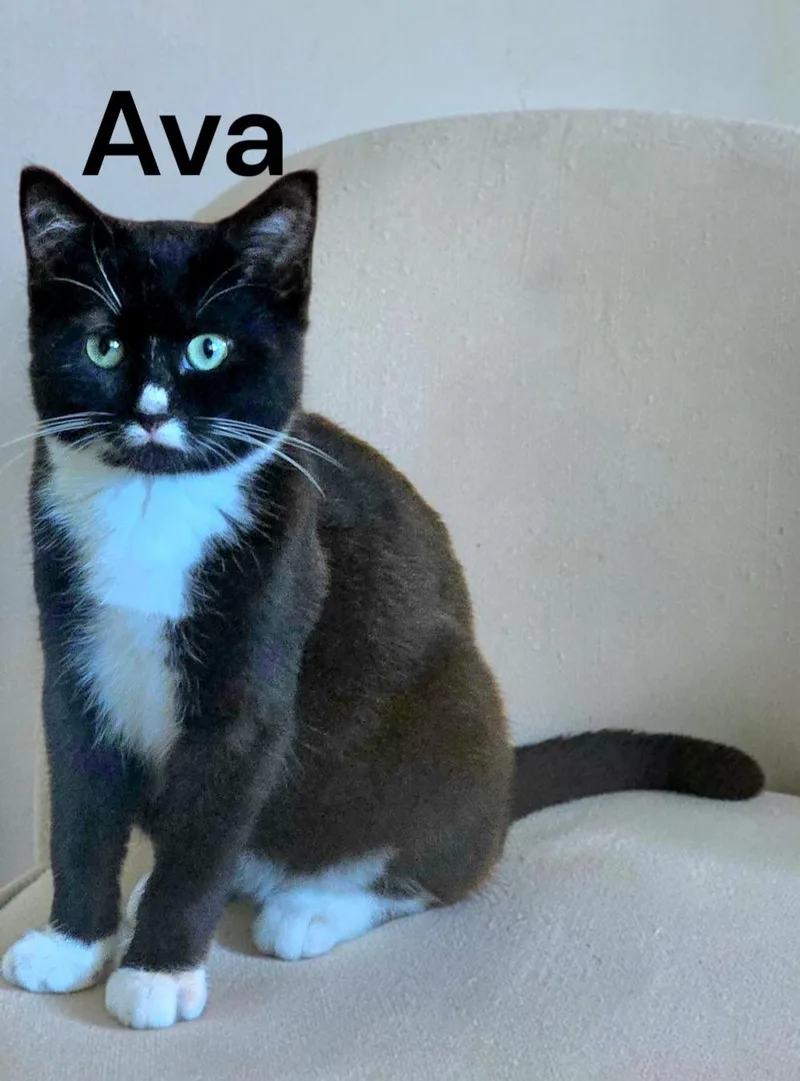
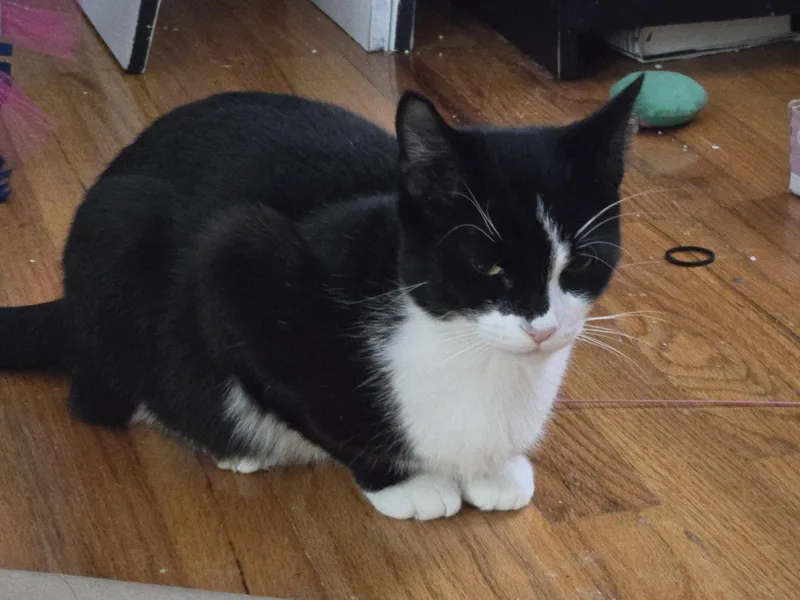
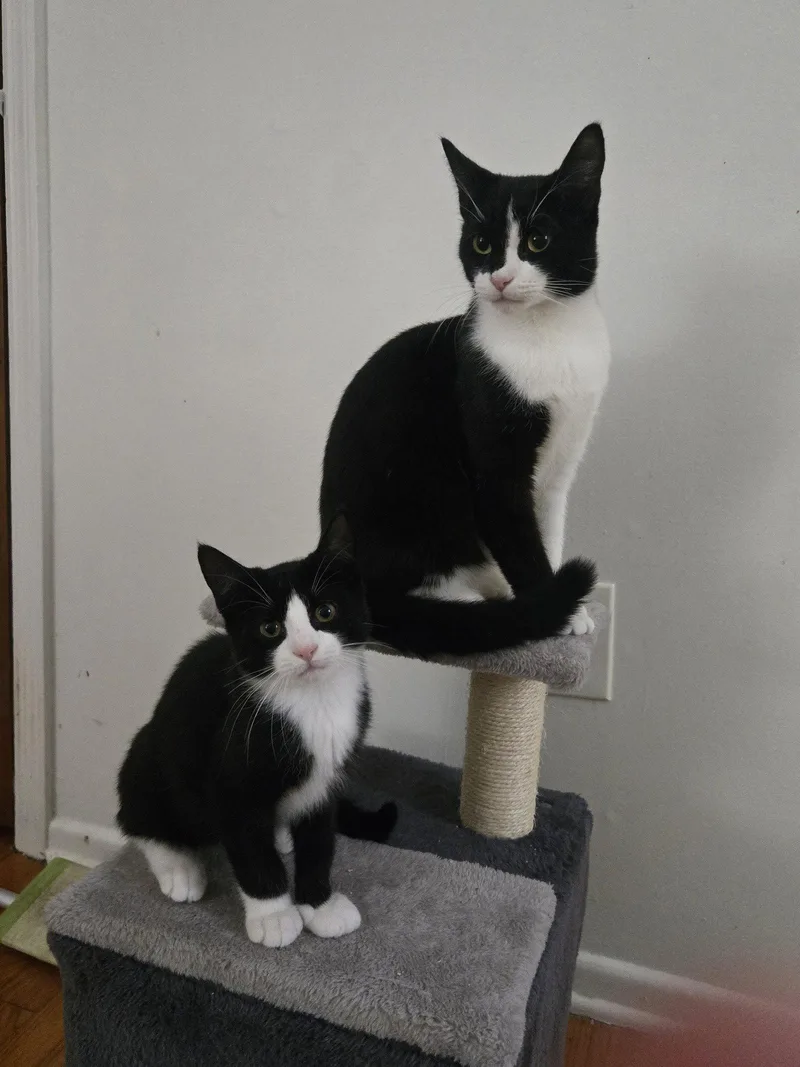
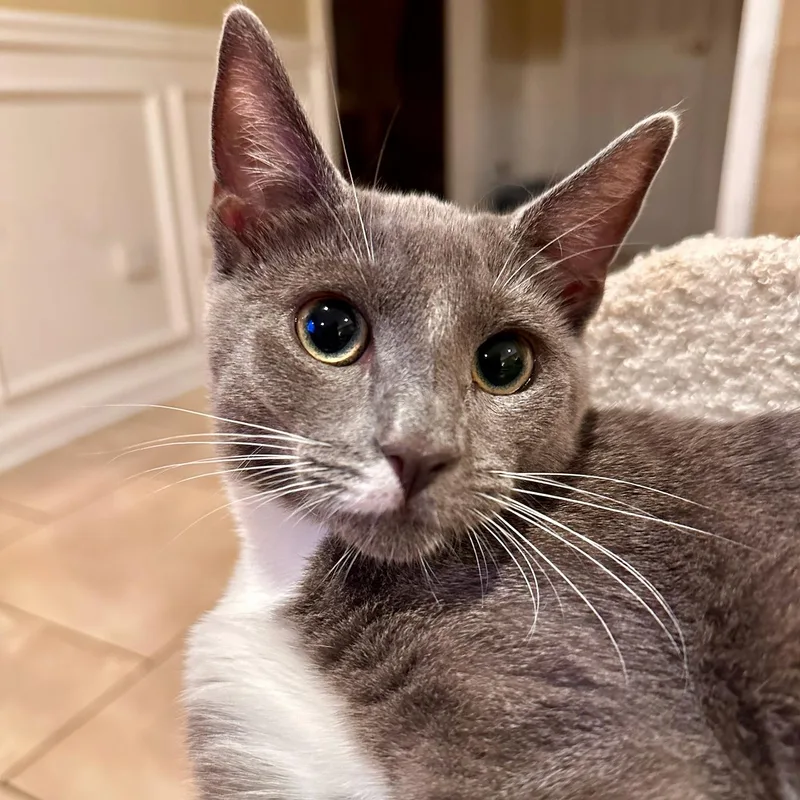
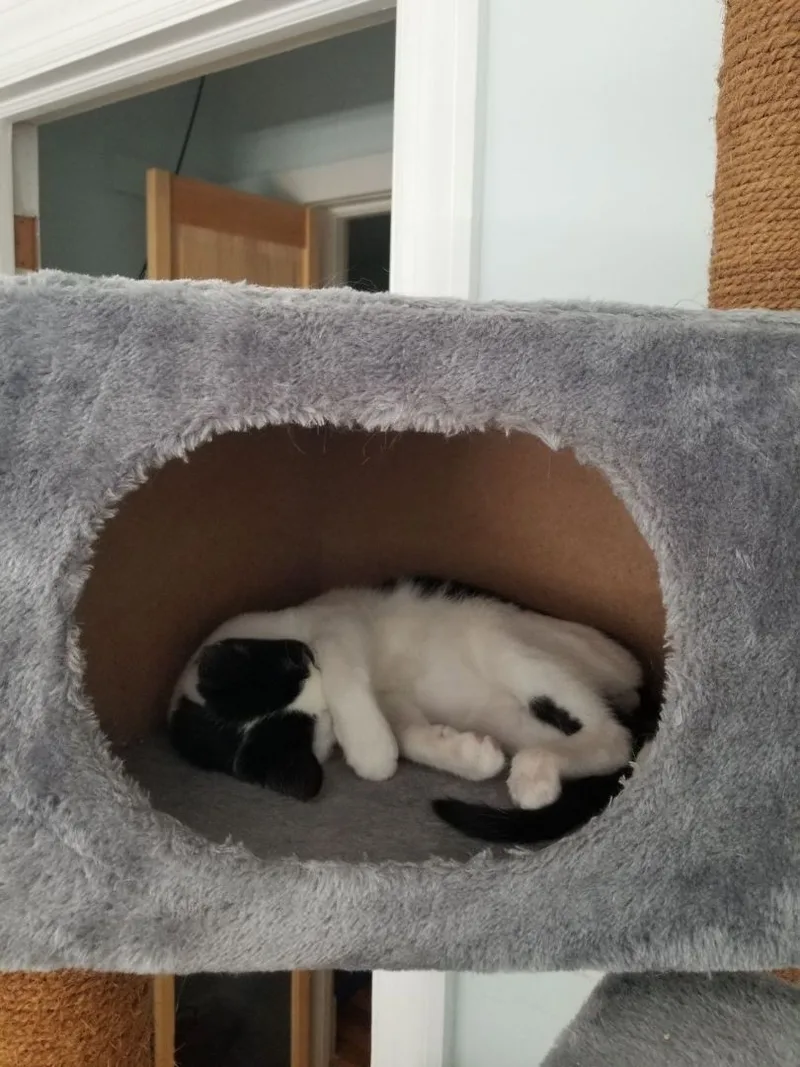
Tuxedo describes a coat pattern rather than a breed: a bicolor cat, usually black and white, with a white chest that looks like a shirtfront and often white paws, chin or a facial blaze. Grey-and-white tuxedos exist too. The pattern comes from white spotting variation in the KIT gene, and because it isn't sex-linked, males and females are about equally common.

Most tuxedos are domestic shorthairs, though the pattern shows up in breeds like the Maine Coon and British Shorthair. Color doesn't set personality, so stories about tuxedos being especially clever or bold are just stories. Expect cats of every age, coat length and energy level, so spend time with a cat and think about how its habits fit your home. Typical weight is 6 to 14 pounds, and a lifespan of 12 to 18 years is common.

Weight
6–14 lbs
Height
8–10 in
Lifespan
12–18 yrs
Temperament
Adaptable, Playful, Affectionate
Shedding
Moderate

Owning a Tuxedo in Baltimore

Having a Tuxedo in Baltimore

The tuxedo pattern is cosmetic, so care depends on each cat's age, coat length, energy and health. In a Baltimore rowhouse or apartment, that mostly means vertical space, daily play and routine vet care rather than anything tied to the coat.

Temperament

Tuxedos range from chatty, outgoing cats to quiet ones who prefer a corner. Color doesn't predict personality, so judge the cat in front of you. Many adapt well to new homes, children and other pets with slow introductions, which helps in compact rowhouse layouts where everyone shares close quarters.

Exercise Needs

Plan on daily interactive play: wand toys, chasing games and puzzle feeders that mimic hunting. Young cats may want several energetic sessions a day, while seniors prefer short, gentle games. In Baltimore, indoor activity matters most, and cat trees and wall shelves turn a tall rowhouse into a climbing course.

Health Considerations

The tuxedo pattern carries no known health risk. Tuxedos share common feline problems such as dental disease, obesity, urinary issues and, with age, kidney disease, diabetes or hyperthyroidism. Baltimore requires a current rabies vaccination for cats over 4 months, even indoor ones, so an early vet visit makes sense.

Living Space

Tuxedos do well in apartments and houses alike when they have vertical space, scratching surfaces, hiding spots and clean litter boxes. Baltimore's rowhouses and walk-ups work nicely. Window screens help prevent falls from upper floors, and keeping a cat indoors protects it from traffic and from wildlife that can carry rabies.

What it costs to own a Tuxedo in Baltimore

ExpenseTypical costPer year
Adoption fee$150, one time$150 in year one
Food$25 to $50 per month$300 to $600
Pet insurance$20 to $45 per month$240 to $540
Routine vet care$150 to $350 per year$150 to $350
Other*$460 to $1,180 per year$460 to $1,180
Estimated yearly total (after year one)$1,150 to $2,670
First-year total (with adoption fee)$1,300 to $2,820

Adoption fee is the fee on Tuxedo listings in Baltimore on GetBuddy today. Other costs are estimates and vary with size, age and health.

* The Baltimore cat license ($10 a year if spayed or neutered, $30 if not), litter, flea and tick prevention, a dental cleaning allowance, toys and supplies, and home grooming.

Adopt a Tuxedo in Baltimore.

Now that you know more, let’s find you a new best friend. These rescues and shelters below currently have Tuxedos available.

Rescues in Baltimore with Tuxedos Available

Baltimore has a city shelter and private nonprofits that place cats and other pets into new homes. Here are the rescues & shelters in the Baltimore area where you can find Tuxedos and other cats available for adoption.

Frequently Asked Questions

Yes, a Tuxedo can live happily in a Baltimore apartment. Tuxedo is a coat pattern, so size and energy vary, but most do well in rowhouse flats and walk-ups with a cat tree, window perch, scratching posts and hiding spots. Install secure window screens on upper floors, and read the lease's pet policy before adopting, since leases often cap the number of pets.

Yes, you can get a Tuxedo in Baltimore. The city has no breed-specific rules, and Tuxedo is only a coat pattern anyway. Every cat over 4 months old needs a city license and a current rabies vaccination, even if it never goes outside. Spaying, neutering and microchipping aren't required for pets generally.

Possibly, but MTA publishes a pet rule only for Commuter Bus, which allows small pets in a closed container held by the owner. Rules for the Metro SubwayLink, light rail, local buses and MARC aren't clearly published, so check MTA's current rules before riding. A Tuxedo should always travel in a secure, fully enclosed carrier that you hold.

Yes, indoor Tuxedos handle Baltimore summers well with some planning. The Inner Harbor sees about 43 days a year at or above 90°F, with humid air and warm nights. Keep rooms cool, offer fresh water in several spots, and never leave a cat in a parked car. During Code Red heat alerts, keep cats indoors and watch for heavy panting.

Most Tuxedos are shorthairs and need only a weekly brush, more often during spring shedding. A longhaired tuxedo, such as a Maine Coon mix, may need brushing several times a week to prevent mats. Baltimore's humid summers don't change the routine much. Home grooming is counted in the Other line of the cost table, so professional grooming is rarely necessary.

No, plan on leaving your Tuxedo at home. Maryland's law letting restaurants opt in to patio seating applies to dogs, not cats, and indoor dining rooms generally don't allow pets. Service animals are the exception. Cats are happier in a quiet, familiar home anyway, with a window perch and a few toys while you're out.

A Tuxedo can be a good fit for Baltimore, especially for people in rowhouses and apartments who can offer daily play and a safe indoor routine. Hot, humid summers and cold snaps are manageable indoors. Because the coat pattern doesn't predict personality, match the cat's age and energy to your schedule rather than expecting a certain temperament.

We have 2 rescues with Tuxedos available: Arden's Arc and Lucky Cat Rescue. You can see every rescue with Tuxedos available in the list above these questions, or scroll to the top to see the Tuxedos near Baltimore.

Expect roughly $1,150 to $2,670 a year for a Tuxedo in Baltimore. That covers food at $25 to $50 a month, insurance at $20 to $45 a month, routine vet care at $150 to $350 a year, and other costs at $460 to $1,180 a year. Insurance is optional, so skipping it lowers the total.