Tortoiseshell Cats for Adoption in Baltimore, MD

Your guide to finding and caring for a Tortoiseshell in Baltimore

Tortoiseshell cats do well in Baltimore rowhouses, where stairs and front windows give them plenty to climb and watch. A tortie in Hampden or Pigtown can claim a sunny front window, patrol the stairs and keep an eye on the block. Tortoiseshell is a coat pattern rather than a breed, so personalities run from shy to bold. Most are domestic shorthairs, and nearly all are female. Plan on daily play and a tall cat tree by the best window.

1058 Tortoiseshells available in Baltimore and nationwide

Your Tortoiseshell is waiting

While we don't have enough cats near Baltimore, keep in mind that many rescues may offer transport.

Tortoiseshells Available for Adoption Near Baltimore

About the Tortoiseshell breed

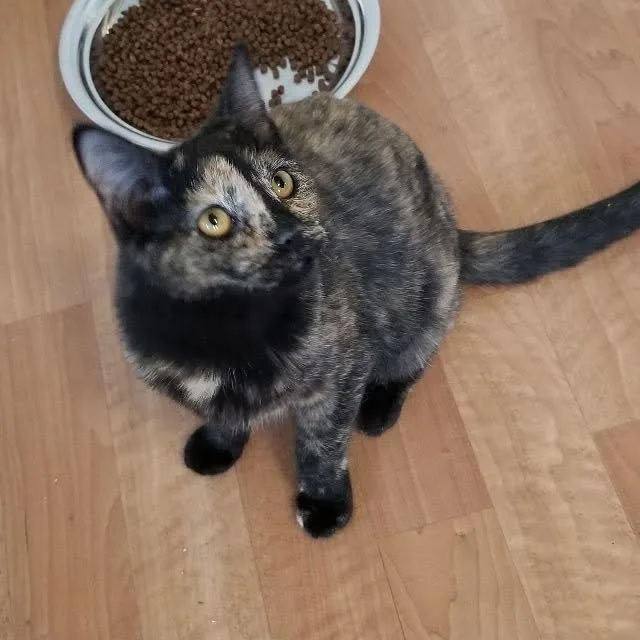
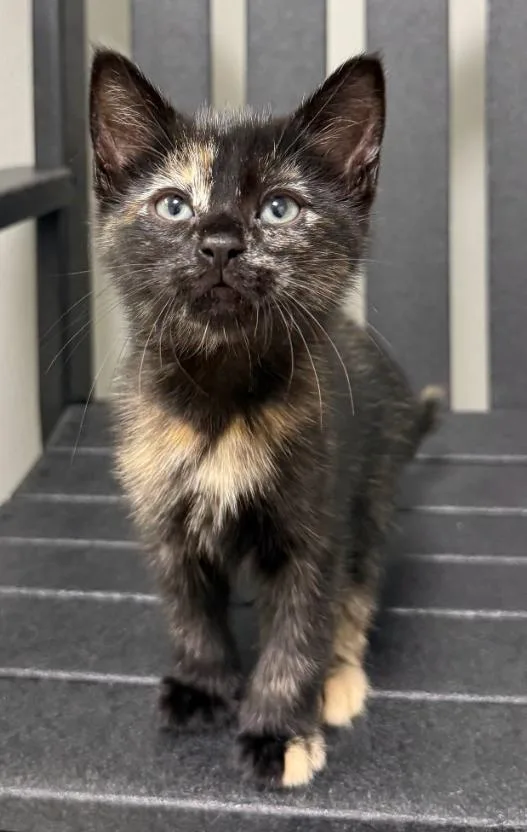
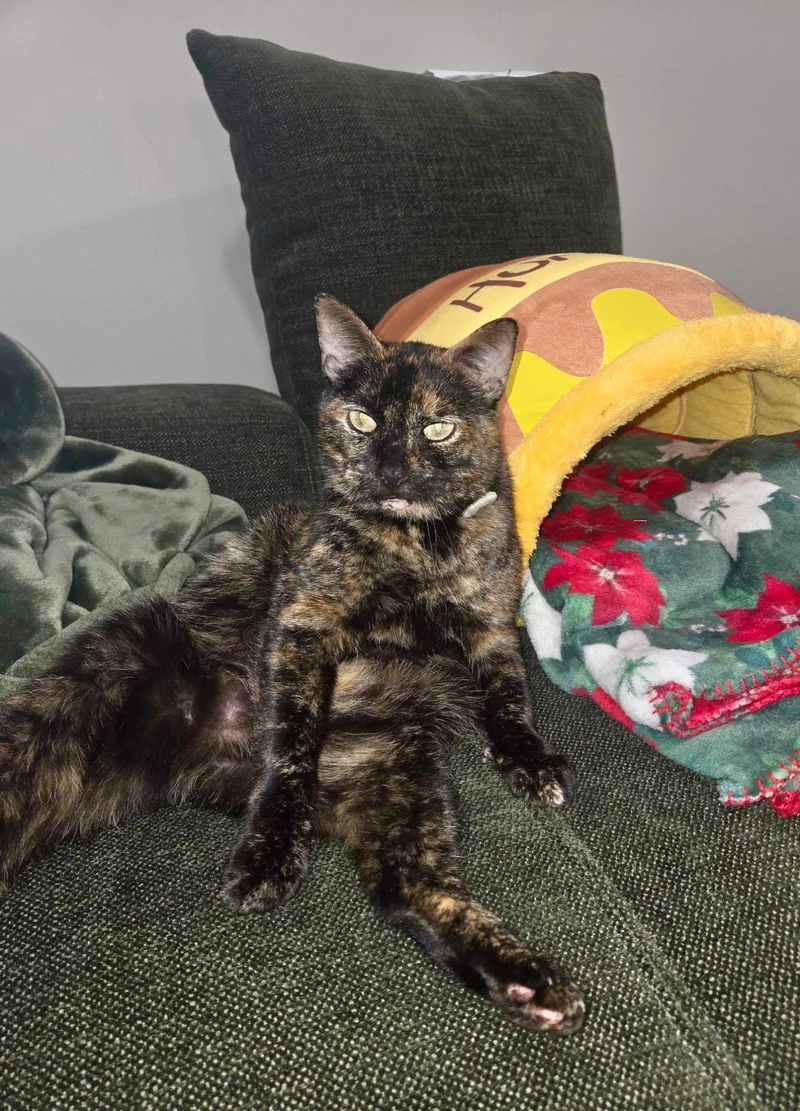
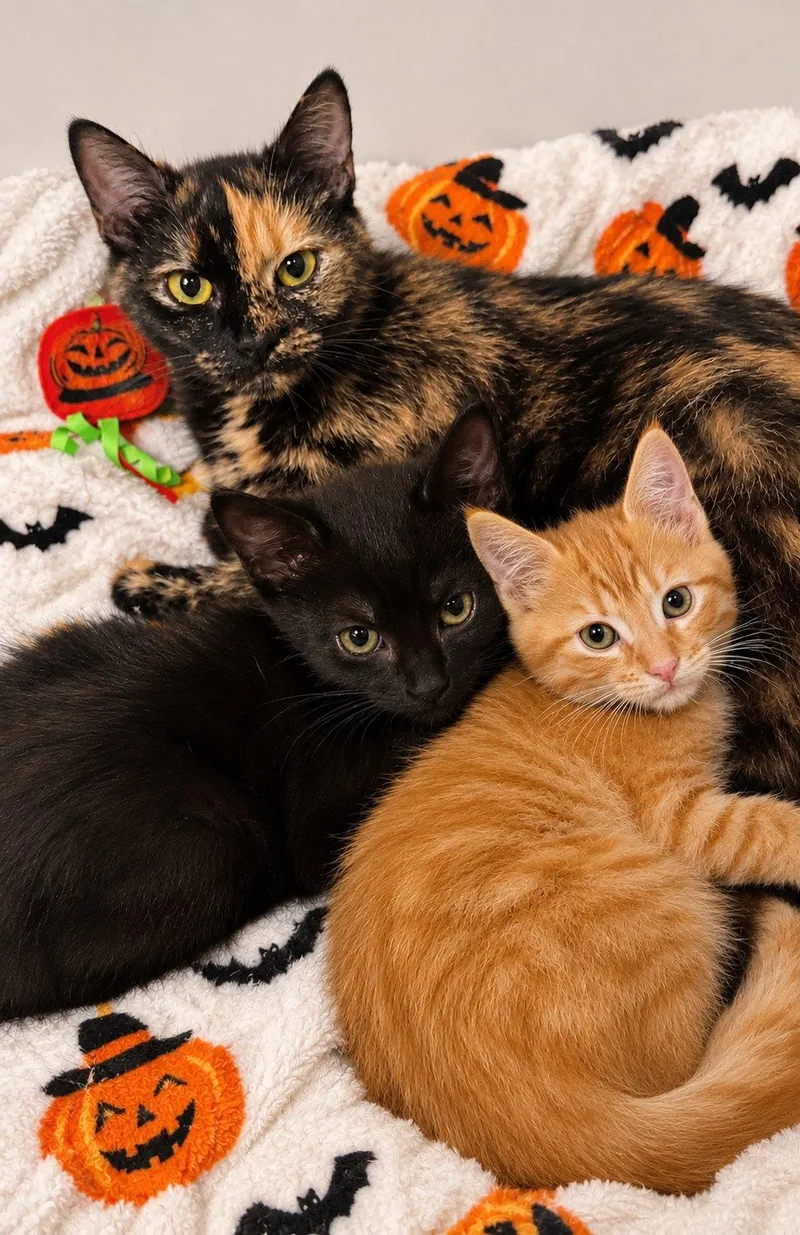
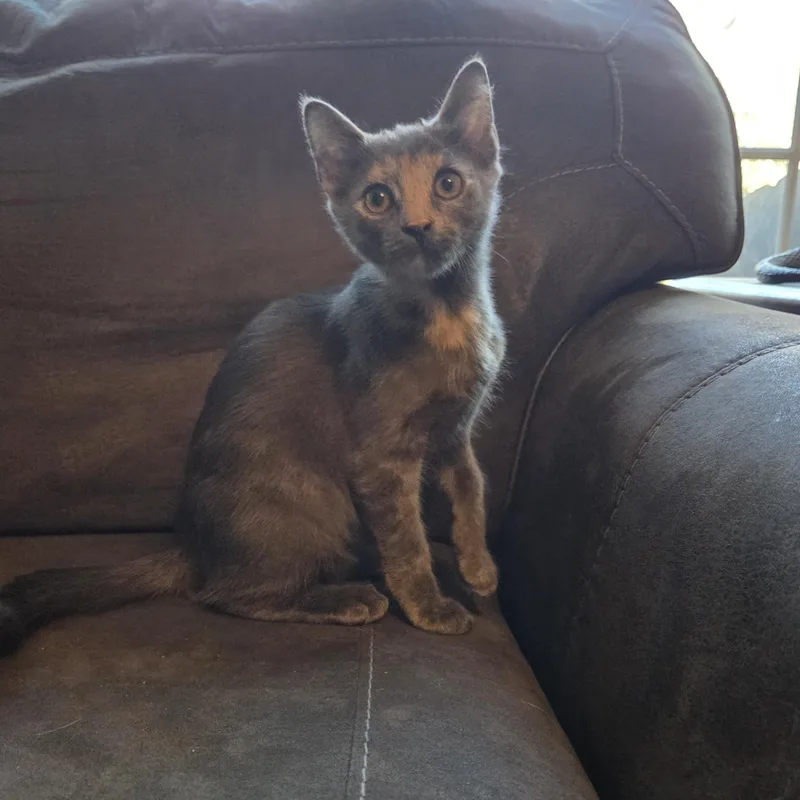
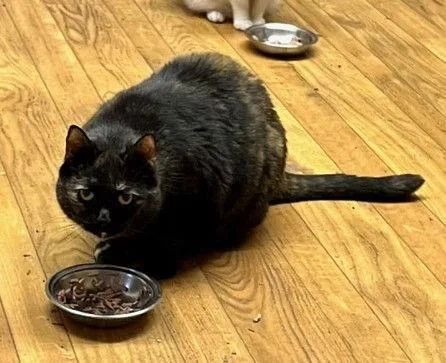
Tortoiseshell describes a coat, not a breed. A tortie's fur mixes black-based and orange-based colors in patches or a fine, brindled blend, usually with little or no white. Cats with large white areas are called calicos, dilute torties show soft gray and cream, and torbies add tabby stripes. Because the orange gene sits on the X chromosome, nearly all tortoiseshells are female.

Most torties adopters meet are domestic shorthairs or longhairs, though the pattern also appears in Maine Coons, British Shorthairs and Persians. Their reputation for "tortitude" is more folklore than science, and a cat's age, history and socialization say far more about personality than color does. Expect moderate shedding, a medium frame of roughly 6 to 14 pounds, and a lifespan often reaching 12 to 18 years.

Weight
6–14 lbs
Height
8–10 in
Lifespan
12–18 yrs
Temperament
Independent, Affectionate, Playful
Shedding
Moderate

Owning a Tortoiseshell in Baltimore

Having a Tortoiseshell in Baltimore

Since tortoiseshell is a coat rather than a breed, a tortie's traits come mostly from ancestry, age and upbringing. The cards below cover what's common across the domestic cats most adopters meet, with notes on how Baltimore's rowhouses and seasons shape daily care.

Temperament

Torties have a reputation for spirited, opinionated behavior, but the evidence behind "tortitude" rests mostly on owner impressions. In practice, tortoiseshells range from shy to bold and from lap cats to independent observers. In a busy rowhouse, a confident tortie may supervise everything, while a quieter one may prefer a high perch and a calm room.

Exercise Needs

Most tortoiseshell cats benefit from daily interactive play: wand toys, chase games and puzzle feeders. Kittens and young adults usually need more, while seniors prefer shorter, gentler sessions. Baltimore's rowhouse staircases make good climbing routes, and a window perch over the street adds enrichment on days when rain or heat keeps everything indoors.

Health Considerations

The tortoiseshell pattern itself carries no particular health risks in females. The rare males usually have an extra X chromosome and may face added problems. Otherwise, health follows ancestry, age and care, so checkups, dental care and a healthy weight matter most. Maryland requires a current rabies vaccine by four months, which also protects against local wildlife exposure.

Living Space

Tortoiseshell cats fit apartments and houses equally well, since space needs depend on the cat, not the coat. In Baltimore, rowhouses with stairs, converted apartments and downtown condos all work with a cat tree, scratching posts and a hideaway. Shy torties may prefer quieter homes, while sociable ones adapt to busy households.

What it costs to own a Tortoiseshell in Baltimore

ExpenseTypical costPer year
Adoption fee$125, one time$125 in year one
Food$25 to $50 per month$300 to $600
Pet insurance$20 to $45 per month$240 to $540
Routine vet care$150 to $350 per year$150 to $350
Other*$460 to $1,180 per year$460 to $1,180
Estimated yearly total (after year one)$1,150 to $2,670
First-year total (with adoption fee)$1,275 to $2,795

Adoption fee is the fee on Tortoiseshell listings in Baltimore on GetBuddy today. Other costs are estimates and vary with size, age and health.

* The Baltimore cat license ($10 spayed or neutered, $30 unaltered), litter, flea and tick prevention, a dental cleaning allowance, toys and supplies, and home grooming.

Adopt a Tortoiseshell in Baltimore.

Now that you know more, let’s find you a new best friend. These rescues and shelters below currently have Tortoiseshells available.

Rescues in Baltimore with Tortoiseshells Available

Baltimore's open-admission city shelter and nonprofit rescues care for cats of every coat, age and temperament, including torties. Here are the rescues & shelters in the Baltimore area where you can find Tortoiseshells and other cats available for adoption.

Frequently Asked Questions

Yes, for most households, since tortoiseshell cats adapt to rowhouses, apartments and quiet homes alike. Baltimore's stairs and front windows give a tortie places to climb and watch, and indoor life suits the cold months. Fireworks around July 4 and New Year's can stress noise-sensitive cats, so set up a quiet interior room. Personalities vary, so match the cat's energy to your routine.

Yes. Baltimore has no breed-specific rules, and tortoiseshell is a coat color anyway. You need a city license for any cat over four months old, plus a current rabies vaccination, and the city sets no fixed limit on how many pets you keep. Landlords often set their own pet limits, so read your lease.

Yes, a tortoiseshell cat can live happily in a Baltimore apartment, since cats need vertical space more than square footage. Add a cat tree, a window perch and daily play with wand toys. Use tight screens on windows and balcony doors, and expect a lease pet policy that may include fees or deposits.

Yes, indoor tortoiseshell cats handle Baltimore summers well with a few precautions. Humid heat and warm nights make air conditioning or fans, shade and plenty of fresh water important, and after a storm knocks out power, move the cat to the coolest room. Never leave a cat in a parked car, which is illegal in Maryland.

Possibly, if your cat stays in a secure, closed carrier. MTA publishes a pet rule only for Commuter Bus, where small pets must ride in a closed container held by the owner. Check MTA's current rules before riding the Metro SubwayLink, light rail or MARC, and don't count on being allowed without a carrier.

Most tortoiseshell cats need a brush about once a week, and longhaired ones a few times a week. Shedding is moderate and rises in spring and fall as coats change with Baltimore's seasons. Home brushing, nail trims and the occasional wipe-down fit within the Other costs shown on this page, so a professional groomer usually isn't necessary.

A tortoiseshell cat is a cat with a coat pattern of black-based and orange-based colors blended or patched together, usually with little or no white. It is not a breed; the pattern appears in many breeds and most often in domestic shorthairs. Nearly all tortoiseshells are female because the genes for orange and black are carried on the X chromosome.

Almost all tortoiseshell cats are female, but not all. A female has two X chromosomes and can carry both orange and black color genes, producing the mixed coat. Males normally have only one X. Rare male torties usually have an extra X chromosome or are genetic chimeras, and they are estimated at roughly 1 in 3,000 tortoiseshells.

We have 2 rescues with Tortoiseshells available: Breakfast Club Cats and Animal Allies Rescue Foundation (AARF). You can see every rescue with Tortoiseshells available in the list above these questions, or scroll to the top to see the Tortoiseshells near Baltimore.

Most tortoiseshell owners in Baltimore spend roughly $1,150 to $2,670 a year, or about $96 to $223 a month. That covers food, pet insurance, routine vet visits and other yearly costs like litter, flea prevention, dental care and the city license. Emergency care is extra, and the cat's size and coat shift the total.