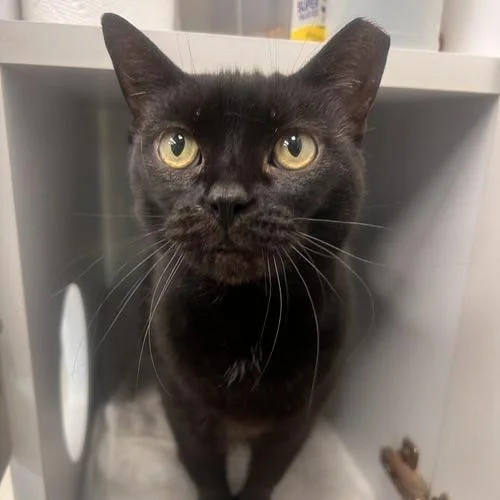
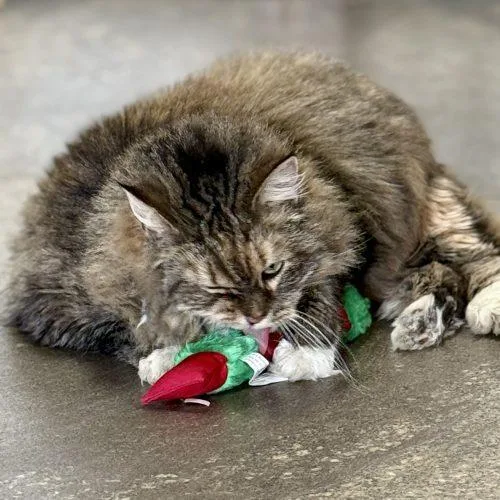
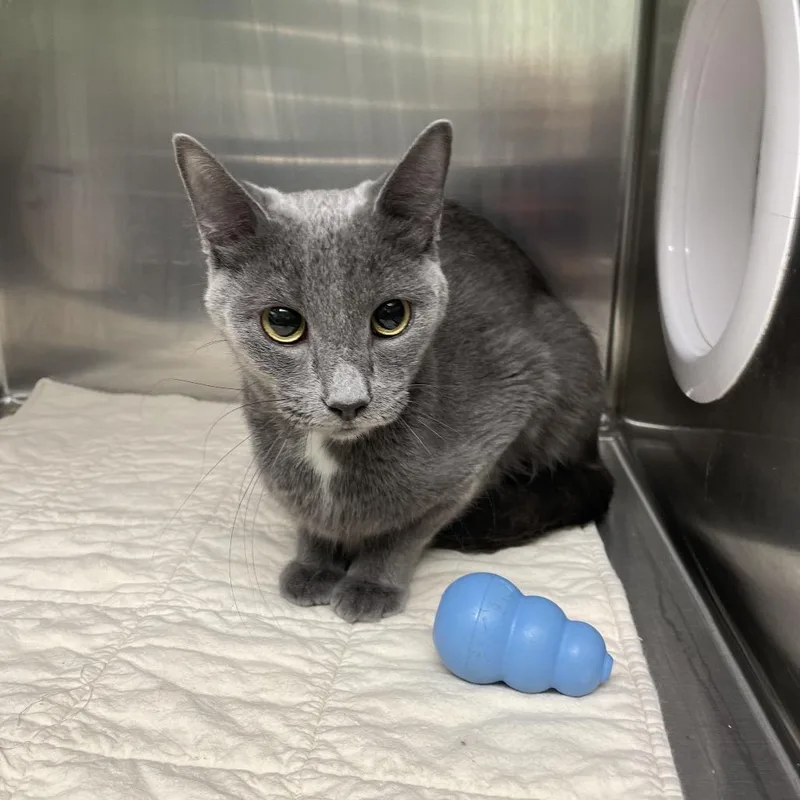
Turkish Van Cats for Adoption in Georgetown, KY

Your guide to finding and caring for a Turkish Van in Georgetown

A Turkish Van suits Georgetown best in a home with room to climb and a window to watch from. Vans are athletic and curious, so a house near Cardinal Drive or an older place off East Main Street gives them stairs, sills and shelves to explore. Many like to splash in a sink or tub, which is worth planning for. Expect a lively, talkative cat that likes company but often prefers to choose when to cuddle.

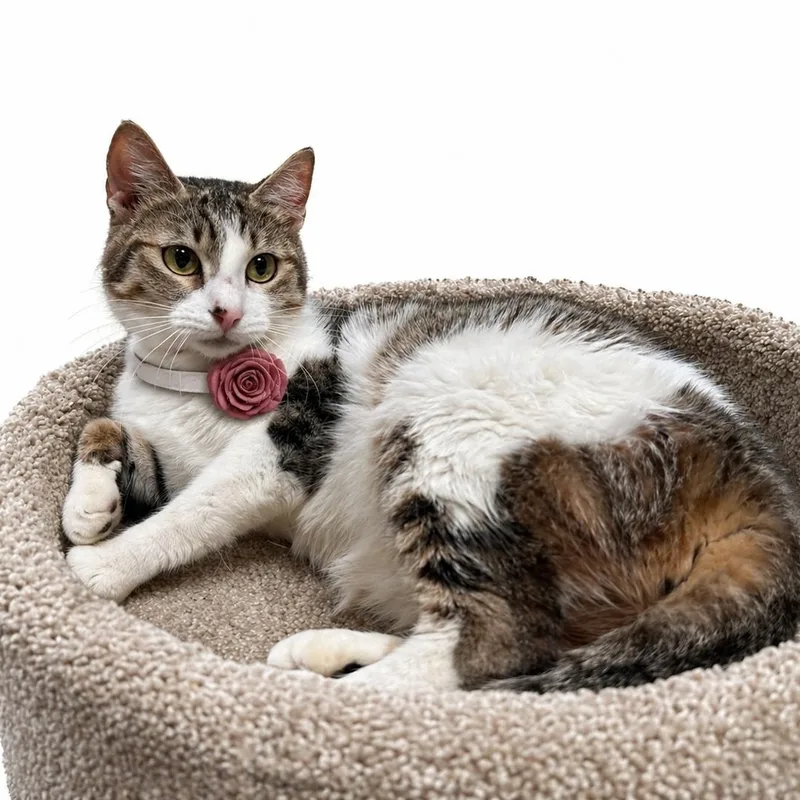
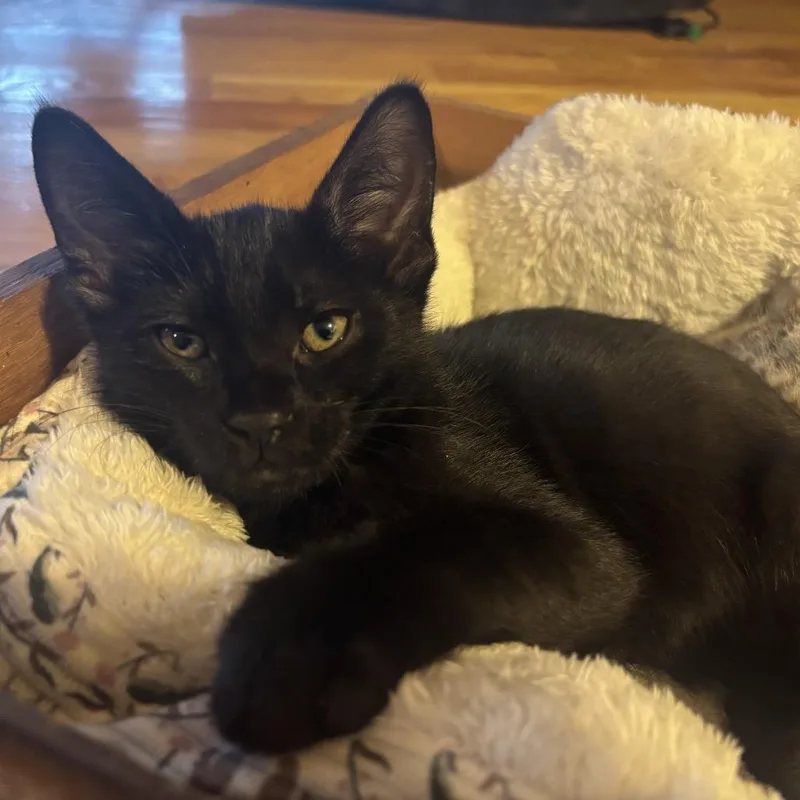
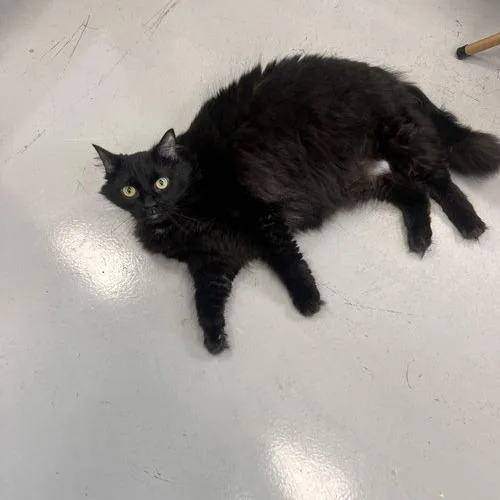
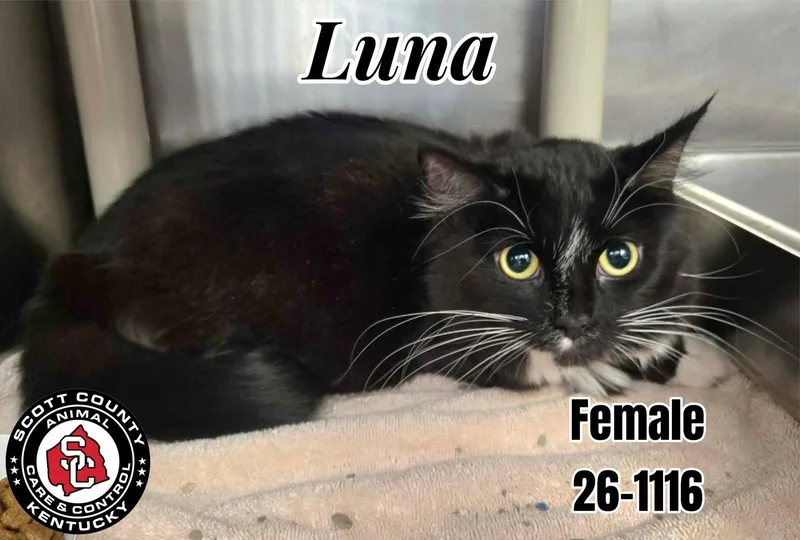
182 Turkish Vans available in Georgetown and nationwide

Bring home a Turkish Van

While we don't have enough cats near Georgetown, keep in mind that many rescues may offer transport.

Turkish Vans Available for Adoption Near Georgetown

About the Turkish Van breed

The Turkish Van is a large, semi-longhaired cat with a white body and color on the head and tail, a pattern named van after the breed. It was developed in Britain from cats brought back from Turkey in 1955, and its cashmere-soft single coat has no undercoat and sheds water easily. Vans mature slowly, often taking three to five years to reach full size.

Temperament varies from cat to cat, but many Vans are energetic, clever and chatty. They tend to love climbing, fetch and supervising household chores, and many would rather stay near you than be held. In Georgetown, tall perches and daily play matter more than the size of the home, and a Van that's shy with visitors may like a quiet room when guests come.

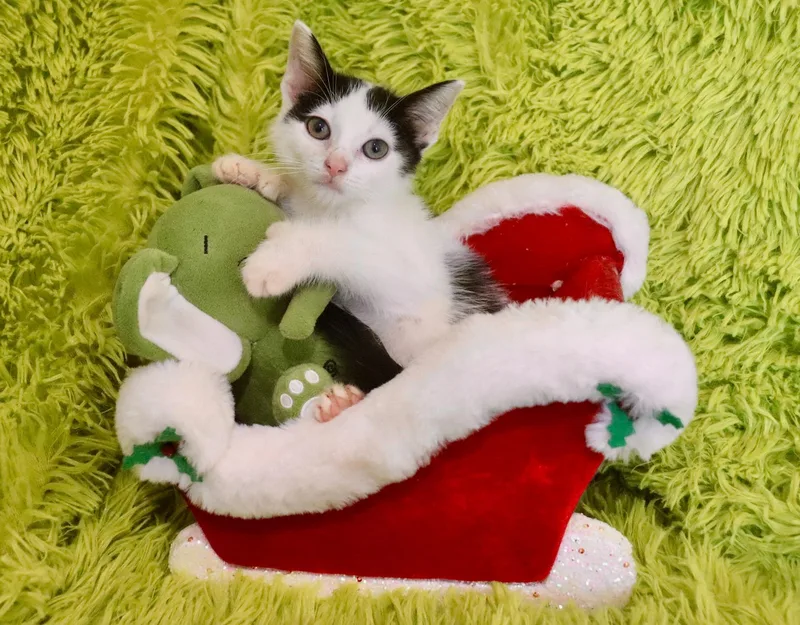
Weight
7–20 lbs
Height
10–14 in
Lifespan
12–17 yrs
Temperament
Active, Intelligent, Playful
Shedding
Moderate

Owning a Turkish Van in Georgetown

Having a Turkish Van in Georgetown

Turkish Vans are strong, athletic cats that need climbing space, daily play and a little patience around water. A Georgetown home with vertical room and a steady routine suits them well, though each Van's energy level and comfort with handling will differ.

Temperament

Turkish Vans are often bold, curious and loyal, following their people from room to room and chatting in a soft voice. Many prefer sitting beside you to being carried, and some are wary of strangers. Cats vary, so let a Van set the pace for handling and trust-building.

Exercise Needs

Plan on daily active play: wand toys, fetch and chase games, plus plenty of climbing. A tall tree beside a Georgetown window gives a Van something to watch, and puzzle feeders add mental work. A bored Van may knock things off shelves or open cabinets, so short play sessions morning and evening help.

Health Considerations

Few inherited conditions are well documented in Turkish Vans, though heart muscle disease has been reported, so ask a veterinarian about screening at the first visit. Their large frame makes weight control important, and dental disease is common in all cats. Annual exams, measured meals and tooth care are the core of prevention.

Living Space

A Turkish Van does fine in an apartment or a house if it has vertical space: tall cat trees, wall shelves, sturdy scratching posts and window perches. Keep toilet lids down and cover aquariums, since many Vans investigate water. Secure window screens too, because a Van that leaps will test them.

What it costs to own a Turkish Van in Georgetown

ExpenseTypical costPer year
Adoption fee$100, one time$100 in year one
Food$30 to $60 per month$360 to $720
Pet insurance$25 to $55 per month$300 to $660
Routine vet care$150 to $350 per year$150 to $350
Other*$500 to $1,250 per year$500 to $1,250
Estimated yearly total (after year one)$1,310 to $2,980
First-year total (with adoption fee)$1,410 to $3,080

Adoption fee is the fee on Turkish Van listings in Georgetown on GetBuddy today. Other costs are estimates and vary with size, age and health.

* Litter, flea prevention, a yearly dental cleaning allowance, a cat tree, toys and supplies, and combing the semi-long coat through seasonal molts.

Adopt a Turkish Van in Georgetown.

Now that you know more, let’s find you a new best friend. These rescues and shelters below currently have Turkish Vans available.

Rescues in Georgetown with Turkish Vans Available

Georgetown's adoptable cats come through the county shelter and a volunteer-run humane society that works alongside it. Here are the rescues & shelters in the Georgetown area where you can find Turkish Vans and other cats available for adoption.

Frequently Asked Questions

Only in a secured carrier. Bluegrass RIDE, Georgetown's local bus service, is fare-free Monday through Saturday, and pets other than service animals must travel in a secured carrier. Many large Vans dislike restraint, so practice carrier time at home first and keep bus trips short, such as a trip to the veterinarian.

Yes, indoor Turkish Vans handle Georgetown winters comfortably. Their thick winter coat and ruff help, and nights often drop to freezing with some snow. Keep your Van inside, offer warm beds away from drafts, and comb the coat so it doesn't mat as it thickens. Many Vans enjoy watching snow from a window perch.

Yes. No breed restrictions on Turkish Vans are known in Georgetown, so the practical limits are usually a landlord's pet policy and having room for climbing. Because Vans mature slowly and can keep filling out for three to five years, plan for a large, active cat rather than a small kitten-sized one.

Yes, a Turkish Van can thrive in a Georgetown apartment if it has vertical space and daily play. Tall cat trees, wall shelves and window perches matter more than square footage. Keep screens secure and toilet lids closed, and confirm the lease's pet terms first. A bored Van in a small space may get noisy or destructive.

Often, for people who enjoy an active, talkative cat and can offer daily play. Georgetown's four-season climate is easy on an indoor Van, and renters and homeowners alike can meet its needs with tall perches. Vans may not enjoy being carried or held, so a household that respects that fits best.

Plan on combing two to three times a week, and daily during the spring and fall molts when Georgetown's temperature swings thicken or shed the coat. The single coat has no undercoat, so it mats less than many longhairs. Home combing fits within the Other cost range, and professional grooming is rarely needed.

Yes, Turkish Van cats are rare, especially in the United States, where relatively few are registered each year. Even in Europe, where the breed is better known, they make up only a tiny share of pedigreed kitten registrations. Because purebred Vans seldom reach shelters, adopters often find van-patterned domestic cats, which share the striking look but not necessarily the breed's personality.

A Turkish Van is a large, semi-longhaired cat breed known for its white body with color only on the head and tail. The breed was developed in Britain from cats brought from Turkey in 1955 and named after the Lake Van region. Vans are typically athletic, clever and playful, with a soft, water-resistant coat that lacks an undercoat.

We have 1 rescue with Turkish Vans available: Scott County Humane Society. You can see every rescue with Turkish Vans available in the list above these questions, or scroll to the top to see the Turkish Vans near Georgetown.

Budget roughly $1,300 to $3,000 a year for a Turkish Van in Georgetown. Food runs $30 to $60 a month, insurance $25 to $55 a month, routine vet care $150 to $350 a year, and other costs such as litter, parasite prevention and dental care $500 to $1,250 a year. Emergency care is extra.

Find Turkish Vans in Nearby Cities

Expand your search to find Turkish Vans available for adoption near Georgetown.